REVIEW · GION DISTRICT WALKING TOURS
Kyoto : Chopsticks Making Workshop in Gion with Engraving Option
Book on Viator →Operated by Traveling Kyoto · Bookable on Viator
Carve your own chopsticks in Gion. This hands-on workshop turns plain wooden blanks into smooth, usable hashi with a real Japanese hand plane, plus an optional engraving so your souvenir feels personal.
I like that the process is beginner-friendly, taught step-by-step from rough shaping to sanding, and you’re guided with friendly English support. I also like the freedom to choose from different Japanese woods, each with its own look and feel. One thing to keep in mind: wood selection can be limited on the day, and the vibe may feel a bit structured like a busy craft shop rather than slow, one-on-one teaching.
In This Review
- Key highlights at a glance
- Gion workshop basics: ZEN Chopsticks, how long it runs, and what you’ll need
- From raw wood to smooth hashis: the hand-plane process that makes it calming
- Choosing Japanese woods: two included options, premium upgrades, and how wood affects the final feel
- Personalizing your chopsticks with engraving in Japanese or your own language
- Staff help, workshop pace, and the one downside to expect in a busy Gion shop
- Price and value: is $15.25 worth it for a one-hour Kyoto workshop?
- Timing it in your Kyoto day: Gion location and how to plan the rest
- Who should book this chopsticks workshop, and who might want to skip it
- Should you book? My practical decision rule
- FAQ
- How long does the chopsticks making workshop take?
- Where does the workshop meet in Kyoto?
- What is the cost per person?
- Does the price include wood selection?
- Can I add an engraving to my chopsticks?
- What is the cancellation policy?
Key highlights at a glance
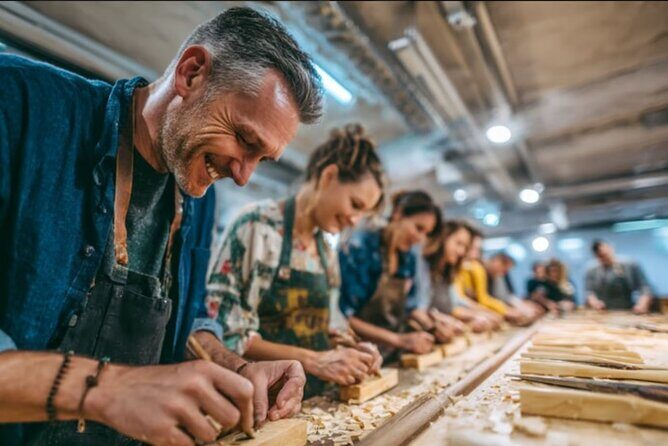
- Use a traditional Japanese kanna (hand plane) to shape your chopsticks with your hands on the grain
- Choose Japanese wood types, with two included at no extra cost and premium options available
- Sanding plus natural oil finish helps your chopsticks feel comfortable and protect the surface
- Optional engraving lets you personalize your chopsticks in Japanese or your native language
- Small-ish group size (up to 32) with staff ready to help first-timers
- Easy take-home souvenir: you leave with the finished chopsticks you made in about an hour
Gion workshop basics: ZEN Chopsticks, how long it runs, and what you’ll need
This activity takes place in Gion, Kyoto, at 禅(ZEN) Chopsticks Making Workshop, in the Yasaka Koji South area (address: 町目 71-13 Tamamizu, Higashiyama Ward, Kyoto, 605-0851). The workshop runs about 1 hour, and you get a mobile ticket, which keeps things simple when you’re walking around Kyoto.
The shop is set up for real participation, not just watching. The group size is capped at 32, which usually means you’re not stuck waiting forever, but it also signals this is a popular stop with a steady flow of classes.
Practical tip: plan to show up ready to move. You’ll be using hand tools and working close to your station, so keep your day bag minimal. If you’re touring other parts of Gion afterward, this is a good “reset” activity because your hands will be busy and your brain gets a break from sightseeing.
You can also read our reviews of more tours and experiences in Kyoto

From raw wood to smooth hashis: the hand-plane process that makes it calming
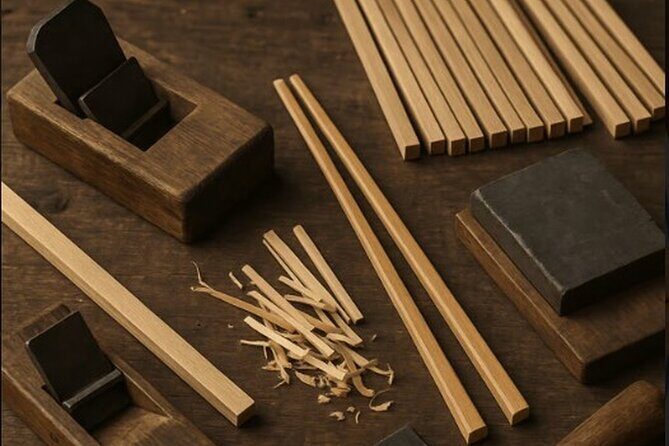
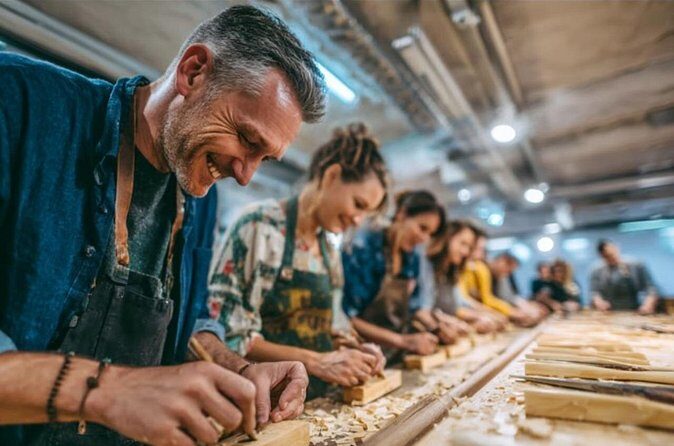
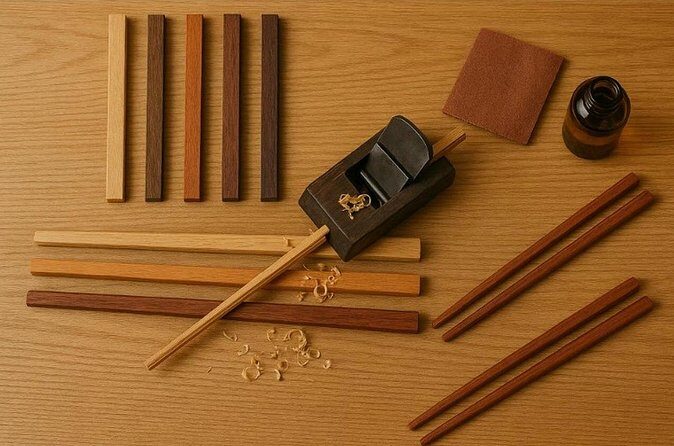
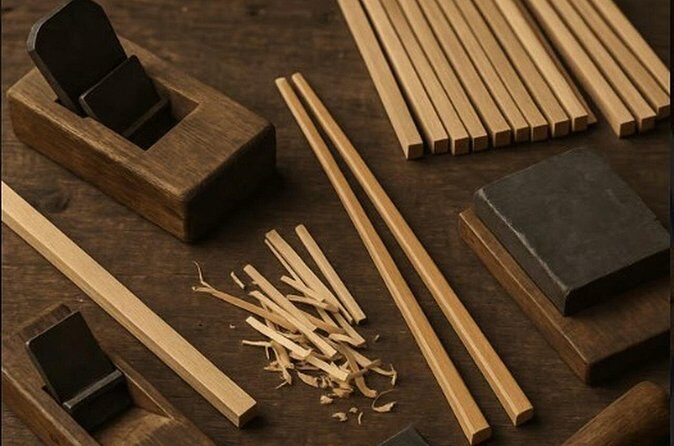
The core of the experience is turning your selected wood into chopsticks using a traditional kanna (hand plane). Instead of starting with already-cut sticks, you begin with simple wooden blanks. That matters because you’ll feel the grain from the start. You’re not just following steps on a table—you’re shaping something real, and your hands learn as you go.
Here’s the flow you can expect:
- You place your blank and follow the instructor’s guidance to start shaping with the hand plane.
- You carve into the wood carefully, working to get the chopstick shape right.
- Then you smooth things out with sandpaper, finishing the surface and edges so the chopsticks feel comfortable.
- Finally, you apply a coat of natural oil, which both protects the wood and gives it a soft, polished look.
Why this feels special: the hand plane step slows you down in a good way. Wood responds to pressure and angle. That means you get immediate feedback in a way that’s almost impossible with purely mechanical workshops. It’s also the part that tends to stick in your memory as the moment you really learned something.
As a beginner, you’ll still be able to do this because the teaching is geared for first-timers. You’ll be shown what to do, and staff are around to help if you get stuck.
Choosing Japanese woods: two included options, premium upgrades, and how wood affects the final feel
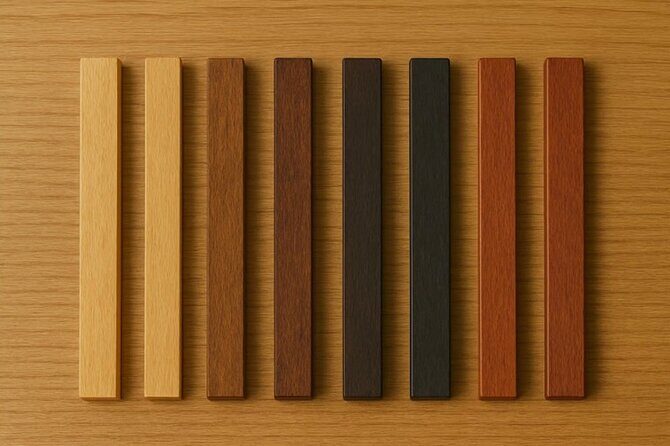
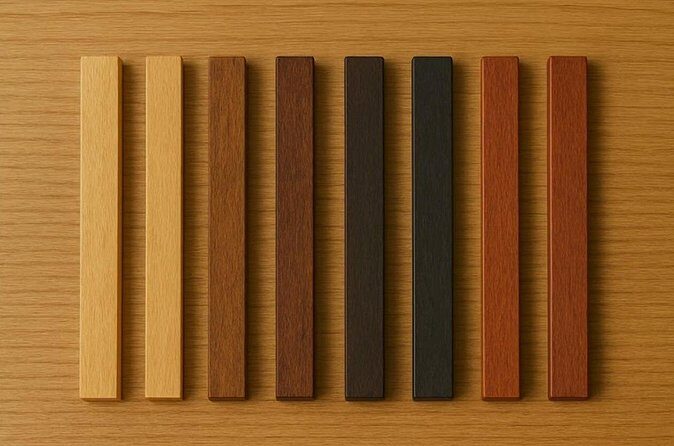
You get to pick from a curated selection of Japanese woods, and the difference isn’t just cosmetic. Wood choice changes color, grain pattern, and even the way the finish looks after oil.
The price includes two wood types at no extra cost. There are also premium woods available as optional upgrades if you want something more dramatic or distinctive. That’s a smart setup for a souvenir: you get a meaningful choice without forcing everyone to pay extra.
What to watch for: on some days, the shop may not have every advertised option available. One review-style concern that shows up in real-world craft shops is that you might plan for Wood A or Wood B and end up with fewer choices at the counter. If wood variety is your top priority, it’s worth being flexible in your selection.
Practical tip for choosing: pick based on the look you want after finishing. Oil tends to deepen color and highlight grain, so a wood that looks subtle in raw form may become more expressive once it’s oiled.
Personalizing your chopsticks with engraving in Japanese or your own language
If you want your chopsticks to feel like a true keepsake (not just a nice craft), the optional engraving is the highlight. You can add your name in Japanese or your native language, turning the finished pair into something you’ll recognize every time you use them.
The engraving process is treated carefully, and it’s positioned as neat and well-organized, which matters because you don’t want your personalization to look rushed. If you’re traveling as a couple or as a family, this option is also a great way to make sure everyone goes home with something different.
Small advice: if you want legibility, think about spacing and character choice before engraving starts. Native-language engraving is available, but different scripts and lettering styles can change how compact the final mark looks.
Staff help, workshop pace, and the one downside to expect in a busy Gion shop
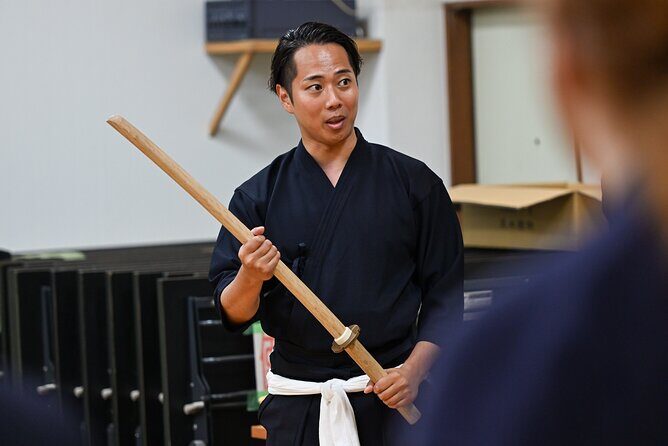
This is an instructor-led workshop with English-speaking staff available to assist. That support is important because using a hand plane is unlike most travel activities. Even if you’re handy, you’ll still want coaching on tool angle and how to shape without gouging.
Many people love the patience and detail in the instruction. The tools and steps are set up so beginners can succeed, and the staff are ready to guide you through shaping, smoothing, and finishing.
Still, you should know what to expect from the overall vibe. This is popular, and the shop experience can feel somewhat structured, with staff managing multiple stations. One possible drawback some people note is that it can feel like a bit of a production flow rather than a slow, ultra-personal class. That doesn’t mean you won’t enjoy it, but it helps you set expectations: you’ll be doing the work yourself, yet the staff are also keeping the schedule moving.
Here’s how you can get the best of it:
- Treat the workshop like a skill practice, not a long chat session.
- Ask for help early if you’re unsure about the tool step.
- Keep your engraving simple so you can focus on finishing clean chopsticks.






Price and value: is $15.25 worth it for a one-hour Kyoto workshop?
At $15.25 per person for about 1 hour, the value is strong—especially because you’re not paying for instruction only. You’re taking home finished chopsticks made from your chosen wood, with a natural oil finish included in the process.
What makes the price feel fair:
- You’re using real tools like the hand plane, not a pretend craft station.
- The workshop covers the full transformation: shaping, sanding, and finishing.
- You get a genuine souvenir that’s functional. It’s not just a decorative item you’ll store once.
- Two wood types are included at no extra charge, with premium options available if you want to add cost.
Where value can shift: if you upgrade to premium woods or add engraving, your total spending rises. But those are optional. Even without extras, you’re still leaving with a personalized pair you made.
Compared to buying chopsticks from a shop in Kyoto, this is different. Shopping gives you convenience. This workshop gives you the story and the satisfaction of making something with your own hands, plus a finish that looks and feels right.
Timing it in your Kyoto day: Gion location and how to plan the rest
The workshop ends back at the meeting point, so you don’t need to solve a complicated end-of-tour logistics puzzle. That’s ideal in Kyoto, where you’re often moving between neighborhoods.
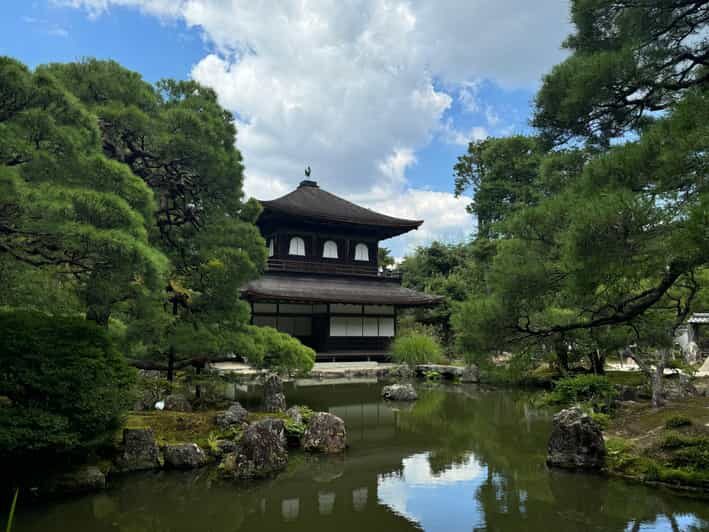
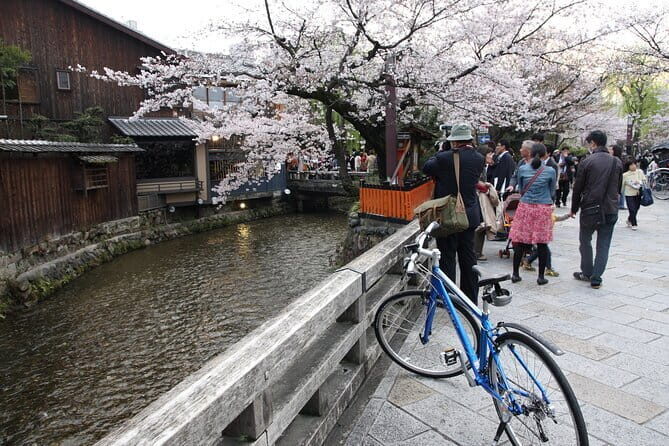
Because it’s in Gion, it fits naturally into a day that also includes the classic streets and temple-area walking routes nearby. The workshop also works as a calmer break if you’ve been doing a lot of shrine hopping. You get a seat, a station, and a task that feels steady.
Best approach: go when you can focus. If you’re rushing to catch a train immediately after, you’ll probably feel rushed during sanding or finishing. If you can give yourself a little buffer afterward, you’ll enjoy it more.
Who should book this chopsticks workshop, and who might want to skip it
Book it if you want:
- A hands-on craft that feels genuinely Japanese, not a tourist demonstration
- A short activity that delivers a take-home souvenir in about an hour
- A beginner-friendly workshop with staff support and clear teaching
- The option to personalize with engraving
Skip it if:
- You only care about seeing sights, not making things
- You’re hoping for a very private, slow class with lots of one-on-one time
- Wood variety is your main goal and you can’t be flexible if a specific option is unavailable
If you’re a family, this is also a strong pick because it’s designed so beginners can do it and take the result home. The engraving option is especially satisfying for kids and parents because it turns the craft into something clearly theirs.
Should you book? My practical decision rule
I’d book this workshop if you want a small Kyoto experience that’s active, memorable, and worth the money. The combination of a real hand plane, beginner-friendly coaching, and a take-home finished product makes it a good value at this price point.
I’d think twice if you’re very specific about wood choices or you prefer long, unstructured classes. The shop can run like a busy workshop, and choices can be limited depending on what’s available.
In short: if you’re open-minded about wood selection and you enjoy crafts, this is one of the simplest ways to bring a piece of Kyoto back with you.
FAQ
How long does the chopsticks making workshop take?
It lasts about 1 hour.
Where does the workshop meet in Kyoto?
It starts at 禅(ZEN) Chopsticks Making Workshop, Yasaka Koji South, machi-71-13 Tamamizu, Higashiyama Ward, Kyoto, 605-0851, Japan.
What is the cost per person?
The price is $15.25 per person.
Does the price include wood selection?
Two wood types are included at no extra cost, and premium woods are available as optional upgrades.
Can I add an engraving to my chopsticks?
Yes. You can add your name with optional engraving in Japanese or your native language.
What is the cancellation policy?
You can cancel for a full refund up to 24 hours before the experience starts. If you cancel less than 24 hours before start time, the amount paid is not refunded.