REVIEW · COOKING CLASSES
Private Kyoto Sushi Cooking Class & Tea Ceremony with Emika
Book on Viator →Bookable on Viator
One bite says Kyoto. This private class in Emika’s home turns you into the cook, with sushi or a traditional main, plus Kyoto Obanzai vegetable dishes, and it ends with a tea ceremony. I love the fact that you’re working in a real neighborhood kitchen (not a studio), and I especially love the organic, garden-grown vegetables that help your food taste like it was meant for Kyoto. One thing to consider: it’s a short walk to the meeting spot, so plan to use Google Maps and wear comfy shoes.
You get a start-to-finish rhythm that feels like a local day: matcha first, cooking for about an hour, eating what you made, then tea to close it out. It’s also flexible—choose lunch or dinner, and tell Emika if you’d rather do a sushi menu or focus on Obanzai.
In This Review
- Key Highlights You’ll Care About
- A Kyoto Home Where You Cook Like You Belong
- Getting to Emika’s Place in Nishikyo: Plan for a Walk
- Matcha First: The Pace of the Morning or Evening
- The Cooking Plan: Sushi or a Main Plus Two Obanzai Dishes
- If you choose sushi
- If you choose an Obanzai-focused menu
- Two vegetable-style dishes
- Emika’s Garden: Why Seasonal, Organic Ingredients Matter
- What You’ll Eat: The Meal Comes After Cooking
- Drinks and Pairing: Sake or Matcha While You Cook
- Optional Market Tour: Buying Japanese Ingredients After Lunch
- Teaching Style: Clear Steps, Cultural Notes, and Room for Questions
- Price and Value: What You’re Really Paying For
- Who This Is Best For (and Who Might Want a Different Option)
- Should You Book Emika’s Kyoto Sushi Class?
- FAQ
- How long is the cooking class and tea ceremony?
- Is this a private experience?
- What’s included in the price?
- Do I need to arrange transport from my hotel?
- Where do I meet Emika?
- Is there a market tour option, and when does it happen?
- Can I choose between sushi and Obanzai dishes?
- Are dietary restrictions and allergies accommodated?
- Do I need to be an experienced cook?
- What is the cancellation window?
- Is it near public transportation and are service animals allowed?
Key Highlights You’ll Care About
- Private, home-based cooking with only your group, led by Emika in her own space
- Matcha tea to begin (made by Emika or her father) and a tea ceremony to finish
- Obanzai cooking with seasonal ingredients, including two vegetable-style dishes
- Fresh, organic produce grown by Emika for the meal
- Local alcohol included (typically 1–2 glasses), with matcha available as a pairing option
- Optional market tour after lunch, plus help spotting ingredients to take home
A Kyoto Home Where You Cook Like You Belong
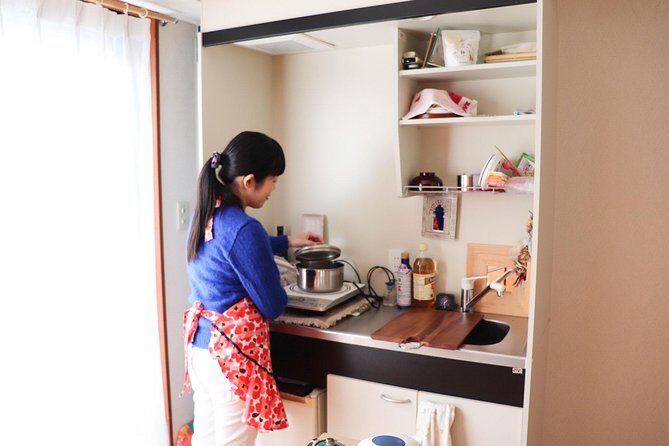
In Kyoto, it’s easy to eat great food and still feel like you watched it happen. This experience flips that. You’re not just tasting Obanzai; you’re building it with your hands, around someone else’s home routine.
Emika opens her Kyoto home so you can learn a menu tied to the way people actually eat there. The class centers on Japanese cooking, but it’s the Kyoto-specific touch that makes it feel right: you’re making Obanzai, a Kyoto style of home cooking that leans into seasonal vegetables and careful, comforting flavors.
Two things make this stand out right away. First, it’s a private setting. You’re not sharing a cramped counter with strangers. Second, Emika’s teaching style is built around clarity and patience—so even if you’ve never rolled sushi before, you’re given steps you can follow.
The one catch is logistics: this is in a residential area, and the walk from the nearby station is real (not five minutes). That matters because you’ll likely arrive a bit earlier than you’d like, then settle in with tea and instructions.
You can also read our reviews of more private tours in Kyoto
Getting to Emika’s Place in Nishikyo: Plan for a Walk
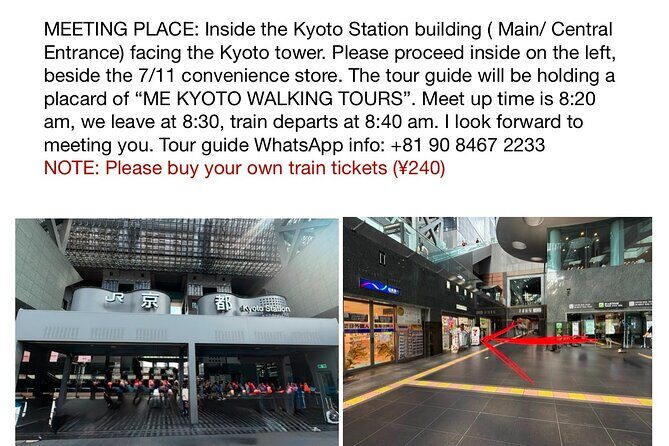
The meeting point is at 31-30 Katsurainariyamachō, Nishikyo Ward, Kyoto. There’s no hotel pickup, so you’ll need to handle the trip yourself.
Here’s what helps in real life: a number of people find it about a 10–15 minute walk from Kasura station. The streets are described as winding, and Google Maps is your friend here. If you’re traveling with kids or you don’t want to carry bags, pack light for the class.
Once you arrive, the payoff is quick. You’re headed into a neighborhood home, not a commercial kitchen. That makes the whole experience feel calmer and more personal from the moment you step in.
Matcha First: The Pace of the Morning or Evening
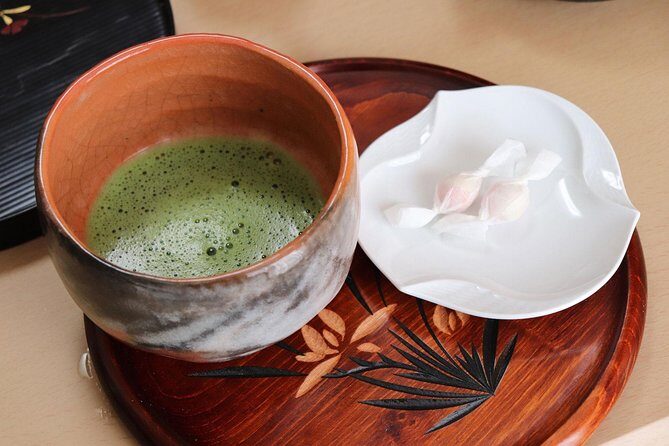
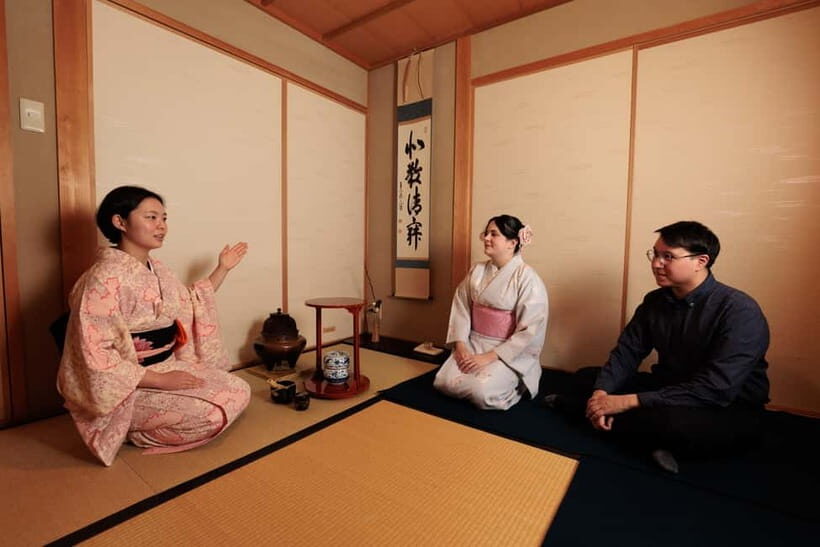
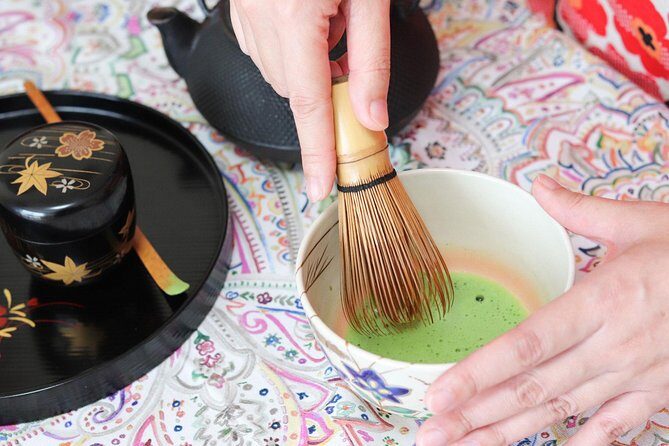
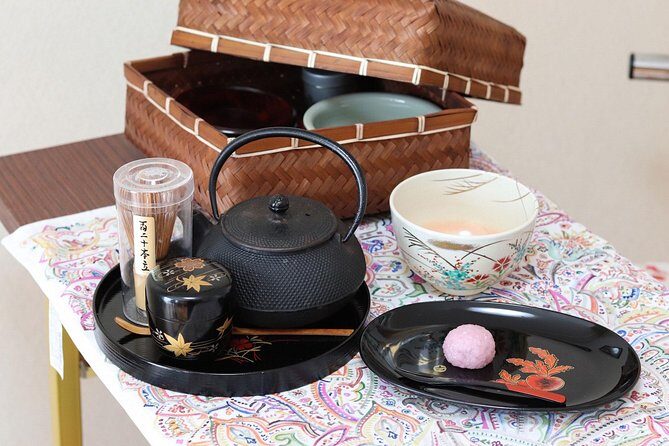
The class begins (or ends, depending on lunch vs. dinner choice) with freshly made matcha green tea prepared by Emika or her father. This isn’t just a drink to sip while you wait. In Kyoto-style experiences like this, matcha acts like a timer for your attention—it signals that you’re shifting from sightseeing mode into food mode.
Then, after cooking and eating, the experience closes with a tea ceremony. The way it’s described is simple and direct: you finish your meal, then the tea ceremony brings everything down to a quiet landing.
If you like experiences that have a clear rhythm, you’ll enjoy this. If you prefer nonstop action, you might find the pace slower than a cooking class that’s mostly technique and no cultural pacing. Either way, it’s part of why this feels Kyoto rather than generic.
The Cooking Plan: Sushi or a Main Plus Two Obanzai Dishes
You’ll cook for about one hour, and the rest of the time is meal time and tea. The menu is customizable in a key way: when you book, you can tell Emika whether you’d prefer a sushi menu or a more Obanzai-leaning menu.
If you choose sushi
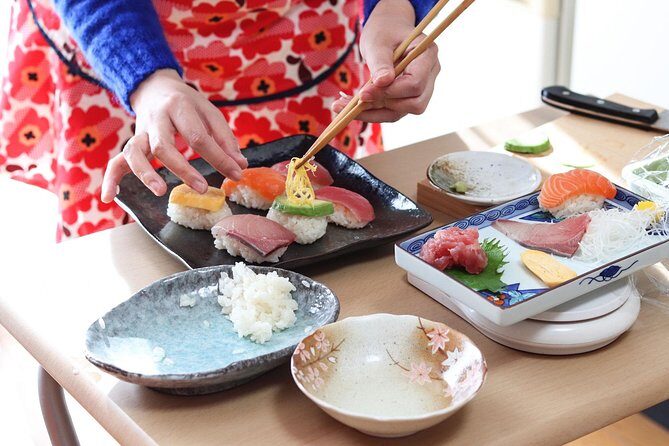
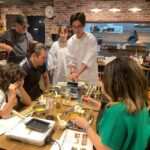
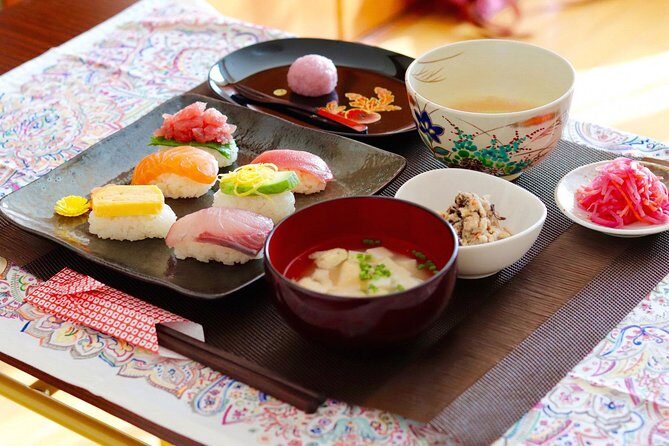
You’ll learn how to make sushi of your choice. Expect instruction on classic steps like preparing sushi rice, shaping/rolling, and putting the right components together. One detail people really liked is Emika’s hands-on guidance, including tricks that help your sushi turn out well, even if you’re starting from scratch.
You can also read our reviews of more cooking classes in Kyoto

If you choose an Obanzai-focused menu
You’ll prepare a traditional Kyoto meal with emphasis on vegetable dishes. The experience highlights Obanzai items like marinated mushrooms, slow-cooked vegetables, and dishes that can include miso soup and tofu. The exact combination depends on what Emika has planned for your menu, but the point is consistent: you’re not cooking only one flavor. You’re learning how Kyoto home cooking builds balance.
Two vegetable-style dishes
No matter which direction you pick, you’re making two Obanzai-style vegetable dishes. That’s a big deal for value because it gives you variety: you’ll learn multiple techniques and taste how Kyoto cooks treat vegetables as the main event.
All skill levels are welcome. Emika teaches with patience, and the atmosphere stays relaxed so you can ask questions as you go.
Emika’s Garden: Why Seasonal, Organic Ingredients Matter
One of the most praised parts is that the vegetables aren’t generic. Emika grows organic vegetables that you use in class. That’s not just a feel-good detail—it changes how your food tastes.
In practice, it means:
- your vegetable dishes taste fresher
- flavors feel more balanced because ingredients are in-season
- you get examples of how Kyoto cooking respects what’s available locally
If you’ve ever cooked with ingredients that taste “fine,” then tried cooking with produce that tastes like something, you know the difference. The class is a chance to experience that gap and learn what to look for when you cook at home.
The other nice piece: Emika also shares tips on where to buy sushi supplies and ingredients later. The goal isn’t just a nice meal tonight. It’s helping you recreate the basics when you’re back in your own kitchen.
What You’ll Eat: The Meal Comes After Cooking
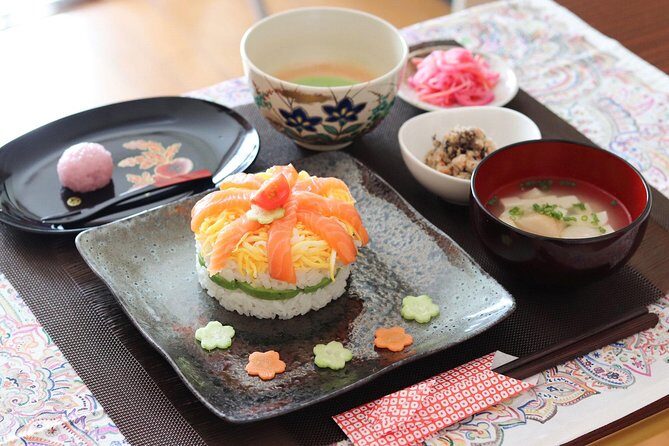
After about an hour of hands-on work, you sit down to eat the meal you prepared together. That structure matters. A lot of cooking classes are all technique and no chance to fully enjoy what you made.
Here, you get both: time to learn, then time to taste. And because the menu includes sushi plus Obanzai vegetable dishes (and often staples like miso soup), it’s not one-note comfort food. You’ll get a mix of textures and flavors—soft, savory, and a bit tangy/sweet depending on the dish.
There’s also a strong chance of dietary fit. Emika can accommodate dietary needs if you tell her in advance. One example from the experience details: vegetarian guests were accommodated with an appropriate menu.
Drinks and Pairing: Sake or Matcha While You Cook
The experience includes local alcohol (1–2 glasses). Some groups report choosing options like nigori sake, which is cloudy and slightly sweet. Even if you skip alcohol, matcha is part of the experience, and it works naturally with the flavors you’re cooking.
This is one of those small details that affects your enjoyment. A pairing that fits the food helps you pay attention to flavors instead of just eating quickly. And since you’re cooking and then eating in the same setting, your drink stays part of the story, not a separate stop.
If you don’t drink, be sure to mention it when you book so Emika can steer you toward matcha and non-alcohol options that fit the menu.
Optional Market Tour: Buying Japanese Ingredients After Lunch
If you choose the Market tour option, Emika takes you on a 1-hour tour to a produce store and supermarket where locals shop. It’s not presented as a sightseeing shopping spree. It’s more like ingredient education.
A key timing detail: the market tour happens after your cooking class and lunch. After you eat, you walk together about 10 minutes to the supermarket.
What you get out of this:
- You see Japanese ingredients you might not find easily at home
- You learn which items matter for sushi and Obanzai-style cooking
- Emika can help you purchase ingredients if you want to take things home
If you love the idea of cooking again later, the market tour option is the part that helps you translate tonight’s lesson into something you can repeat.
Teaching Style: Clear Steps, Cultural Notes, and Room for Questions
This isn’t a classroom. It’s more like learning at someone’s table—except you’re also cooking. Emika is described as patient and kind, with clear instructions for sushi, miso soup, and the vegetable side dishes.
One reason people give this high marks is that the experience isn’t only recipes. Emika also shares small cultural notes about food habits and etiquette. Those details help you understand why certain steps matter, not just what to do.
You’ll also pick up practical tips, like guidance on where to get supplies to make sushi at home. That’s the difference between a fun meal and a skill you can actually use after your trip.
Price and Value: What You’re Really Paying For
At $109 per person for about 3 hours, the price can look “average” on paper—until you break down what’s included.
You’re paying for:
- a private class in a Kyoto home (not a group workshop)
- hands-on instruction for sushi and/or Obanzai dishes
- matcha at the start and a tea ceremony at the end
- local alcohol included (1–2 glasses)
- seasonal ingredients, including vegetables grown by the host
- an optional market tour with ingredient guidance
For many people, that combination is the value. The market tour option especially helps because it turns your class into a shopping/ingredient lesson, not just a one-time event.
One more practical value point: since you choose lunch or dinner options, you can fit it without disrupting your sightseeing day too much. Three hours is manageable, and a private setting reduces the time lost to waiting or crowd movement.
Who This Is Best For (and Who Might Want a Different Option)
This experience is ideal if you want:
- authentic Kyoto home life tied to food
- a sushi lesson that’s hands-on, not intimidating
- Obanzai cooking with vegetables treated as the center of the plate
- a calm, guided setting where you can ask questions
- a chance to learn ingredients and techniques you can reuse at home
It may be less ideal if you:
- dislike walking from the station area (the class is in a residential neighborhood)
- want a fast, high-energy cooking show with no cultural pacing (matcha and tea ceremony take time)
- prefer large-group social experiences with other tourists (this is private)
Should You Book Emika’s Kyoto Sushi Class?
I’d book it if you’re the type of traveler who remembers meals longer than landmarks. This class is built around real food work—sushi and Kyoto Obanzai—plus matcha and tea, plus organic vegetables grown for the meal. That mix makes it feel both personal and practical.
Do it sooner rather than later. On average, it’s booked about 49 days in advance, so if your dates are firm, reserve early.
If you’re on the fence between a class that only teaches technique and one that also helps you understand ingredients, choose this—especially if you like the idea of adding the market tour afterward so you can bring the lesson home.
FAQ
How long is the cooking class and tea ceremony?
The experience is about 3 hours (approx.).
Is this a private experience?
Yes. It’s private, and only your group participates.
What’s included in the price?
You get a private cooking class and tea ceremony with your host, plus local alcohol (1–2 glasses). If you select the Market tour option, that includes a supermarket/produce market tour.
Do I need to arrange transport from my hotel?
Yes. Hotel pickup and drop-off are not included.
Where do I meet Emika?
The meeting point is at 31-30 Katsurainariyamachō, Nishikyo Ward, Kyoto, 615-8025, Japan. The activity ends back at the meeting point.
Is there a market tour option, and when does it happen?
Yes. The market tour includes a supermarket and produce store and lasts about 1 hour. It happens after your cooking class and lunch, not before.
Can I choose between sushi and Obanzai dishes?
Yes. You can inform Emika if you’d prefer a sushi menu or an Obanzai (native Kyoto) menu when booking.
Are dietary restrictions and allergies accommodated?
Tell your host Emika at booking if anyone in your group has allergies, dietary restrictions, or cooking preferences.
Do I need to be an experienced cook?
No. The experience welcomes all skill levels.
What is the cancellation window?
Free cancellation is available up to 24 hours in advance for a full refund.
Is it near public transportation and are service animals allowed?
It’s near public transportation, and service animals are allowed.