REVIEW · TEA CEREMONY EXPERIENCES
Kyoto: Tea Ceremony Experience
Book on GetYourGuide →Operated by Camellia Tea Ceremony · Bookable on GetYourGuide
Matcha time in Kyoto is quietly magical. This 45-minute tea ceremony in Higashiyama teaches you the rhythm behind Kyoto matcha, from the utensils to the room’s decoration, and you’ll get to taste seasonal sweets and mix your own bowl. What I like most is the hands-on part—your host shows you the steps, then you whisk, drink, and understand what you’re doing. I also like that it’s in a real Kyoto setting, inside a traditional machiya tearoom.
One thing to plan for: you may spend a chunk of the session sitting on the floor. The good news is you can use chairs if needed, and there are tearoom options upstairs and a wheelchair-accessible Garden Teahouse.
In This Review
- Key Points Before You Go
- Finding the Flower Teahouse in Higashiyama (Ninenzaka Alley)
- Inside the Traditional Machiya: What Happens First
- Seasonal Sweets and Your First Sip of Matcha
- Whisk Your Own Bowl: The Matcha-Making Moment
- Utensils, Room Layout, and the Stuff You’ll Actually Notice
- Comfort, Photos, and How to Survive a 45-Minute Floor Sit
- Price and Value: Is $32 for 45 Minutes a Good Deal?
- Who This Kyoto Matcha Class Is Best For
- Should You Book This Kyoto Tea Ceremony Experience?
- FAQ
- How long is the Kyoto tea ceremony experience?
- How much does it cost?
- Where is the meeting point?
- Is the tea-making instruction in English?
- What’s included in the experience?
- Is kimono rental included?
- Are photos allowed?
- Do I need to sit on the floor?
- Is the tearoom accessible for wheelchair users?
- Can I bring an interpreter?
Key Points Before You Go
- Higashiyama, machiya setting: part of the experience is the traditional tearoom mood.
- Learn utensils and room layout: you’ll see how spacing, decoration, and tools fit the ceremony.
- Seasonal sweets + matcha: you taste first, then whisk your own frothy bowl.
- English instruction and Q&A time: you can ask about the three schools and Japanese tea culture.
- Comfort options: chairs and tables are available if floor seating is tough.
Finding the Flower Teahouse in Higashiyama (Ninenzaka Alley)
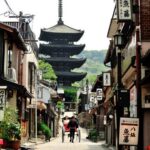
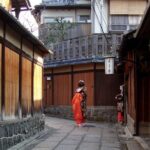
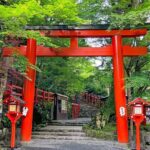
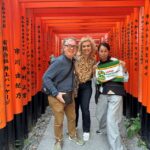
This ceremony starts in the Higashiyama area, close to major sights, but the meeting point itself is easy to miss if you’re looking for a big storefront. The location is down an alley branching from the main street of Ninenzaka.
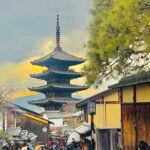
Here’s the simplest way to orient yourself: head to the Park Hyatt hotel. Across from it is a Studio Ghibli store. Look for the alley just to the left of that store—walk down, and you should find the teahouse. It’s a short walk from Kiyomizu-dera, Kodai-ji, Yasaka-jinja, Maruyama Park, and Chion-in, with Gion also within walking distance.
I like this because it means you can build the tea ceremony into a Kyoto day without needing taxis or complicated routes. You can also tap into bus service along Higashi Oji if your legs need a break. And if you’re the walking type, you can reach the city center in about 25 minutes, cutting through Gion.
You can also read our reviews of more tours and experiences in Kyoto.

Inside the Traditional Machiya: What Happens First
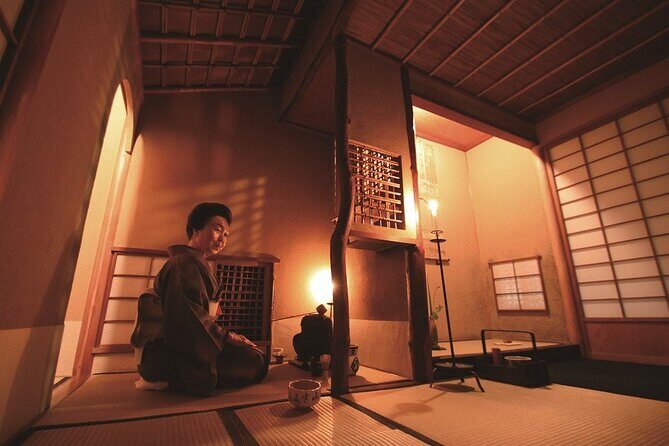
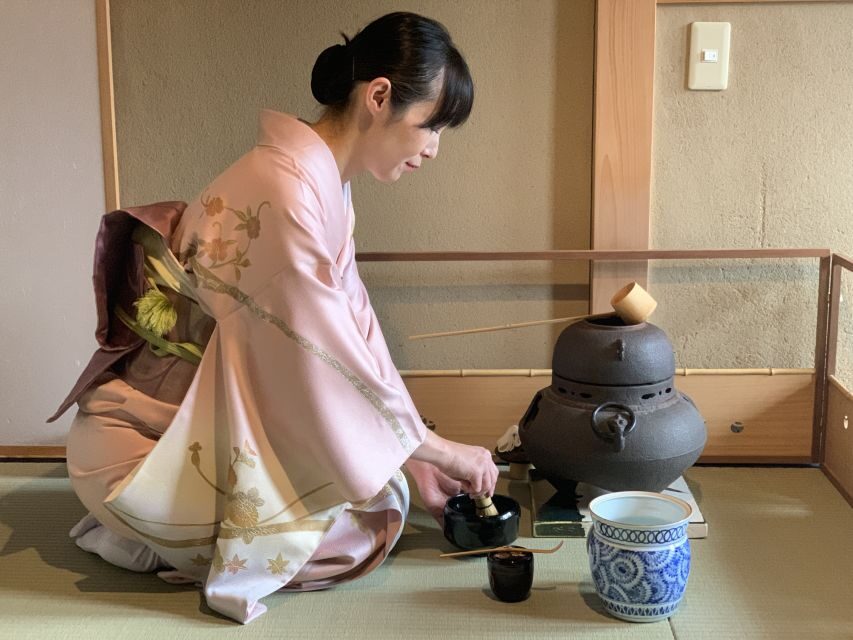
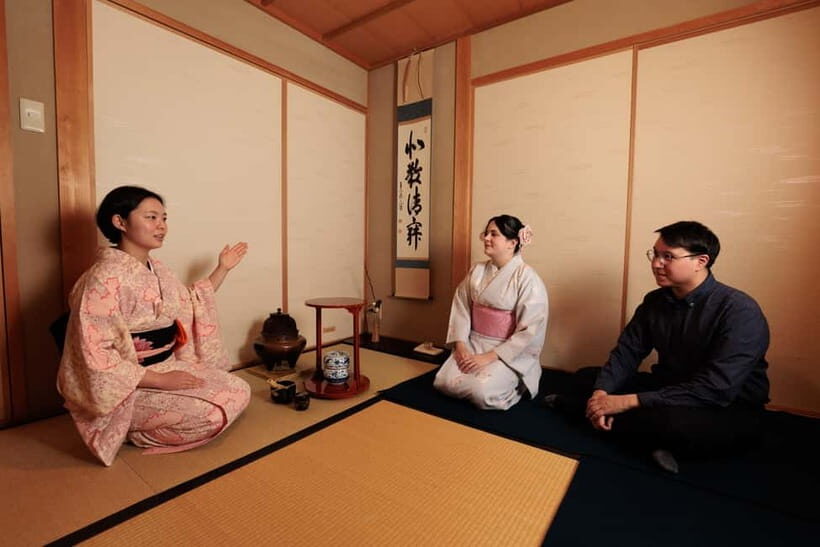
You’ll begin at a traditional Kyoto machiya (a townhouse-style building), and the session starts with a short introduction to matcha and the tea ceremony itself. Before you ever whisk anything, you’ll learn why the details matter: the tools, the step-by-step flow, and the way the tearoom is set up.
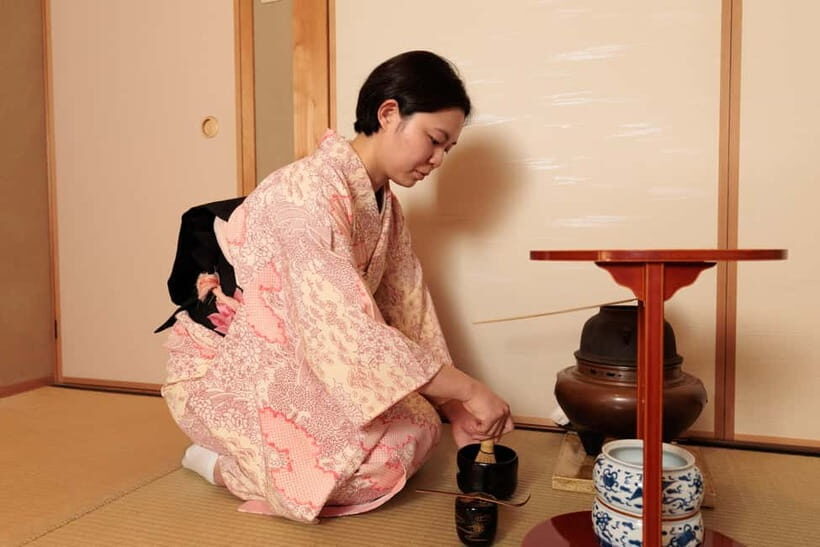
Expect a clear explanation of the utensils and the sequence of the ceremony. The host will also point out the importance of the room’s decoration—because in tea, the setting isn’t just background. It’s part of the message.
Then the pace shifts into the actual ceremony. You watch, you listen, and you get your first taste. One reviewer noted that the main demonstration can be around 10 minutes, which helps you understand the structure without feeling like the whole session is a lecture.
This first phase is valuable if you’ve only seen tea ceremonies on videos. Seeing the movements in person helps you notice how deliberate everything is—slow, planned, and respectful of the moment.
Seasonal Sweets and Your First Sip of Matcha
Right as the ceremony starts, you’ll nibble on a traditional seasonal sweet. That small course correction is smart, because it gives your taste buds something to do besides chase bitterness immediately.
Then comes the matcha. You’ll taste what Kyoto matcha culture is about: that distinct green flavor that can read bold at first, especially if you’ve only had sweetened or latte versions. The point isn’t to rush; it’s to notice how the flavor changes once you understand how it’s prepared.
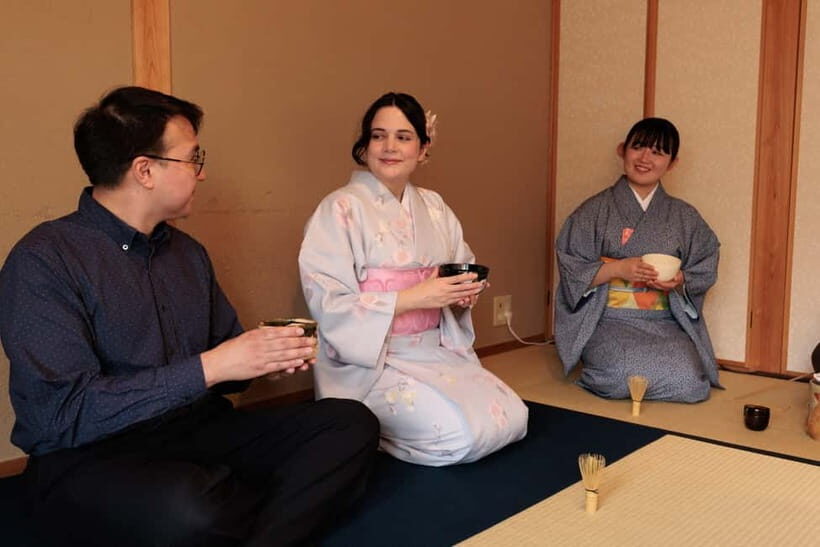
You’ll also have time to chat. This is where you can ask questions about Japanese culture and even the three schools of tea ceremony. I like that the session doesn’t feel stuck in a one-way script. If you’re curious—symbols, etiquette, history—you’ll have a chance to ask and get answers while you’re still in the calm “tea mode.”
As a bonus, this portion is a nice break from the intensity of Higashiyama’s crowds. You’re near top sights, but the tea room itself slows everything down.
Whisk Your Own Bowl: The Matcha-Making Moment
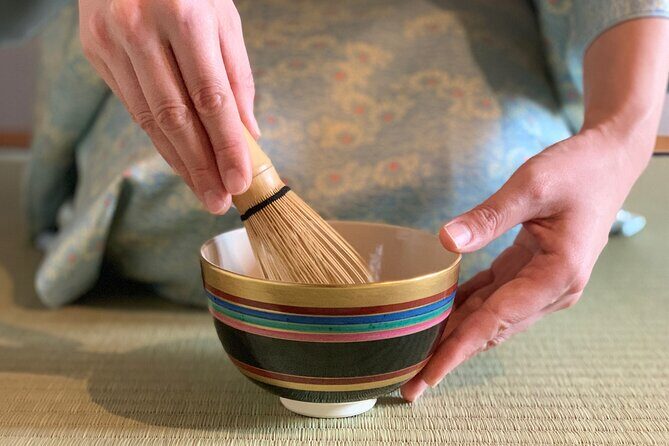
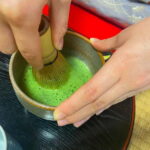
The best part is that you don’t just watch. After the demonstration, you get to make your own bowl of frothy matcha with your host’s guidance.
You’ll learn the basics of producing a bowl with the right texture—foamy and properly mixed. Don’t expect perfection on your first try. The host guides you through the technique step by step, and you’ll quickly realize that consistency matters more than speed.
One of the most helpful things from past guests: people felt comfortable enough to ask questions during the process and got real coaching rather than a quick “here you go.” A review specifically called out a host named Ikuko for explaining well and helping whisk the tea into good foam.
Once you’re done, you drink what you made. That closes the loop in a way that typical tastings don’t—because you understand the work behind the flavor.
And if you fall in love with the idea of making matcha at home, there’s usually a gift shop where you can pick up mementos. One guest mentioned buying their own matcha-making set.
Utensils, Room Layout, and the Stuff You’ll Actually Notice
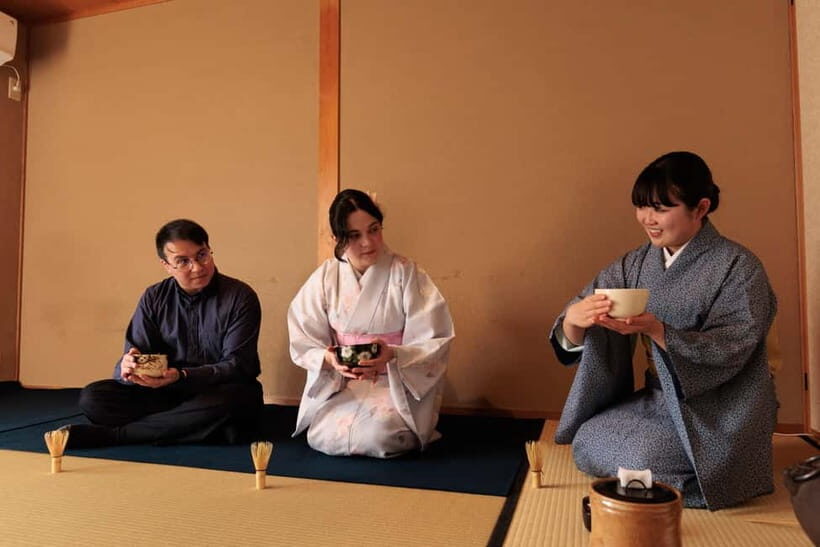
A lot of tea ceremonies get marketed like a pretty show. This one spends time on why the show exists.
You’ll learn about the utensils used in the ritual, and you’ll hear how each step connects to a bigger philosophy. You’ll also get a closer look at the tearoom layout and decorations. That sounds abstract until you’re sitting there and you see how everything supports calm focus—where people sit, how items are handled, and how the ceremony’s flow creates order.
The host also tends to explain symbolism and the history behind matcha in Kyoto, and you’ll often leave with at least a couple of mental anchors—like why the pace is slow, why attention is part of etiquette, and how the ceremony encourages being present.
One nice practical note: the hosts pace the lesson so it doesn’t drag. If you want a cultural experience you can fit into a day of temples and streets, this is built for that.

Comfort, Photos, and How to Survive a 45-Minute Floor Sit
Let’s talk comfort, because Kyoto can be sneaky about it.
The tearooms are located upstairs. If you have mobility concerns, there is a wheelchair-accessible Garden Teahouse option. Chairs and tables are also available if you find it difficult to sit on the floor.
If you’re planning to sit on the floor, go in knowing it’s not a statue pose. One review warned that floor sitting can be uncomfortable after about 40 minutes—though the hosts understand and encourage guests to get comfortable. The big win is that you’re not forced to suffer quietly.
Photo rules are straightforward:
- Video recording is not allowed.
- Non-flash, still photography is permitted.
Bring a phone you can lock onto without needing to constantly adjust, and think about timing if you’re doing lots of temple photos that day. Also, the ceremony’s calm vibe means you’ll want to keep audio and movement low—no rushing, no stepping around mid-ritual.
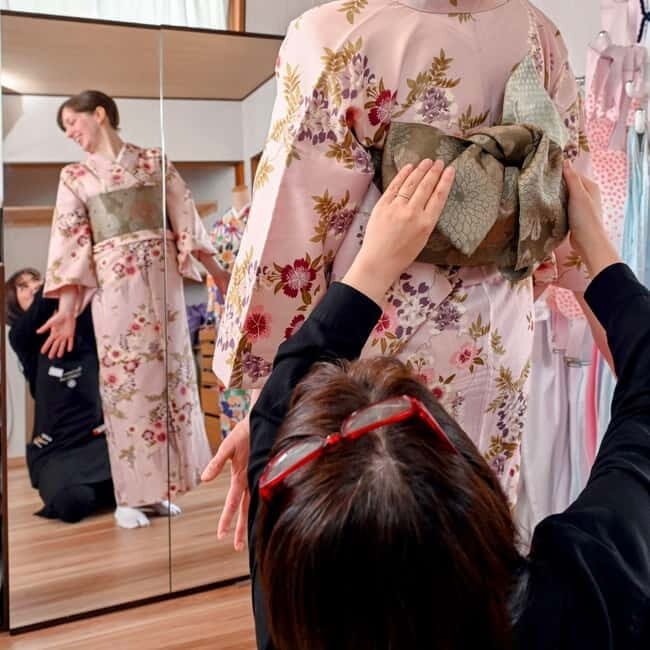
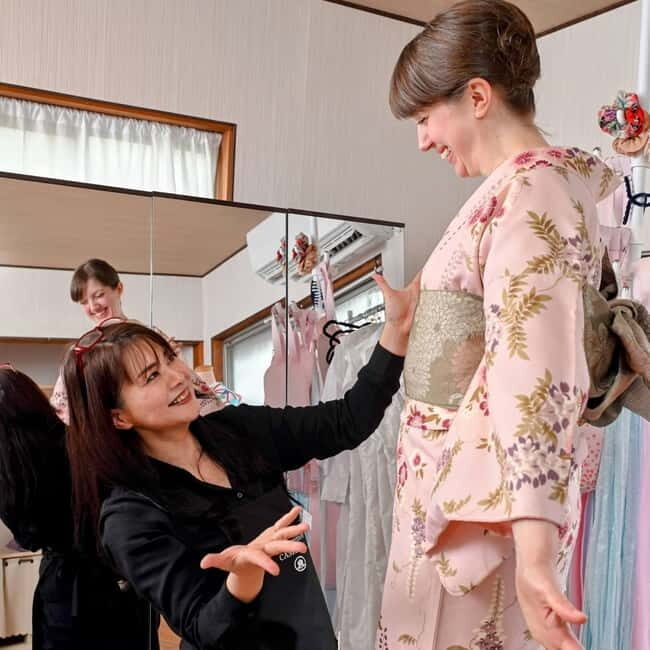
If you want kimono photos, keep in mind that kimono rentals are not included in the $32 experience. Some people rent nearby and add it before the ceremony.
Price and Value: Is $32 for 45 Minutes a Good Deal?
$32 for a 45-minute tea ceremony in Kyoto sounds simple, but the value is in what’s included and what you do with it.
You get:
- matcha
- seasonal sweets
- tea-making utensils
- a personal instructor/host (so you can ask questions and get hands-on help)
If you’ve ever paid for a “tea tasting” that was basically a drink and a photo, this is different. You’re not just consuming matcha—you’re learning how it’s prepared, and you leave with the ability to mimic the basics. That’s a better souvenir than a label on a cup.
Also, English instruction is included, which matters in a city where language can turn a cultural moment into a mystery. Reviews also highlight the host’s clear explanations and how smoothly the timing works for a short window in your day.
So yes, for many people, this is one of the best value cultural stops in Higashiyama—short enough to fit, structured enough to learn, and calm enough to remember.
Who This Kyoto Matcha Class Is Best For
This ceremony is a great fit if you want:
- a cultural break from Kyoto’s busy streets
- a short, structured lesson with hands-on practice
- a chance to ask about tea traditions, symbolism, and matcha culture
It’s especially good for first-timers who have seen tea on screens but want the real pacing and utensil details. If you’re traveling with kids, it might be trickier depending on their patience for floor seating, but the ceremony is built around comfort options.
If you’re an interpreter team, there’s a note: the activity asks that you book a private tea ceremony if you’ll have an interpreter so it won’t disrupt other guests. If you’re traveling with a baby or infant under 3, the guidance is to book a private tea ceremony at the Garden Teahouse.
If you want more control, choose a private or small-group format.
Should You Book This Kyoto Tea Ceremony Experience?
I’d book this if you want a Kyoto experience that’s calming and practical. This is one of those activities where the “show” turns into an actual skill—whisking matcha—and you come away understanding why the details matter.
Skip it (or book a private version if offered) if:
- you strongly dislike sitting on the floor and can’t use the chair option
- you need long, nonstop entertainment rather than a quiet, structured ritual
- you’re looking for a kimono package that includes everything (this doesn’t include kimono rentals)
If you do book it, plan your day so you’re not rushing from one busy spot to the next. Give yourself time to walk in Higashiyama, find the alley, and settle down before the tea starts.
FAQ
How long is the Kyoto tea ceremony experience?
It lasts about 45 minutes.
How much does it cost?
The price is $32 per person.
Where is the meeting point?
You meet at the Flower Teahouse down an alley off Ninenzaka in Higashiyama. The easiest route is to go to the Park Hyatt hotel, then head to the alley just to the left of the Studio Ghibli store across the street.
Is the tea-making instruction in English?
Yes, the instructor is English-speaking.
What’s included in the experience?
You’ll receive matcha, traditional seasonal sweets, tea-making utensils, and a personal instructor/host.
Is kimono rental included?
No, kimono rentals are not included.
Are photos allowed?
Still photography is permitted as long as it’s non-flash. Video recording is not allowed.
Do I need to sit on the floor?
Chairs and tables are available for guests who find it difficult to sit on the floor.
Is the tearoom accessible for wheelchair users?
The tearooms are upstairs, but the Garden Teahouse is wheelchair accessible.
Can I bring an interpreter?
If you plan to come with an interpreter, the guidance is to book a private tea ceremony so it doesn’t disrupt other guests.