REVIEW · 3-HOUR EXPERIENCES
Kyoto: Private Flexible 3 hours tour with a local guide
Book on Viator →Operated by 合同会社Jacalize · Bookable on Viator
Kyoto in a few hours, your way. This private, flexible tour lets you pick your own sights and keeps the day feeling personal and stress-light with a local guide handling navigation and stories along the way. I also like how it stays 1–3 stops max, so you’re not doing the tourist dash just to check boxes.
One thing to keep in mind: even with a guide, this is still a walking tour—Fushimi Inari is on a mountain, so you’ll want comfortable shoes and a pace that matches your energy.
In This Review
- Key takeaways before you pick your stops
- Choosing 1 to 3 sights: how the route stays under control
- Fushimi Inari Taisha: red gates, real stairs, and a smart pace
- Kiyomizu-dera Temple: the big viewpoint and the one cost to plan for
- Gion District walking: old streets, photo stops, and small-shop time
- Why a local guide matters when you only have a few hours
- Price, time, and what you’re actually buying
- Practical tips for a 2–3 hour private walk in Kyoto
- Should you book this private flexible Kyoto tour?
- FAQ
- How long is the Kyoto private flexible tour?
- Is this tour private?
- Can I customize which places we visit?
- Which stops are included in the tour options?
- Are admission tickets included?
- Is pickup available?
- Is transportation included (like a private car and driver)?
- Is food and beverages included?
- Can the guide help with practical needs like taxis or a SIM card?
- Are group discounts available?
- What is the cancellation policy?
Key takeaways before you pick your stops

- Choose 1 to 3 locations so your Kyoto morning or afternoon fits your interests.
- Private time with your party only means no awkward sharing or waiting around.
- A guide covers navigation so you spend less time figuring out routes and more time seeing.
- Inari is free, Kiyomizu-dera isn’t—plan for one paid admission stop.
- You’ll get real-world help like taxi and SIM support, not just directions.
- It’s built for limited time (about 2–3 hours), which is perfect when you’re hopping cities.
Choosing 1 to 3 sights: how the route stays under control
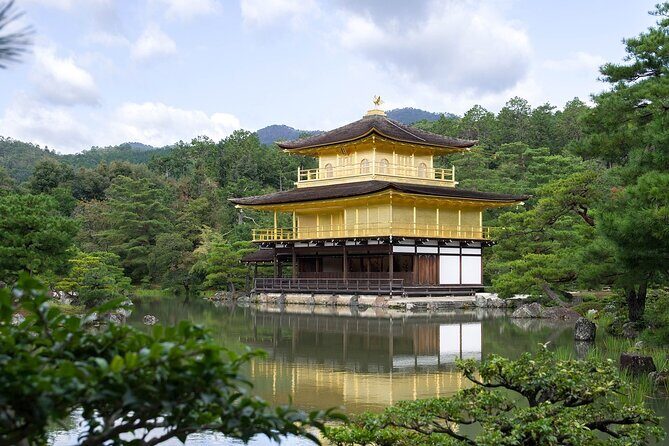
The big win here is control. You can build a route around one, two, or three places, instead of getting stuck on someone else’s fixed itinerary. In Kyoto, that matters because the “best” route depends on what you care about—temple views, shrine photo stops, neighborhood wandering, or something else.
A typical combo plan includes Fushimi Inari, Kiyomizu-dera, and/or Gion. When you only have a few hours, choosing fewer stops often means more relaxed walking and more time to ask questions. I like tours that treat time like a real resource, not a suggestion.
If you want the smoothest experience, pick stops that are a logical fit for your day’s schedule. For example, if you’re worried about heat or stamina, you might choose Inari + Gion and skip the longer temple option.
You can also read our reviews of more guided tours in Kyoto


Fushimi Inari Taisha: red gates, real stairs, and a smart pace
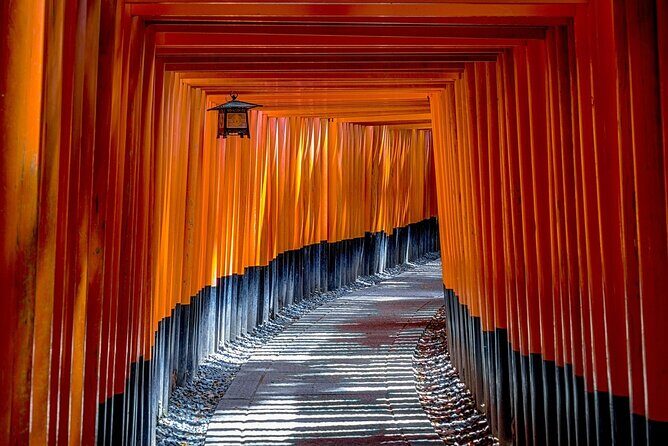
Fushimi Inari Taisha is the shrine most people picture when they think of Kyoto. Expect a mountain climb, with thousands of red torii gates guiding you up and through photo-worthy paths.
This stop is listed as about one hour, and that time can work well if you keep a steady pace and don’t get stuck taking the perfect picture every ten steps. The route is not technically complicated, but it is physical. Going with a guide helps because they can help you keep moving in a way that still feels enjoyable.
There’s also a practical bonus: the admission ticket for this stop is free. That means you can spend your money elsewhere—like on snacks for later, or saving it for a paid site like Kiyomizu-dera.
A small piece of advice: if your group includes kids, older adults, or anyone who dislikes steep climbs, set expectations up front. You can still do a “full experience” feeling without trying to force every inch of the mountain route.
Kiyomizu-dera Temple: the big viewpoint and the one cost to plan for
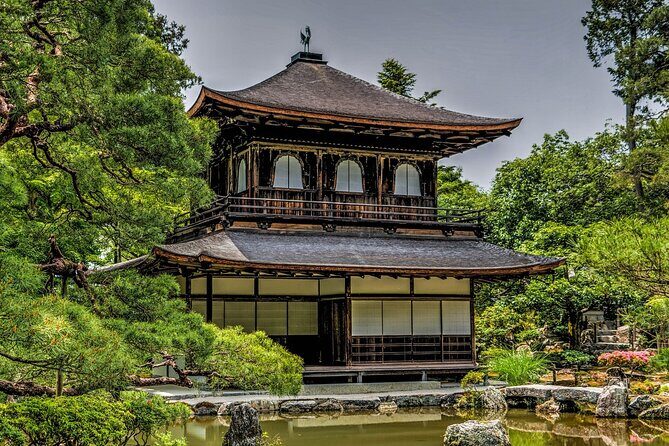
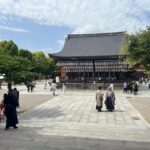
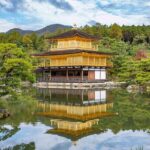
Kiyomizu-dera is the other stop that often gets chosen because it delivers one of Kyoto’s classic rewards: a big temple setting with views over the city. You’ll spend about an hour here, including walking around the area before and after you see the main building.
One key thing you should plan for: admission to Kiyomizu-dera is not included. If you arrive expecting it to be covered, that’s where the day can feel awkward. Since the overall tour lasts about 2–3 hours, this is also the kind of stop where time can slip if you pause too long at every side path.
Why it’s worth it: this is one of those places where the location matters. The temple complex is set up for you to feel Kyoto stretching out around you, and that viewpoint is the point. A guide can also help you understand what you’re looking at, so you’re not just reading signboards while trying to beat the crowd.
If you care about photos, tell your guide what style you want—quiet corners, landmark angles, or “walk-and-see” shots. The best moment is often just after you think you’re done, not when you first arrive.
Gion District walking: old streets, photo stops, and small-shop time
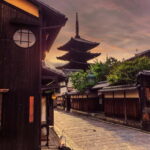
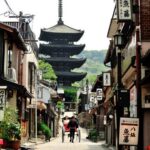
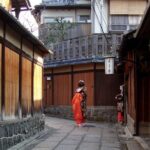
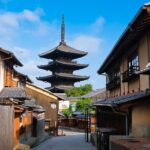
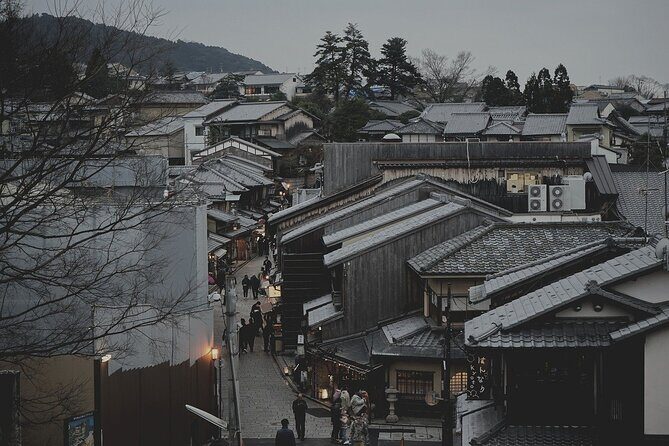
Gion is a historic district and one of the most recognizable neighborhoods in Kyoto. This stop is also about one hour, and it’s mainly a walking experience: traditional-style buildings, streets made for wandering, and lots of spots for pictures and window browsing.
This part of the tour is listed as free for admission, so it’s an easy “value” choice when you’re trying to keep costs predictable. It also complements temples and shrines well. Temples give you the big scenery and ceremony vibe; Gion gives you street-level Kyoto—smaller details, local rhythms, and the feeling of a neighborhood that still has its own pace.
One practical benefit of doing Gion with a guide: you don’t just follow a line. You get help choosing where to slow down. That can mean finding a calmer street for photos, knowing which paths are worth it, and learning what the area’s layout is telling you.
If you’re visiting in the evening, or you want a more relaxed finale, Gion can be a great “we’re done exploring for today” option. If you’re going early and want more iconic views later, pair it differently.
Why a local guide matters when you only have a few hours
When your time is short, a good guide turns sightseeing into understanding. The tour is built around a local guide who adds stories along the way and helps you avoid getting turned around. That navigation support is the difference between spending your energy walking with purpose versus walking while constantly checking maps.
I also like the way this experience tends to flex around real people, not a script. Some guides have been praised for making the day kid-friendly, including walking pace adjustments and keeping the experience engaging without turning it into a lecture. Others have been praised for tailoring the plan to what you actually want—whether that’s focusing on key landmarks or building in time for tastings and lunch suggestions.
You might be guided by names like Nanako, who’s been described as great for a key-spots walking approach, or Toshiki, who’s been praised for personalizing the route and going the extra mile for details. Steven is another name that’s come up, including tailoring the visit and adding practical food time during the tour. Kyoichi (Mark) has also been mentioned for handling heat well—bringing cooling wipes when Kyoto gets brutally hot.
Even when the day includes major sights, what you remember is often the small context. Why a place looks the way it does. What to notice as you walk. Where to stand for a better view. A guide helps you catch those moments faster.
You can also read our reviews of more private tours in Kyoto



Price, time, and what you’re actually buying
At $131.38 per person for a private, flexible tour of about 2–3 hours, you’re paying for three things: a local guide, custom routing, and your own time with no sharing. You’re not just paying for admission tickets, transportation, or a vehicle.
Admissions are partly on you. Fushimi Inari and Gion are listed as free, but Kiyomizu-dera is not included. That’s important for planning, because it’s easy to think the price covers everything when it’s really focused on guiding.
Transportation is also a separate piece. The tour does not include a private car and driver, and transportation fees aren’t included either. That doesn’t make it worse—many Kyoto walks work best with public transit and guided foot routes—but it does mean you should expect to cover getting around on your own plans.
Where this can feel like good value: if you only have a single afternoon and you want two or three top experiences without wasting time figuring things out. A guide can also help with “small travel problems,” like booking a taxi or buying a SIM card, which can save time later in your trip.
Where it might not feel like a bargain: if you’re the type who wants to fully DIY every step and you already know Kyoto well, you may not benefit from the guiding as much. Also, if your group wants a lot of restaurant stops or extra long stays at each site, the 2–3 hour limit can feel tight.
Practical tips for a 2–3 hour private walk in Kyoto
First: plan for walking. This tour is built around short, meaningful stops, and at least one of them (Fushimi Inari) involves climbing a mountain. Bring water, wear shoes that won’t punish your feet, and decide how you’ll handle breaks.
Second: be clear about your top priority. Pick one must-see, then add one or two supporting stops. If you try to do everything, you’ll feel rushed even in a flexible tour, because the total time is still limited.
Third: ask your guide what’s realistic on your day. The tour includes customization, plus support like booking a taxi and helping with a SIM card. Use that—your guide can often help you time things better so you don’t arrive somewhere when you’d rather be relaxing.
Fourth: treat photos as part of the plan, not an afterthought. These stops are visual by nature, and you’ll get more from Gion streets and the Inari gates if you time your moments. A guide can help you choose where to pause so you’re not blocking other people or walking away from the best angles.
Finally: go in with flexibility about the order. Even if a classic route exists, the point is you get to choose your 1–3 locations. The best order is the one that fits your stamina and the time of day you’re visiting.
Should you book this private flexible Kyoto tour?
If you only have a short window in Kyoto and you want to hit major highlights without the stress of self-navigation, this is a strong choice. The private format, flexible stop selection, and local guide support make it especially good for first-timers or anyone who gets overwhelmed in big historic areas.
I’d book it if you like asking questions and want the “why” behind what you see. It’s also a smart fit for families, since guides have been praised for working with kids and managing walking pace.
I’d think twice if you’re strictly budget-focused, because Kiyomizu-dera admission isn’t included and the tour doesn’t provide a private vehicle. I’d also reconsider if you’re not comfortable with real uphill walking, since Fushimi Inari can be more demanding than it looks from afar.
FAQ
How long is the Kyoto private flexible tour?
The tour runs for about 2 to 3 hours.
Is this tour private?
Yes. It’s a private tour, and only your group participates.
Can I customize which places we visit?
Yes. You can choose one to three locations for your route.
Which stops are included in the tour options?
The itinerary highlights include Fushimi Inari-taisha Shrine, Kiyomizu-dera Temple, and Gion.
Are admission tickets included?
Fushimi Inari-taisha Shrine and Gion are listed as free. Kiyomizu-dera Temple admission is not included.
Is pickup available?
Pickup is offered.
Is transportation included (like a private car and driver)?
No. A private car and driver are not included, and transportation fees are not included. The tour is near public transportation.
Is food and beverages included?
No. Food and beverages are not included.
Can the guide help with practical needs like taxis or a SIM card?
Yes. Support includes things like booking a taxi and buying a SIM card.
Are group discounts available?
Yes, group discounts are available.
What is the cancellation policy?
You can cancel for a full refund up to 24 hours in advance.