REVIEW · FOOD
Kyoto: Nishiki Market Tour with a Local Foodie & Tastings
Book on GetYourGuide →Operated by DeepExperience, Inc. · Bookable on GetYourGuide
If food is your compass, this route makes sense fast. I like the way it starts at Nishiki Tenmangū and turns straight into real tastings in Nishiki Market, with a guide who explains what you’re eating. One thing to consider: you can’t bring your own food limits here, since the tour can’t accommodate allergies, religious restrictions, and similar needs.
I also enjoy the pacing. You get a shrine visit to set context, a walk through the Teramachi shopping arcade for atmosphere, then a focused 50-minute run through Nishiki with multiple stops and ingredient guidance.
In This Review
- Key highlights worth your attention
- Nishiki Tenmangū: starting at the shrine tied to learning
- Teramachi Street: a quick walk that makes Nishiki easier to navigate
- Nishiki Market: 400 meters of Kyoto snacks and seafood
- Tastings that teach you what to buy next
- Guides make or break this kind of market tour
- Price and value: why $67 can be a good deal in Kyoto
- What you should watch for in Nishiki Market (so you don’t get overwhelmed)
- Who this tour is best for (and who should choose another plan)
- Should you book the Nishiki Market Tour with a local foodie?
- FAQ
- Where do I meet the guide?
- How long is the Kyoto Nishiki Market Tour?
- What’s included in the ticket price?
- Are beverages included?
- Can the tour accommodate food restrictions, allergies, or religious restrictions?
- What languages are offered for the live guide?
- Is the tour wheelchair accessible?
- Where does the tour end?
- What is the cancellation policy?
Key highlights worth your attention
- Nishiki Tenmangū at the torii gate: start at Kyoto’s learning shrine, not just another food line
- Teramachi shopping arcade orientation: a short stroll that helps you read the neighborhood
- Nishiki Market’s 400-meter stretch: lots of variety without needing a map of your own
- Expert tastings with ingredient explanations: you’ll know what you’re buying later
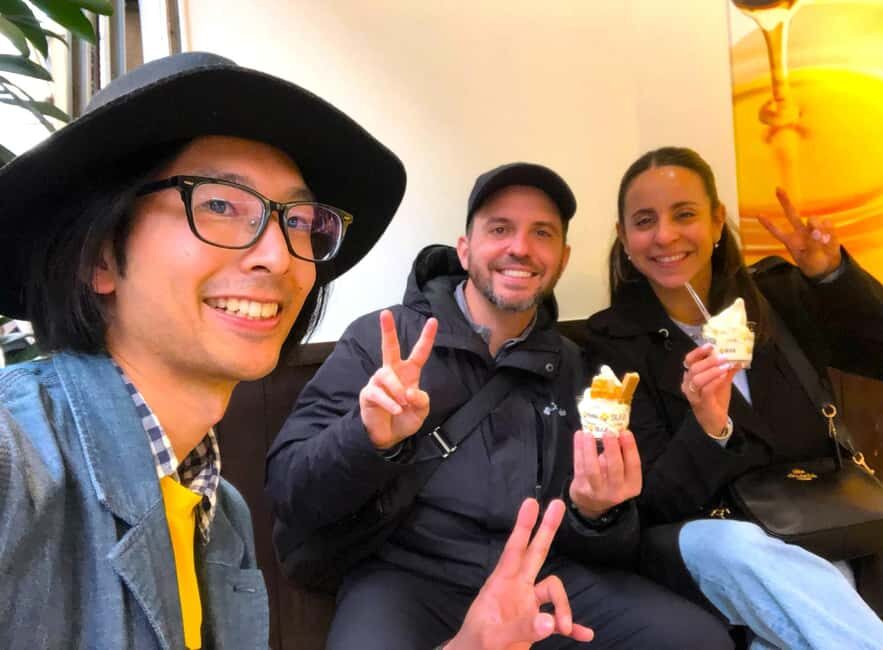
- Guide-dependent extras: some guides share sake and even nearby Japan trip tips (like Osaka pointers)
- $67 for 90 minutes with tastings included: decent value if you’re trying multiple items instead of one meal
Nishiki Tenmangū: starting at the shrine tied to learning
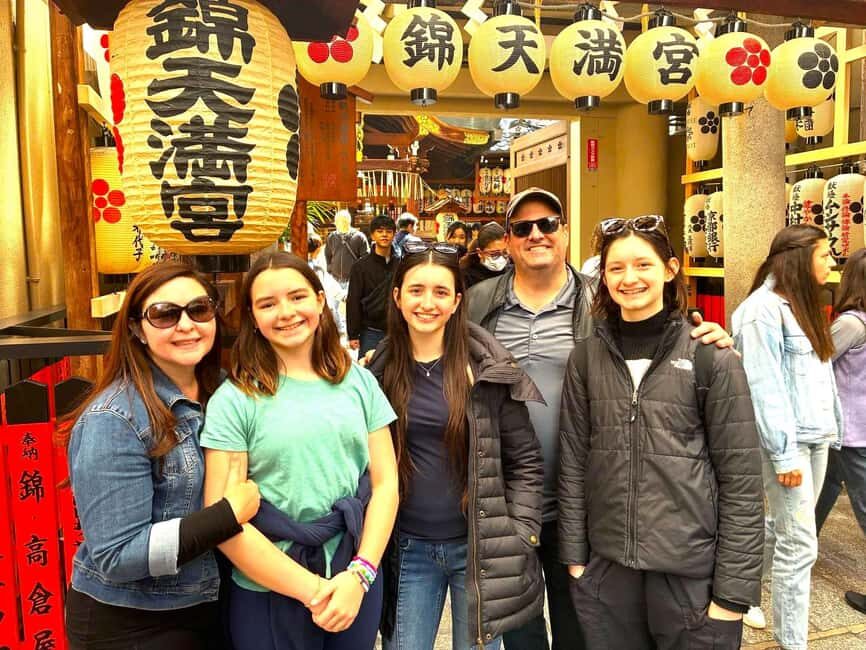
The tour begins at 錦天満宮 (Nishiki Tenmangū), meeting your guide right in front of the torii gate. Your guide holds a yellow sign with the DeepExperience logo, so you shouldn’t have to play guessing games.
This stop matters because it gives you a Kyoto lens before the street food chaos. Nishiki Tenmangū is dedicated to learning and scholarship, and the guide’s narration helps you understand why people treat places like this as more than a pretty photo stop. It’s also a calm warm-up before the market crowds.
Timing here is tight on purpose: about 20 minutes. You’ll get the cultural context without losing half the tour to standing around.
You can also read our reviews of more tours and experiences in Kyoto

Teramachi Street: a quick walk that makes Nishiki easier to navigate
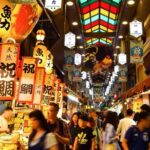
After the shrine, you head to Teramachi Street, the shopping district next to the market. It’s a practical transition. You see how people flow through this area, what kinds of shops cluster around food, and how the streets connect.
This is also where your guide’s personality can really set the tone. Some guides are playful and fast with explanations, which helps when you’re about to sample foods you’ve never seen before. And since you’re there early in the route, you’re less likely to feel lost once the tastings start.
Expect a guided walk plus a short shopping moment. You’re not expected to buy everything. Think of this part as getting your bearings and learning what to look for later in Nishiki.
Nishiki Market: 400 meters of Kyoto snacks and seafood
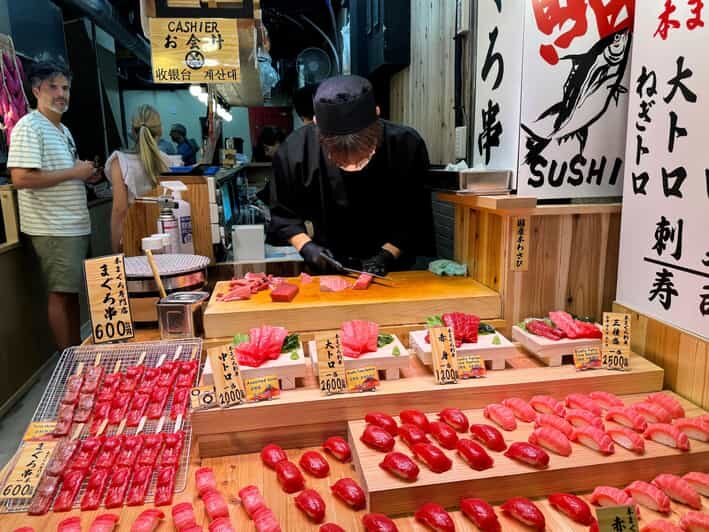
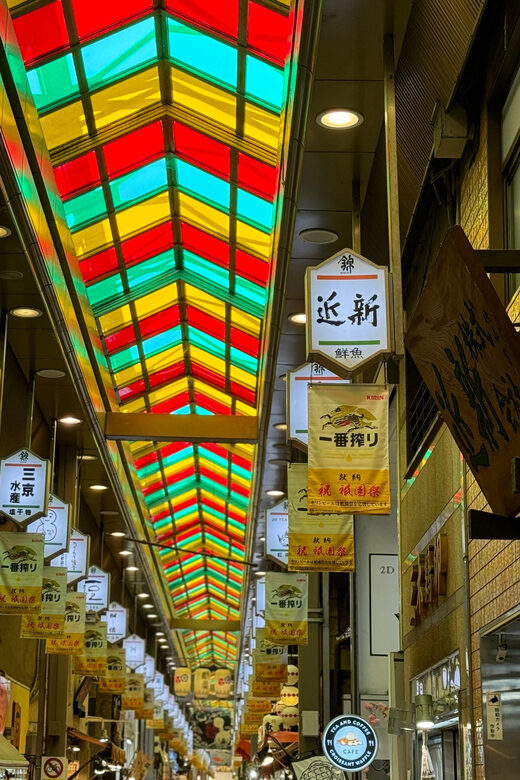
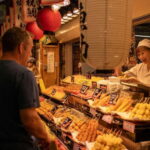
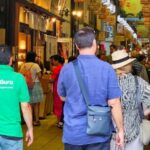
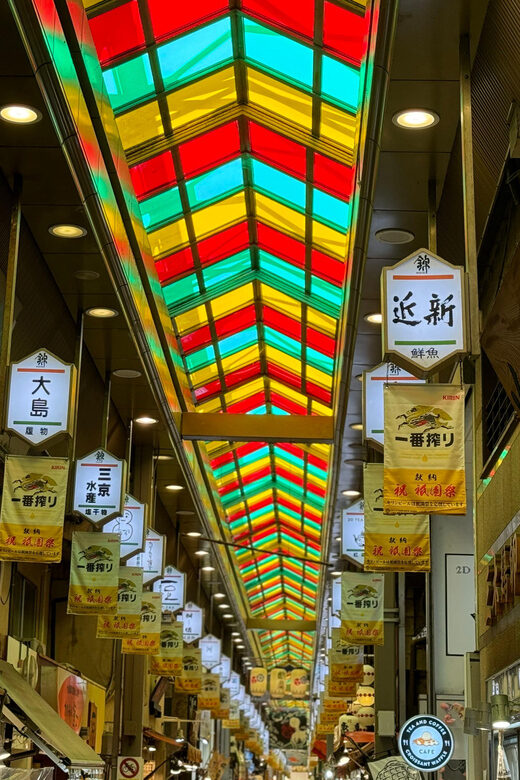
Now you’re at Nishiki Food Market, a busy street market known for its wide lineup of local foods. The market stretches about 400 meters, so it’s long enough to feel like a real journey but not so long you burn your whole 90 minutes walking.
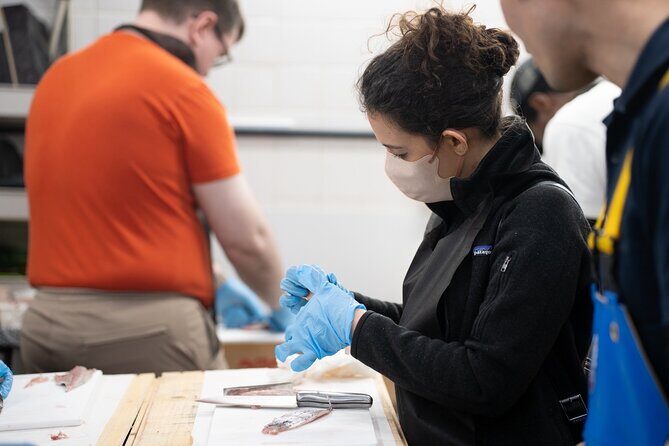
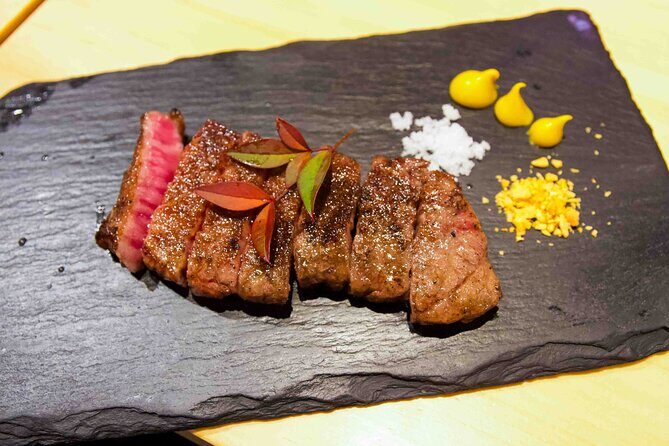
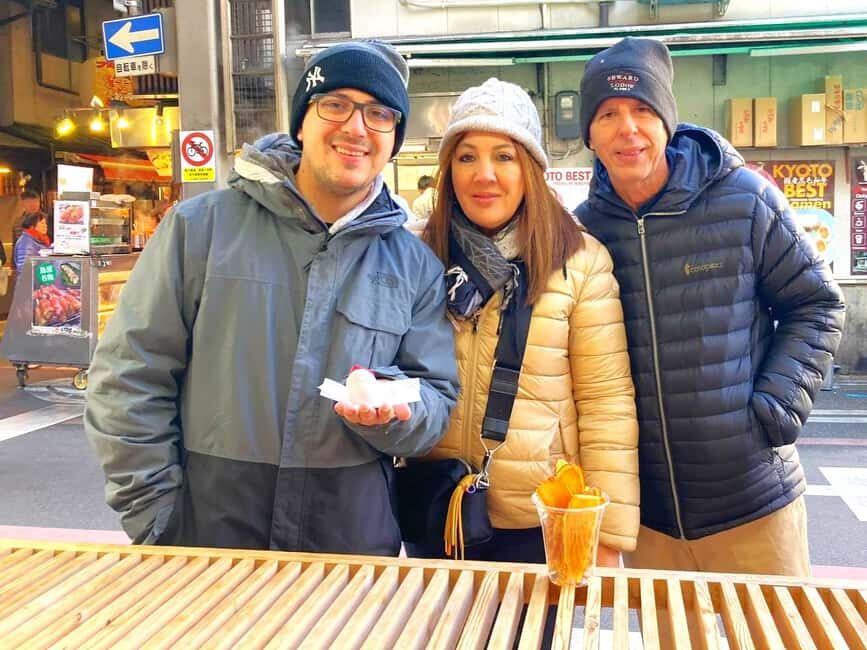
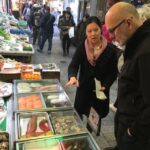
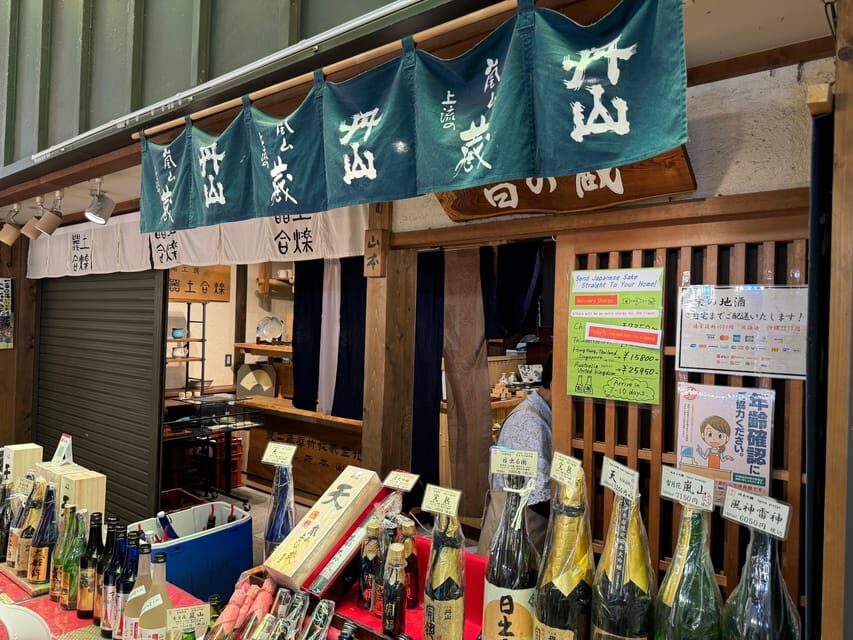
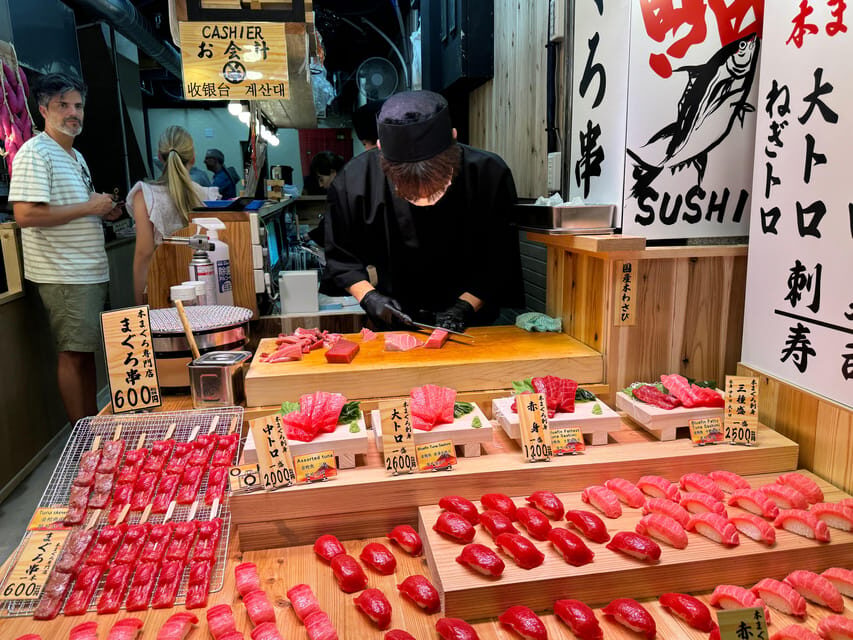
Nishiki is the place for variety: you’ll run into fresh seafood and produce, plus traditional snacks and sweets. The tastings are built around what you can realistically sample in a walking tour, so you get breadth without needing to plan each stop like a scavenger hunt.
The guided portion is about 50 minutes inside the market area. That includes street food tastings and a market visit feel, with the guide pointing out why certain items are worth your money.
One detail I appreciate is that you’re not just eating. You’re learning what the ingredients are and why they show up here. That’s the difference between tasting like a tourist and tasting like someone who can shop confidently afterward.
Tastings that teach you what to buy next
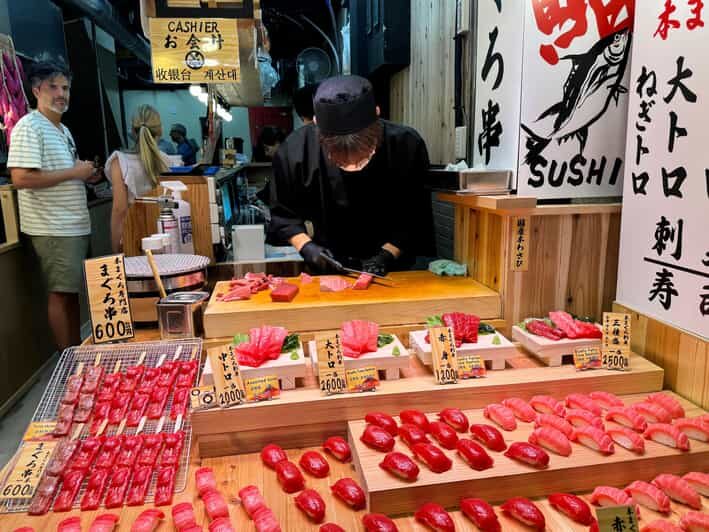
The tastings are the core of the experience, and they’re what make the $67 price feel less like a gamble. Since tastings are included and beverages are not, you’ll want to pace yourself and plan to hydrate on your own outside the included items.
A good guide will also help you sort your curiosity from your appetite. You can’t sample everything, so the guide’s job is to steer you toward a mix you’ll actually enjoy. From the range of foods mentioned by past guests and how guides explain ingredients, you can expect stops that may include savory snacks and sweeter bites.
Here’s what this “tasting with explanations” adds up to for you:
- You learn how to recognize quality when you see it again later.
- You pick up the local logic behind flavors, not just the names.
- You leave with a mental map of what to pack, what to eat on the spot, and what makes a good gift.
You’ll also finish at the Nishiki Market West Entrance. That matters because it sets you up to continue walking around without backtracking.
Guides make or break this kind of market tour
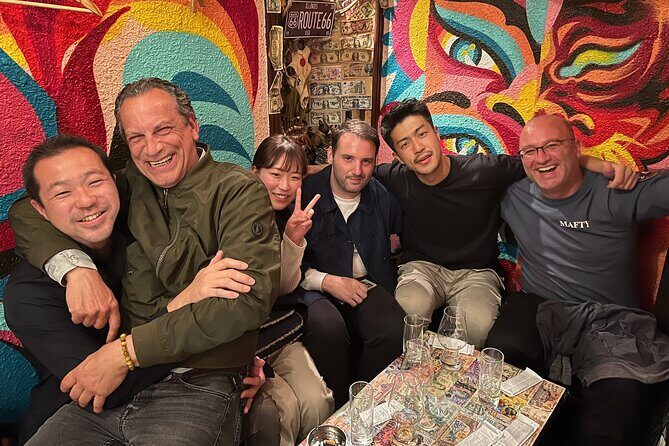
This tour lives and dies by its guide, and the past guide experience has been a strong selling point. Names that have come up include Kaito, Kiki (Akino), Amino, Juliette, Teppei, Hiro, Megumi, and Nabet, plus others. And yes, you’ll likely notice the difference in style from guide to guide.
Here are some of the most praised guide contributions that are useful for you as a shopper and planner:
- Sake recommendations: Some guides (like Nabet) have shared guidance on buying higher-quality sake. That’s not just a fun extra; it can save you from overpaying later.
- Lunch help near the market: One guest noted a stop for lunch at a local restaurant just outside the market. Even if your exact route differs, the guide can help you find something fitting after tastings.
- Ingredient-level explanations: People mentioned guides explaining what’s in each tasting and how the flavors work together. That helps if you’re picky or just curious.
- Local language and etiquette tips: One guide (Carlos’s report of Hiro) specifically helped someone learn how to thank hosts in Japanese. Those tiny skills improve your whole Kyoto experience, not only this market hour.
- Humor and energy: Some guides bring comedy into the walk (like Kaito being described as both informative and funny). In a crowded place, it makes the experience less stressful.
If you get one of the more animated guides, you’ll likely enjoy the tour more. If you prefer quiet, analytical explanations, pick a guide who matches your style—and don’t be shy about asking what you can skip versus what you should prioritize.
You can also read our reviews of more shopping tours in Kyoto
Price and value: why $67 can be a good deal in Kyoto
Let’s talk value, not just price.
For $67 per person, you’re buying 90 minutes of guided time plus tastings. In Kyoto, you can absolutely eat cheaply on your own. But doing it well—sampling multiple specialties, learning what they are, and not getting stuck with a random tourist stand—costs time and guesswork.
This tour’s value works best if you:
- want to try a range of items (not one signature snack),
- care about understanding ingredients,
- and would otherwise spend time comparing vendors without knowing what to trust.
One tradeoff: beverages aren’t included. That means your final spend could creep higher if you plan to drink bottled water, tea, or alcohol with your tastings. I suggest budgeting a little extra so you don’t get surprised when you’re thirsty and the included items are over.
Also, the tour can’t accommodate food restrictions such as allergies or religion. If you need strict exclusions, this isn’t the right format, because your options may be limited by what the tour can serve.
What you should watch for in Nishiki Market (so you don’t get overwhelmed)
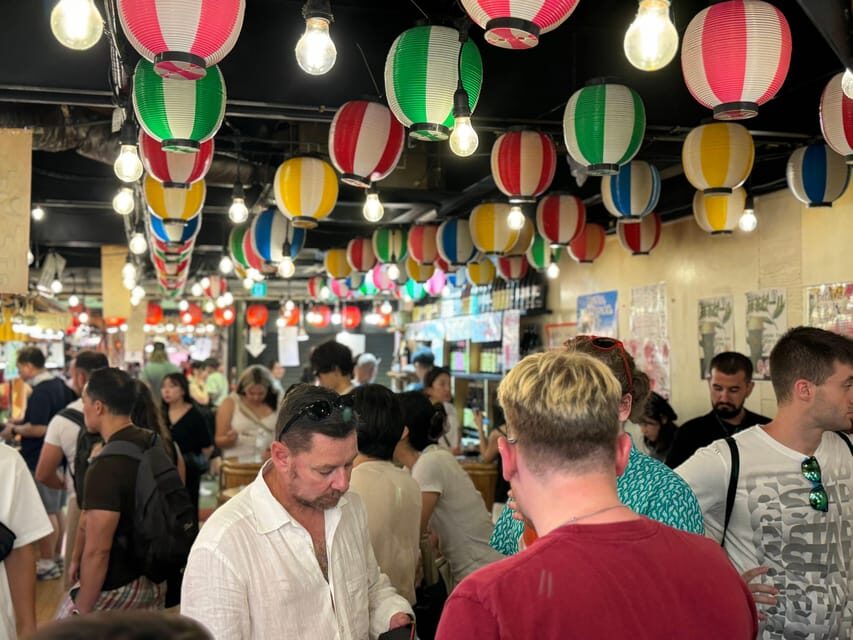
Nishiki Market can feel like sensory overload. That’s not a complaint; it’s just true. Lots of stalls, lots of choices, lots of people.
Use the guide’s structure. When you’re offered a tasting, treat it like the “answer” to a question you didn’t know you had. If a guide tells you what to expect from the ingredients, pay attention—you’re learning how to make a better purchase later.
A practical approach:
- Start by following the order of tastings. Don’t try to jump ahead.
- Use the Teramachi walk to notice where queues form and how stall spacing works.
- If you’re shopping after tastings, prioritize items the guide recommends as quality buys (including things like sake, when your guide suggests it).
And if you’re a first-timer in Kyoto, remember this: markets are educational. Your feet are doing the tour; your senses are doing the test.
Who this tour is best for (and who should choose another plan)
This tour suits you if you:
- want a guided tasting walk through Nishiki Market,
- like learning what’s inside your food and why it’s made this way,
- enjoy short city strolls that connect culture (a shrine) with daily life (market shopping).
It’s less ideal if you:
- need allergy-safe meals or strict dietary accommodations, because the tour can’t accommodate restrictions,
- want a full sit-down meal experience as the main event (this is more about tastings and wandering than a long restaurant lunch).
If you love food, you’ll probably have fun even if you don’t speak Japanese. The tour is offered in English and Japanese, and the guide interaction is designed to make each tasting make sense.
Should you book the Nishiki Market Tour with a local foodie?
I’d book it if you want a time-efficient Kyoto food education. The 90 minutes are tight, the starting shrine gives context, and the market tastings give you both flavor and shopping confidence. With guides like Kaito and Kiki (Akino) popping up in past experiences, it’s also the kind of tour where your guide can add value beyond snacks—sake tips, funny stories, and help choosing what to buy.
But don’t book it if you have serious dietary restrictions you must follow. The tour’s inability to accommodate restrictions is a dealbreaker for some travelers, and you’ll be happier choosing a different kind of food experience that can meet your needs.
If you’re flexible, hungry, and ready to learn as you walk, this is a solid pick in Kyoto—especially for your first visit to the Nishiki area.
FAQ
Where do I meet the guide?
Meet your guide in front of the torii gate at Nishiki Tenmangu Shrine (錦天満宮). Your guide will be holding a yellow sign with the DeepExperience logo.
How long is the Kyoto Nishiki Market Tour?
The tour duration is 90 minutes.
What’s included in the ticket price?
The guide and tastings are included.
Are beverages included?
No. Beverages are not included.
Can the tour accommodate food restrictions, allergies, or religious restrictions?
No. The tour cannot accommodate food restrictions due to allergies, religion, etc.
What languages are offered for the live guide?
The live tour guide is available in English and Japanese.
Is the tour wheelchair accessible?
Yes, the tour is wheelchair accessible.
Where does the tour end?
The tour finishes at the Nishiki Market West Entrance.
What is the cancellation policy?
You can cancel up to 24 hours in advance for a full refund.