REVIEW · GEISHA & MAIKO TOURS
Gion Walking Tour, Geisha Show and Japanese Game in Kyoto
Book on GetYourGuide →Operated by GuideMe Japan · Bookable on GetYourGuide
Two hours in Gion gets you up close. I love the small-group walk through the district with guides like Ai Iwata leading you into quieter corners, and I love the maiko dance show followed by a chance to ask real questions. The payoff is that the experience feels personal, not like you’re just watching from behind a crowd.
Between the tea and Japanese snack and the English translation, you can slow down and actually understand what you’re seeing. Guides such as Rin or Yoshino also share etiquette tips, including when it’s respectful to take photos, so you feel comfortable being there.
One possible drawback: the evening can include brief stops at designated shops, so if you want zero detours, go in with flexible expectations. It’s also a 2-hour format, so you’ll need extra time on your own for the Gion streets afterward.
In This Review
- Key points at a glance
- Gion in Two Hours: What This Experience Really Delivers
- Finding the Group at Izumo-no-Okuni (Above Gion Shijo)
- The First Hour in Gion: History, Honesty, and Side-Street Details
- The Maiko Dance Show: Tea, Snack, and Up-Close Elegance
- Q&A With the Maiko: The Part That Turns Watching Into Understanding
- Playing the Traditional Fan Game: Participation Beats Photos
- Price and Value: Is $108 Worth It?
- Practical Tips for a Smooth Gion Evening
- Who Should Book This Tour (and Who Might Not)
- Should You Book This Geisha Show and Fan Game Tour?
- FAQ
- FAQ
- How long is the tour?
- Where does the tour start?
- How will I find the guide?
- Is the tour in English?
- How many people are in the group?
- What do we do during the first part of the tour?
- What happens during the maiko show time?
- What is included for food and drink?
- Do I participate in the fan game?
- Is free cancellation available, and can I pay later?
Key points at a glance
- Up to 6 people so questions and conversation actually happen
- Izumo-no-Okuni Statue meeting point right above Gion Shijo Station, with a GuideMe Japan sign
- Tea, a Japanese snack, and a maiko dance performance in a more intimate setting
- Q&A time with the maiko plus careful photo etiquette guidance
- A traditional Japanese fan game that you play with the geisha apprentice
- Ends at Hangesho, handy for continuing your evening nearby
Gion in Two Hours: What This Experience Really Delivers
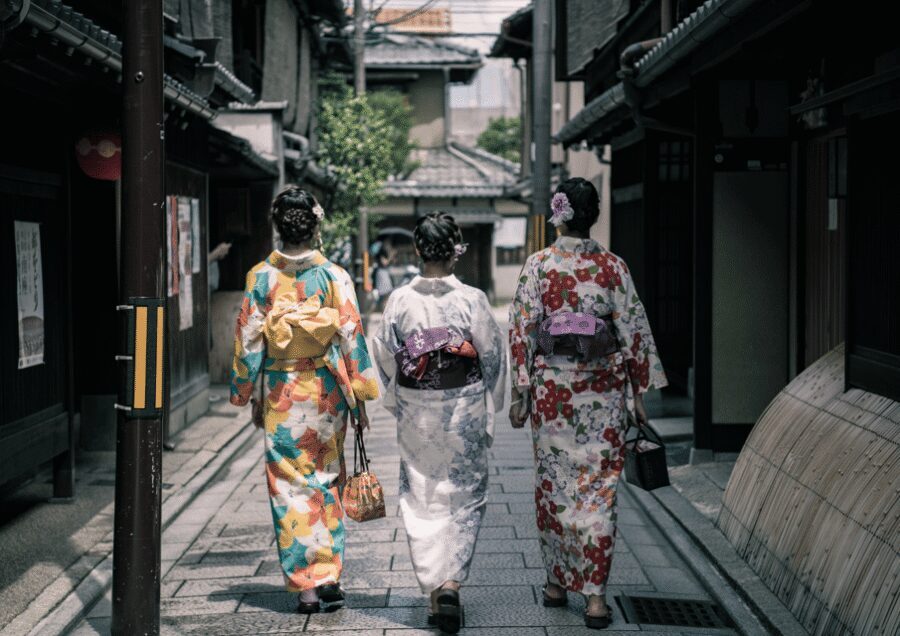
Gion is the kind of place where it’s easy to get lost in the postcard version. This tour does the opposite. You get a short, guided walk to set the context, then you shift gears to a close-up maiko performance and conversation, followed by a traditional fan game.
For many people, the best part is the mix of art and interaction. You’re not just observing. You’re learning the purpose behind the performance style, and you get time to ask what you actually want to know.
The small group size matters a lot here. Up to 6 people means you can hear explanations clearly, and your questions don’t vanish into the background noise of a bigger crowd.
You can also read our reviews of more walking tours in Kyoto



Finding the Group at Izumo-no-Okuni (Above Gion Shijo)
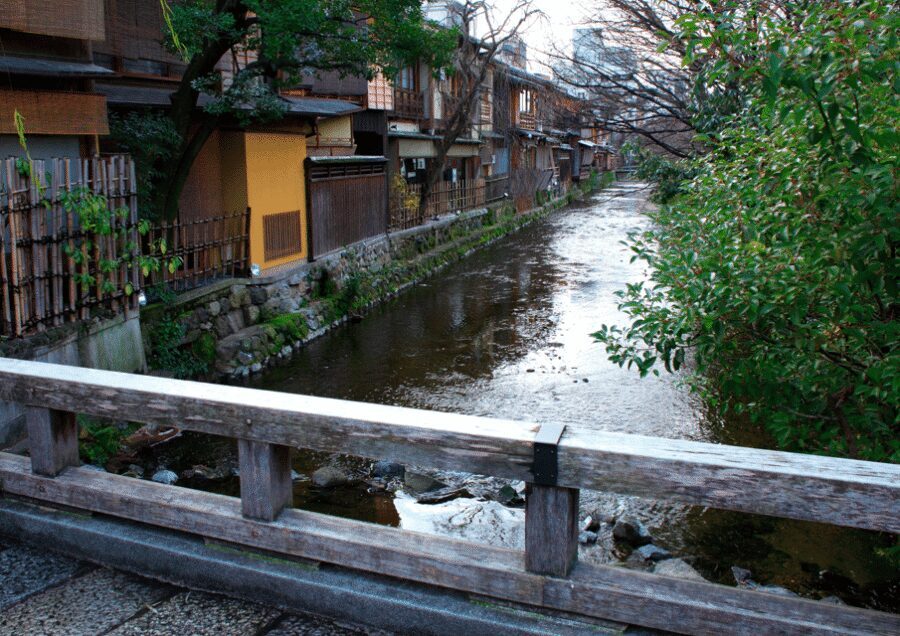
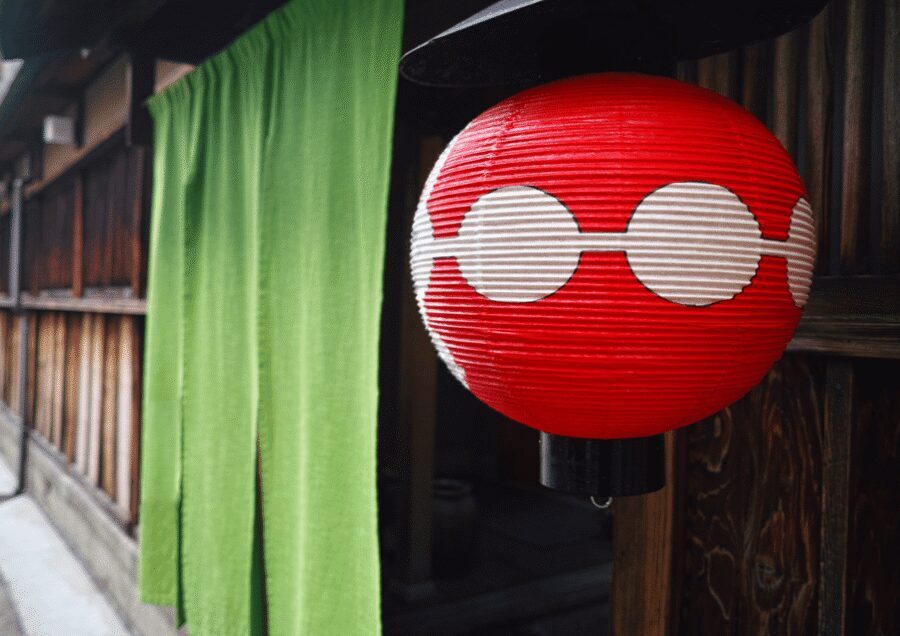
Your tour starts at the Statue of Izumo-no-Okuni, located right above Gion Shijo Station. The guide will be easy to spot: they’ll be holding a white board that says GuideMe Japan.
This is one of those meeting points that helps you get your bearings fast. You’re already placed where Gion’s vibe starts to take over, and you don’t waste the first part of the tour figuring out where to stand.
My practical tip: arrive a few minutes early so you can confirm you’ve got the right guide before everyone flows into the street.
The First Hour in Gion: History, Honesty, and Side-Street Details
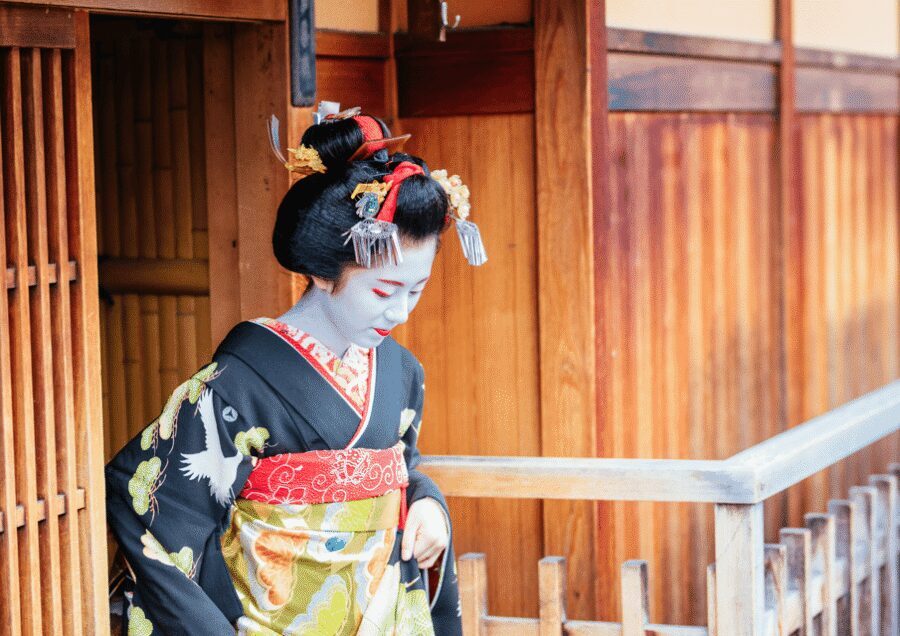
The first hour is a guided walk around Gion’s main area, with historical insight that helps you understand what you’re seeing. This isn’t just “here’s a street, take a photo.” The guide’s job is to give you context for why Gion is shaped the way it is.
What I like most is that you tend to get value from small observations. In this district, even ordinary-looking storefronts and items can connect to the world of maiko and geiko. One guide experience highlighted how certain souvenirs are meaningful for locals too, not just tourists.
You also get a sense of respectful viewing. Guides often point out where to look, when to pause, and how not to be intrusive as you move along the lanes.
And because the group is small, the pacing feels calmer. You can ask questions as you go instead of waiting until the end like it’s a lecture.
The Maiko Dance Show: Tea, Snack, and Up-Close Elegance
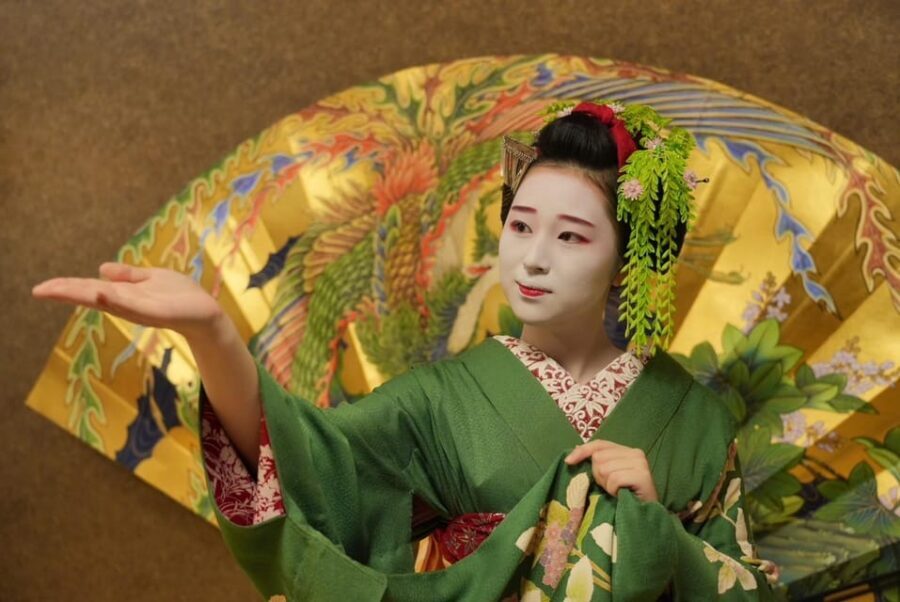
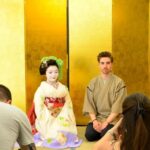
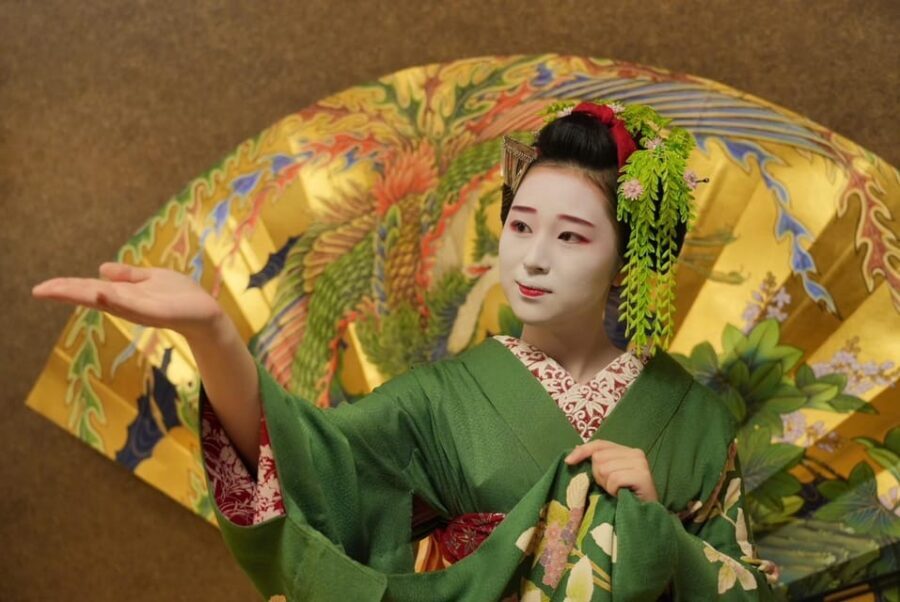
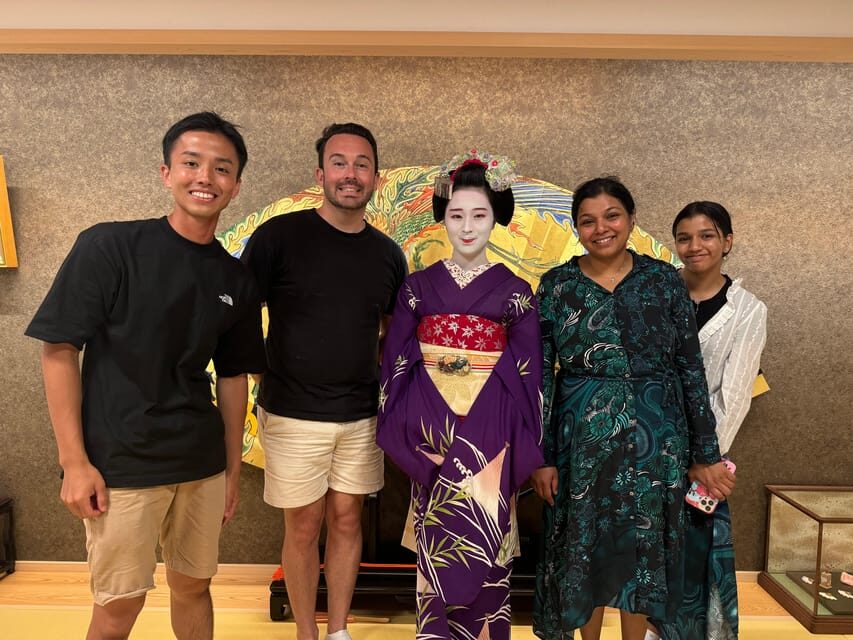
The second hour is the main event: you watch a maiko apprentice show. You’ll see her dance, and you’ll also have time to ask questions about her current life. It’s designed to feel intimate rather than like you’re stuck far back.
Before the performance, tea and a Japanese snack are included. That little pause matters. It gives you a moment to settle in, and it takes the edge off the “what do we do now” feeling that some people get when they’re stepping into a cultural setting with rules.
From the experience stories, the seating can be very close and more relaxed than you’d expect, sometimes with guests seated comfortably in the room where the show happens. You’re meant to watch and listen, not rush.
Also, pay attention to the guide’s photo etiquette guidance. One of the recurring strengths in guide style is that they tell you when it’s okay to take pictures, and when to put your camera away and just watch.
Q&A With the Maiko: The Part That Turns Watching Into Understanding
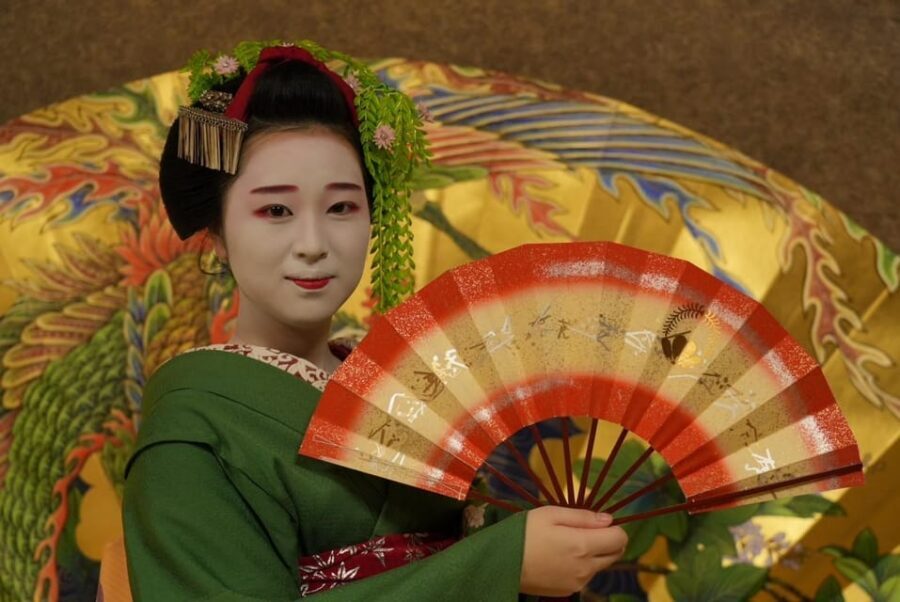
After the dance, you get Q&A time. This is where the tour becomes more than entertainment. You can ask about the art of geisha culture and the day-to-day reality of being a maiko apprentice.
The guides help make the conversation easier, especially if your Japanese is limited. You’re not left to guess what’s important, and you’re not stuck with awkward silence. People who went with guides like Ai Iwata, Rin, and Yoshino described patient translation and thoughtful handling of questions.
One practical mindset shift helps here: ask fewer, better questions. Instead of trying to cover everything, focus on what you genuinely want to understand. Is it about the meaning behind the dance? About lifestyle and etiquette? About how the arts are practiced? The tour is set up so those kinds of questions can land well.
And yes, it’s okay to be a little starstruck. That Q&A is the moment where you go from seeing an elegant performance to relating to a real person who has her own perspective.
You can also read our reviews of more tours and experiences in Kyoto


Playing the Traditional Fan Game: Participation Beats Photos
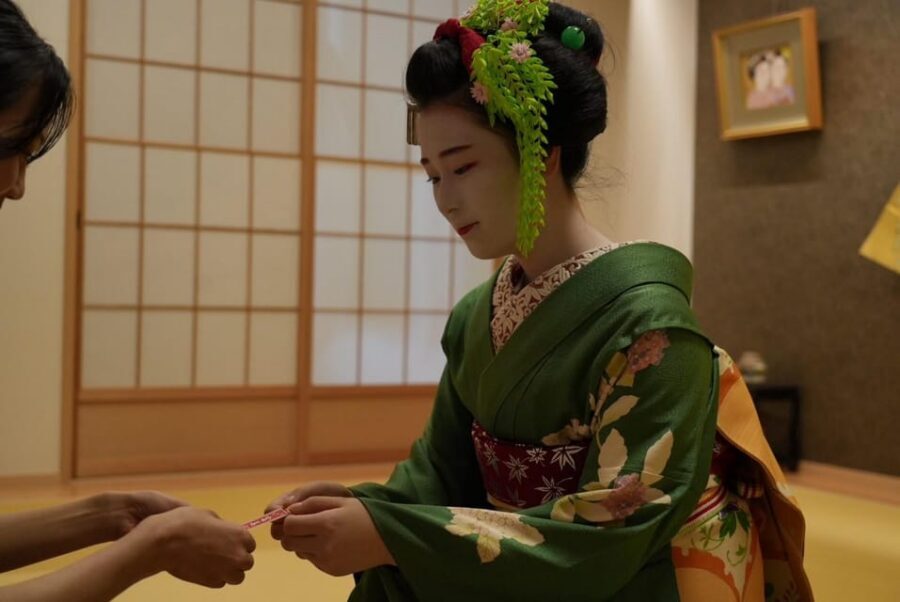
After the show and conversation, you play a traditional Japanese fan game with the geisha apprentice. This is the unique twist that makes the tour feel memorable long after you leave Gion.
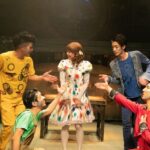
You’ll be participating, not just watching someone else play. Depending on how the game is explained, it can be a little tricky at first if you’re unfamiliar with the rules, but that’s part of the charm. The fun comes from trying, laughing, and learning while you go.
A good way to think about it: this is your chance to connect with the performance world through movement and play. It’s one thing to watch a dance. It’s another to interact with a tradition in a lightweight, hands-on way.
Even when things don’t go perfectly, you usually end up with a great story. One person noted scoring poorly, but still having fun, which sums up the vibe.
Price and Value: Is $108 Worth It?
Let’s be honest: $108 per person isn’t a bargain price for a two-hour experience. The value comes from what’s included and how small the group is.
You’re getting:
- a full hour of guided walking in Gion
- a maiko apprentice performance (another hour)
- tea and a Japanese snack
- time for questions with the maiko
- a traditional fan game you play
That’s a lot of “real access” for the time. In Kyoto, the difference between a normal sightseeing stop and this kind of cultural interaction is whether you get meaningful time with someone who can answer you, and whether a guide can translate and manage respectful etiquette for the setting.
There’s also one more practical value driver: the small-group cap. Paying more can make sense when you get real attention instead of being part of a big scrum.
What isn’t included matters too. Additional expenses like food are on you. So if you’re planning dinner after, budget for it.
One consideration: a participant mentioned designated shop stops. That means part of the evening might include brief pauses where you can browse or buy. If you don’t want that, it’s smart to keep expectations flexible and not treat those stops as the core of the experience.
Practical Tips for a Smooth Gion Evening
Gion can be deceptively tight on timing and spacing. This tour runs on a plan, so the best move is to stay present.
A few things that make the experience smoother:
- Bring a phone or camera, but follow your guide’s cues on when photography is respectful.
- Keep your questions ready for the Q&A. You’ll get better answers if your questions are clear and focused.
- Since additional food isn’t included, plan what you’ll do after the tour. The experience finishes at Hangesho, which can help you map your next step.
If you do want souvenirs, remember that there may be designated shop stops. Treat them as optional side chances, not a requirement.
Who Should Book This Tour (and Who Might Not)
This tour is a strong fit if you:
- want a small-group cultural experience instead of a big bus-style outing
- like learning context, not just taking photos
- enjoy art that you can watch closely and then talk about
- want a hands-on activity with the fan game
It may not be your best match if you:
- want a purely outdoors, self-guided walking evening with no structured indoor time
- hate any kind of shop detours, even brief ones
- are hoping for a full-day Gion experience. This is short by design, and it’s meant to be focused.
Should You Book This Geisha Show and Fan Game Tour?
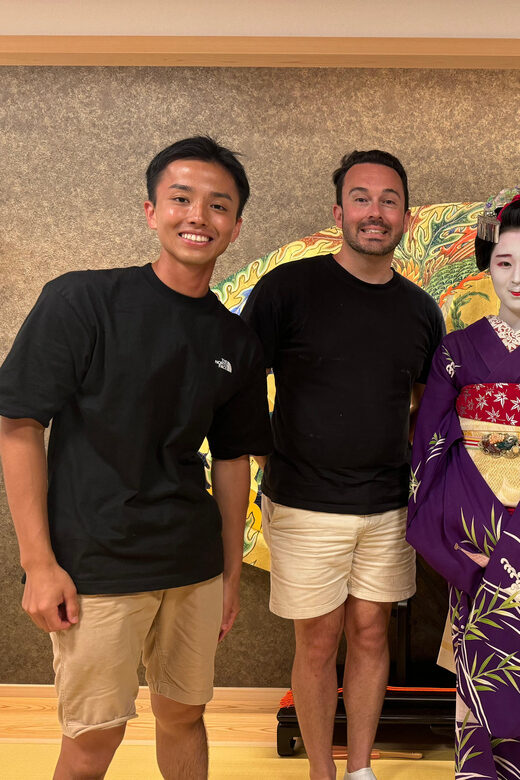
If you’re choosing between a quick Gion photo loop and something more meaningful, I’d pick this. The reason is simple: you’re not just observing the geisha world from a distance. You’re watching a maiko dance, asking questions, sharing tea, and then playing a traditional fan game with her.
The price is the main hesitation. But when you break it down, you’re paying for access, guided context, translation help, and a small group setting that keeps the experience from feeling rushed.
My decision rule: book it if you want one memorable, respectful, interactive night in Gion. Skip it if you’re only interested in outdoor wandering and don’t want any structured stops.
FAQ
FAQ
How long is the tour?
The experience lasts 2 hours.
Where does the tour start?
You meet at the Statue of Izumo-no-Okuni, right above Gion Shijo Station.
How will I find the guide?
The guide will be holding a white board that says GuideMe Japan.
Is the tour in English?
Yes, the live tour guide speaks English.
How many people are in the group?
The group is small, limited to up to 6 participants.
What do we do during the first part of the tour?
You take a guided walk in Gion for about 1 hour, with historical insight.
What happens during the maiko show time?
You watch a maiko apprentice dance show for about 1 hour and get time to ask her questions about her life.
What is included for food and drink?
Tea and a Japanese snack are included.
Do I participate in the fan game?
Yes. You play a traditional Japanese fan game with the geisha apprentice.
Is free cancellation available, and can I pay later?
Yes. You can cancel up to 24 hours in advance for a full refund, and you can reserve now and pay later.