REVIEW · 1-DAY TOURS
One Day Private Customized Self-Guided Tour in Kyoto
Book on GetYourGuide →Operated by 大阪旅行株式会社 · Bookable on GetYourGuide
Kyoto in one day is a stress test unless you get a plan. This private, customizable self-guided tour uses a comfortable chauffeur car so you spend your energy on temples, streets, and views—not directions. I like the full route flexibility (you can swap stops) and the built-in comfort of a professional driver handling traffic and parking. One thing to consider: it’s self-guided, so you’ll want to plan your timing and pace, because there’s no tour guide or translation once you’re out the door.
I also like that the day is set up to hit both headline icons and the walkable neighborhoods that make Kyoto feel like Kyoto. Stops like Arashiyama’s Tenryuji area, Kinkaku-ji (Golden Pavilion), and Nishiki Market are grouped with realistic transit time, which matters in a city where crowds can turn “10 minutes” into “who knows.” The possible drawback is that driver style varies—some drivers will give thoughtful tips, while others may be more hands-off—so you should show up with clear expectations for how long you want at each place.
In This Review
- Key highlights to know before you go
- What this Kyoto day tour really gives you
- Customizing your day in Kyoto (without getting lost)
- Arashiyama bamboo + Tenryuji: 2 hours that can feel perfect
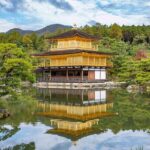
- Kinkaku-ji Golden Pavilion: the icon stop with a good time block
- Nishiki Market lunch: graze-friendly instead of sit-and-search
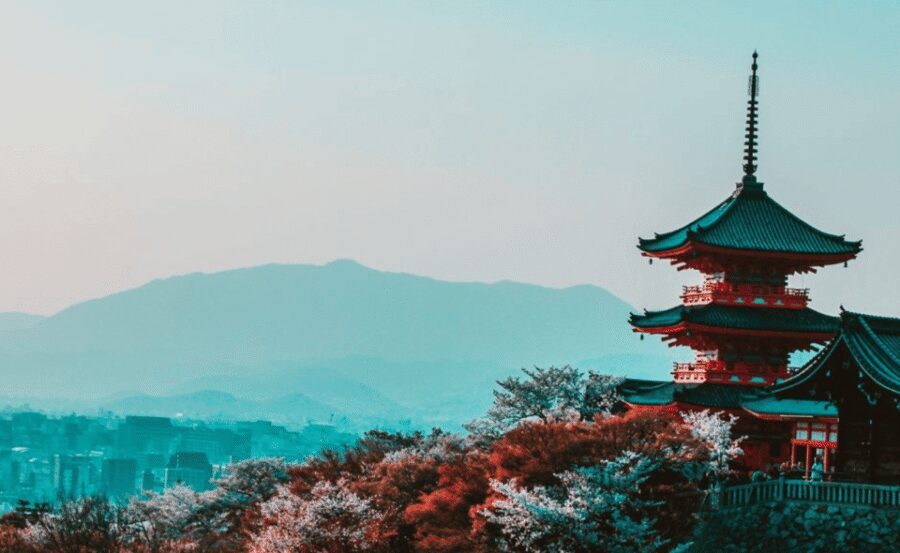
- Kiyomizu-dera and the slopes: where walking matters more than timing
- Gion: a neighborhood stop that rewards your pace
- Nijo Castle: a change of pace from temples and streets
- Fushimi Inari Taisha: the day’s finale needs good shoes
- Price and logistics: where the value actually comes from
- How to make the most of a self-guided day (a no-drama checklist)
- Should you book this Kyoto private self-guided tour?
- FAQ
- Can I customize the itinerary for this Kyoto tour?
- What are the main stops on the recommended day route?
- Where can I get picked up and dropped off?
- Are admission tickets and meals included?
- Will there be a tour guide or translation during the day?
- What about vehicle size and luggage space?
Key highlights to know before you go
- Custom itinerary support: You can choose your own Kyoto Urban Area stops, or follow the recommended route.
- Chauffeur + door-to-door flexibility: Pick-up and drop-off options include Kyoto, Osaka, Kobe, and Nara, with port pick-ups for Osaka/Kobe.
- Two hours in Arashiyama: Enough time to see the bamboo forest area, Tenryuji Temple area, and Togetsukyo Bridge without feeling totally rushed.
- A true food-and-stroll lunch window: Nishiki Market is built into the schedule so you can graze rather than hunt for lunch later.
- Comfort-first logistics: Highway tolls, parking fees, and an air-conditioned vehicle are included.
What this Kyoto day tour really gives you
This is a one-day private Kyoto experience designed for travelers who don’t want to babysit transit. You’re paying for the hard part: getting from Arashiyama to Higashiyama to central Kyoto to Fushimi without wrestling trains, buses, crowds, and luggage transfers.
You’ll ride in an air-conditioned private vehicle with a professional driver. The itinerary is structured, but it’s not a rigid factory line. The big idea is: you guide your interests, and the driver guides the driving. You get freedom at each stop, with the buffer of having the car waiting.
And since it’s private group pricing up to 6 (with vehicle sizes up to 13 depending on your group), you’re not stuck doing the same “group photo” rhythm as big bus tours. It feels more like a well-managed day with a reliable driver than a scripted sightseeing program.
You can also read our reviews of more guided tours in Kyoto
Customizing your day in Kyoto (without getting lost)
Kyoto is large, and the difference between a great day and a messy one is knowing what you want to prioritize. This tour works best if you come prepared with your must-sees and your walking tolerance.
You can customize your itinerary in Kyoto’s urban area, and you can even make changes while you’re on the vehicle. That flexibility is a lifesaver when you hit a line, a sudden crowd surge, or weather that changes your photo plan.
Here’s how I’d approach the customization:
- Pick your top 3 stops first (temples, shrine, neighborhood, or gardens).
- Choose one food stop (Nishiki Market is the built-in option).
- Decide if you want one castle/palace in the mix (Nijo Castle fits well if you like interior spaces or historic architecture).
One practical note: there’s no tour guide or translation, so customization support will help plan a route, but once you’re there, you’ll be on your own. That’s not a deal-breaker—just be ready to read signs, use your phone for navigation, and decide your own time at each stop.
Arashiyama bamboo + Tenryuji: 2 hours that can feel perfect
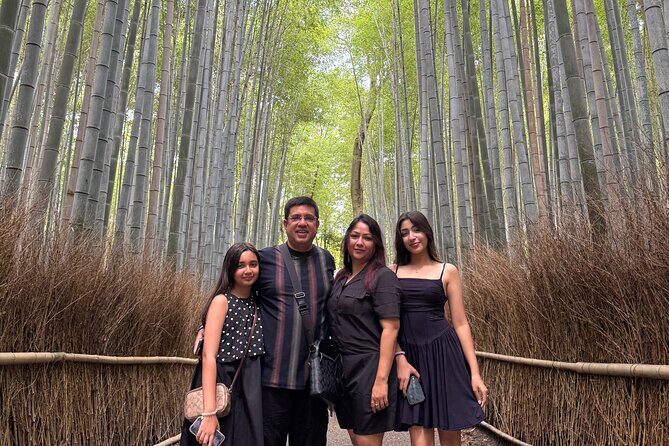
Arashiyama is where Kyoto starts to look like the postcard version—river views, temple grounds, and that famous bamboo forest area. The recommended flow for this tour is Bamboo Forest Trail → Arashiyama Park → Internet Celebrity Coffee → Togetsukyo Bridge → Tenryuji Temple.
With about 2 hours for this section, you’ll likely be moving at a steady pace. That’s good. In Arashiyama, staying too long in one pocket can cause you to rush the rest of the day. Two hours is often the sweet spot for seeing the main vibes without turning the day into a marathon.
What to watch for:
- Bamboo forest areas can be crowded. If your goal is photos, plan to go slower near the trail points where you want your shots.
- Tenryuji Temple area is calmer than the most photo-choked spots. If you want the temple atmosphere, save a bit of energy for this end section rather than rushing the entire loop.
If a driver tries to steer you away from the bamboo route, that can happen depending on their comfort level with timing. In one account, a driver warned the bamboo forest was too far, but the itinerary insisted otherwise. The lesson: be clear with your priorities early so you’re aligned on what matters most to you that day.
Kinkaku-ji Golden Pavilion: the icon stop with a good time block
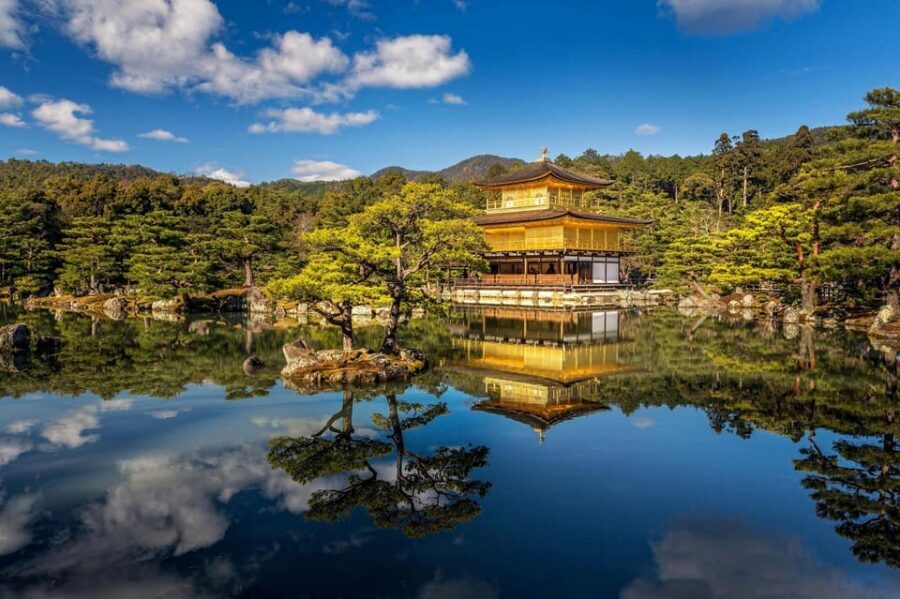
After Arashiyama, the schedule gives you about 1 hour at Kinkaku-ji (Golden Pavilion). That’s enough time to see the pavilion area and get your bearings in the grounds without feeling trapped in long lines.
Kinkaku-ji is one of those places where the crowds are part of the experience—you’ll see why it’s famous even if you’re not the type who cares about every “top 10” site. The bigger value of this time block is the rest of your day. With only 1 hour, you’ll still have energy for Nishiki Market and Higashiyama walking later.
I’d use the hour like this:
- Spend the first half getting the key views.
- Save the second half for walking the approach and perimeter areas where you can get different angles.
Nishiki Market lunch: graze-friendly instead of sit-and-search
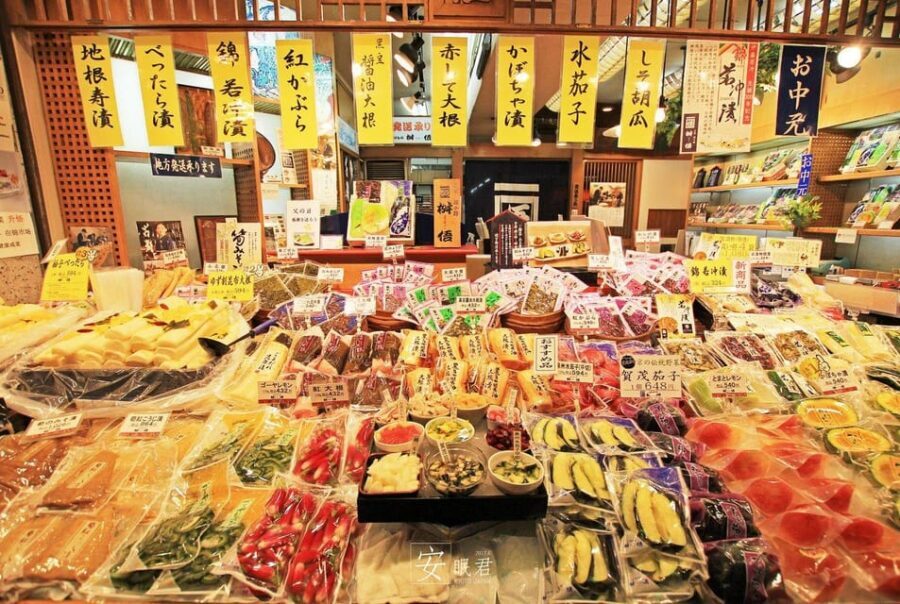
Nishiki Market is built into the plan as a lunch stop with about 1 hour. This is a smart choice for two reasons. First, it keeps lunch from becoming a hunt you dread. Second, Nishiki is at its best when you sample—small bites, local snacks, and quick breaks rather than a long sit-down meal.
You’ll have time for street food, shopping, and local snacks while you’re there. It’s not just “where to eat”—it’s also a fast way to understand everyday Kyoto food culture.
One practical caution: market aisles can get tight, especially at peak times. If your group is bigger or you’re carrying shopping bags, keep moving with a simple plan so you don’t bottleneck each other.
You can also read our reviews of more private tours in Kyoto
Kiyomizu-dera and the slopes: where walking matters more than timing
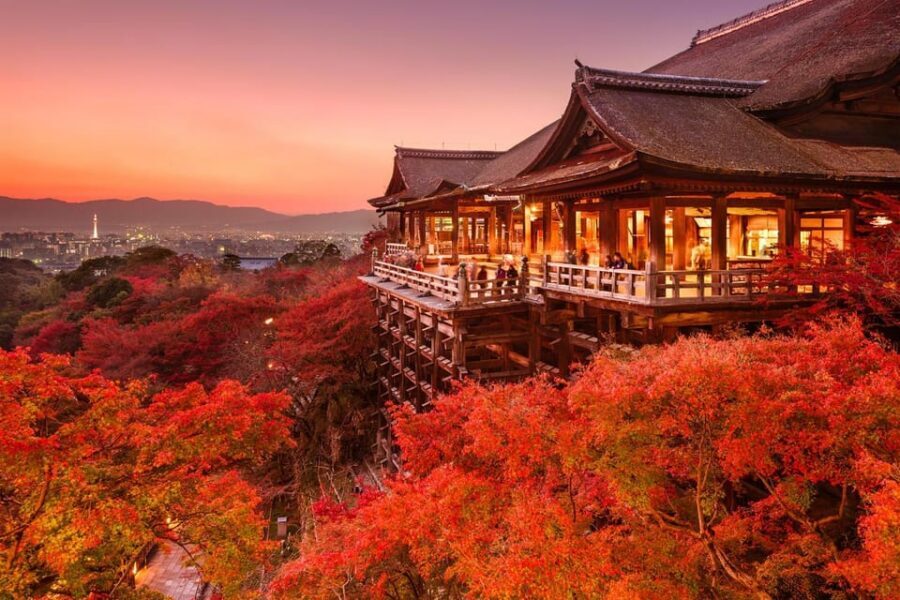
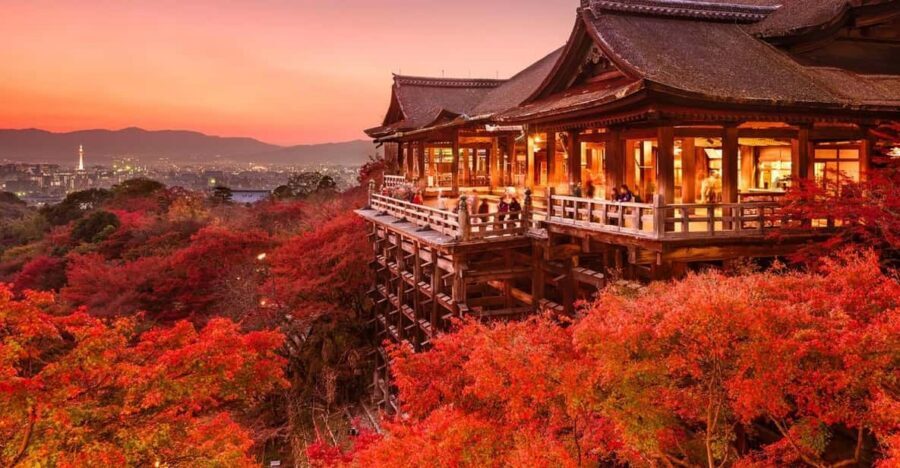
Next up is Kiyomizu-dera, with about 1 hour for sightseeing and free time, plus scenic views on the way. Kiyomizu-dera is famous for its setting and the way it connects to the surrounding hillside.
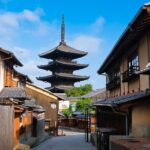
Then the schedule includes Ninenzaka and Sannenzaka slopes, starting your walk with about 1 hour for shopping and sightseeing. This is the part of Kyoto where you should expect slow walking—because you’re surrounded by old-street atmosphere, small shops, and lots of photo corners.
What I like about combining these sections: the temple gives you the cultural anchor, and the slopes give you the “life in Kyoto” feeling. The drawback is simple: if you try to cover every shop like a mission, you can lose time fast. If your goal is atmosphere and a few purchases, you’ll enjoy it more.
Gion: a neighborhood stop that rewards your pace

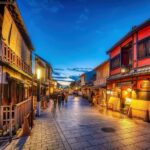
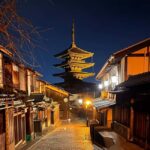
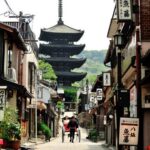
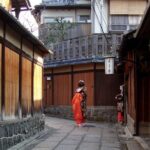
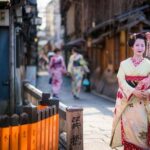
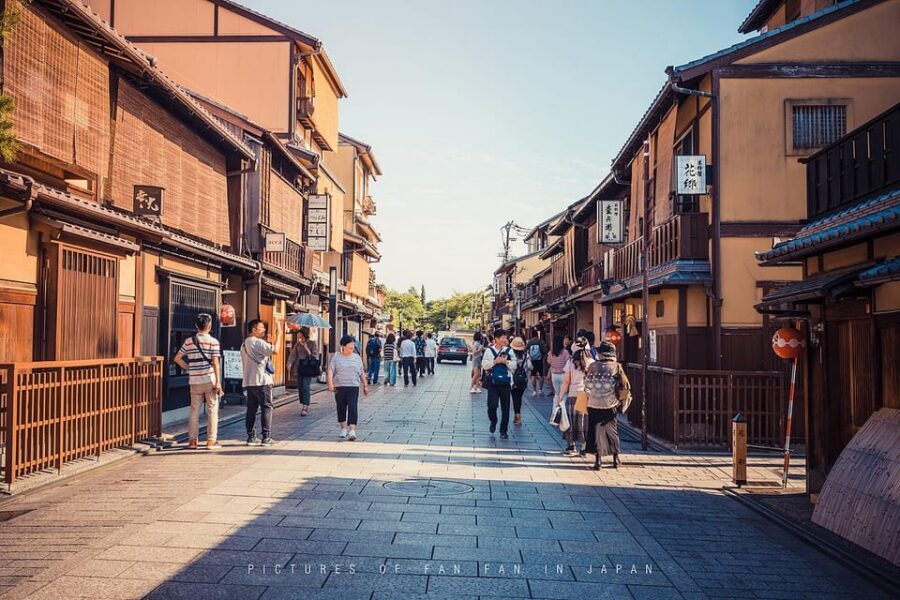
From the slopes, you head to Gion, with about 1 hour of free time. Gion is a great example of why this tour works as self-guided. The neighborhood is meant for wandering—small streets, older architecture, and the sense that you’re stepping into another rhythm.
With only an hour, you won’t do everything, and that’s fine. Pick one loop and enjoy it. If you try to “check off” every corner, you’ll end up rushing while chasing a moving target.
Nijo Castle: a change of pace from temples and streets
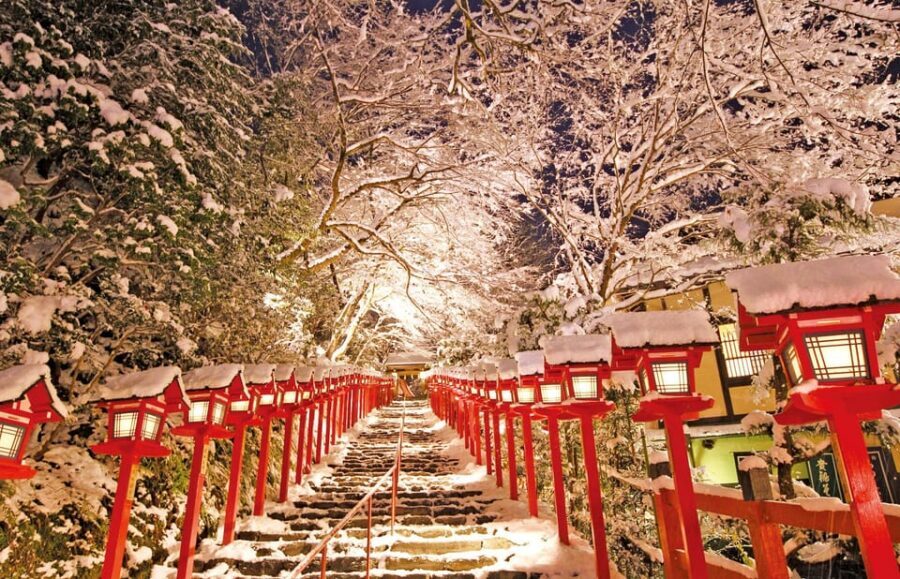
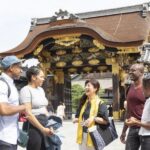
Then comes Nijo Castle with about 1 hour. This stop breaks up the day nicely because it’s not just walking in old streets or temple grounds—it’s a different kind of Kyoto. If you enjoy castles, interiors, and historical architecture, this is one of the best “structure-based” stops in the plan.
If you’re not into palace buildings, you can still use the hour for the main areas and then treat it as a calm pause before the shrine-heavy finale.
Fushimi Inari Taisha: the day’s finale needs good shoes
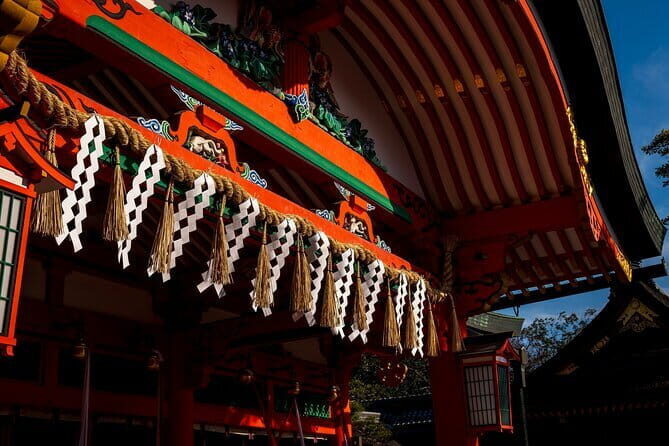
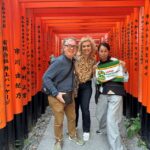
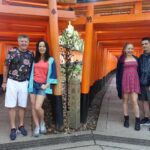
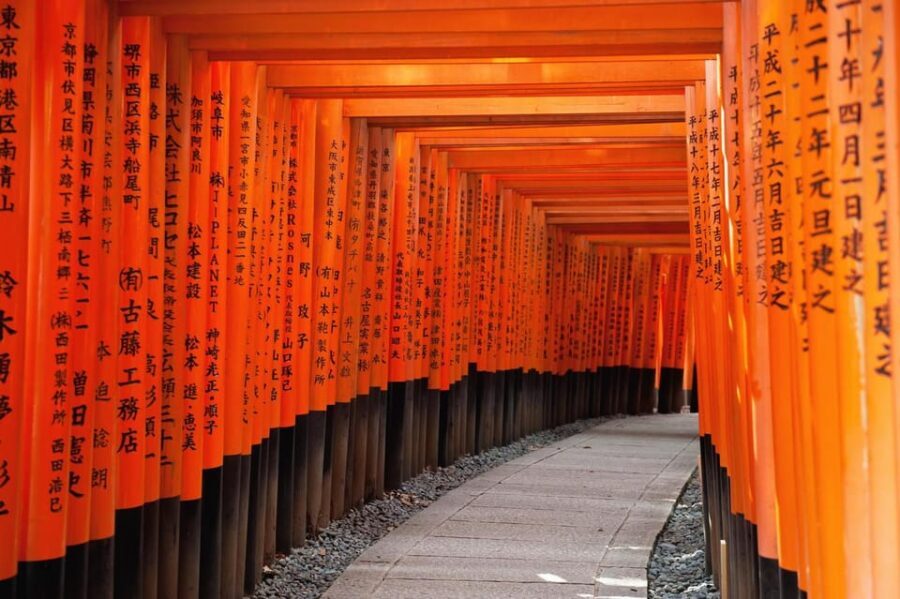
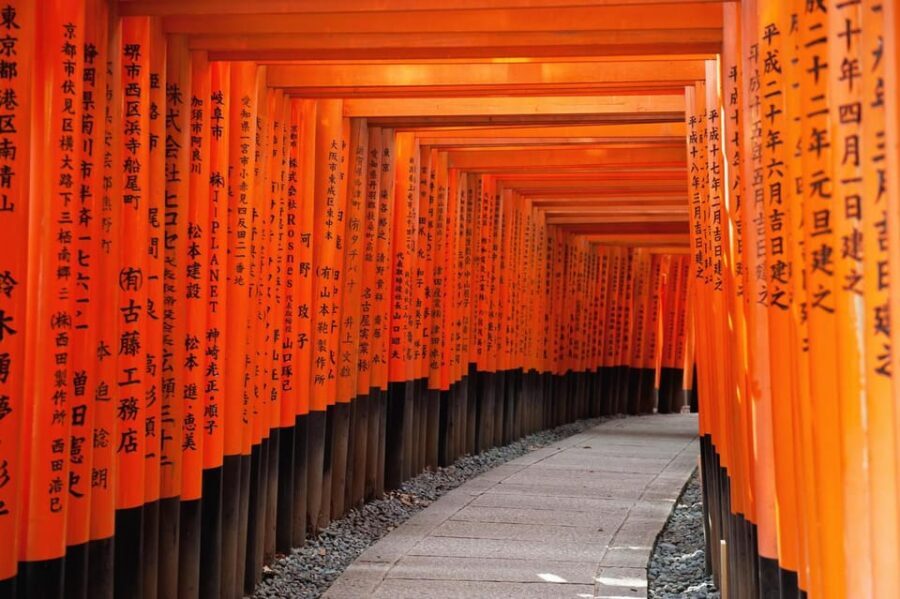
Finally, you’ll visit Fushimi Inari Taisha with about 1 hour for sightseeing. Fushimi Inari is famous for its thousands of torii gates, and it’s also a place where time disappears unless you set a goal for yourself.
An hour can be great if you decide what you want most:
- If you mainly want the gates and the most iconic sections, you’ll be happy.
- If you want deeper trails and longer climbing, one hour may feel short.
Since this tour is designed as a self-guided experience, you can shape your visit—just remember you’re sharing time with transit and the earlier stops. This is why the day is tight but not totally punishing: the schedule allots short-to-medium blocks so you’re not stuck rushing at the end.
Price and logistics: where the value actually comes from
Let’s talk numbers. The price is $509 per group up to 6 for a 10-hour private day with an air-conditioned vehicle, professional driver, hotel/meeting pick-up and drop-off, and the driving costs like highway tolls and parking fees.
You’re also getting:
- 10 hours of service total, with the option to extend for extra charge
- a first baby seat free if you request it in advance
- wheelchair accessible availability (you’ll want to confirm the vehicle details with the operator)
So is it worth it? For many groups, yes—because private transport in Kyoto can get expensive fast once you add taxis, parking, and the stress of coordinating multiple stops. This package bundles the transit cost into a single bill and gives you time at major sites.
Two practical logistics items matter a lot:
- You’re paying for driving, not for admission or meals. Admission tickets and food/drinks are not included.
- Your group size affects comfort. There are different cars: 6-seat, 9-seat, and 13-seat options, each with luggage limits. In one account, a 6-seat vehicle (including driver) felt uncomfortable for some adults in the shaped back seating. If your group has taller adults or you care about legroom, ask about the vehicle layout when you confirm.
Also, driver language is arranged randomly among English/Japanese/Chinese. Some drivers will be very interactive—one named Ben gave recommendations and suggested a traditional lunch that made the day feel special. Another driver, Mrs. Pan, was punctual and offered tips. Other experiences can be more hands-off, so keep your plan written down and communicate clearly.
How to make the most of a self-guided day (a no-drama checklist)
This tour works best when you treat it like a private transportation service with flexible stop time. That means you should show up with a plan and a bit of structure.
My practical tips:
- Send your must-sees and preferred start time early, so the route planning fits your pace.
- Decide how long you want at each type of place: temple grounds (walking), markets (sampling), neighborhoods (wandering), and gates (photo + walk).
- Bring comfortable shoes. Kyoto walking adds up fast, especially around slopes and shrine areas.
- Keep luggage manageable. The tour notes luggage defaults to a 24-inch suitcase.
- If you extend the day, know there are extra charges beyond 10 hours, and after 21:00 there’s a night service fee.
And a small but important mindset shift: since there’s no guide to explain what you’re seeing, your enjoyment will depend on your curiosity. If you like reading signs, using your phone, and making your own connections, you’ll have a great time. If you want a constant human narrator, this may feel too independent.
Should you book this Kyoto private self-guided tour?
If you want a classic Kyoto day without the logistics headache, I think this is a smart booking. It’s especially good for:
- couples or small groups who want control over timing
- travelers who hate navigating trains with luggage
- people who want a mix of icons and neighborhoods in one day
I’d think twice if:
- you need a guide for translation and constant explanation
- your group expects a very interactive “host” style
- comfort is a top priority and your party is sensitive to vehicle seating layout
If you go in with clear priorities—Arashiyama first, then Kinkaku-ji, Nishiki for lunch, Higashiyama slopes and Kiyomizu, Gion and Nijo Castle, and end at Fushimi—you’ll get the best version of this day: efficient, flexible, and very Kyoto.
FAQ
Can I customize the itinerary for this Kyoto tour?
Yes. You can fully customize your itinerary within Kyoto’s urban area or choose to follow a recommended route. You can also make changes even while traveling on the vehicle.
What are the main stops on the recommended day route?
The recommended flow includes Arashiyama (Bamboo Forest Trail, Arashiyama Park, Internet Celebrity Coffee, Togetsukyo Bridge, Tenryuji Temple), Kinkaku-ji, Nishiki Market (lunch and shopping), Kiyomizu-dera, Ninenzaka and Sannenzaka slopes, Gion, Nijo Castle, and Fushimi Inari Taisha.
Where can I get picked up and dropped off?
Departing options include Kyoto, Osaka, Nara, and Kobe. The tour states it can only pick up customers living in urban areas, and for Osaka and Kobe it provides pick-up at the Port. Drop-off options include Kyoto, Osaka, Kobe, and Nara.
Are admission tickets and meals included?
No. Admission tickets and food and drinks are not included.
Will there be a tour guide or translation during the day?
No. The tour does not provide translation or a tour guide. The driver languages are arranged randomly among English/Japanese/Chinese.
What about vehicle size and luggage space?
The tour uses 6-, 9-, or 13-seat vehicles with listed luggage limits. The luggage default is 24 inches. The vehicle type depends on your group size.