REVIEW · WALKING TOURS
Kyoto : Private Custom Walking Tour With A Local Guide
Book on GetYourGuide →Operated by Guydeez · Bookable on GetYourGuide
Kyoto can feel like a maze at first. This private, customizable walking tour turns the city into a plan you can actually follow. You’ll walk through famous historic areas, with a local guide who can also steer you toward places that fit your pace and interests.
I love the custom route option—if you want temples, shrines, a museum stop, or a calmer neighborhood walk, your guide can shape the day. I also love the human details: guides like Maria (temple-focused storytelling), Jerome (thoughtful pacing in Gion), and Wajid (pinpointing cultural cues along the route) don’t just name places; they explain what you’re looking at and why it matters on your feet.
One possible drawback: because it’s built around walking, you’ll want good shoes and a realistic sense of stamina—plus attraction tickets and food aren’t included, so you’ll pay those separately depending on what you choose.
In This Review
- Key things to know before you book
- Meet Your Guide and Lock in a Kyoto Plan
- Custom Routes: How You Build the Right Kyoto Day
- Torii Gates to Buddha Halls: Fushimi Inari and Sanjusangendo
- Kiyomizu-dera, Old Lanes, and the Stuff You’d Miss DIY
- Gion and Maruyama Park: Geisha Culture, Street Energy, and Fun Details
- How the Temple vs Shrine Lesson Helps All Your Next Days
- Walking, Public Transport, and Staying Comfortable
- Value at $62: What You’re Actually Buying
- Who This Tour Fits Best (and Who Might Skip It)
- Should You Book This Private Kyoto Walking Tour?
- FAQ
- How long is the Kyoto private custom walking tour?
- Is the tour customizable?
- Where do we meet our guide?
- Are attraction tickets included in the price?
- Is food or drinks included?
- Does the tour include transportation?
- What languages are available for the live guide?
- Is it a private group?
- Is the tour wheelchair accessible?
- What are the cancellation and payment options?
Key things to know before you book

- Private and customizable: you control the mix of sights, streets, and optional museum time
- Hotel pickup (within the city): you can start from your accommodation instead of hunting a meeting point
- Guides tailor to your day: pacing changes based on heat and energy, not a fixed script
- You get practical city advice: what to do next, where to eat, and how to move around efficiently
- Tickets and meals are on you: the guide can help with bookings, but you’ll still budget for admission
- Multiple languages: Spanish, English, French, and Italian are available
Meet Your Guide and Lock in a Kyoto Plan
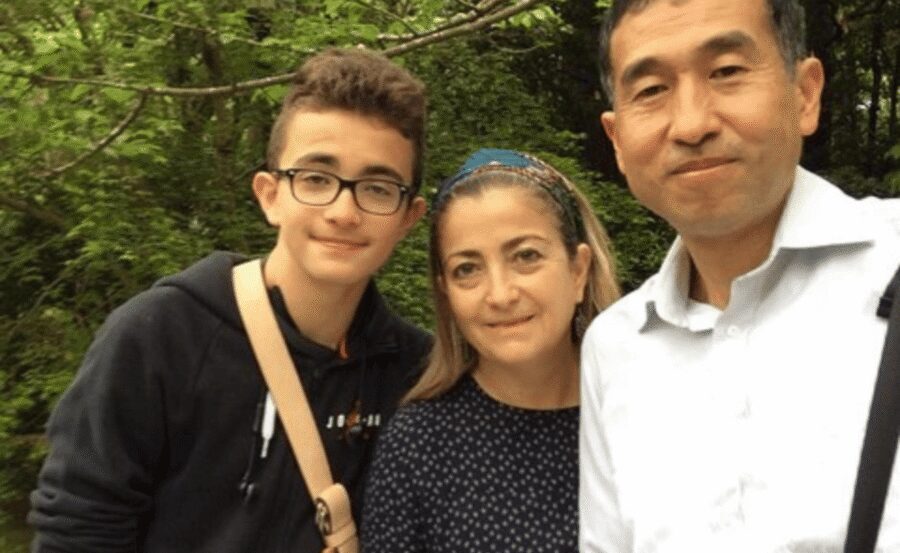
This tour works best when you treat it like a guided day plan, not just a sightseeing loop. The guide meets you at your accommodation if it’s within Kyoto city limits, which means you start without friction. From there, the day becomes a sequence of walks, photo pauses, and explanations that connect one area to the next.
Because it’s a private group, you’re not squeezed into a shared rhythm. That matters in Kyoto, where crowds can make certain stops feel stressful if you don’t time them right. A guide like Kev has been praised for adjusting for the heat, and that’s the kind of practical thinking that changes the whole experience.
Language is another real value point. If you book Spanish, English, French, or Italian, you can ask follow-up questions without turning your day into a guessing game. It’s especially helpful for understanding the local terms around temples and shrines, and for hearing what to notice in the streets.
If you like starting slow, you can even ask for a gentle first beat (some guides have started at cafes like AG Coffee in Sakyo) so you’re not going from jet lag to hill climbs in five minutes.
You can also read our reviews of more walking tours in Kyoto

Custom Routes: How You Build the Right Kyoto Day
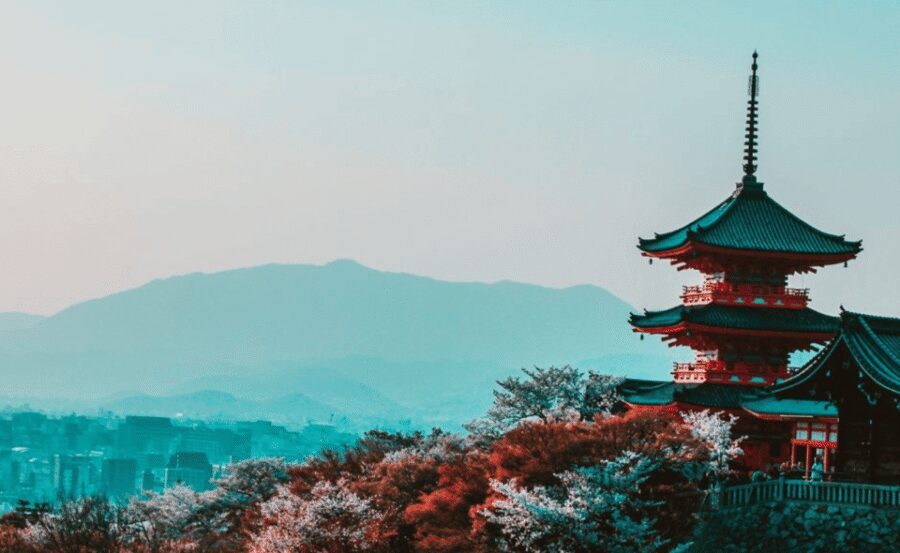
Kyoto is famous for temples, shrines, gardens, and old districts—but the hard part is deciding what to prioritize. This tour’s biggest strength is that your guide builds the itinerary around what you actually want to see and learn.
You can usually shape the day in two ways:
- Choose your must-see landmarks (the big names, the postcard streets, the iconic gates)
- Add your own interests (a museum visit, a quieter neighborhood, photo-friendly side streets)
Omar is one example of a guide who asks your preferences ahead of time, which helps your day feel intentional rather than random. If you’re the type who wants context—why a place looks the way it does, how the area developed, what Kyoto residents notice—tell your guide early. You’ll get better stories and more meaningful stops.
Duration also gives you control. The tour can run from 2 to 8 hours, so you can choose:
- A focused sampler (great for first-timers)
- A longer day that stitches multiple districts together
- A slower pace with more walking breaks and photo time
A key detail: your guide can include the exterior of monuments and also suggests museums if you want that. That’s useful if you want more than just scenery, but don’t want to turn your day into a classroom.
Torii Gates to Buddha Halls: Fushimi Inari and Sanjusangendo
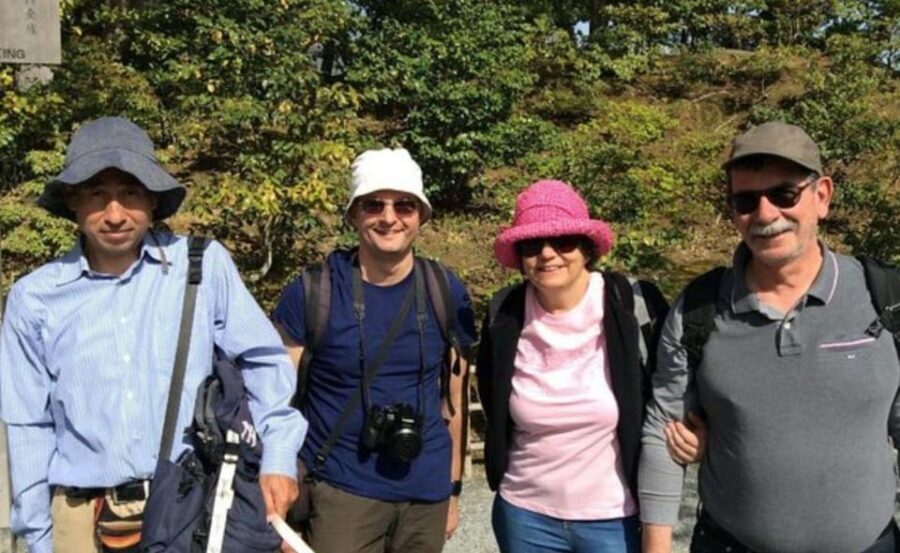
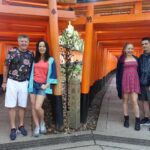
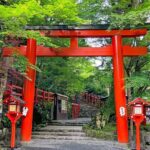
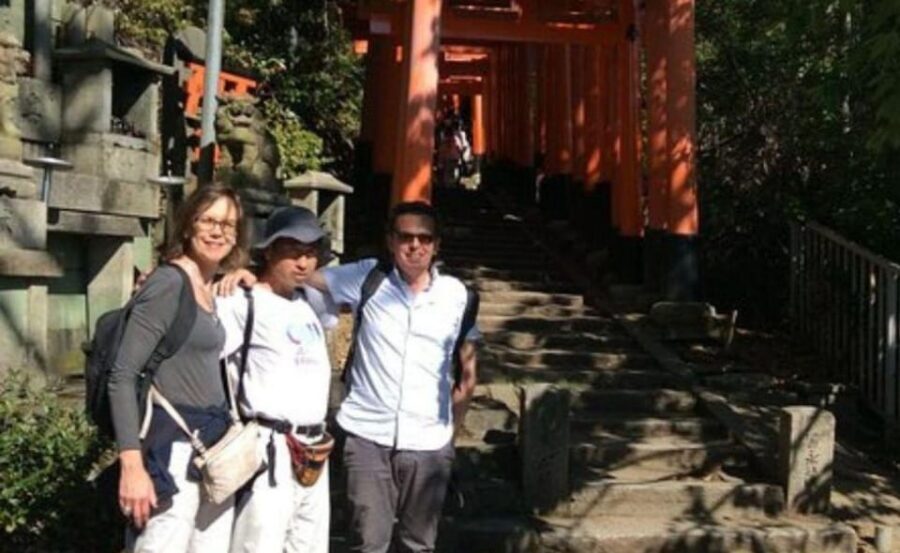
If you want Kyoto to hit you fast, the day often starts with a dramatic cultural contrast—one minute you’re in lively city atmosphere, the next you’re walking through the rhythm of torii gates. Fushimi Inari Shrine is the classic choice, and a guided walk through the torii tunnels helps you understand how the place feels in motion, not just from photos.
Your guide will also help you pace it. At peak times, the crowds can make it hard to appreciate details like the smaller features along the path. When you walk with someone who knows where to slow down and where to keep moving, you’re more likely to actually see the shrine environment rather than just pass through.
From there, many routes add a temple stop with a totally different mood. Sanjusangendo is famous for its 1,001 Buddha statues, and having a guide explain what you’re looking at makes the scale feel real instead of overwhelming. You’re not just counting figures—you’re learning how the room works visually, so the statues don’t blur into one mass.
Practical tip: this part of the day can involve more indoor/outdoor transitions than you expect. If you’re sensitive to weather or prefer shade, tell your guide. Guides like Kev have been praised for managing hot conditions by planning stops that keep you comfortable.
Kiyomizu-dera, Old Lanes, and the Stuff You’d Miss DIY
Kyoto’s most magical moments often hide in the space between the headline attractions. That’s why a guided route through Kiyomizu-dera and the surrounding streets can feel like two experiences: the big UNESCO-style landmark moment, plus the slow discovery walk right after.
Kiyomizu-dera is often included because it’s visually unforgettable, and it’s also a place where your guide can explain how the setting and layout shape the view lines. When you get that orientation, your photos look better and you understand what you’re capturing.
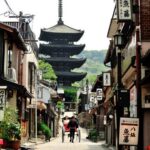
Then comes the part people often skip when they plan alone: the pedestrian lanes around the landmark. Sannenzaka and Ninenzaka are usually included for a reason. Walking those streets with a guide turns them from a “walk-through” into a story about everyday Kyoto—signs, details, and small cultural cues that are easy to overlook when you’re focused only on the next major stop.
Wajid is specifically credited with making this kind of walking both informative and well-paced, including photo spots and cultural details. That’s what you want from a guide: you should leave with memories and a sense of how to read the city as you go.
Gion and Maruyama Park: Geisha Culture, Street Energy, and Fun Details
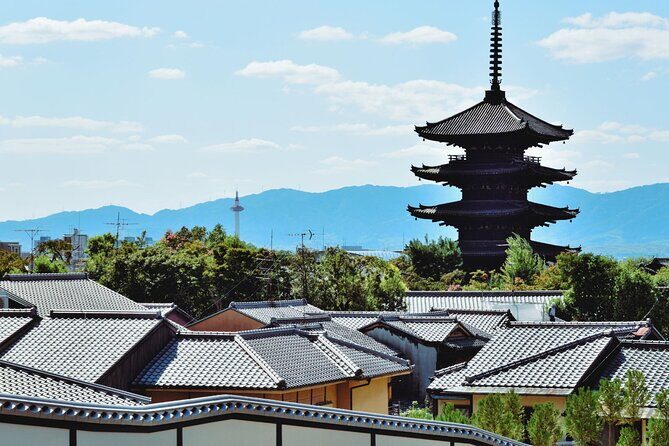
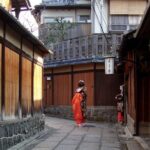
Gion is where Kyoto feels like a living stage set—old architecture, layered history, and the sense that the district has its own tempo. A guided walk through Gion can help you understand what you’re seeing without turning it into a tourist lecture.
Jerome has been praised for adapting the discovery of Gion Kyoto, even with kids in the group. That’s a good sign if you’re traveling with anyone who gets restless. When a guide can shift between history, playful explanations, and efficient movement, you get more out of the walk and fewer “Are we done yet?” moments.
Many routes then connect toward Maruyama Park, which can include a fun mix of cultural context and street-level surprises. Wajid is noted for explaining geisha culture and also pointing out quirky details like the Pokémon manhole. That blend is a big part of why this type of tour is worth doing: you don’t just learn facts—you notice the city.
If you want memorable photos, tell your guide. Several guides have been recognized for taking or helping with great pictures, which is handy if you’re traveling as a couple or a family and you don’t want to rely on strangers with shaky phone cameras.
You can also read our reviews of more guided tours in Kyoto




How the Temple vs Shrine Lesson Helps All Your Next Days

Kyoto can be confusing at first: temples, shrines, gates, halls, incense, stone paths—your eyes see symbols, but your brain might not know what they mean yet. A major practical win from this tour is that your guide can explain the differences between temples and shrines while you’re walking.
This isn’t just trivia. Once you understand the basic idea, the city becomes easier to navigate and more satisfying to explore on your own afterward. You’ll start noticing the right cues faster, and your DIY time the rest of the trip feels smarter.
For example, one guide (Kevin) is credited with explaining these differences during a walk up Daimonji, then moving into other classic areas like the Philosopher’s Path and Ginkakuji. Even if you don’t choose that exact sequence, the takeaway is the same: you learn the city language while it’s still fresh.
If your schedule includes a hillside climb or longer walking stretch, ask your guide to keep the explanations tied to what you’re seeing right now. It helps the lesson stick, and it makes the climb feel more purposeful than just physical effort.
Walking, Public Transport, and Staying Comfortable

This is a walking tour, so your day depends on weather and your stamina. The good news is that a local guide can make the walking feel efficient, not punishing—choosing routes that reduce unnecessary backtracking and using public transport when it fits.
The tour includes walking and public transport as part of the experience (unless you choose an option that changes that). That balance matters in Kyoto, where the distances between districts can add up quickly if you plan everything yourself.
Here’s what I’d do to make it smoother:
- Wear shoes you can handle on uneven sidewalks and long stair segments
- Bring water, especially in hot months (heat management is something guides get praised for)
- Plan for photo stops that take longer than you think—torii gates, temple courtyards, and lane streets slow everyone down
Your guide can also help you build a sensible day arc: a big landmark first, then calmer walking and context-building afterward. That pacing reduces fatigue, and you’ll remember the day instead of just surviving it.
Value at $62: What You’re Actually Buying
At $62 per person, you’re not just paying for a map and a checklist. You’re buying:
- A private guide who adapts to your interests
- Someone who knows how to structure a Kyoto day so you spend time efficiently
- Help booking tickets for the visits you choose
- Guidance on what to do next in the city (food tips and planning advice)
The catch is also clear: tickets to attractions aren’t included, and food or drinks aren’t included either. That means the final cost depends on how many paid sites you add and how you handle meals.
Still, the value is strong if you hate decision fatigue. Kyoto is too big for most people to figure out well in their first days. A good guide saves you from “I picked the wrong order and now I’m tired and wasting time” situations.
If you’re budgeting, treat this tour as your structured foundation. Do the heavy planning with your guide, then use your remaining days to wander with confidence.
Who This Tour Fits Best (and Who Might Skip It)
This tour is a great match if you:
- Are visiting Kyoto for the first time and want a real orientation fast
- Like your sightseeing with context—stories, cultural meaning, and practical tips
- Want a day shaped around your interests instead of a fixed itinerary
- Travel as a couple, solo, or family and want flexibility in pacing
It might be less ideal if you:
- Prefer a full DIY trip with no guide input
- Don’t want to pay separately for attraction tickets and meals
- Have very limited mobility or energy for walking (even though the tour is marked as wheelchair accessible, it’s still a walking-focused format)
Should You Book This Private Kyoto Walking Tour?
Yes—if you want Kyoto to feel understandable, not chaotic. I’d book it when you can clearly name what you care about (big shrines, temple architecture, old districts, optional museums, or food suggestions) and you want someone to turn that into a walkable plan.
If you’re on the fence, do this quick check:
- Can you commit to comfortable shoes and a real walking day?
- Are you okay paying for attraction tickets and your meals on top of the tour price?
- Do you want a guide’s help with where to go and what to notice?
If you answered yes, this format is one of the best ways to get your bearings, learn enough to explore afterward, and avoid wasting hours spinning your wheels.
FAQ
How long is the Kyoto private custom walking tour?
It runs from 2 to 8 hours. The exact start time depends on availability.
Is the tour customizable?
Yes. The tour can be customized to match your interests, and your guide can adapt the day if you want to include visits such as a museum.
Where do we meet our guide?
Hotel pickup is offered if your accommodation is located in Kyoto. You meet up at your lodging.
Are attraction tickets included in the price?
No. Tickets to any attractions are not included, but the team can help you book tickets for the visits you want.
Is food or drinks included?
No. Drink or food is not included.
Does the tour include transportation?
Because it’s a walking tour, local transportation isn’t provided as a car service. The tour includes walking and public transport (unless you select an option that changes this).
What languages are available for the live guide?
The guide can be Spanish, English, French, or Italian.
Is it a private group?
Yes. It’s a private group experience.
Is the tour wheelchair accessible?
The activity is marked as wheelchair accessible.
What are the cancellation and payment options?
You can cancel up to 24 hours in advance for a full refund. You can also reserve now and pay later to keep your plans flexible.