REVIEW · ARASHIYAMA TOURS
Kyoto: Afternoon Bamboo Forest and Monkey Park Bike Tour
Book on GetYourGuide →Operated by Kyoto Bike Tours · Bookable on GetYourGuide
Kyoto gets wild when you pedal bamboo. This Arashiyama Bamboo Forest and Monkey Park afternoon tour mixes two of Kyoto’s most memorable sights with the kind of guided pacing that keeps you moving without feeling rushed. I really like the way biking changes how you experience the area, especially when the bamboo is all around you, and I like that the monkey visit includes a real hike up to better views. The main catch: you’ll do about a 20-minute uphill walk as part of the Monkey Park stop, so comfortable shoes matter.
What I also like is how the tour slows down in the right places. Tenryuji Temple gives you a calm Zen-garden stroll, then the day snaps back to scenery with Togetsukyo Bridge and the surrounding trees. With a small group (limited to 8), guides such as Peter, Rob, Yuki, and Ray keep things friendly and safe, including clear riding explanations, and some guides even add extra touches like taking photos for you to enjoy later.
In This Review
- Key things worth knowing before you go
- Entering Arashiyama from Saga-Arashiyama Station
- Arashiyama Bamboo Forest on two wheels
- Tenryuji Temple: Zen gardens without the ticket stress
- Iwatayama Monkey Park hike and the viewpoint payoff
- Togetsukyo Bridge: a short ride through postcard Kyoto
- How the biking pace and group size affect your comfort
- Cost and value: what you’re really paying for at $106
- Who this tour suits best in Kyoto
- Should you book this Kyoto Bamboo and Monkey Park Bike Tour?
- FAQ
- Where do I meet the guide?
- How long is the tour?
- What’s included in the price?
- Is food included?
- Is there hiking involved at Monkey Park?
- How many people are in the group?
- What should I wear or bring?
- FAQ (Weather and guidance)
- What happens if it rains?
Key things worth knowing before you go
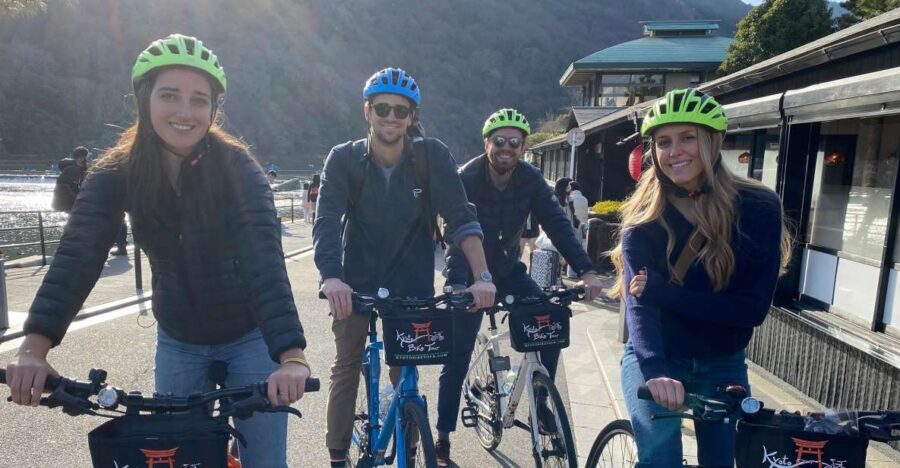
- Bamboo feels different when you bike through it: the walkways are one thing, but moving between tall stalks turns the sound and scale up a notch.
- Monkey Park includes a real workout: expect a hike involved at Monkey Park (about 20 minutes) plus time to watch the monkeys.
- UNESCO Tenryuji Temple entry is included: you don’t have to figure out tickets mid-day.
- Small group pacing helps: limited to 8 participants, so you’re less likely to get swallowed by a crowd vibe.
- Comfort gear can matter more than you think: one cold-weather tip from past tours is that gloves may be provided when it’s chilly.
- Food isn’t included, so plan for it: you’ll have bottled water and entry fees, but not meals.
Entering Arashiyama from Saga-Arashiyama Station
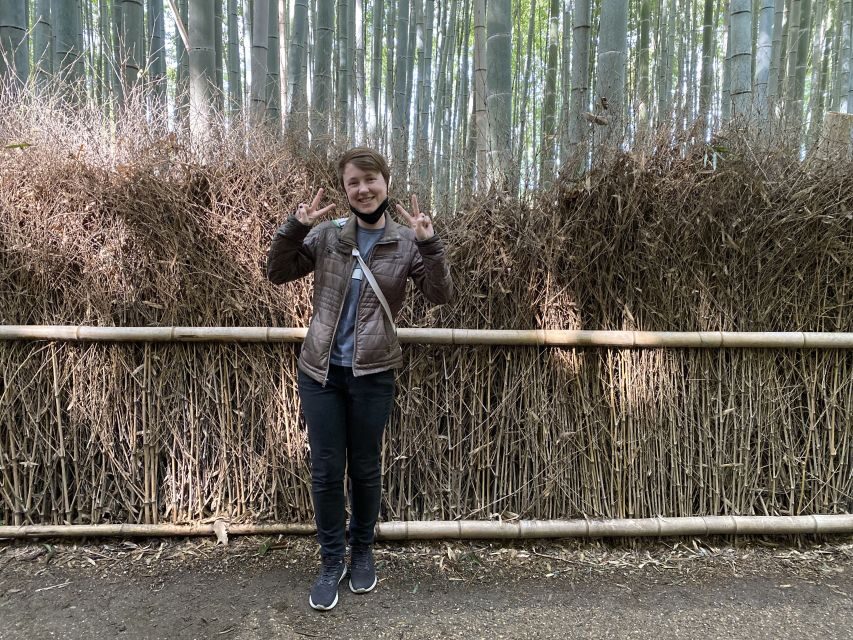
Your day starts at Saga-Arashiyama Station, where you meet your guide. You’ll know them by the bike helmet and Kyoto Bike Tours shirt. This matters more than you might think. Arashiyama is popular, and getting oriented quickly helps you settle into the ride instead of spending the first part of the tour searching.
The tour runs about 4 hours, and that time block is ideal for an afternoon. You get daylight for the bamboo and bridge views, but you also avoid the heaviest earlier-day crush. It’s also the kind of schedule that fits well if you’re doing temples earlier in your Kyoto stay and want a break from nonstop walking.
You’re given the bike and helmet, plus bottled water. You just supply the basics: comfortable clothes and comfortable shoes. High-heeled shoes aren’t allowed, so think practical from the start. If you’re traveling in fall or shoulder seasons, bring layers; cold mornings and breezy river-area air can catch you off guard.
You can also read our reviews of more cycling tours in Kyoto
Arashiyama Bamboo Forest on two wheels
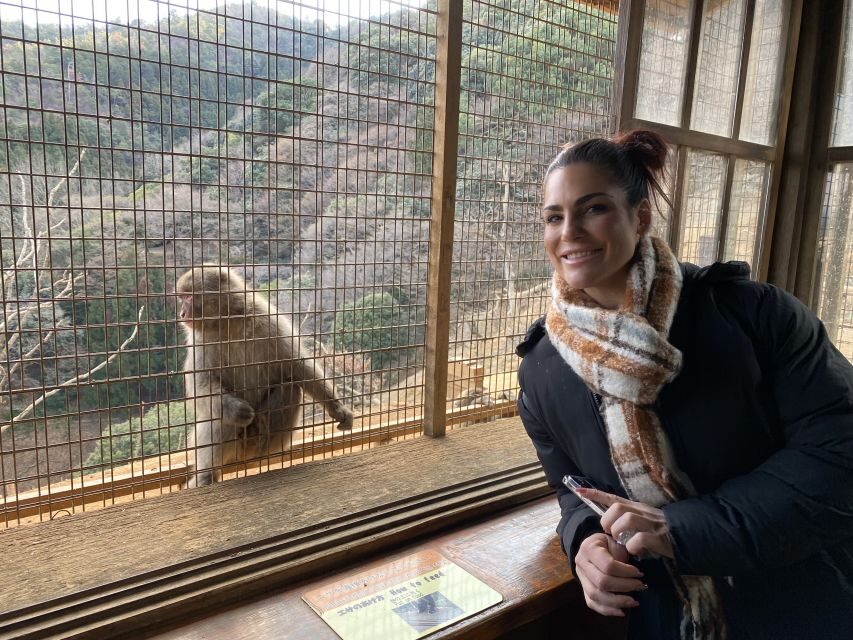
The highlight everyone talks about is Arashiyama Bamboo Forest, and the best part is that you don’t just photograph it from a distance. You bike through the bamboo area as part of the guided route, with about 30 minutes set aside for this stretch.
Here’s the practical magic: biking changes your timing. You’re not stuck at a slow-moving bottleneck where people pause for photos. You can actually keep moving and feel the bamboo surround you from multiple angles. That 30-minute window is long enough to notice details like the changing light between stalks and the way sound shifts when you’re riding through a corridor of greenery.
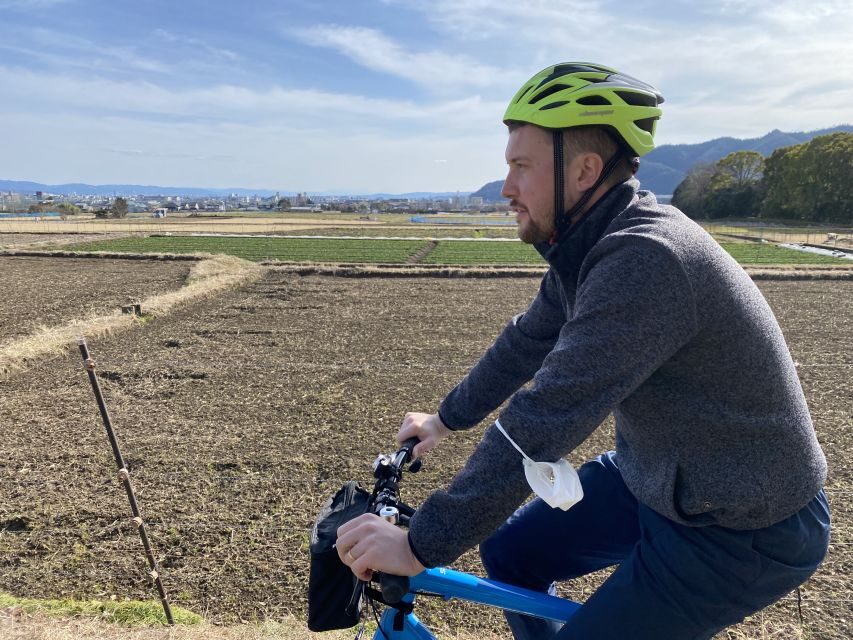
In terms of effort, this is the part of the day that feels easiest and most fun. Most of your riding is set up to keep the group together, and past riders have noted that the cycling can be mainly flat, with scenic stretches through the surrounding area. Still, treat it like a real bike ride. Wear shoes that grip well, and keep a light hold on the handlebars if your arms get tired.
Tenryuji Temple: Zen gardens without the ticket stress
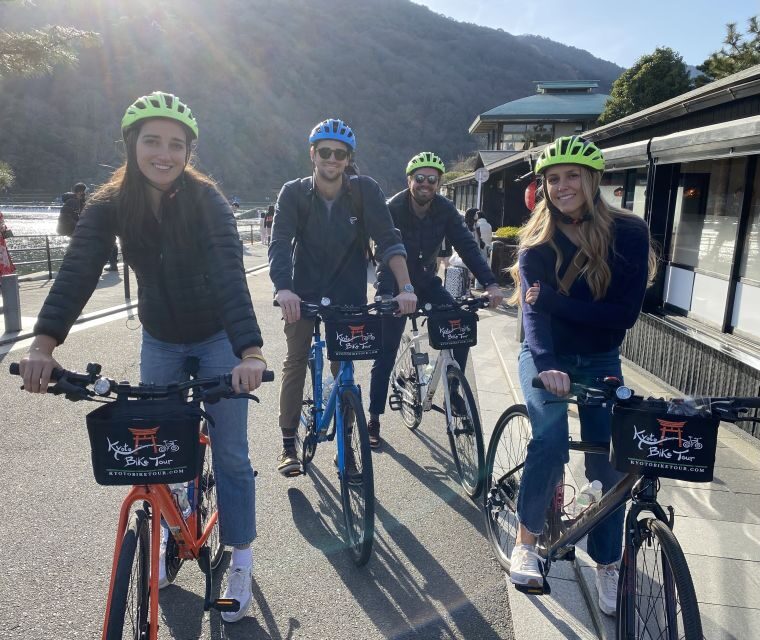
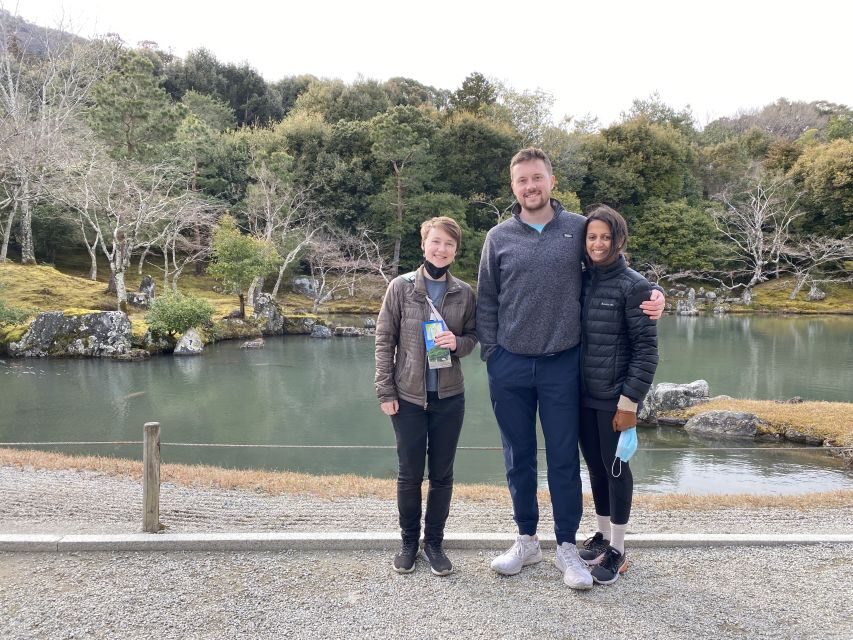
After the bamboo, you head to Tenryuji Temple for a guided visit (about 30 minutes). Tenryuji is UNESCO-certified, and the visit includes entry fees, so you won’t be scrambling for tickets in the middle of your tour.
What makes this stop work in the middle of a bike day is contrast. Bamboo can feel like motion and crowd energy, even when it’s peaceful. Tenryuji is the reset button. You get time to explore Zen gardens at a slower pace, and that’s where the guide’s storytelling matters. Different guides (like Yuki or Ray, depending on the departure) have been praised for giving clear explanations along the way, which helps you read the gardens and temple spaces instead of just looking.
One extra detail that’s worth appreciating: your start point and ride path connect you to roads used today that trace back to sub-temples tied to Tenryuji’s UNESCO World Heritage site. Even if you’re not a history nerd, that context makes your route feel more intentional. You’re not just sightseeing; you’re moving through places with layers.
If you tend to rush through temples on your own schedule, having a guided, timed stop here is a benefit. It prevents the common problem where you linger too long in one area and end up cutting the rest of the day.
Iwatayama Monkey Park hike and the viewpoint payoff
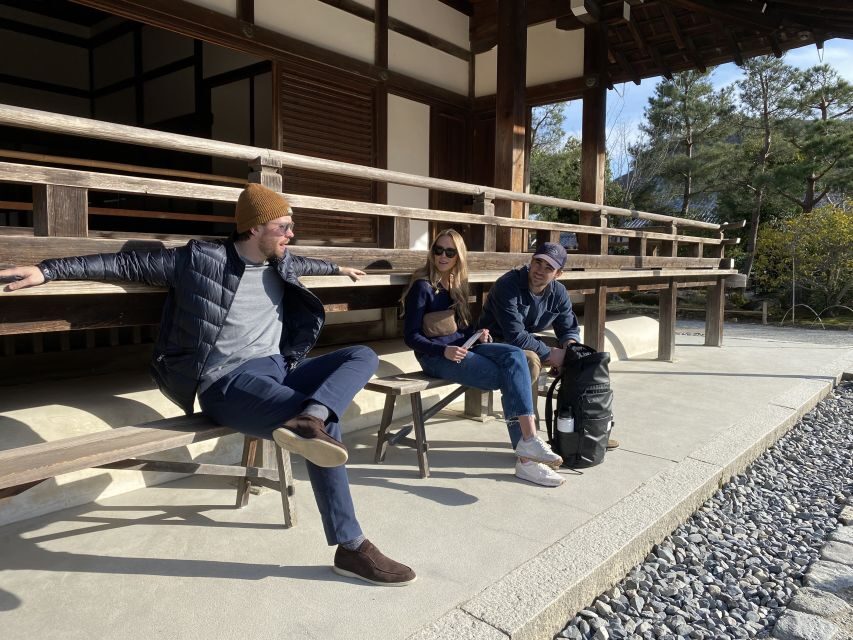
Then comes the stop that turns the tour from scenic to memorable: Iwatayama Monkey Park. You spend about 1 hour here, and it includes a hike component. The advance info is clear: there’s a 20-minute hike involved at Monkey Park.
This is the part I’d plan for the most, because it’s the only clearly stated “effort” segment. If you’re worried about steep steps, focus on two things:
- Bring comfortable shoes with good traction.
- Pace yourself on the climb so you’re not breathing hard before you reach the best viewing spots.
Why do it anyway? The climb is tied to a panoramic view of Kyoto from Iwatayama Mountain, and that view is the payoff. You’re not hiking just to say you hiked. You’re hiking to get above the noise and see how Arashiyama opens out toward Kyoto.
As for the monkeys themselves, this is the main reason the tour has such a strong reputation. Past participants have specifically called out the monkey section as unforgettable, and multiple guides are praised for handling timing with patience—making sure the group has time to watch the monkeys instead of sprinting everyone onward.
Togetsukyo Bridge: a short ride through postcard Kyoto
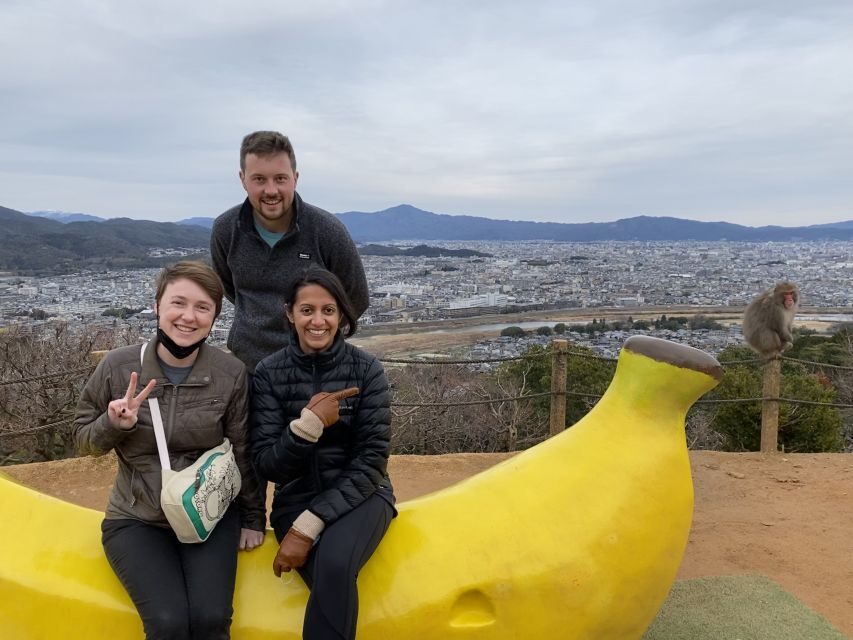
After the park, you finish with Togetsukyo Bridge, with about 15 minutes set aside here. This isn’t a long stop, but it’s perfectly sized if you already saw the big bamboo and the main hike.
Why that short timing works: by the time you reach the bridge, you’ve earned it. Your energy is likely coming back after the climb, and the bridge view gives you a clean visual “wrap” for the afternoon. You also get a change in mood as the surroundings shift from the forest feeling of the bamboo and park into open sightlines and the famous crossing.
If you’re visiting during a season with colorful trees, this is the moment where the scenery tends to look extra photogenic. Even if photos aren’t your thing, it’s a great place to pause, take in the view, and let the ride settle in your memory.






How the biking pace and group size affect your comfort
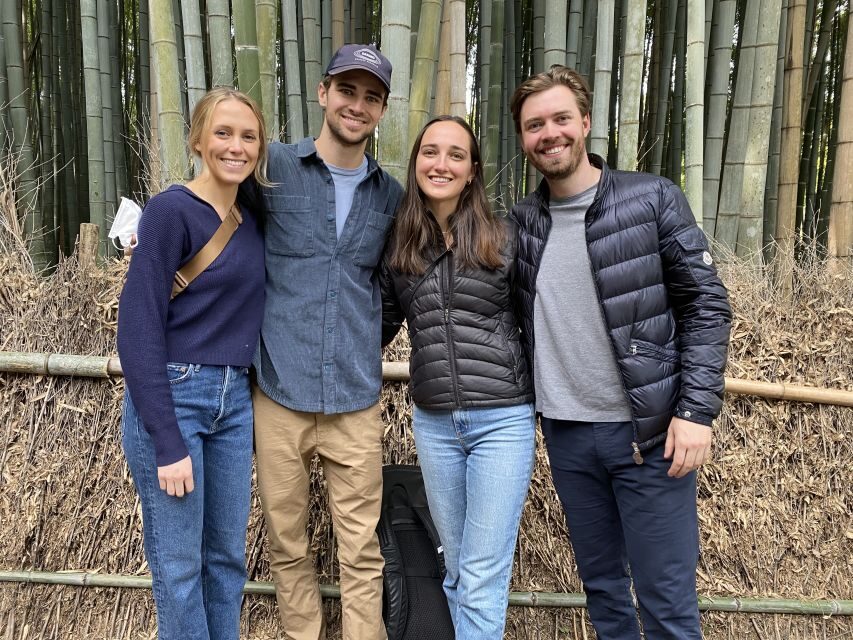
This is not a cram-every-stop bus tour. The group is limited to 8 participants, and that small size is a big deal in a place like Arashiyama where routes can get busy around entrances and junctions.
What you should expect from the ride rhythm:
- Regular stops at each major sight, with guided explanations.
- Safety and riding instructions early on, so you’re not guessing what the route is doing.
- A pace that can flex if people move slower.
Multiple past riders have praised guides for patience and for keeping the ride moving at a good speed even when the group includes mixed abilities. Some even mention safety check-ins throughout, which makes sense for a bike tour—small issues (tired legs, a slow start, confusion at a turn) get handled before they turn into stress.
The bikes themselves are another comfort factor. Riders have said the bikes are comfortable and well maintained, and one of the best review themes is how the whole setup feels more thoughtfully prepared than expected. You’ll want to adjust the seat height if the guide helps you, and do a quick handlebar check before you start pedaling.
Cost and value: what you’re really paying for at $106
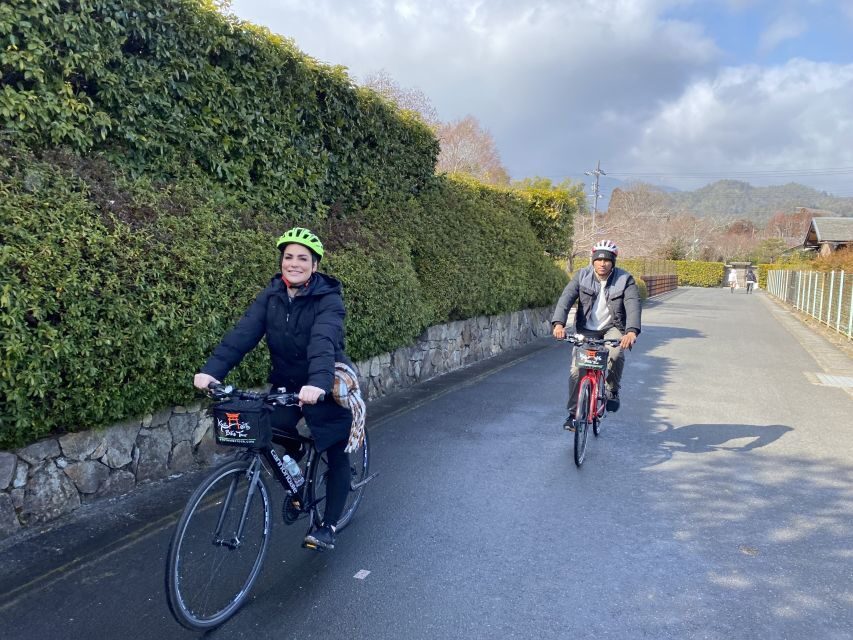
At $106 per person for a 4-hour tour, the price can look steep at first glance—especially if you’re comparing it to self-guided temple roaming. But the value story is pretty solid once you break it down.
Here’s what’s included:
- Tour guide (English)
- Bicycle and helmet
- Bottled water
- Entry fees for Tenryuji Temple
What’s not included:
- Food and drinks
When you add it up, a guided, ticketed UNESCO temple visit plus bike gear is a meaningful package. You’re also paying for the route planning and the small-group structure, which helps you spend less time figuring out where to go next and more time actually seeing things.
If you’re the kind of visitor who wants to understand what you’re looking at, this kind of guided route tends to pay off fast. Guides have been praised for storytelling that goes beyond basic facts, including one tour experience with tie-ins to Japanese language and hands-on items from a bag of tricks. Even when you’re not into that style, it helps keep the day from feeling like a list of places.
Finally, because there’s food not included, budget a snack or a meal before or after. That’s the biggest practical way to get the best value from this tour: treat it like a planned afternoon of sights, not a full-day meal package.
Who this tour suits best in Kyoto
This afternoon bike-and-hike tour is a great match if you want:
- Nature and wildlife energy without abandoning Kyoto’s temple side
- A bike route that covers more area than walking
- A guided visit so you understand what you’re seeing at Tenryuji
It’s especially good for people who like the Arashiyama area but don’t want to fight crowds all day. The structure of the route helps you avoid spending your afternoon standing in lines or stuck in slow-moving pedestrian streams.
It may be less ideal if:
- You dislike any uphill walking at all. Monkey Park includes a hike, and it’s part of the main experience.
- You have very limited mobility or expect a completely flat ride.
If you’re traveling with teens, adults of mixed experience levels, or anyone who enjoys biking, this tends to land well. The small group size and guided pacing make it easier for different comfort levels to coexist without turning the day into chaos.
Should you book this Kyoto Bamboo and Monkey Park Bike Tour?
If you’re excited by the idea of combining bamboo, Zen gardens, and a monkey park viewpoint in one afternoon, I’d book it. The tour’s big strength is the mix of motion and calm: riding through Arashiyama, then stepping into Tenryuji’s quiet gardens, then climbing for the view and wildlife.
Before you decide, be honest about two things:
- Are you comfortable with shoes-for-walking and an uphill hike segment (about 20 minutes)?
- Can you handle a 4-hour afternoon that doesn’t include meals?
If yes, this is a strong value day in Kyoto. And if you’re one of those people who likes learning while you move, you’re likely to appreciate how guides such as Peter, Rob, Yuki, Ray, and JS have been praised for pacing, safety, and making the stories click.
FAQ
Where do I meet the guide?
You meet your guide at Saga-Arashiyama Station.
How long is the tour?
The tour is about 4 hours.
What’s included in the price?
The tour includes a tour guide, bicycle, helmet, bottled water, and entry fees.
Is food included?
No. Food and drinks are not included.
Is there hiking involved at Monkey Park?
Yes. There is a hike involved at Monkey Park, including about a 20-minute climb.
How many people are in the group?
The group is limited to 8 participants.
What should I wear or bring?
Bring comfortable shoes and comfortable clothes. High-heeled shoes are not allowed.
FAQ (Weather and guidance)
What happens if it rains?
If the forecast shows rain, you’ll receive a message about rescheduling or cancellation.