Kyoto can feel quiet again. This private escape tour uses car pickup to slip you out of the Arashiyama crowd pulse and into mossy shrine paths where the day feels more spiritual than checklist-y. You start with Kyoto classics that many people race through, then you go north into quieter forests and old villages that guidebooks tend to skip.
I like how the pacing is built for stillness: short walks in shade, respectful stops, and time to notice details instead of rushing. The only real catch is the one extra cost you must plan for: temple and shrine entrance fees are not included (about $6.50 per person).
In This Review
- Key highlights you should care about
- Why This Kyoto Tour Feels Like a Reset
- Price and Time: What $95 Gets You (and What It Doesn’t)
- Kyoto Station to Arashiyama: Bamboo Forest Without the Crowd Rush
- Otagi Nenbutsu-ji: 1,000+ Stone Statues and a Slow, Human Moment
- Kuzu Shrine in the Trees: A Free Pause That Feels Private
- Keihokushuzancho: Kyoto’s Last Untouched Sacred Place by Car
- The Human Factor: Why Guide Katsu Makes This Work
- What to Expect Day-of: Pacing, Walks, and Timing
- Tips to Get the Best Kyoto Quiet Experience
- Should You Book This Private Escape Tour?
- FAQ
- What is the price of the Kyoto private escape tour?
- How long does the tour last?
- Is this tour private?
- Is pickup available?
- Are entrance fees included in the $95 price?
- What are the main places you visit?
- Do I need to bring tickets?
- What if the weather is bad?
- What is the cancellation deadline for a full refund?
Key highlights you should care about
- Private transportation that lets you reach less crowded spots
- Arashiyama Bamboo Forest with a drive deeper into the grove for calmer walking
- Otagi Nenbutsu-ji with 1,000+ expressive stone statues
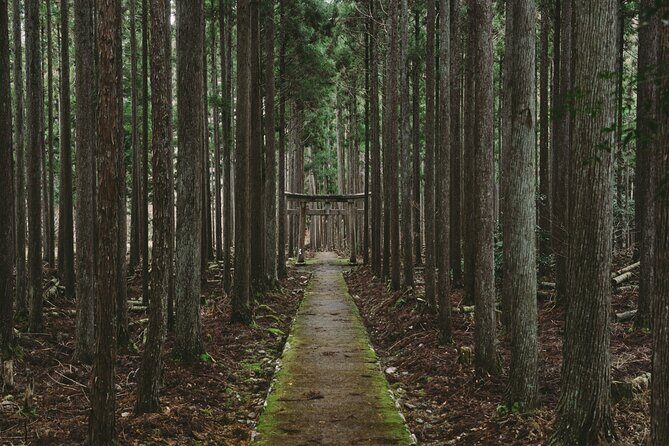
- Kuzu Shrine in the trees, free to enter, with a main hall recognized as a Registered Tangible Cultural Property
- Keihokushuzancho: accessed by car and not fully marked on maps, with free entry
Why This Kyoto Tour Feels Like a Reset
Kyoto can be intense. Even when the sights are gorgeous, too much foot traffic can turn the day into a shuffle. This tour is designed to soften that. You’re not just doing famous names. You’re doing famous places in a quieter way, then shifting the focus toward off-the-map shrines and mountain forests.
What makes it work is the mix of well-known stops and genuinely secluded ones. Arashiyama Bamboo Forest is still iconic, but the route is handled so you’re not funneled into the busiest lanes. After that, the tone changes: shaded paths, forest air, and places where people slow down naturally.
You’ll also notice the emotional temperature shift. Some of the stops are known for silence and spiritual atmosphere, not photo backdrops. That matters if you’re the type who wants to feel Kyoto, not just see Kyoto.
You can also read our reviews of more private tours in Kyoto
Price and Time: What $95 Gets You (and What It Doesn’t)
At $95 per person, this is a straightforward private-tour price for Kyoto. The timing is also realistic: about 2 to 4 hours total. That short window is part of the value—enough time to feel like you did something special, not so long that your day turns into travel fatigue.
Here’s what’s included: private transportation, fuel surcharge, and parking fees. That means you’re not trying to solve local transit with luggage, changing trains, or stress about connections.
Here’s the part that affects your total budget: entrance fees are not included for most temples and shrines. The listed estimate is $6.50 per person, and one of the temple stops is explicitly marked as not included. So think of the $95 as the tour cost, plus a small add-on for site entry.
You also get a mobile ticket, and pickup is offered. The meeting point is at Kyoto Station (Higashishiokoji Kamadonocho, Shimogyo Ward). That’s convenient if you’re staying central and don’t want to start the day with complicated directions.
Kyoto Station to Arashiyama: Bamboo Forest Without the Crowd Rush
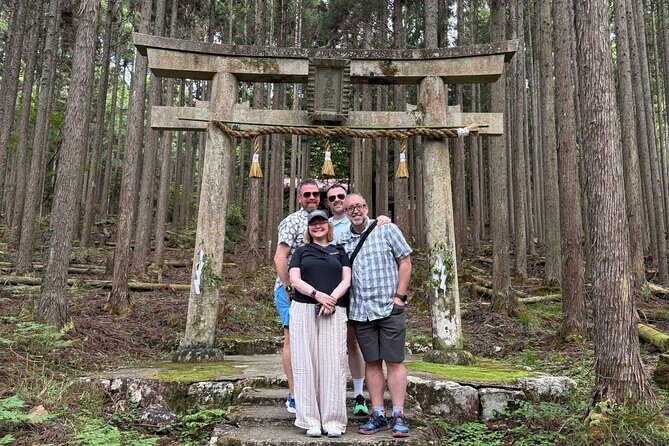
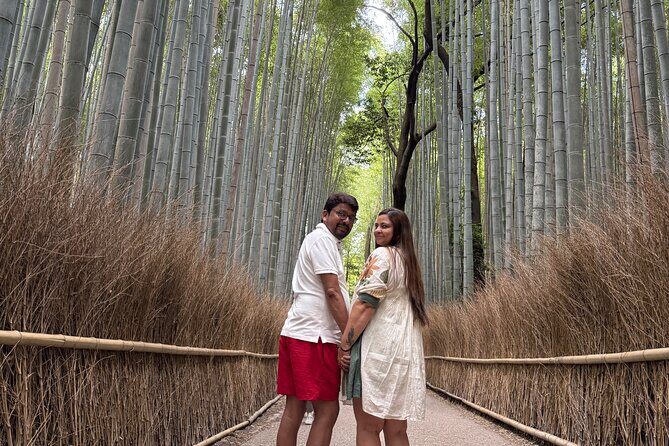
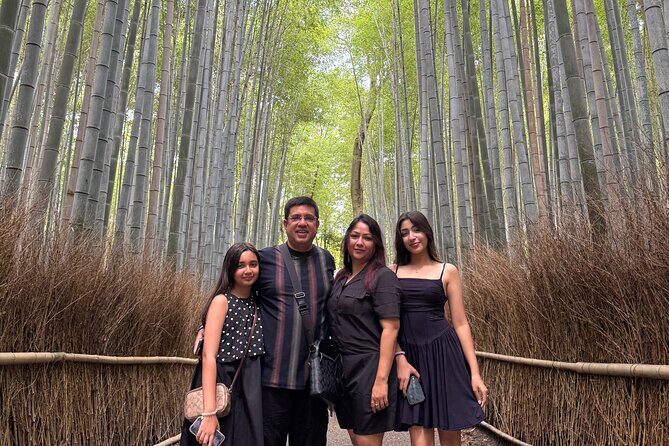
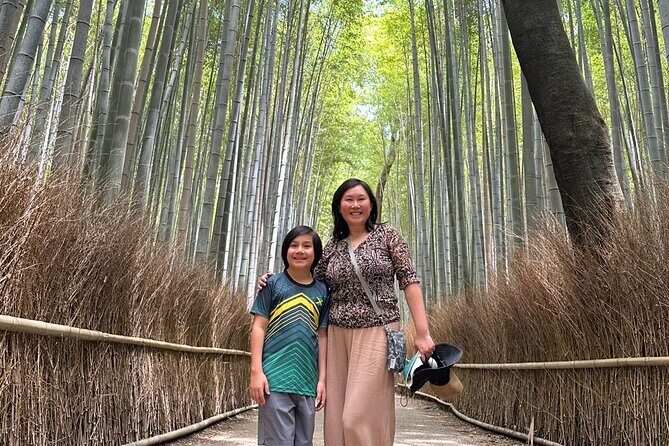
Your day begins at Kyoto Station, then you’re driven straight into Arashiyama’s most iconic scene: the Arashiyama Bamboo Forest. This stop lasts about 30 minutes, with an admission ticket included in the tour.
The big advantage here isn’t that the bamboo is magical—though, yes, it is. The advantage is how you get there and where you walk. The tour drives you to a less crowded area deeper in the bamboo grove. That changes the whole experience. Instead of being shoulder-to-shoulder, you can actually hear your own footsteps and watch the light move across the stalks.
What you should do to get the most out of this:
- Wear comfortable shoes. Bamboo paths can be uneven, and you’ll want a steady footing.
- Keep your phone camera ready, but don’t rush the moment. The grove looks different from one minute to the next.
- Go in with a calm mindset. Bamboo is one of those places where faster thinking makes it feel smaller.
This is still a must-visit. You’re just not forced to do it in a hurry.
Otagi Nenbutsu-ji: 1,000+ Stone Statues and a Slow, Human Moment
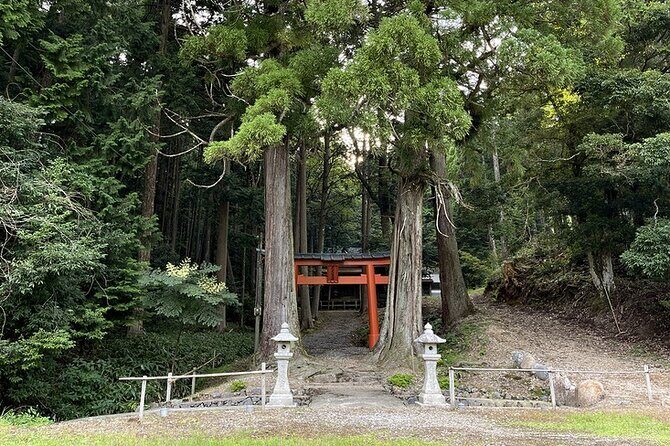
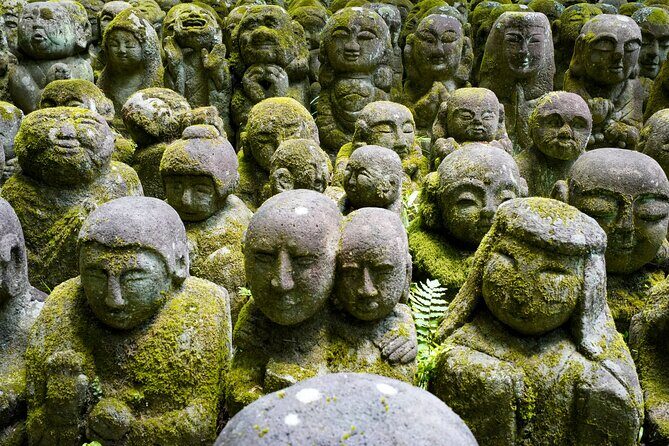
Next comes Otagi Nenbutsu-ji, about 40 minutes on site. Admission is not included here, so plan that extra cost. This temple is known for its collection of over 1,000 expressive stone statues.
The way people connect with this place is refreshingly simple: you search for a statue that resembles you. That turns a temple stop into a personal game—one that happens quietly. It’s also a nice break after the bamboo, because Otagi’s atmosphere is more “art and reflection” than “iconic photo landscape.”
A couple practical notes:
- Expect walking. You’re moving through areas where statues are arranged, so keep your pace easy.
- Watch how you handle silence. This is a religious site, and the mood works best when you’re not treating it like a theme park.
If you like places where you can spend a little time looking closely—stone faces, posture details, the contrast between softness and sternness—this is one of the most rewarding stops.
Kuzu Shrine in the Trees: A Free Pause That Feels Private
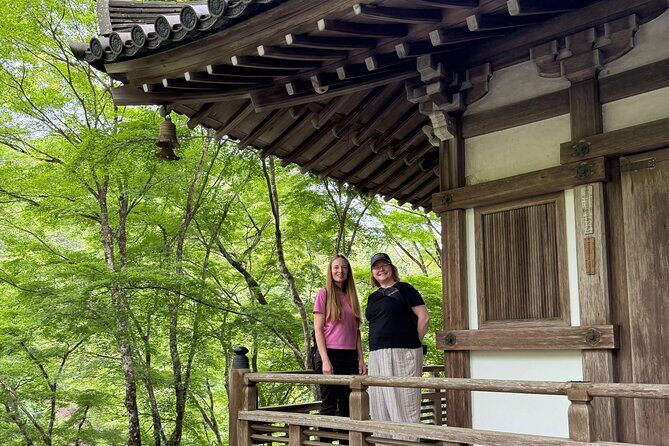
Then you shift into the forest side of Kyoto with Kuzu Shrine. It’s a 30-minute stop and free to enter.
This is the kind of place you’d miss if you were only following major landmarks. It’s described as tucked deep in the forest and far from the tourist path. The main hall is a Registered Tangible Cultural Property, and it sits quietly among the trees.
Why I think this stop works: it’s not just “pretty shrine scenery.” It’s the structure of the experience. You arrive, you step into shade, and the air changes. The shrine is also described as a spiritual power spot locals revere—so the atmosphere is part of the visit, not an optional bonus.
If you want the calm version of Kyoto, do less here:
- Stand still for a minute.
- Look around before you start taking pictures.
- Let the guide set the rhythm.
Also, this is one of the stops where the tour description emphasizes silence more than fame. That’s a clue: your best experience will be slower, not louder.






Keihokushuzancho: Kyoto’s Last Untouched Sacred Place by Car
The final stop is Keihokushuzancho, another 30-minute stop with free entry. This is where the day feels most like an escape.
This site is described as only accessible by car, deep in the mountains beyond Kyoto’s urban edge. It’s also noted as not even fully marked on maps. That alone signals what you’re in for: fewer crowds, fewer shortcuts, and a stronger sense of arrival.
It’s known as “Kyoto’s last untouched sacred place,” and the walk includes a moss-covered stone path (so yes—expect damp-looking ground and take your shoes seriously).
Here’s the key point for you: this stop is less about collecting sights and more about changing your mental gear. After bamboo, statues, and a shrine in the trees, Keihokushuzancho gives you space to feel the region rather than just view it.
Practical things to remember:
- Be ready for uneven stones. Slow down on the mossy sections.
- Dress for shade and cool. Mountain forest areas can feel different than central Kyoto.
- If you tend to over-plan, resist it here. Let the place do the work.
The Human Factor: Why Guide Katsu Makes This Work
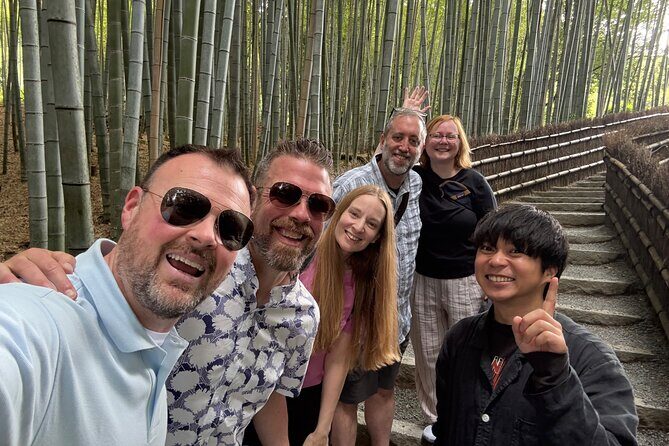
A private tour rises or falls on the guide. In the accounts I’ve seen, the guide named Katsu is a major reason people feel like they had an experience, not a ride.
The themes are consistent: friendly energy, strong attention to what you’re seeing, and an ability to make the day feel like a real connection instead of a scripted loop. One person even described Katsu as their first Japanese friend, which tells you it wasn’t stiff or mechanical.
There’s also a detail that signals trust and care. One shrine stop comes with a request to keep its name private for your group. That’s not about secrecy for the sake of drama. It’s about protecting the stillness and respecting the site’s character.
If you book, this is what you should do: go with curiosity. Ask simple questions. Let Katsu guide how long you linger at each place. Private time isn’t a luxury if you spend it multitasking.
What to Expect Day-of: Pacing, Walks, and Timing
This tour runs in a tight window: about 2 to 4 hours. The stops are timed, but the real pacing is how the order flows—from bamboo to temple art to forest shrines and then mountain quiet.
You can also expect:
- Shaded paths and forest air at the later stops
- Short, manageable time blocks per location (roughly 30–40 minutes each stop)
- A mix of paid and free sites
For value, the logistics matter. You’re not jumping between transit lines. You’re not losing time to wrong exits or bus schedules. You’re being driven, parked, and guided, so the day stays calm.
The tour also requires good weather. If weather is poor, the plan may change, and you’re offered a different date or a full refund. That’s worth taking seriously in Kyoto, because mountain forest areas can be slick and slippery when conditions aren’t right.
Tips to Get the Best Kyoto Quiet Experience
You’re choosing this tour for a reason: you want Kyoto with breathing room. Here are the best ways to support that goal.
Bring comfort, not bulk. The day includes walking along temple and shrine paths. Wear shoes that grip. If you want photos, bring a light layer—shade can cool you down.
Budget the small entrance add-on. Most major shrine/temple entry isn’t included, and the estimate is $6.50 per person. If you hate surprises, set that aside before you go.
Let the tour be the guide. Snacks aren’t included, but optional snack stops can be arranged if you request them. If you’re set on shopping or eating between stops, you may shift the schedule and lose the calm.
Go when you can do slow. This kind of itinerary works best when you’re not trying to cram the rest of Kyoto into the same half-day. Give yourself a quiet buffer afterward.
Should You Book This Private Escape Tour?
Book it if you want Kyoto that feels human-scale: calmer bamboo walking, a temple built around faces and reflection, and shrines where silence is the point. The private car format is a big part of the value, because it helps you reach quieter areas without burning your day on transit.
I’d pass or rethink if you’re working with a tight budget and hate any extra fees, since entrance costs are separate. Also, if you’re stuck traveling no matter the weather and hate schedule changes, be aware that the tour depends on decent conditions.
If your ideal Kyoto day is part sightseeing and part quiet reset, this one fits nicely. It’s short. It’s focused. And it nudges you away from the busiest version of Kyoto.
FAQ
What is the price of the Kyoto private escape tour?
The price is $95.00 per person.
How long does the tour last?
The duration is approximately 2 to 4 hours.
Is this tour private?
Yes. It’s a private tour, meaning only your group participates.
Is pickup available?
Pickup is offered, and the tour starts at Kyoto Station (Higashishiokoji Kamadonocho, Shimogyo Ward, Kyoto).
Are entrance fees included in the $95 price?
No. Temple and shrine entrance fees are not included. The listed estimate is $6.50 per person, and one of the stops is explicitly marked as not included.
What are the main places you visit?
The tour includes Arashiyama Bamboo Forest, Otagi Nenbutsu-ji Temple, Kuzu Shrine, and Keihokushuzancho.
Do I need to bring tickets?
You’ll have a mobile ticket.
What if the weather is bad?
The experience requires good weather. If it’s canceled due to poor weather, you’ll be offered a different date or a full refund.
What is the cancellation deadline for a full refund?
You can cancel for a full refund up to 24 hours in advance of the experience’s start time (based on local time).