REVIEW · FULL-DAY
Kyoto Private & Personalized Full-Day Tour with a Local Guide
Book on Viator →Operated by City Unscripted · Bookable on Viator
Kyoto can feel like a lot on day one. This private walking day helps you pick the right streets and stops. You get a fully tailored route with a local guide, so you spend time where you actually care, not where a standard tour forces you.
I like that this tour starts with a pre-tour questionnaire and direct messaging with your host, which makes it easier to set pace and priorities before you ever meet. I also like how the plan links major sights into one smooth arc, from a Sugawara no Michizane shrine area up through Kinkaku-ji and down to Higashiyama, ending at Kiyomizu-dera. One consideration: it’s mostly walking, and while pickup may be offered, tickets, food, and transport between sites can cost extra, so you’ll want clarity ahead of time on what you’re paying for.
In This Review
- Key highlights if you like Kyoto your way
- How personalization keeps Kyoto from turning into a checkbox
- Meeting at Starbucks by Sanjo-ohashi and keeping the day smooth
- The modern landmark stop: rooftop gardens and panoramic orientation
- North Kyoto shrine energy: Sugawara no Michizane, plum blossoms, and markets
- Kinkaku-ji: from shogun villa to UNESCO Zen temple
- Higashiyama slopes: wooden townhouses, shops, and walking-only charm
- Kiyomizu-dera and the Otowa stage: ending with wide views
- Price and value: $253.22 for a private guided day on foot
- What you’re really paying for: guidance that matches your tempo
- Transfers, tickets, and food: the small checklist you should make
- Who this Kyoto private walking day suits best
- Should you book this tour?
Key highlights if you like Kyoto your way
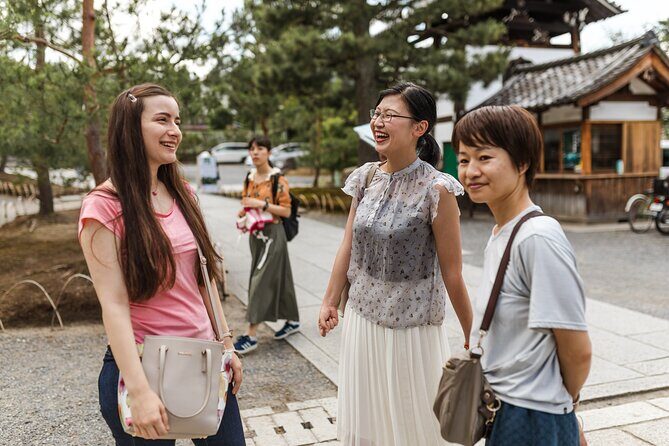
- Personalized walking route built around your interests, pace, and must-sees
- Pre-tour questionnaire plus direct communication so your guide can shape the day in advance
- A logical temple-to-temple flow that covers Kinkaku-ji, Higashiyama, and Kiyomizu-dera
- Plum-blossom-and-market shrine stop tied to Sugawara no Michizane (season and market emphasis)
- A modern landmark orientation stop with rooftop gardens and city views
- Only your group on a private experience (no merging with strangers mid-day)
How personalization keeps Kyoto from turning into a checkbox
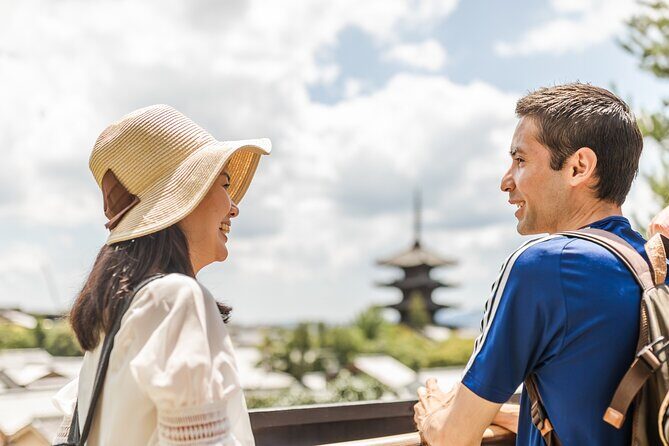
Kyoto is one of those cities where you can easily burn a day and still feel like you saw nothing that mattered to you. This tour is designed to prevent that. Instead of a fixed script, you’re matching the route to your interests, your walking comfort, and what you want most from a first visit.
That matters because Kyoto’s top sights can pull you in different directions. Temples and historic streets are close enough that you can cover a lot on a day tour, but far enough that the wrong plan can waste your energy. With a private guide, you can trade rigid timing for choices that fit your day.
I also like the practical feel of the approach. The guide is there to help you understand what you’re looking at and how to move from place to place. That is how you avoid the classic Kyoto mistake: staring at buildings without knowing why they matter, then leaving early because you didn’t connect with anything.
You can also read our reviews of more guided tours in Kyoto
Meeting at Starbucks by Sanjo-ohashi and keeping the day smooth
You start at Starbucks Coffee in Kyoto Sanjo-ohashi Bridge. The address is listed as in the Nakagyo Ward area, at Nakajimachō in the 113 Oumiya Building. The tour ends back at the meeting point, so you’re not dealing with an awkward “where do we go now” moment at night.
Pickup is described as offered, but the tour is primarily a walking experience with no private vehicle included. That’s a big deal for value and expectations. You’re paying for a local guide and time on foot, not a chauffeured day.
A nice bonus is that start times are flexible. If you’re trying to fit this into a tight itinerary, you can choose the time when booking. For Kyoto, timing can be everything, because temples and streets are calmer and more manageable at certain hours. Even if you don’t obsess over timing, being able to shift the start helps you meet your guide when your energy is highest.
The modern landmark stop: rooftop gardens and panoramic orientation
One of the stops is a modern landmark with dramatic architecture, rooftop gardens, and panoramic city views. This kind of stop is useful early in the day because Kyoto has a way of making everything feel connected. A view from above helps you get a mental map fast, even if you later walk streets that feel miles away.
The rooftop gardens and the architecture also give you a break from temple-only pacing. Kyoto isn’t frozen in time, and a modern design stop can reset your eyes and your legs. If you tend to get temple-fatigue, this is a smart “middle ground” moment.
Possible drawback: since you’re walking for most of the day, an extra orientation stop may feel like a warm-up. If you know you want only classic temple sights and historic lanes, you might ask your guide to keep this stop short and spend more time at later sites.
North Kyoto shrine energy: Sugawara no Michizane, plum blossoms, and markets
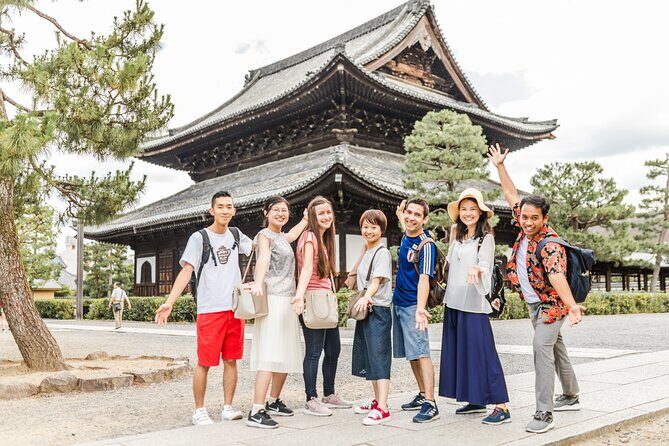
Next you head north to a revered shrine dedicated to Sugawara no Michizane. This stop is highlighted for its plum blossoms in late winter and its lively monthly market. Even if you’re traveling outside late winter, the shrine’s association with plum blossoms is a meaningful detail that tells you what to watch for seasonally.
What I like about this stop is that it’s not just about a building. It’s about a person and a tradition. Sugawara no Michizane is tied to scholarship, and shrines connected to learning often feel different than shrines tied purely to luck or weddings. A guide can help translate those layers so you’re not just taking photos.
Also, the monthly market angle means you might catch a different slice of Kyoto depending on when you’re there. This is where a personalized guide can be helpful: your guide can adjust the time on-site if there’s activity around the market schedule.
Consideration: this portion of the itinerary is very seasonal in theme. If you’re not visiting near plum-blossom season, you’ll still see the shrine, but you may want to ask your guide how the market element will play out during your specific dates.
Kinkaku-ji: from shogun villa to UNESCO Zen temple
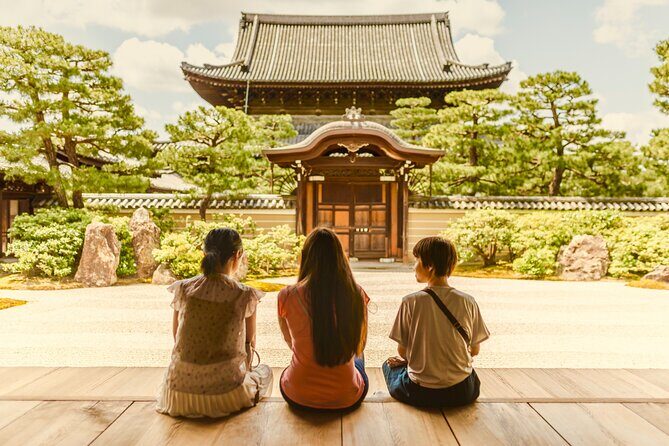
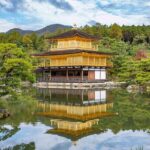
Kinkaku-ji is one of Kyoto’s big iconic stops, and this tour gives it a place of honor in the day. The highlight notes that it began as a shogun’s villa and was transformed into a Zen temple in the 1400s. Today it’s a UNESCO World Heritage Site, and you’ll admire the gleaming gold-leaf exterior.
There’s a reason Kinkaku-ji works even for first-timers. You can understand the appeal in seconds: it’s visually loud in a city known for restraint. But the guide value comes from what you learn while you’re standing there. A good guide helps you see the transformation story, not just the gold.
One practical note: tickets are not included, so if you plan to enter all areas you’ll want to budget for admission. Your guide can also help you pick what to focus on so you don’t lose time hunting around.
And if you’re the kind of traveler who likes a temple but hates long queue-style waiting, a private format can help you reduce friction. Your guide can manage time based on your pace, not a group’s timetable.
You can also read our reviews of more private tours in Kyoto

Higashiyama slopes: wooden townhouses, shops, and walking-only charm
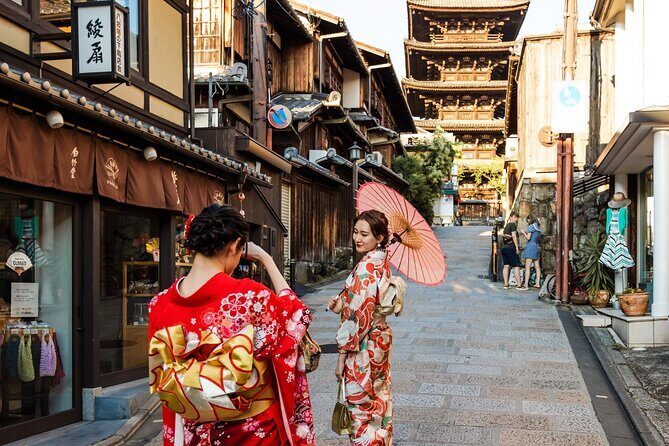
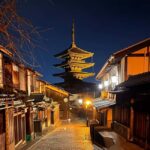
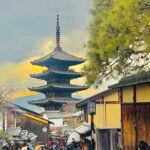
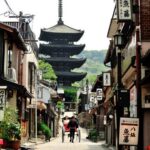
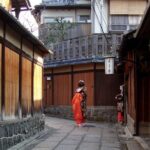
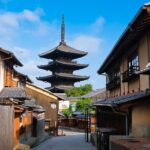
After Kinkaku-ji, you journey south to Higashiyama. This is where Kyoto turns into slow walking country: preserved sloping streets lined with wooden townhouses and traditional merchant shops, plus cafes and restaurants serving Kyoto specialties.
This is also the part of the day that most benefits from being on foot. The tour explicitly calls out that walking lets you reach places you can’t access by car or bus. Even if you don’t think about transportation, what that means in practice is narrow lanes and pedestrian-first routes where you can actually absorb details.
Higashiyama is a great segment for personalization because you can steer it toward your style. Food lovers can prioritize snack stops and small eateries. Culture-first visitors can focus on streets, storefronts, and temple-adjacent lanes. Photography fans usually get better results when the guide helps you find the angles without turning the whole walk into a stampede.
Possible drawback: because the day is flexible but still full, Higashiyama can feel like a lot if you keep pushing speed. If you love strolling, ask for more time here and less time elsewhere. If you feel more “temple, then go,” ask your guide to keep the shopping streets from expanding your schedule.
Kiyomizu-dera and the Otowa stage: ending with wide views
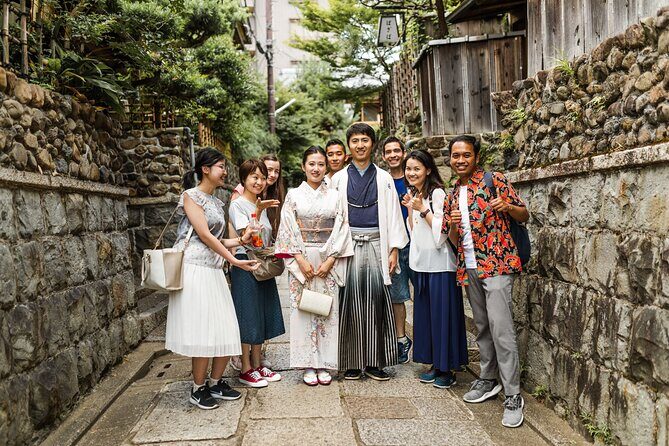
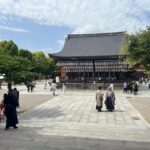
Your day finishes at Kiyomizu-dera, one of Japan’s most celebrated temples. The highlight notes a massive wooden stage with sweeping city views and calls out the Otowa as a must-see feature. It’s especially beautiful during autumn foliage season, so if you’re traveling in fall, you’re in the right time window for extra atmosphere.
This is a good ending choice because Kiyomizu-dera naturally creates a finale. The stage-and-view setup is built for lingering, and it makes the whole day feel complete. After walking Kyoto’s lanes and stops, you get a sense of scale and perspective.
Just like other major temples on the route, tickets aren’t included. If your plan is to access everything you want to see, that’s a cost you should plan for. Your guide can often help you decide what to prioritize so you spend time inside places you truly care about.
A second benefit of finishing here: it’s a recognizable anchor point on a first trip. When your brain is tired, a clear “last stop” makes the day easier to process. You leave Kyoto with a highlight you can remember, not just a pile of names.
Price and value: $253.22 for a private guided day on foot
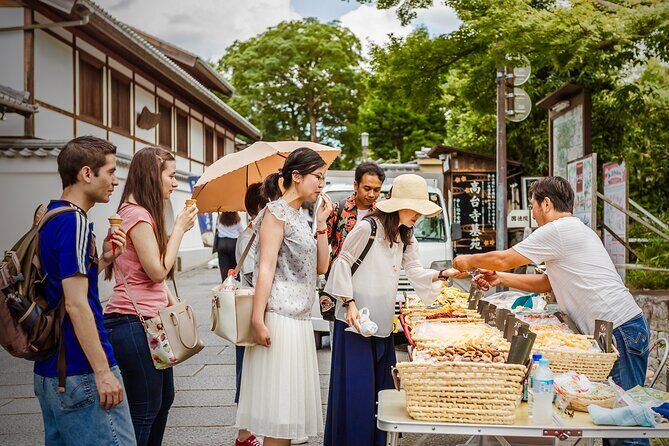
The price is listed at $253.22 per person for an approximately 8-hour experience. That price can feel steep at first glance, but here’s what you’re actually buying.
You’re paying for a private, personalized guide and a full day shaped around your interests. You’re also not paying for a private vehicle, since it’s a walking experience. That keeps costs more tied to human guidance rather than transportation overhead.
Included items are worth noting:
- a private, personalized 8-hour walking experience
- flexible start times
- a pre-tour questionnaire to tailor the day
- direct communication with your host for planning and recommendations
Not included items matter because they affect your final spend:
- food, drinks, and tickets to attractions
- transportation (the tour is primarily walking, but public transport or local taxis may be used to transfer between sites, and exact costs can be discussed with your host)
- gratuities (optional)
So the real value question is this: does your itinerary match the tour’s strengths? If you want Kinkaku-ji plus Higashiyama plus Kiyomizu-dera, this plan is efficient. If you only want one or two of those, you might be better off with a shorter, more focused visit.
One more practical tip: since transportation costs between sites can apply, message your host before the day and ask how transfers will work for your group and where money might be needed. That avoids the most common stress point with walking tours that sometimes use transit.
What you’re really paying for: guidance that matches your tempo
The best praise in the provided information focuses on guides who quickly adapt. People mentioned guides such as Alex, Eko, Oussama, Vanessa, Taibi, Juraj, and Justus. Across those names, the themes are consistent: matching pace, understanding what you want, and using the day efficiently.
If you like structure, this tour gives it. The day has a clear arc from shrine to temple to historic lanes. If you like freedom, the tour gives it too. The guide is expected to tailor the route based on your questionnaire and your priorities.
I also like that the guide can help you interpret what you’re seeing. For example, Kinkaku-ji’s gold-leaf look is impressive on sight, but it’s even better when you understand how it shifted from villa to Zen temple. The same goes for Kiyomizu-dera’s stage views and the Otowa focus.
And there’s a real bonus for photo-focused travelers. One of the provided examples mentions a guide helped take photos, which is the small thing that often changes a trip from decent to memorable. You’re not just walking; you’re capturing the day without having to micromanage every stop.
Transfers, tickets, and food: the small checklist you should make
Because food, drinks, and tickets aren’t included, you’ll need to plan for breaks and admissions. Kyoto temples often require separate entry fees depending on which areas you want to see, and since tickets aren’t included here, that cost is on you.
Transportation is similar. The tour is primarily walking, but public transport or local taxis may be used to transfer between sites. The provided info is clear that exact transportation costs can be discussed after your reservation is finalized. That’s normal for Japan day tours that mix walking with occasional hops, but it does mean you should budget for extra spending.
Here’s what I recommend you do before you go:
- Ask what parts of the route might involve transit versus pure walking
- Confirm whether your group expects to pay for any tickets at each stop
- Plan to cover your own meals or snacks, since food and drinks are not included
This tour is set up as a walking day. If you show up thinking it’s a vehicle-driven sightseeing loop, you’ll feel stressed by mid-afternoon. If you show up ready for foot miles and site entrances you pay for directly, you’ll feel in control.
Who this Kyoto private walking day suits best
This is a great fit if:
- you’re on a first visit and want a strong set of highlights in one day
- you care about personalization and don’t want to feel locked into someone else’s schedule
- you like walking neighborhoods and you want to reach places public transport or cars can’t easily match
- you want a guide who can help you understand what you’re seeing, not just point and go
It may be less ideal if:
- you want a strictly car-based day with minimal walking
- you’re only interested in one attraction and don’t care about connecting stops
- you don’t want to manage any extra costs for tickets, meals, or possible transit between sites
If your group includes different walking levels, the private format can still work because the guide can set the day’s pace. But you’ll want to communicate those needs in the pre-tour questionnaire.
Should you book this tour?
I’d book it if your goal is a confident, first-day Kyoto introduction with a local guide who can shape the day around you. The combination of major sites (Kinkaku-ji, Higashiyama, Kiyomizu-dera) and the added shrine stop tied to Sugawara no Michizane makes the route feel like a full Kyoto sampler without drifting too far off-topic.
But I’d also book it with eyes open. It’s a walking tour with tickets and food not included, and transfers can cost extra if the guide uses transit or taxis between sites. If you confirm likely costs early and you’re comfortable with an all-day walk, this is the kind of private experience that saves you time and makes your Kyoto day feel intentional.
If you’re the type who likes planning but hates rigid schedules, this tour hits a sweet spot: structure when you need it, flexibility when you want it.