REVIEW · MARKETS
Kyoto Nishiki Market Tour
Book on Viator →Operated by Arigato Japan KK · Bookable on Viator
Nishiki Market is food with a pulse. This Kyoto Nishiki Market Tour turns a crowded maze into a guided tasting route with stops at family-run shops, plus Japanese tea and a seasonal lunch built in. I like that you taste a real spread of Kyoto favorites (sashimi, tofu, dashi, macha, tamagoyaki, and fresh seafood) instead of just looking around.
The second thing I like is the small-group feel. With a maximum of 10 travelers, the guide can slow down when needed, and that matters when you’re weaving through narrow streets; guides such as Chie and Rosali are specifically praised for pacing and answering lots of questions. Still, one drawback to plan for: the market can be loud and packed, so it can be tough to hear every detail or cluster up comfortably at certain stalls.
In This Review
- Key highlights worth circling
- Nishiki starts as a sensory overload (and that’s why this tour helps)
- Meeting at Lacoste Kyoto Store and how the walking flow works
- What you’ll actually taste at the market: Kyoto classics, explained
- The family-shop factor: why “small” matters in Nishiki
- Tea and lunch: included meals that keep your day from tipping sideways
- Nishiki Tenmangu Shrine, Rokkakudo Temple, and Fushimi Inari: the bonus walking loop
- Crowd reality check: how to keep your experience fun in the loud parts
- Price and value: is $221 a fair deal for what you get?
- Who should book this (and who might skip it)
- Tips to make your tour go smoothly
- Should you book this Kyoto Nishiki Market Tour?
- FAQ
- How long is the Kyoto Nishiki Market Tour?
- Where does the tour start and end?
- What’s included in the price?
- How many vendors will I visit?
- Is this tour suitable for vegetarians or pescatarians?
- Is there an age limit for alcohol?
- Is hotel pickup included?
- Can I cancel and get a refund?
- What are the group size limits?
Key highlights worth circling
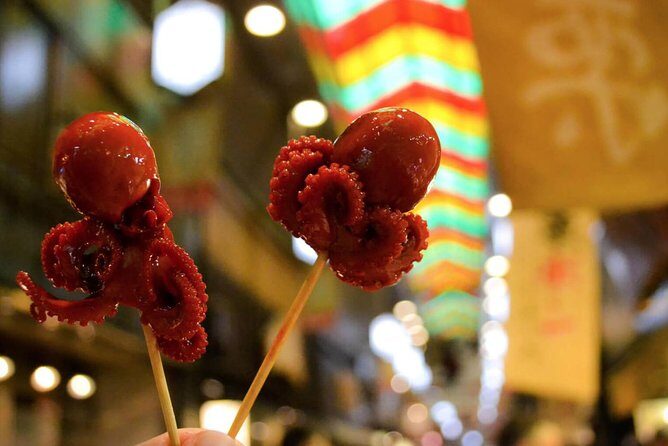
- About a dozen family-owned shops: you’ll hop from vendor to vendor and sample as you go
- Big Kyoto flavor hits: sashimi, tofu, macha, dashi, tamagoyaki, and fresh seafood
- Japanese tea + seasonal lunch included: you’re not just snack-hopping
- A guide that explains the food logic: farm-to-market context and what to look for
- A short walking loop beyond the market: Nishiki Tenmangu Shrine, Rokkakudo Temple, and Fushimi Inari Taisha on the route
- Maximum 10 people: easier conversation than you’d get in a crowd alone
Nishiki starts as a sensory overload (and that’s why this tour helps)
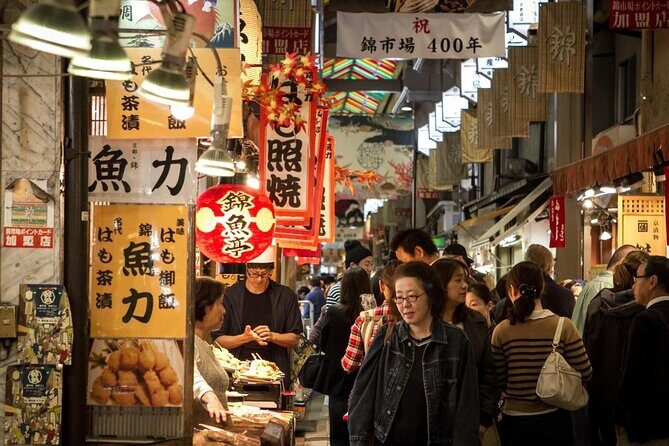
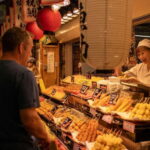
Nishiki Food Market is often described as the Kitchen of Kyoto for a reason: it’s dense with stalls selling both prepared bites and ingredients, and the whole place moves fast. Going without a plan is fun, but you can also end up wandering, guessing what’s worth tasting, and spending your budget on trial-and-error.
On this tour, you get a route and an explanation for what you’re eating. The guide’s job is to help you navigate what can feel overwhelming, then translate the food into something you understand—what makes Kyoto food Kyoto, and why certain ingredients show up again and again.
And yes, they really mean it when they say come hungry. Your stomach becomes your best travel tool here, since tastings are a central part of the experience.
You can also read our reviews of more shopping tours in Kyoto
Meeting at Lacoste Kyoto Store and how the walking flow works
You meet at Lacoste Kyoto Store (in central Kyoto) and start at 10:00 am. From there, it’s a walking tour through the Nishiki shopping area with the market as your main stage, and the timing is built for a steady pace over about 3 hours 5 minutes.
The walking is part of the point: narrow lanes, short stopovers, and quick access to multiple shopfronts. You’ll want good walking shoes, because this isn’t a sit-down class; it’s a hands-and-habits tour through where people actually buy food.
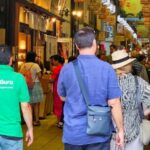
The group size helps with the flow. Even though the market is crowded, a cap of 10 travelers makes it easier for the guide to keep everyone together and manage the stop-and-sample rhythm.
What you’ll actually taste at the market: Kyoto classics, explained
This is a culinary tour, not a souvenir march. The tastings include a mix of Kyoto signatures and everyday specialties that you’d normally only try one at a time in small portions.
Expect highlights like:
- Sashimi (described as some of the smoothest you’ll find)
- Tofu, including versions tied to Kyoto’s water and production style
- Macha (Japanese tea powder) in a tasting context
- Dashi (the broth base that shows up in many Japanese dishes)
- Tamagoyaki (rolled omelet)
- Fresh seafood options from market suppliers
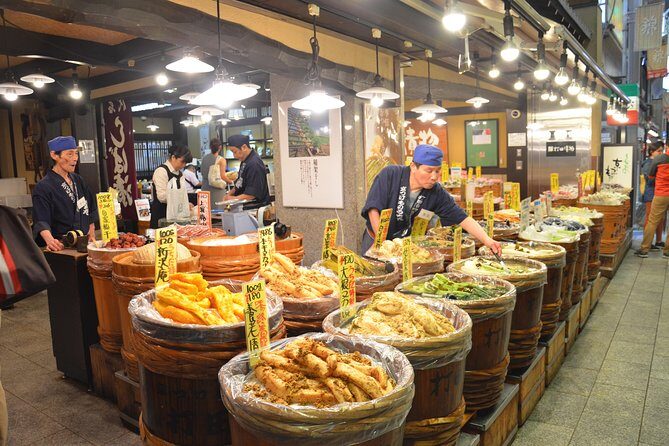
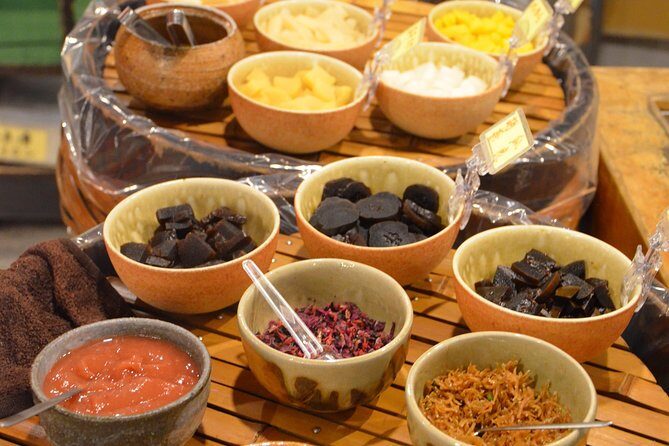
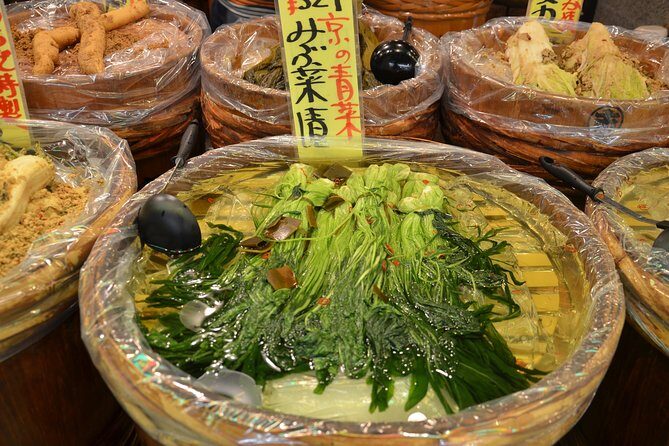
- Plus regional snacks such as tsukemono (pickled vegetables) and yuuba (tofu skin)
The best part is not just what you eat—it’s the context around it. The guide walks you through the logic of production and preservation, with talk that goes from harvest to sale and how ingredients stay good in a market environment.
If you like food that has a story, you’ll enjoy the way this tour connects the dots. And if you just like eating, you’ll be happy because you’re not stuck waiting for one long meal; you sample your way across multiple shops.
The family-shop factor: why “small” matters in Nishiki
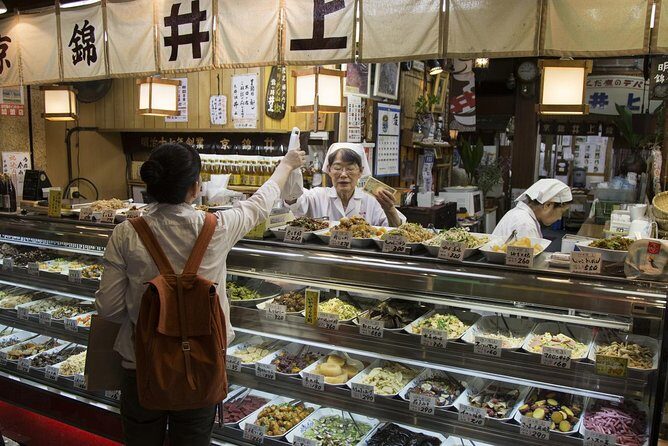
Nishiki is known for vendors, but this tour leans into something more specific: family-owned shops, some with histories stretching back hundreds of years. That matters because it often means the foods you’re tasting aren’t just trendy—many are tied to local sourcing, consistent preparation, and techniques passed down.
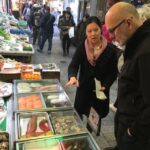
You’ll visit multiple stands and learn what makes each one’s version worth trying. Some shops focus more on prepared bites, others on ingredients you can spot and recognize later if you go back on your own.
This is also why the guide is key. In a market like Nishiki, your choices can get scattered fast. A guide helps you avoid the common mistake: buying the most familiar-looking item instead of the most Kyoto-typical one.
Tea and lunch: included meals that keep your day from tipping sideways
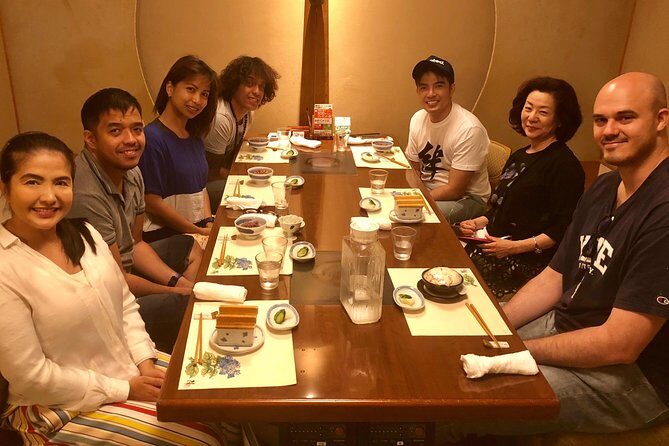
The tour includes Japanese tea and a seasonal and regional lunch. That’s a big deal because it turns the experience from snacks-only into a full, coherent meal arc.
Lunch is where the guide’s explanations can click into real food context. You get a chance to sit, reset, and eat something that matches the flavors you sampled earlier—so the market stops feeling like random bites and starts feeling like a learning path.
One practical note: the tour can make substitutions if a specific restaurant isn’t available due to scheduling or other conditions. That’s normal for tours that depend on a working plan, so don’t expect every lunch detail to be identical every day—but you should still get a proper included meal.
And as for drink rules, there’s a minimum drinking age of 21. If you’re under that age, it’s still a great tour, but plan around the fact that alcohol options won’t be for you.
You can also read our reviews of more tours and experiences in Kyoto

Nishiki Tenmangu Shrine, Rokkakudo Temple, and Fushimi Inari: the bonus walking loop
This tour isn’t only about the market stalls. Along the route (and near the end of the loop), you’ll also pass by or stop near Nishiki Tenmangu Shrine, Rokkakudo Temple, and Fushimi Inari Taisha.
Why is that worth including? Because it gives your day shape. You’re not just stuck in one sensory box of food smells and shouting vendors; you get a change of pace and a chance to connect Kyoto’s food culture with its bigger cultural setting—shrines, traditions, and the daily rhythm of the city.
You’ll also end near Karasuma Station in the Karasuma area, with the “Umenohana” noted as an ending point. That’s handy if you want an easy hop to your next stop right after.
Crowd reality check: how to keep your experience fun in the loud parts
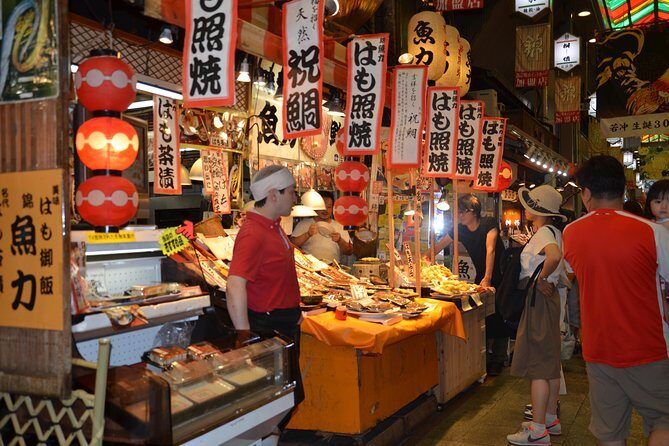
Nishiki can be tough. Even if you love markets, there are times when it’s crowded enough that you can’t comfortably gather around a single narrow spot, and the noise can make it hard to hear.
Here’s how to handle it:
- Treat the tour guide as your filtering system—listen when you can, then watch the food cues
- Keep your focus on the tasting order, not on perfect conversation at every stall
- If you get stuck in a bottleneck, let the guide move you along rather than trying to hold position
Also, expect a “stop-start” feel. That’s normal in a market where every shop has its moment, and the guide is timing your visits while keeping the group from getting split up.
The upside is that the same crowd that makes it hard to browse also proves the point: this is where people come to eat for real, not just for sightseeing.
Price and value: is $221 a fair deal for what you get?
At $221 per person, this isn’t a cheap afternoon. But you’re not just paying for walking and explanations—you’re paying for included tastings at multiple vendors, plus tea and lunch.
Think of the value in parts:
- Multiple tastings across a market where individual bites can add up quickly
- A guide who helps you choose and understand what you’re eating (and keeps you moving efficiently)
- Included tea and an included meal, which saves you from guessing where to eat when you’re hungry and the day is moving
If you like markets but hate uncertainty, this tour often feels worth it. If you’re comfortable navigating Nishiki on your own and only want to buy a couple items, then you may choose DIY and spend less. Still, the guide’s job is to compress a lot of tasting decisions into one guided loop.
For me, the biggest value signal is the structure: you’re not wandering randomly. You’re sampling a curated selection, then finishing with a lunch that ties the flavors together.
Who should book this (and who might skip it)
This tour is a great match if you:
- Want Kyoto food basics with explanations, not just random snacks
- Like eating at local places and learning why certain ingredients matter
- Prefer a small-group experience rather than a large pack
- Want an experience that includes tea and lunch, so your day stays simple
It’s also listed as family-friendly, and it’s vegetarian friendly and pescatarian. So if you eat that way, you should be able to participate without feeling forced into meat-based choices.
You might consider skipping if you:
- Dislike crowded, noisy places (Nishiki is not quiet)
- Want lots of free time to shop at your own pace without a schedule
- Prefer a longer, slower cultural tour rather than a food-forward route
Tips to make your tour go smoothly
A few simple moves make the experience better fast:
- Come with an empty stomach so tastings don’t turn into regret-bites
- Wear shoes that handle uneven sidewalks and tight lanes
- Bring a calm attitude for noise and crowding; the guide handles the timing, you handle the flow
- If you’re vegetarian or pescatarian, be ready to communicate preferences with your guide so you get the best options from what’s available at each stop
If the weather is rough, the tour’s description notes it requires good weather, so you may be offered a different date or a refund depending on the situation.
Should you book this Kyoto Nishiki Market Tour?
I think you should book if you want Kyoto food the efficient way: guided tastings at family vendors, plus tea and lunch, and a route that finishes with nearby sights. The price is steep compared with DIY walking, but the structure makes it feel like you’re buying time, focus, and food expertise.
If you enjoy markets but plan to eat just a few things, you can DIY Nishiki cheaply. But if you want the full Kyoto flavor survey—sashimi, tofu, dashi, macha, tamagoyaki—and you’d rather not gamble on what to order, this is a strong bet.
Book it when you’re hungry, wear your walking shoes, and let the guide do the steering.
FAQ
How long is the Kyoto Nishiki Market Tour?
The tour lasts about 3 hours 5 minutes.
Where does the tour start and end?
You start near 376 Naramonochō, Shimogyo Ward, Kyoto and the meeting point is at Lacoste Kyoto Store. The tour ends in the Karasuma Station area (Karasuma area).
What’s included in the price?
Food tastings are included as part of the itinerary. The tour also includes Japanese tea and a seasonal and regional lunch.
How many vendors will I visit?
You’ll visit 10 market vendors for tastings, with the experience also described as stopping at 12 family-owned shops as part of the food route.
Is this tour suitable for vegetarians or pescatarians?
Yes. The tour is listed as vegetarian friendly and pescatarian.
Is there an age limit for alcohol?
Yes. The minimum drinking age is 21.
Is hotel pickup included?
No. Hotel pickup and drop-off are not included, and transportation costs are also not included.
Can I cancel and get a refund?
Yes. It offers free cancellation up to 24 hours in advance for a full refund.
What are the group size limits?
The tour has a maximum of 10 travelers.