REVIEW · GEISHA & MAIKO TOURS
Kyoto: Maiko, Samurai, or Kimono Rental and Tea Ceremony
Book on GetYourGuide →Operated by Maiko Transformation Studio Shiki・Rental Kimono Shiki Sakura · Bookable on GetYourGuide
Your Kyoto photos start with a costume change. You can rent a maiko, samurai, or kimono at Studio Shiki and then head to the tea ceremony parlor Akebonotei, just a short walk from Kiyomizu-dera. It’s a very efficient setup: you get the look, you get the matcha, and you get out into the Higashiyama streets in time to sightsee.
Two things I really like about this experience are the mix of costume + tea, and the prime location right by Kyoto’s big-name sights. The shop puts you within easy reach of Kiyomizu-dera and the whole cluster of walking spots like Ninenzaka and Sannenzaka, so your outfit doesn’t feel like a dead end. And the tea portion includes matcha plus sweets, so you’re not just changing clothes and dashing off.
One drawback to consider is pace and punctuality. You have to be on time for both the kimono session and the matcha ceremony; if you’re late, you’ll either join midway or miss out.
In This Review
- Key highlights you’ll notice fast
- Studio Shiki: picking your look (maiko, samurai, or kimono)
- The timing runs like a tight schedule (so set yourself up)
- Akebonotei matcha: what you get from a shorter tea ceremony
- How the costume changes your day around Kiyomizu-dera and Gion
- Price and value: what $77 includes, and what it doesn’t
- Small group, family rules, and who should book (or skip)
- Getting there near Kiyomizu-michi: the bus-to-walk method
- The honest bottom line: should you book this?
- FAQ
- FAQ
- How long does the Kyoto maiko/samurai/kimono and tea experience take?
- What is included in the price?
- Is hair styling included?
- Where is the tea ceremony held?
- How far is the tea parlor from Kiyomizu-dera?
- What time slots are available?
- Can I keep the kimono after the ceremony?
- Is this suitable for young children?
- Are pregnant women allowed?
- What happens if I’m late?
Key highlights you’ll notice fast
- Maiko, Samurai, or Kimono options at Studio Shiki, so you can pick the vibe that fits your family
- Tea ceremony at Akebonotei just a 3-minute walk from Kiyomizu-dera
- Strict timing: late arrivals can mean a partial join or no participation
- Costume time that extends: kimono rentals can be worn until 5pm
- Family-friendly format: limited to families up to four people (ages 5+)
- Small group size: limited to 6 participants, which helps keep it manageable
Studio Shiki: picking your look (maiko, samurai, or kimono)
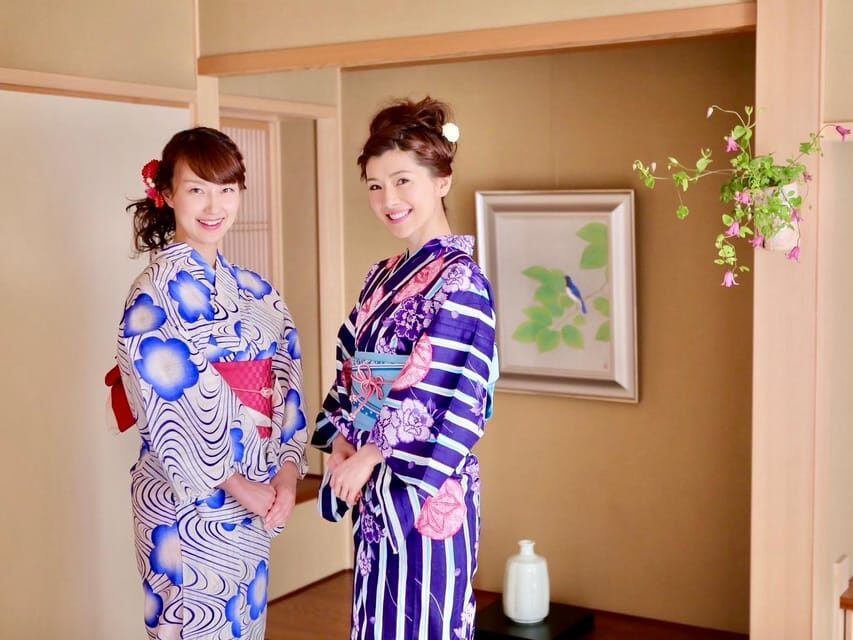
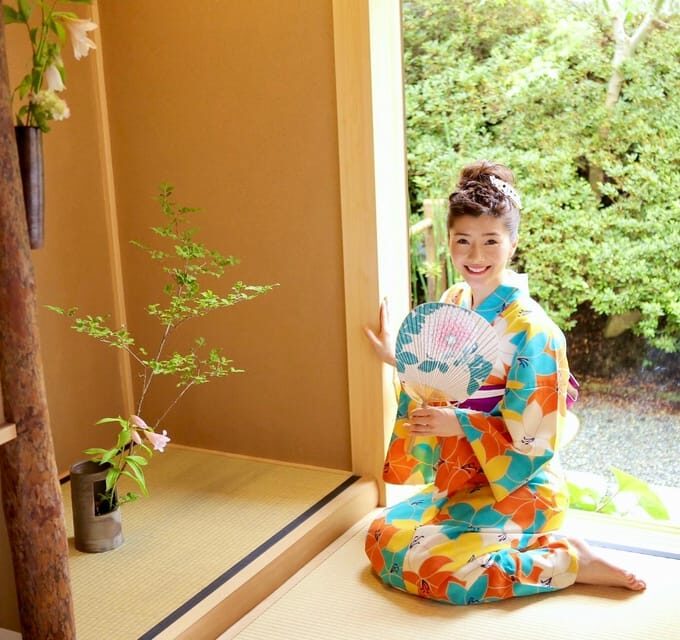
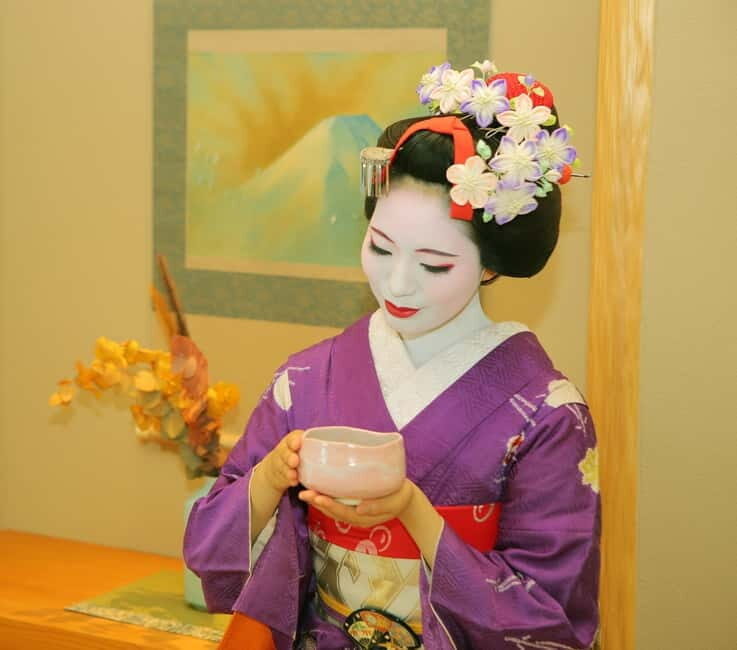
This experience is built around transformation choices. You rent at Maiko Transformation Studio Shiki / Rental Kimono Shiki Sakura, then you do a matcha tea ceremony in a nearby parlor. The big practical win is that you’re not stuck with only one costume style—you can choose maiko, samurai, or a kimono/yukata plan depending on the date.
The standard included kit covers the core basics: kimono, obi, bag, underwear, and sandals. That matters because you’re showing up to a temple neighborhood and you don’t want to spend your day tracking down the missing pieces. Also, you’ll typically be more comfortable using their provided underwear/sandals rather than trying to make do with random footwear.
If you’re hoping for full glamour styling, note that hair styling is not included. One family reported hair styling is offered for an extra fee (they mentioned 1650 yen). If you want a polished finish in photos, it’s worth budgeting for that add-on.
Costume variety is a plus, but it’s also a clue about what this is: it’s designed for visitors who want a strong visual experience without needing to plan the whole day around clothing rentals. You’re getting a fast, structured “Kyoto look” plus a tea ceremony, not a deep-discipline workshop on traditional arts.
You can also read our reviews of more tours and experiences in Kyoto.



The timing runs like a tight schedule (so set yourself up)
The experience is scheduled by paired time slots. You do a kimono session first, then you walk to the tea ceremony. It’s not a flexible “drop in whenever” setup; the time slots are built to flow.
Here are the kimono/tea combinations you’ll see:
- 9:00 AM kimono → 10:30 AM matcha
- 10:00 AM kimono → 11:30 AM matcha
- 11:00 AM kimono → 12:30 PM matcha
- 12:00 PM kimono → 1:30 PM matcha
- 1:00 PM kimono → 2:30 PM matcha
- 2:00 PM kimono → 3:30 PM matcha
- 3:00 PM kimono → 4:30 PM matcha
The overall stated length is 150 minutes to 3 hours, which fits the real-world feeling of the day: you’re dressing, moving to the parlor, and doing a tea ceremony that doesn’t try to become a half-day ritual. That can be a good match for families, especially if you’re managing kids’ attention spans.
The main thing: be punctual. If you’re late for either the kimono or matcha portion, the rules are blunt—you’ll be forced to join halfway through or you won’t be able to participate. That’s the difference between a smooth cultural moment and a stressful scramble.
Practical trick: when you’re planning your day around buses and walking in Kyoto’s historic streets, add buffer time for traffic and getting oriented. This area is crowded, and even if you arrive with plenty of energy, you still need time to find the meeting spot and get settled.
Akebonotei matcha: what you get from a shorter tea ceremony
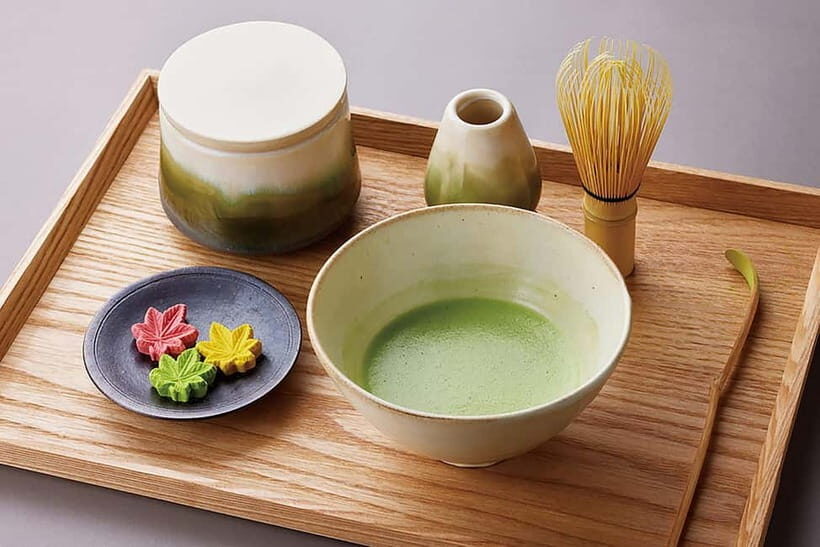
The tea ceremony parlor is Akebonotei, located about a 3-minute walk from Kiyomizu-dera. Because it’s so close, the tea portion feels like a natural next step rather than a logistics headache. You’re basically moving from costume-up into the matcha experience quickly.
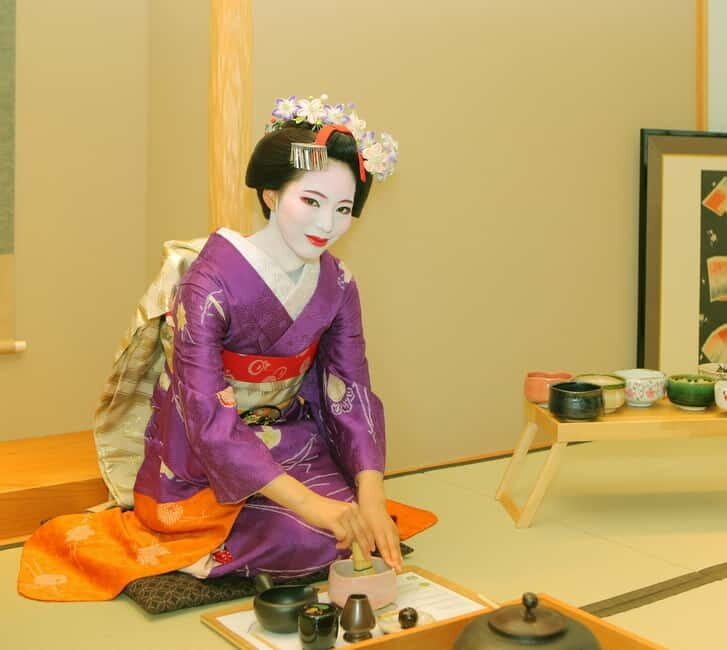
This isn’t described as a long, multi-course ceremonial education. It’s a tea ceremony experience with matcha and included sweets, and it’s presented as a shorter version that works well for children. That’s useful context if you’re traveling with a family—tea for kids works when it doesn’t drag.
Language support can be a big factor for comfort, and in at least one case the person leading the experience spoke English very well. That’s exactly what you want if you’re trying to understand what you’re doing, not just posing with a cup.
Also, the tea ceremony is part of the experience package, meaning you’re not choosing between “costume only” versus “tea too.” Tea is included, and there’s even a note about admission fees for anyone who does not participate in the tea ceremony. Translation: the structure assumes most people will do the tea.
If you’re the type who expects a fully traditional deep-dive (with hours of instruction), you might feel this is more visitor-friendly and staged. If you want a Kyoto-style tea moment that’s efficient and photo-friendly, you’ll probably feel happy with it.
How the costume changes your day around Kiyomizu-dera and Gion
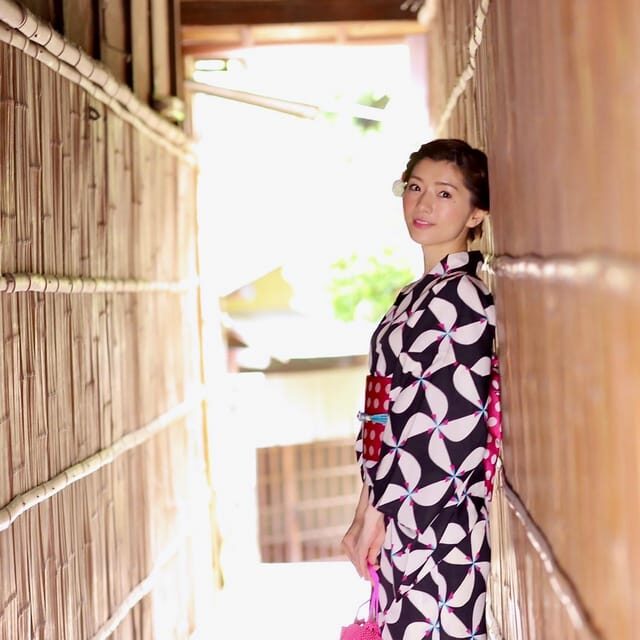
The location is the quiet hero here. The shop is a 3-minute walk from Kiyomizu-dera, and the whole area is thick with walking sights. That means you can turn a single timed activity into a bigger sightseeing block—especially if you plan your outfit for photos.
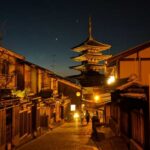
The information around the neighborhood lists multiple nearby attractions you can realistically connect with on foot: Kiyomizu-dera, Yasaka Five-Story Pagoda, Yasaka Koshindo, Ninenzaka, Sannenzaka, Kodaiji Temple, and Yasaka Shrine. There are also stylish cafes around here, which is handy because you may want a break between crowd-heavy streets.
Here’s why that matters: kimono and maiko/samurai looks can be more than costumes. They can help you slow down and notice details you’d otherwise rush past—gateways, shrine steps, lantern-lit lanes, and those classic temple-to-street transitions. And because the shop is so close, you’re spending less time traveling back and forth in regular clothes.
One extra perk: if you rent a kimono, you can keep it until 5pm. That’s a huge value swing. You’re not trapped in a 2–3 hour window; you can use the outfit for late afternoon walking, photos, and café stops without needing a second rental or another change.
A small note on expectations: while this is an “attraction near attractions” experience, that also means you’re doing it in a heavily visited part of Kyoto. You’ll want to be ready for crowds, especially around the most famous temple zones.
Price and value: what $77 includes, and what it doesn’t
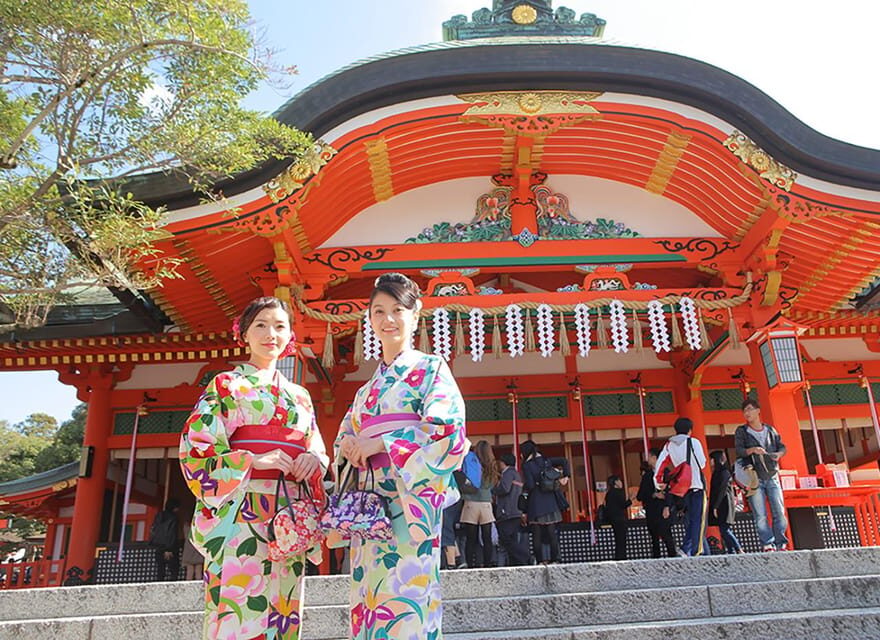
At $77 per person, the value depends on what you compare it to. If you price out costume rental plus accessories and then price out a matcha ceremony plus sweets, the package starts to make sense. You’re essentially buying “Kyoto in costume” with a built-in tea stop.
Included items:
- Kimono
- Obi
- Bag
- Underwear
- Sandals
- Yukata plan (June 1 to September 15)
- Matcha tea ceremony experience
- Sweets
Not included:
- Hair styling
- Admission fees for anyone who does not participate in the tea ceremony
This structure is worth understanding. You’re paying for the core costume elements and a tea event, so your cost stays predictable if you plan to do everything included. If you’re tempted by extra styling, it’s an add-on rather than a hidden fee baked into the base price.
Also, the small group size helps value. Limited to 6 participants, it’s not a huge “everybody lines up forever” situation by default. Still, even with a small group, the overall area and the fixed schedule can create waiting moments. If you’re traveling with kids, it helps to mentally treat this as a timed-flow activity, not a slow-paced cultural walk.



Small group, family rules, and who should book (or skip)
This is designed for families and small groups. The experience is limited to families up to four people (ages 5 and up), and the overall group size is limited to 6 participants. If you’re traveling as a couple or small group, that can still work well, but it’s clearly built with family logistics in mind.
There are clear “no” rules:
- Pregnant women are not allowed.
- Children under 5 are not allowed.
That means you should plan ahead if anyone in your party needs accommodations. Since kimono dressing can be physically involved, the restriction is part of the safety/comfort policy.
Who I think it suits best:
- Families who want a Kyoto costume experience without building a complicated day plan
- Visitors who want a matcha tea ceremony in a convenient location near Kiyomizu-dera
- People who care about photos and want an outfit that looks right in the famous streets around Higashiyama
Who might feel mismatched:
- People who want a long, deeply traditional tea instruction experience
- Anyone who hates strict timing and punctuality rules
- Travelers who strongly prefer quiet, low-crowd activities in historic areas
That last point is important. Even when the format is small-group, the area is a magnet for tourists. If your priority is solitude, this may not deliver.
Getting there near Kiyomizu-michi: the bus-to-walk method
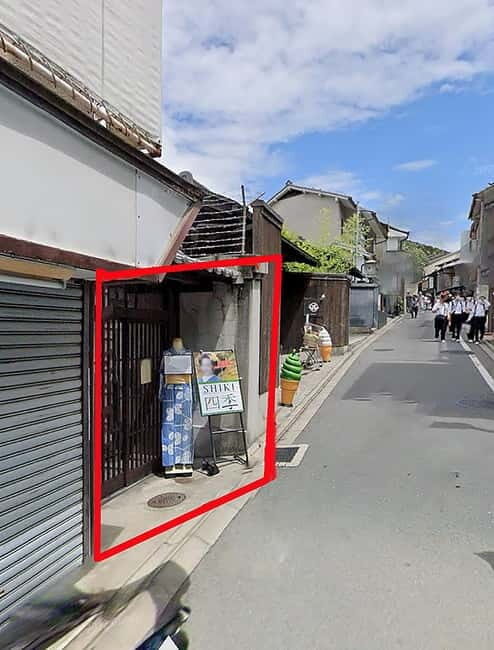
Meeting point guidance is straightforward if you’re using public transit. If you’re coming by city bus, you take about a 20-minute bus ride and get off at Kiyomizu-michi. Then it’s about a 10-minute walk to the store.
This matters for planning because arriving late can ruin participation in either the costume or matcha window. It also matters for energy management: historic Kyoto walks add up, and you’ll already be in the middle of changing clothes, so you want the route to be simple.
Once you’re in the area, you’ll basically operate on foot. The tea parlor is just a short walk from Kiyomizu-dera, and the surrounding sights are close enough for a photo-and-stroll rhythm.
The honest bottom line: should you book this?
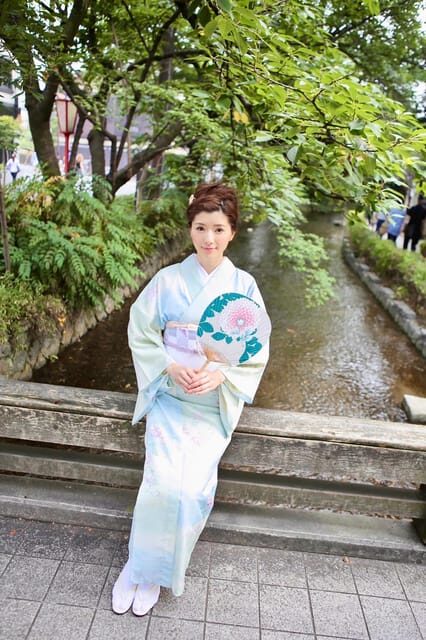
Book it if you want a practical, photo-ready Kyoto experience that combines costume fun with a matcha ceremony you don’t need to plan separately. The big strengths are the nearby location to Kiyomizu-dera, the included costume components (kimono/obi/bag/sandals plus the basics you’d otherwise have to assemble), and the fact that the tea ceremony is structured for real family time.
Skip it or think twice if punctuality stress or crowds would ruin your day. This experience runs on fixed time slots, and late arrivals can lead to joining midway or missing the tea altogether. Also, if you’re chasing an ultra-traditional, long-form ceremony with deep instruction, you might find the format feels visitor-friendly and brief.
If you do book, plan your day around the schedule, not around your “someday mood.” Get there early, treat the dressing as part of the show, and then use the costume hours (until 5pm) to make your Kyoto walking time count.
FAQ

FAQ
How long does the Kyoto maiko/samurai/kimono and tea experience take?
The activity runs about 150 minutes to 3 hours, depending on the time slot you choose.
What is included in the price?
You get kimono (or yukata for the June 1–September 15 plan), obi, bag, underwear, sandals, the matcha tea ceremony experience, and sweets.
Is hair styling included?
No. Hair styling is not included in the package.
Where is the tea ceremony held?
The matcha tea ceremony is at the tea ceremony parlor Akebonotei.
How far is the tea parlor from Kiyomizu-dera?
It’s about a 3-minute walk.
What time slots are available?
Kimono starts and matcha follows at set times: 9:00→10:30, 10:00→11:30, 11:00→12:30, 12:00→1:30, 1:00→2:30, 2:00→3:30, and 3:00→4:30.
Can I keep the kimono after the ceremony?
Yes. If you rent a kimono, you can enjoy it until 5pm.
Is this suitable for young children?
Children under 5 are not allowed. The experience is limited to families up to four people ages 5 and up.
Are pregnant women allowed?
No. Pregnant women are not allowed to experience this activity.
What happens if I’m late?
You need to be punctual for both the kimono and matcha tea experiences. If you’re late for either, you may be forced to join halfway through or you may not be able to participate.