Kyoto feels huge, then a van stitches it together. This private van tour is built for a one-day hit list, but with a twist: you reach temples and mountain views that are usually harder to string together by bus and on foot. You’ll ride in comfort, talk history and Buddhism with a fluent English guide, and move across Kyoto without wasting time crossing neighborhoods.
I especially like the mix of Arashiyama nature with calmer temple stops, like Gio-ji and Otagi Nenbutsu-ji, where you get a more peaceful rhythm than the main draw areas. I also love that the day includes Fushimi Inari-taisha, but in a route that makes sense when you’re trying to keep crowds and travel friction low.
One thing to plan for: some temple visits involve walking and stairs, so if you want to keep it very flat, ask the guide in advance.
In This Review
- Key Things That Make This Kyoto Day Work
- A Private Van Lets You Do Kyoto Without the Commuting Headache
- Pickup, Parking, and a Guide Who Explains What You’re Seeing
- Planning the Money: What’s Included vs. What You Pay on Arrival
- Kinkakuji Golden Pavilion: Worth It, Even When Crowds Are Real
- Gio-ji and Otagi Nenbutsu-ji: Moss, Thatched Quiet, and a Different Arashiyama Mood
- Arashiyama Bamboo Forest: Iconic Path, Plus a Story You Won’t Get Alone
- Arashiyama-Takao Parkway and Mount Ogura: When the View Becomes the Main Course
- Hozukyo Observatory and the Gorge-Boat Connection
- Nakagawa-hachimangū and the Old Cedar: A Shinto Pause You’ll Feel
- Kitayama Big Daisugi: The Secret Cedar Platform Stop
- The Geisha Street Photo Moment: See It Without Getting Stuck In It
- Heian Jingu’s Giant Torii and the Red-Gate Effect
- Fushimi Inari-Taisha: Thousands of Gates, and Why Timing Helps
- How the Whole Route Feels: A Day That Swaps Crowds for Variety
- Who Should Book This Kyoto Private Van Tour
- Final Call: Should You Book It?
- FAQ
- What time does the tour start?
- Is pickup and drop-off included?
- Are admission fees included in the price?
- Is this tour private?
- What’s the walking like at temples?
- Is the guide available in English?
- Can I cancel for free?
Key Things That Make This Kyoto Day Work
- Private pickup and drop-off anywhere in Kyoto City means you skip the bus hunt and dead time.
- A long-distance loop across Kyoto lets you see both famous landmarks and quieter spots without feeling rushed at each one.
- Arashiyama Bamboo Forest plus mossy and thatched-temple scenery keeps the day from becoming only crowds and gift shops.
- Mountain viewpoints (Mount Ogura and Hozukyo) give you that Kyoto-from-above feeling, fast.
- Shinto tree worship stops like Nakagawa-hachimangū and the Kitayama cedar platform add a local layer most first-timers miss.
- Daiki-style guiding is described as friendly, knowledgeable, and flexible if your interests shift.
A Private Van Lets You Do Kyoto Without the Commuting Headache
Kyoto can be a puzzle for self-guided days. The city’s sights are spread out, and the bus routes don’t always line up with a sensible walking order. A private minivan changes the game: you get a practical loop across neighborhoods and into the surrounding hills, without constantly timing transfers.
The tour runs about 6 hours, starting at 1:00 pm. That timing matters because many people cram Kyoto into mornings. Starting mid-day can help you enjoy the big names with less stress, and you may roll into late afternoon as the light softens.
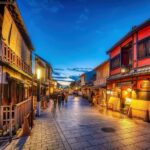
The van also lets you do quick “see it now” stops from the road—useful for places where walking into a crowded zone isn’t your goal. One highlight in the plan is a geisha street stretch where you can take photos from the car and avoid being stuck in foot-traffic chaos.
You can also read our reviews of more guided tours in Kyoto


Pickup, Parking, and a Guide Who Explains What You’re Seeing
The big practical win here is that the tour handles the messy parts: pickup, parking, and tolls are included, so you’re not paying extra on top of what you budgeted. You’re also not stuck trying to interpret signs and routes when your day is tight.
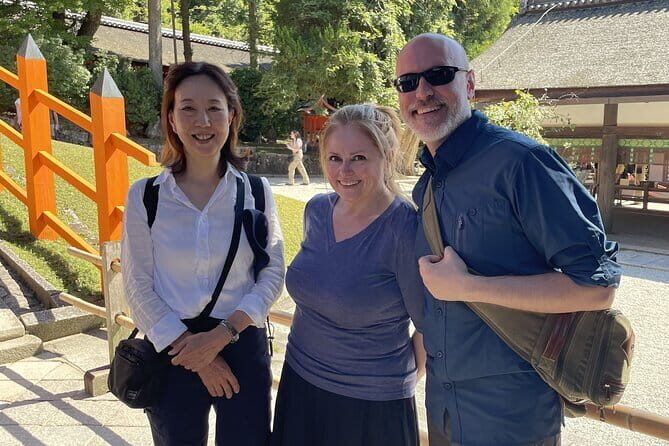
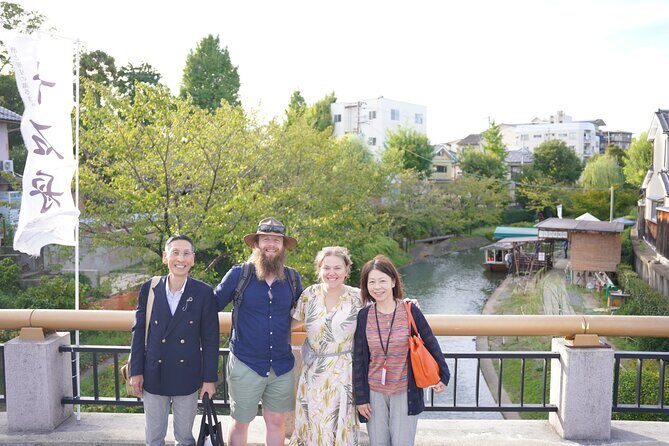
Your guide is a local Japanese guide fluent in English with expertise in Buddhism and history. That matters at Kyoto temples because the meaning is often the point, not just the architecture. You’ll get context for why certain halls, gardens, and rituals matter, and why those details show up again and again across different sites.
One guide name you may hear is Daiki (including Daiki Fukashi in at least one booking experience). People describe him as not only knowledgeable but also easygoing and accommodating, with the ability to tailor the pace to what you care about.
Planning the Money: What’s Included vs. What You Pay on Arrival
The price is listed as $230.61 per group (up to 1), which means you should treat it as a private-day cost rather than a per-person mass-tour fee. If you’re traveling solo or as a small group, the value is in convenience: you’re buying fewer logistics problems and a route that’s harder to DIY in one afternoon.
Plan on admission fees not included, with an approximate total of ¥1,400 per person. That’s a key point. The tour’s core “getting you there” is covered, but the actual temple entrance charges can add up, especially for famous sites.
There’s also at least one stop where an admission ticket is listed as included (the Arashiyama-Takao Parkway segment). So your in-day payment load isn’t necessarily just the ¥1,400 number—but you should still budget for it so you aren’t surprised.
Kinkakuji Golden Pavilion: Worth It, Even When Crowds Are Real
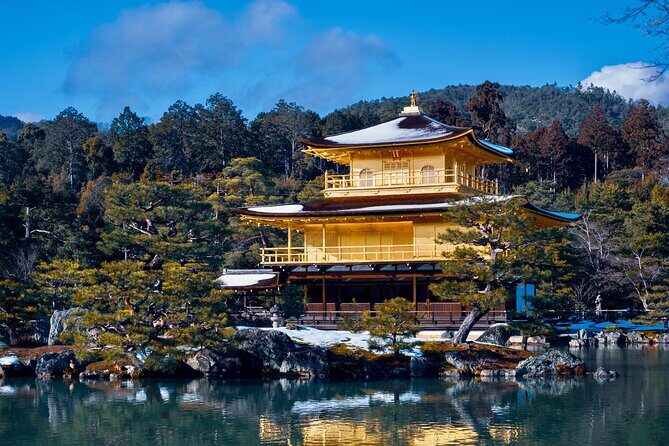
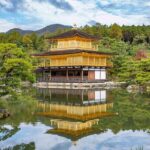
The day starts with Kinkakuji Temple, also known as the Golden Pavilion. You’ll get about 45 minutes here, and the entry fee isn’t included. This is one of Kyoto’s most iconic visuals for a reason: even if you’ve seen photos, the real thing hits differently once you’re standing close to the pavilion and the reflections.
What I like about how this tour slots Kinkakuji in early afternoon is that you’re not fighting the morning crush. Still, it can be busy. Use your time well: look at the pavilion itself, then shift your focus to how the surrounding pond and structures frame it.
If you want a calmer experience, do what locals do—take a slower lap and don’t spend all your minutes staring at one perfect postcard angle. With a guide, you’ll also learn what the temple represents beyond the shiny exterior.
Gio-ji and Otagi Nenbutsu-ji: Moss, Thatched Quiet, and a Different Arashiyama Mood
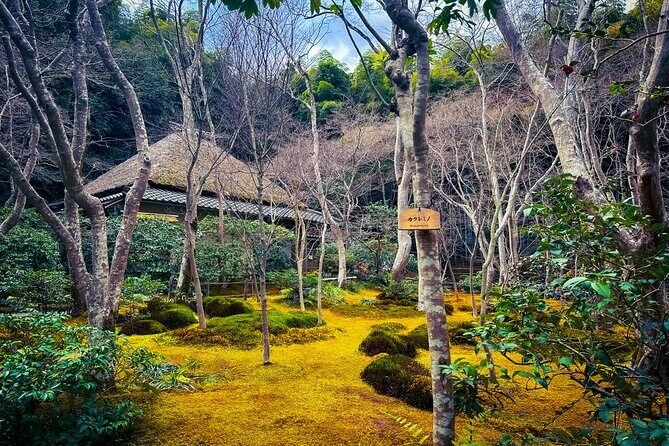
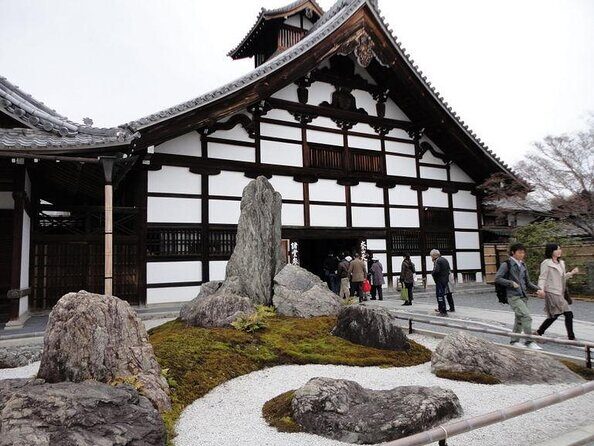
After Kinkakuji, the route heads to the Arashiyama side of Kyoto for Gio-ji Temple. You’ll have around 15 minutes. Gio-ji is described as a compact scene of classic Japan: a serene garden covered in moss, with modest thatched structures and bamboo nearby. This is the kind of stop where short time can still feel satisfying because the setting does the work for you.
Then you continue to Otagi Nenbutsu-ji Temple, also with about 15 minutes. The point here is the atmosphere. It’s located in a well-maintained older area of Arashiyama, and it’s typically less crowded than the main Arashiyama hubs. When the day is built right, you get contrast: famous sights, then a quieter pocket where you can feel like you’ve stepped off the main tour track.
A practical note: even smaller temples can involve some uneven ground or stair steps. If walking is an issue, ask the guide before you go. The tour info specifically says to check with your guide if you need to avoid stairs.
You can also read our reviews of more private tours in Kyoto


Arashiyama Bamboo Forest: Iconic Path, Plus a Story You Won’t Get Alone
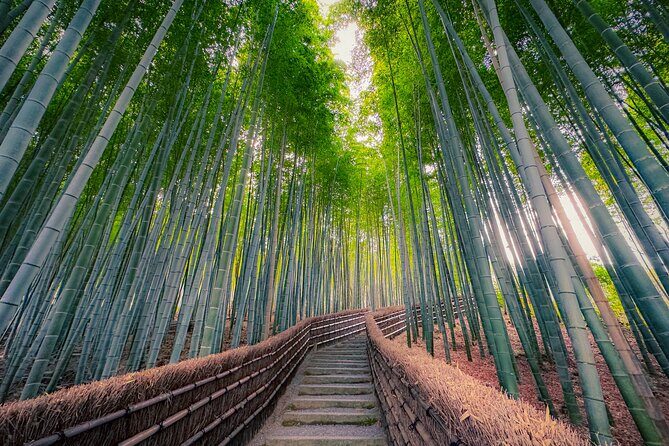
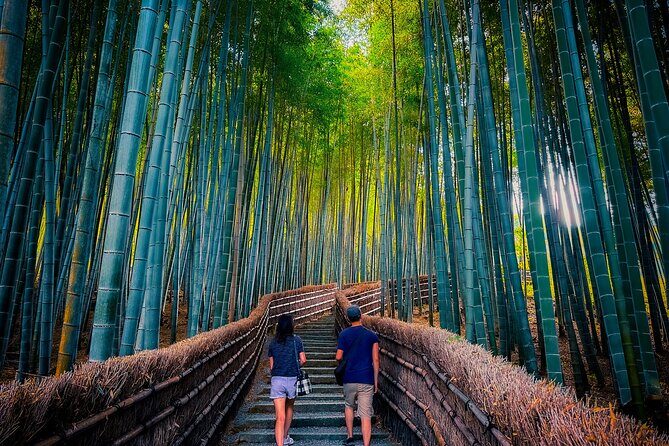
The Arashiyama Bamboo Forest stop is short—about 15 minutes—and admission is listed as free. This is the moment most people come for, and yes, it can feel crowded. But the value on a guided van tour is what happens while you’re there: you’re not only walking through a famous walkway; you’re getting context.
One detail included in the tour description: your guide explains the origin of Japanese bamboo and how it connects to the story of Edison’s lights. That’s the kind of explanation that makes a quick stop more memorable. You’re still seeing the bamboo, but you’re also learning how it influenced thinking about materials and lighting.
My advice: don’t rush to chase the perfect photo. Let the sound and rhythm sink in for a minute. Even with a time limit, you’ll remember how it felt, not just what it looked like.
Arashiyama-Takao Parkway and Mount Ogura: When the View Becomes the Main Course
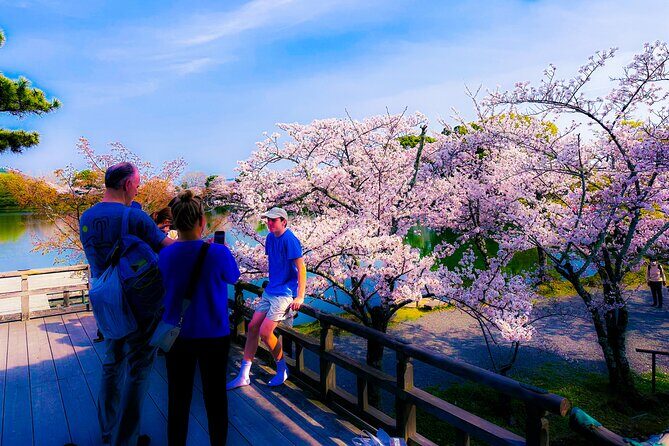
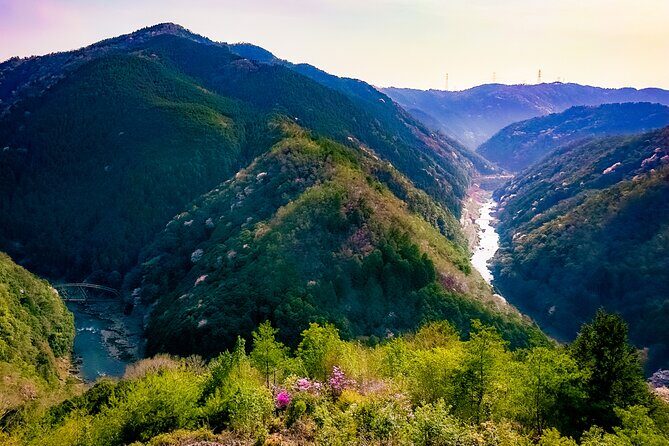
Next comes Arashiyama-Takao Parkway for about 45 minutes. A tourist toll gate starts from north Arashiyama, and the road is described as lined with around 2,000 cherry blossom trees in April and maples in November. Even outside peak season, the idea is the same: you’re riding a scenic segment of the hills where Kyoto changes character.
After that, you get Mount Ogura Observatory. It’s a quick stop—about 5 minutes—with admission listed as free. This is the “from here, Kyoto looks like Kyoto” moment. You’re high enough to see how the city spreads and how mountains frame the edges.
These short observatory stops are smart for a 6-hour day. You get the big payoff without losing half your afternoon to transit and long hikes.
Hozukyo Observatory and the Gorge-Boat Connection
Then it’s to Hozukyo Observatory, another quick 5-minute viewpoint with entry listed as free. The attraction here is the Hozu Gorge view, and the description mentions it as known for traditional hard-stream boat rafting.
You don’t need to book a rafting experience to appreciate what you’re looking at. From a viewpoint, you can spot the narrowness of the gorge and imagine what makes the water fast and dramatic. If you’re the type who likes understanding how a place works, a short explain-from-the-guide moment can turn a quick stop into something you actually carry home.
Nakagawa-hachimangū and the Old Cedar: A Shinto Pause You’ll Feel
The tour includes Nakagawa-hachimangū Shrine for about 5 minutes, free of admission. The standout detail is the oldest Japanese cedar tree of this area, worshiped as a local guardian. The itinerary even suggests a ritual: touch the tree for good spirit energy.
This is a different kind of Kyoto experience. It’s not about a grand building or a postcard reflection. It’s about the relationship between a community and a sacred natural object.
For first-timers, these small shrine stops are where Kyoto starts to feel local instead of curated. If you keep your expectations open, five minutes here can give you a stronger sense of place than an extra hour at a famous hall.
Kitayama Big Daisugi: The Secret Cedar Platform Stop
One stop is clearly framed as a secret: Kitayama Big Daisugi, with about 10 minutes. It’s described as being located in the much northern part of Arashiyama, hidden by a narrow cliff road where not many people go.
The feature is the giant platform cedar trees view. Whether you’re into trees, gardens, or just want a break from crowds, this is the kind of stop that makes a private tour feel worth it. It’s the “you can’t easily find this on your own in a first afternoon” moment.
Also, this is where your guide’s navigation matters. Getting to a tucked-away spot in Kyoto is half the battle. A minivan can get you there without turning your day into a puzzle.
The Geisha Street Photo Moment: See It Without Getting Stuck In It
One of the itinerary items is a 600-year-old street known for geishas, experienced by car. The idea is to avoid walking in crowds and to take photos from the car.
There’s also an important etiquette reminder included: taking photos of geishas needs their permission. That’s not just politeness—it’s how you stay respectful and avoid turning someone’s day into your own awkward moment.
This stop works best if you think of it as a look-and-learn pass, not a photo-session mission. You’ll get the feel for the street without losing time fighting people.
Heian Jingu’s Giant Torii and the Red-Gate Effect
Next up is Heian Jingu Shrine Otorii, where you’ll see the biggest torii gate of Kyoto, built for Heian Jingu Imperial Shrine. The torii is listed at 24.4 meters (about 80 feet), one of the biggest in Japan. Admission is free, and you’ll have about 5 minutes.
This is a quick architectural hit, but it’s worth it. Torii gates are simple shapes, yet they carry a lot of cultural meaning. Standing under a structure like this helps you see why these gates show up as boundary markers and spiritual thresholds across Japan.
Fushimi Inari-Taisha: Thousands of Gates, and Why Timing Helps
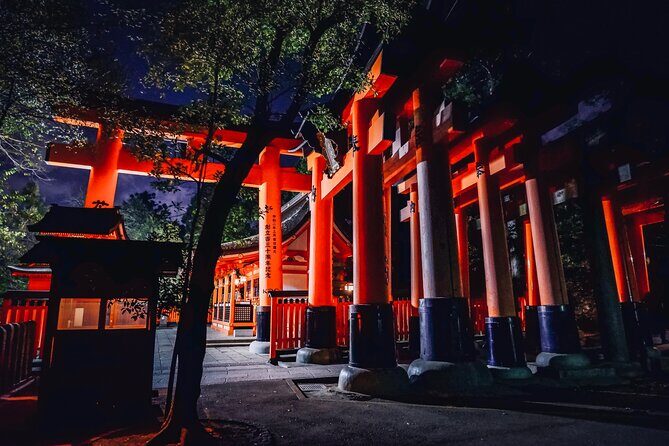
Finally, you reach Fushimi Inari-taisha Shrine for about 40 minutes, with admission listed as free. This is Kyoto’s iconic “red gate” walk—known for its path of Senbon Torii, with more than 10,000 gates dedicated.
This is the stop where you’ll feel the crowd pressure most strongly, but you’re going with a plan and a guide-managed pace. Use your time like this: walk in far enough to feel the tunnel effect, then come back before you’re exhausted. With limited time, the goal is to experience the rhythm, not to conquer every step.
One booking experience mentions that going at night can feel better because the crowd level changes and the mood shifts. Your start time is 1:00 pm, so you may or may not hit peak evening atmosphere, but the tour’s pacing makes it easier than squeezing Fushimi Inari at the start of the day.
How the Whole Route Feels: A Day That Swaps Crowds for Variety
What I like most about this experience is not any single temple. It’s the way the day keeps changing gears.
You start with a major Kyoto icon (Kinkakuji), then move into quieter Arashiyama temple scenery (Gio-ji, Otagi). You hit the famous bamboo walkway briefly, then immediately step into hills and viewpoints (Mount Ogura, Hozukyo). You add a Shinto angle with a shrine cedar tree, then finish with two of Kyoto’s strongest spiritual landmarks (Heian Jingu’s torii and Fushimi Inari).
That variety is exactly what helps on a short visit. If you’re only in Kyoto for a day or two, you want a route that gives you both the headline sights and the feeling that Kyoto has more layers than one street of tourists.
Who Should Book This Kyoto Private Van Tour
This tour is a great fit if you:
- Want to see major Kyoto sites plus nature and shrine stops in one afternoon
- Prefer comfort and less transit friction than self-guided bus routes
- Like having a guide explain why places matter, especially in Buddhism and Japanese religious culture
- Want quieter temple time in Arashiyama instead of only being stuck in the main crowd zones
It may be less ideal if:
- You need a completely stair-free day (some temple visits can involve stairs and walking)
- You want long stays at just one attraction (this is built as a loop, not a single-site deep visit)
Final Call: Should You Book It?
If you’re weighing a self-guided plan versus a private day with an English-speaking guide, I’d lean toward booking this one. You’re paying for time saved, route efficiency, and access to stops that fit together smoothly in a single 6-hour session.
The value is strongest if you care about variety: Golden Pavilion, Arashiyama bamboo, mountain viewpoints, sacred trees, and Fushimi Inari all in one connected arc. Just budget for temple entrances (about ¥1,400 per person), and check with the guide if stairs are a deal-breaker for you. If that’s handled, this is the kind of Kyoto day that leaves you with both photos and a clearer sense of what you were seeing and why.
FAQ
What time does the tour start?
The tour starts at 1:00 pm and runs for about 6 hours.
Is pickup and drop-off included?
Yes. Pickup and drop-off are offered anywhere in Kyoto City.
Are admission fees included in the price?
No. Admission fees are not included, and the total is approximately ¥1,400 per person. One parkway ticket is listed as included.
Is this tour private?
Yes. It’s a private tour/activity, and only your group participates.
What’s the walking like at temples?
Some stops may require walking and stairs. If you need to avoid stairs, you should ask the guide beforehand.
Is the guide available in English?
Yes. The guide is described as fluent in English.
Can I cancel for free?
Yes. Free cancellation is available up to 24 hours in advance for a full refund.