REVIEW · CITY TOURS
Discovering Kyoto A Tailored Private Tour of the City’s Treasures
Book on Viator →Operated by Konnichiwa-japan · Bookable on Viator
Kyoto feels personal when someone plans your steps. This private, customizable 3-hour tour gives you an organized route, plus room to steer toward what you care about. I like the way it blends famous stops with side streets in Gion, and I also like that the guide’s English explanations can make temple details click fast, like the way Diego’s guidance gets praised for being friendly and clear.
You’ll also get a comfortable walking pace—no sprinting through crowds—while still hitting key sights tied to Kyoto’s daily life and spiritual traditions. The main thing to consider is timing: you’re on a tight morning schedule, and if you run into busy-season staffing hiccups, plan a little flexibility for changes.
In This Review
- Key Highlights You Can Plan Around
- Why a Tailored Private Kyoto Tour Feels Better Than a Bus Day
- Start at Kyoto Station: The Morning 3-Hour Rhythm
- Gion First: Temples, Fushimi Inari, and the Arashiyama Bamboo Setup
- Izutsu Yatsuhashi Honpo Gion Store and Gion Shirakawa’s Quiet Street Feel
- Tatsumi Daimyojin Shrine and Yasui-Konpiragu: Spotting Ritual Details
- Yasakanoto and Izumo no Okuni: Pagoda Views and Kabuki Origins
- Kiyomizu-dera Temple: The One-Hour Anchor of the Route
- Price and Value: What $95 Buys in a Private Morning
- Who Should Book This Kyoto Treasures Route
- Should You Book It?
- FAQ
- How long is the Kyoto private tour?
- What does the tour cost?
- Where do we meet, and where does the tour end?
- Is pickup included?
- Is this a private tour?
- Are admission tickets included?
- What time does the tour run?
- Is free cancellation available?
- Are service animals allowed?
Key Highlights You Can Plan Around
- Private-group flexibility in a fixed 3-hour window: you choose what matters most, while your guide keeps the route moving
- Kyoto Station pickup and back-to-start ending: easy logistics for a short morning experience
- Gion focus with quiet lanes: you spend real time in the atmosphere, not just the most crowded streets
- Food-and-culture stop at Izutsu Yatsuhashi Honpo (Gion store): a classic Kyoto sweet tied to local tradition
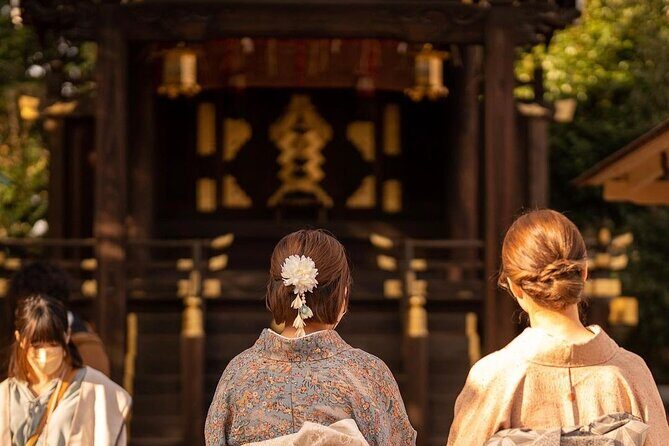
- Shrines with history, rituals, and stone monuments: Tatsumi Jinja and Yasui-Konpiragu bring spirituality into view
- Kiyomizu-dera as the anchor: a full hour at one of Kyoto’s most iconic temples
Why a Tailored Private Kyoto Tour Feels Better Than a Bus Day
A short Kyoto tour only works if the guide makes smart choices. That’s what you’re buying here: customization plus an experienced local guide who can shape the route around your interests while still covering Kyoto’s big “wow” moments.
I like tours like this because they help you read the city in real time. In Gion, for example, you’re not just looking at buildings—you’re walking through the rhythms of the neighborhood. With a guide, it’s easier to understand why certain streets feel purposeful, why certain shrines command attention, and why temple architecture matters beyond the photo.
The other value is pacing. You’re not trying to “complete Kyoto” in one morning. The itinerary is compact, and that’s good. It means you can spend your energy on noticing details—wooden gates, shrine stones, temple viewing areas—rather than burning time on transit confusion.
You can also read our reviews of more city tours in Kyoto

Start at Kyoto Station: The Morning 3-Hour Rhythm
You start at Kyoto Station (Higashishiokoji Kamadonocho, Shimogyo Ward), and the experience ends back at the same meeting point. Pickup is offered, and transportation to attractions is included, which helps a lot when you’re trying to move efficiently with a guide and avoid extra hassles.
The tour runs in the morning, with hours listed as 9:00 AM to 11:30 AM. That matters because Kyoto temples and streets can feel totally different across the day. A morning start usually means you’ll see a calmer version of the city, especially around walking areas like Gion.
Also, this is a private activity. Only your group participates. That’s a big deal for a place like Kyoto, where the “best” route depends on whether you want more walking, more sights, or more explanations.
One practical tip: wear shoes built for uneven sidewalks and temple steps. Even with a guide and transportation included, you’ll be on your feet for much of those three hours.
Gion First: Temples, Fushimi Inari, and the Arashiyama Bamboo Setup
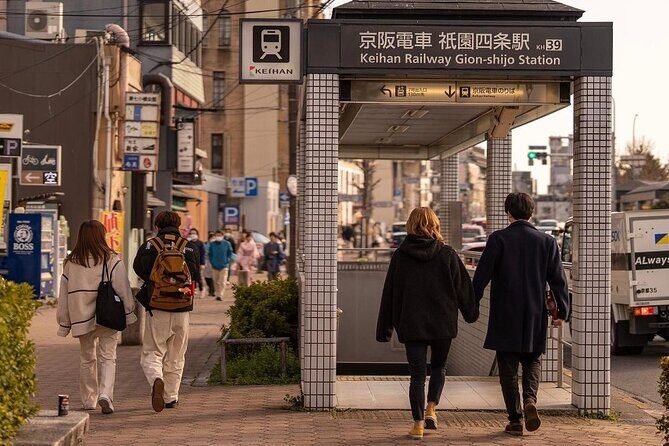
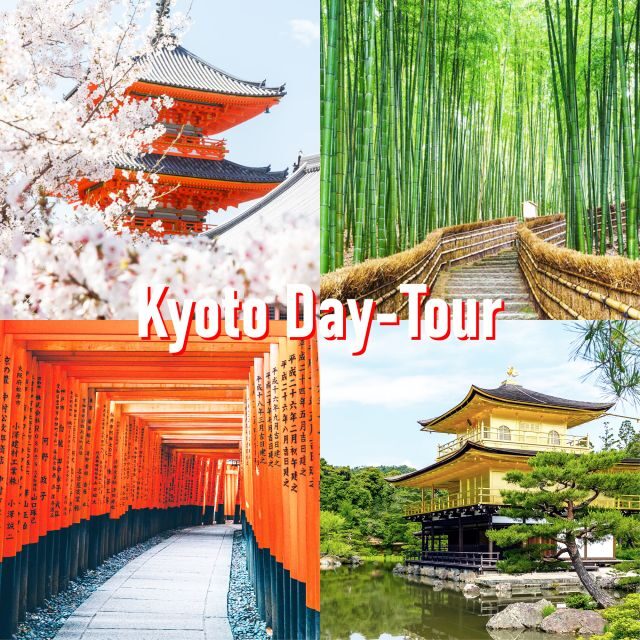
The tour’s first stop centers on Gion, and it’s designed to get you oriented fast. From here, the route description also points toward major Kyoto highlights such as Fushimi Inari Shrine and Arashiyama Bamboo Grove. The exact mix can depend on how your guide tailors the plan, but the intent is clear: you get both atmosphere and headline sights.
Fushimi Inari is all about repetition. Those thousands of torii gates are visually simple, but the “meaning” lands when you understand how the path works and why people keep returning to the shrine area. With a guide, you’ll be able to read what you’re seeing instead of just chasing angles.
Arashiyama Bamboo Grove is shorter on “lecture time” and longer on sensory impact. Even if you just spend a short window there, you’ll get the point: this isn’t a random park feature. It’s a signature Kyoto scene. Your guide can also steer you toward a better time of day to view it, given your morning schedule.
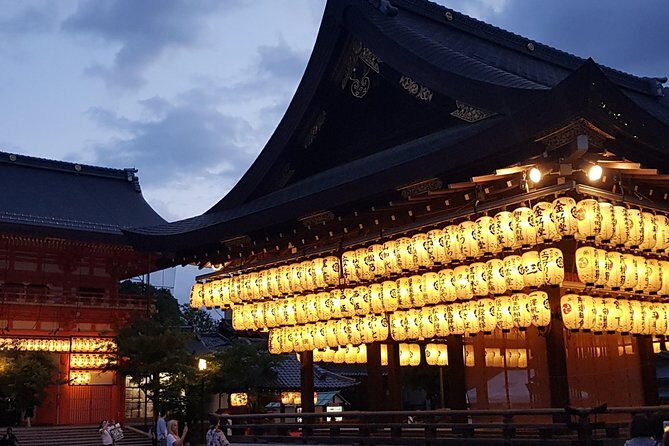
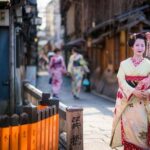
Back in Gion itself, you’ll also walk past parts of the neighborhood that feel quieter than the main lanes. One guided experience highlighted a route through restaurant streets that are more private and tucked away near the geisha-area vibe. That’s the kind of detail you often miss on your own.
Possible drawback: because it’s packed into a morning, you won’t have hours to linger at every headline stop. If you’re the type who likes long temple meditation time, you may want to add extra independent time later.
Izutsu Yatsuhashi Honpo Gion Store and Gion Shirakawa’s Quiet Street Feel
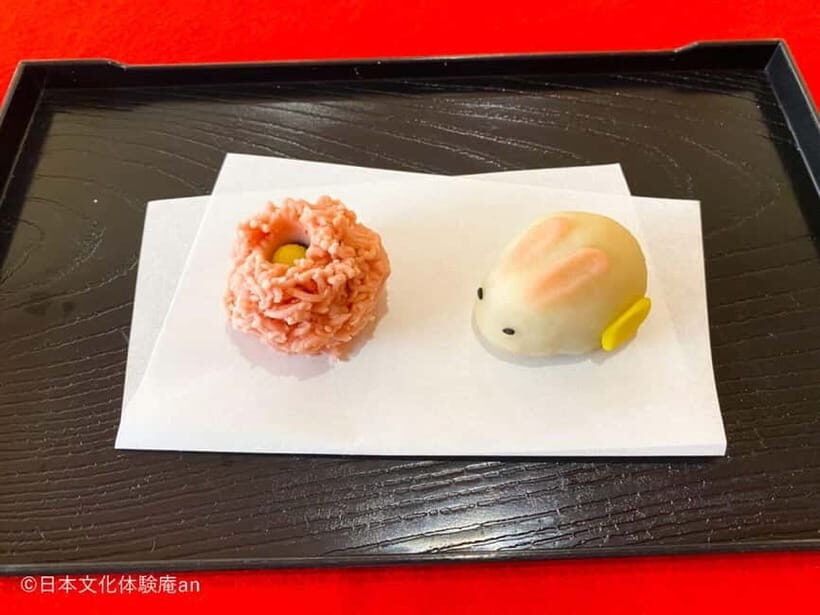
Two of the most enjoyable parts of this itinerary are the smaller, human-scale stops. Stop 2 is the Izutsu Yatsuhashi store in the Kyogoku Ichibangai area near Gion. You get about 20 minutes here, and it’s listed as free admission. This is a food-and-culture moment: Kyoto sweets aren’t just snacks, they’re part of how visitors and locals connect to tradition.
The Yatsuhashi angle is worth it if you want a Kyoto souvenir that’s edible and meaningful. It’s also a good break in the tour rhythm. When you’re moving between shrines and temples, a short pause with something local helps reset your brain.
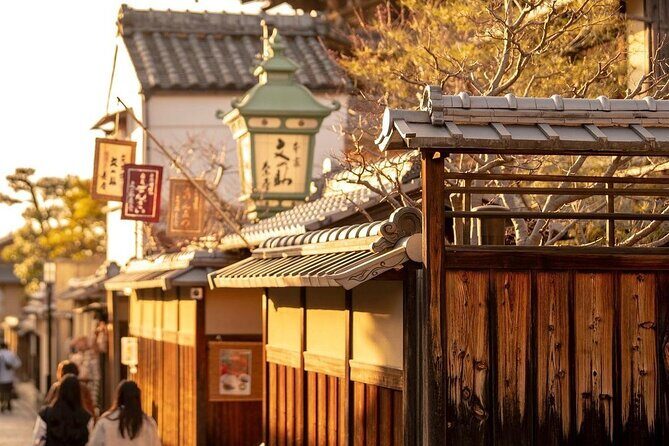
Stop 3 is Gion Shirakawa, another 20-minute stroll. You’re not going for an “only-in-your-camera” landmark. You’re going for the feel: the kind of preserved street character that makes Gion different from other sightseeing zones. It’s the sort of place where slow walking helps. If your group wants to take photos, this is usually a good segment to do it without feeling like you’re detouring constantly.
Drawback to keep in mind: these stops are short. So if you’re the type who wants to browse a shop for 45 minutes, you might want to pick that as a separate add-on after the tour.
Tatsumi Daimyojin Shrine and Yasui-Konpiragu: Spotting Ritual Details
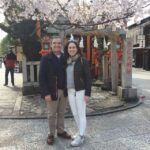
Stop 4 is Tatsumi Daimyojin Shrine (also listed as Tatsumi Jinja), about 20 minutes, free admission. It’s framed as a spiritual heart point, with history described as dating back over a thousand years. That’s exactly the kind of context that helps when you’re standing in front of a shrine: you’re not just looking at a gate, you’re seeing a place that has kept its role through generations.
Stop 5 is Yasui-Konpiragu, about 10 minutes, with admission ticket included. This shrine gets attention for its unique stone monuments and rituals. Even in a short window, you can learn what to look for—what’s ceremonial, what’s symbolic, and what visitors typically misunderstand when they only treat a shrine like a photo spot.
Why these shrines work in this tour: they sit in the middle ground between big “must-see” attractions and everyday Kyoto life. You’re close enough to the city’s energy to understand the atmosphere, but you’re also in places where people slow down for a reason.
One practical note: shrines are often a little more weather-dependent for comfort than you’d think. If you’re booking in rainy months, carry a small umbrella and expect short coverings and uneven ground.
You can also read our reviews of more private tours in Kyoto
Yasakanoto and Izumo no Okuni: Pagoda Views and Kabuki Origins
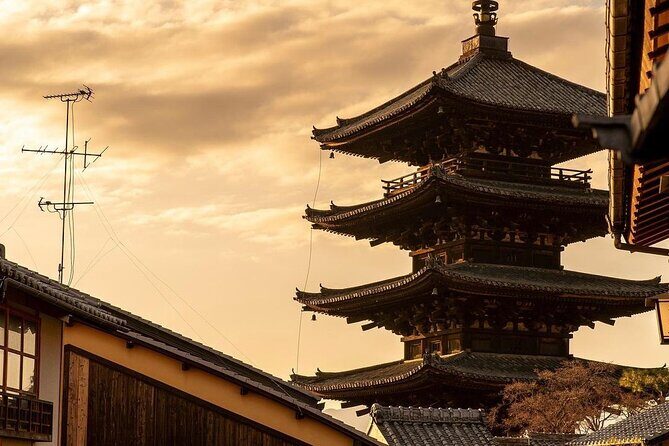
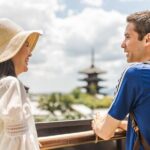
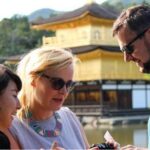
Stop 6 is Yasakanoto, a 10-minute segment in Kyoto’s Gion district. It’s described as a towering pagoda with a history dating back centuries. Even when time is short, a pagoda moment can be a great visual reset. You can stand, look up, and understand scale—Kyoto’s architecture is often easier to appreciate when you get a vertical reference.
Stop 7 is the Statue of Izumo-no-Okuni, about 20 minutes, free admission. This one adds a cultural hook beyond temples: it connects to the origins of Kabuki theater. You’re basically getting a quick course in how Kyoto traditions fed into wider Japanese performing arts.
Why I like pairing these two: it keeps the tour from feeling like only “religious sightseeing.” You’re also seeing how Kyoto’s spaces relate to art, memory, and community identity.
Potential consideration: because this portion is short, come with at least some curiosity. If Kabuki history doesn’t interest you, you may want to ask your guide to spend extra time on whichever shrine or street felt best to you.
Kiyomizu-dera Temple: The One-Hour Anchor of the Route
Stop 8 is Kiyomizu-dera Temple, one hour, with admission ticket included. This is the anchor stop, and it’s also one of the most recognized Kyoto experiences for a reason. Kiyomizu-dera is known as the Temple of the Pure Water Spring. The site is famous for its impressive viewing platform, the three-storey Koyasu pagoda, and the Otowa Spring with medicinal pure waters.
What you’ll want to focus on during your hour:
- The viewing platform area (this is where you understand why people came here for views)
- The pagoda presence and the way the grounds feel layered
- The Otowa Spring area as a place with a purpose, not just a curiosity
With a guided stop, you should get help connecting the names and structures to what you see in front of you. That makes the hour feel purposeful instead of like a checklist.
One drawback: the hour can still feel fast if your group loves photos and you want to go slowly through every corner. If you plan to spend extra time at Kiyomizu-dera later, you can use this tour hour to learn the best flow first.
Price and Value: What $95 Buys in a Private Morning
At $95.00 per person for about 3 hours, you’re paying for more than sightseeing. You’re paying for a local guide, transportation to attractions, and an efficient route that hits multiple Kyoto highlights without you needing to script the whole day.
The value equation looks better when you consider inclusions:
- Local guide included
- Transportation to attractions included
- Admission tickets included for some stops (with other stops listed as free admission)
For a short morning tour, private guiding is often the difference between seeing places and understanding why they matter. Also, because it’s private, you can ask questions as you walk. That’s hard to replicate on crowded group tours.
Booking demand is also a clue. It’s typically booked about 44 days in advance. If you want a specific morning or you’re traveling during busier periods, booking earlier is a smart move.
Who Should Book This Kyoto Treasures Route
This works best if you:
- Want a short, high-impact introduction to Kyoto’s major districts and temple culture
- Prefer a private group pace over large tour groups
- Like walking through neighborhoods, not just landing at single photo points
- Want your guide to help with context, especially for shrine and temple details
It may not be ideal if:
- You want lots of free time to wander without any structure
- You’re hoping for a full-day itinerary across Kyoto’s far reaches
- You need very long stays at top sites like Kiyomizu-dera
In practice, this is a great “first Kyoto morning” tour—then you build the rest of your day on top of what you enjoyed most. If Gion felt like your favorite part, you can plan your evening around it. If you loved shrine rituals, you can seek out more nearby on your own after the tour.
Should You Book It?
If you want a customizable private Kyoto morning that combines Gion atmosphere, shrine visits, and a solid hour at Kiyomizu-dera, this is an easy yes. The biggest strength is focus: three hours that feel organized, not rushed-chaotic.
My booking advice: if you’re traveling in peak season, add a little cushion to your schedule. The tour is usually set for a morning window, and while cancellation rules are generally favorable, last-minute changes can happen when staffing gets stretched.
If you’re the kind of person who likes asking questions while you walk, or you just want your time in Kyoto to feel meaningful, book it—and then plan one or two extra hours later for whichever stop you loved most.
FAQ
How long is the Kyoto private tour?
The tour lasts about 3 hours.
What does the tour cost?
The price is $95.00 per person.
Where do we meet, and where does the tour end?
You start at Kyoto Station (Higashishiokoji Kamadonocho, Shimogyo Ward, Kyoto) and the experience ends back at the meeting point.
Is pickup included?
Pickup is offered, and transportation to attractions is included.
Is this a private tour?
Yes. It’s a private tour/activity, and only your group participates.
Are admission tickets included?
Admission tickets are included for some stops, while other stops are listed as free admission. The Kiyomizu-dera stop specifically includes admission.
What time does the tour run?
The listed opening hours show 9:00 AM to 11:30 AM.
Is free cancellation available?
Yes. You can cancel up to 24 hours in advance for a full refund. The experience also depends on good weather, and if it’s canceled due to poor weather, you’ll be offered another date or a full refund.
Are service animals allowed?
Yes, service animals are allowed.