REVIEW · FULL-DAY
Kyoto: Private Full-Day Customizable World Heritage Tour
Book on GetYourGuide →Operated by TripGuru Japan · Bookable on GetYourGuide
Kyoto, built around your pace. This private World Heritage day lets you pick the stops, set the start time, and keep a guide with you the whole way, whether it is Ceci working through your exact requests or Katsuhiko adjusting the day to match your preferences. I love the custom itinerary control and the cultural context that turns famous names into things you can actually picture and understand. One trade-off: hotel pickup is not included, and entrance fees plus transportation are on your budget.
Kyoto can be a timing headache, so I like that you decide where to spend time and where to skip. A guide can help you keep the day logical by factoring distance and balance between sites, instead of you bouncing around all on your own. The small-group cap of up to 9 people also helps you ask questions without feeling rushed or lost in a crowd, even if your group moves at different speeds.
You will want to come ready for walking and stairs around temples and old streets. Bring comfortable shoes and a camera, and keep some cash handy for what is not included. Also note that the tour is not suitable for pregnant travelers or people with mobility impairments, heart issues, or respiratory issues.
In This Review
- Key points you’ll care about
- How a Private, Custom 8-Hour Day Actually Gets You More Kyoto
- Meeting Points: Start Near You (Kitaoji, Arashiyama, or Kyoto Botanical Gardens)
- Kyoto Botanical Gardens as a Slow-Start Option
- Kinkaku-ji and Arashiyama Bamboo Forest: Icons, Different Feelings
- Tenryuji and Hōkan-ji: Where Slowing Down Pays Off
- Sannenzaka and Ninenzaka: Old Streets You Can Actually Walk
- Kiyomizudera Views and the Genko-an Drop-Off
- Price and What $203 Per Person Really Buys You
- Who Should Book This Kyoto World Heritage Tour, and Who Should Skip It
- Should you book?
- FAQ
- How long is the Kyoto private full-day tour?
- Can I customize the places I visit?
- Where do we meet?
- Is hotel pickup or drop-off included?
- Are entrance fees included?
- Are transportation costs included?
- What languages are the guides?
- Is this tour suitable for people with mobility impairments?
Key points you’ll care about
- Choose your start point: Kitaoji Station, TULLY’S Coffee Randen Arashiyama Station Shop, or Kyoto Botanical Gardens
- Set the start time and build your own 8-hour flow with your guide at your side
- World Heritage highlights packed smartly with an emphasis on good pacing across Kyoto
- Temples plus old-street walks so you see more than just one type of site
- Guide flexibility is a big deal, with guides like Ceci and Katsuhiko praised for patience and accommodating preferences
How a Private, Custom 8-Hour Day Actually Gets You More Kyoto
This is not a fixed “here’s-stop-1-then-stop-2” day. You and your guide shape the plan around what you care about most, including deciding the start time. That matters in Kyoto because some sights reward early timing, and others are better when you can slow down and linger.
The private format also changes how you experience the big names. Instead of just scanning from the edges, you can ask what to look for, what order makes sense, and how long to spend so you do not end up sprinting. One booking noted that the guide was patient and flexible with requested places, which is exactly what you want when your group has different interests.
There is also a practical planning tip baked in: if you are unsure, you can add a few extra sites during checkout so your guide has options to build the best schedule based on location and variety. That means the day can feel intentional instead of random.
Finally, you get an English-speaking or Spanish-speaking guide (depending on what is available/selected). Either way, you are paying for context and navigation help, not just a walking buddy.
You can also read our reviews of more private tours in Kyoto
Meeting Points: Start Near You (Kitaoji, Arashiyama, or Kyoto Botanical Gardens)
Because hotel pickup is not included, your starting point matters. Depending on what you book, you meet either at Kitaoji Station, at TULLY’S Coffee Randen Arashiyama Station Shop, or at Kyoto Botanical Gardens. This can actually be a plus: you can start closer to where you are staying and avoid extra transit time before the tour begins.
In practice, I recommend you pick the meeting point that keeps your morning simple. If your hotel is closer to one area, you reduce stress before you even start. The less you worry about getting there, the more energy you have for the temples and views.
You should also plan around how you’ll get between areas during the day, since transportation fees are not included. Your guide will help you navigate and share local info, but you will still need to handle the movement costs yourself.
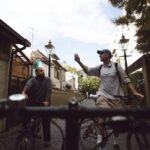
If you want a relaxed day, it helps to tell your guide your walking comfort level upfront. One review mentioned a guide driving by car to move between sites, which suggests some guides may use driving depending on your preferences and route practicality. You should still expect to do some walking on foot around major sights.
Kyoto Botanical Gardens as a Slow-Start Option
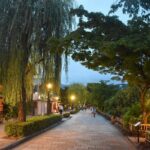
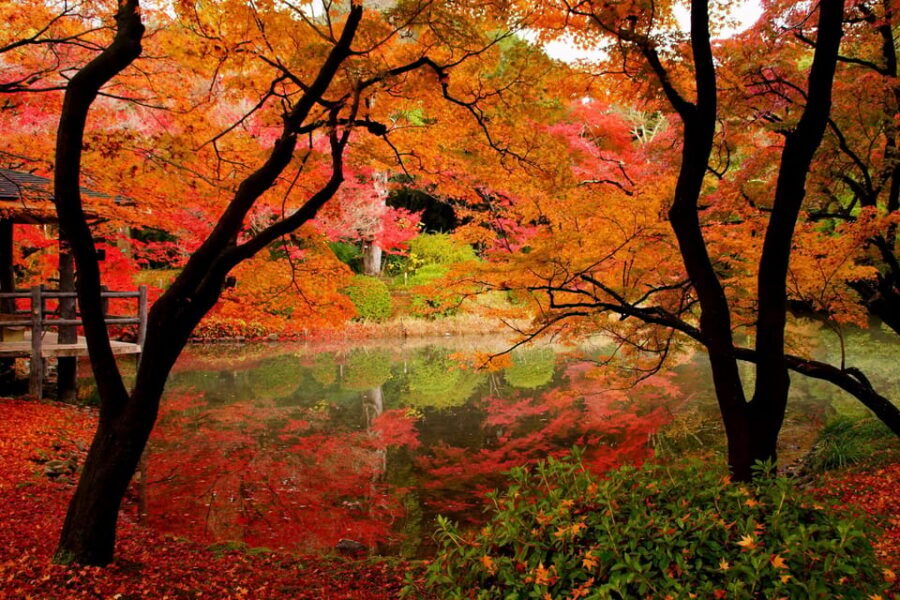
If you choose the Kyoto Botanical Gardens start, you get a gentler way into the day. A guided visit here can act like a reset button: calm pacing, time to ask questions, and an easier warm-up before the famous temple crowd.
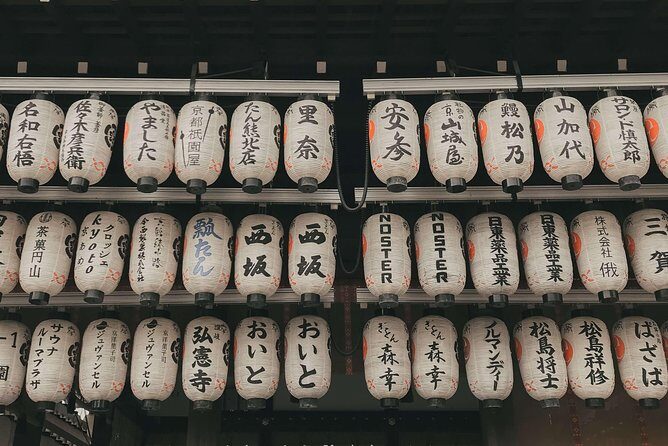
This also helps if your group has people who prefer something other than constant temple steps. Botanical areas can be a good contrast day-to-day, especially when you want your Kyoto photos to show more than lantern-lit streets and temple facades.
The only caution is timing. Gardens tend to reward unhurried movement, so if you are trying to pack in every landmark, you might need to agree on a realistic length here. The nice part is that the tour is customizable—you can spend less time if you want to prioritize Kinkaku-ji and Kiyomizudera.
Think of this start as a mood setter. If the day is going to include bamboo, old neighborhoods, and temple viewpoints, beginning with something quieter can make the rest of the day feel more balanced.
Kinkaku-ji and Arashiyama Bamboo Forest: Icons, Different Feelings
One strong route moves from Kinkaku-ji to Arashiyama Bamboo Forest. You get two of Kyoto’s best-known visual moments, but they hit differently.
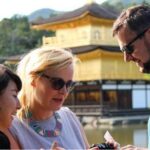
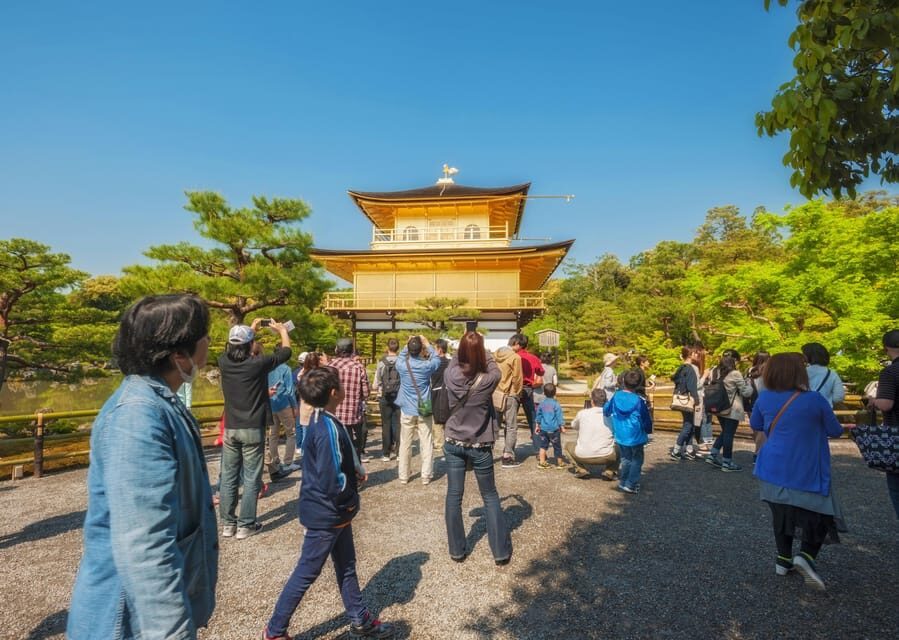
At Kinkaku-ji (Golden Pavilion), you’re not just looking at a structure—you’re looking for the design choices that create that shimmering, iconic effect. I like this stop because it is a place where your guide can point out what to notice so you are not standing there wondering what matters. If you time it well, it can feel like you are watching a famous scene become real.
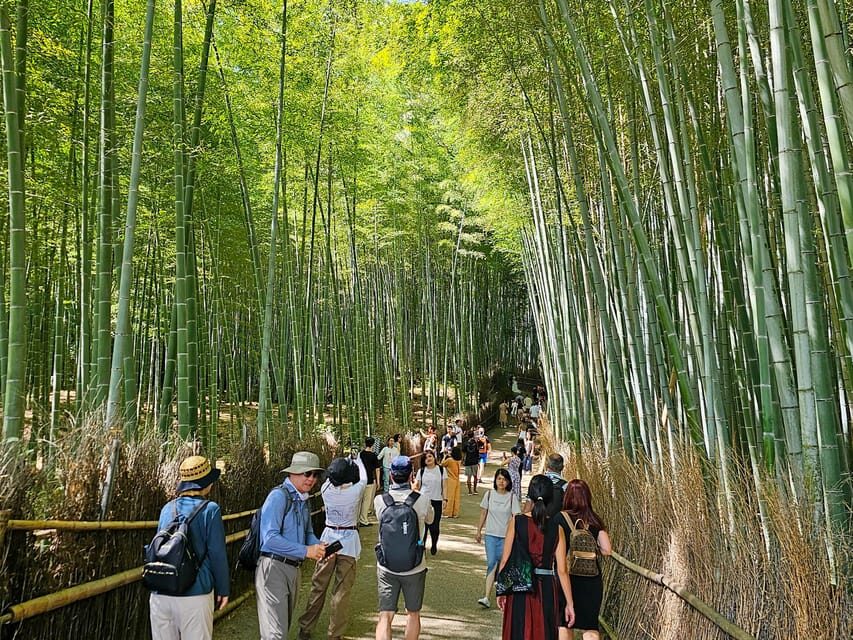
Then the day shifts to Arashiyama Bamboo Forest, where the experience is more about atmosphere and walking through the space. This is a spot where guidance is useful for managing how you move, where you pause, and how you keep your time efficient. If you are the type who likes details—light through leaves, the way paths frame views—this kind of stop can be your favorite part of the day.
A practical drawback: these iconic sites can involve more foot travel than people expect. Even if you are not racing, you still want comfortable shoes and a camera ready. Also, because entrance fees are not included, budget for ticket costs separately so you are not surprised later.
Tenryuji and Hōkan-ji: Where Slowing Down Pays Off
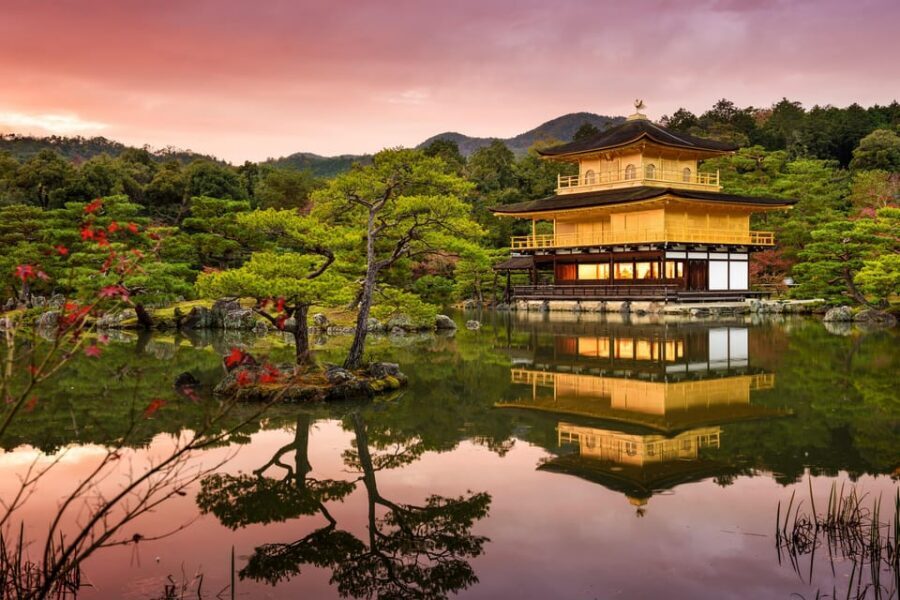
After Kinkaku-ji and bamboo, you continue to Tenryuji Temple and Hōkan-ji Temple. This is the portion of the day where a guide’s judgment really helps.
Temple grounds can be wide, and the best experience often comes from choosing the right route through them. With a private guide, you can spend time where the views and viewpoints are best for your pace, rather than feeling like you must cover every corner.
In a day that also includes old streets and panoramic temple overlooks, Tenryuji and Hōkan-ji work as stabilizers. They give you a chance to switch from “see the postcard” mode to “understand the place” mode. A guide can share cultural context and explain how these sites fit into Kyoto’s wider religious and artistic traditions.
Here is the practical consideration: if you are trying to do everything, these stops can turn into hurried wandering. The fix is simple—agree on how long you want per temple. This tour’s strength is that you control that, instead of accepting a fixed schedule that pushes you along.
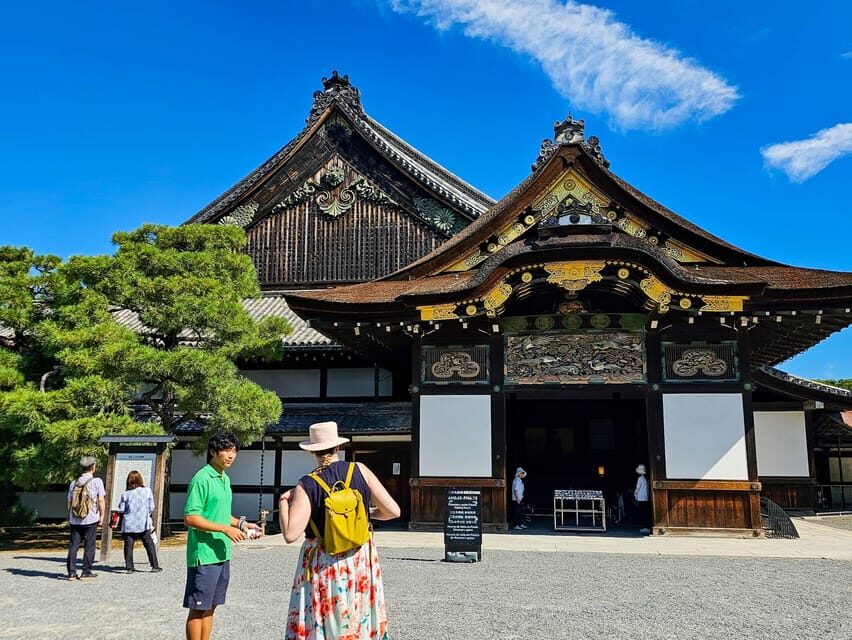
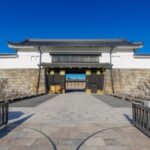
If you want to add variety to your plan, you can ask your guide about other World Heritage options like Nijo Castle grounds and gardens. That can shift the day toward palace-era visuals and garden pacing.
You can also read our reviews of more historical tours in Kyoto
Sannenzaka and Ninenzaka: Old Streets You Can Actually Walk
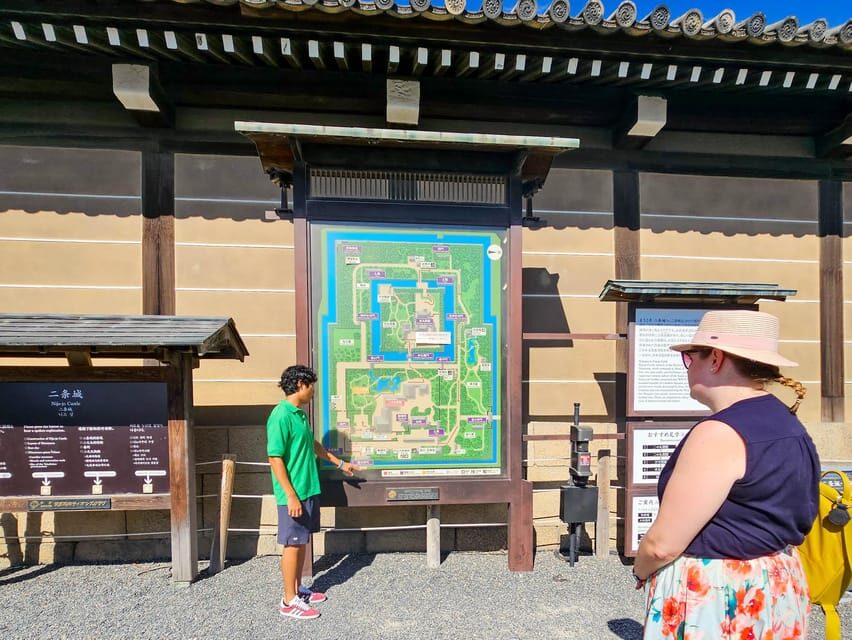
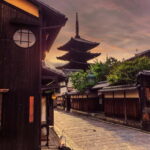
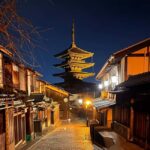
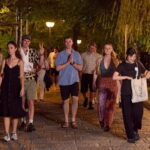
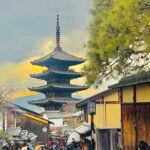
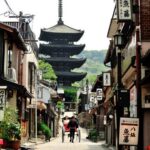
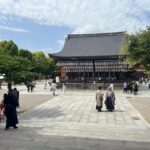
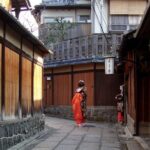
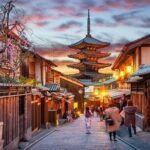
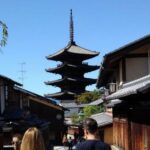
The stop pattern then changes into the classic Kyoto neighborhood feel with Sannenzaka and Ninenzaka. These are the slopes and streets that many first-time Kyoto visitors instantly recognize, but the best way to enjoy them is on foot with enough time to pause.
This is also where a guide helps you slow down in the right places. You can take photos, browse what interests you, and learn what you are seeing without feeling like you are missing the important details. The tour format is especially good here because you can decide whether you want a quick pass-through or a longer wander.
One drawback to know: these street areas tend to be step-heavy and involve uneven pedestrian movement. If you or anyone in your group has mobility limitations, you might want to skip or reduce time here. Also, remember the tour is not suitable for people with mobility impairments, heart problems, or respiratory issues, so choose a route that fits your group’s comfort.
If your day feels rushed, Sannenzaka and Ninenzaka can feel like a checklist item instead of a Kyoto memory. The whole point of going private is to avoid that, so tell your guide you want a paced stroll rather than a fast walk-by.
Kiyomizudera Views and the Genko-an Drop-Off
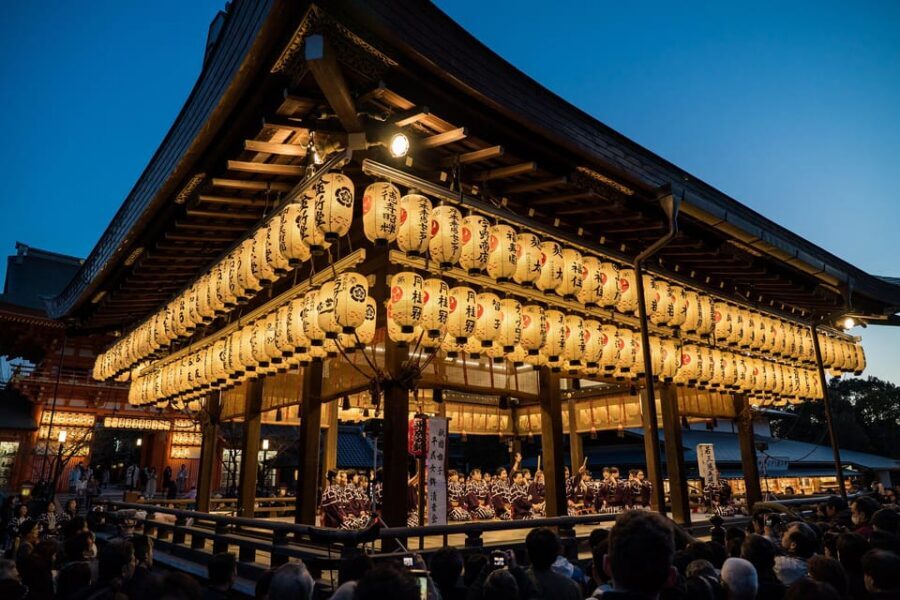
The day’s finale in the common route is Kiyomizudera, with a drop-off at Genko-an. Kiyomizudera is famous for its dramatic viewpoints, and this is the point where the day often feels worth it—when you finally look out and see why people plan Kyoto trips around this temple.
Your guide can help you time your visit and choose where to stand, so you get the view without feeling lost. It also helps with orientation inside the complex so you do not waste precious minutes looping the wrong way.
Then comes the Genko-an drop-off. Having a defined end point matters in Kyoto. You are not stuck deciding what to do next on the fly. You can transition to your own exploring after the tour ends.
Budget tip: since entrance fees are not included, you should carry enough for tickets at Kiyomizudera and any other paid sites your route includes. Bring cash as suggested, and plan to keep water in your day bag if you can.
If you are hoping to balance big temples with a softer neighborhood pace, ending with Kiyomizudera plus the Genko-an area is a strong finish. It gives you both a view moment and a clear exit plan.
Price and What $203 Per Person Really Buys You
At $203 per person for 8 hours, the value is less about luxury rides and more about control and reduction of planning stress. You are paying for an English or Spanish guide, private pacing, and the ability to shape the day around your must-sees.
Entrance fees, transportation, meals, and personal expenses are not included. That means your total day cost will be higher than the ticket price once you add site tickets and getting between areas. I see this as normal in Kyoto, but you should go in ready so the final bill does not surprise you.
Where the money makes sense: if you care about seeing several major sites without spending your whole day trying to map your own route. It also makes sense if your group has mixed interests, since you can adjust order and time rather than forcing everyone into a one-size-fits-all plan. The small group cap of up to 9 adds comfort if you worry about crowding on a shared tour.
Where it might not be ideal: if you already love self-guided temple hopping and do not mind translating your way through directions and context. In that case, the guide cost might feel unnecessary. But if you want explanations and practical navigation help, this is a straightforward way to get it.
Finally, the day’s flexibility is a hidden value driver. Setting your start time and adjusting based on what you feel like doing can turn Kyoto from a task list into a real experience.
Who Should Book This Kyoto World Heritage Tour, and Who Should Skip It
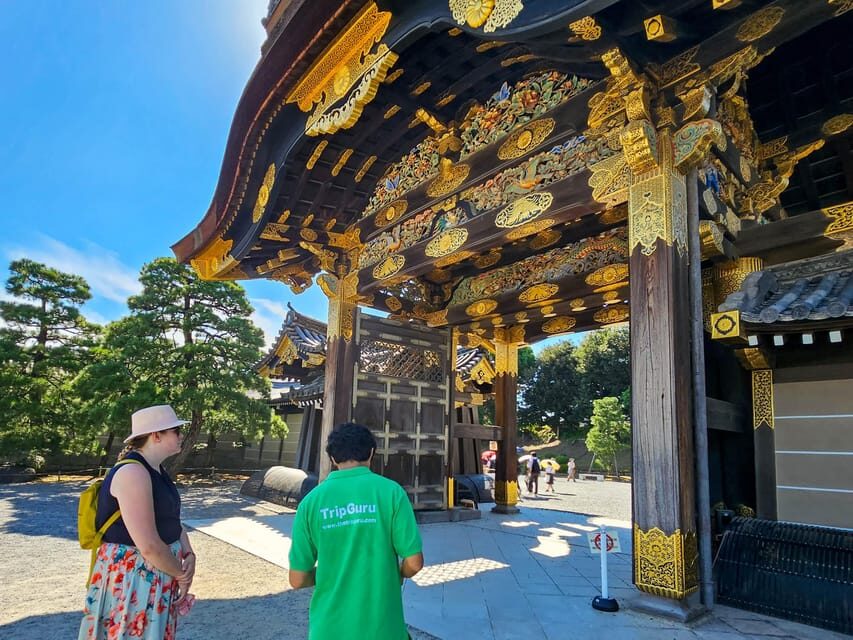
This tour fits you if you want a guided day but hate rigid schedules. I think it is especially good for couples, small families, and friends who can communicate preferences clearly and want your time protected. It also works well if you want help building a plan with distance and variety in mind, rather than trying to squeeze everything into 8 hours and ending up tired.
It may not fit if anyone in your group has mobility impairments, is pregnant, or has heart or respiratory issues. The combination of temple steps, slopes, and lots of walking makes this a tough day physically. You should also plan to keep the pace realistic, since the whole route depends on how long you want to spend at each stop.
If you want a “best of Kyoto” feeling without doing heavy planning, consider booking. If you want pure spontaneity and you already know how you’ll navigate between sites, you might not need a private guide.
Should you book?
Yes, if you want control, explanations, and a smoother route through top Kyoto World Heritage areas. I would book it when your time is limited and your priorities are clear. If your budget can handle entrance tickets and transportation fees on top, this is a strong way to get a memorable Kyoto day without turning your trip into a stress test.
FAQ
How long is the Kyoto private full-day tour?
It lasts 8 hours.
Can I customize the places I visit?
Yes. You can choose the attractions you want to see and create your own itinerary, and the tour can be customized based on your requirements.
Where do we meet?
The meeting point may vary depending on the option booked, with options including Kitaoji Station, TULLY’S Coffee Randen Arashiyama Station Shop, or Kyoto Botanical Gardens.
Is hotel pickup or drop-off included?
No. Hotel pick up and drop off are not included.
Are entrance fees included?
No. Entrance fees are not included.
Are transportation costs included?
No. Transportation fees are not included.
What languages are the guides?
The tour guide is available in Spanish and English.
Is this tour suitable for people with mobility impairments?
No. It is not suitable for people with mobility impairments. It is also not suitable for pregnant women, people with heart problems, or people with respiratory issues.