REVIEW · MORNING
Kyoto Morning Run tour with local guide-Discover new Kyoto-
Book on GetYourGuide →Operated by Kyoto compass tour · Bookable on GetYourGuide
Sunrise, temples, and a good pace. This Kyoto Morning Run is a smart way to see the city before crowds, while you jog past rivers and shrine streets in cooler morning air.
I especially like the way the route choices turn Kyoto into a morning walk-about, not a checklist. You also get a different course each day, so repeats don’t feel like replays.
My second favorite part is the small-group feel, capped at 6 people, with an English-speaking guide (reviews highlight guide Itsuki’s clear English and friendly style). The pace stays “workout-ish” without feeling like a race—one runner even noted it clocked around 8 km with breaks and photo stops that kept it low aerobic.
One drawback: this is not for people with low fitness or mobility limits, and temple/shrine entrances may cost extra since entrance fees are not included.
In This Review
- Key things to know before you lace up
- Where the tour starts: Misayama Park at Kyoto’s quiet hour
- The real value of a Kyoto morning run (it’s not just exercise)
- Price and what you actually get for $25
- How the guide keeps it enjoyable: pace, breaks, and “low aerobic” momentum
- Route choice is the whole point: Eastern Zen, Riverside Kyoto, Imperial Legacy
- Eastern Zen Route: Heian Shrine, Nanzen-ji, Philosopher’s Path, Ginkaku-ji
- Riverside Kyoto Route: Kamo River rhythm and Shimogamo Shrine
- Imperial Legacy Route: Kyoto Gyoen gardens, Kitano Tenmangu, Seimei Shrine, and Nijo Castle
- What the stops feel like in real time (and what you can skip)
- Getting ready: what to bring (and what not to bring)
- Who should book this Kyoto Morning Run?
- Should you book it? My practical take
- FAQ
- How long is the Kyoto Morning Run tour?
- What is the meeting point?
- What’s included in the price?
- Are temple and shrine entrance fees included?
- What routes are offered?
- What should I bring?
- Is this tour suitable for kids or strollers?
Key things to know before you lace up
- Three repeatable routes: Eastern Zen, Riverside Kyoto (Kamo River + Shimogamo), and Imperial Legacy
- Small group, limited to 6 for a calmer run and easier guide attention
- English live guide with enough stopping time for photos and short visits
- Morning pacing with breaks so you’re active, not steamrolled
- Entrance fees not included so you may pay at gates if you want to go inside
Where the tour starts: Misayama Park at Kyoto’s quiet hour
The Kyoto Morning Run meets at Misayama Park (御射山公園), in front of a cake shop. That matters because you’re beginning in the calmer pocket of the morning, when Kyoto still feels local instead of tour-loaded.
The tour is 90 minutes. That’s short enough to fit into a busy itinerary, yet long enough to feel like you actually moved through neighborhoods instead of just circling one area. You’ll run, but the day is built with break time, a photo stop, and guided stops/visits—so you’re not constantly in motion.
You’ll also want to plan your timing around weather. The tour runs in the morning, and rain can happen. Bring your basics and you’ll be fine; one review specifically noted rain made the run cooler and easier.
You can also read our reviews of more guided tours in Kyoto
The real value of a Kyoto morning run (it’s not just exercise)
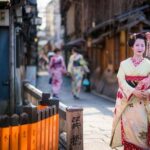
Yes, you get a workout. But this tour is more about how movement changes what you notice. Running at sunrise forces you to slow down in a different way: you’re covering distance, but you’re also present for the small stuff—light on stone, the quiet rhythm near water, and the early-day routine of people out and about.
The guide also helps you connect the dots. You’re not just seeing named places; you’re hearing what they mean as you pass them. That’s where the experience becomes more than pretty scenery.
And because the group is limited to 6, you’re less likely to feel like you’re being herded. You can ask questions, adjust your pace, and stay with the flow. It’s the kind of tour that feels social without being chaotic.
Price and what you actually get for $25
At $25 per person for 90 minutes, the pricing is built around the two things that cost money in Kyoto: a local guide and early-morning time on your feet. You’re not paying for private transportation or hotel pickup (those are not included), so you’re essentially paying for a guided route and hands-on help moving through the city.
Here’s the trade-off. Entrance fees are not included. That means if you decide to go inside any temples or shrines, you’ll likely pay separately. Also, meals and drinks are not included, so you’ll want your own water and any small snack plan for after.
Still, for visitors who want to see more than one neighborhood without spending the whole morning commuting, it’s a strong value. It’s also great if you’re the type who likes to start the day doing something active instead of hunting landmarks in a sea of late-morning crowds.
How the guide keeps it enjoyable: pace, breaks, and “low aerobic” momentum
This isn’t marketed as a marathon training plan, and it shouldn’t be. The route includes planned pauses: break time, photo stops, and short guided visits. That changes the whole feel of the run.
One reviewer described the experience as “low aerobic” on a GPS watch even though the distance came to about 8 km. That’s a helpful clue if you’re wondering whether you’ll be exhausted at the end. You should expect steady running between stops, but the structure helps you keep the effort reasonable.
A small group also makes it easier for the guide to manage pace. If someone needs to catch their breath or slow down, the group can adjust. Just be honest with yourself about fitness first—this tour is not suitable for people with low level of fitness.
Route choice is the whole point: Eastern Zen, Riverside Kyoto, Imperial Legacy
What makes this Kyoto Morning Run especially fun is that every day offers a different route. You can join multiple mornings and keep the experience feeling fresh.
The tour provides 3 unique routes. You’ll need to contact to know the route of the day.
You can also read our reviews of more tours and experiences in Kyoto

Eastern Zen Route: Heian Shrine, Nanzen-ji, Philosopher’s Path, Ginkaku-ji
If you want the classic Kyoto-spirit morning, this is your route. It’s designed for serenity: Kyoto’s serene district focus with a mix of shrine space, temple atmosphere, and a peaceful walking-running corridor.
On this course, you jog past:
- Heian Shrine
- Nanzen-ji Temple
- Philosopher’s Path
- Ginkaku-ji (Silver Pavilion)
Why it works at sunrise: this area tends to feel calmer early, and the Philosopher’s Path experience is all about light and stillness. You’ll also get more than one “style” of sight in one run—shrine gardens, temple structures, then a long ribbon of path by the water.
Possible drawback: you’re relying on morning mood and weather. If the air is cold or damp, dress accordingly and expect the pace to feel different than a dry morning run.
Riverside Kyoto Route: Kamo River rhythm and Shimogamo Shrine
This is the route for vibes. You run along the Kamo River, greet early-rising locals as the day begins, and then head to Shimogamo Shrine—described as an ancient UNESCO gem nested in the forest in the tour info you were given. (In practice, that “forest feel” is the point: it’s quieter than you’d expect and a nice change of pace from city streets.)
This route includes:
- Kamo River
- Shimogamo Shrine
Why you’ll like it: the river gives you a natural sense of direction. It’s also a great place for photos because the scenery has depth—water, banks, and long sight lines.
One practical consideration: riverside running can mean slick or uneven patches depending on the morning conditions. Wear comfortable running shoes (not boots) and keep your feet focused.
Imperial Legacy Route: Kyoto Gyoen gardens, Kitano Tenmangu, Seimei Shrine, and Nijo Castle
This course is for people who like Kyoto’s planned spaces—palace grounds, shrine compounds, then a finishing view of a major landmark.
Included stops/areas:
- Kyoto Imperial Palace gardens (Kyoto Gyoen)
- Kitano Tenmangu
- Seimei Shrine
- Finish with a view of Nijo Castle
Why it feels special: palace-garden space gives you a little breathing room, and the shrine sequence gives you variety without turning the run into a sprint between far-flung points. You get a sense of how different Kyoto sites work together in the same morning.
Possible drawback: if you’re only interested in getting inside buildings, remember entrance fees aren’t included. You might see the areas and take photos, but any paid entry is on you.
What the stops feel like in real time (and what you can skip)
Your itinerary is simple: start at Misayama Park, then you run through Kyoto with guided stops—breaks, photos, and short visits—before returning to the same meeting point.
Here’s how to think about stop moments:
- Photo stops are timed for viewpoints and composition. If you’re a photographer, this is the time to adjust settings and wait for the light.
- Guided visits are short. The point is context and quick appreciation, not an all-day temple crawl.
- Temple/shrine access may involve entrance fees since they’re not included. If you prefer to spend money on your favorite stop instead of paying for everything, you can do that by choosing what to enter.
Also, you’ll be walking and running at sunrise. The “slow aerobic” effect comes from the combination of running segments and these pauses. Plan to feel pleasantly tired, not wrecked.
Getting ready: what to bring (and what not to bring)
If you want the morning run to feel smooth, pack like it’s a light day hike plus a workout.
Bring:
- Comfortable running shoes
- Hat
- Drinks and water
- Sunscreen
If you forget water, you’ll probably feel it. Kyoto mornings can still be sunny, and you’re moving for 90 minutes.
Not allowed:
- Baby strollers / baby carriages
- Smoking
- Alcohol and drugs
- Boots
Also, the tour is not suitable for:
- Children under 6 years
- People with mobility impairments
- Wheelchair users
- People with altitude sickness
- People with low level of fitness
- Babies under 1 year
- People over 95 years
If any of those apply, I’d skip this tour and choose a slower-paced experience.
Who should book this Kyoto Morning Run?
Book it if you:
- Like a mix of movement and sightseeing
- Want sunrise views without spending the whole morning fighting crowds
- Prefer small-group energy over large tour buses
- Are happy to pay entrance fees on your own if you want to go inside
Don’t book it if you want:
- A fully relaxed walking tour with no running at all
- Long museum-style time in one place
- A hands-off tour where you don’t need to manage your own gear and hydration
- Access for strollers or wheelchair users (those are not supported)
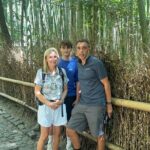
It also helps if you’re the type who enjoys learning small details. One recent participant highlighted that the guide shared secret-feeling spots you wouldn’t stumble across on your own, including a bamboo forest area. That kind of local knowledge is exactly what makes this morning run worth repeating on multiple days.
Should you book it? My practical take
If you’re spending a short time in Kyoto and you want a high-impact morning that’s active, scenic, and guide-led, I think this Kyoto Morning Run is a smart yes. The big wins are small group size, English guidance, and the fact that you can choose between three distinct routes rather than doing the same loop every day.
The main reasons to hesitate are fitness and expectations. This isn’t for low fitness, and entrance fees and your own water/snacks are on you. If you’re comfortable running steadily for about 90 minutes with breaks, you’ll likely leave feeling like you saw Kyoto in a way that actually makes sense—quiet, early, and very much alive.
If your schedule allows, consider doing it on two different mornings to hit two different routes. It’s one of the simplest ways to get more Kyoto without turning your trip into a full-time project.
FAQ
How long is the Kyoto Morning Run tour?
The tour lasts 90 minutes.
What is the meeting point?
It meets at Misayama Park (御射山公園), in front of a cake shop.
What’s included in the price?
You get a 90-minute guided morning run, different routes each day, and views of temples, rivers, and small stops.
Are temple and shrine entrance fees included?
No. Entrance fees to temples and shrines are not included.
What routes are offered?
There are 3 unique routes: Eastern Zen (Heian Shrine, Nanzen-ji, Philosopher’s Path, Ginkaku-ji), Riverside Kyoto (Kamo River and Shimogamo Shrine), and Imperial Legacy (Kyoto Imperial Palace gardens, Kitano Tenmangu, Seimei Shrine, finishing with a view of Nijo Castle).
What should I bring?
Bring comfortable running shoes, a hat, drinks, sunscreen, and water.
Is this tour suitable for kids or strollers?
It is not suitable for children under 6, and baby strollers are not allowed.