REVIEW · MORNING
Kyoto: Early Morning Walking Tour with Local Guide
Book on GetYourGuide →Operated by Kyoto Mikey Adventures · Bookable on GetYourGuide
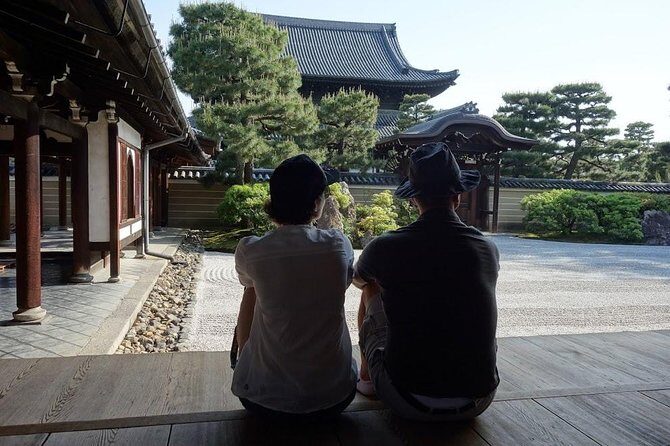
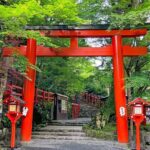
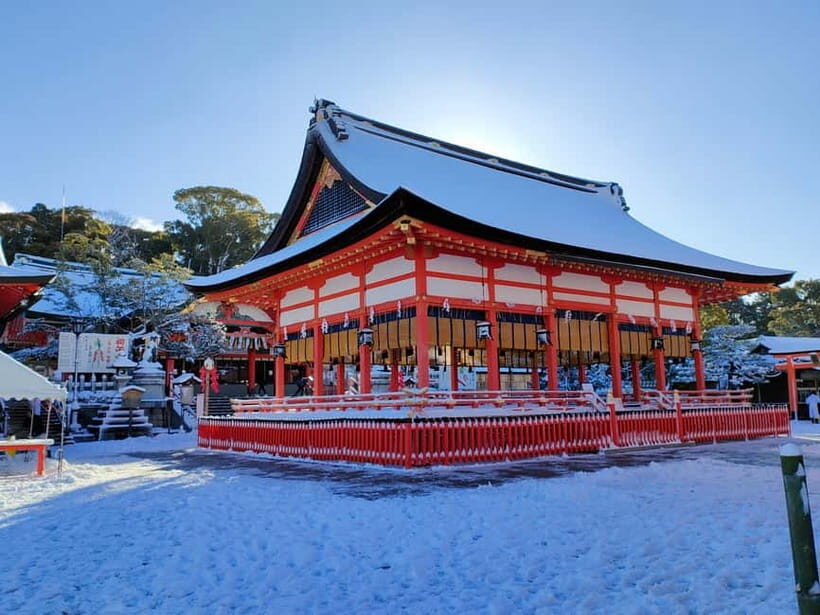
Dawn turns Kyoto into a quiet movie. This early-morning Kyoto tour is built around serenity—temples, shrines, and old lanes—before the city fills in. You’ll also get to see the torii gates at Fushimi Inari Taisha in a calmer rhythm than you’d expect later.
I especially like the way the tour focuses on key places—Kiyomizu-dera, Gion, Chion-in, Yasaka Shrine, and then Fushimi Inari—without wasting time in lines. And I like that your guide, Michele, brings local context and adjusts the pace when you need it. One consideration: you’ll be walking for about six hours, and food/drinks aren’t included, plus the Kiyomizudera entrance fee (about $3) is on you.
In This Review
- Key Things You’ll Notice on This Kyoto Morning Walk
- Meeting Near Kiyomizu: How You’ll Start Calm, Not Rushed
- Kiyomizu-dera and the Koyasunoto Pagoda: Views With Breathing Room
- Gion in the Quiet Hours: Seeing the Geisha District From the Inside
- Sannen-zaka and Ninen-zaka: The Old Kyoto Lanes You’ll Actually Enjoy
- Yasaka Pagoda and Yasaka Shrine: Iconic Kyoto, Not Just Postcard Kyoto
- Chion-in Temple: Architecture Time That Doesn’t Feel Rushed
- The Train to Fushimi Inari: Ending With the Torii Gates and Easy Rail Access
- Why Michele’s Guide Style Makes This Tour Worth It
- Price and Value: How $316 Can Work (If You Fill Your Group)
- Who This Kyoto Morning Tour Suits Best (and Who Might Want Something Else)
- Should You Book This Early Morning Kyoto Tour?
- FAQ
- Where does the tour meet?
- How long is the tour?
- Is this tour private?
- What language is the live guide?
- Which major places are included?
- What is not included in the price?
- How does the tour end and how do I continue after?
Key Things You’ll Notice on This Kyoto Morning Walk
- Start-with-the-calm timing so you can actually enjoy the shrines and streets, not just pass through them
- Michele’s guide style—prepared, flexible, and heavy on real-world Japanese daily life and rituals
- Old-street wandering in Sannen-zaka and Ninen-zaka where Kyoto feels older than the guidebook photos
- Yasaka-area landmarks including the five-story Yasaka Pagoda and Yasaka Shrine
- Chion-in Temple for a slower look at impressive architecture
- A train hop to Fushimi Inari so you end with easy access to the rail network
Meeting Near Kiyomizu: How You’ll Start Calm, Not Rushed
Your morning begins in Higashiyama, around the Kiyomizu-dera area. The default meeting point is at the FamilyMart in front of Higashiyama Fire Station (4 Chome-182-18 Kiyomizu, Kyoto). If that’s not convenient, you can request to meet at your hotel somewhere in Kyoto city—helpful if you’re tired of hunting for tiny streets before sunrise.
This matters because early-morning tours succeed or fail on logistics. When you’re already oriented near Kiyomizu-dera, you lose less time and arrive when the light is still soft and the crowds are still low. You also get a private group format (up to 10 people), which usually means the guide can adjust for your group’s pace without turning it into a herding exercise.
Bring the basics: comfortable shoes, water, sunscreen, and your camera. Even in cooler early hours, you’ll appreciate water once you’ve been on foot for a while.
You can also read our reviews of more walking tours in Kyoto
Kiyomizu-dera and the Koyasunoto Pagoda: Views With Breathing Room
Kiyomizu-dera is the kind of place people rush through—because it’s famous and everyone has the same timing. The value here is that you’re there early enough to feel the calm part of Kyoto first.
You’ll start with the Kiyomizu-dera Koyasunoto Pagoda area and spend about an hour sightseeing there. The highlight is the breathtaking views in a peaceful setting before the day crowds arrive. Even if you’ve seen photos, the experience feels different when the stairways and viewpoints aren’t jammed.
Two practical tips I’d take with you:
- Plan on slow stops for photos. Early light looks better, but only if you have time to frame shots.
- If you’re sensitive to crowds, this is exactly the moment you’ll appreciate the early start most.
Also note: the Kiyomizudera entrance fee isn’t included (listed as about $3). So budget a small amount for tickets, and you won’t be surprised later.
Gion in the Quiet Hours: Seeing the Geisha District From the Inside
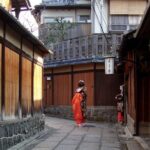
After Kiyomizu-dera, you’ll walk toward Gion, Kyoto’s famous geisha area. The key is timing. In the quiet morning hours, Gion doesn’t feel like an open-air set—it feels like a neighborhood. You’re seeing the district before the day’s energy kicks in.
You’ll spend about an hour here, which is a good length: long enough for atmosphere, short enough that you’re not stuck in the middle of things when the streets start to fill.
What you’ll get most from this section is perspective. It’s not just “look at buildings.” It’s a chance to notice how people move through the area day-to-day, and how tradition shows up in small, everyday ways—something Michele tends to explain as you walk.
If you’re traveling with kids, this is also a section where a guide’s pacing helps. The better the guide, the easier it is to keep everyone engaged without turning the morning into a strict march.
Sannen-zaka and Ninen-zaka: The Old Kyoto Lanes You’ll Actually Enjoy
Next you’ll wander through Sannen-zaka and Ninen-zaka, two of the traditional street lanes where the spirit of old Kyoto still feels alive. These lanes are well known, so the early timing is doing real work for you: you can look closely at the streets and details instead of constantly weaving around crowds.
This is one of those parts of Kyoto where the “what” is obvious (traditional lanes), but the “how” makes the difference. In the morning, you get more time to slow down, stand back, and take photos without constantly stepping aside.
Here’s what I’d watch for:
- Go at a comfortable walking pace and pause whenever the street view opens up.
- Don’t treat it like a checklist. Let the lane rhythm guide you—shopfronts, stone steps, turning corners.
If you only visit old streets later in the day, it’s easy to miss how they feel. Early morning helps you remember Kyoto as a place with movement and life—not just a backdrop.
Yasaka Pagoda and Yasaka Shrine: Iconic Kyoto, Not Just Postcard Kyoto
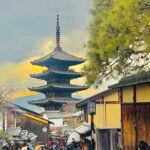
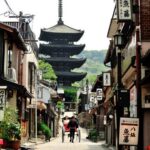
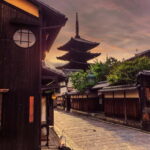
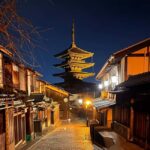
Your route then brings you into the Yasaka area, including the five-story Yasaka Pagoda and Yasaka Shrine. This is a “big deal” stop in Kyoto, which means people come here for the photos. But the point of doing it early is that you can actually enjoy the space around the landmark, not just snap and move.
You’ll spend time at Yasaka Shrine (about 30 minutes). You’ll also take in the iconic pagoda sight. The tour balances viewing the headline features with giving you enough time to understand what you’re seeing and why the location matters.
One thing Michele is good at here: connecting the visual landmarks to the way Japanese culture shows up in daily routines and ceremonies. That turns the shrine visit from a quick stop into something you can carry with you after the tour ends.
You can also read our reviews of more guided tours in Kyoto


Chion-in Temple: Architecture Time That Doesn’t Feel Rushed
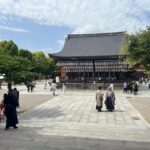
Then comes Chion-in Temple, where you’ll get about 30 minutes of sightseeing. The focus here is the architecture—impressive enough to earn the time, but paced so you’re not sprinting from doorway to doorway.
Chion-in works as a reset after the more photo-driven Yasaka area. Instead of chasing the next iconic view, you slow down and look at the design and structure. It’s the kind of stop that rewards a calmer morning schedule.
If you like places where you can feel the atmosphere through space and materials, this is a good match. And because the tour is private, your guide can steer the visit toward what you care about most—whether that’s visual details, cultural context, or just the best angles for photos.
The Train to Fushimi Inari: Ending With the Torii Gates and Easy Rail Access
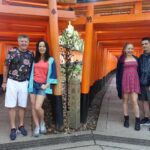
Your tour finishes at Fushimi Inari Taisha, famous for its endless red torii gates. The plan includes a local train transfer (about 15 minutes), which is smart—because it keeps the morning from turning into hours of unnecessary walking.
You’ll spend about an hour at Fushimi Inari. Ending here is a strategic choice: it’s iconic, and the guide helps you arrive at a time when you can experience the torii corridor without feeling like you’re stuck in a constant traffic jam.
When you leave, you’ll also have easy access to trains, which makes it simpler to continue your day. This matters if your next plan is shopping, lunch, or just another temple stop.
Practical note: bring water. The torii-gate walk can be steady, and even if you don’t do every step, you’ll still want to keep your energy for the full experience.
Why Michele’s Guide Style Makes This Tour Worth It
The most praised part of this tour isn’t only the sights. It’s how you move between them. Michele is described as prepared and flexible, and that shows in two important ways.
First, Michele helps you see Kyoto without rushing. You’re not sprinting for time slots. Instead, you get a pace where you can take in details and ask questions.
Second, Michele adapts when needed. One of the most helpful notes from the experience is that the tour is doable with children. That doesn’t mean it’s a child-only tour. It means the guide understands how to keep attention and momentum for different group needs.
You also get stories that go beyond names of temples. Michele shares anecdotes about Japanese society and everyday life, plus explanations around rituals you may otherwise miss. That’s the kind of context that makes landmarks more memorable after you’ve left the site.
Price and Value: How $316 Can Work (If You Fill Your Group)
The price is $316 per group, up to 10 people, for about 6 hours. That pricing structure is often the difference between a tour that feels expensive and one that feels fair.
Here’s the simple math:
- If you have 10 people, it’s about $31.60 per person.
- If you’re a smaller group, it climbs—so this tour fits best when you can split the cost.
What you get for that cost is a guided walk that covers multiple major Kyoto stops in one morning, with a private group format and an English/Italian live guide. You’re also saving time you’d spend figuring out routes, timing, and which areas to prioritize early.
What isn’t included is also part of the value equation: food/drinks aren’t included, and you pay the Kiyomizudera entrance fee (about $3). Transportation to the meeting point and from the end point also isn’t included. If you plan ahead, those are manageable add-ons—but they’re real costs, so factor them in.
Who This Kyoto Morning Tour Suits Best (and Who Might Want Something Else)
This tour is a strong choice if you want:
- A quieter Kyoto experience, with early access to temples and shrines
- A guided route that covers Kiyomizu-dera, Gion, Sannen-zaka/Ninen-zaka, Yasaka Pagoda/Shrine, Chion-in, and Fushimi Inari
- A private group pace that can adjust if you’re traveling with kids or you just want a calmer morning
It’s less ideal if you want a slow, unstructured day where you wander independently and don’t want to stay on a set route. You’re going to walk, hit key stops, and keep moving—this is a guided sightseeing morning, not a free-form stroll.
And if you’re very tight on budget, the entrance fee and personal food/drink costs will add something to the total. But if you split the group cost, it usually feels much more reasonable.
Should You Book This Early Morning Kyoto Tour?
Yes—if your priority is experiencing Kyoto before it becomes crowded and you’d rather have someone guide you through the timing and the details. I’d book it if you want a balanced morning: iconic sites, old streets, and enough context to make the day feel meaningful.
I’d also book it if you value a guide who can handle real group needs. Michele’s reputation for flexibility and storytelling is exactly what turns a checklist tour into an actual experience.
Just do a small bit of prep: wear good walking shoes, bring water, and keep a little cash for the Kiyomizudera entrance fee. If you do that, this early Kyoto walk is a smart, enjoyable way to see the city at its most peaceful.
FAQ
Where does the tour meet?
You meet at the FamilyMart in front of Higashiyama Fire Station (4 Chome-182-18 Kiyomizu, Higashiyama Ward, Kyoto). You can also request to meet at your hotel in Kyoto city.
How long is the tour?
The tour lasts about 6 hours.
Is this tour private?
Yes. It’s a private group tour, up to 10 people.
What language is the live guide?
The live guide offers English and Italian.
Which major places are included?
The tour includes Kiyomizu-dera Temple, Gion District, Sannen-zaka & Ninen-zaka Streets, Yasaka Pagoda, Yasaka Shrine, Chion-in Temple, and Fushimi Inari Shrine.
What is not included in the price?
Food and drinks are not included. The Kiyomizudera entrance fee (about $3 USD) is not included. Transportation to the meeting point and transportation from the end point are also not included.
How does the tour end and how do I continue after?
The tour ends at Fushimi Inari Shrine (Fushimi Inari Taisha) with easy access to trains.