REVIEW · GEISHA & MAIKO TOURS
Kyoto Gion Private Tour with a Local Guide – Geisha District
Book on Viator →Operated by City Unscripted · Bookable on Viator
Kyoto’s lantern streets feel like a time machine. This private walking tour takes you through Gion’s traditional lanes and teahouse-lined streets, then finishes in Pontocho Alley with a local perspective that makes the details click. You’ll also stop at Yasaka Shrine, one of Kyoto’s biggest festival landmarks, and walk through the photo-worthy lanes near Shinbashi Dori and Tatsumi Bridge.
What I like most is the one-on-one feel: your guide’s attention is fully on your questions, and they can adjust the pace and focus after a short questionnaire. I also like that the tour is designed around specific cultural landmarks, not just sightseeing checkboxes, so you’re learning what to notice while you’re standing right in front of it.
One thing to keep in mind: this is a walking experience in a crowded, heavily photographed district. If you’re hoping for a geiko or maiko sighting, don’t assume it will happen on cue, and be ready to accept that sometimes the streets are simply busy with everyday life.
In This Review
- Key highlights at a glance
- Why Gion feels different with a private guide
- Starting point near Shijo-Kawaramachi: easy to plug into your day
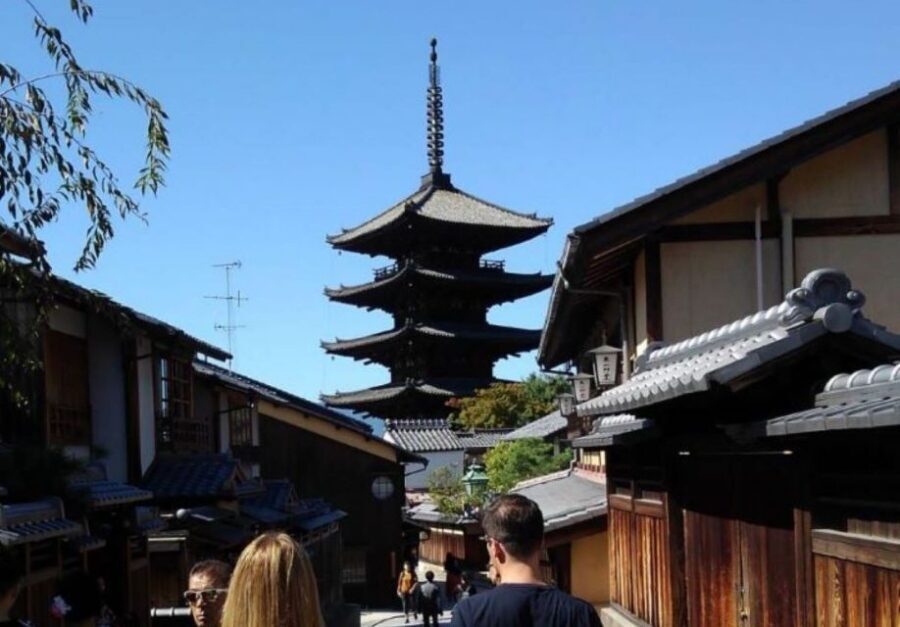
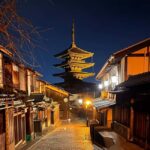
- Gion’s lantern-lit streets, machiya houses, and teahouse culture
- Yasaka Shrine: festivals, Shinto basics, and why it matters here
- Shinbashi Dori and Tatsumi Bridge: willow lanes and local photo lore
- Pontocho Alley at the end: narrow lanes, small stops, and dinner ideas
- Price and value: what $101.57 really buys you
- What to watch for: geisha expectations, guide fit, and crowd reality
- Who this tour is best for
- Should you book this Gion Private Tour?
- FAQ
- How long is the Kyoto Gion Private Tour with a Local Guide?
- Is this tour private or shared?
- Where is the meeting point?
- Does the price include food or drinks?
- Is transportation included?
- Are start times flexible?
- Does the tour include a shrine visit?
- What does the tour include in terms of local culture?
- What should I know about seeing geisha or maiko?
- Is there free cancellation?
Key highlights at a glance
- Private, tailored walking with a guide who adjusts to your interests after a questionnaire
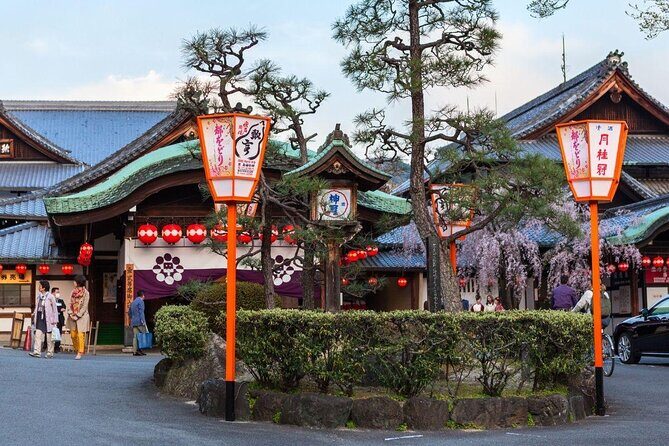
- Gion’s classic street scenes: paper lanterns, machiya houses, and well-preserved teahouse architecture
- Yasaka Shrine stop with context about its long Shinto past and major festival role
- Shinbashi Dori + Tatsumi Bridge for scenic willow-lined streets and a meaningful photo spot
- Pontocho Alley finish in a narrow lane known for food, small bars, and Kyoto atmosphere
- Flexible start time and duration so you can match your day’s rhythm
Why Gion feels different with a private guide
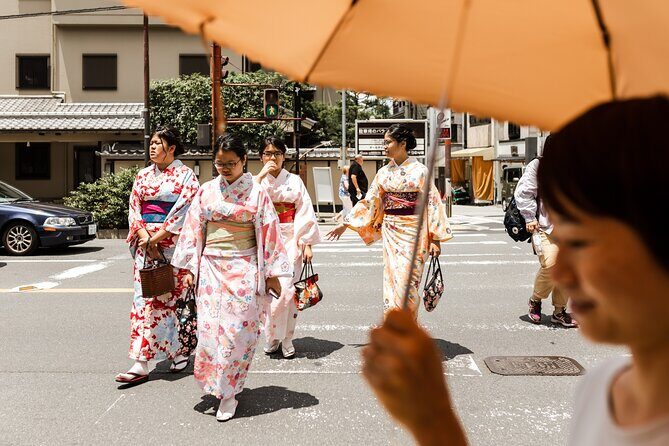
Gion is one of those places where it is easy to look and hard to understand. From the outside, you might see wooden townhouses, old signs, and lanterns. A good guide helps you connect it all to the living traditions of the area—what the streets were built for, why certain buildings stand out, and what people mean when they talk about teahouses and geiko or maiko culture.
That private format matters. With only your group, you can ask practical questions like what you should look for on the facades, how to read the cultural signals around the teahouses, and what festivals or shrine rituals have to do with this part of Kyoto. It also means the guide can slow down if you want photos, or speed up if you’d rather move efficiently.
I also appreciate that the guide isn’t locked into one script. The pre-tour questionnaire is a real tool: you can flag what you care about most—history, food suggestions, hidden-side streets, or cultural explanations—and then the guide contacts you directly to shape the walk. In past experiences, guides like Emi, Alexis, Olan, Nisa, Ai, and Milo have been praised for turning the route into a story you can follow, not a lecture you have to survive.
You can also read our reviews of more guided tours in Kyoto


Starting point near Shijo-Kawaramachi: easy to plug into your day
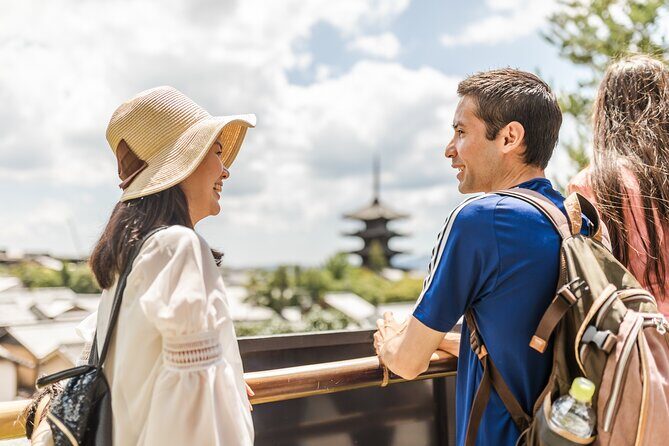
You meet at Matsumoto Kiyoshi Kyoto Shijo Kawaramachi (103-2 Hashimotochō, Shimogyo Ward). That location is handy because it sits in a neighborhood where it is easy to arrive by public transit, grab water beforehand, and orient yourself before you step into Gion’s older streets.
Pickup is offered, which can be a nice win if you are staying a bit off the main corridors. But the experience is primarily a walking tour. If you choose to use extra transport to hop between sites, you can discuss local transit or taxi options with your host, and any additional costs would be handled separately.
Time-wise, you can usually pick your start time, and the tour length is flexible in the 2 to 3 hour range. That flexibility helps because Kyoto days can swing wildly: you might be fresh in the morning or prefer the lantern vibe later, and either way you will still have enough time to see the core highlights without feeling dragged.
Gion’s lantern-lit streets, machiya houses, and teahouse culture
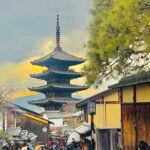
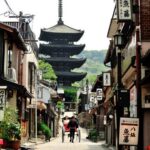
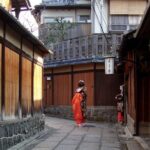
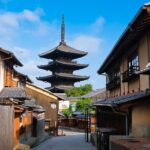
This is the heart of the tour. You’ll walk through Gion as the area is known for: narrow streets, paper lanterns, cobbled or uneven lanes, and traditional machiya townhouses that make the district feel preserved and real at the same time.
A key value here is learning what you are looking at while you walk past it. The tour focuses on the historic entertainment district feel—especially the association with teahouses and geiko or maiko culture. Your guide will point out subtle cultural markers that most visitors miss, like how the architecture and street layout reflect the neighborhood’s purpose over time.
Then you move along Gion’s famous street where historic Edo-period architecture and the ochaya (teahouse) world are part of the atmosphere. The important thing is not just seeing old buildings. It is understanding the why: how this area functioned, what kinds of spaces mattered, and how the shrine-and-district rhythms show up in daily Kyoto life.
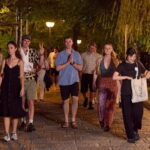
One practical consideration: Gion is popular. That means crowds, photo lines, and street-level noise. If you want calmer walking, choose a time that matches your patience level. A couple of people in the feedback also suggested doing the tour earlier in the day if you want a more relaxed pace, so factor that into your planning.
Also, do not build your entire day around a guaranteed geisha sighting. Some guests loved the cultural walk even without seeing anyone in that role, while others were disappointed when a sighting did not happen. Your best approach: enjoy the district itself, and use the guide’s explanations to make any encounter feel meaningful rather than expected.
Yasaka Shrine: festivals, Shinto basics, and why it matters here
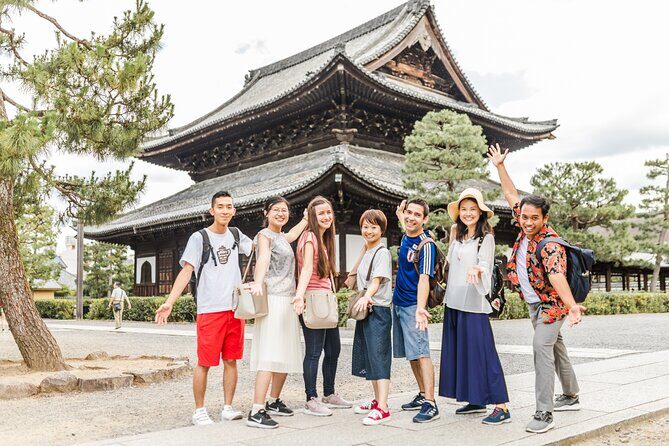
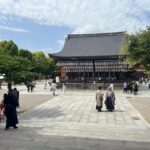
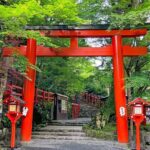
After Gion streets, the tour heads to Yasaka Shrine, a major Shinto site located between Gion and Higashiyama. The tour frames it as a spiritual anchor with more than 1,300 years of history, and that long timeline is what makes Yasaka such a powerful stop.
What you can expect is more than walking through a famous gate and snapping a photo. Your guide should help you connect the shrine to the festivals that give Kyoto its seasonal personality. Even if you do not time your trip for a big event, you’ll often start to recognize how shrine traditions influence the neighborhood’s energy—especially in a district like Gion that has cultural visibility built right into the streets.
If you like context, this stop pays off because it gives you a baseline. Once you understand the shrine’s role, you can better interpret why certain areas feel ceremonial and why the district’s look ties into Kyoto’s calendar.
Shinbashi Dori and Tatsumi Bridge: willow lanes and local photo lore
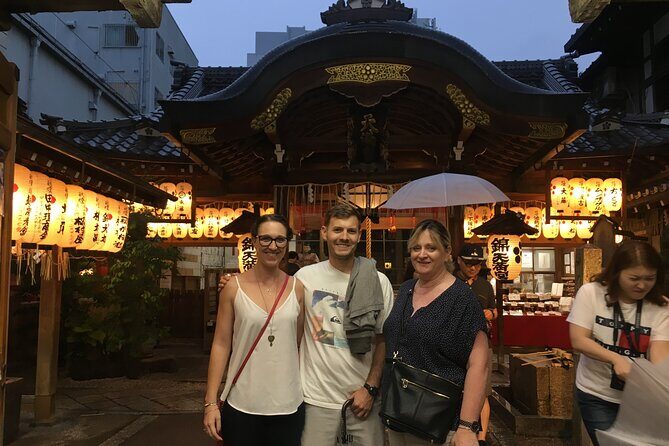
Next comes Shinbashi Dori, one of Kyoto’s more scenic streets, with willow trees and traditional facades that create a softer, greener feel as you walk. It is a great stretch for photos because the street naturally frames views, and the architecture keeps the scene grounded in old Kyoto character.
From there, you pause at Tatsumi Bridge, described as a beloved photo spot with deep local significance. The phrase deep local significance is the reason this stop works with a guide. A bridge on a map is just a crossing. In Kyoto, many locations carry small layers—connections to festivals, neighborhood stories, or long-held local meaning—and a good guide helps you see those threads instead of only the background.
A practical tip: wear shoes you can walk in for uneven pavement. Kyoto’s charm often comes with real-world foot challenges. If you have sensitive knees or long standing fatigue, plan for slow breaks and let your guide know early so the pace stays comfortable.
You can also read our reviews of more private tours in Kyoto


Pontocho Alley at the end: narrow lanes, small stops, and dinner ideas
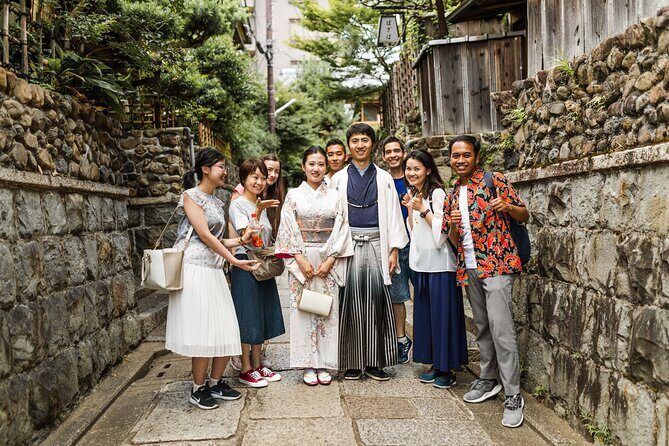
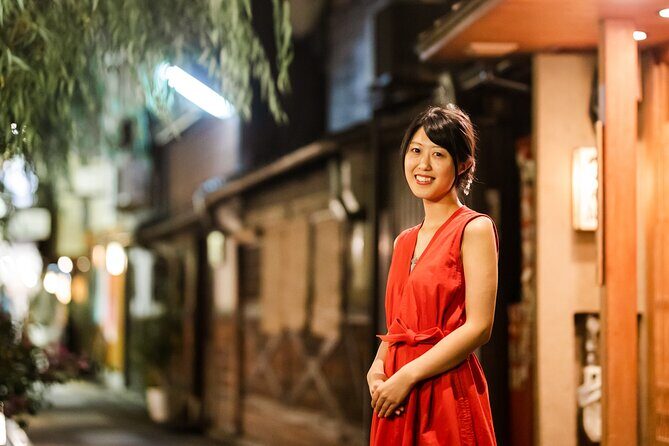
The tour wraps up in Pontocho Alley, a narrow lane known for its mix of classic Kyoto atmosphere and lively nighttime dining. Expect intimate spaces—bars, restaurants, and small fronts tucked into a tight urban corridor.
This end point is smart for two reasons. First, by finishing here, you get a “where to eat next” moment that feels connected to what you just learned. Second, Pontocho’s vibe helps you carry the cultural mood of Gion forward into your evening plans.
A guide’s local recommendations can be a big part of the value. Some guests reported their guide helped them with dinner reservations or pointed them toward the kind of place that fits the moment. Others had a mismatch when the suggested restaurant did not hit the mark, so use recommendations as guidance, not orders.
If you want a low-stress finish, this is also a good zone to slow down for a drink or dessert after the walk. Just expect crowds during peak hours.
Price and value: what $101.57 really buys you
At $101.57 per person for roughly 2 to 3 hours, this is not a budget “see everything” deal. It’s priced for a private, guided walking experience where the guide’s time is the product.
So what are you paying for?
- Undivided attention: you’re not sharing a guide with a larger group, which makes questions and pacing easier.
- Customization: the pre-tour questionnaire and direct communication let you steer the walk toward history, cultural markers, shrine context, or your preferred style of storytelling.
- Route interpretation: Gion and Pontocho are visually impressive, but they become much more meaningful when someone explains what you’re seeing in the moment.
One extra signal for value: this tour is commonly booked about 75 days in advance, which suggests demand. In practice, that often means guides are fully aware of what guests want and how to deliver it, especially when paired with the questionnaire-based planning.
Is it worth it if you love walking on your own? Maybe. If you are the type who enjoys guide-free wandering, you can self-explore Gion and Yasaka with maps. But if you want the city to make sense quickly, the private format can compress hours of guesswork into a single calm walk.
What to watch for: geisha expectations, guide fit, and crowd reality
Two themes show up clearly in the experience feedback: guide quality can vary, and geisha-related hopes are not something you can control.
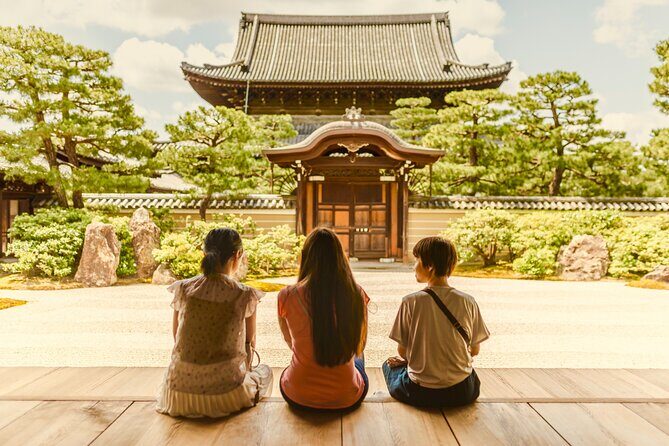
A few guests were frustrated because they did not see geisha or because the tour felt more focused on other parts of Kyoto than on the Gion culture they expected. Other feedback praised guides for flexibility and strong storytelling—for example, Kenta was noted for finishing at the Gion Corner Geisha Show for a specific booking plan, and Kokoro earned top marks for a tour tied to the secrets of Gion vibe and temple garden time.
There were also rare, serious service problems such as a no-show guide in one instance and another complaint about a guide not providing enough substance. These are not the norm in the overall rating, but they are real enough that you should protect yourself.
Here is the practical way to do that:
- In your questionnaire, be extremely clear that you want Gion, teahouse culture, and geiko/maiko context.
- If seeing geisha is a top goal, say so plainly, and ask your guide how they handle that request in realistic terms.
- Share any must-sees early so the route matches your expectations.
Finally, crowds can affect the whole mood. If you get stressed by dense foot traffic, pick the timing carefully and bring patience.
Who this tour is best for
This is a strong match if you:
- Are visiting Kyoto for the first time and want meaning, not just photos
- Like walking tours where the guide helps you notice details
- Want a shrine stop that connects back to the culture around Gion
- Travel with family and appreciate a guide who can adapt to a group’s energy (feedback included family enjoyment under guides like Nisa)
It may be less ideal if you:
- Want a guaranteed geisha sighting on command
- Prefer strictly self-guided travel where you control every minute without questions
- Have limited walking tolerance and do not want to plan around uneven streets
Should you book this Gion Private Tour?
If your goal is to understand Gion and Pontocho instead of only photographing them, I think this tour is a good bet. The private format, the questionnaire tailoring, and the way the route connects Gion streets to Yasaka Shrine and then to Pontocho Alley gives you a complete arc for a short walking window.
I would book it if you can answer this honestly: do you want help noticing what matters while you are there? If yes, the experience can turn a famous district into a coherent story fast.
If you are booking mainly for one thing—seeing geisha—keep expectations grounded. Enjoy the neighborhood first, and let the guide’s explanations make any encounter (or missed encounter) feel like part of the real Kyoto rhythm.
FAQ
How long is the Kyoto Gion Private Tour with a Local Guide?
It runs about 2 to 3 hours.
Is this tour private or shared?
It is private. Only your group participates.
Where is the meeting point?
The meeting point is Matsumoto Kiyoshi Kyoto Shijo Kawaramachi, 103-2 Hashimotochō, Shimogyo Ward, Kyoto, 600-8011, Japan.
Does the price include food or drinks?
No. Food, drinks, and attraction tickets are not included.
Is transportation included?
Primarily no. It is a walking experience, and public transport or local taxis may be used at an additional cost.
Are start times flexible?
Yes. You can choose your preferred time when booking, and durations can be flexible.
Does the tour include a shrine visit?
Yes. It includes Yasaka Shrine.
What does the tour include in terms of local culture?
You will walk through Gion, learn about its historic entertainment district atmosphere and teahouses, visit Yasaka Shrine, and finish in Pontocho Alley with local cultural context.
What should I know about seeing geisha or maiko?
The tour covers the geisha district area and related culture, but sightings are not something the tour can promise.
Is there free cancellation?
Yes. You can cancel for a full refund up to 24 hours before the experience’s start time.
If you tell me your travel dates and whether you prefer daytime calm or lantern-lit evening streets, I can help you pick a timing that fits your style.