REVIEW · NINJA EXPERIENCES
Authentic Ninja Weapon Forging Experience in Kyoto
Book on Viator →Operated by Atelier NIN · Bookable on Viator
Ready to make ninja steel? At Atelier NIN in Kyoto, you craft a ninja weapon yourself, from heating and hammering steel to finishing it with kanji and a dark protective coat.
I love the hands-on forging—you don’t just pose for photos. I also like the personalization, especially choosing your kanji character and polishing the final piece so it looks like a real tool.
One thing to consider: this is real workshop work. You should have moderate physical fitness, since hammering and sanding take some effort even though help and pacing keep it manageable.
In This Review
- Key Takeaways Before You Go
- Ninja Weapon Forging at Atelier NIN: What You Really Get in 2.5 Hours
- Suiting Up and Choosing Your Shuriken or Kunai
- The 800°C Forge Lesson: Heat, Hammering, and Shaping Steel
- Kanji Engraving and the Dark Finish That Makes It Look Real
- Ninja Knowledge Session: How the Stories Add Context
- Packing Your Weapon for Travel: Box, Bag, and Real-Life Transport
- Price and Value in Kyoto: Is $151.92 Worth It?
- Getting to Studio NIN in Yasenosechō: Off the Main Loop, On Purpose
- Who This Workshop Fits Best (and Who Might Want Another Plan)
- Should You Book Atelier NIN in Kyoto?
- FAQ
- How long is the ninja weapon forging experience?
- How much does it cost per person?
- Do I need any experience to take the class?
- What weapons can I choose to make?
- Is there a personalization step?
- What’s included in the experience?
- Is private transportation included?
- Where do I meet, and where does it end?
- How large are the groups?
- What is the cancellation policy?
Key Takeaways Before You Go
- You make it, not just watch it: heating, hammering, shaping, blackening, then polishing
- Weapon choice matters: three shuriken styles or a kunai, each with its own feel
- Personalization is part of the finish: kanji engraving plus a protective dark coat
- Great take-home setup: you get a clean box and bag designed for transport
- Small-group energy: up to 25 people, with staff guiding step-by-step
- Ask for pacing support: if your stamina is limited, look for the easier sharpening options
Ninja Weapon Forging at Atelier NIN: What You Really Get in 2.5 Hours
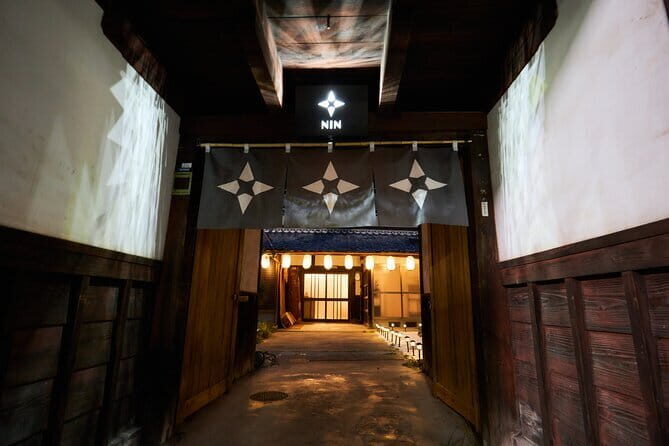
If your Japan plans already include temples, gardens, and a few excellent meals, this workshop gives you something different. You’ll leave with a hand-crafted ninja weapon shaped by your own hands, plus a story you can actually tell because you did the work, step by step.
At Atelier NIN, the whole experience is built around a classic smith workflow: heat the metal, hammer it into shape, refine it, then protect and finish the surface. The result is a souvenir that feels more like a craft project than a themed photo stop. And yes, the setting uses traditional blacksmith clothes to help you get into the mood fast.
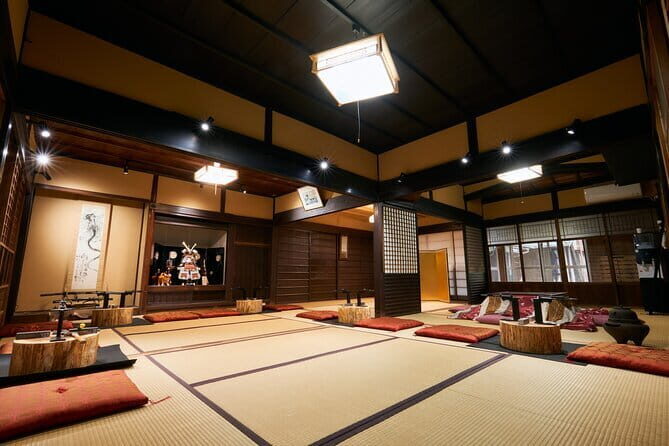
You’ll spend about 2 hours 30 minutes in the studio, and you’ll be working as part of a group (with a max of 25 travelers). In practice, the class flow stays organized, and the staff are very hands-on about what to do next.
You can also read our reviews of more tours and experiences in Kyoto.


Suiting Up and Choosing Your Shuriken or Kunai
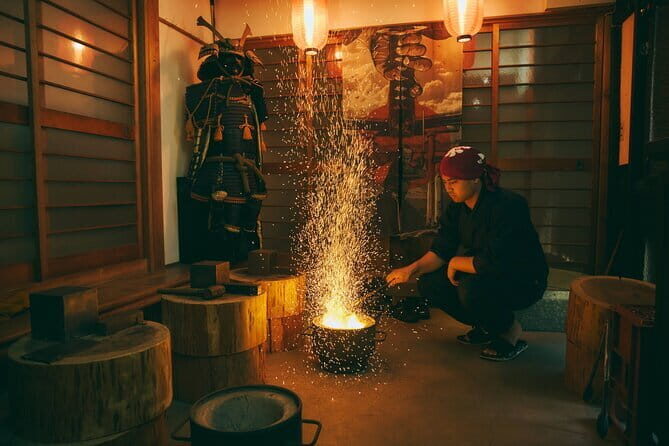
The day starts with a quick outfit change. You’ll wear the traditional samue blacksmith uniform and wrap a tenugui around your head. It’s simple, but it matters. When everyone looks the part, the staff can run the workshop like a real forge day, not a lecture.
Next comes the key decision: you choose what you’ll make. The workshop offers three shuriken styles or one kunai. If you’re the type who likes options, this is a fun moment because the shapes feel different in hand and in how you’ll refine them later.
One practical tip: pick the weapon you actually want to see at home. A shuriken looks sharp on display, but a kunai can feel more like a classic “tool” object once it’s finished. If you’re torn, go with the one whose silhouette you like best before you ever step into the forge area.
The 800°C Forge Lesson: Heat, Hammering, and Shaping Steel
This is the heart of the experience. You’ll heat your chosen metal in an 800°C furnace, then hammer the glowing steel as sparks fly. It’s the part you’ll remember because it’s the most intense—and the one that turns “a piece of metal” into something you can shape into a weapon.
Safety is handled through the studio setup and staff guidance. The good news is that you’re not expected to be a blacksmith when you arrive. The workshop is designed for people with no experience required, with craftsmen teaching you how to approach each step without guessing.
After the forging comes refinement. You’ll use a professional belt sander to reshape and sharpen the metal. This is where the object starts to look clean and precise rather than rough and hammered. It can take some elbow effort, so it helps to be ready for hands-on work, not just watching someone else do it.
A useful bit from the way the class runs: if you don’t have a lot of stamina, you might be offered easier sharpening approaches so you can still complete the weapon without it becoming a grind. If you need that kind of adjustment, ask early and adjust your pace.
Kanji Engraving and the Dark Finish That Makes It Look Real
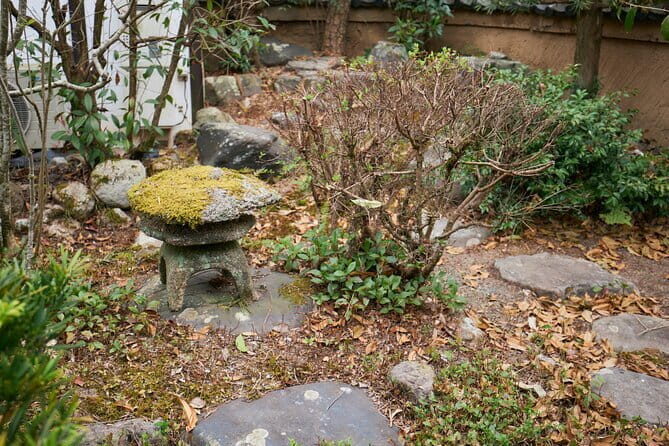
Once the metal is shaped, you get the personalization step. You choose a kanji character, and the staff engrave it with precision. This isn’t just decorative. It’s the moment where your weapon stops being generic and becomes genuinely yours.
After engraving, the workshop moves to the finishing chemistry. You’ll apply a special blackening solution to protect the metal and create that darker, more authentic look—like a traditional ninja tool rather than a bright workshop piece.
Then you do the final polish. Polishing is oddly satisfying. After all the heating and hammering, this step brings out the shine and helps the whole weapon look intentional and finished instead of “made today.”
If you care about the final appearance: slow down a little during polishing. The staff will guide you, but your finishing hands can make a visible difference in how the surface looks in the end.
Ninja Knowledge Session: How the Stories Add Context
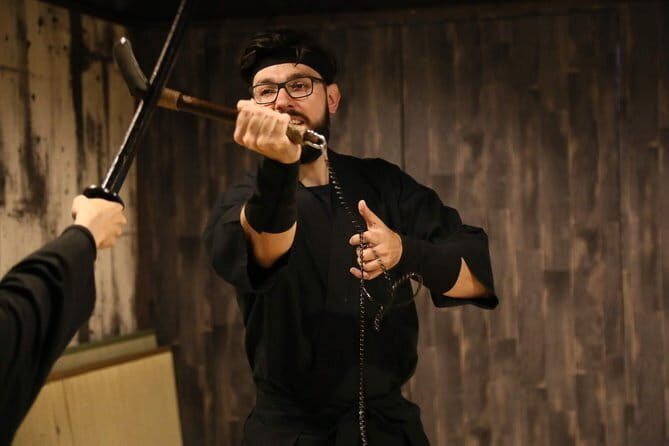
The crafting part is great, but the workshop also includes a ninja knowledge session. You’ll learn about ninja history, weapons, and techniques related to what you’re making.
Even if you don’t know much about ninjas beyond movies, this helps connect the object to a real cultural context. The goal isn’t to turn you into an expert historian. It’s to give meaning to the steps you just performed—why certain shapes mattered, how weapons were used, and what people believed those tools were for.
You’ll hear a lot of enthusiasm from the team here, and in some cases you may get personal help from staff members as you refine your piece. One staff member named Taka comes up in reviews for helping people improve symmetry and overall shape.




Packing Your Weapon for Travel: Box, Bag, and Real-Life Transport
You don’t just leave with a “souvenir.” You leave with a prepared item you can actually take home.
Included with the experience, you’ll get a clean box and bag to take your weapon home. Reviews also note people successfully packed the weapon in checked baggage, which is a big deal if you’re flying out of Kansai or Itami and don’t want to worry about carrying something fragile through transit.
If you’re flying, do two things:
- Wait until the staff finish any final steps before you pack.
- Keep the included packaging instead of trying to improvise with household items.
That setup is part of the value here. A workshop gift that you can transport easily beats a craft item that turns into a luggage problem.
Price and Value in Kyoto: Is $151.92 Worth It?
At $151.92 per person, this isn’t the cheapest thing you can do in Kyoto. But the price makes more sense when you break down what’s included.
You’re paying for:
- instruction from skilled craftsmen
- tool use (including files and hammers, plus the sanding/refining tools)
- rental craftsman uniforms
- the complete workflow: heating, forging, refining, engraving, blackening, polishing
- take-home storage: a box and bag
If you compare this to a typical workshop where you make a small item with limited tool time, this is more like a short, structured craft day. You get a real object with multiple production stages, not just one quick activity.
That said, there’s a small caution worth noting from the feedback. A few people felt the experience leaned toward fast steps at times and that explanations didn’t always feel detailed. The same people still found it fun, but it’s a reminder that you should be comfortable asking questions if something feels unclear.
If you want maximum value, go in ready to participate. This works best when you treat it like a hands-on class, not a sit-and-watch show.
Getting to Studio NIN in Yasenosechō: Off the Main Loop, On Purpose

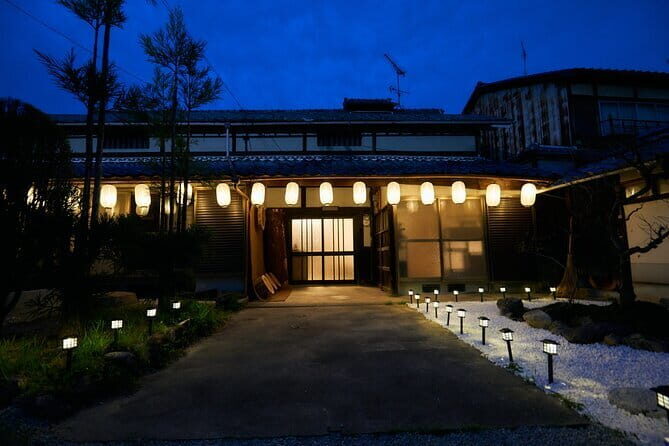
The meeting point is studio NIN at 八瀬168-1 Yasenosechō, Sakyo Ward, Kyoto (601-1254). The location is described as near public transportation, but several reviews also say it’s off the beaten path. In real terms, that means your best move might be planning for a taxi if public transit doesn’t line up cleanly.
If you’re staying in central Kyoto, download a taxi app and don’t overthink it. Once you arrive, the staff handle the rest.
Also note that you’ll use a mobile ticket. Have it ready on your phone so the check-in is quick.
Who This Workshop Fits Best (and Who Might Want Another Plan)
This experience is built for people with moderate physical fitness. Hammering and sanding are not Olympic workouts, but they do require grip strength and some steady movement. The good news is that the class format supports beginners, and staff keep things organized.
It’s also a strong choice for:
- adults who want something active in Kyoto besides walking
- couples or groups who like “everyone participates” activities
- parents traveling with kids old enough to follow instructions and work safely (reviews include teens who enjoyed it)
If you’re with older travelers or anyone with limited stamina, you can still likely do it. Just plan to take breaks when offered and ask about easier sharpening options if available.
If you hate hands-on tasks entirely, then you’ll probably prefer a museum or a cooking class instead. This is a workshop where your hands do the main work.
Should You Book Atelier NIN in Kyoto?
I think you should book this if you want a Kyoto souvenir with real making behind it. For the price, you get a full process: forging at 800°C, refining, engraving, blackening, and polishing—plus the packaging to bring it home.
Skip it (or consider something else) if you mainly want a slow, heavily explained cultural talk. This is structured and fast enough that you’ll need to stay focused and ask questions when you want clarity.
My call: if you like doing, not just looking, Atelier NIN is one of the better “hands-on Kyoto” choices you can make.
FAQ
How long is the ninja weapon forging experience?
It runs for about 2 hours 30 minutes.
How much does it cost per person?
The price is $151.92 per person.
Do I need any experience to take the class?
No. The workshop is designed with no experience required, and skilled craftsmen teach you the steps.
What weapons can I choose to make?
You can choose from three shuriken styles or one kunai.
Is there a personalization step?
Yes. You can choose a kanji character, and staff will engrave it onto your weapon.
What’s included in the experience?
Included are specialized tools like files to sharpen steel and hammers, rental craftsman uniforms, and a clean box and bag to take your weapon home.
Is private transportation included?
No. Private transportation is not included.
Where do I meet, and where does it end?
You start at studio NIN 八瀬168-1 Yasenosechō, Sakyo Ward, Kyoto and the activity ends back at the same meeting point.
How large are the groups?
The experience has a maximum of 25 travelers.
What is the cancellation policy?
You can cancel for a full refund up to 24 hours in advance. If you cancel less than 24 hours before the start time, the amount paid is not refunded.