REVIEW · GION DISTRICT WALKING TOURS
Treasures of Kyoto: Gion & historical Walking Tour
Book on GetYourGuide →Operated by Guydeez Tours · Bookable on GetYourGuide
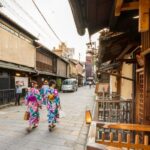
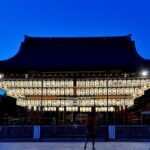
Gion at night feels like a movie set. In just three hours, you get a structured stroll through the geisha district and nearby highlights, plus clear explanations about maiko and geiko culture as the evening sets in. It’s made for people who want the big sights without losing time to guesswork.
I especially like the way the guide shares practical ideas for the rest of your Kyoto days, not just facts while you walk. I also like that the route mixes well-known stops with quieter lanes, so you see Gion from more than one angle. One possible drawback: it’s a walking tour, so you’ll want comfy shoes and a good pace mindset for the full 3 hours.
In This Review
- Key things to know before you go
- Three hours in Gion: how the night walk really works
- Start point in Higashiyama: why 213 Nakanochō matters
- Pontocho Park and Nene-no-michi: photo stops with real context
- Izumo-no-Okuni statue: an easy moment to slow down
- Chion-in and Maruyama Park: mixing landmarks with neighborhood feel
- Hanamikoji Street at night: the main stage, without losing the plot
- Yasaka Shrine, Shijō-dori, and Kyōto Minami-za: finishing with momentum
- What I think you gain from a private or small-group guide
- Price and value: is $44 for 3 hours a fair deal?
- Who should book this, and who might skip it
- Should you book the Treasures of Kyoto Gion tour?
- FAQ
- FAQ
- How long is the Treasures of Kyoto Gion & historical Walking Tour?
- What is the meeting point for the tour?
- Is this tour private or shared?
- What languages are available for the live guide?
- Does the price include transportation?
- Which major places are included during the walk?
- Is it possible to see a geiko or maiko?
- What are the cancellation and payment options?
Key things to know before you go

- Clear explanations about maiko and geiko that help you understand what you’re seeing
- Private or small-group setup, so questions feel easy and personal
- A tight 3-hour route that hits major Gion landmarks plus side streets
- Evening atmosphere with lantern-lit streets and night-time Gion energy
- Photo stops built into the plan, so you can actually take photos without running
- Extra local recommendations, so the tour works as a springboard for your wider Kyoto plan
Three hours in Gion: how the night walk really works

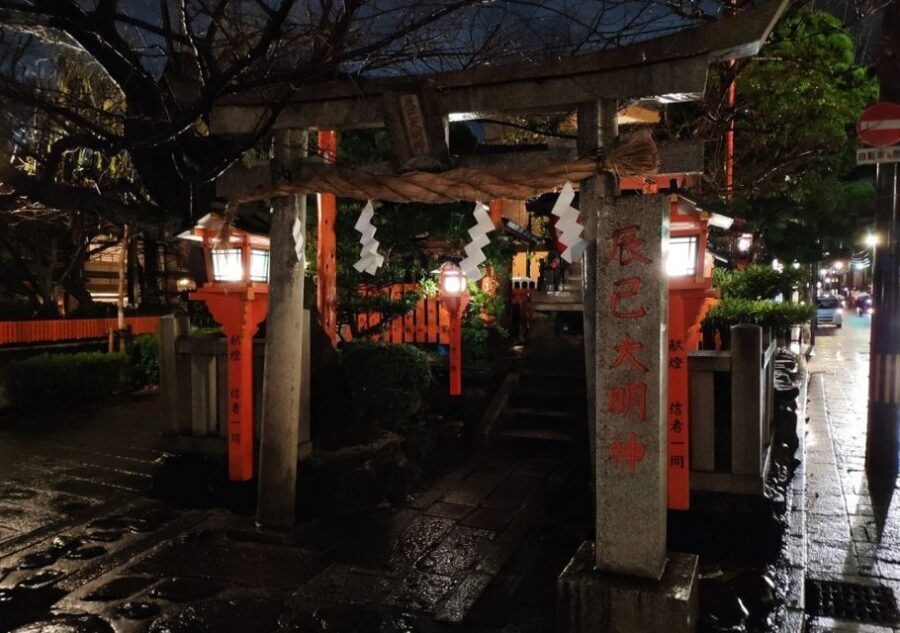
This tour is designed for the specific mood of Gion after sunset. You’re not touring Kyoto like a checklist. You’re walking through a district where evening light changes everything: paper lanterns, lit signs, and the sense that you’re watching daily life slow down for the night.
The biggest value is the structure. A 3-hour span sounds short until you realize how quickly Kyoto can eat up time with transit, wandering, and confusion. Here, you’re moving with a guide who keeps you on course and helps you read what you’re seeing as you go.
You’ll also notice a theme: the tour balances recognizable sights with lesser-known street corners. That mix is practical. It gives you the photos you came for, but it also helps you understand how Gion feels when you’re not standing at the most obvious viewpoint.
If you like the idea of a calm but confident plan, this fits. If you prefer totally free time with zero structure, you might feel slightly managed.
You can also read our reviews of more walking tours in Kyoto


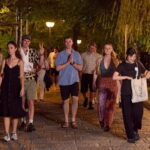
Start point in Higashiyama: why 213 Nakanochō matters
You meet at 213 Nakanochō in Kyoto’s Higashiyama Ward, in an area surrounded by the kind of streets that make Kyoto feel instantly different from big-city Japan. The practical upside of this meeting location is that you’re already positioned close to the heart of the experience.
That matters because the tour’s pacing depends on getting you into the right vibe without wasted time. When your walk begins in the right neighborhood, you spend more minutes actually exploring and fewer minutes figuring out where to start.
Another small but real benefit: Higashiyama is the part of Kyoto many people only see from guidebook photos. Starting there means you start your evening like a local circuit, not like an airport shuttle stop.
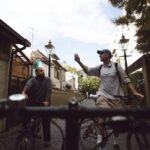
You’ll be with a live guide in English, French, Spanish, or Italian, and that language coverage is genuinely useful. It keeps the tour from turning into a mixed-language scavenger hunt.
Pontocho Park and Nene-no-michi: photo stops with real context
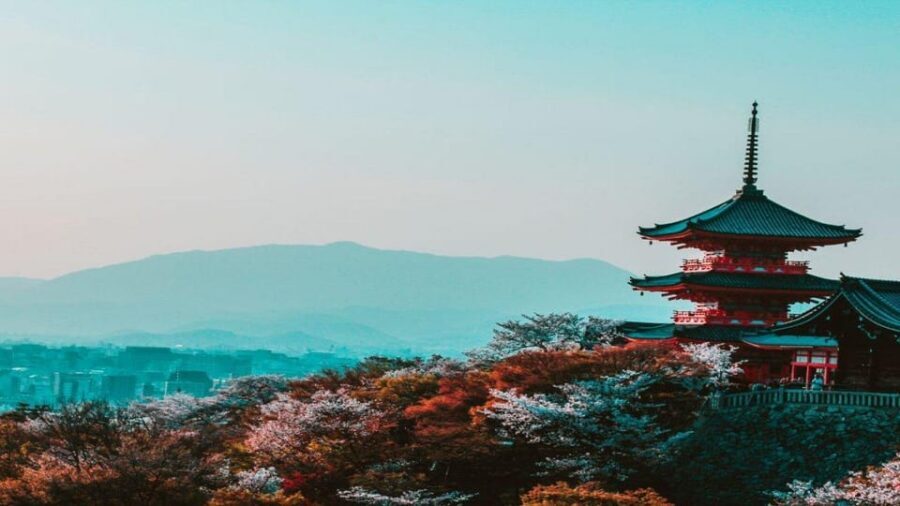
Early on, you’ll make a stop at Pontocho Park for photos and sightseeing with guided context. Pontocho is one of those areas where even a short pause helps you grasp the atmosphere. The point here isn’t to sprint through. It’s to see how the neighborhood looks when the light shifts, and to learn the why behind what you notice.
Next comes Nene-no-michi, also with a photo stop and a guided walk. This is where the tour starts feeling like more than “see the famous place.” Smaller streets often reveal details people miss when they stick only to the biggest streets.
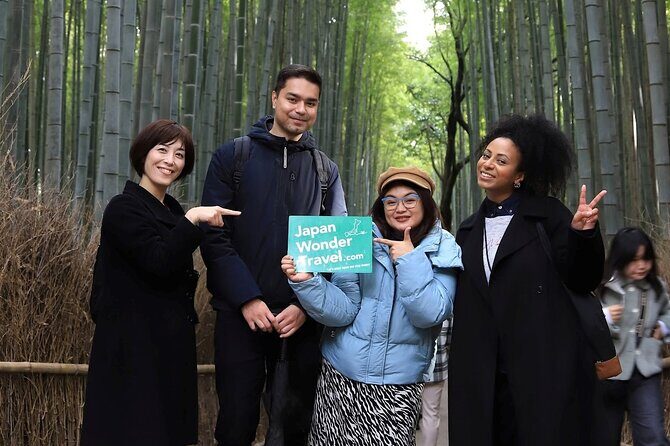
What you’ll likely appreciate is the guide’s storytelling style. In past experiences with this tour, guides like Raphaël have been described as giving clear, captivating explanations about Gion culture—especially around maiko and geiko. That matters here because it changes how you look at doors, signage, and street rhythms. You’re not just photographing; you’re understanding.
There’s also a chance to learn how people behave in these spaces—how to be respectful while still enjoying the view. It’s one of those things that feels small during the walk, but it makes your entire Kyoto trip smoother.
Izumo-no-Okuni statue: an easy moment to slow down
At the statue of Izumo-no-Okuni, you’ll have another photo stop and guided visit. This is the kind of stop that works well on a walking tour because it gives your brain a quick reset. Instead of constantly moving, you get one place to focus on, ask questions, and regroup.
The value of a short “anchor” stop like this is attention. After several minutes of street sights, you can end up taking photos without really looking. A statue stop forces you to slow down just enough to absorb what the area means.
It’s also a nice way to break up the evening rhythm before you reach larger, higher-energy areas.
If you enjoy learning small pieces that connect to the big picture, this kind of stop is a plus. If you’d rather spend every minute near the most crowded viewpoints, you might wish the tour were more direct. But the pacing here is intentional.
Chion-in and Maruyama Park: mixing landmarks with neighborhood feel

Next up is Chion-in, followed by Maruyama Park. These stops combine sightseeing time with guided explanations while still keeping the walk flowing. That combination is smart because parks and temple-area streets often change your walking speed without stopping the tour completely.
Chion-in is one of those stops that can feel more meaningful when you have context. Even if you’ve seen lots of Kyoto temples before, a guided pass helps you spot the details you’d otherwise miss in a quick photo burst.
Then Maruyama Park adds a different flavor. Parks in Kyoto are often where people naturally gather, and evening is when that energy can feel extra calm. You’ll have time for photo sightseeing, and it’s a good spot to re-orient: where you are in Gion, what you’ve already learned, and what’s coming next.
I like this middle section because it keeps the walk balanced. You’re not only dealing with shopping streets and dense lanes. You get pauses where Kyoto feels more open, even when you’re still in the center of the action.
If you’re traveling with kids or prefer a tour that doesn’t feel like a constant march, this part helps. One family-friendly highlight mentioned in guide feedback is that the explanations can land well even with children along for the ride.
You can also read our reviews of more historical tours in Kyoto
Hanamikoji Street at night: the main stage, without losing the plot
Now you hit Hanamikoji Street, one of the best-known parts of Gion. Expect photo stop time and guided storytelling while you walk along the street where the historic look is front and center.
This is the moment most people come for. The lantern-lit atmosphere and the classic Gion layout make it easy to understand why the district is famous. But the real payoff is what the guide adds around the scene.
The best tours here help you connect the visual details with real cultural meaning. With this one, guides put focus on the traditions and customs of the area, including the way entertainments like geiko and maiko fit into guest settings.
If you’re hoping to catch sight of a geiko or maiko, the tour includes the possibility, subject to availability. That phrasing matters. You’re not promised a sighting, but you are positioned to notice opportunities when they arise.
Also, keep expectations realistic about crowds. This is a famous street. The good news is the guide helps you keep moving and not get stuck. You’ll learn how to enjoy the vibe without turning your evening into a slow shuffle.
Yasaka Shrine, Shijō-dori, and Kyōto Minami-za: finishing with momentum
After Hanamikoji, you’ll visit Yasaka Shrine, which is also known as Gion Shrine. You get more photo stop time and a guided walk-through, and it’s a strong contrast to the more entertainment-focused streets you’ve just seen.
Then the tour continues along Shijō-dori and ends with a stop at Kyōto Minami-za. Even though these are later stops, they still matter. They help you transition from the intimate Gion lanes to broader Kyoto street life.
I like ending with momentum because it reduces the common walking-tour problem: by the time you get to the last stops, people are tired and mentally checked out. Here, the final sequence keeps the evening moving and gives you something to remember even if you’ve already seen a lot.
You’ll also benefit from the guide’s final advice. Strong guides often use the closing stretch to point you toward what to do next, based on your interests and the time you have left. In feedback about this tour, that practical guidance comes up often, and it’s one of the reasons this style of tour can feel like good value even beyond the sights themselves.
What I think you gain from a private or small-group guide
The tour is offered as private or small group, and that changes the experience in a noticeable way. In a small setting, you can ask follow-up questions without feeling rushed. You can also adapt when you see something interesting, since the guide isn’t managing dozens of people at once.
The guide’s role goes beyond pointing. The tour is framed around teaching you how to read Gion: the street atmosphere, the significance of traditional spaces, and how everyday customs connect to what you’re seeing after dark.
If you’re a visitor who wants to feel oriented in Kyoto quickly, this is the right type of tour. You finish with a better sense of what areas you should revisit on your own, and what you can skip or circle back to later.
A final practical benefit: you’ll likely walk away with a list of additional ideas, not just one evening plan. For example, past guide feedback highlights that Jérôme and Déborah were praised for giving lots of good spots and visit ideas beyond the tour itself. That turns your guide into a trip-planning shortcut.
Price and value: is $44 for 3 hours a fair deal?
At $44 per person for about 3 hours, this is not the cheapest option in Kyoto. But it also isn’t priced like a luxury tour. The value comes from three things you can’t easily replicate on your own.
First, it’s a time-saver. Kyoto neighborhoods are close, but they’re not always easy to navigate at night while staying respectful and on pace. A guided plan helps you spend your limited time seeing, not wandering.
Second, it’s the cultural interpretation. A street view is just a street view until someone explains what you’re noticing and why it matters, especially around maiko and geiko culture.
Third, you’re buying a guide who can help your whole itinerary. When guides share “what else to do” recommendations, the tour can pay you back with better planning for the days after.
The main reason it might not be worth it for you is if you already know Gion very well and you’re comfortable navigating independently with minimal explanation. In that case, you might prefer a self-guided walk. For most people, though, this price feels like a fair exchange for clarity, pacing, and a strong evening setting.
Who should book this, and who might skip it
You’ll enjoy this tour if you want:
- A 3-hour night plan that keeps you focused
- A guide who can explain what you’re seeing in simple terms
- A route that includes the main sights and some quieter street segments
- A chance to understand Gion culture, including how geiko and maiko fit into the evening
You might skip it if:
- You hate structured walking and need lots of unscheduled freedom
- You want a longer deep exploration of Kyoto’s religious sites or museums
- You’re only interested in one or two locations and don’t care about cultural context
One more practical note: the tour includes walking and uses public transport as part of the experience, though the exact public transport inclusion may vary depending on your selected option. Since it’s largely on foot, wear shoes you can handle for the full 3 hours.
Should you book the Treasures of Kyoto Gion tour?
If your goal is a confident, well-paced Gion night—one where you understand what you’re looking at and you leave with ideas for the rest of your Kyoto days—yes, I’d book it.
The combination of night atmosphere, key stops like Hanamikoji Street and Yasaka Shrine (Gion Shrine), and a guide who can translate maiko and geiko culture into something you can actually grasp makes this a solid use of limited time. Add the private or small-group option, and it becomes an easy choice for couples, small families, and first-timers who want more than a photo walk.
FAQ
FAQ
How long is the Treasures of Kyoto Gion & historical Walking Tour?
It lasts 3 hours.
What is the meeting point for the tour?
The meeting point is 213 Nakanocho, Higashiyama Ward, Kyoto, 605-0075, Japan.
Is this tour private or shared?
It can be booked as a private group or a small group walking tour.
What languages are available for the live guide?
The live tour guide is available in English, French, Spanish, and Italian.
Does the price include transportation?
The tour includes a walking tour and public transport, except if you select one of the options. Food and drinks are not included.
Which major places are included during the walk?
The walk includes stops around Pontocho Park, Nene-no-michi, the Statue of Izumo-no-Okuni, Chion-in, Maruyama Park, Hanamikoji Street, Yasaka Shrine, Shijo-dori, and Kyōto Minami-za.
Is it possible to see a geiko or maiko?
There is a possibility of catching a glimpse of a geiko or maiko, subject to availability.
What are the cancellation and payment options?
You can cancel up to 24 hours in advance for a full refund. There is also a reserve now & pay later option.