REVIEW · NARA DAY TRIPS
Kyoto and Nara Private Car Tour with a Local English Guide Driver
Book on Viator →Operated by Japan Luxury Tours · Bookable on Viator
A day like this saves you from the biggest travel headache: switching trains. You get a private car, an English and Japanese local guide, and a packed route through Kyoto and Nara that still feels organized. The big draw is local know-how plus professional Japanese driving, with extra help if you get stuck in an emergency.
Two things I really like: the guide comes with real storytelling experience (including time guiding Hollywood actor Lance Gross) and you also get free Japanese language support in emergencies. I also like that it’s private up to 13 people, so you’re not stuck behind a slow group when you want photos at Fushimi Inari or Kinkaku-ji. One possible drawback is pace: with lots of stops planned, many sights are brief, so you’ll need to choose what you want to linger at.
In This Review
- Key Highlights You’ll Actually Notice
- Why This Private Kyoto and Nara Car Tour Feels Like a Shortcut
- Guide and Driver: The Safety and Story Combo
- Fushimi Inari First: Get the Torii Moment While the Day Is Fresh
- Arashiyama and Tenryu-ji: Bamboo Forest Photos Without the Transit Headache
- Gion to Golden Pavilion: How to See Kyoto’s Icons Efficiently
- Silver Pavilion, Yasaka Shrine, and Sanjusangendo: More Variety Than You Think
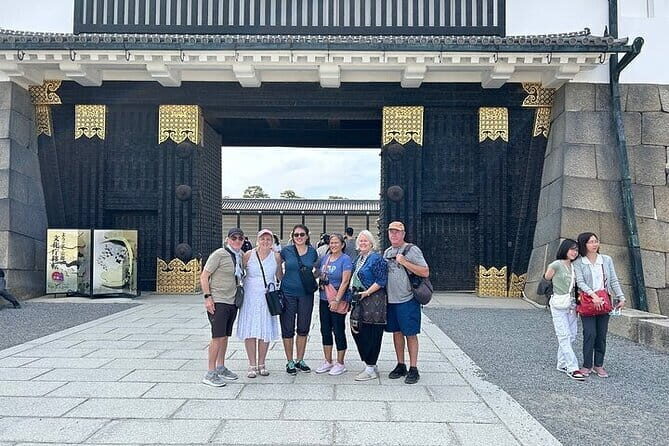
- Nijo Castle: A Break From Temples With Palace-Style Details
- The Route Surprise: Amanohashidate and Ine no Funaya
- Chion-in and the Leap to Nara: Temple Scale Gets Serious
- What’s Included, What Costs Extra, and How the Price Actually Works
- Timing Tips That Make or Break a Packed Day
- Who Should Book This Tour (and Who Might Feel Crowded)
- Should You Book This Private Kyoto and Nara Car Tour?
- FAQ
- How long is the Kyoto and Nara private car tour?
- What’s the group size?
- Do you get hotel pickup and drop-off?
- Is an English and Japanese guide included?
- Does the tour include entrance fees?
- Are meals included?
- Is Wi‑Fi provided?
- Is there mobile ticketing?
- Are there any extra payments on the tour day?
- Is airport transfer included?
Key Highlights You’ll Actually Notice
- Licensed, Japanese-style safety focus with a professional green number driver and a private vehicle
- English and Japanese guidance that helps you understand what you’re seeing (not just where to stand)
- Hotel pickup and drop-off that removes the stress of Kyoto station transfers
- Short-stop planning that keeps the day moving while you hit must-sees in one sweep
- Scenic detours like Sagano area views, plus Amanohashidate and Ine no Funaya
- Food-and-shopping timing around Nishiki Market so you can refuel without derailing the route
Why This Private Kyoto and Nara Car Tour Feels Like a Shortcut
Kyoto and Nara are the kind of places where getting between sights can eat your day. This tour is built around the idea that you’ll spend your energy on temples, shrines, and viewpoints instead of figuring out transit routes. With hotel pickup and drop-off, you’re already in motion before you even think about tickets.
The private car also changes how you experience the day. You can adjust your flow with your guide, and you’re not bargaining with crowds for the best photo spot. I especially like that you can choose the car you want, which matters when you’re traveling with kids, older relatives, or anyone who gets tired fast.
Still, you should know what you’re signing up for: this is a many-stops-in-one-day itinerary. If your goal is sitting for a long time in one garden or temple hall, you may find the timing tight.
You can also read our reviews of more guided tours in Kyoto
Guide and Driver: The Safety and Story Combo
This is where the tour’s pitch starts to make sense. You’re not just buying transportation—you’re getting a local English and Japanese guide who can connect the dots between Kyoto’s shrine culture, Nara’s Buddhist landmarks, and the geography linking them.
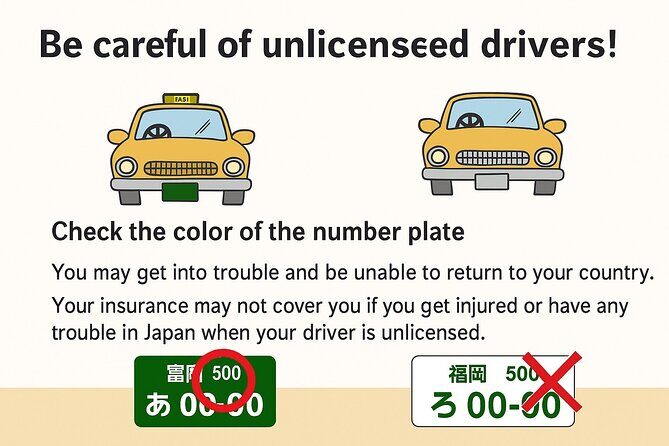
The company also emphasizes safety and reliability, specifically using Japanese drivers and highly experienced staff. The vehicle is driven by a professional licensed driver (green number), and the car is air-conditioned. In practical terms, that means you get a driver who knows how to handle traffic patterns and how to manage timing so you don’t feel constantly behind schedule.
You can also lean on language help. The tour includes free Japanese language support in emergencies, which is reassuring when you’re in a city where a quick conversation can matter. And if you’re making other plans during your trip, there’s complimentary support for Shinkansen and restaurant reservations.
One more small detail I value: Wi‑Fi on board. It’s not just for scrolling. It helps you check meeting points, confirm directions, and keep everyone’s schedule straight when you’re moving across multiple districts.
Fushimi Inari First: Get the Torii Moment While the Day Is Fresh
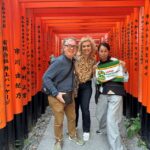
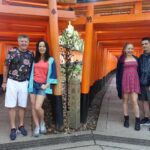
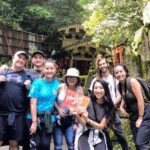
Most people see Fushimi Inari-taisha at least once in photos, but arriving early (or at least with less chaos) changes the mood. The famous Senbon Torii gates create a tunnel effect as you walk into the forested slope. Your guide’s job here is simple: help you understand what you’re looking at and where the key viewpoint moments are.
Because your time is limited, you’ll want to move with intention. Think: start walking, take the main gate tunnel photos, and then decide how far up you want to go before you loop back for the next stop. The entrance ticket is free for this stop, so you’re not burning time on paid lines right away.
The upside of being on a private route is flexibility. If you want more gate tunnel time and less shopping later, you can usually adjust your priorities with your guide.
Arashiyama and Tenryu-ji: Bamboo Forest Photos Without the Transit Headache

Arashiyama is a district where the “wow” factor is instant—then it gets more detailed as you move around. You’re set up to hit the basics in a way that feels planned: the Bamboo Forest, Tenryu‑ji Temple, and the classic Togetsukyo Bridge viewpoint.
- Arashiyama Bamboo Forest: This is one of those places where photos can look flat, but in person it feels taller and calmer than you expect. Your guide can help you avoid wasted walking and find the angles people miss.
- Tenryu‑ji Temple: This UNESCO site is known for its gardens and traditional architecture. Even with a short stop, it’s worth slowing down here because the experience is about seeing structure and seasonal design.
- Togetsukyo Bridge: This is the easy photo win. You’ll see why it’s famous in spring and autumn. Even if your season isn’t perfect for those specific colors, the bridge framing is still the star.
You’ll also get a quick hit of nearby “modern Kyoto” with the Arashiyama Kimono Forest art installation near the station. It’s a good spot for color photos without needing museum-level time.
Two items on the route are optional-style experiences in practice: Sagano Romantic Train and Monkey Park Iwatayama. Both can add fun, but they also take real effort. If you’re traveling with kids or someone who hates hills, you might prefer focusing on the temple and river views first.
Gion to Golden Pavilion: How to See Kyoto’s Icons Efficiently

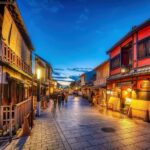
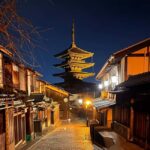
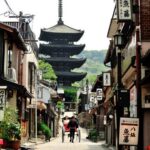
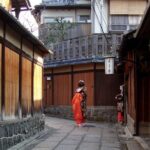
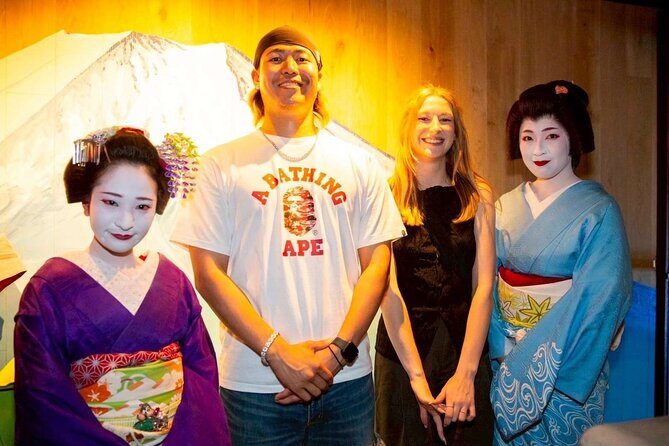
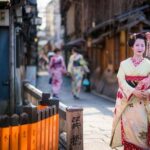
After Arashiyama, the day shifts into classic central Kyoto. Gion is where you’ll feel Kyoto’s old-town character—wooden streets, the canal area (near Shirakawa), and the sense that the district has its own tempo.
Then you move into the temple highlights:
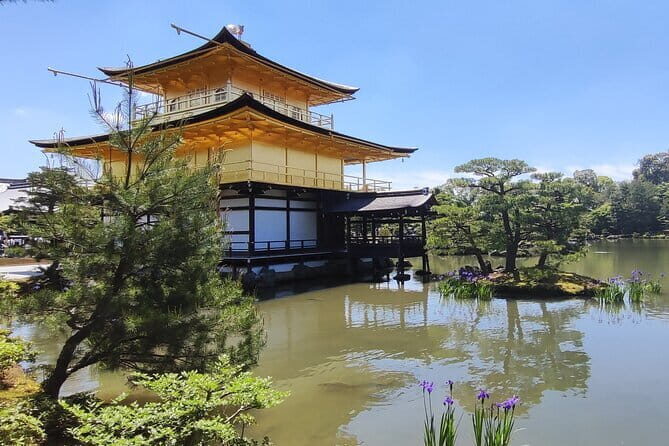
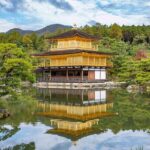
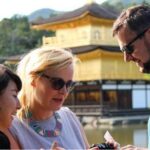
- Kinkaku‑ji (Golden Pavilion): This is the big-name “must” for many visitors. It’s a UNESCO World Heritage site tied to Ashikaga Yoshimitsu’s retirement villa history, later becoming a Zen temple. Your guide can help you understand why people remember it as more than just a shiny building.
- Nishiki Market: This is Kyoto’s food-and-shopping street energy in concentrated form. It’s also a smart break because you can snack, grab small gifts, and reset before the heavier temple time.
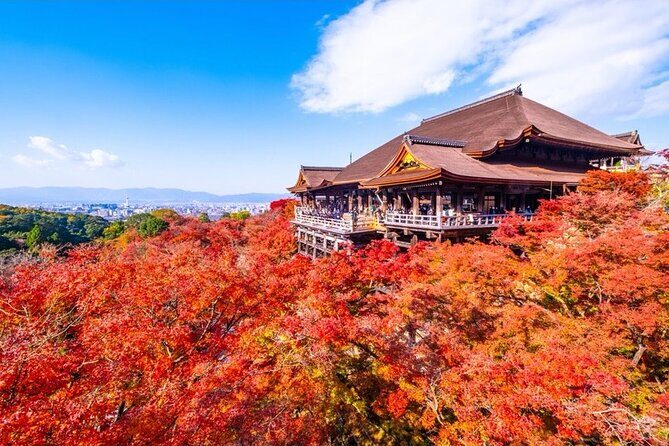
- Kiyomizu‑dera: Another UNESCO stop, famous for the grand wooden stage (Kiyomizu no Butai). The key is to plan your photo route: walk up to the stage area, look for the best view angle, then move before you get stuck in the thickest crowds.
The guide’s value here is pacing. With a private route, you can time what you do so you’re not stuck waiting on the wrong side of a viewpoint.
You can also read our reviews of more private tours in Kyoto
Silver Pavilion, Yasaka Shrine, and Sanjusangendo: More Variety Than You Think
Kyoto isn’t just “one temple and done,” and this route reflects that. After Kiyomizu‑dera, you’ll visit Ginkaku‑ji (Silver Pavilion), a Zen temple known for refined simplicity and mossy garden design. Even in a short visit, you’ll notice that it’s not trying to outshine Kinkaku‑ji—it’s aiming for calm and detail.
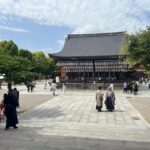
Then there’s Yasaka Shrine. It’s lively, especially tied to festival culture, and it’s located between Gion and Higashiyama districts. That location makes it a nice bridge between the old-street vibe and the more complex temple complexes that come next.
Sanjusangendo (Rengeo‑in) is the “wow with facts” stop. It’s famous for its long hall and the sight of 1,001 life-size statues inside. This is one of those places where a guide helps you look in the right direction and understand why the number matters.
These stops also have a practical advantage: you’re not just repeating similar sights. You get gates, gardens, food streets, stages, shrines, and a hall of statues in one day.
Nijo Castle: A Break From Temples With Palace-Style Details
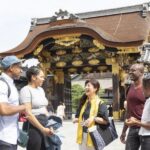
Nijo Castle brings you into a different architectural world. It was built as the Kyoto residence of shogun Tokugawa Ieyasu, and it’s known for palace buildings, gardens, and the surrounding atmosphere. Even if you’re not a castle person, this stop can be a good mental reset because it feels more like a “human scale” history lesson than a religious sightseeing sprint.
If you like your Japan with some structure and officialdom, Nijo is worth your attention. If you’re temple-fatigued, you can still get something from the gardens and palace layout without pushing too hard.
The Route Surprise: Amanohashidate and Ine no Funaya
This tour includes scenic detours outside the usual Kyoto loop: Amanohashidate and Ine no Funaya.
- Amanohashidate: One of Japan’s three scenic views, it’s a sandbar called the Bridge to Heaven. You’ll get the key “pine-lined stretch” perspective and the reason it’s ranked so highly.
- Amanohashidate View Land: This adds viewpoint time so you can see the sandbar from another angle. It helps when your first view doesn’t give you the composition you want.
- Ine no Funaya: This fishing village is known for funaya, wooden boathouses built directly on the water. Even with short time, the visual story is strong: the village is literally part of the sea life.
There’s a trade-off: these are not quick photo blips. They take time, and the day is already packed. If you’re the type who wants pure Kyoto temple time, you may feel the itinerary is stretching beyond your first plan. On the other hand, if you want variety and a bigger “Japan beyond the city” snapshot, this is why the day feels special.
Chion-in and the Leap to Nara: Temple Scale Gets Serious
Before you head fully into Nara, you’ll visit Chion‑in, the head temple of the Jodo sect of Buddhism. It’s famous for its massive Sanmon gate and impressive temple complex. Even when your stop is short, the scale hits you. It’s an effective setup for what comes next in Nara.
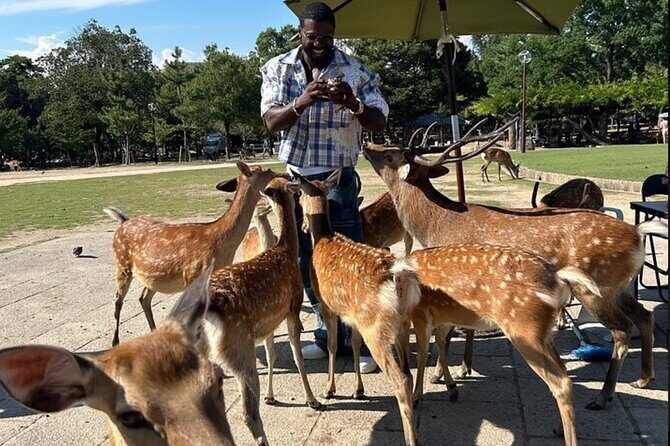
Then Nara takes over. Nara Park is the gateway: a large park with freely roaming deer and major cultural landmarks. It’s free for the stop, but you should treat it like you’re in an ecosystem. Move calmly, keep an eye on the deer around you, and don’t act like they’re pets.
Next up:
- Todai‑ji: This is where the day becomes “big” fast. It’s UNESCO and famous for the Great Buddha Hall (Daibutsuden), housing a massive bronze Buddha. If you like scale and craftsmanship, this is a must.
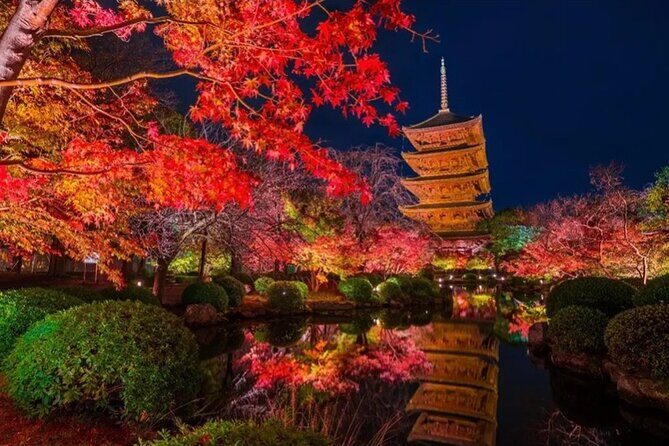
- Kasuga Taisha: Another UNESCO stop known for hundreds of lanterns. The lantern network is part of why this shrine feels atmospheric even in daylight.
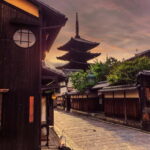
- Kofuku‑ji (Five Stories Pagoda): This gives you the classic pagoda shape and a historic temple setting tied to early Nara Buddhist importance.
If you’ve been walking Kyoto for hours, Nara can feel like a different planet—less street vibe, more grand landmark gravity. A guide helps you choose what to see first when time is limited.
What’s Included, What Costs Extra, and How the Price Actually Works
The headline price is $459.81 per group (up to 13) for roughly 10 hours. That can sound high at first glance, until you break down what’s inside: hotel pickup/drop-off, private transportation, an English/Japanese guide, Wi‑Fi on board, and a licensed professional driver in an air-conditioned car. For families or small groups, private cost per person can drop quickly.
However, there are costs to plan for:
- Entrance fees are not included.
- Meals are not included.
- You’ll also pay cash in Japanese yen on the tour day for gas, parking, and highway fees: ¥10,000 per booking.
This matters because temple tickets and a few optional experiences can stack up fast. Your guide can help you manage what to pay and when, but you should still set aside spending money.
Also note: there’s a Kansai Airport transfer option for extra fee, and there’s a high-cost VIP option using a Mercedes-Benz V‑Class. If your priorities are comfort and minimal wait times at pickup, ask about the car category before you go.
Timing Tips That Make or Break a Packed Day
When a route includes dozens of iconic stops, your success depends on choices, not luck. Here are a few practical moves I’d use:
- Wear shoes you can sprint in for short distances. Many stops are brief, and you’ll want to move quickly between photo angles.
- Bring small cash for paid entries and snacks, since entrance fees aren’t included.
- Decide in advance how you feel about the optional add-ons in Arashiyama. If you want monkey park views, plan for the climb; if you prefer easy walking, focus on the forest and temples.
- Use Nishiki Market strategically. Snack there, don’t turn it into a full meal unless your timing has room.
- If you’re prone to heat fatigue, drink water early. The car helps, but you’ll still be outside for key photo windows.
The tour gives you structure. Your job is to pick what you personally care about most.
Who Should Book This Tour (and Who Might Feel Crowded)
This is a strong fit if you want:
- A private day with pickup and drop-off
- A guide who can explain what you’re seeing in English and Japanese
- A one-day plan that touches both Kyoto icons and Nara’s top temples
- Comfort for families, older travelers, or anyone who dislikes navigating multiple train transfers
You might think twice if:
- You want long, slow time in fewer places
- You’re aiming for a highly detailed museum-style experience at each stop
- You’d rather spend the whole day in Kyoto neighborhoods without scenic detours
Should You Book This Private Kyoto and Nara Car Tour?
If your goal is a smooth, guided, low-stress day through Kyoto and Nara, I think this is an easy yes. The combination of licensed private driving, an English and Japanese local guide, and the way the route stitches together iconic sights makes the time feel efficient. You’ll likely appreciate how the guide helps you focus on the right moments instead of guessing.
I’d book it if you like variety and want both Kyoto’s famous temple energy and Nara’s grand-scale landmarks in one go. I’d skip it only if your travel style is slow pacing above all else, because this day is built for lots of stops, not extended wandering.
FAQ
How long is the Kyoto and Nara private car tour?
It runs for about 10 hours.
What’s the group size?
It’s a private tour for your group, up to 13 people.
Do you get hotel pickup and drop-off?
Yes, hotel pickup and drop-off are included.
Is an English and Japanese guide included?
Yes. You’ll have a local English and Japanese speaking guide.
Does the tour include entrance fees?
No. Entrance fees for stops are not included.
Are meals included?
No. Meals are not included.
Is Wi‑Fi provided?
Yes, Wi‑Fi is on board.
Is there mobile ticketing?
Yes, the tour includes a mobile ticket.
Are there any extra payments on the tour day?
Yes. Gas, parking, and highway fees are ¥10,000 cash per booking on the tour day.
Is airport transfer included?
Kansai Airport transfer is available as an extra fee option.