REVIEW · TEA CEREMONY EXPERIENCES
Kyoto: Matcha & Traditional Japanese Music Immersive Experience
Book on Viator →Operated by Tea House Labo · Bookable on Viator
A room full of music starts your Kyoto day. This hour-to-1 hour 20 minute concert pairs koto and violin with traditional tunes and also anime and game melodies, all in a setting with tea rooms and a later Q&A with the performers. I also like that there’s a real koto experience where you can sit down and play, not just listen politely.
One thing to think about: $850 per person is a serious splurge, so go when you’re genuinely excited about Japanese instruments and want time with the artists after the show.
In This Review
- Key points before you go
- Koto and Violin in Kyoto, in About 70–80 Minutes
- Suzaku Garden: Tea-Room Atmosphere Before and After Music
- What You’ll Hear: Traditional, Anime, Games, and Original Arrangements
- The Hands-On Koto Lesson: What You Do (and Why It Works)
- Exploring Tea Rooms and Japanese-Style Spaces
- Meet the Artists: Training Since Childhood and a Real Conversation
- Price and Value: When $850 Makes Sense
- Getting There and Planning Your Day in Kyoto
- Who This Kyoto Music Moment Fits Best
- Should You Book Kyoto: Matcha & Traditional Japanese Music?
- FAQ
- How long does the Kyoto matcha & traditional Japanese music experience take?
- How much does it cost?
- What’s included with the experience?
- What music will be performed?
- Do I get to play the koto?
- Will I be able to interact with the artists?
- Are meals included?
- Is there a restroom available?
- What is the cancellation policy?
Key points before you go
- Koto plus violin: classic Japanese melodies with Western string power
- Anime and game tunes woven in, so the concert feels modern without losing the roots
- Hands-on koto time guided by musicians, not just a quick photo stop
- Tea-room setting inside the venue, with calm spaces to look around
- Meet the artists after the performance to learn how they train and build their sound
Koto and Violin in Kyoto, in About 70–80 Minutes
This is an indoor concert built around the meeting point of two very different string voices: the Japanese koto and the violin. The result is gentle but focused, with the koto’s plucked clarity doing the talking, and the violin adding emotion and sweep. If you’ve ever heard a koto melody and wondered what the instrument really feels like, this show is the fastest path from curiosity to understanding.
The timeline is short on purpose. You’ll get a full performance, a guided koto moment, and an artist interaction afterward, all without needing to clear half a day in Kyoto. That compact schedule makes it easier to pair with other nearby plans on the same day.
You can also read our reviews of more tours and experiences in Kyoto.



Suzaku Garden: Tea-Room Atmosphere Before and After Music
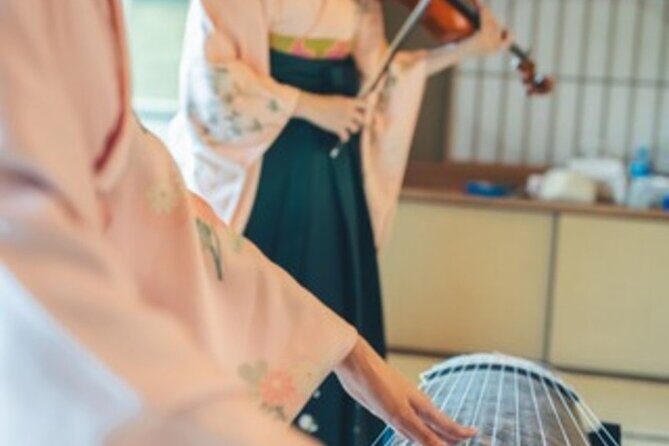
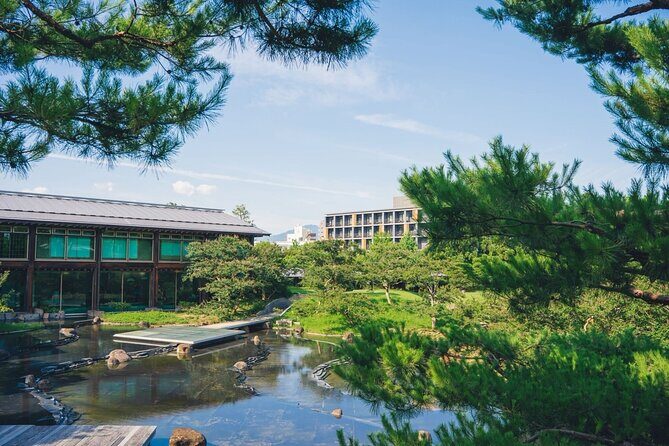
The performance takes place at Suzaku Garden, with Japanese-style spaces inside the venue. Think tea rooms and traditional rooms you can explore, not just a single dark hall with rows of seats. That matters, because it sets expectations: this isn’t only about the sound, it’s also about the calm mood surrounding it.
You also get a small practical win here. Restroom access is included, and there’s a café and restaurant on the first floor if you want something before or after. If you tend to get hungry mid-day, you won’t be stuck.
What You’ll Hear: Traditional, Anime, Games, and Original Arrangements
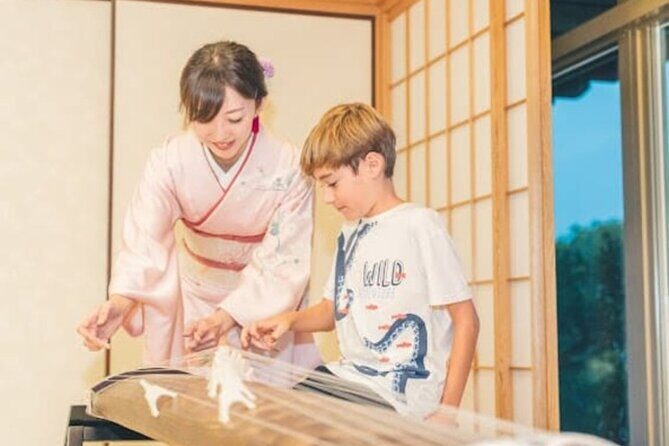
The music program is built around variety, but it stays anchored in Japanese traditional instruments. During the live performance, you can expect Japanese koto and Western violin working together on traditional melodies, plus anime and game melodies. The show also includes original arrangements, which is where the whole thing can feel less like a museum demo and more like living music work.
For many people, anime and game tunes are the entry ramp. They’re recognizable, so your brain doesn’t have to work too hard to “get it.” Then the real payoff kicks in: once you’re listening for melodies and phrasing, you start noticing how the koto’s timbre changes the emotional shape of familiar songs.
If you dislike any crossover style, you might worry this will be too pop-oriented. That’s the trade-off. You’re choosing a show that uses today’s music to bring you closer to the traditional instrument, rather than a strict traditional-only performance.
The Hands-On Koto Lesson: What You Do (and Why It Works)
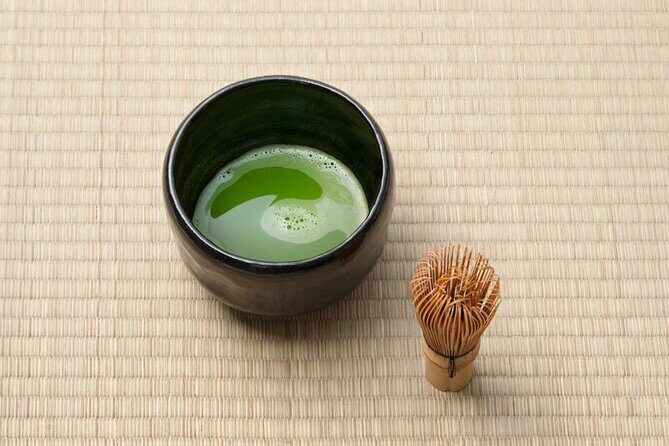
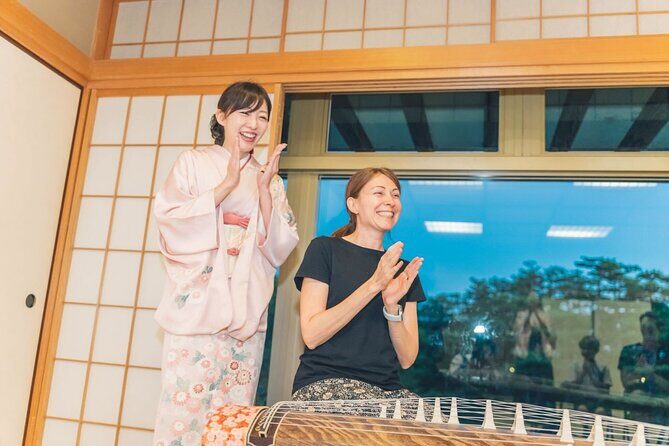
One of the best parts is that you don’t stay passive. After the performance, you get a hands-on koto experience with guided help from the musicians. You’ll have access to the koto itself, and you’ll get a chance to play it, not just watch.
Here’s why that’s valuable. The koto is not like a piano or a guitar you already understand. Its strings, tuning, and technique create a sound you can’t fully appreciate until your hands try it. Even if you only play a simple pattern, you’ll come away with a real sense of how the instrument produces its character.
A lot of hands-on activities turn into a quick gimmick. This one feels more intentional because it’s connected to the people performing. You’re learning from musicians who care about the craft, and that background matters for how the guidance lands.
Exploring Tea Rooms and Japanese-Style Spaces
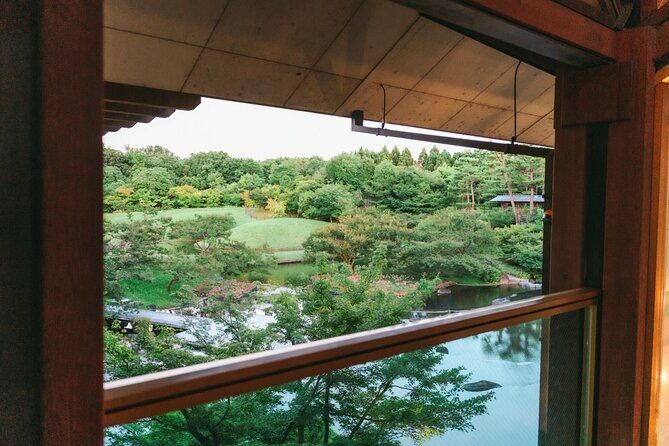
Between the music moments, you’ll be able to explore serene tea rooms and traditional Japanese-style spaces within the venue. This is one of those “small details” that turns into a big memory. Instead of waiting for the next part of the program in a chair, you get to slow down and look around.
Also, it’s a good chance to reset your head. Kyoto can stack up fast: temples, crowds, walking. A quiet indoor setting with tea-room aesthetics gives you a breather, and it keeps the whole evening from feeling like another rush.
In one standout review, the person highlighted a tea ceremony moment with family. Even if your experience varies day to day, the venue’s tea setting is clearly part of the overall atmosphere.





Meet the Artists: Training Since Childhood and a Real Conversation
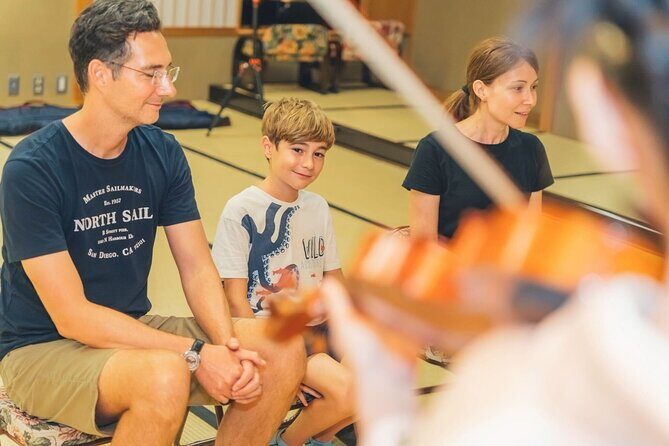
After the concert, you can meet and interact with the artists. This is where the experience turns from entertainment into cultural context. You’ll get insight into their dedication and why this music matters, and you can ask questions about the instruments and their creative process.
One review emphasized that the performers trained since childhood and were deeply serious about the instruments they love. When young musicians explain what they’re working on, you tend to learn more than what you’d get from a brochure. You’ll also understand that traditional music is not frozen in time; it’s a skill passed down and then shaped by each generation.
This meet-and-greet is especially worth it if you like going beyond the performance. You’ll leave with better questions in your head for the rest of Kyoto, like what kinds of sounds different instruments aim to produce and how performance style changes across song types.
Price and Value: When $850 Makes Sense
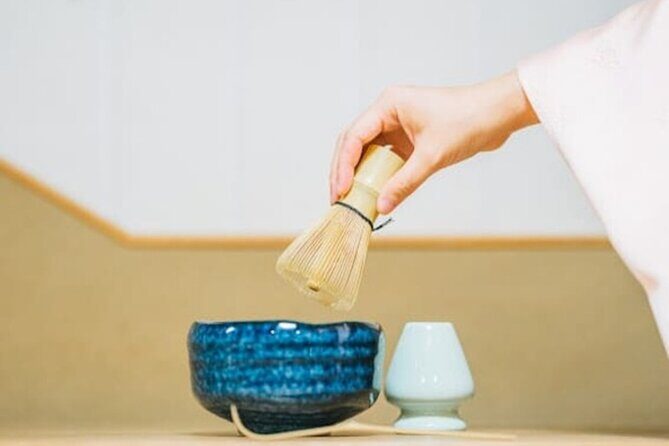
Let’s talk money plainly. At $850 per person, this isn’t a budget add-on. It’s priced like a premium, intimate cultural event with multiple components: a live koto and violin performance, a guided chance to play the koto, snacks (matcha), access to tea-room spaces, and interaction with the artists afterward.
So who gets the value?
- If you’re the type who loves learning instruments and wants hands-on time, this price can feel more justified because you’re not just buying a seat.
- If you’re traveling with someone who also cares about music, the shared experience can land better than a sightseeing activity where you mainly watch.
- If you’re hoping for a broad culture sampler (food, markets, temples), this may feel narrow since it’s centered on one show and one instrument focus.
The consideration is simple: if you’re not strongly motivated by Japanese traditional music, or if you prefer free/low-cost Kyoto sightseeing, you may feel the cost more than the payoff.
Getting There and Planning Your Day in Kyoto
The experience is near public transportation, so you’re not stuck organizing private rides. Still, Kyoto days can be packed, and indoor tickets work best when you plan your timing.
Here’s a smart way to slot it in: pick a time when you don’t need to rush to another appointment immediately afterward. You’ll have time to explore tea rooms, and you’ll likely want to linger a bit around the artist interaction afterward.
On-site, there’s a café and restaurant on the first floor if you need a drink or bite. Meals are not included, so bring a plan for hunger if you’re booking earlier in the day or skipping lunch.
If you’re booking close to your trip dates, confirmation timing can depend on availability. You’ll receive confirmation at booking in most cases, but if your booking is within 2 days of travel, confirmation arrives within 48 hours depending on availability.
Who This Kyoto Music Moment Fits Best
I see this as a strong match for music lovers and anyone curious about how traditional instruments work. You’ll probably enjoy it most if you like structured performances, appreciate cultural context, and want a chance to do something rather than only watch.
It’s also a good fit if you want a calmer indoor plan. Kyoto weather can change quickly, and an indoor concert with tea-room atmosphere can be a welcome alternative to long outdoor walks.
On the flip side, you might not be the best match if you’re only interested in big sightseeing hits or if you strongly prefer music that never mixes genres. This show includes anime and game melodies by design. That’s part of how they keep the tradition accessible.
Should You Book Kyoto: Matcha & Traditional Japanese Music?
Book it if you want a compact, high-touch music night in Kyoto where the koto is more than background. I’d especially recommend it if you’re excited about the chance to play the instrument and you like learning from musicians directly, not just watching.
Don’t book it if you’re price-sensitive and your goal is a broader Kyoto checklist. This is not a full-day tour of multiple sights. It’s a focused indoor concert experience centered on koto, violin, and hands-on participation.
If your budget allows, this feels like the kind of booking that pays off in depth. You’ll leave with a better ear for Japanese traditional sound, and you’ll remember the moment your hands made the koto’s notes.
FAQ
How long does the Kyoto matcha & traditional Japanese music experience take?
It lasts about 1 hour to 1 hour 20 minutes.
How much does it cost?
The price is $850.00 per person.
What’s included with the experience?
Your ticket includes admission to the indoor concert, restroom access on site, and a snacks portion of matcha (green tea).
What music will be performed?
The live performance features koto and violin, with a mix of traditional Japanese melodies, anime and game melodies, and original arrangements.
Do I get to play the koto?
Yes. There is a guided koto experience where you can play the koto yourself during the program.
Will I be able to interact with the artists?
Yes. After the concert, you can engage with the musicians to learn more about the instruments and their creative process.
Are meals included?
No. Meals are not included, but there is a café and restaurant on the first floor of the venue.
Is there a restroom available?
Yes. Restroom access is included.
What is the cancellation policy?
You can cancel for a full refund if you cancel at least 24 hours before the experience start time. If you cancel less than 24 hours before, you will not be refunded.