REVIEW · KYOTO
Kyoto 6hr Instagram Highlights Private Tour with Licensed Guide
Book on Viator →Operated by Japan Guide Agency · Bookable on Viator
Kyoto clicks best when you have a plan. This private, 6-hour Instagram-focused tour gives you a licensed English guide and a custom route through Kyoto’s most camera-friendly classics, from Arashiyama bamboo to Fushimi Inari torii. I like that you can pick your priorities instead of being locked into a rigid checklist, but one heads-up: temple and shrine entry costs (and transport) are not included, so your final spend depends on what you select.
What really makes this work is how the time gets used: you’re walking between top sights with context so you know what you’re looking at, and where to stand for the best angles. Guides like Amira-san, Tomy, Tark, and Hiro San are described as energetic and flexible, which matters when you’re trying to keep a photo day from turning into a marathon of lines and confusion. If you’re expecting an all-in, pay-once package, this isn’t that kind of tour, but it can be a smart way to get your bearings fast and see Kyoto’s highlights in one stretch.
In This Review
- Key reasons this tour hits the sweet spot
- Why Kyoto looks better with a guide
- How the 6 hours really work (and why 3–4 stops matters)
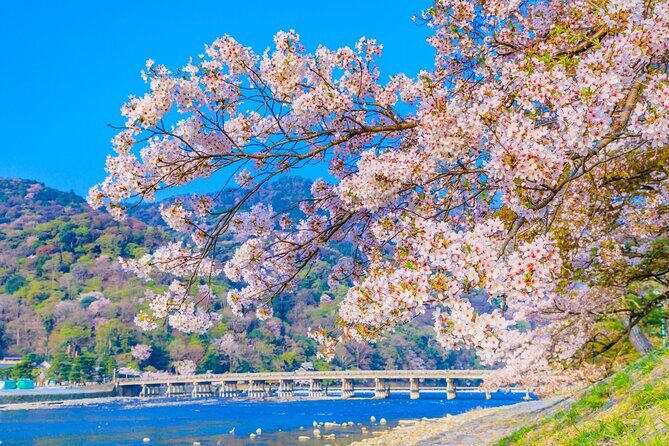
- Arashiyama at first light: Togetsukyo Bridge and Bamboo
- Kiyomizudera: the classic temple viewpoint
- Yasaka Shrine and Gion: old Kyoto in photo form
- Fushimi Inari-taisha: the torii maze experience
- Kennin-ji and Byodoin: the quieter extras that can change your day
- Licensed guide energy: what you can expect from the human side
- Price and value: what $154.37 buys you
- Photo tips and walking reality (the stuff that matters on the ground)
- Who should book this tour?
- Should you book Kyoto 6hr Instagram Highlights Private Tour?
Key reasons this tour hits the sweet spot
- Licensed local English guide: you get cultural and historical context, not just directions.
- You choose 3–4 stops: build a day around your interests instead of someone else’s route.
- Designed for photos: you visit major Instagram spots like Togetsukyo Bridge, Arashiyama Bamboo, Gion, and Fushimi Inari.
- Private means your group sets the pace: breaks and flexibility show up in the way guides run the day.
- Walking tour with pickup on foot: convenient for some neighborhoods, but you should be ready for walking time.
- Uji add-on is possible: Byodoin Temple can be included, but expect extra travel time.
Why Kyoto looks better with a guide
Kyoto is one of those cities where your photos can go from good to great just by knowing where to stand and what you’re actually seeing. This tour is built around that idea: a 6-hour window, a small set of signature stops, and a guide who can explain the meanings behind what’s in front of you.
I also like the “choose your own day” setup. Instead of trying to coordinate trains, entrance lines, and meeting points, you pick from a ready menu of Kyoto must-sees. That choice is important because Kyoto has multiple “headline districts,” and they don’t all fit in the same easy loop. With a guide, you can shift the balance toward temples, shrines, neighborhoods, or the classic photo backdrops.
The other quiet win is orientation. Even if you return later on your own, you’ll have a mental map of how the city is laid out and what each area feels like. Reviews point to guides staying in motion with a friendly, adaptable style—like Amira-san, described as nonstop energy—so the day doesn’t drag.
You can also read our reviews of more guided tours in Kyoto


How the 6 hours really work (and why 3–4 stops matters)
This is a private tour, so only your group participates. You meet the guide within a designated area and pickup is on foot (not by a vehicle). The duration is about 6 hours, and the plan is built around picking 3–4 sites from the list.
That stop limit isn’t just a convenience. It’s what keeps the day from becoming a blur. Kyoto’s top sights are popular for a reason, but they also attract crowds, and walking times can surprise you. A route that includes too many “big names” often turns into a checklist where you barely enjoy anything. Here, you should have time for:
- moving between key photo locations
- hearing context from a licensed guide
- stepping into the atmosphere of each area (not just snapping and leaving)
You’ll also notice that some stops include admission and some don’t. The tour’s description spells out that certain sites have entrance fees not included, so your personal “cost of the day” changes depending on your selections. If you want a smoother budget, choose fewer paid attractions—or accept that you’re paying for the chance to get deeper inside major highlights.
Arashiyama at first light: Togetsukyo Bridge and Bamboo
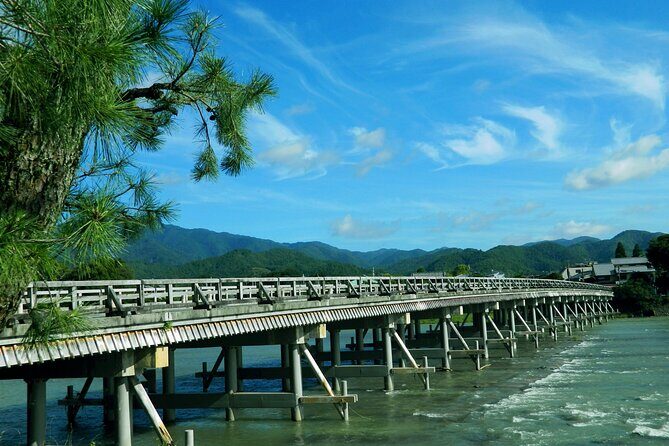
If I had to pick one “wow start” for a first Kyoto photo day, it would be Arashiyama. The tour’s Arashiyama pairing begins with Togetsukyo Bridge, a 155-meter span over the Katsura River, connecting to Saga Arashiyama. The photography advantage is the river perspective plus the hillside backdrop. Even without fancy planning, you can frame the bridge with layered green tones and that classic Kyoto sense of place.
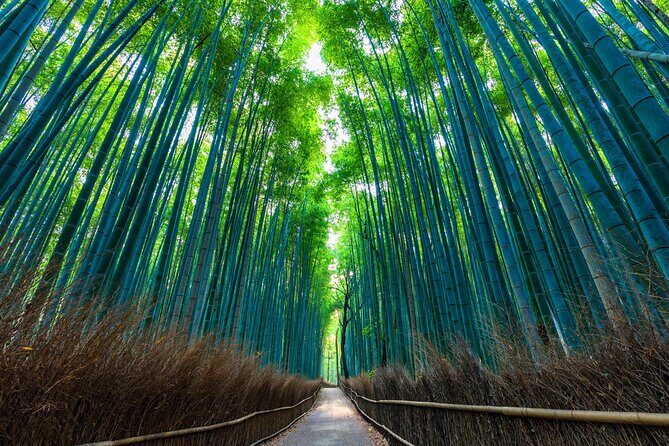
Next is the Arashiyama Bamboo Forest path, one of the most iconic views in Japan for a reason: the tunnel-like sightlines. You’ll be walking along the grove path long enough to get multiple angles—some wide shots with the bamboo rows repeating, and some tighter compositions where the culms feel almost vertical.
A practical thing to consider: bamboo forests can be busy, and the best photos often require you to wait a moment for fewer people to cross your frame. Your guide can help you time your stops within the 30-minute slot, but the crowd factor is still real.
Still, this is a strong use of a limited day. You get two “Kyoto postcard” scenes back-to-back, and they set the tone: this day is about atmosphere, not just monuments.
Kiyomizudera: the classic temple viewpoint
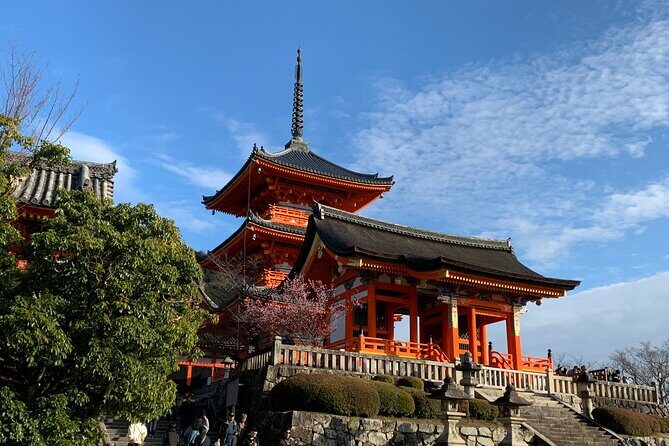
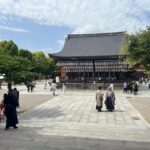
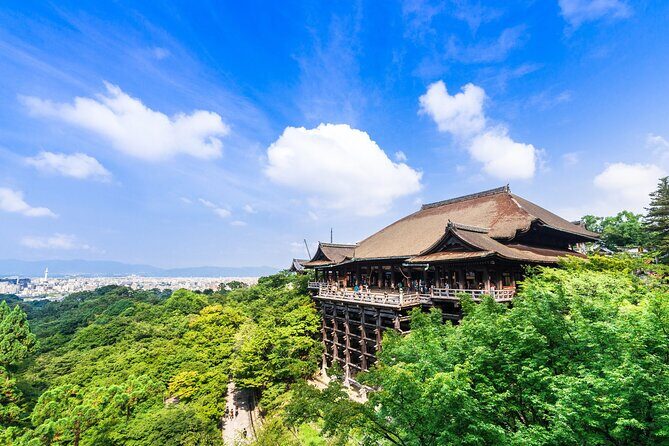
From there, the tour moves toward the Higashiyama temple zone, and Kiyomizudera is one of the biggest names on any Kyoto list. The key experience is the temple’s setting and the famous open-air terrace feel. The view isn’t just a distant panorama—you feel like you’re standing in a stage built for viewing the city and greenery beyond.
This stop is listed as 30 minutes, and admission is noted as not included. That means you should plan for an extra cost if you choose it. It also means you’ll want to treat that time like you mean it: arrive ready to move, take a few moments for wide shots, then come back down for detailed photos and atmosphere.
One downside to major temples is timing. Even with a guide, lines and crowd flow can impact how long you personally spend at the best viewpoint. The benefit is that you’re not alone trying to decode what matters. A good guide keeps you from wasting time by steering you toward the most rewarding sections within your time window.
If you love iconic Kyoto architecture and want one “big wow” temple, Kiyomizudera is a solid choice—just expect the most famous spots to feel like a famous spot.
Yasaka Shrine and Gion: old Kyoto in photo form
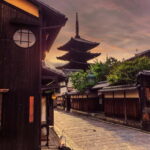
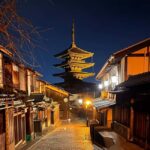
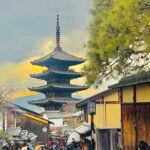
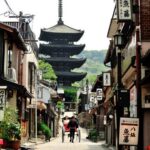
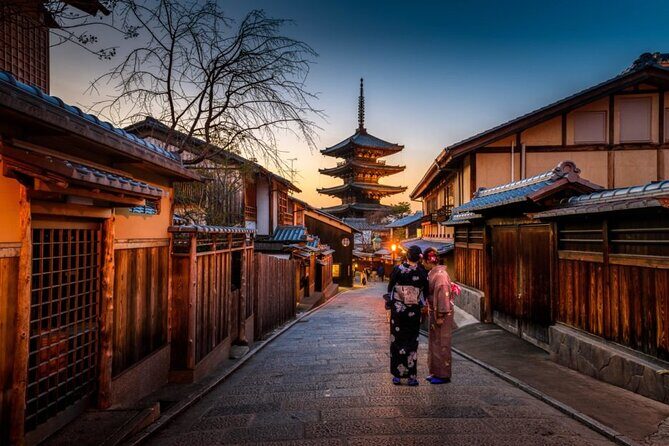
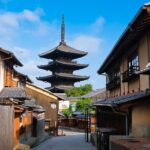
Then you step into Yasaka Shrine, home to the famous 5-story Yasaka Pagoda area (the pagoda stands at about 46 meters). Even if you don’t know the whole story, the structure is hard to miss, and the shrine setting is the kind of scene that reads instantly in a photo.
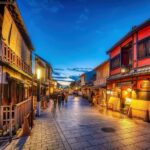
This stop is free for admission in the provided details, which helps with budgeting. It’s also a good bridge point between “temple sightseeing” and “neighborhood wandering.” After Yasaka, you get Gion, Kyoto’s historic entertainment district and a core area for geisha and maiko cultural associations.
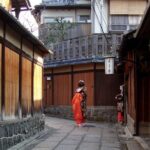
Gion is where photos can become more than landmarks. You’re capturing street character—old-style streetscapes, traditional facades, and the sense of being in a living historic district. The tour allocates about 30 minutes there, so you’ll want to pick a few priorities: a photogenic lane, one or two key street views, and then time for a calm walk.
A consideration: Gion can be busy, and you may feel your time getting compressed in the most crowded corridors. Your guide can keep you moving efficiently, but if you want an unhurried stroll with shopping and snacks, you might not want to cram too many other “must-sees” into your 3–4 selection.
You can also read our reviews of more private tours in Kyoto


Fushimi Inari-taisha: the torii maze experience
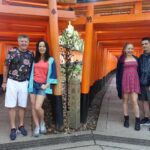
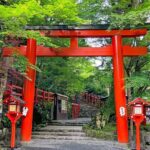
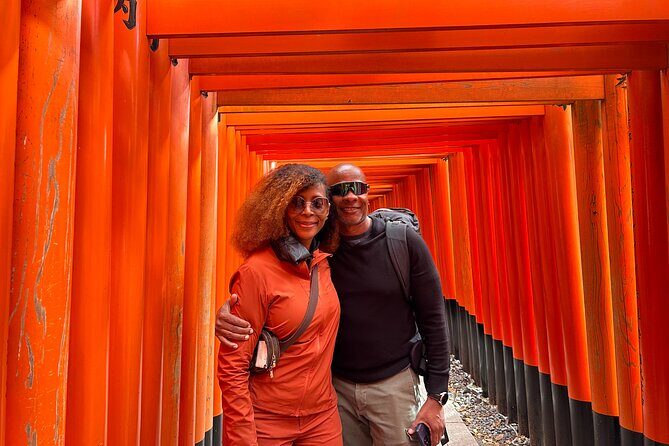
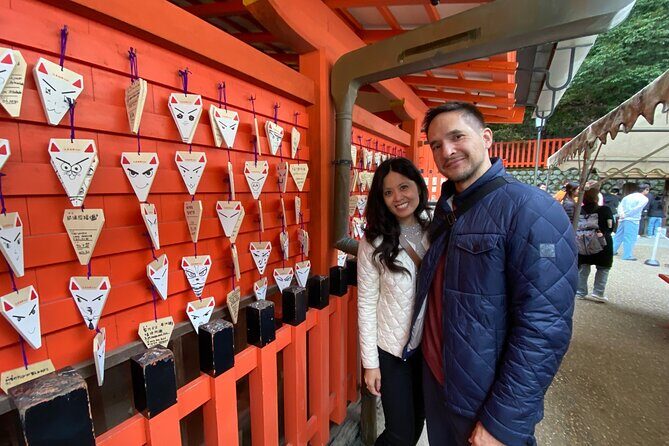
If your Instagram feed needs one signature Kyoto shot, it’s probably Fushimi Inari-taisha. The highlight is clear: more than 1,000 vermillion torii gates. What makes it special is the visual rhythm. You’re not just standing next to a gate—you’re walking through a repeated pattern that changes as you move deeper.
This stop is also listed as free admission, so it’s a great value add if you’re trying to keep the day’s costs controlled. The 30-minute timing is enough for getting a set of photos at the entry area and a taste of the interior pathways.
The trade-off is altitude and depth. The more you walk into the shrine’s pathways, the more your photo time stretches and your energy drops. If you’re choosing Fushimi Inari, I’d treat it as a “spend your effort” stop and don’t overload your plan with other distant zones.
The payoff is huge. Fushimi Inari photos have instant recognition, and even if you’re not doing a long hike, the entrance and early route are still visually powerful.
Kennin-ji and Byodoin: the quieter extras that can change your day
The tour includes two additional temple options that can add variety beyond the headline attractions.
Kennin-ji Temple is close to the shopping/streets area around Hanamikoji and Shijo. It’s listed for about 15 minutes, and admission is not included. If you want something calmer, this can work well. Dry landscape garden elements (kare-sansui) are mentioned, and gardens often reward a slower look. The short time makes it best as a “bonus” stop rather than the main event.
Then there’s Byodoin Temple in Uji, known for its Phoenix Hall (a National Treasure and UNESCO World Heritage Site). Here’s the catch: extra travel time is expected because it’s in Uji city within Kyoto prefecture. It’s listed for 15 minutes, and admission isn’t included.
So Byodoin can be a great choice if:
- you’re okay with added transit time
- you want a UNESCO-level highlight
- you still want your core Kyoto neighborhoods covered
If you’re chasing only Instagram icons close to central Kyoto, Byodoin might feel like too much for the 6-hour window. But if your interests lean toward heritage and architecture, it can be the “different angle” that makes your day feel more than just photos.
Licensed guide energy: what you can expect from the human side
The guide is a big deal here because Kyoto’s sights are layered. Even within 30 minutes, there’s a lot to understand: why a shrine sits where it does, what a temple terrace means, how a district like Gion developed, and what the torii gates represent.
The reviews you’ll find about this kind of tour consistently emphasize guide style: energetic pacing, clear explanations, and flexibility when plans need adjusting. Names that appear include Amira-san, Tomy, Tark, and Hiro San. The overall theme is that the guides don’t just point—you get anecdotes that help the places make sense.
That matters if you’re on a honeymoon day, traveling with kids, or just trying to avoid the stress of self-navigating with limited time. One review specifically praises flexibility with a young child, which is a great reminder: even if the itinerary is set, the way the day gets handled is what makes it feel smooth.
Price and value: what $154.37 buys you
At about $154.37 per person, this isn’t the cheapest way to tour Kyoto. But you’re not just paying for walking and entry tickets. You’re paying for:
- a licensed local English speaking guide
- a private group experience
- a route designed around your selections
- time saved in planning, meeting, and switching between neighborhoods
If you were to do a similar day yourself, you’d still pay for trains or buses (not included), likely lose time figuring out efficient movement, and miss the context that makes photos more satisfying. For people who want Kyoto’s highlights without turning the day into logistics homework, this kind of guided private tour can be good value.
Also, the tour offers a mobile ticket and mentions group discounts. If you’re traveling with friends or family, the per-person cost can make even more sense.
That said, because transport and admissions aren’t included, your final “true cost” depends on which stops you choose. Kiyomizudera, Kennin-ji, and Byodoin are flagged as not included in the details you have, while Togetsukyo Bridge, Bamboo Forest Street, Yasaka Shrine, and Fushimi Inari are listed as free admission. I’d treat that as a planning tool: build your “must photo” list first, then decide where you’re comfortable spending entry fees.
Photo tips and walking reality (the stuff that matters on the ground)
This is a walking tour with pickup on foot within a designated area. So your shoes matter. Kyoto’s sidewalks are often fine, but the day is built around short stops and movement between neighborhoods. Plan for:
- comfortable walking shoes
- a light layer (weather shifts happen fast)
- a charged phone/camera and a backup for low battery
For photos, your best strategy is to think in batches. With 30 minutes at major stops like Arashiyama Bamboo or Fushimi Inari, you’ll get more consistent results if you:
- capture one wide or iconic shot first
- then switch to detail shots (textures, repeating patterns, gates, terrace views)
- leave room for the crowd to shift
Rain can also affect what feels worth it. If you do Kiyomizudera or any outdoor viewpoints, you might still get great photos, but the mood changes and walking surfaces can feel more slippery.
The practical upside: because the tour is private, your guide can help you adjust within the available time window rather than forcing you to follow someone else’s pace.
Who should book this tour?
I’d book this if you want:
- Kyoto’s most recognizable photo stops in one day
- a guide who can explain what you’re seeing (and help you avoid wasting time)
- a private experience where your route reflects your interests
It’s also a strong fit for first-time Kyoto visitors. If you’re only there for a day or two, a tour like this helps you understand the city’s layout and what each area feels like, so you can plan future solo wandering with more confidence.
If you’re the type who loves planning everything solo, you might skip this. But if you’d rather trade some freedom for fewer hassles and better context, this tour is a very reasonable way to spend your limited time.
Should you book Kyoto 6hr Instagram Highlights Private Tour?
I’d say yes if your goal is a stress-free, photo-forward introduction to Kyoto with real context. The blend of licensed English guiding plus a custom 3–4 stop itinerary is exactly what you want when you’re balancing time, crowd flow, and photo timing.
Before you book, do one quick check:
- Pick your 3–4 stops with your budget in mind, since some entries are not included.
- Be honest about your walking stamina. It’s a walking tour with pickup on foot.
- If you’re tempted by Byodoin in Uji, remember the extra travel time can tighten the rest of your day.
If that sounds like your kind of day, this is an efficient, enjoyable way to experience Kyoto’s best-known scenes without turning your vacation into a navigation project.