REVIEW · DESSERT TOURS
Kyoto: Japanese Traditional Sweets Making and Tea Ceremony
Book on GetYourGuide →Operated by B.B.Advisors Inc. AN KYOTO · Bookable on GetYourGuide
Sweet, floral Nerikiri meets matcha etiquette. In 95 minutes near Gojo Station, you color Nerikiri dough, shape two seasonal sweets, and drink Uji matcha you helped make.
I like that the class uses Kyoto-made white/red bean paste from long-established shops, so the flavor is the point, not an afterthought. And I really appreciate that you get single-origin matcha for your own tea, then eat what you shaped right afterward—bean paste sweetness and matcha bitterness actually make sense together.
One thing to watch: English support can vary depending on the instructor and the room setup. If you’re hoping for very detailed explanations in English the whole time, go in with flexibility.
In This Review
- Key highlights worth showing up for
- Where You Start: Gojo Station Convenience Meets Traditional Craft
- Nerikiri Sweets: Color, Shape, and Learn What Makes Them Special
- The Bean Paste Flavor Test: Why Kyoto-Style Ingredients Matter
- Uji Matcha and Tea Ceremony: Hands-On Etiquette Without the Pretend
- Eating What You Made: The Best Proof Is the First Bite
- Class Atmosphere: Room Setup, Group Mix, and Noise Levels
- Price and Value: Why About $18 Can Actually Feel Reasonable
- Getting the Most Out of It: My Practical Tips Before You Go
- Arrive a bit early
- Be ready for stairs
- Go with a flexible expectation for English
- Certificate and take-home extras cost extra
- Who This Kyoto Sweet-Making and Matcha Class Is Best For
- Should You Book This Kyoto Traditional Sweets and Tea Ceremony?
- FAQ
- How long is the experience?
- Where is the meeting point?
- What will I make in the class?
- What ingredients are used for the sweets and tea?
- Is there English support?
- What language is the class taught in?
- Is it wheelchair accessible?
- Are take-out sweets or certificates included?
Key highlights worth showing up for
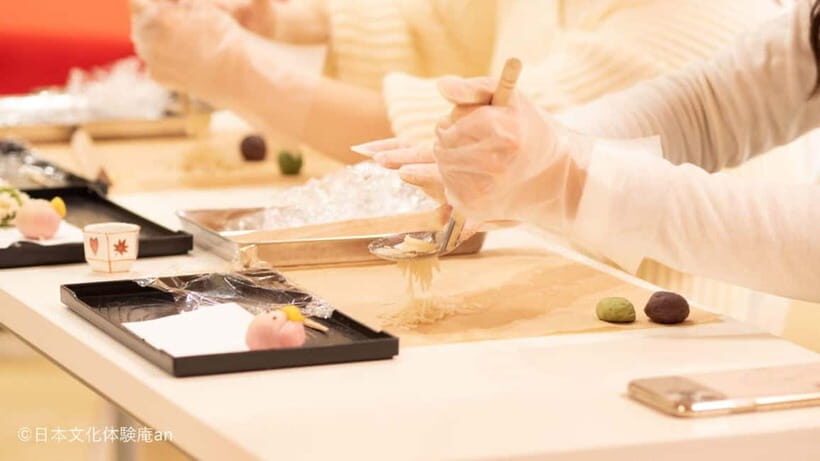
- Seasonal Nerikiri: you make two sweets matched to the time of year
- Kyoto long-established bean paste: real white/red bean filling, not a substitute
- Uji matcha prep and tasting: you whisk and then drink your own tea
- Hands-on pace: the steps are structured enough for beginners
- Central access: about a minute walk from Gojo Station Exit 1, but you’ll use stairs
Where You Start: Gojo Station Convenience Meets Traditional Craft
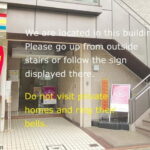
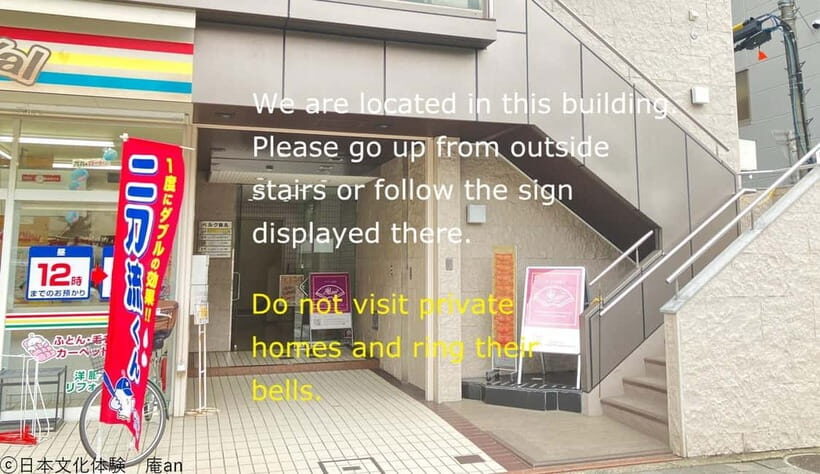
This class is easy to reach and easy to tack onto a Kyoto day. You meet about a minute walk from Exit 1 of the Subway Karasuma Line Gojo Station, and the store entrance faces Gojo-dori. That matters because Nerikiri work is time-sensitive: once the session starts, the instructor keeps moving.
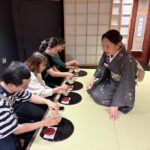
Inside, the experience is set up for hands-on making rather than watching. You’ll do the coloring and shaping of your Nerikiri sweets yourself, and you’ll also prepare the tea. The room is designed around the lesson, so don’t plan on hanging out with your phone for long stretches.
Two practical notes you’ll want to respect. First, there’s no elevator, and you’ll take stairs to reach each venue. Second, the event can’t be held up for delays, so plan to arrive early and get settled. In a class like this, arriving “on time” can still feel late.
You can also read our reviews of more tours and experiences in Kyoto
Nerikiri Sweets: Color, Shape, and Learn What Makes Them Special
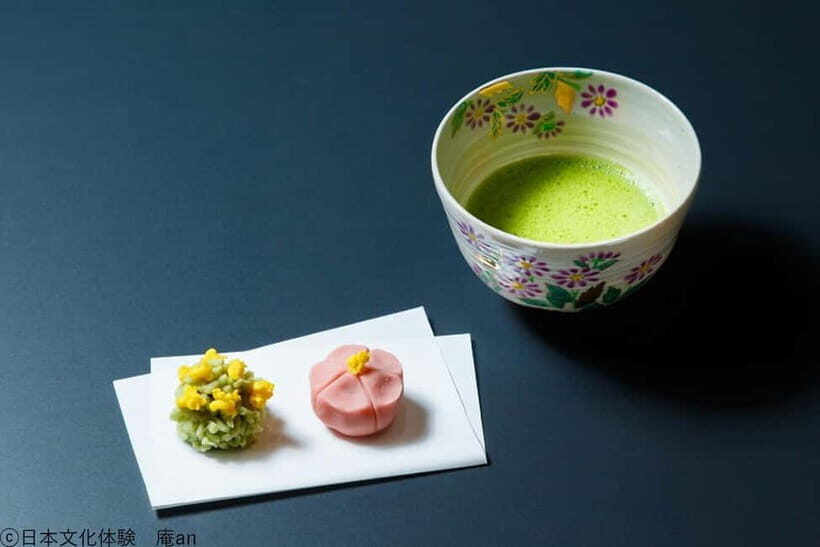
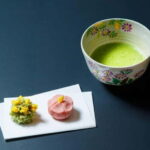
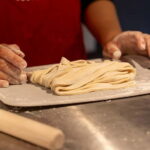
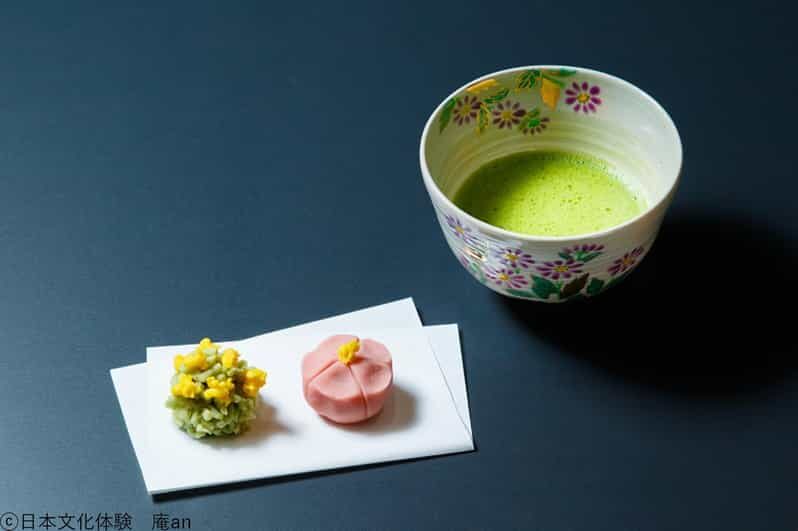
Your first task is making a Japanese traditional sweet called Nerikiri. Think of it as a high-grade wagashi style where the filling is molded into seasonal themes—flowers or fruit, depending on the time of year.
The process starts with coloring white bean paste. That part is more fun than it sounds, because you’re not just tasting; you’re creating the look of the sweet. Then you move into shaping. Even if your hands don’t naturally do arts-and-crafts, the method is designed to be reachable. You’ll make two Japanese sweets that match the season.
What I like about Nerikiri as a learning experience is that it forces you to notice texture. Bean paste can be soft, sticky, or workable depending on handling. When you color and shape, you learn the “feel” that makes a finished sweet look neat instead of lumpy. You’re basically training your hands to respect the material.
Also, the class uses white/red bean paste produced by Kyoto’s long-established shops. That isn’t just branding. It affects the final flavor balance—sweetness level, smoothness, and how well the paste pairs with the bitterness of matcha later.
The Bean Paste Flavor Test: Why Kyoto-Style Ingredients Matter
A lot of food classes offer shortcuts. This one doesn’t hide behind tricks. The sweetness comes from the ingredients, especially the Kyoto-produced bean paste used for your Nerikiri.
In practice, this means your sweets don’t taste like generic “tour food.” White and red bean paste each have their own character—white tends to feel smoother and lighter, while red brings deeper sweetness. Since you’ll use this same bean paste flavor as the base for your finished sweets, you can taste what good wagashi ingredients do.
Then comes the best part: your sweets aren’t made for a photo and left behind. You’ll eat them afterward alongside tea you prepared. That pairing is the whole logic of the class: matcha is not meant to be sugary; it’s meant to be balanced. A high-quality paste helps your palate stay interested instead of feeling overloaded.
If you love sweets that are less about “cake sweetness” and more about subtle, controlled flavors, this ingredient choice is a big reason the class works.
Uji Matcha and Tea Ceremony: Hands-On Etiquette Without the Pretend
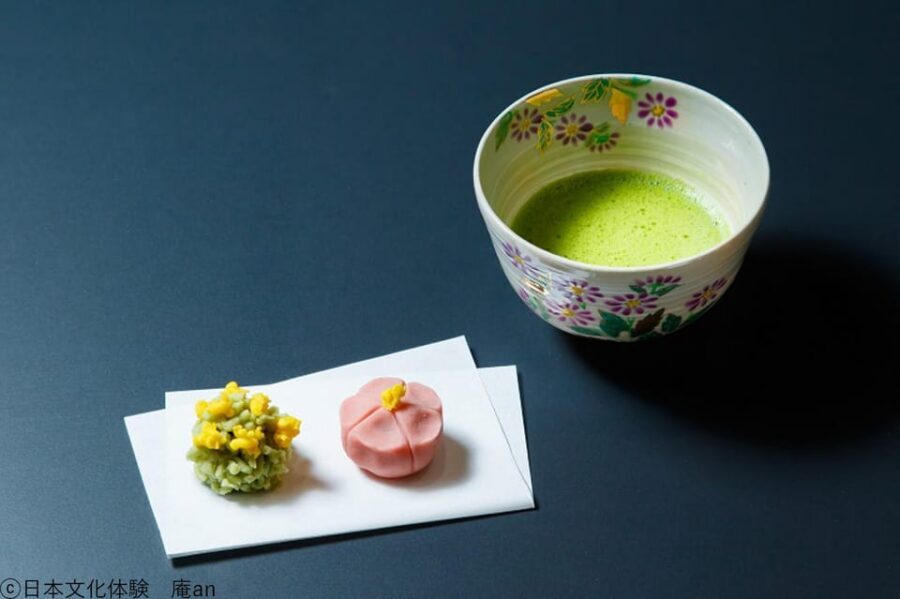
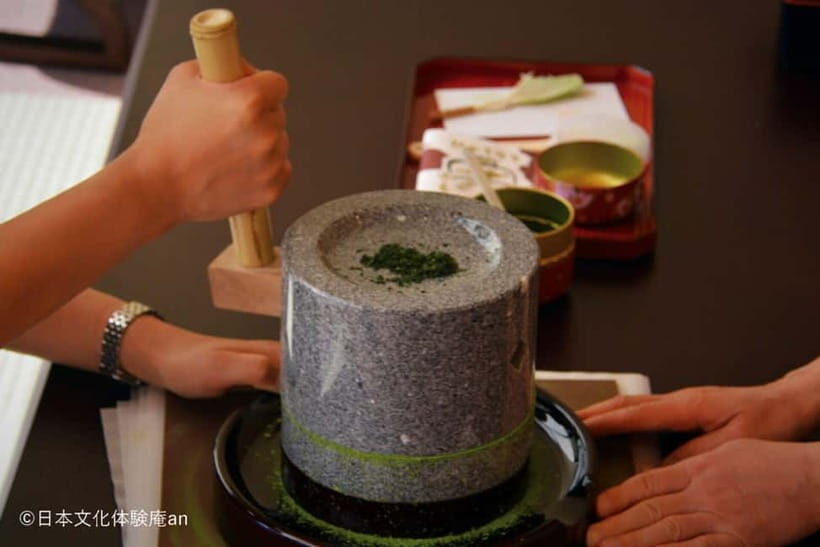
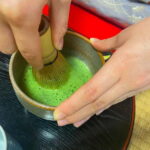
After Nerikiri, you switch gears to matcha. You’ll prepare your tea using Uji matcha, then learn the basic approach to drinking it. The class frames it around tea culture and etiquette, and you do get a sense of the “why” behind the motions.
In terms of what you actually do, you’re not just handed a cup. You’ll make your matcha first, then enjoy it with the sweets you made earlier. That rhythm matters: your tea isn’t random; it’s part of the meal you created.
How formal the tea portion feels can depend on timing and group flow. Some sessions run like a short, clear etiquette lesson rather than a long, perfectly quiet traditional ceremony. If your goal is a full, silent, multi-step tea ritual, you might find this shorter format a little less theatrical. The upside is that you still leave with practical knowledge you can repeat at home.
One more thing: communication quality can affect your tea experience. In some rooms, English explanation is strong and paced well; in others, you may rely more on watching. If you enjoy learning by copying the hand movements and building understanding step by step, you’ll likely do fine.
Eating What You Made: The Best Proof Is the First Bite
When you finish shaping, you finally get to eat your Nerikiri sweets with your own matcha. This is where the class clicks.
Nerikiri is often visually detailed. But the real test is whether the flavor and texture make you want another bite. With this class, the bean paste quality helps, and the pairing with matcha gives the sweetness structure instead of flattening your palate.
You also get to taste what you made in a clean, satisfying sequence:
1) You color and shape the sweet
2) You prepare matcha
3) You eat together
That order is ideal for beginners because it keeps the experience cohesive. You’re not trying to remember instructions from a different part of your trip. Your hands and your mouth are learning the same lesson at the same time.

Class Atmosphere: Room Setup, Group Mix, and Noise Levels
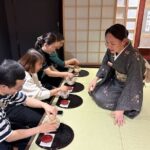
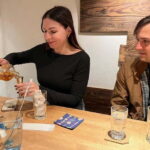
This is a small-room workshop style class. That usually means you’ll get attention and a clear pace. Many participants highlight that the instructor breaks steps into understandable pieces and checks that everyone can keep up.
That said, the room environment can vary. On one session, the activity included Japanese junior high students, which made it feel more authentic and less like a purely tourist bubble. On other days, you might share the space with different groups, including people who finish earlier and move out during the tea portion. If that happens, you could notice extra noise.
So the practical advice is simple: arrive early, get comfortable fast, and treat the tea portion as part instruction time. If you need quiet and a calm, library-like atmosphere, you might want to choose a different type of tea experience in Kyoto. If you’re okay with a lively learning room, you’ll likely enjoy the energy.
Price and Value: Why About $18 Can Actually Feel Reasonable
At around $18 per person for 95 minutes, you’re paying for more than a snack. You’re paying for a guided hands-on lesson plus ingredient-based results: two seasonal sweets and matcha you prepare.
The value comes from three things:
- You use Kyoto-sourced bean paste for your sweets
- You get single-origin Uji matcha for your tea
- The class includes both making and tasting what you make
If you tried to recreate this experience on your own, you’d likely spend time and money sourcing ingredients and figuring out technique without coaching. Here, you’re paying for that technique in a short, structured session.
Also, the pace is designed so beginners aren’t stuck. Some people describe it as low-intensity and doable even without prior skill. That helps justify the price: you’re not buying “watching entertainment,” you’re buying time and instruction that leads to something edible.
Getting the Most Out of It: My Practical Tips Before You Go
If you want your experience to feel smooth, focus on these basics.
Arrive a bit early
Because the session can’t be held for delays, aim to show up with extra breathing room. One missed minute can turn a calm class into a rushed one.
Be ready for stairs
No elevator means you’ll take stairs to reach the venues. If you’re sensitive to stairs, plan accordingly.
Go with a flexible expectation for English
English translation is provided as much as possible, and the instructor is Japanese. In some sessions, English explanations are very clear. In others, it may feel lighter and you’ll rely more on visual cues. If you’re comfortable learning by watching hands and then asking follow-up questions when you can, you’ll get a lot out of it.
Certificate and take-home extras cost extra
A sweets take-out box is 100 JPY, and an experience completion certificate is 300 JPY. If you don’t need those add-ons, skip them and just enjoy the food on-site.
Who This Kyoto Sweet-Making and Matcha Class Is Best For
This class fits best if you want an active Kyoto food experience that doesn’t require prior skills.
You’ll probably enjoy it if you:
- like eating traditional Japanese sweets and want to understand what makes them work
- want a structured activity for a rainy afternoon or a slower day
- travel with kids who can handle a hands-on workshop (the experience is described as suitable for families by some participants)
- prefer doing the work yourself rather than watching a demo
You might be less happy if you:
- want a long, fully formal tea ceremony with silent stillness
- need very detailed English instruction minute by minute
- strongly prefer step-free access (because there’s no elevator)
Should You Book This Kyoto Traditional Sweets and Tea Ceremony?
Yes, if you want a practical taste of Kyoto’s food culture in one compact session. The combination of seasonal Nerikiri making and Uji matcha prep is the right kind of hands-on for first-timers, and the Kyoto bean paste ingredient choice makes your sweets taste like something real, not just a novelty.
Skip it or rethink your expectations if you’re chasing a deep, multi-hour tea ritual or very precise English throughout. But if you’re open to a short, friendly class where you leave with two sweets and your own matcha, this is a smart way to spend 95 minutes in central Kyoto.
FAQ
How long is the experience?
The duration is 95 minutes.
Where is the meeting point?
You meet about a 1-minute walk from Exit 1 of the Subway Karasuma Line Gojo Station. The store entrance faces Gojo-dori.
What will I make in the class?
You’ll make two Japanese sweets that match the season, starting with Nerikiri.
What ingredients are used for the sweets and tea?
The sweets are made using white/red bean paste produced by long-established shops in Kyoto, and the tea is made with single-origin Uji matcha.
Is there English support?
English translation is provided as much as possible. You can request extra English help by contacting them.
What language is the class taught in?
The instructor is Japanese, and languages are Japanese. English support is provided as available.
Is it wheelchair accessible?
It is wheelchair accessible, but there is no elevator, and you need to take stairs to reach each venue.
Are take-out sweets or certificates included?
No. A sweets take-out box costs 100 JPY, and an experience completion certificate costs 300 JPY.