REVIEW · CONCERTS
Kyoto: Traditional Concert at Townhouse or Bathhouse
Book on GetYourGuide →Operated by Gen · Bookable on GetYourGuide
Small rooms, huge sound. In Kyoto, this experience pairs pro koto and shamisen with bilingual mini-explanations, so the music lands with context, not just volume. I especially like the up-close townhouse feel, where you can follow the small changes in technique and tone that big venues hide.
The best part for hands-on learners is the optional hands-on koto workshop at the traditional townhouse, plus time for Q&A after the music. The one drawback to keep in mind is that the Historic Bathhouse Hall option runs irregularly (and specifically on Mondays), so you’ll want to check dates early.
In This Review
- Key moments worth planning for
- Kyoto koto and shamisen in a room you can actually hear
- Townhouse concert: cozy solo programs (and a real workshop)
- The optional hands-on koto workshop (beginner friendly)
- Historic bathhouse hall: resonant duet performances on Mondays
- Why duet formats feel more modern than they sound
- How the 45–105 minutes are structured
- What you learn before you hear the music
- Q&A with the artists: short, practical, and real
- Pairing your concert with Kyoto sights without wasting time
- Price and value: why $32 can feel like more
- Who this is best for (and who might skip it)
- Quick on-the-ground expectations
- Should you book this Kyoto koto and shamisen concert?
- FAQ
- How long is the concert?
- What is the price per person?
- What’s different between the townhouse and the bathhouse?
- Is there a hands-on koto workshop?
- Are there duet performances?
- Is the event in English?
- What’s included besides the concert?
- Is it okay for first-timers who don’t know Japanese instruments?
- FAQ
- Can I cancel for a refund?
- Do I need to eat beforehand or after?
- When is the bathhouse option available?
Key moments worth planning for
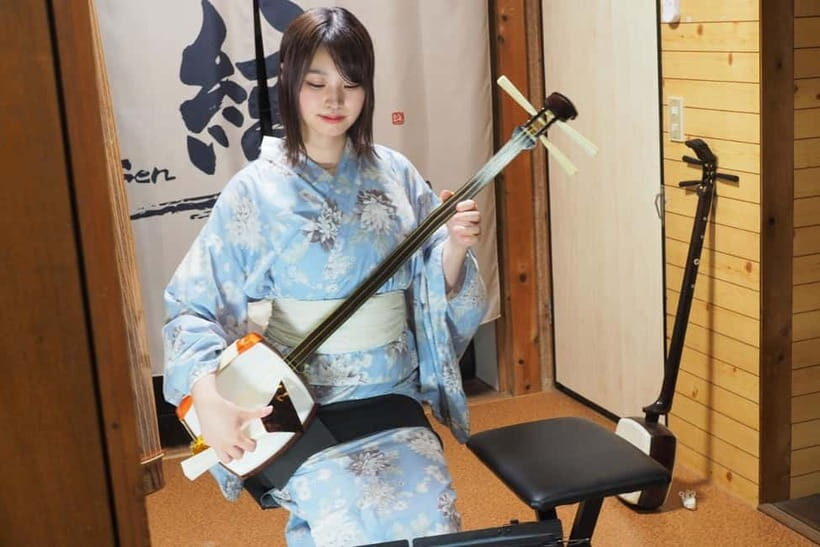
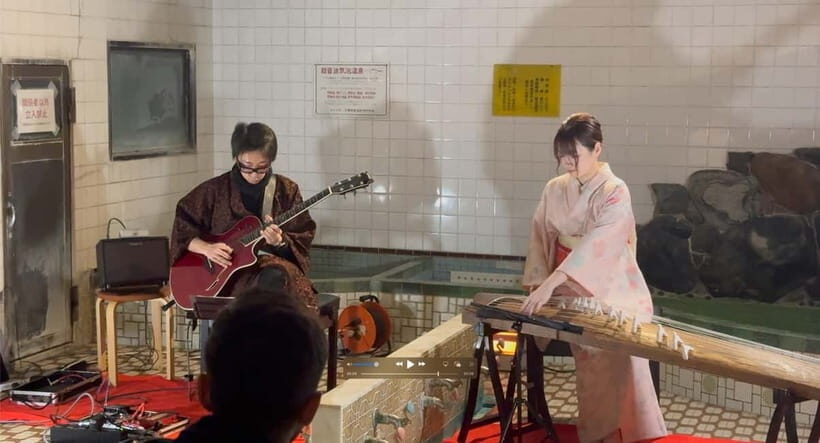
- Two very different Kyoto sound worlds: a cozy solo townhouse vs a resonant bathhouse duet hall
- Professional koto and shamisen programs: 4–5 pieces tailored to the room and the artists
- Bilingual instrument walkthrough: notation, parts, picks/bridges, and how the instruments work
- Q&A plus photos with the performers: short, friendly, and designed for real questions
- Optional beginner-friendly koto tryout: only at the townhouse venue, with sanitized instruments
Kyoto koto and shamisen in a room you can actually hear
If you’re tired of Kyoto’s sights being louder than your day, this concert is a smart reset. You’re trading temples and crowds for something more precise: strings, timing, and the little explanations that make classical Japanese music feel readable.
This isn’t a museum demo. It’s a real performance by professionals, with a compact set (usually 4–5 pieces) and commentary in Japanese and English. That format matters because koto and shamisen can sound similar at first—until you know what to listen for.
You also get to choose your atmosphere. The townhouse option is small and intimate. The bathhouse hall option is larger and more dramatic acoustically, with duet pairings that expand the sound palette.
You can also read our reviews of more tours and experiences in Kyoto
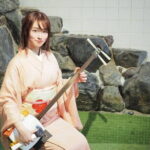
Townhouse concert: cozy solo programs (and a real workshop)
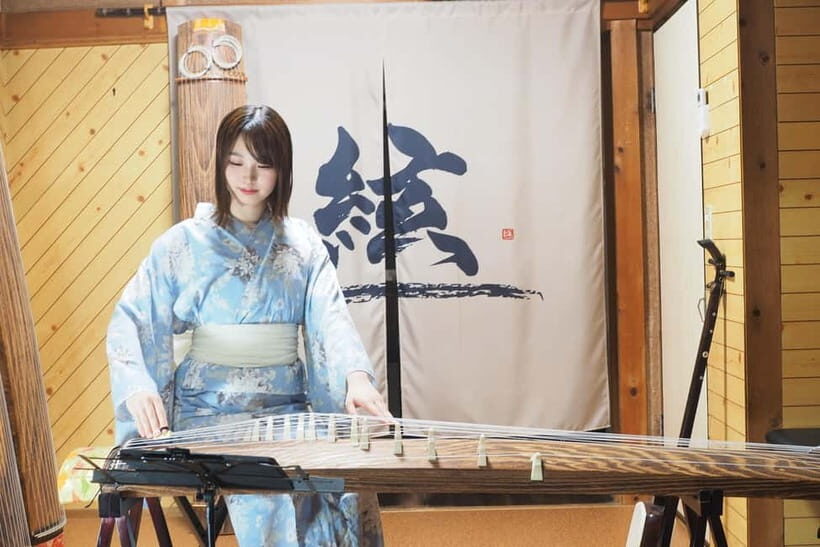
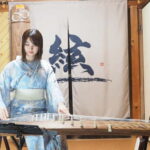
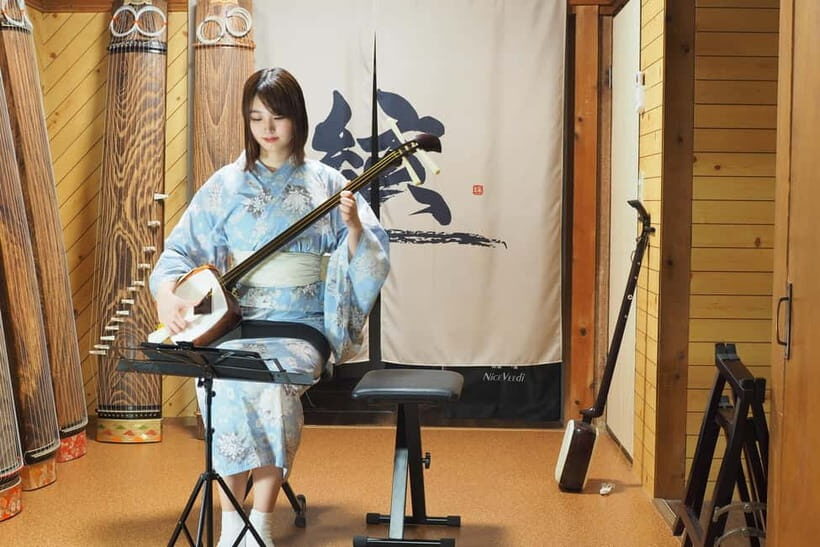
Choose the traditional townhouse if you want the closest possible listening experience. The venue holds up to about 11 people, so you’re not watching from the back like it’s a theater. You’ll sit on cushions or chairs in a traditional Japanese home setup, and you’ll hear details in the plucking and phrasing.
In this solo program, the performer plays 4–5 pieces, typically mixing Japanese classical works with contemporary or artist-specific selections. The flow is designed like a story: instrument basics first, then the music, then questions.
What I like here is the “living-room” energy. Several people in the feedback praised how warm and endearing the evening feels, with hosts who explain instruments plainly and answer questions directly. Names mentioned in the experience include hosts such as Gen, Shima, and Samuel, and performers such as Kyoko, Furan, and Aoi—so depending on your date, you might meet someone different, but the style is consistently personal.
The optional hands-on koto workshop (beginner friendly)
If you book the townhouse, you can add the hands-on workshop. It’s offered only at this venue and runs roughly after the Q&A/photos, for a shorter, guided try.
Expect sanitized instruments and step-by-step guidance on basic technique and reading the short phrase sheet they provide. Multiple reviews highlight that even total beginners could make a recognizable sound and get help adjusting posture and hands.
Practical note: the format is “try and learn,” not a full lesson. If you want a deeper class, you’ll likely need a separate training session later, but for a first contact, this is a strong use of your time.
Historic bathhouse hall: resonant duet performances on Mondays
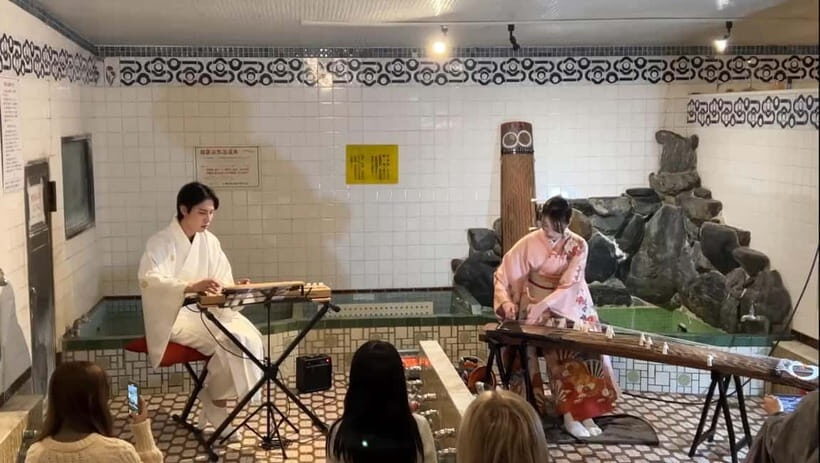
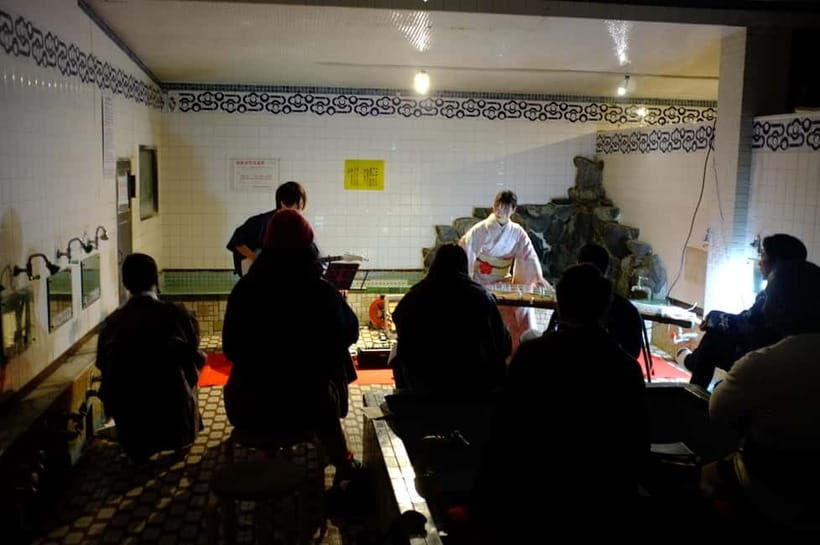
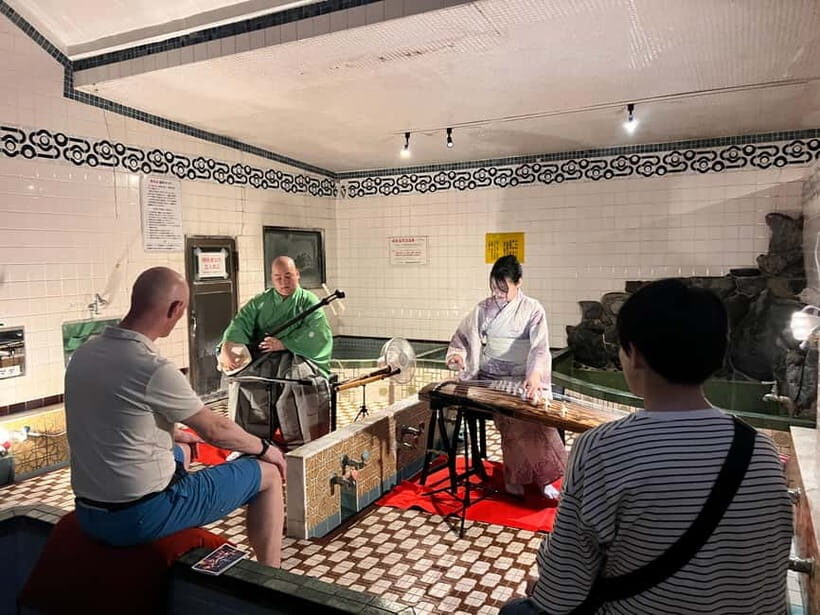
Pick the Historic Bathhouse Hall if you want sound to bounce off the room and wrap around you. This is the option with natural reverberation from tiled walls, and it holds up to about 30 guests—still small enough to feel personal, just not as tiny as the townhouse.
The program here is built around koto paired with another instrument. You’ll hear a mix of solo and duet sections across 4–5 pieces, and the duet pairings can include shamisen, shakuhachi, taishōgoto, flute, guitar, and other combinations depending on the booking.
A key difference: this option is offered irregularly on Mondays. So if your schedule has you locked in for another day, don’t assume the bathhouse is available without checking the calendar.
Why duet formats feel more modern than they sound
Even when the pieces are “traditional,” duets often feel more dynamic because two instruments argue and agree in real time. The explanations before the performance help you catch why certain choices sound lyrical or dramatic—so you’re not just hearing a pretty blend, you’re understanding what the players are aiming for.






How the 45–105 minutes are structured
This concert is designed to move without rushing. Depending on the exact schedule and whether you choose the townhouse workshop, you’re looking at about 45 to 105 minutes total.
Here’s the typical order:
1) Check-in and seating (5–10 minutes)
You’ll get a quick welcome and venue etiquette. Since this happens in small spaces, being on time matters more than in a big attraction.
2) Instrument introduction (10–15 minutes)
You’ll learn how koto and shamisen are played, including parts like picks/bridges and how notation works. This is where many people get their “oh, that’s why” moment.
3) Concert (25–30 minutes)
A set of 4–5 pieces with commentary. Titles can vary by date and performer, but the mix usually includes both classical material and more contemporary or original compositions.
4) Q&A and photos (5–10 minutes)
This is built for direct questions. In reviews, people specifically mention how approachable hosts and musicians were, and how short background stories made the pieces feel less mysterious.
5) Optional hands-on workshop (35–40 minutes)
Only for traditional townhouse bookings. This is where you try a basic technique and play a short phrase with guidance.
What you learn before you hear the music
The instrument introduction is one of the highest-value parts of the whole evening. You’ll often hear the “how” and the “why” in a compact way: what to listen for, how the instruments create those tones, and what different pieces try to express.
Several comments note that the explanations cover materials and how the instruments are made, plus how the players think about phrasing. One review even mentions learning how to read the Japanese music sheet used during the session, which is a great bonus if you like details.
The bilingual mini-commentary (Japanese/English) also helps you stay present. You’re not constantly trying to translate in your head. You can just listen and follow along.
Q&A with the artists: short, practical, and real
The post-concert Q&A is where this activity stops being passive entertainment. You get a short window to ask questions, and photos give you a clean, structured way to connect without turning the whole event into a fan meet-up.
People praised how hosts handled questions warmly and how they adjusted their explanations to match the audience’s baseline knowledge. This matters because many participants start with little or no prior understanding of traditional Japanese instruments.
In addition, a few reviews mention the host being funny or very welcoming, which helps if you’re nervous about asking something you think might be too basic. You’re not. This whole program is designed for first-timers.
Pairing your concert with Kyoto sights without wasting time
This concert location is set up nicely for a “culture sandwich” around major sights. You won’t need to overhaul your whole day. You can plan either before or after nearby destinations.
Here are practical pairings based on the access notes:
- Arashiyama (~25 minutes): Walk to Saiin Station, take Hankyu to Katsura, then transfer to the Randen line. Great if you want nature and quiet earlier, then string music later.
- Nijō Castle (~20 minutes): One stop from Saiin on the Tozai subway line. A solid choice if you want history in the morning and music in the evening.
- Kinkaku-ji (~20 minutes): Bus from Nishioji Sanjō (about 16 minutes) plus a short walk. If golden pavilion is on your list, this is an easy add-on.
- Nishiki Market (~25 minutes): Direct Hankyu to Karasuma or Kawaramachi. Perfect for shopping and quick bites around your show time.
Timing tip: because this is a small venue experience, I’d schedule it after your bigger sight. That way, if you run late from a temple, the concert is still your final “reset.”
Price and value: why $32 can feel like more
At $32 per person, you’re paying for a professional performance by real musicians, not a scripted walkthrough. You’re also paying for the translation and structure: instrument introduction, bilingual commentary, Q&A, and (for the townhouse option) a hands-on workshop with sanitized instruments.
What makes it good value isn’t just the music. It’s the amount of attention you get. Townhouse capacity is around 11, and bathhouse is up to about 30. That’s the difference between hearing instruments and understanding them.
The duration also helps. You’ll spend under two hours for the core concert experience, which is rare for something this culturally specific in Kyoto’s schedule.
And if you want both venues, you can book one or both depending on your dates. Doing one is already a complete experience. Doing two gives you the contrast: dry close-up listening in the townhouse, versus duet interplay and stronger room resonance at the bathhouse.
Who this is best for (and who might skip it)
This is a strong fit if you:
- like music but want it explained in plain language
- want a calmer Kyoto evening away from walking crowds
- enjoy hands-on experiences, even short beginner ones
- want something different from the usual temple-photo loop
You might skip it if:
- you only like big, full-scale performances where sound is loud and seating is theatre-style (the townhouse is very small)
- your schedule can’t flex for the bathhouse’s irregular Monday timing
It’s not suitable for babies under 1 year, which makes sense for a quiet, seated music format.
Quick on-the-ground expectations
A few details that can help your day feel smoother:
- Check-in and seating are part of the show. In small venues, being late can cut into the intro.
- Most people won’t need specialized knowledge beforehand. The explanations are built for first-timers.
- The meeting point can vary by option. Plan a little extra time to locate the venue.
Also, a recurring theme in feedback is that the townhouse location can feel a bit tricky to find at first. If you’re booking and the address is confusing, using the location coordinates provided to you tends to help.
Should you book this Kyoto koto and shamisen concert?
I’d book it if you want a Kyoto experience that feels human-scale, not mass-tour style. The biggest reasons are the bilingual instrument introduction and the chance to ask questions after the music. Add the townhouse workshop and you’ve got an activity that actually teaches your ear, not just entertains your eyes.
If your schedule lines up for Monday, the Historic Bathhouse Hall is a great choice for duet variety and room acoustics. If you want the closest listening and the option to try koto, go townhouse.
If you’re deciding between one and two venues: start with the townhouse for the full “learn, listen, ask, try” arc. Then consider the bathhouse if you want a second night with different sound dynamics and more instrument pairings.
FAQ
How long is the concert?
The experience runs about 45 to 105 minutes, depending on the venue option and whether you choose the optional hands-on workshop.
What is the price per person?
It’s $32 per person.
What’s different between the townhouse and the bathhouse?
The traditional townhouse is a smaller room (around up to 11 guests) with solo programs on koto and shamisen, usually 4–5 pieces, plus an optional workshop. The historic bathhouse hall holds more people (around up to 30) and focuses on koto duet programs paired with another instrument, across 4–5 pieces.
Is there a hands-on koto workshop?
Yes, but only at the traditional townhouse venue. It’s designed for beginners and uses sanitized instruments.
Are there duet performances?
Yes. The bathhouse hall option includes duet programming where koto is paired with another instrument (with examples including shamisen, shakuhachi, taishōgoto, flute, or guitar).
Is the event in English?
There is bilingual mini-commentary in Japanese and English, and the instructor/host supports both English and Japanese.
What’s included besides the concert?
Included items are the live performance (4–5 pieces), bilingual mini-commentary, post-concert Q&A, photo opportunity time, and venue seating. If you book the townhouse workshop, that’s included as well (with sanitized instruments).
Is it okay for first-timers who don’t know Japanese instruments?
Yes. The experience is set up for participants with little prior knowledge, and the instrument introduction covers the basics.
FAQ
Can I cancel for a refund?
You can cancel up to 24 hours in advance for a full refund.
Do I need to eat beforehand or after?
Food, drinks, and bathing are not included. The concert is focused on music, explanations, and the optional workshop (at the townhouse).
When is the bathhouse option available?
The bathhouse hall option is offered irregularly on Mondays, so you’ll want to check the calendar for specific dates.