REVIEW · BIKE & E-BIKE TOURS
Kyoto : True Kyoto Avoid the crowds E-Bike Tour
Book on GetYourGuide →Operated by Japan Experience · Bookable on GetYourGuide
Kyoto, minus the crowd crush, is what I love here: e-bikes let you glide past the usual tour lines, and the stops like Shimogamo Shrine feel more personal. The one trade-off is that food isn’t included, so you’ll want to plan for a bite on your own.
I also really like the human touch. Your guide, Maki, sets a pace that stays relaxed, with stories tied to what you’re actually seeing. In fact, the ride is described as not strenuous—Kyoto is about as flat as a pool table, and you’re kept safe away from the busiest roads.
You’ll start and end the tour at the Sanjo branch of Raku-chari, and you’ll be traveling with a helmet and bottled water. This tour isn’t a fit for everyone, though: it’s not suitable for kids under 12, and there are height limits too.
In This Review
- Key highlights you’ll remember after the ride
- Northeast Kyoto by e-bike: why this avoids the worst crowds
- Where you start at Raku-chari Sanjo (and what to bring)
- The ride begins with a calmer pace (Kyoto is flat for a reason)
- Shimogamo Shrine: a quieter kind of sacred
- Enkouji Temple: serenity that rewards slow attention
- Taste local delicacies and meet the neighborhood rhythm
- Pace, safety, and comfort: what you should expect day-of
- Price and what $88 really covers
- Who should book this tour—and who should skip it
- Should you book this Kyoto avoid-the-crowds e-bike tour?
- FAQ
- Where does the tour start?
- Where does the tour end?
- What’s included in the tour price?
- Is food included?
- What locations are included on the route?
- What language is the tour in?
- Is the tour suitable for children?
- Are strollers or baby carriages allowed?
- Are there height and age limits?
- Can I cancel for a refund?
Key highlights you’ll remember after the ride
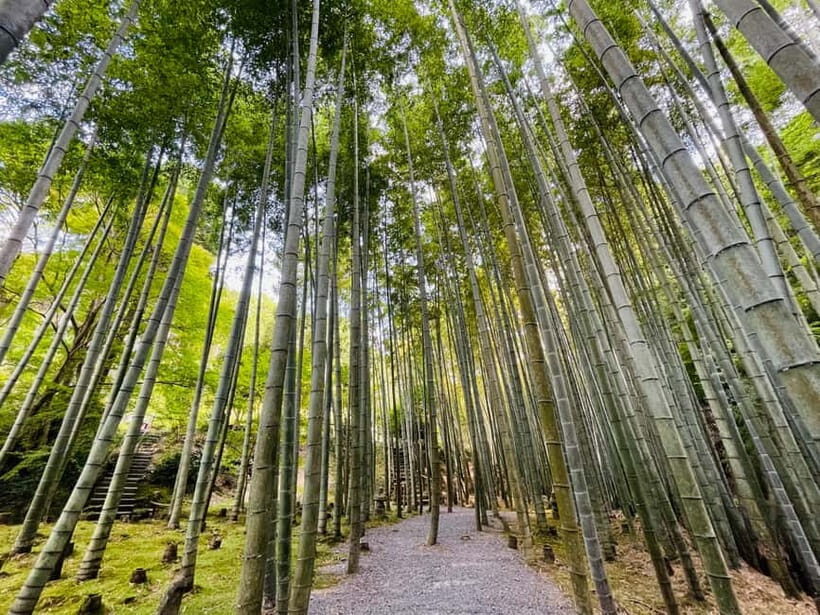
- Quiet Northeast Kyoto routing: less foot traffic and more breathing room than the classic highlights.
- Shimogamo Shrine visit: a calm, sacred stop that most itineraries skip.
- Enkouji Temple for slow looking: serene temple time that feels unhurried.
- Local delicacies on the way: you get tastes of the area, not just sightseeing.
- Breezy, easy pace on e-bikes: comfort matters, especially in Kyoto heat or sun.
Northeast Kyoto by e-bike: why this avoids the worst crowds
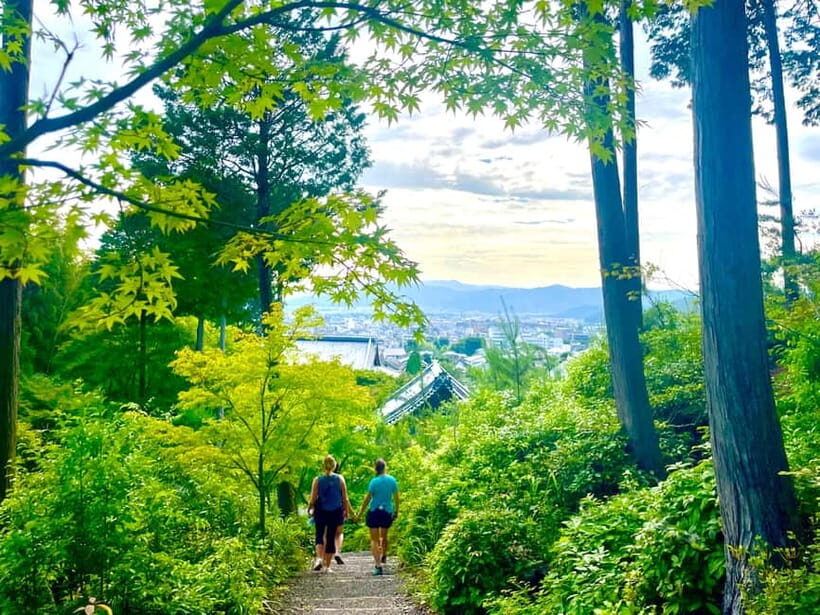
If you’ve spent any time in Kyoto, you’ve seen the same pattern: big sights attract big lines, and the vibe can feel like a timed entry system. This tour takes you in the opposite direction—into the quieter parts of Northeast Kyoto—so your day feels more like walking through the city, not sprinting between checkpoints.
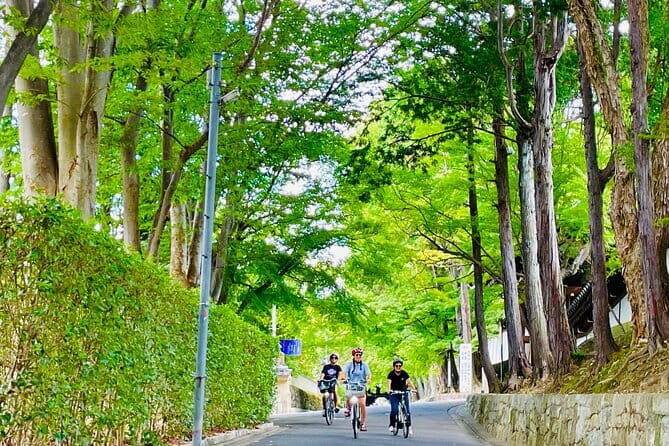
The e-bike part isn’t just convenience. On a two-wheeled route, you cover more ground than you could on foot, but you still move at a human pace. One of the best perks is that you get that light breeze while riding, which makes warm days more tolerable and keeps the trip feeling easy.
And because the route stays safe—kept away from busy roads—you can focus on what you came for: shrines, temple moments, and the neighborhoods around them. You’re also not stuck doing only the most famous postcard stops, which is exactly what returning Kyoto visitors tend to want.
You can also read our reviews of more cycling tours in Kyoto

Where you start at Raku-chari Sanjo (and what to bring)
The tour meets at the Sanjo branch of Raku-chari. There are a couple of branches, so make sure you show up at the Sanjo location, not the other one. The activity ends back at that same meeting point, so you’re not left navigating the city after the ride.
Included gear is straightforward and useful: you get an e-bike rental, a helmet, water, and guided visits to shrines and temples. That means you can travel with less “stuff,” which is a nice change in a city where you may already be carrying day bags, cameras, and extra layers.
A few rules matter for comfort and safety:
- Bare feet aren’t allowed.
- Baby strollers and baby carriages aren’t allowed.
- Alcohol and drugs aren’t allowed.
Also note the basics for who can join. This isn’t suitable for children under 12. There are height limits too (not for people over 200 cm), and it isn’t suitable for seniors over 80. If any of that applies, it’s worth checking before you book so you don’t waste time.
The ride begins with a calmer pace (Kyoto is flat for a reason)
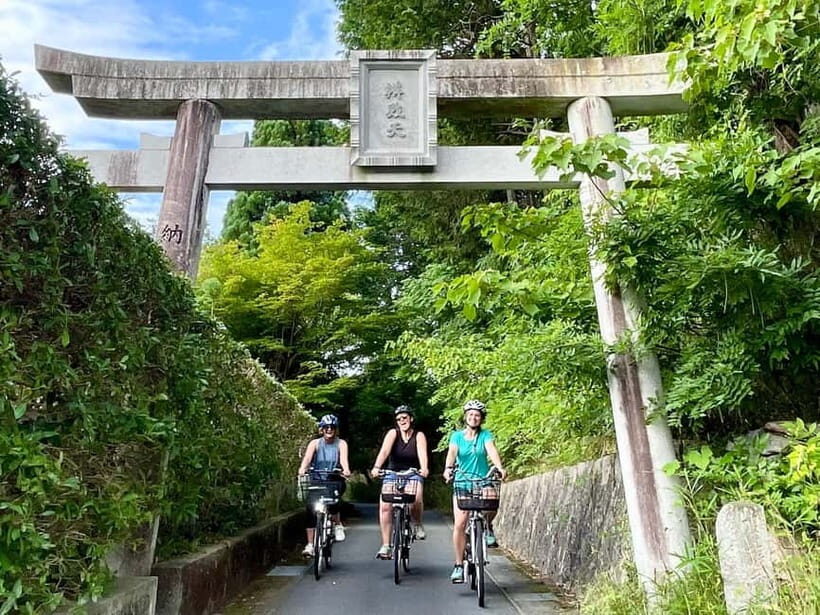
This tour is built around an easy rhythm. The ride is described as not strenuous, and Kyoto’s terrain is largely flat—again, think pool-table-flat rather than hill-climbing misery. That matters because you’re able to actually enjoy each stop instead of arriving out of breath and looking for the closest bench.
Safety is handled in the route choice. You won’t be shoved into tight, stressful traffic situations; the plan is kept away from busy roads. That’s a big deal in Kyoto, where some streets can feel intense if you’re on your own.
The e-bike also changes how you experience the city. You’ll still be moving like a traveler, but you can glance around, notice side streets, and get a sense of how people live in that part of town. It’s the kind of motion that helps you spot little details you’d miss when standing in a line.
Shimogamo Shrine: a quieter kind of sacred
Shimogamo Shrine is one of the star stops on this route. It’s a shrine visit that fits perfectly with the overall theme: fewer crowds, more calm, and a more intimate pace than you’ll get at the most over-subscribed temples.
What makes this stop special for me is how it shifts your day from “attraction mode” into “place mode.” Instead of rushing for a photo and moving on, you get time to look and to slow down enough to notice what’s around you. Shrines have their own tempo—sounds, spacing, and the way people move—and Shimogamo is the kind of spot where that matters.
If you enjoy learning what you’re actually seeing—without turning it into a lecture—this is a good match. Your guide’s stories are tied to the shrine and what you’ll notice while you’re there, which helps the stop feel grounded rather than random.
One practical tip: bring your usual patience for shrine grounds. Even without crowd crush, it’s still a sacred place. Walk respectfully, keep your bike rules in mind as your group transitions, and take your time.
Enkouji Temple: serenity that rewards slow attention
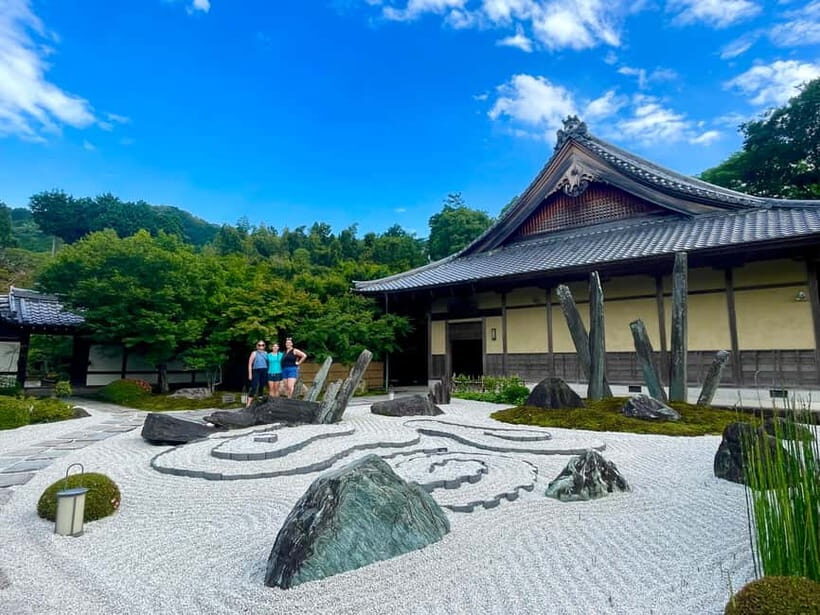
Enkouji Temple is the other named highlight, and it’s a great counterbalance to big, famous Kyoto sites. The tour description points to a serene temple visit, and the overall experience keeps that same tone—calm stops in quieter corners.
Temple time is where the e-bike pacing pays off. Because you’re not exhausted, you can actually pause and look. That’s the difference between just passing through and appreciating what makes each temple setting feel distinct.
Enkouji is also a nice example of what this tour is really about. It’s not trying to pile on the maximum number of famous sites. Instead, it picks quieter places where you can absorb the atmosphere and understand why people come here in the first place.
If you like photos, you’ll still get them. But even if you’re not into photography, temple visits like this can make your Kyoto trip feel more layered. Less checklist, more sense of place.
You can also read our reviews of more tours and experiences in Kyoto

Taste local delicacies and meet the neighborhood rhythm
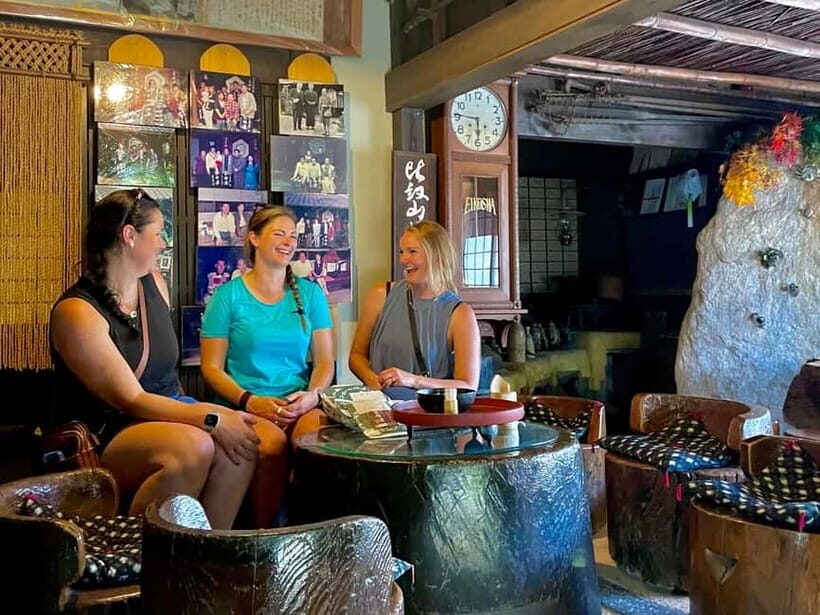
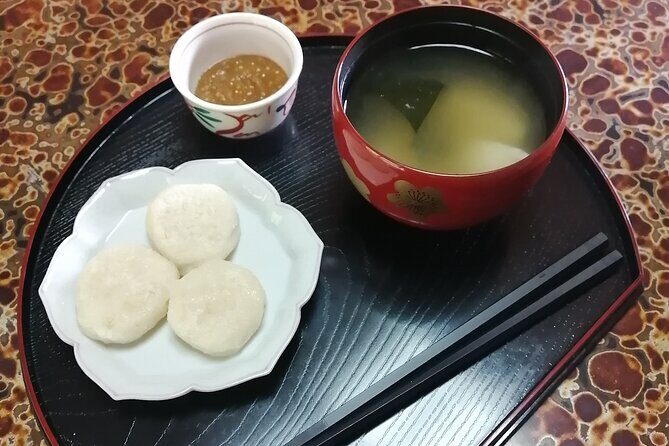
One of the most enjoyable parts of this tour is the food element—except here’s the catch: it’s tasting, not a full meal. Food isn’t included, but you do get chances to taste local delicacies as you move through the area.
That “tastes on the way” approach is smart for Kyoto. When you’re cycling, stopping for a full restaurant meal can eat the day. Light bites keep the ride flowing while still giving your senses something other than temple gates and shrine signs.
You also spend time around local community areas, which helps your view of Kyoto go beyond temples alone. You’ll get glimpses of everyday life in Northeast Kyoto—the kind of setting where locals shop, stroll, and move at a less tourist-driven pace.
My advice: treat the tasting moments as a bonus, not your whole lunch plan. If you’re the type who needs a proper sit-down meal, build that into your day afterward.
Pace, safety, and comfort: what you should expect day-of
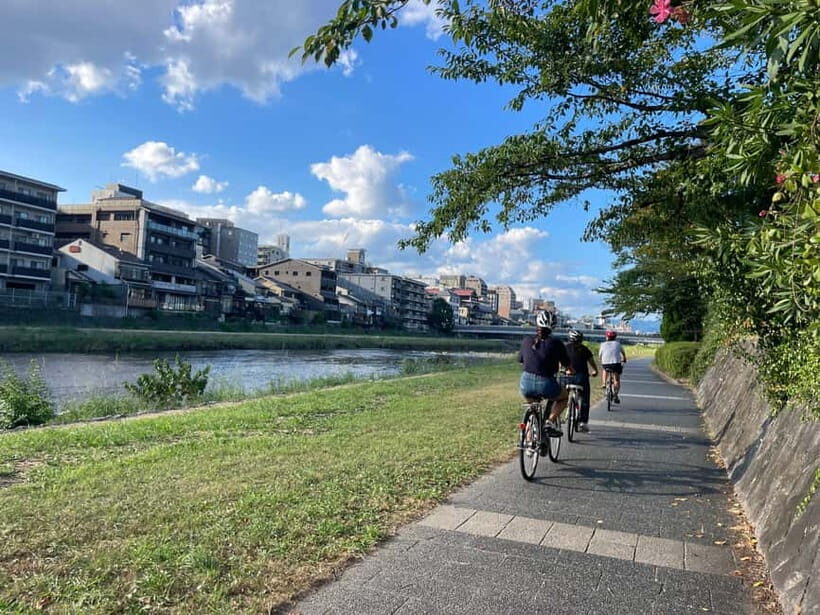
The best word that fits this tour is relaxed. The route keeps moving, but it doesn’t rush. The pace is described as perfect, and the ride is easy enough that you’re not fighting your own fatigue.
Safety comes from both the bike setup and the routing. You’ll have a helmet (provided), and the route is kept away from busy roads. That combination helps you feel confident riding without turning the experience into a constant exercise in caution.
You’ll also feel the comfort of e-bikes right away. They take the work out of the ride, which is important if you’re traveling with camera gear and want your hands free for photos. Plus, that breeze effect makes the ride feel less like you’re trapped indoors and more like you’re living the day outside.
If you’re worried about comfort, your best “prep” is simple:
- Wear shoes you can keep on (bare feet aren’t allowed).
- Dress for the weather since you’ll be outside and moving.
- Plan to drink enough water, even though water is included.
Price and what $88 really covers
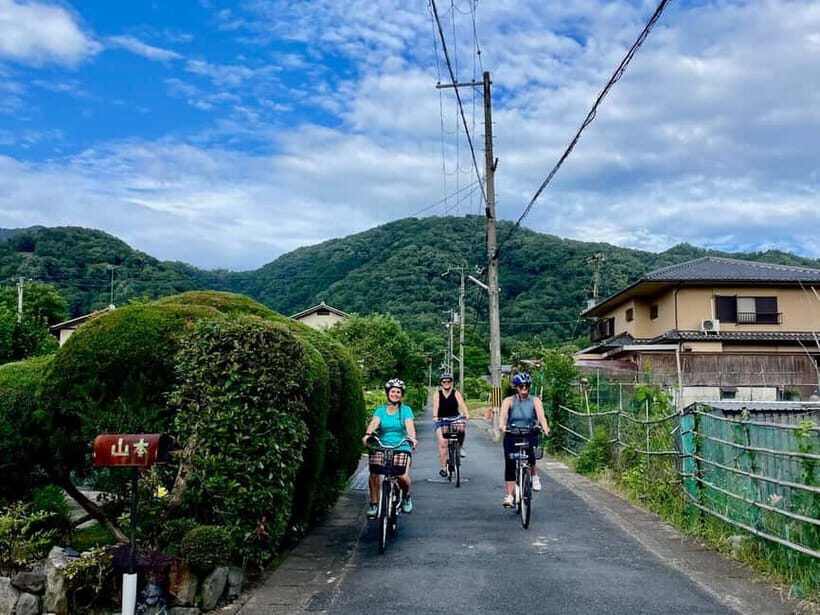
At $88 per person, this tour isn’t an ultra-budget option. But it also isn’t just a guide walking you around on foot. You’re paying for practical stuff: the e-bike rental, helmet, water, guided visits to shrines and temples, and an English-speaking guide who tells the stories behind what you’re seeing.
Value-wise, it’s strongest if you want to avoid two things:
1) wasting time stuck in crowd flow, and
2) spending extra money to rent a bike on your own without a guided route and context.
The one financial gap is obvious: food isn’t included. That means you should add a meal or extra snacks to your personal budget. If you plan well, the food tasting included in the ride can feel like a nice bonus instead of a partial substitute for a meal.
If you’re visiting Kyoto again, or you’re tired of the same “top ten” route, this price can feel like paying for a calmer day and better positioning.
Who should book this tour—and who should skip it
This is a smart choice if you fall into one of these groups:
- You want fewer crowds and a quieter Kyoto experience.
- You’ve already seen the major hits and want Northeast Kyoto’s less obvious side.
- You like guided context but don’t want a frantic schedule.
- You want an easier way to cover multiple temple and shrine stops without exhausting yourself.
It’s not a great fit if:
- You need stroller access. Baby strollers and baby carriages aren’t allowed.
- You’re traveling with children under 12.
- You’re over 200 cm tall, or you’re over 80 years old.
- You plan to bring alcohol or use drugs during the experience (not allowed).
Should you book this Kyoto avoid-the-crowds e-bike tour?
I’d book it if your Kyoto goal is a calmer day with meaningful stops, not a race to see everything. The combination of Shimogamo Shrine and Enkouji Temple, plus time in community areas, makes this feel like a real slice of Kyoto rather than a theme-park version of it.
It’s also a good pick if you like moving at a comfortable pace. The ride is described as not strenuous, and the e-bike setup plus the traffic-safe routing makes it feel manageable.
The only reason not to book is simple: you don’t want to handle food planning yourself. Since food isn’t included, you’ll want to budget for meals and snacks separately. If that’s fine, this tour is a strong way to see Kyoto with less stress.
FAQ
Where does the tour start?
The tour starts at the Sanjo branch of Raku-chari. There are multiple branches, so make sure you go to the Sanjo location.
Where does the tour end?
The tour ends back at the meeting point.
What’s included in the tour price?
The tour includes an e-bike rental, visits to some shrines and temples, water, and helmets.
Is food included?
No. Food isn’t included, though you will have chances to taste local delicacies during the tour.
What locations are included on the route?
The tour includes Shimogamo shrine and Enkouji temple, along with other shrines and temples in Northeast Kyoto.
What language is the tour in?
The tour is offered in English.
Is the tour suitable for children?
No, it’s not suitable for children under 12.
Are strollers or baby carriages allowed?
No. Baby strollers and baby carriages are not allowed.
Are there height and age limits?
Yes. It’s not suitable for people over 6 ft 6 in (200 cm) and not suitable for people over 80 years old.
Can I cancel for a refund?
You can cancel up to 24 hours in advance for a full refund. The booking also offers reserve & pay later, so you can book and pay nothing today.
If you want, tell me your travel dates and whether you’re visiting Kyoto for the first time or returning—I can suggest a realistic “before and after” plan around this tour so your day flows without stress.