REVIEW · COOKING CLASSES
Japanese Cuisine Cooking Class in Kyoto
Book on Viator →Operated by Iku · Bookable on Viator
A cooking class in Kyoto should feel like a real meal, not a demo. This one happens in a Kyoto machiya near Toji Temple, and I love how hands-on it stays while you learn Kyoto-flavored basics like clay-pot rice and miso. The price is reasonable for a 3-hour session that includes a full lunch-style meal, but you’ll want to plan ahead for fish/egg options if you’re strict about being vegan.
You’ll cook, you’ll plate, and you’ll eat what you make—plus you get English and Japanese support while the chef teaches both technique and the culture behind the ingredients. One possible drawback: the menu is mostly vegan, yet fish and eggs may be used, so it’s smart to message your dietary needs before you arrive.
In This Review
- Key Points You’ll Care About
- A Kyoto Machiya Near Toji Temple: Getting There Without Stress
- Meet Iku: Chef-Nutritionist Teaching Kyoto’s Home-Style Approach
- The 3-Hour Flow Starting at 11:30: What Happens, Step by Step
- Clay-Pot Rice and Miso Soup: The Core Skills You’ll Actually Use
- Your Meal: One Soup and Five Side Dishes (Mostly Vegan)
- Plating and Eating With Matcha Tea: Why This Part Matters
- Price and Value: Is $71.67 Worth It?
- Who This Kyoto Cooking Class Suits Best
- Practical Tips: Questions to Ask, Diet Notes, and Timing
- Should You Book This Japanese Cuisine Cooking Class in Kyoto?
- FAQ
- How long is the Japanese Cuisine Cooking Class in Kyoto?
- What time does the class start, and what day is it offered?
- What will I cook and eat during the class?
- Is the class vegan, vegetarian, or does it include fish and eggs?
- Where is the meeting point?
- What’s included in the price?
Key Points You’ll Care About
- A machiya setting near Toji Temple: a short walk from Kyoto Station, in a traditional Kyoto room.
- Clay-pot rice + miso basics: you’ll practice two core flavors that show up everywhere in Japanese home cooking.
- One soup and five side dishes: you leave with a whole meal, not just a snack.
- Many ingredients are vegan: fish and eggs may appear, so tell Iku your preferences early.
- English and Japanese instruction: you can ask questions and get answers without guessing.
- Small and personal class feel: one group size was noted as only three people, which helps questions stay easy.
A Kyoto Machiya Near Toji Temple: Getting There Without Stress
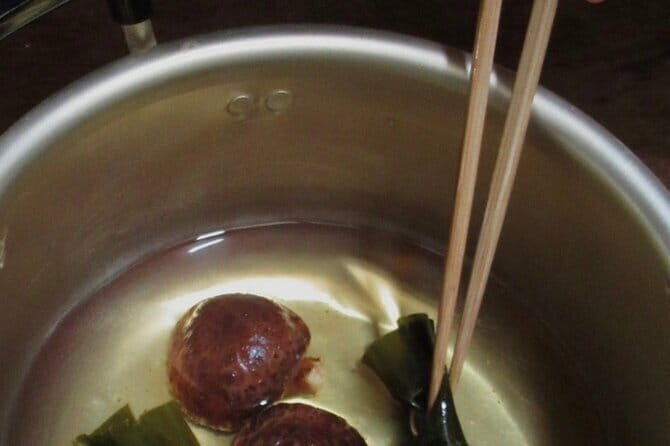
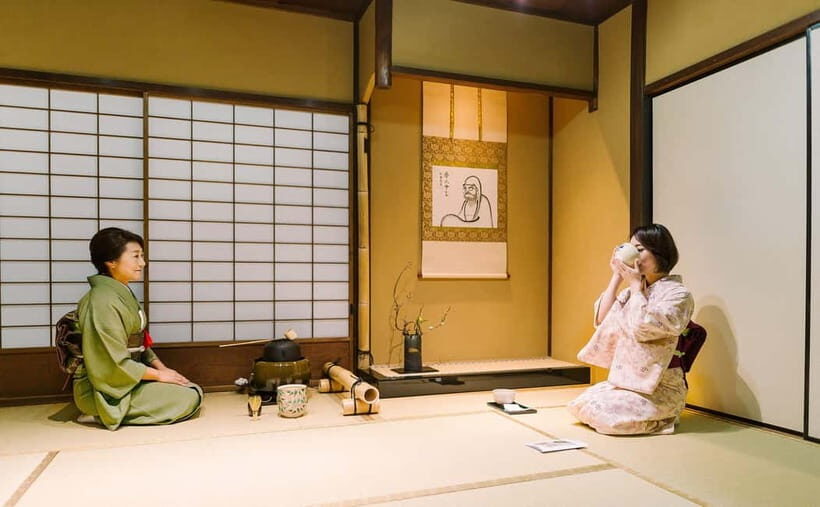
This cooking class is set in a traditional Kyoto townhouse style home, a machiya exhibition room, near Toji Temple. The big practical win is the location: it’s about a 5-minute walk from Kyoto Station, and that matters on a day when you’re also moving between temples and trains.
You’ll meet at 411-2 Kujōchō, Minami Ward, Kyoto, 601-8473, Japan, and the class ends back at the meeting point. That round-trip setup keeps things simple—no wandering across town after you’re done eating.
If you like not thinking too hard on travel days, you’ll probably enjoy this. You can arrive, follow directions to the kitchen room, and spend the next few hours focused on cooking instead of logistics.
You can also read our reviews of more cooking classes in Kyoto

Meet Iku: Chef-Nutritionist Teaching Kyoto’s Home-Style Approach
The instructor for this class is Iku, and the teaching style is personal and purposeful. Iku brings a chef and nutritionist background and has previously run a French restaurant serving home-style meals on Yakushima, a World Heritage site—so the food talk isn’t just about taste, it’s also about how ingredients work together.
What I like about this approach is that you’re not just following steps. You’re learning why certain ingredients show up in Kyoto food, and how culture and history connect to what ends up on your plate.
The class also uses English and Japanese. That’s a comfort factor if your Japanese is basic. You can ask questions about utensils, flavors, cooking methods, and even broader Japanese cuisine habits.
The 3-Hour Flow Starting at 11:30: What Happens, Step by Step
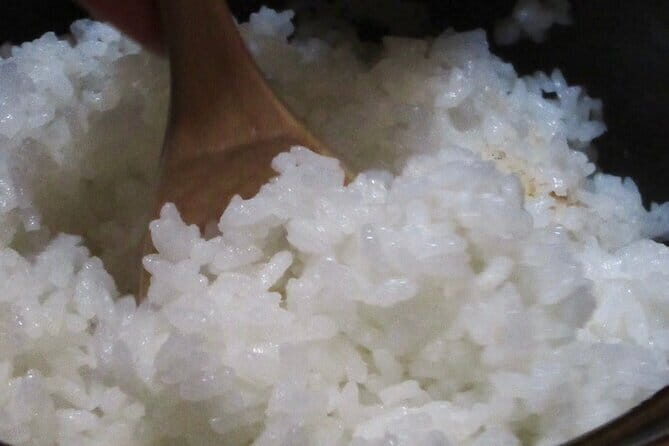
The class runs about 3 hours, starting at 11:30 am, on Tuesdays. It’s timed like a lunch session, which is handy if you want a focused activity during the middle of the day instead of squeezing something into your night plans.
Here’s the practical rhythm you can expect:
- You’ll start in the kitchen area with a demonstration-led walkthrough.
- You’ll cook together with help from others, not just watch.
- You’ll plate the food and eat it as a completed meal.
- You’ll finish with matcha tea.
A nice detail: you won’t be rushed into eating immediately. There’s time for tasting and questions, which makes this feel like a class rather than a quick factory line.
And since the activity uses a mobile ticket, you can keep everything in your phone instead of juggling paper.
Clay-Pot Rice and Miso Soup: The Core Skills You’ll Actually Use
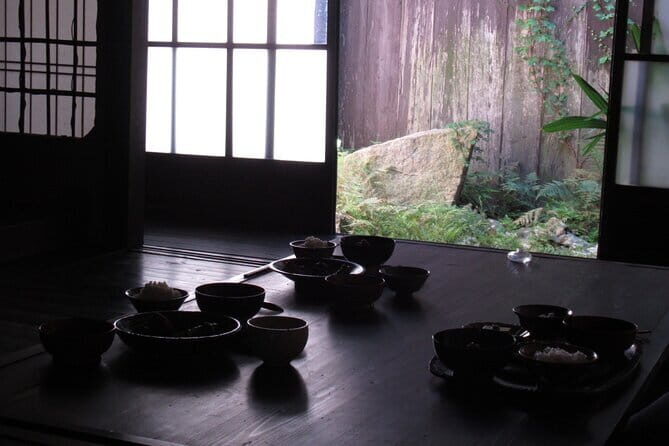
Two headline skills anchor the session: rice in a clay pot and miso, the fermented base that powers so much of Japanese home cooking.
Clay-pot rice matters because it changes more than just texture. You’ll learn the right way to treat the pot and how the cooking process supports tender rice with a more grounded, comforting flavor. Even if you don’t own the exact same pot at home, you’ll take away the method logic.
Miso is the other key. Instead of treating it like a magic paste, you’ll learn how to work with it as a fermented ingredient and how it turns into a satisfying soup base. That’s the kind of skill that travels well, because miso shows up in everyday Japanese meals and quick home menus.
If you enjoy technique-based learning, this class gives you more than recipes. It gives you a small toolkit of cooking decisions—timing, handling, and how you build flavor.
Your Meal: One Soup and Five Side Dishes (Mostly Vegan)
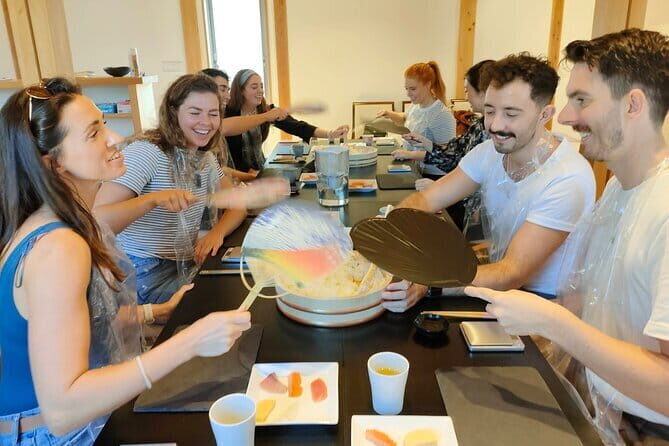
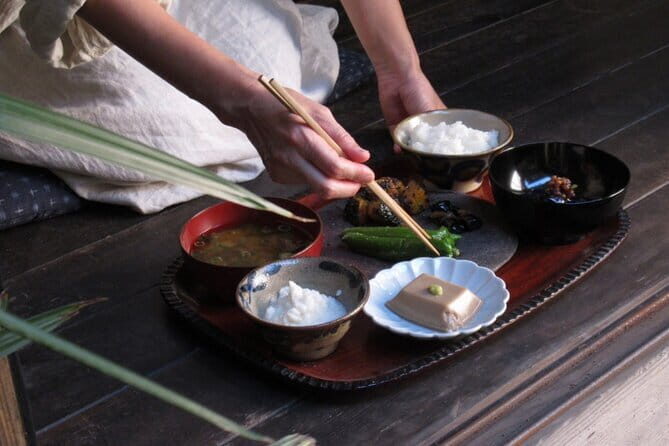
This is a full meal format: one soup plus five side dishes, and it’s built around Japanese home-style cooking. One reason this stands out is that the instruction emphasizes healthy Japanese cuisine, and the ingredient approach is largely vegan.
That said, it’s not guaranteed to be 100% vegan. Fish and eggs may also be used, so you should treat the class as mostly vegan-friendly rather than strictly vegan by default. If you want a completely vegan diet, the instructions ask you to send a message in advance.
If you’re dealing with allergies, you’ll want to do the same—let them know ahead of time. The cooking environment includes utensils, ingredients, and multiple steps, so clear communication helps.
From what I’ve seen reflected in participants’ notes, the side dishes often lean vegetable-based, which is exactly the right vibe for Kyoto cooking—seasonal, balanced, and designed to taste good without needing heavy sauces. You’ll plate everything at the end, which makes the meal feel complete and intentional.
You can also read our reviews of more tours and experiences in Kyoto
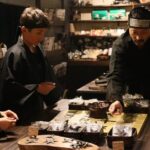
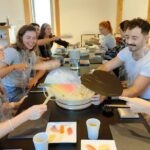
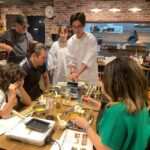
Plating and Eating With Matcha Tea: Why This Part Matters
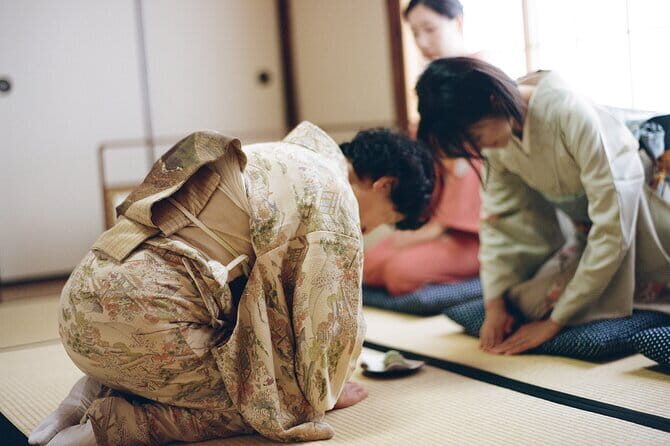
A lot of cooking classes end with you taking food home or grabbing a quick bite. Here, the focus shifts into eating what you made. After you finish cooking, you’ll plate your dishes and then sit down to eat the full set: the soup plus the five side dishes.
Then you get matcha tea after the meal. It’s a small finish, but it helps you close the loop: you taste the food, learn the cooking process, and end in a very typical Japanese way.
This matters for value. When you eat together right after cooking, you pick up what worked—how salty, savory, and fermented notes come across, and what textures feel right. That feedback is useful if you plan to cook again.
Price and Value: Is $71.67 Worth It?
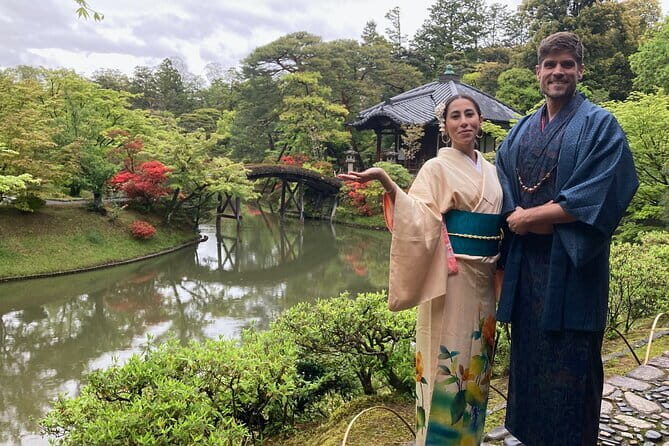
At $71.67 per person for about 3 hours, the value is tied to what’s included and how much you actually do.
You get:
- All fees and taxes
- Cooking utensils
- Recipe materials and writing implements
- A full meal (one soup and five side dishes)
- Matcha tea
Not included is private transportation, which is normal for city activities. You’re paying primarily for instruction, ingredient handling, and the kitchen time.
The other value angle is that you’re paying for a recipe you can recreate. You’ll leave with written guidance, but you also learn technique—especially around clay-pot rice and miso. In my view, that’s what turns a class from fun into something that keeps paying off after your trip.
This is also booked on average about 74 days in advance, so if you’re traveling during peak times, don’t wait forever.
Who This Kyoto Cooking Class Suits Best
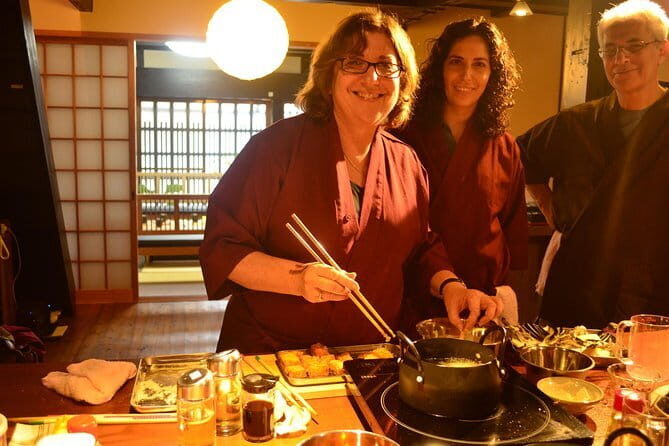
This class is a strong match if you:
- Want a Kyoto-based cooking experience that feels like home food, not just high-end dining.
- Like hands-on learning with a small-group setting.
- Care about understanding ingredients and culture, not only following steps.
- Prefer instruction in English and Japanese (or at least bilingual support).
It’s especially good for people who want a healthier Japanese meal style. Since the menu is mostly vegan and centered on vegetables, it’s a great fit for vegetarian-leaning eaters—even with the note that fish and eggs may appear.
What about families or mixed groups? The class is described as private for your group, so it can work well when everyone wants the same experience at the same time.
Practical Tips: Questions to Ask, Diet Notes, and Timing
Before you go, I’d do three things:
- Send dietary preferences early: If you’re avoiding fish/eggs or want fully vegan, message ahead.
- List allergies clearly: Don’t rely on last-minute explanations.
- Arrive a bit ready to ask questions: The format encourages questions about utensils, culture, and Japanese cooking in general.
Since you start at 11:30 am, you’ll want a light early snack unless you’re already planning lunch there. It’s easier on your energy level and helps you enjoy the tasting part without feeling stuffed.
Also, this is a private activity that says only your group will participate. If you’re traveling with friends or family and want a more personal pace, that setup is a plus.
One more logistics note: service animals are allowed, and it’s near public transportation. That can matter if you’re building a Kyoto day around station access.
If you’re booking with flexibility, you’ll have some room too—cancellation is free up to 24 hours in advance for a full refund. Still, for popular weekdays like Tuesdays, earlier bookings are generally smarter.
Should You Book This Japanese Cuisine Cooking Class in Kyoto?
I’d book it if you want a hands-on Kyoto meal you can recreate, in a traditional machiya setting near the station. The pairing of clay-pot rice and miso is especially valuable, because those are practical foundations you can cook again at home.
I’d think twice if you’re very strict about being fully vegan or if allergies are complex—because while the ingredients are often vegan-friendly, fish and eggs may be used. With clear communication ahead of time, that risk shrinks a lot.
Overall, it’s a straightforward, good-value class: you learn, you cook, you eat, and you leave with recipes plus a sense of Kyoto food culture you can actually use.
FAQ
How long is the Japanese Cuisine Cooking Class in Kyoto?
The class lasts about 3 hours.
What time does the class start, and what day is it offered?
It starts at 11:30 am and runs every Tuesday.
What will I cook and eat during the class?
You’ll learn to cook rice in a clay pot and make miso, then cook rice, soup, and several side dishes. The meal includes one soup and five side dishes, and you’ll also have matcha tea after.
Is the class vegan, vegetarian, or does it include fish and eggs?
Most ingredients used in class are vegan. Fish and eggs may also be used, so if you need a fully vegan diet, you should message in advance. If you have allergies, you should let the provider know ahead of time.
Where is the meeting point?
The meeting point is listed as 411-2 Kujōchō, Minami Ward, Kyoto, 601-8473, Japan.
What’s included in the price?
Included are all fees and taxes, cooking utensils, and recipes with writing implements. Private transportation is not included.
![[2.3km / 1.43mi] Kyoto East Early Morning Walking Tour - What the small group size really changes](https://7.kyotoescapes.com/wp-content/uploads/2-3km-1-43mi-kyoto-east-early-morning-walking-tour.jpg)