REVIEW · PHOTOGRAPHY SESSIONS
Photography Service
Book on Viator →Operated by Osaka Bar Hopping · Bookable on Viator
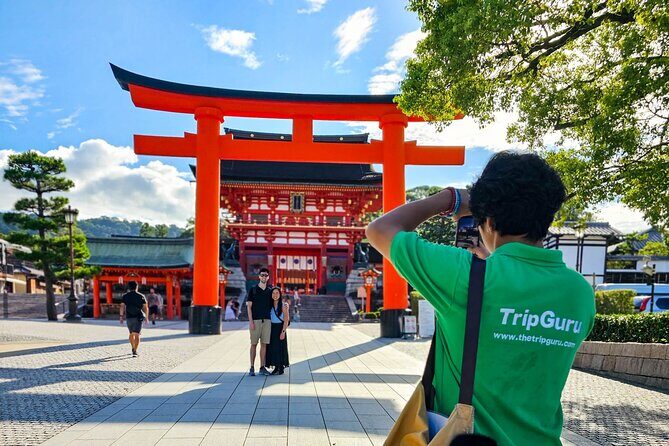
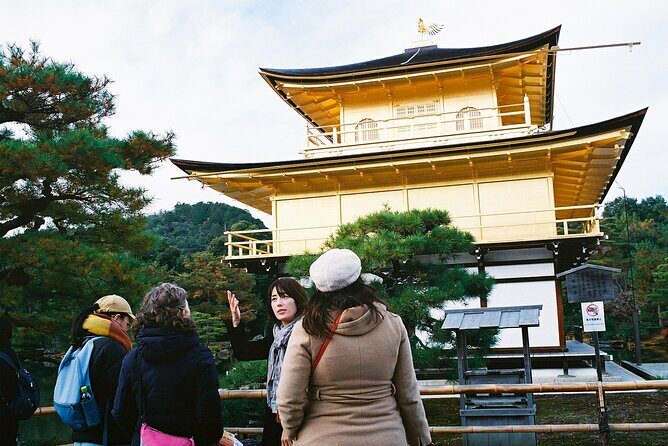
Kyoto deserves photos that look like you lived there. This is a private 3-hour photo walk where an exclusive Japanese photographer takes unlimited shots while you explore Kyoto’s classic streets and then head toward Nara’s famous park vibe. I like that it’s set up like a real hangout with a local pro, not a stiff, rushed studio session, and I love that you’ll get practical advice on where to go and what to eat. One thing to plan for: Kyoto has temple and shrine photo restrictions, so your photographer will likely steer you toward spots where shooting is allowed.
You’ll start at Kyoto Station, meet your photographer, and then spend about two hours on the main photo time while you go where you want within reason. The itinerary uses Sanneizaka first, and Nara Park as a second possible shooting location, but the service also allows you to adjust and contact them about other nearby targets.
At $123.56 per person, the value mostly comes from one simple idea: you’re paying for time, attention, and unlimited images, not just a quick “standing photo.” If you’re hoping for a lot of variety—street angles, portraits, and scenery details—this kind of private setup can be a smart use of your Kyoto hours.
In This Review
- Key Highlights to Know Before You Go
- Entering Kyoto Through Sanneizaka’s Photo Lanes
- What you might love about Sanneizaka
- A realistic consideration
- Nara Park: A Second Mood, Not Just Another Stop
- The main drawback to keep in mind
- How the Photographer Turns “Unlimited” Into Real Variety
- One more reality check
- Timing, Pace, and Where to Meet (So You Start Smooth)
- Why timing matters
- Getting there
- Price and Value: What $123.56 Buys You in Kyoto
- Practical Ground Rules That Affect Your Photos
- Who This Photo Session Suits Best
- Should You Book This Kyoto Photography Tour?
- FAQ
- FAQ
- How long is the photography tour in Kyoto?
- What time does the tour start?
- Where do I meet the photographer?
- Where does the tour end?
- Is this a private experience?
- What photo locations are included?
- Are there limits on where the photographer can take photos?
- What’s included in the price?
- What is not included?
- What if the weather is bad?
Key Highlights to Know Before You Go

- Exclusive photographer, private pace: You’re the only group, so you won’t feel squeezed between other schedules.
- Unlimited photos: The “keep shooting” mindset means you can try different poses without worrying you’re running out of clicks.
- Two-hour shooting block: You get meaningful time for photos, not just a brief stop.
- Sanneizaka as a photo-friendly start: Classic Kyoto streets make it easy to get multiple looks in one area.
- Nara Park for a second setting: If you want a different atmosphere from Kyoto’s lanes, this gives you that contrast.
- Photo rules matter in shrines/temples: It’s not a free-for-all everywhere, so permission varies by site.
Entering Kyoto Through Sanneizaka’s Photo Lanes
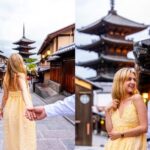
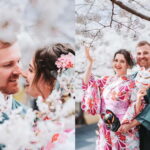
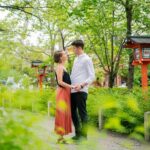
Your first stop is Sanneizaka (Sanneizaka is spelled a couple ways online, but it’s the same famous slope area). This is a smart opener because it’s the kind of Kyoto scene where you can get a lot of variety fast: stone steps, traditional street textures, and the “walk-in-a-postcard” feel people come for.
The most useful part here is how your photographer likely approaches the area. Instead of asking you to pose once and move on, a private session means you can try a few different styles: close-up portraits in front of textured walls, wider shots that show the street pattern, and simple “walking while shooting” frames that look natural. With unlimited photos, you can relax and experiment.
One practical note: Kyoto’s photo rules can be strict at some temples and shrines. The good news is you’re not stuck—there are plenty of nearby streets where photography is permitted. The even better news is that the service explicitly flags this issue and recommends areas like Sanneizaka (and Kamogawa) because rules tend to be easier there than at certain sacred sites.
You can also read our reviews of more photography tours in Kyoto
What you might love about Sanneizaka
You’re getting a classic Kyoto aesthetic right away, and the private pace helps you avoid the usual “quick snap then shuffle” routine.
A realistic consideration
If you’re aiming for specific famous temple views, you’ll need to accept that photography may be prohibited inside certain areas. That’s not a deal-breaker, but it does change how the session is planned on the ground.
Nara Park: A Second Mood, Not Just Another Stop
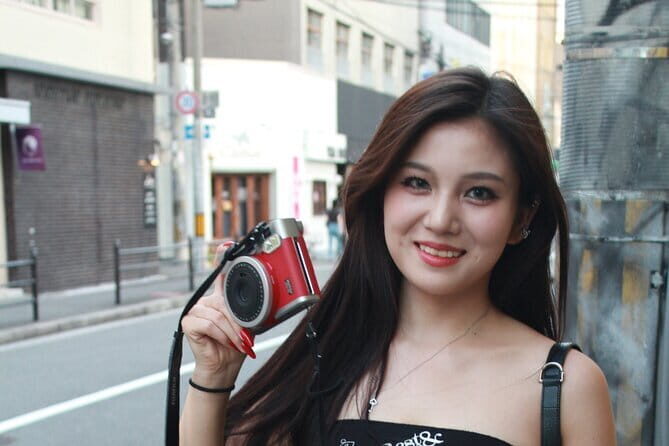
After Sanneizaka, the plan shifts to Nara Park as a possible shooting location. This is where the experience can feel extra valuable: you’re not repeating the same street look. Nara Park has a different energy—more open space, a different sense of scale, and the classic “Kyoto-to-Nara comparison” that makes your trip photos feel like a journey instead of a single neighborhood.
If you want your photo set to show range, Nara Park is a strong choice. It tends to work well for:
- portraits with breathing room (less “tight street” feel)
- wider frames that show scenery context
- frames that feel more relaxed and candid
The service description also makes it clear you can reach beyond Kyoto if you want to. It mentions places like Nara Park and even Osaka Castle as potential photo targets if you contact them. So Nara isn’t only a “fixed stop”—it’s a setting the provider expects you might want to use.
The main drawback to keep in mind
Nara Park is a larger setting than a street slope area. That’s great for variety, but it can mean you’ll want to be ready for some walking and moving your position a bit more than at a tight photo lane.






How the Photographer Turns “Unlimited” Into Real Variety

The biggest selling point is also the simplest: your Japanese photographer is exclusive to you and takes unlimited photos. In plain terms, that means you can spend the session getting the photo you actually want, not just the first photo you happen to get.
Here’s what that unlimited approach can change for your results:
1) More angles without stress
If you try one pose and it doesn’t feel right, you can try again immediately. No counting down. No “one last shot.”
2) More natural movement
Instead of treating the session like a photoshoot with a timer, the photographer can guide you through walking frames. That often leads to photos that look more like your day than a staged moment.
3) A better mix of composition styles
You can do close-up portrait framing, mid-range shots, and wider scenery shots in the same session. With a limited package, you often skip one of those. Here, you don’t have to.
4) Local advice baked into the experience
The service notes that Japanese locals can give better advice on restaurants and things to do. Even if you don’t ask for a full itinerary, it helps to have someone on the ground who understands what’s worth your time and what’s not.
One more reality check
Unlimited photos don’t automatically mean unlimited good photos. Your best results come from giving your photographer a clear idea of what you want—street portraits, scenery background, more traditional looks, or something more modern. If you can share a couple of preferences at the start, the session becomes more intentional.
Timing, Pace, and Where to Meet (So You Start Smooth)
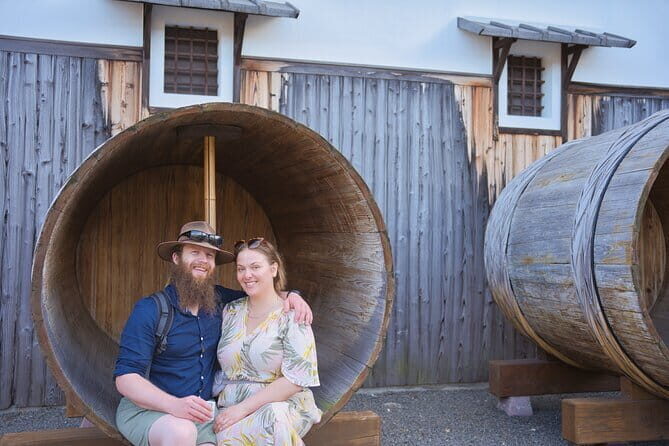
This experience runs about 3 hours, and it starts at 2:00 pm. Your meeting point is listed as: Taxi Rank (Alighting Only), Kyoto Station Hachijo Entrance (Higashishiokoji Kamadonocho, Shimogyo Ward). The activity ends back at the same meeting point.
The schedule lines up like this:
- Stop 1: Sanneizaka for about 1 hour
- Stop 2: Nara Park for about 2 hours
That fits well with the service’s general promise of about two hours of photo time while your photographer accompanies you.
Why timing matters
Late afternoon in Kyoto can give you softer light than midday. Even if the weather is changeable, the plan still aims for meaningful photo time rather than a brief grab.
Getting there
The meeting point is near public transportation, and you’ll have a mobile ticket. Bring your ticket on your phone and arrive a few minutes early so you can start calmly instead of sprinting through station corridors.
Price and Value: What $123.56 Buys You in Kyoto
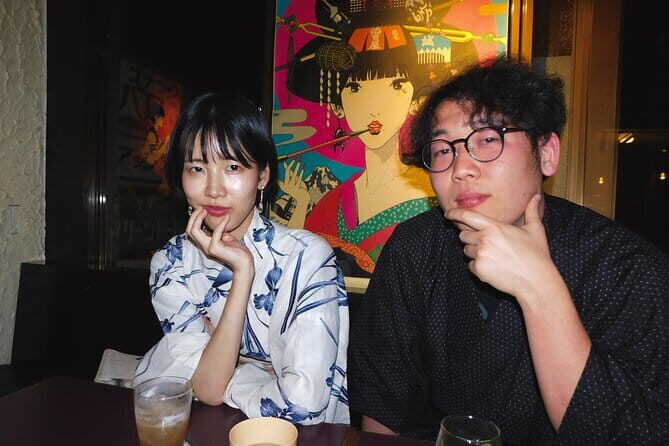
Let’s talk value without pretending it’s cheap.
$123.56 per person is paying for:
- an exclusive photographer (not a shared group)
- unlimited photos
- about two hours of guided photo time
- a tour guide component (the service lists a guide in the included items)
You’re also not paying for everything else. The price does not include entrance fees or transportation fees. That matters because Kyoto and Nara have sites where admission can add up if you decide you want to go inside.
So the value question becomes: will you use that time to get the kind of photos you actually care about?
This is where I think the experience makes the most sense:
- You want photos where you look natural, not awkwardly posed.
- You’re traveling with someone else and want consistent results for both of you.
- You’d rather pay once for quality time than spend your trip micromanaging selfie angles.
If you only want one quick souvenir-style picture, this probably won’t feel worth it. If you want a photo set that covers multiple scenes and moods, the unlimited approach can justify the cost.
Practical Ground Rules That Affect Your Photos
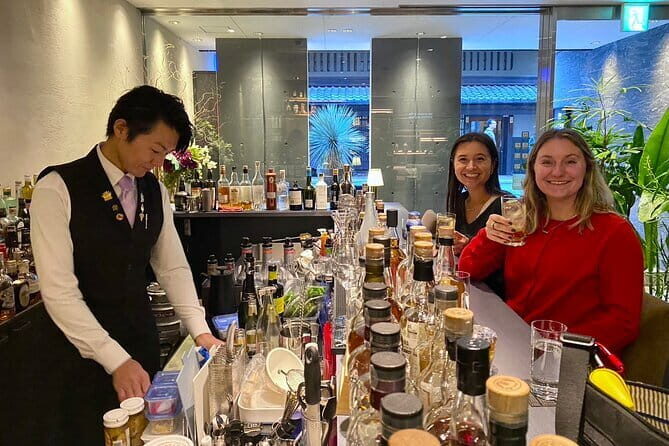
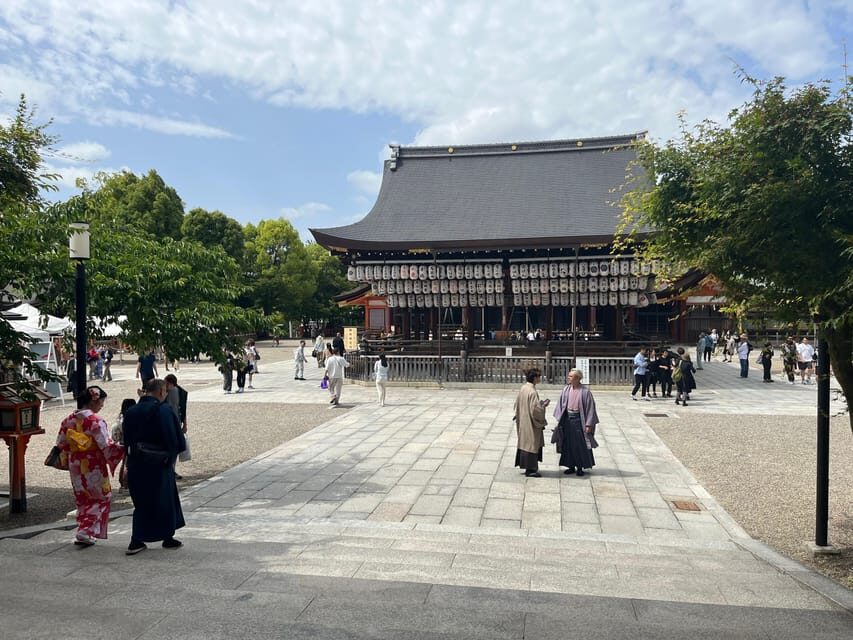
The provider is upfront about where photography can be tricky. In Kyoto, some temples and shrines may prohibit photography. That means your photo success depends on the exact permissions at each site.
What you can do to make it easy:
- Start with photo-friendly areas like Sanneizaka and suggested areas such as Kamogawa.
- Expect that your photographer may help you pivot if a specific spot has restrictions.
- Don’t plan on forcing a shot inside a prohibited zone. In the long run, it’s better to redirect to nearby areas where you can still capture the Kyoto feeling.
Also, since this is a private session, you’ll typically have more freedom than a group tour to adapt your route in the moment.
Who This Photo Session Suits Best
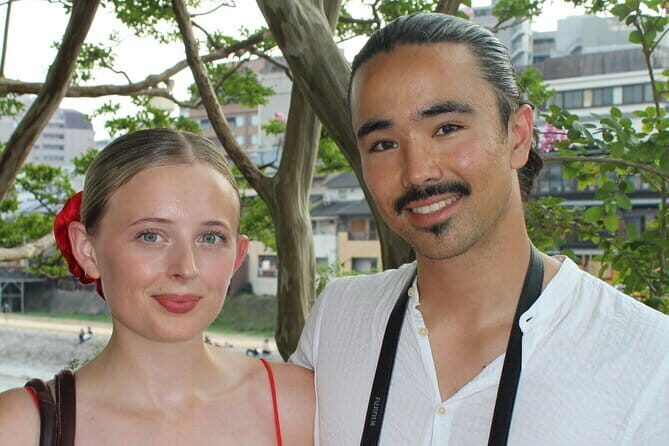
This works especially well if you:
- want a private photo experience without the awkwardness of taking turns with a phone
- care about getting a mix of portraits and scenery shots
- like the idea of a local guide offering advice on what to do and where to eat
- would appreciate not worrying about how to frame shots or where to stand
If you’re the type who wants a tight checklist of exact stops regardless of conditions, you might feel less in control. But if you want a guided photo walk that adapts to what you’ll actually see and what’s allowed, the flexibility is a real strength.
Should You Book This Kyoto Photography Tour?
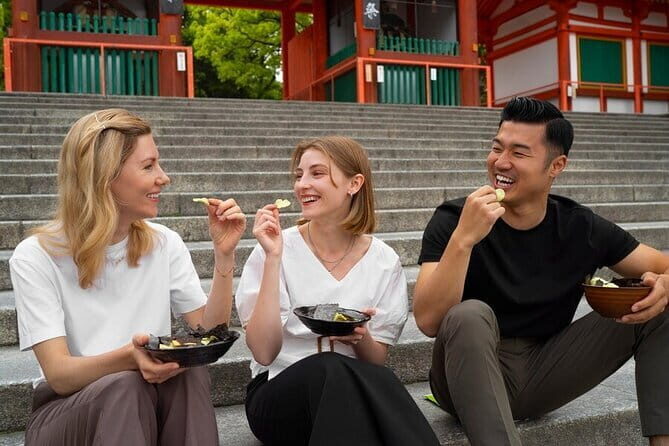
I’d book it if you want Kyoto photos that feel personal and varied—especially if you’re ready to spend real time on image-making and you understand that some sacred sites restrict photography. The exclusive photographer plus unlimited shots is the core advantage, and Sanneizaka gives you an immediate classic backdrop. Nara Park adds a second atmosphere so your photo story doesn’t look like it came from one street corner.
I’d skip or reconsider if you only need a couple of basic pictures, or if you’re planning on lots of paid entrances and you don’t want to add extra costs for them.
FAQ
FAQ
How long is the photography tour in Kyoto?
It runs for about 3 hours.
What time does the tour start?
The start time is 2:00 pm.
Where do I meet the photographer?
You meet at the Taxi Rank (Alighting Only), Kyoto Station Hachijo Entrance.
Where does the tour end?
The activity ends back at the meeting point.
Is this a private experience?
Yes. Only your group participates.
What photo locations are included?
Sanneizaka is the first stop, and Nara Park is listed as a possible shooting location.
Are there limits on where the photographer can take photos?
There are no general restrictions mentioned, but in Kyoto photography may be prohibited at some temples and shrines.
What’s included in the price?
Included: photography service and a tour guide.
What is not included?
Entrance fees and transportation fees are not included.
What if the weather is bad?
This experience requires good weather. If it’s canceled due to poor weather, you’ll be offered a different date or a full refund.