REVIEW · KYOTO
KYOTO: Tour guidato tra i tesori della città (in italiano)
Book on GetYourGuide →Operated by Agenzia Turisti Italiani in Giappone · Bookable on GetYourGuide
Kyoto in one day? This tour moves fast and makes it make sense. I really like having a native Kyoto guide in Italian who connects each stop to how people lived and thought here, and I also like the mix of scenes: forest and pagoda in the morning, then temple steps and Gion-kobu in the afternoon. The only real drawback to plan for is pace and walking time, because the route stacks major sights with multiple train and bus segments.
One day, two neighborhoods, and lots of answers. You’ll learn why Kyoto mattered as an imperial and aristocratic center, and you can ask questions as you go rather than just hearing a speech. If you want a slow, no-transit tour with unlimited time at each monument, this schedule may feel tight, even though you’ll get a solid break back at Kyoto Station.
In This Review
- Key highlights at a glance
- Meeting Kyoto Station: North Entrance and the taxi escalators
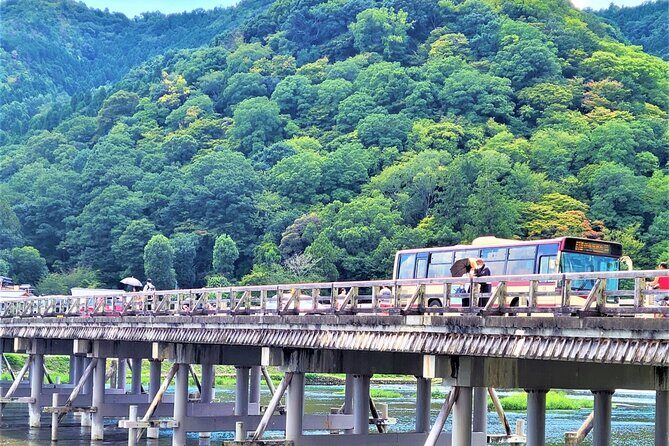
- Sagano Bamboo Forest with a local context (and a guided hour)
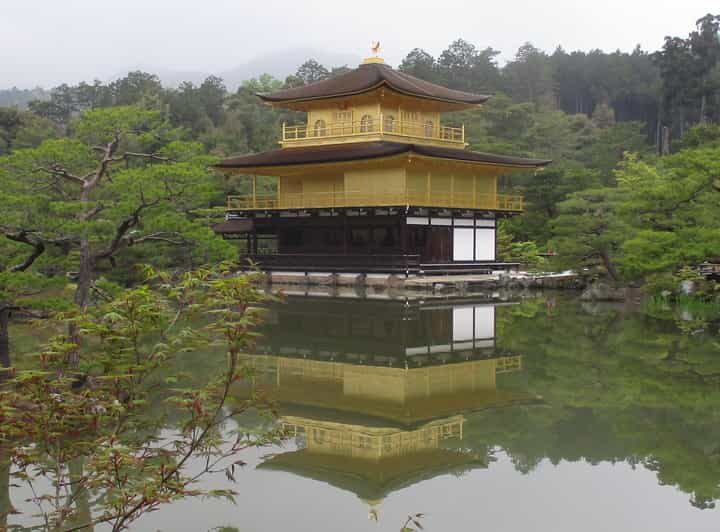
- Kinkaku-ji Golden Pagoda: seeing the story behind the postcard
- The Kyoto Station break you’ll actually use
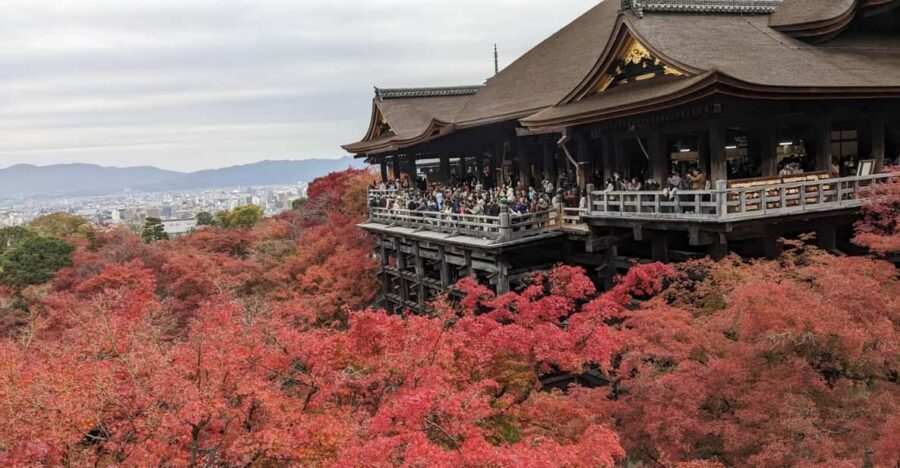
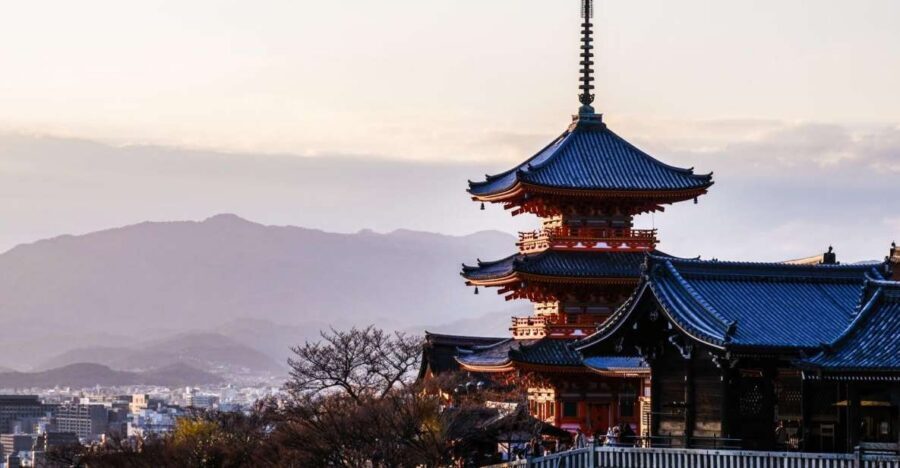
- Kiyomizu-dera: guided temple time plus old-street atmosphere
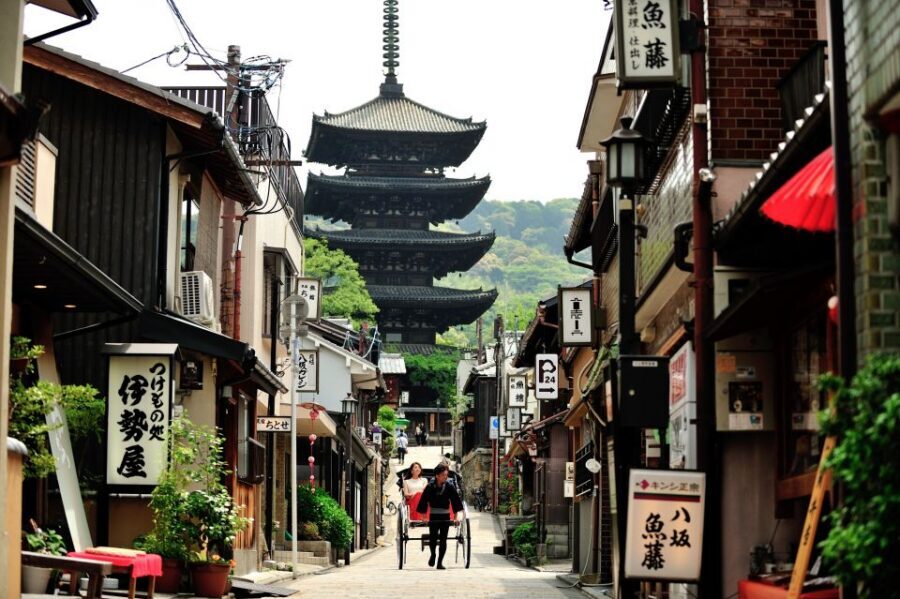
- Quick street-walk segments: Sannenzaka and Ninenzaka
- Gion-kobu and the working world of Maiko and Geiko
- A brief stop at Kyōto Minami-za and then: Pontocho
- Price and value: what you get for $153
- Wheelchair access and who this route fits best
- The pacing trade-off: lots of highlights, limited linger time
- Should you book this Kyoto treasures tour?
- FAQ
- What language is the guide?
- Where exactly is the meeting point at Kyoto Station?
- Which main places does the tour visit?
- How long does the tour last and is it a half day?
- Are transportation and entrance fees included?
- Can I leave the tour early before the end?
- Is the tour wheelchair accessible?
Key highlights at a glance
- Italian-speaking native Kyoto guide who answers your questions about the city’s history and everyday life
- Sagano Bamboo Forest + Kinkaku-ji in the northwestern suburbs, with guided walking time built in
- Kiyomizu-dera and the Sannenzaka/Ninenzaka streets for old Kyoto atmosphere and temple-side views
- Gion-kobu and the world of Maiko and Geiko (often called Geisya) explained on site
- Ends in Pontocho, and you’re free to leave the tour halfway if you prefer
Meeting Kyoto Station: North Entrance and the taxi escalators
Your tour starts at Kyoto Station, North Entrance (Karasuma-guchi), with a very specific meeting point that keeps things simple once you know where to stand. You’ll meet in the space between the two escalators in front of the taxi terminal, on the east side just outside the central entrance, toward the north of the station. If you’re orienting yourself, Kyoto Tower should be visible in front of the station, toward the upper left of where you stand.
This matters more than it sounds. Kyoto Station is a giant maze, and a good meeting point means you spend less time hunting and more time using your limited tour hours well. You’ll receive an email with detailed confirmation about the meeting place by the day before, which is a nice safety net if you’re arriving from another train or hotel.
You can also read our reviews of more tours and experiences in Kyoto.



Sagano Bamboo Forest with a local context (and a guided hour)
After the station, the route takes a short train ride—about 20 minutes—and then you’re into the Sagano Bamboo Forest area. Expect a guided visit plus walking time, roughly 1 hour total for this stop.
What makes Sagano special on this tour isn’t only the scenery. The guide is there to connect what you’re seeing to the preserved environment of Kyoto’s historic districts and the way people used these areas across centuries. You also get cultural framing about the lives of relatives of the imperial house, aristocrats, and literati who spent time here—plus the broader link to samurai-era society. That kind of explanation changes how you move through the bamboo: you stop treating it like a photo stop and start treating it like a place with a story.
One practical note: there is walking here, and later you’ll walk again around temple-side streets. If you’re the type who hates stepping on uneven ground without a plan, wear shoes you can trust.
Kinkaku-ji Golden Pagoda: seeing the story behind the postcard
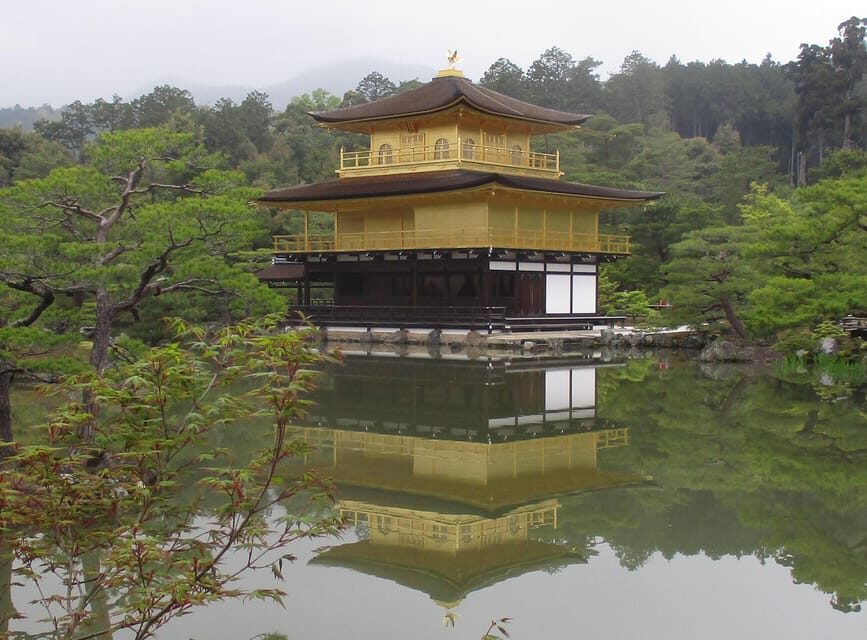
Next comes another 20-minute train segment, then a short 15-minute bus/coach ride before Kinkaku-ji (the Golden Pagoda). You’ll have about 1 hour here with guided sightseeing.
Kinkaku-ji is famous enough that it can become “just another highlight” if you rush. The value of this tour is that you get history and meaning tied directly to the monument. The guide’s explanations go beyond what the building looks like and into how Kyoto’s status as the historical capital shaped the people and power around these sites.
If you like asking questions, this is a good stop for it. The guide is native and Italian-speaking, so you can immediately clarify what you’re looking at—why this place is important, how it fits into Kyoto’s wider historical capital role, and how daily life connected to the city’s preserved natural and cultural landmarks.
Potential drawback: an hour at Kinkaku-ji sounds roomy, but you’ll still be moving within a guided flow. If you want to sit quietly and linger without being nudged to the next viewpoint, keep that in mind.
The Kyoto Station break you’ll actually use
After Kinkaku-ji, the itinerary returns toward the station area with transport segments (including 15 minutes by bus/coach, then a 15-minute subway/metro ride). Then you get a full break time of about 1 hour at Kyoto Station.
This break is one of the best parts of the whole plan. When your morning includes the bamboo forest and a major temple sight, it helps to reset. You can stretch your legs, check your next route mentally, and handle food or bathroom needs before the afternoon temples and streets start.
From a pacing point of view, this break turns a “half day” feeling into something more manageable. You’re not stuck just rolling from place to place until the end.
Kiyomizu-dera: guided temple time plus old-street atmosphere
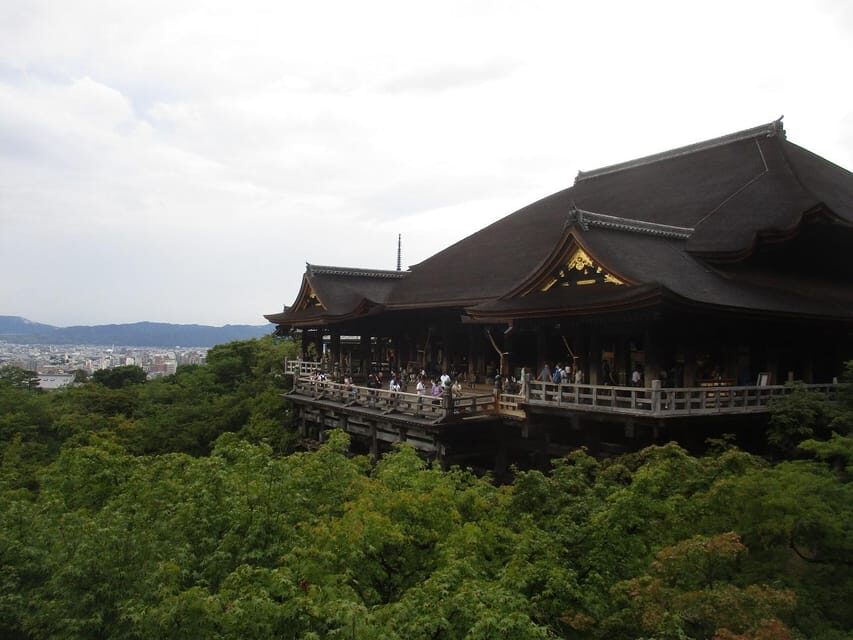
In the afternoon, you’ll take another 15-minute bus/coach ride to Kiyomizu-dera. You’ll spend about 1 hour here, again with guided visit and sightseeing.
Kiyomizu-dera works well on a structured tour like this because the guide can explain what you’re seeing while you’re still there. Instead of collecting facts after the fact, you understand the place as you experience it—what made Kyoto important, how aristocrats and power shaped the city, and how the samurai class fits into the bigger story of the era.
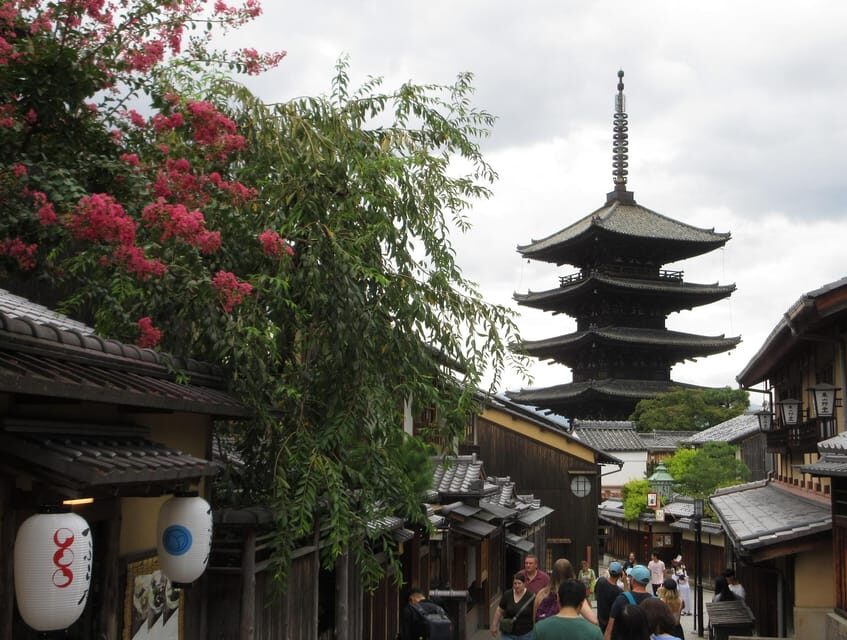
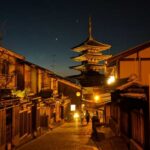
Right after Kiyomizu-dera, you shift into the pedestrian lanes. You’ll walk a short 5 minutes to Sannenzaka, where you get a guided visit and sightseeing for a brief stretch, then continue on toward Ninenzaka with another short walk segment.
Sannenzaka and Ninenzaka are where the tour adds flavor. These street stops are short on the clock, but they give you a chance to switch gears from temple architecture to the lived street experience around famous temple areas. Even if you don’t have time for long wandering, the guide’s presence helps you understand why these lanes matter in Kyoto’s preserved environment.



Quick street-walk segments: Sannenzaka and Ninenzaka
You’ll spend about 3 minutes at Sannenzaka, then another walk segment to Ninenzaka with short guided time (and then a longer on-foot stretch later). This is not about deep shopping or slow strolling. It’s about getting oriented, learning what to notice, and moving efficiently through the areas that visitors often only pass through quickly.
If you’re traveling with limited mobility, it’s worth knowing that the itinerary includes multiple walking segments on foot. The tour is stated as wheelchair accessible, but the specific comfort level for cobblestones or slopes isn’t something the provided details spell out, so plan your expectations accordingly.
Gion-kobu and the working world of Maiko and Geiko
Next, you head toward Gion, with a 30-minute guided sightseeing window and short walking segments. This is the point in the tour where the story of Kyoto’s daily life becomes very tangible.
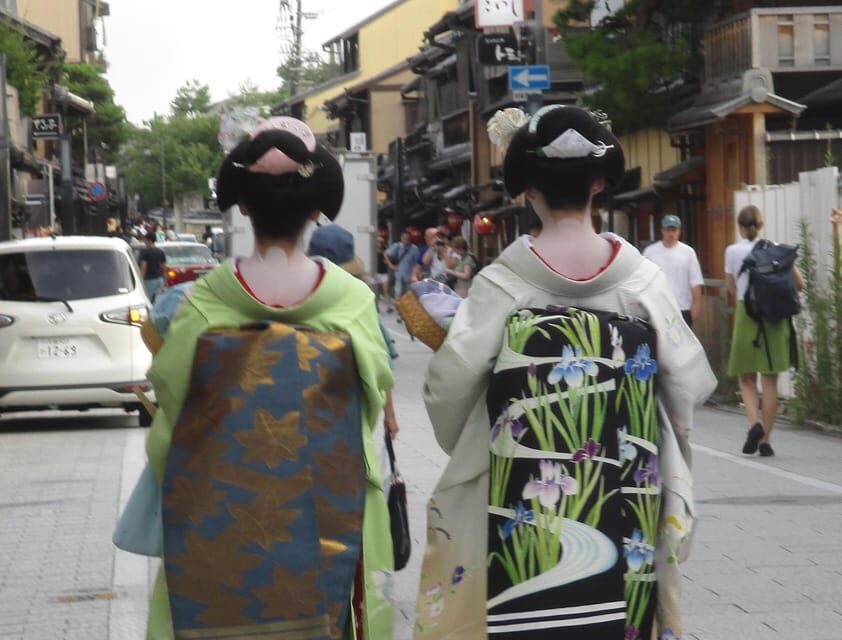
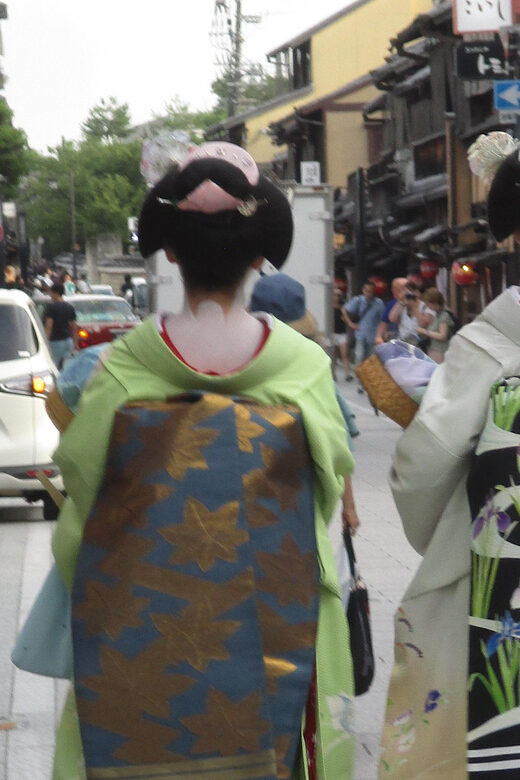
You’re specifically visiting Gion-kobu, described as the workplace area of professional artists, Maiko and Geiko—often called Geisya. The guide can help you understand what those roles mean and how this part of Kyoto’s historic capital life connects to culture you’ll see around you.
I like this stop because it’s not only about buildings and famous names. It’s about people, jobs, and the idea that Kyoto’s cultural identity isn’t locked in the past. You get to see how the city’s historic role continues through arts and craft traditions, and that makes the earlier explanations about aristocrats and literati feel less abstract.
One thing to note: the guide-led time here is relatively short, so you’ll want to pay attention during the guided portion. If you want more time for photos or wandering, you’ll be making that decision late in the day rather than at the start.
A brief stop at Kyōto Minami-za and then: Pontocho
Near the end of the route, you’ll have a very short guided sightseeing stop at Kyōto Minami-za, only about 3 minutes. After that, the schedule includes a couple of short walking segments—then you finish at Pontocho.
Two practical points here. First, this tour ends in Pontocho, which is a convenient location for continuing your own day plan. Second, you’re free to leave the tour halfway if you prefer to control your time. That flexibility is underrated. If you fall in love with one area—maybe the forest or the temple lanes—you can adjust rather than feeling locked into the full flow.
Price and value: what you get for $153
At $153 per person for a tour that includes major Kyoto landmarks plus guided transport, this price can make sense if you value guidance over navigation.
Here’s why the value holds up:
- Entrance fees and transportation are included during the itinerary, which usually saves money compared with buying everything separately at the last minute.
- You’re not just getting sightseeing. The guide’s job is to connect each place to historical capital life, including the city’s natural and cultural monuments and the past roles of aristocrats and the samurai class.
- The tour includes a real break time at Kyoto Station, which makes the day feel more usable rather than just rushed.
Where it may not feel like great value is if you already know Kyoto well and plan to visit these sites on your own. In that case, you might prefer to DIY. But if you want a structured route with someone to explain what you’re seeing in Italian, the price is easier to justify.
Wheelchair access and who this route fits best
The tour is listed as wheelchair accessible. That’s a big plus if you’ve been worried about Kyoto’s stairs and old streets on typical temple days.
Who I think this tour suits best:
- You want a one-day, guided overview of northern and eastern Kyoto highlights.
- You enjoy asking questions and getting straight answers from a native guide.
- You want the big names—Kinkaku-ji and Kiyomizu-dera—but also want context for what they meant for Kyoto’s historical capital life.
- You prefer not to map transit yourself across trains, buses, and metro segments.
If you’re someone who hates switching locations quickly, you might find the half-day structure tiring. The schedule includes train, bus/coach, subway/metro, and several walking parts, so it’s best for travelers who are comfortable moving.
The pacing trade-off: lots of highlights, limited linger time
This is the consideration I’d plan for. The itinerary stacks multiple major sights with guided windows: about 1 hour in Sagano, 1 hour at Kinkaku-ji, 1 hour at Kiyomizu-dera, plus guided time in Gion and quick stops at the street areas and Kyōto Minami-za. There’s a 1-hour break at Kyoto Station, but you still won’t have unlimited time to wander on your own.
So I’d treat this tour as a high-quality “see the essentials with context” day. For slow travelers, it can feel like you’re constantly moving. For curious travelers who like learning while walking, it’s a strong way to get your bearings fast.
Should you book this Kyoto treasures tour?
I’d book it if you want an efficient Kyoto day with an Italian-speaking native Kyoto guide who connects places to real historical capital life. The combination of Sagano Bamboo Forest, Kinkaku-ji, Kiyomizu-dera, and Gion-kobu is a smart spread across Kyoto’s major themes: nature, power, temple culture, and working arts.
I’d skip it if you need lots of unstructured time at each sight, or if you’re already planning a relaxed DIY route where you’ll read guidebooks and move at your own tempo.
If you do book, do this one thing: show up early enough to find the meeting point between the escalators at the taxi terminal. Once you’re on board, the guide does the heavy lifting—answering questions in Italian and turning a checklist day into a coherent story.
FAQ
What language is the guide?
The guide speaks Italian.
Where exactly is the meeting point at Kyoto Station?
You meet in the space between the two escalators in front of the taxi terminal, located to the east just outside the central entrance on the north side of Kyoto Station.
Which main places does the tour visit?
It covers Sagano Bamboo Forest, Kinkaku-ji (Golden Pagoda), Kiyomizu-dera, the old-street areas Sannenzaka and Ninenzaka, Gion-kobu/Gion, and includes a short stop at Kyōto Minami-za, finishing in Pontocho.
How long does the tour last and is it a half day?
The tour is listed as a 1-day activity, and the itinerary itself is described as lasting about half a day.
Are transportation and entrance fees included?
Yes. All transportation and entrance fees to the monuments visited during the itinerary are included.
Can I leave the tour early before the end?
Yes. The tour ends in Pontocho, and you’re free to leave it halfway.
Is the tour wheelchair accessible?
Yes, it is wheelchair accessible.