REVIEW · TEA CEREMONY EXPERIENCES
Kyoto: Tea Ceremony in 100-year-old Kyo-Machiya Townhouse
Book on GetYourGuide →Operated by Kyoto Kimono Rental Yumeyakata · Bookable on GetYourGuide
Matcha tastes better in an old machiya. This Kyoto experience puts you in a 100-year-old machiya townhouse for a guided tea ceremony where you make your own matcha under a tea master’s watch. It’s one of the rare activities that feels both structured and calm, with just enough English support to follow every gesture.
I also like the option to add a kimono rental, so you don’t rush out right after the tea—you get to continue the mood while strolling Kyoto. The main consideration is comfort and rules: you’ll need socks and you may sit on the floor, plus the room needs to stay quiet.
In This Review
- Key things I’d mark on your Kyoto plan
- A 100-Year-Old Machiya Townhouse Makes the Ceremony Feel Real
- Gojo Shop Kimono Picking: Practical Fun Before You Go Tea
- Optional upgrades for ladies
- Small comfort reality check
- Tea Ceremony in Action: History, Etiquette, Then Your Own Matcha
- What you’ll be taught before you make tea
- The master’s first pour, then your turn
- Matcha and Sweets: What to Expect to Taste
- After Tea: Wearing Your Kimono Around Kyoto (and Returning by 5:30)
- How long can you walk in it?
- The Optional Machiya Add-On: A Townhouse Tour by Kyoto Gosho
- What you’ll learn (beyond “cool old houses”)
- Special location context near Kyoto Gosho
- Photo-friendly add-on moments
- Group Size, Quiet Rules, and Seating Comfort
- The rules you’ll need to follow
- Who might feel uncomfortable with the format
- Price and Value: Is $31 Worth It?
- Who This Kyoto Tea Ceremony Fits Best
- Should You Book This Tea Ceremony in a 100-Year-Old Machiya?
- FAQ
- How long does the Kyoto tea ceremony experience take?
- When does the tea ceremony start if I pick a kimono start time?
- Where do I meet for the tea ceremony only option?
- Can I sit on something other than the floor?
- Is the ceremony offered in English?
- What should I bring?
- What is not allowed during the experience?
- What happens after the tea ceremony if I choose the kimono option?
Key things I’d mark on your Kyoto plan
- A tea master teaches etiquette, then lets you practice (bowing, greeting, sweets, tea bowl appreciation)
- You prepare matcha yourself, not just watch from the side
- The setting is the star: a traditional machiya townhouse atmosphere
- Kimono rental is timed for an easy flow: pick at Gojo Shop, ceremony starts later, return by 5:30
- Optional Machiya moment adds a guided architecture look near Kyoto Gosho
- Small-group rules matter: quiet time, no flash, no noise
A 100-Year-Old Machiya Townhouse Makes the Ceremony Feel Real
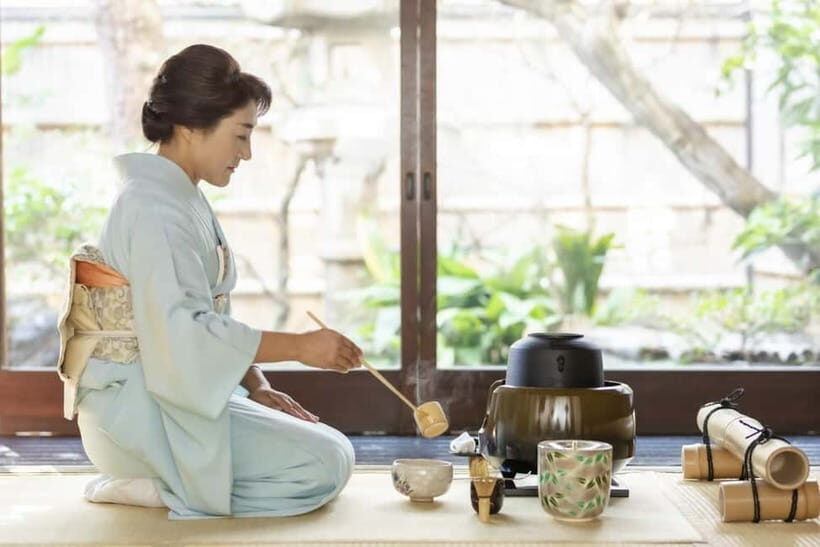
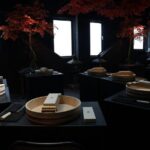
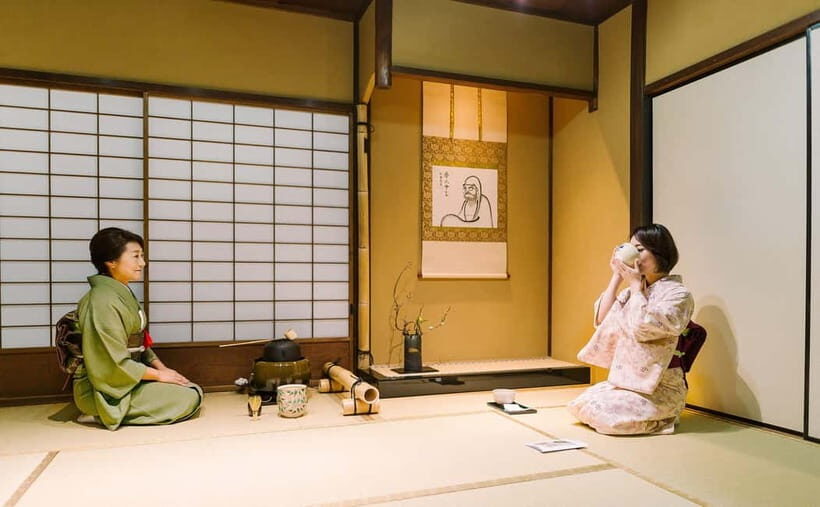
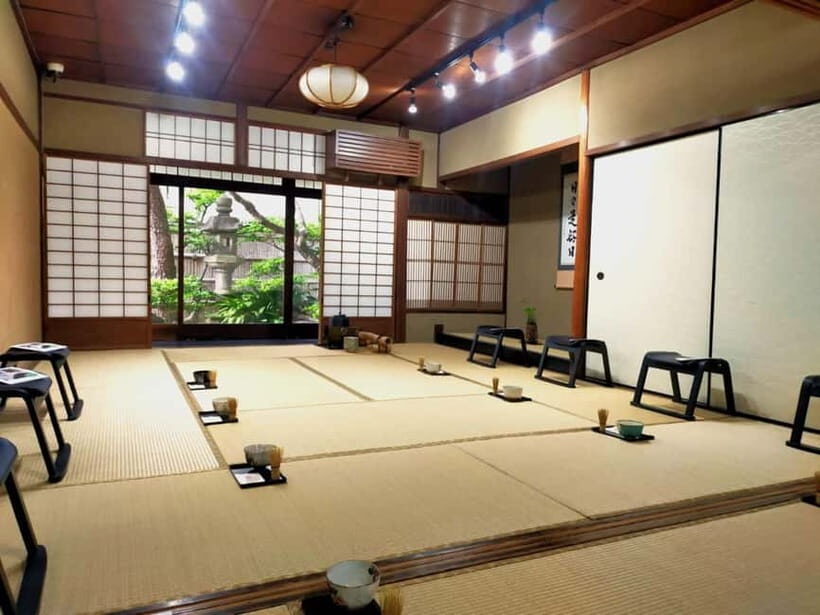
Kyoto has plenty of places to take photos. This one works better because the space is designed for quiet attention. The tea ceremony takes place in a traditional machiya townhouse that’s described as about a century old, so you’ll be stepping into low wooden rooms, tatami-style floors, and the kind of stillness that makes the ritual make sense fast.
Even before you touch matcha, you can feel why the ceremony is so deliberate. In a room like this, every small action—how you handle the tea bowl, how you pause—lands with weight. It’s not just a performance. It’s a practice, taught step by step.
You can also read our reviews of more tours and experiences in Kyoto.


Gojo Shop Kimono Picking: Practical Fun Before You Go Tea
If you choose the kimono option, your day starts at Gojo Shop at the time shown on your voucher. This matters because you’re not just handed a costume. You pick from a range of kimono colors, designs, and sizes, and the assistants help you get properly dressed.
Then the schedule shifts: the tea ceremony begins two hours after your selected starting time. For example, if your voucher says 11:00 AM, your tea ceremony will start at 1:00 PM. That means you have time to absorb what you’re wearing, get settled, and not feel rushed.
Optional upgrades for ladies
There’s an add-on for women that can include hair styling and makeup, plus an upgrade from a casual kimono to a more formal Houmongi. If you care about the full look (and not just the basic rental), this is where the experience becomes more polished.
Small comfort reality check
Kimono time can be warm and layered. One of the most useful things I can tell you is to plan to slow down after dressing—move gently, and expect your day to be shaped by the outfit.
Tea Ceremony in Action: History, Etiquette, Then Your Own Matcha
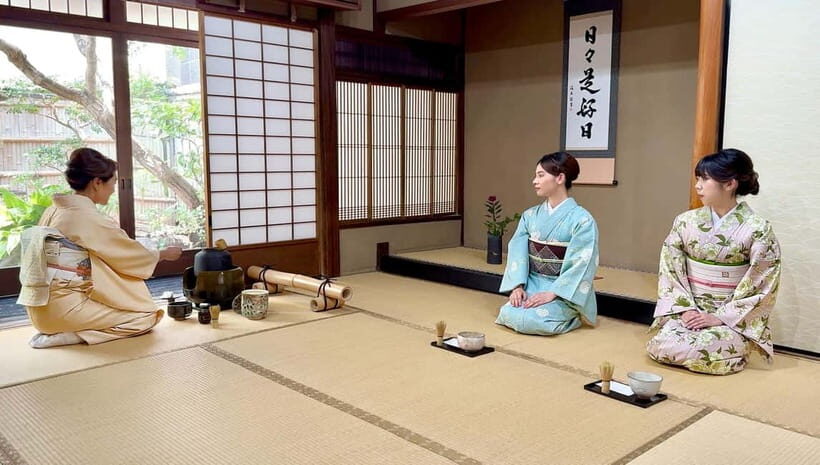
If you book tea ceremony only, you arrive 5–10 minutes before at Oike Bettei. If you booked kimono rental, you’ll head to Yumeyakata Oike Bettei, and your tea ceremony begins two hours after your Gojo Shop time.
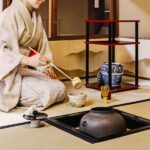
Once you’re in, the host/tea master and interpreter guide you through a full introduction—history, etiquette, and then the hands-on part.


What you’ll be taught before you make tea
The session starts with an explanation of tea ceremony history: how tea culture arrived in Japan from China about 1,200 years ago, and how the Japanese Way of Tea became what people recognize today.
You’ll also learn what to do in the room:
- how to bow and use proper greeting words
- how to eat the traditional sweets
- how to drink the tea properly
- how to observe and appreciate the tea bowl
One detail I really like is that they don’t treat etiquette like trivia. They teach it as a way to show respect to the host, the tools, and the moment.
The master’s first pour, then your turn
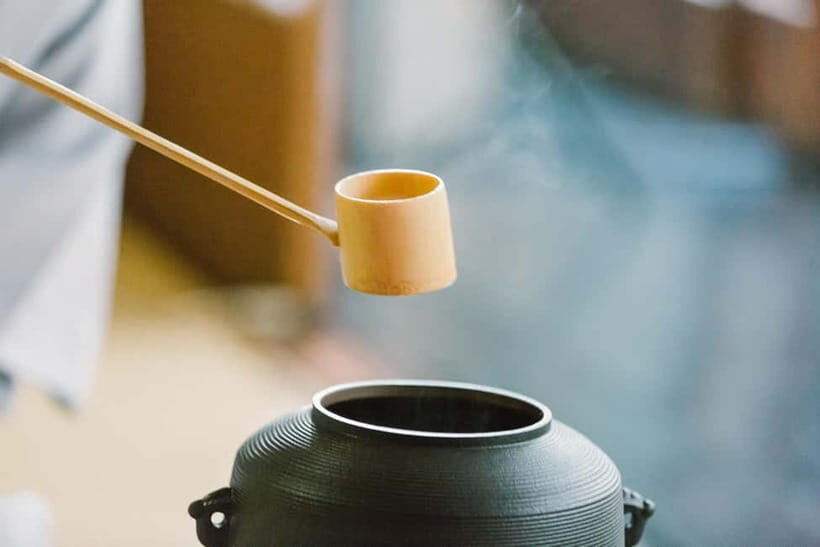
After the explanation, the tea master brings the needed items into the room and prepares the first tea service for a guest. That first round sets the standard and helps you see the flow before you do it yourself.
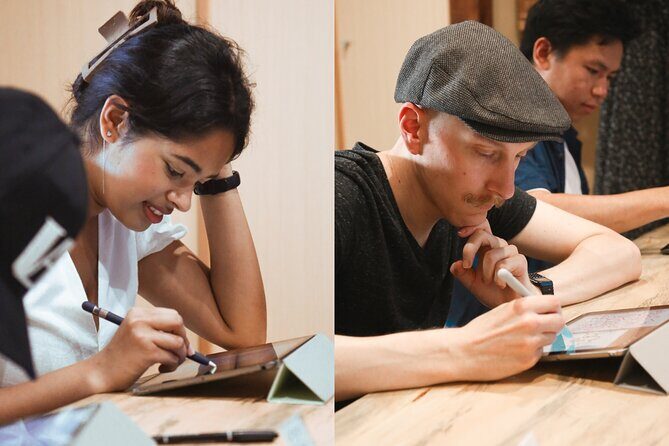
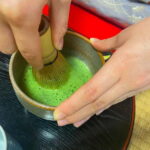
Then comes the part most people travel for: you prepare the tea under the master’s supervision. You’re not left to guess. You’re guided while you whisk and make matcha the way the ritual expects.
When the master finishes, the ceremony closes—and you can ask questions before you leave. That Q&A time is where the whole thing clicks, especially if you’re curious about why the steps matter.
Matcha and Sweets: What to Expect to Taste
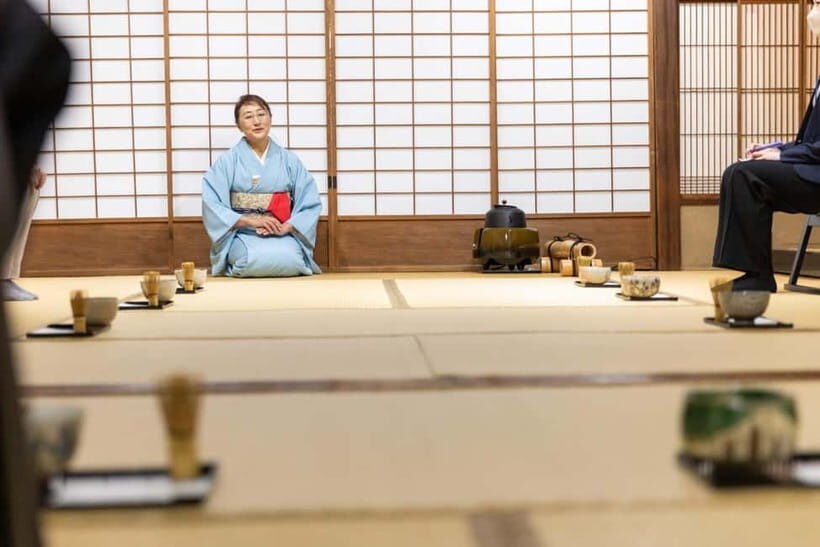
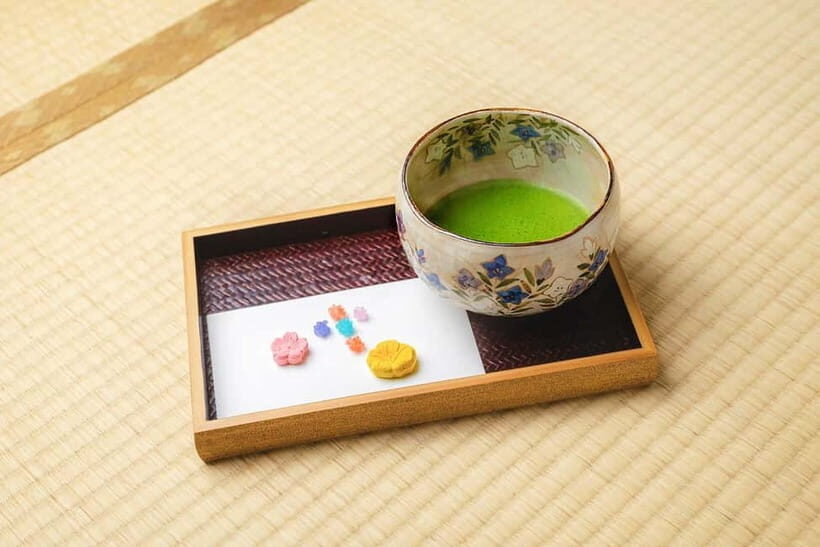
You’ll get matcha tea plus traditional Japanese sweets as part of the ceremony. The pairing is part of the pacing: the sweets come in first, then the tea—so you’re practicing the rhythm of the experience rather than just tasting ingredients.
From a value standpoint, this is important: you’re not paying for a lecture and a tiny sip. You actually get a complete ceremony flow, including the moment where you handle and drink what you just made.
After Tea: Wearing Your Kimono Around Kyoto (and Returning by 5:30)
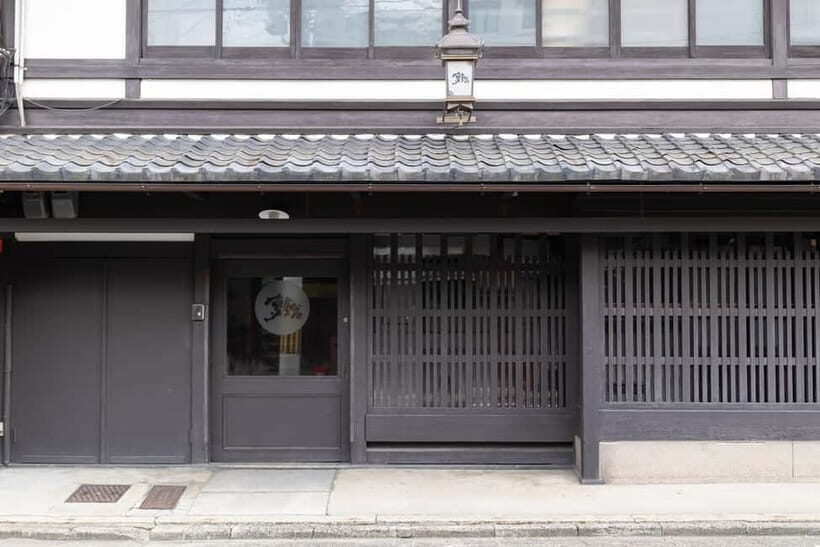
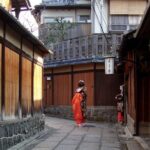
If you choose the kimono option, the experience continues after the tea ceremony. You can stroll around Kyoto in your kimono, which is the fun part—because you’re already dressed for the mood.
But there’s a hard stop: you need to return the kimono to the Yumeyakata Gojo Shop by 5:30 PM the same day. So plan your evening like a grown-up: pick a nearby area to enjoy on foot, and don’t bet your schedule on last-minute trains.
How long can you walk in it?
Your time after the ceremony will depend on your starting time and the overall session timing, but the structure is designed so you can experience Kyoto afterward instead of treating the kimono as a pre-ticket costume.
The Optional Machiya Add-On: A Townhouse Tour by Kyoto Gosho
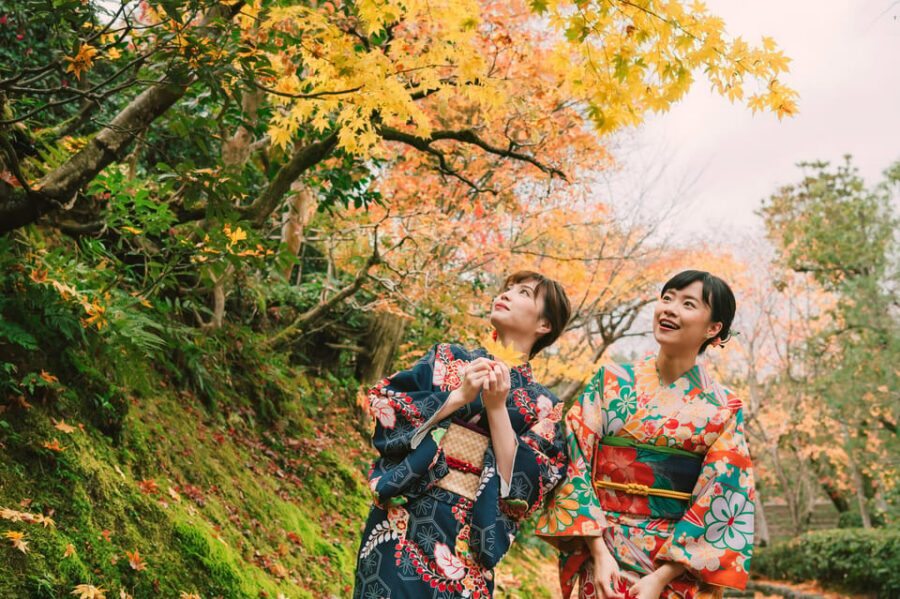
If you select the add-on, you join a Kyo-Machiya (Kyoto Townhouse) Tour right after the tea ceremony. It happens in the same beautiful machiya location.
This is described as a 30-minute moment that includes:
- about 20 minutes of tour
- about 10 minutes for photos/selfie time
What you’ll learn (beyond “cool old houses”)
The tour focuses on:
- history and cultural significance of machiya homes
- architectural details
- hidden functions of Kyoto townhouses
This matters because a machiya is more than pretty wood. The layout and design supported everyday living in traditional Kyoto—how rooms connect, how privacy works, how the space manages light and movement.
Special location context near Kyoto Gosho
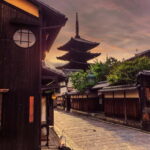
Your tea house area is near Kyoto Gosho (Kyoto Imperial Palace). Next to it is the former residence of Nijō Yoshimoto (1320–1388), a high-ranking court noble from the Nanboku-chō period. He served as a Daijō Daijin (Grand Minister of State) and was a founding figure of renga, linked-verse poetry.
So if you like tying what you see to real people and places, this add-on gives you something to hold onto while you walk around Kyoto later.
Photo-friendly add-on moments
Some participants mention photo moments that can include props like a katana and umbrella in the gardens. That’s not a reason to skip the main tea ceremony, but it’s a nice boost if you want the kimono day to feel like a full experience rather than a single-room event.
Group Size, Quiet Rules, and Seating Comfort
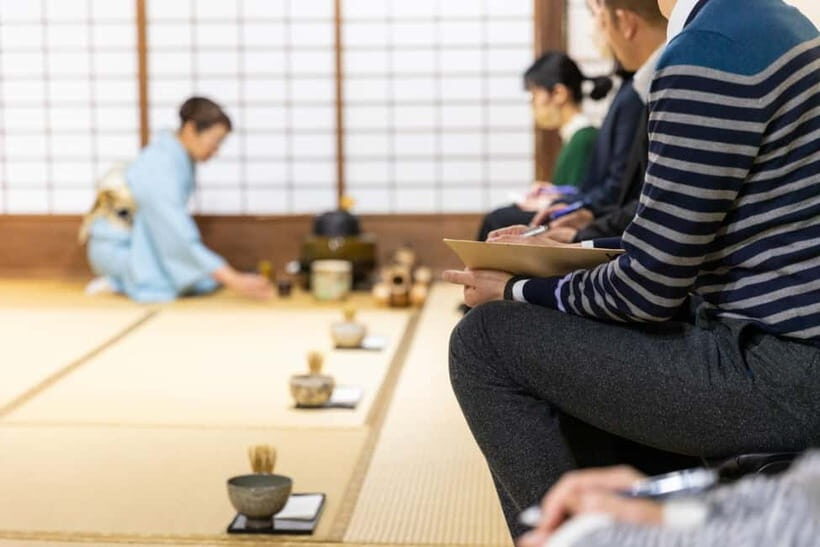
This is a group session, with up to 20 people. The room may vary depending on group size, so don’t assume your exact floor setup will look identical every time.
The good news: you can sit either:
- on the floor, or
- on a small chair if you prefer not to sit on the floor
The rules you’ll need to follow
Because the ceremony depends on focus, the space requires a quiet atmosphere. That means:
- no smoking indoors
- no flash photography
- no food or drinks
- no pets
- keep noise down
Also, arrivals matter. If you arrive late, you may still join, but the session time won’t be extended.
Who might feel uncomfortable with the format
This experience isn’t set up for everyone. It’s listed as not suitable for:
- children under 10
- pregnant women
- wheelchair users / electric wheelchairs
- people over 6 ft 6 in (200 cm)
- visually impaired people
- babies under 1 year
- people over 209 lbs (95 kg)
If any of those are relevant for you, it’s worth checking alternatives before you book.
Price and Value: Is $31 Worth It?
At about $31 per person, this can be good value because you’re getting several things at once:
- a guided introduction to the ritual (history + etiquette)
- a tea master and interpreter support
- matcha tea plus traditional sweets
- instruction that leads to you making your own tea, not just tasting
If you add the kimono option, the value jumps again, because the experience includes the kimono rental itself. If you’re the kind of person who loves getting dressed for a moment and walking through the city after, that’s a practical way to make your money do more work for you.
The main trade-off is that this is a structured ceremony with rules and group timing. If you want total freedom to wander and talk loudly like it’s a market, this won’t feel like that kind of activity.
Who This Kyoto Tea Ceremony Fits Best
This experience is a great match if you:
- want something cultural that’s hands-on, not just a museum visit
- enjoy quiet, step-by-step learning
- like the look and atmosphere of a Kyoto machiya
- want a kimono day that continues after tea
- appreciate context, like the connection to Kyoto Gosho and court culture in the add-on
It’s less ideal if you:
- need wide accessibility support
- hate floor seating and strict quiet rules
- want a flexible, casual activity with no schedule boundaries
Should You Book This Tea Ceremony in a 100-Year-Old Machiya?
I’d book it if you want one of Kyoto’s most meaningful “single activity” experiences—especially because you’ll leave knowing what to do next time you see a tea ceremony and why the gestures matter.
Do it with confidence if kimono time and matcha are on your list. The hands-on preparation, the calm room, and the chance to ask questions afterward make it feel complete for the price.
Skip or rethink if mobility, quiet endurance, or floor seating could be a problem for you. And if you choose the kimono, wear comfy sense: bring socks, keep your schedule calm, and don’t plan a marathon of stops right afterward.
FAQ
How long does the Kyoto tea ceremony experience take?
The duration ranges from 50 minutes up to 3 hours, depending on the option you choose and whether you add the kimono rental and add-on portion.
When does the tea ceremony start if I pick a kimono start time?
If you choose the kimono rental option, you pick your kimono at Gojo Shop at the time shown on your voucher. The tea ceremony then starts two hours after that selected starting time.
Where do I meet for the tea ceremony only option?
For tea ceremony only, you visit Oike Bettei and arrive 5–10 minutes before the starting time shown on your voucher.
Can I sit on something other than the floor?
Yes. If you prefer not to sit on the floor, you can sit on a small chair.
Is the ceremony offered in English?
Yes. The instructor/host provides English and Japanese support.
What should I bring?
You should bring socks.
What is not allowed during the experience?
You cannot use flash photography, and you should not smoke indoors. Food and drinks are also not allowed, and pets are not permitted.
What happens after the tea ceremony if I choose the kimono option?
After the ceremony, you can wear your kimono and stroll around Kyoto. You must return the kimono to the Yumeyakata Gojo Shop by 5:30 PM the same day.