REVIEW · MORNING
[2.3km / 1.43mi] Kyoto East Early Morning Walking Tour
Book on GetYourGuide →Operated by Oh! Oh!kini Tours · Bookable on GetYourGuide
Kyoto looks different before the crowds. This 2-hour, 2.3 km early walk through Higashiyama uses a small group and a local English guide to help you see key sights before the city ramps up.
What I love is the small-group feel (up to 6 guests), which keeps the pace friendly and the stories more personal. The second big win: you hit major spots like Kiyomizu-dera Temple, Yasaka Shrine, and Sannenzaka while learning what makes each place matter.
One consideration: the route includes slopes and steps, so comfortable shoes matter and it’s not for mobility impairments.
In This Review
- Key highlights you can count on
- Why this early morning Kyoto East walk works so well
- What the small group size really changes
- The walking pace: short distance, real Kyoto footwork
- Kiyomizu-dera in the morning: the setting you’ll remember
- Yasaka Shrine: context for the place behind the views
- Sannenzaka streets: where the Kyoto mood really shows up
- The local tips part: how to use the tour after the walk
- What’s included vs. what you should plan for
- Not a Gion geisha tour (and that’s a good thing)
- Who this tour suits best
- Small details that make the experience smoother
- Price and value: $20 for an early-guided start
- Should you book this Kyoto East Early Morning Walking Tour?
- FAQ
- How long is the Kyoto East Early Morning Walking Tour?
- How far do you walk?
- What sights are included?
- Is this a Gion geisha walking tour?
- Is hotel pickup included?
- What is included in the price?
- Are entrance fees included?
- What should I bring?
- Is the tour suitable for wheelchair users or people with mobility impairments?
Key highlights you can count on
![[2.3km / 1.43mi] Kyoto East Early Morning Walking Tour - Key highlights you can count on](https://7.kyotoescapes.com/wp-content/uploads/2-3km-1-43mi-kyoto-east-early-morning-walking-tour-1.jpg)
- Small group, max 6 guests for a more personal pace and real conversations
- Higashiyama-focused sights (Kiyomizu-dera, Yasaka Shrine, Sannenzaka) without a Gion geisha angle
- 2.3 km / 1.43 mi walk with steps and climbs, best done in the morning
- English local guidance packed with history and culture stories for context, not just photos
- Local food and shopping tips you can use right after the tour
- Early timing so you get Kyoto before it turns into full-speed tourism mode
Why this early morning Kyoto East walk works so well
![[2.3km / 1.43mi] Kyoto East Early Morning Walking Tour - Why this early morning Kyoto East walk works so well](https://7.kyotoescapes.com/wp-content/uploads/2-3km-1-43mi-kyoto-east-early-morning-walking-tour-2.jpg)
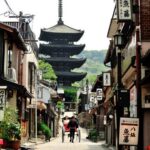
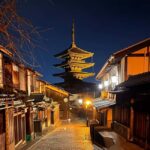
The smart move in Kyoto is simple: start early. The Kyoto East Early Morning Walking Tour is built for people who like mornings and want the city’s calmer rhythm. You get a compact route (about 2.3 km) that doesn’t eat your whole day, but still takes you through classic Higashiyama atmosphere.
I like tours that trade “checklist photos” for context. This one leans hard into that. You’re not just passing landmarks—you’re hearing why they’re important and how locals think about them. That makes your sightseeing feel less like running around and more like learning the shape of the neighborhood.
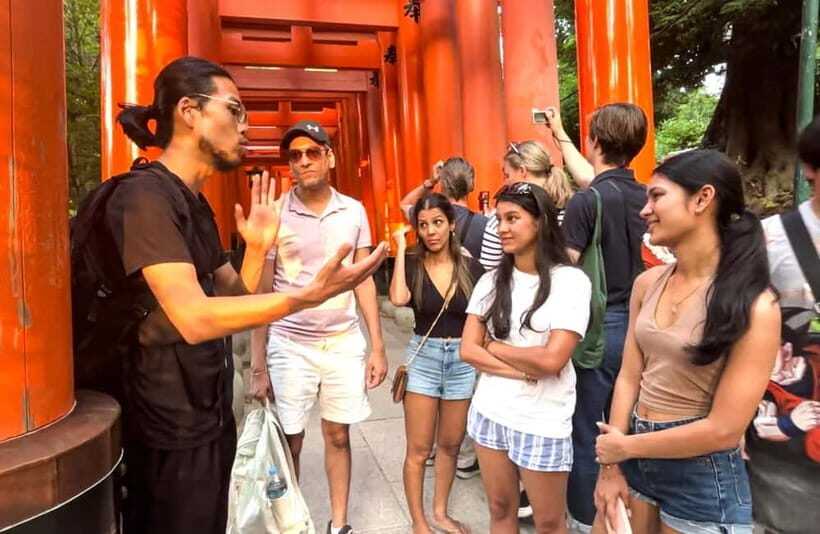
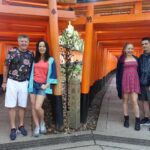
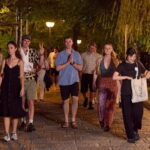
You’re also traveling with a small group. Max 6 guests means less waiting, more questions, and fewer moments where you feel like a number. And since it’s an English-guided walk, you won’t spend the whole time deciphering signs.
You can also read our reviews of more walking tours in Kyoto
What the small group size really changes
![[2.3km / 1.43mi] Kyoto East Early Morning Walking Tour - What the small group size really changes](https://7.kyotoescapes.com/wp-content/uploads/2-3km-1-43mi-kyoto-east-early-morning-walking-tour.jpg)
In Kyoto, crowds can flatten your experience. This is where a max-6 group pays off in practical ways.
First, your guide can slow down for actual questions. Maybe you want to know what a shrine term means, or why the streets are laid out the way they are. Small groups are the difference between a brief answer and a real explanation you can remember.
Second, it helps your feet. The walk includes slopes and steps. With a big group, you can get pulled forward while you’re still catching your breath. With a small group, you can keep your pace steady. That matters on a 2-hour outing—especially in warm weather, when early morning comfort is part of the deal.
Third, it makes the local tips feel tailored instead of generic. One of the best perks is that you can ask your guide for top food and shopping spots after the tour, and get recommendations that match what you actually like.
The walking pace: short distance, real Kyoto footwork
![[2.3km / 1.43mi] Kyoto East Early Morning Walking Tour - The walking pace: short distance, real Kyoto footwork](https://7.kyotoescapes.com/wp-content/uploads/2-3km-1-43mi-kyoto-east-early-morning-walking-tour-4.jpg)
The headline numbers are friendly: about 2 hours and roughly 2.3 km / 1.43 mi. But Kyoto is Kyoto, and that’s where the “short walk” can still feel energetic.
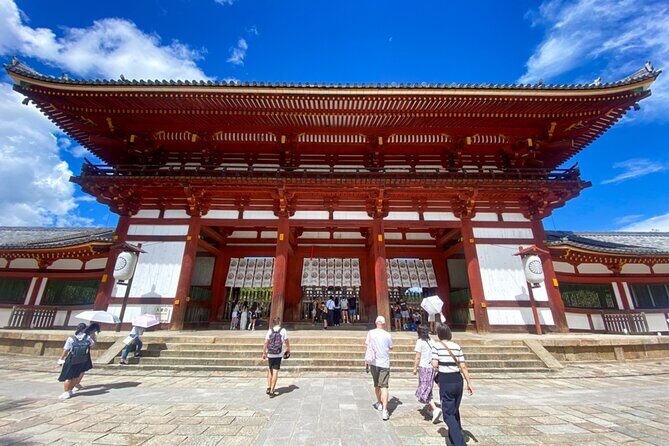
You’ll climb slopes and step up through streets and viewpoints connected to the Higashiyama highlights. This is exactly the kind of sightseeing that rewards good shoes. If your plan is to wear comfortable sneakers and carry water, the distance feels manageable. If you show up in unsupportive footwear, you’ll notice every step.
The tour is also explicitly not suited for wheelchair users and people with mobility impairments. It’s designed as a foot-based route with stairs and uneven changes in elevation. On the plus side, that also means the experience stays focused: you’re moving through the historic area, not dealing with accessibility workarounds.
Kiyomizu-dera in the morning: the setting you’ll remember
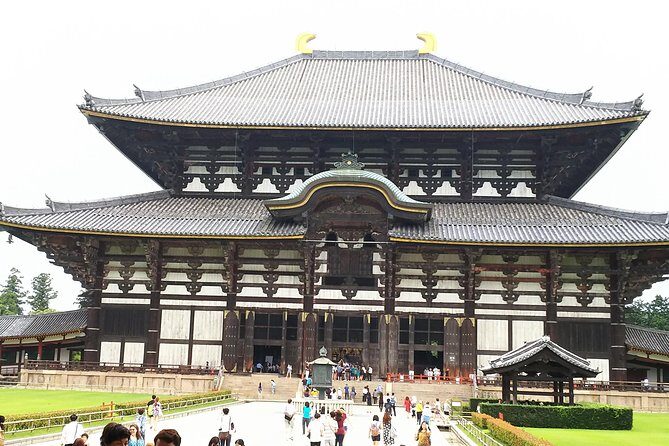
Kiyomizu-dera Temple is one of those Kyoto stops that feels bigger than the photos. On this tour, it’s part of a morning route, so you’re not arriving after the day has already loaded up the streets with late starters.
What makes this stop special is the way it anchors the whole Higashiyama area. Once you’re in the Kiyomizu-dera zone, you start seeing how the temple connects to the neighborhood around it—the hills, the paths, and the pedestrian flow that makes this part of Kyoto feel like a living historic stage.
You’ll also get stories from your English guide about the site you’re looking at. That’s the difference between seeing a famous temple and understanding why it’s famous. The tour is designed for learning, not just landmark hunting.
Potential drawback here is also simple: temple approaches involve walking and likely more step-and-slope time than you’d expect if you’re used to flatter sightseeing. If you’re planning this trip, treat it like an active morning, not a slow stroll.
Yasaka Shrine: context for the place behind the views
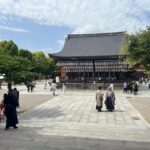
Yasaka Shrine is a major Kyoto spiritual landmark, and this tour uses it as a chance to connect the scenery to culture. You’re guided through the area with an emphasis on history and culture stories, which helps you interpret what you’re seeing instead of just clocking it as a stop on a route.
This matters because Kyoto’s religious sites are more than photo backdrops. They reflect long-standing practices, community meaning, and architectural choices tied to the landscape. A guide who can explain that makes your photos better, because you’re actually noticing the details that would otherwise fly by.
Another nice element is pace. Because it’s a small group, you’re not rushed through the shrine area. You can take a moment, look around, and absorb what’s around you before moving on to the streets that lead into classic old-town Kyoto.
You can also read our reviews of more tours and experiences in Kyoto


Sannenzaka streets: where the Kyoto mood really shows up
Sannenzaka (San-nen-zaka) is where Higashiyama feels most like a postcard—except you’ll understand it more deeply. This tour includes Sannenzaka specifically because it’s one of the streets that carries the neighborhood’s historic vibe into your walking route.
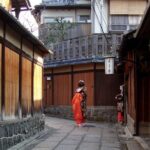
Here’s what you can expect: old-style streetscapes, pedestrian-friendly lanes, and the kind of atmosphere where you’ll naturally slow down. If you care about photos, this is where they happen. If you care about atmosphere and slow travel, this is where you’ll feel it most.
The guide also provides context while you walk. That’s useful because these streets aren’t just “cute shops.” They’re part of the historic pedestrian fabric that shaped how visitors and locals moved through the area.
One practical note: these streets are part of the active walking loop, so bring water and keep moving with intention. Early mornings help, but you still want to pace yourself for the full 2.3 km.
The local tips part: how to use the tour after the walk
This tour doesn’t end when you stop walking. It’s designed to give you momentum for the rest of your day.
You’ll get local tips and recommendations, and the best part is that you can ask your guide for ideas on where to eat and where to shop after the tour. That turns the tour into a planning tool, not just a guided experience.
I especially like that the recommendations aren’t framed as one-size-fits-all. With a max-6 group, your guide can notice what you’re interested in. Then your post-tour plan feels more like a match to your day rather than a checklist the guide has to recite.
If you’re traveling with limited time in Kyoto, this is a smart value add. The tour positions you right in the action zone of Higashiyama, then helps you decide what to do next—without wasting time comparing endless options.
What’s included vs. what you should plan for
![[2.3km / 1.43mi] Kyoto East Early Morning Walking Tour - What’s included vs. what you should plan for](https://7.kyotoescapes.com/wp-content/uploads/2-3km-1-43mi-kyoto-east-early-morning-walking-tour-5.jpg)
For $20 per person, you’re buying an English guided walking tour with a small group and stops at major Higashiyama highlights. You also get local tips and recommendations to help you plan your follow-up.
What’s not included:
- Food and drinks
- Entrance fees
- Hotel pickup and drop-off
- Transportation to/from the meeting point (since it’s a walking tour)
So yes, entrance fees can add to your total cost depending on what you choose to enter. That said, the guided part is the core value here: you’re paying for context, route efficiency, and local advice. You’re also keeping your time commitment manageable—two hours is often easier to fit into a busy Kyoto schedule than half or full-day tours.
Also note what the tour expects from you:
- Comfortable shoes
- Water
If you’re the type of traveler who plans snacks and water anyway, you’ll fit this tour nicely. If you forget, the route still moves along, and Kyoto’s steps won’t care that you’re thirsty.
Not a Gion geisha tour (and that’s a good thing)
The tour is explicitly not a Gion geisha walking tour. That matters because it means you’re focusing on the Higashiyama side of Kyoto East, with the kind of streets and temple/shrine stops that define this district’s early-morning energy.
If you’re expecting a geisha-themed route, you’ll be disappointed. If you want a more grounded walk through major Higashiyama sights with history context, this matches what you came for.
And for many first-timers, this is a relief. Gion can feel like its own separate tourist world. This tour keeps you in the Higashiyama rhythm where temples, shrine areas, and traditional street lanes connect.
Who this tour suits best
This is a strong match if:
- You like early mornings and want to see Kyoto before peak crowds
- You enjoy walking and don’t mind slopes and steps
- You want more than photos—you want history and culture stories
- You’re a first-time visitor or a returner who wants better context than you had the last time
- You want practical advice for where to eat and shop right after the tour
It’s not a fit if:
- You use a wheelchair or need other mobility accommodations
- You rely on baby strollers
- You have luggage or large bags (the tour restricts luggage/large bags)
One more small planning point: smoking isn’t allowed, so plan around that. It’s a walking experience through shared pedestrian spaces.
Small details that make the experience smoother
A tour like this lives or dies on small friction points. This one tries to remove the easy problems.
- It’s in English, so you’re not left translating on the fly.
- The group size keeps the pace steady and the guide accessible.
- The length (about two hours) makes it realistic even if you’re still adjusting to travel jet lag.
- The focus is on key areas in Higashiyama: Kiyomizu-dera, Yasaka Shrine, and Sannenzaka, so you’re not wandering aimlessly.
And the reviews reinforce something important: the guides make the difference. People highlight guides like Akari for patience, strong English, and insider knowledge. That’s exactly what you want in a morning walk—someone who can explain quickly and clearly, without making you feel rushed.
Price and value: $20 for an early-guided start
At $20 per person, this isn’t the kind of tour where you wonder what you’re paying for. You’re getting:
- a guided walk with an English-speaking local
- key Higashiyama stops (temple, shrine, and traditional street)
- story-based context rather than a minimal route
- local recommendations for your next moves
The only “extra” costs you might run into are entrance fees and anything you choose to buy for food or drinks. Since those aren’t included, you still control your spending. That’s a fair trade: you pay for guidance and route quality, not for meals you may or may not want.
The early timing is also part of the value. If you’ve ever hit Kyoto late and felt like you were just fighting crowds, you’ll understand why an early start can be worth more than a few dollars.
Should you book this Kyoto East Early Morning Walking Tour?
I’d book it if you want your Kyoto day to feel intentional instead of chaotic. The 2.3 km route plus the morning start is a practical way to see major Higashiyama highlights without turning it into an all-day ordeal. If you care about context—why sites matter, what to notice, and how to move through the area wisely—this tour is built for you.
Skip it if you need wheelchair-friendly access or if you dislike walking and climbing steps. Also skip it if your top priority is a Gion-geisha theme, because this one stays focused on Higashiyama.
If you’re flexible with timing, grab a slot and plan to wear real shoes and carry water. Then let the guide do the heavy lifting on the history and the local recommendations—so you can enjoy the morning Kyoto deserves.
FAQ
How long is the Kyoto East Early Morning Walking Tour?
The tour is about 2 hours.
How far do you walk?
You’ll walk approximately 2.3 km (1.43 miles).
What sights are included?
The tour includes visits to Kiyomizu-dera Temple, Yasaka Shrine, and Sannenzaka, along with other Kyoto East/Higashiyama highlights.
Is this a Gion geisha walking tour?
No. It is not a Gion Geisha walking tour.
Is hotel pickup included?
No. Hotel pickup and drop-off are not included.
What is included in the price?
You get a small group experience, an English guided walking tour, visits to the listed highlights, and local tips and recommendations.
Are entrance fees included?
No. Entrance fees are not included.
What should I bring?
Wear comfortable walking shoes and bring water.
Is the tour suitable for wheelchair users or people with mobility impairments?
No. It is not suitable for wheelchair users or people with mobility impairments.