REVIEW · 2-HOUR EXPERIENCES
2 Hour Night Walking Tour Throughout Gion with snack
Book on Viator →Operated by Tour Kyoto · Bookable on Viator
If you want Gion to make sense fast, do this. I like the tight 2-hour route and the way it pairs big-name spots with quieter streets. I also like the snack-and-geisha chocolate touch, which turns a normal stroll into something you look forward to.
One thing to keep in mind: Kyoto at night can be crowded, so staying close to your guide matters if you don’t want to feel rushed.
In This Review
- Key things I’d plan around
- Why a night walk works so well in Gion
- Getting your bearings: the meeting point and what to expect
- Stop 1: Yasaka Shrine at night (history + photos, 30 minutes)
- Stop 2: Hanamikoji Street (geisha district basics, 40 minutes)
- Stop 3: Kiyamachi Street (modern entertainment district + food tips, 40 minutes)
- Stop 4: Kamogawa River (soundtrack of Gion, 10 minutes)
- The best part you don’t expect: snack + geisha chocolate
- Your guide: Simon’s style and why it matters
- Crowds, pace, and keeping up in high season
- How good value looks at $32.58
- Who this tour fits best
- Should you book this Gion night walk?
- FAQ
- How long is the tour?
- Where is the meeting point?
- Does the tour include the sights’ admission fees?
- What food do you get?
- How many people are in the group?
- What if the weather is bad?
Key things I’d plan around
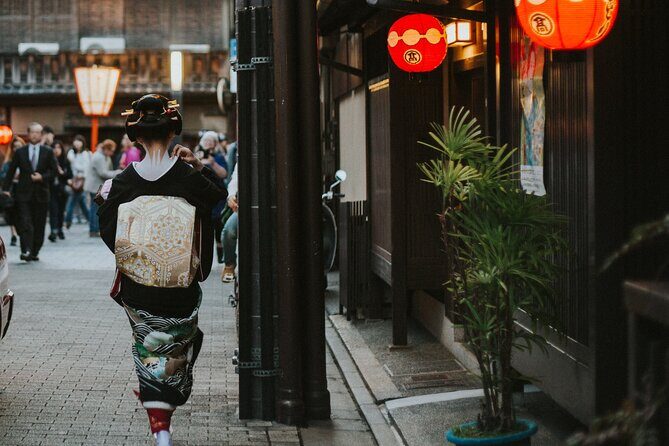
- A small group (max 10) keeps the walk feeling personal rather than like a herd.
- Four timed stops work well if your Kyoto schedule is tight.
- Yasaka Shrine + Hanamikoji gives you the ceremonial and the geisha-history side of Gion.
- Kiyamachi Street + back-street restaurant ideas help you eat well without guessing.
- Kamogawa River at night adds the sounds and atmosphere you can’t get from day tours.
- You get a traditional snack and geisha chocolate, so you’re not hunting food mid-tour.
Why a night walk works so well in Gion
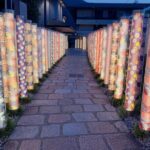
Gion is one of those Kyoto neighborhoods where daytime photos can look pretty, but the feel shows up after dark. The streets are still walkable, but the mood changes: softer light, more street-level chatter, and that in-between feeling of old Kyoto next to modern nightlife.
This tour is built for that sweet spot. You’re not stuck in a museum line or racing through a checklist. Instead, you follow a local guide through a short loop that gives you orientation and context fast. That matters because Gion is famous, but it’s also easy to get turned around once you wander off the main lanes.
The best part for me is the mix: you touch major landmarks, then you move into the entertainment-district streets where you can start understanding where people actually go.
You can also read our reviews of more walking tours in Kyoto
Getting your bearings: the meeting point and what to expect
You start at a very practical spot: the Disney Store – Kyoto Shijo-Kawaramachi (Kyoto, Shimogyo Ward, near the 四条通河原町 北東角 コトクロス阪急河原町 1&2F). It’s a convenient landmark in a city where “meet by the gate” can get messy fast.
You also end back at the meeting point, so you don’t have to plan a complicated final leg across town. The tour is about 2 hours, with a steady walking pace and time set aside for each stop, not just constant motion.
One more small detail that helps: you’ll have a mobile ticket, and the tour runs with a maximum of 10 travelers. In busy Kyoto, smaller groups can mean faster course-corrections when streets get crowded.
Stop 1: Yasaka Shrine at night (history + photos, 30 minutes)
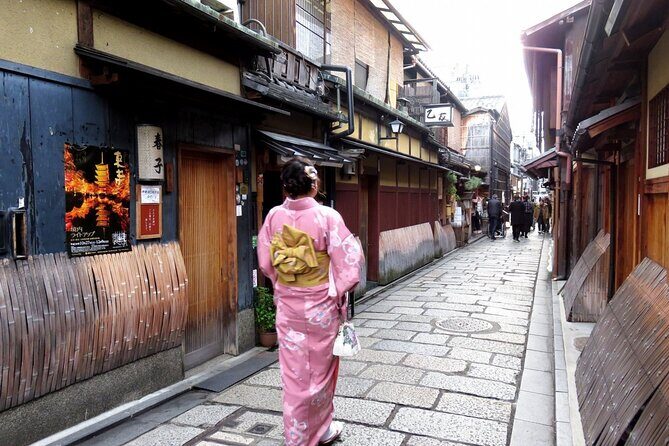
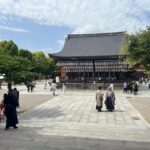
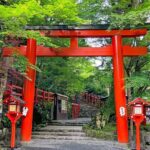
Yasaka Shrine is one of Kyoto’s big emotional anchors. Even if you’re not a hardcore temple person, you’ll feel the significance right away. This stop is free and planned for around 30 minutes, which is a good length: enough time to read the vibe, take photos, and still not feel stuck in place.
The guide’s role here is key. You’re not just looking at stone and lanterns—you’re hearing the history behind the shrine and why it matters in Kyoto life. That turns your “cool photos” moment into real understanding.
What to watch for: night crowds can make it hard to keep your camera steady and stay close. Stay near the group when people pause, and don’t drift to the edge of the crowd. If you want clean shots, be ready for short waits and quick repositioning.
Stop 2: Hanamikoji Street (geisha district basics, 40 minutes)
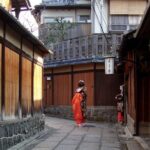
Next comes Hanamikoji Street, a classic lane tied to Kyoto’s hanamachi (geisha district) tradition. This is the kind of street where the layout tells you a lot—even before you start hearing names and roles.
You’ll learn the difference between Geiko and Maiko, which is more than trivia. If you understand the roles, you’ll interpret what you see more intelligently: the performances, the appearances, and the way people talk about the district.
This stop is about 40 minutes and also free, so it works well as a foundation. By the time you leave, you’ll have a clearer mental map of what you’re seeing in Gion beyond just architecture and signs.
Possible drawback: on famous streets, it’s hard to slow things down. If the group feels a bit fast (crowds do that), focus on what the guide is pointing out rather than trying to read everything by yourself.
Stop 3: Kiyamachi Street (modern entertainment district + food tips, 40 minutes)
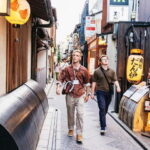
Then you shift from tradition into modern nightlife energy with Kiyamachi Street. The tone changes. You’re now in the entertainment district atmosphere where you can start imagining your own night in Kyoto—where you’d go, what you’d feel like eating, and how reservations might play a role.
This portion is about 40 minutes, and the guide is there with practical help. The tour includes recommendations for restaurants off the beaten track where you don’t need reservations. That’s the kind of advice that saves your evening. It’s also the kind of thing you can’t easily guess from walking alone.
Why this stop is valuable: Kyoto food planning can be stressful. If you already know where you’d like to eat, you can spend the next hours actually enjoying your trip instead of sprinting between menus.
What to watch for: this is also where the pace can feel more intense. People tend to cluster around entrances and side streets. If you’re the type who likes to stop and stare for a while, you may feel tempted to lag behind—don’t. Stay close and you’ll get the value of the route.
You can also read our reviews of more evening experiences in Kyoto

Stop 4: Kamogawa River (soundtrack of Gion, 10 minutes)
At the end, you reach the Kamogawa River, and this is a quick but memorable closer. It’s only about 10 minutes, but it’s planned for atmosphere: the soundscape, the hang-out energy, and that sense that the river is part of daily life in Gion.
Even in a short time, you’ll notice why the Kamogawa matters. It links the streets to the broader neighborhood. It’s also one of those places where the mood can feel very Kyoto without needing a ticket or a long stop.
Small caution: because this segment is short, don’t expect lots of wandering. Treat it as your night “reset button,” where you take in the sound and the light, then head back out.
The best part you don’t expect: snack + geisha chocolate
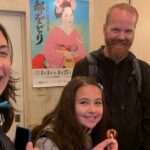
This is a walking tour, so food might not be the main draw—but it’s handled in a smart way. You’ll enjoy a traditional Japanese snack during the tour, and you’ll also receive a geisha chocolate.
It’s not just a cute add-on. A snack keeps your energy steady when you’re walking in the evening and thinking about where you want dinner later. And the geisha chocolate gives you a little souvenir you can enjoy immediately instead of something you toss in your bag for later.
Practical tip: if you have dietary restrictions, it’s worth checking in advance. The tour data confirms snack and chocolate are part of the experience, but it doesn’t list ingredients or dietary options.
Your guide: Simon’s style and why it matters
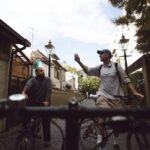
Based on the tour feedback, the guide experience is a big reason people love this tour. Simon stands out for a few things that directly affect your comfort on a crowded street walk.
- He’s described as punctual, which matters because you’re meeting in a fixed location and starting on time.
- He’s funny, so the history doesn’t feel like a lecture.
- He’s good at answering questions and weaving in the “how things work” side of Kyoto.
That last point matters more than it sounds. Gion can feel like a theme park if you only look at it. A guide who explains the rules—what the roles mean, how the district functions, where to focus—helps you see the neighborhood with more confidence.
Crowds, pace, and keeping up in high season
The route is short and timed, which is great. The trade-off is that you’re moving through a popular area. In peak periods, it can get busy enough that you might feel like you’re running to keep up.
A couple of practical things I’d do if I were on this tour again:
- Stay within a few steps of your group at each stop, especially near entrances.
- If you’re taking photos, pause quickly and then rejoin the flow.
- If you get separated, don’t panic-chase. Stop moving, check around, and wait for the group to regroup. Trying to sprint through crowds usually makes it worse.
This is still very doable. The tour is designed as two hours, not a marathon. You’ll likely feel like you got a lot out of it even if the night is packed.
How good value looks at $32.58
At $32.58 per person, this tour isn’t a bargain deal, but it also isn’t priced like a luxury experience. What makes it feel like value is the combination:
- A 2-hour structured route through major Gion anchors
- A guide who explains context, not just points at buildings
- Snack + geisha chocolate (so you’re not paying extra to keep moving)
- Practical restaurant recommendations for the next meal
If you’re visiting Kyoto for the first time, paying for a guide early can reduce wasted time. Instead of wandering uncertain streets and guessing where to eat, you get a clear plan and a few strong ideas.
For couples, it’s also a nice first-night activity because you can walk and talk without having to commit to a long dinner plan first.
Who this tour fits best
I’d especially like this for:
- First-timers to Kyoto who want Gion context on night one
- Couples and small groups who prefer a focused walk over a long day tour
- People who like learning the difference between Geiko and Maiko and want that explained in plain terms
- Food planners who want where to eat ideas without needing reservations
If you hate crowds or you need slow, lingering sightseeing, you might find certain segments a bit intense. But if you can stay close to the guide and accept that you’re moving through a famous neighborhood, it’s a strong fit.
Should you book this Gion night walk?
Yes, if you want a short, organized introduction to Gion with real context and immediate payoff. I’d book it early in your trip so the restaurant tips and neighborhood layout help you for the rest of your evenings.
I wouldn’t book it if you want a slow, fully unhurried stroll where you can drift away from the group. The timing and crowds mean you’ll get the most out of it by staying with the guide.
If you’re deciding between skipping Gion until later or doing it tonight with a plan, I’d do this one sooner rather than later. It helps the whole neighborhood click.
FAQ
How long is the tour?
It lasts about 2 hours.
Where is the meeting point?
You meet at the Disney Store – Kyoto Shijo-Kawaramachi (600-8001 Kyoto, Shimogyo Ward, 四条通河原町 北東角 コトクロス阪急河原町 1&2F).
Does the tour include the sights’ admission fees?
The planned stops list free admission tickets.
What food do you get?
You’ll enjoy a traditional Japanese snack and receive geisha chocolate.
How many people are in the group?
The tour has a maximum of 10 travelers.
What if the weather is bad?
This experience requires good weather. If it’s canceled due to poor weather, you’ll be offered a different date or a full refund.