REVIEW · KYOTO
Kyoto Private Photo Shoot & Tour by SnapKyoto
Book on Viator →Operated by SnapKyoto · Bookable on Viator
Want photos that look like Kyoto.
SnapKyoto runs a private Kyoto photo shoot with an English-speaking photographer, so you’re not stuck winging it with your phone. I like the built-in posing guidance and the promise of 50–200 full-resolution, professionally edited photos delivered the next day, ready to send home. The main drawback to watch for: the price is per group (up to 4), so solo travelers may feel it more than families or friends.
This is a great fit if you want Kyoto’s most famous corners captured with direction, pacing, and better framing. In one example, photographer Matt reportedly worked well with kids, shared cultural context, and still got gorgeous results fast—so it’s not just about looking good, it’s about making the time feel easy. If you’re hoping for lots of unstructured wandering with no choices from you, you’ll want to plan your timing and locations (or ask the photographer to suggest them).
In This Review
- Key highlights you’ll feel during the shoot
- How the 1 to 6 hour Kyoto photo shoot actually works
- Price and value: what you’re really paying for
- Meeting at Higashiyama and starting off with Gion
- Fushimi Inari-taisha: turning steep shrine steps into portraits
- Higashiyama Ward with Yasaka Pagoda, Ninenzaka, and a giant Buddha
- Arashiyama bamboo forest trail: the “wow” stop with time limits
- What you get in the final photos (50 to 200, edited and ready)
- Kimono help and transportation choices that affect your results
- Who this Kyoto photo shoot is best for
- Quick practical tips so your photos come out better
- Booking and flexibility: what you need to know
- Should you book SnapKyoto’s Kyoto Private Photo Shoot?
Key highlights you’ll feel during the shoot
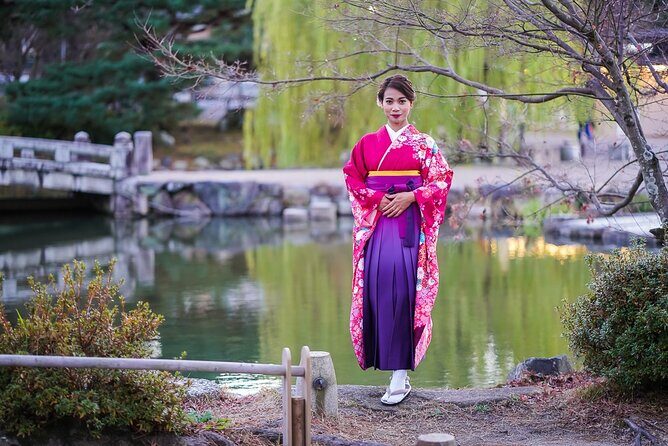
- Private, guided posing so you look natural instead of awkward
- English-speaking photographer for clear directions and smoother walking beats
- 50–200 edited photos depending on session length
- Classic Kyoto areas across Gion, Fushimi Inari, Higashiyama, and Arashiyama
- Kimono and taxi help available if you want extra dressing-up time
How the 1 to 6 hour Kyoto photo shoot actually works
This tour is priced at $330.26 per group, up to 4 people, and you choose a session length from about 1 to 6 hours. Expect a mobile ticket and a photographer-led plan that keeps you moving, stopping, and resetting your look without wasting time.
You’ll get help booking things like a kimono rental or transportation if you want to level up the photos. The plan also notes that public transport is used (private car can be arranged with an added charge), so the experience is built around Kyoto’s walkable flow rather than a chauffeured bubble.
One more detail I really like: the photographer doesn’t just take pictures and vanish. You get posing guidance during the shoot, which changes everything when you’re trying to look good in full sunlight, crowds, or stair-heavy shrine areas.
You can also read our reviews of more private tours in Kyoto
Price and value: what you’re really paying for
Kyoto can be cheap day-to-day, but a good photo service is not. Here, you’re paying for a professional photographer, time, and a clear editing workflow that produces full-resolution, professionally edited images.
The value comes from three places:
- You’re buying better results than a phone could deliver, especially with posing help.
- You’re buying time savings, because the photographer knows where to stand and how to keep the shoot moving.
- You’re buying delivery, since the photos are sent over by the next day.
If you split the cost with friends or family (up to 4), the per-person feel changes a lot. If you’re traveling solo, you might compare this to hiring a local photographer for a shorter block, but the convenience of a ready-made route and photo package can still be worth it.
One practical note: this experience tends to be booked ahead (on average about 51 days in advance). If your dates are tight, book early so you don’t get pushed into an inconvenient time slot.
Meeting at Higashiyama and starting off with Gion
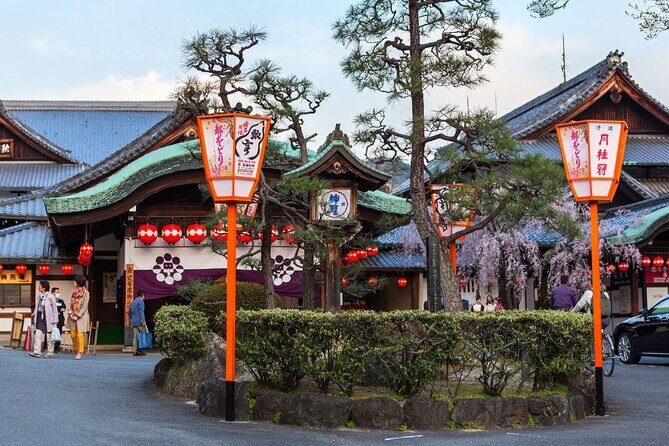
You start at the Statue of Izumo-no-Okuni, Kawabatacho in Higashiyama Ward, and the activity ends back at the meeting point. That round-trip setup keeps logistics simple, and it helps you avoid that awkward end-of-tour scramble.
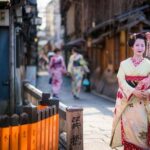
Your first photo zone is Gion (the geisha district), with a stop also around Maruyama Park for seasonal scenery like cherry blossoms and autumn leaves. This part is where you’ll get that classic Kyoto look—wood, lantern light vibes, and streets that photograph well because they already feel curated.
What to watch for here is crowds and timing. Gion can get busy, so if you care about clean-looking frames with fewer people in the background, your session start time matters. The photographer’s job is to guide you through those moments so you don’t spend half the shoot waiting for an opening.
Fushimi Inari-taisha: turning steep shrine steps into portraits
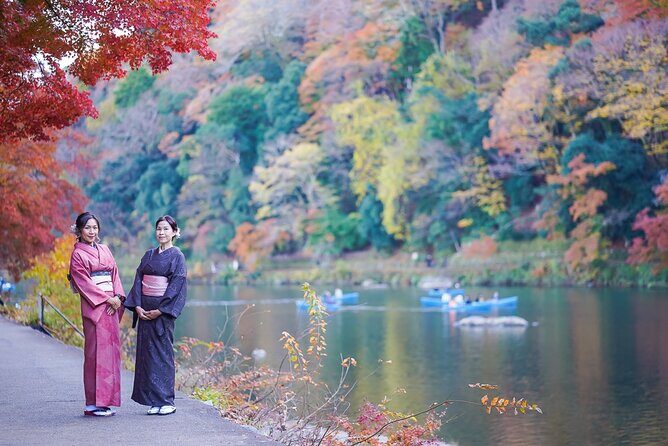
Next up is Fushimi Inari-taisha Shrine, one of Kyoto’s largest and most photogenic shrine areas. The plan gives this stop about one hour, which is enough for a mix of iconic views and closer portraits if you keep moving and trust the photographer’s rhythm.
This is a spot where solo photos often look fine but not special—because the background can overwhelm you or your angles get stuck. Posing guidance helps you work with the environment instead of fighting it. Think about stance, body angle, and how to keep the shrine paths framing you rather than cutting through your composition.
A second practical consideration: this is a shrine area with lots of stairs and foot traffic. Comfortable shoes matter, and you’ll want to keep hydration in mind if you book a longer session. The benefit is that you’ll leave with images that feel distinctly Kyoto, not just “pretty scenery.”
Higashiyama Ward with Yasaka Pagoda, Ninenzaka, and a giant Buddha
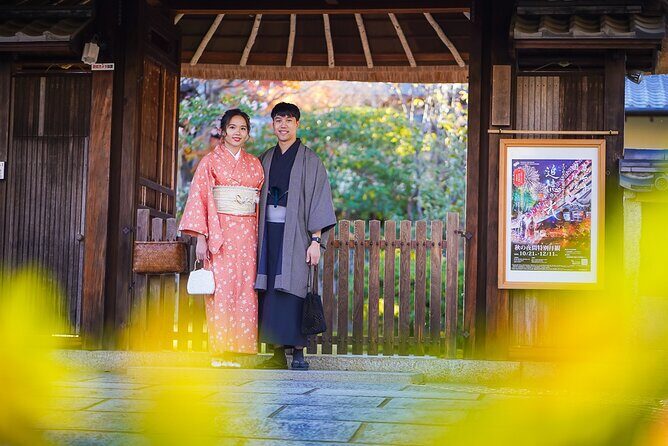
After Fushimi Inari, the route shifts to Higashiyama Ward with stops that include Yasaka Pagoda, Ninenzaka, and the Giant Buddha Temple. Like the other zones, this is built as a structured photo block (about one hour in the plan), so you’re not drifting—you’re hitting the key visual targets.
Why this stop works so well for photos: you get multiple styles in a short time. Yasaka Pagoda brings that vertical landmark energy. Ninenzaka gives you street-level texture and traditional storefront vibes. The Giant Buddha Temple adds scale, which can make even simple portraits feel cinematic.
Potential drawback: it’s easy to overdo shots here if you try to capture everything. The best results usually come when you pick a few poses you like and repeat them in different lighting or angles. With a photographer directing you, you’ll spend less time guessing and more time refining what looks good.






Arashiyama bamboo forest trail: the “wow” stop with time limits
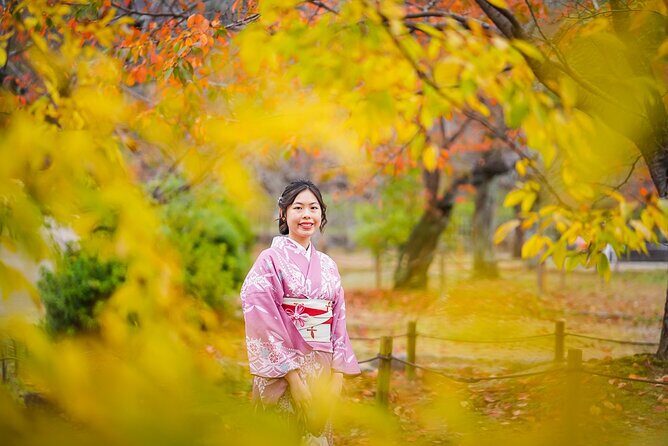
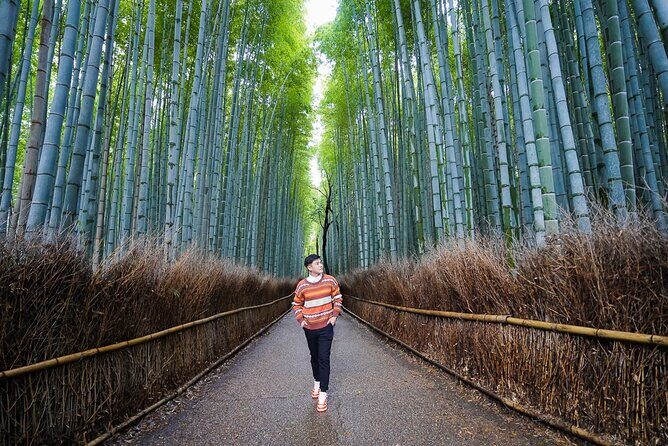
The final listed location is the Bamboo Forest Trail in Arashiyama, often one of the most dramatic settings in Kyoto. The shoot block is about one hour in the plan, and that time is enough to get strong photos if you follow direction and stay flexible.
Here’s the tricky part: bamboo forests can be visually overwhelming, and small framing errors can make the scene look flat. The photographer’s job is to control perspective and position you for depth—so the bamboo lines lead your eye to you, not just to empty space.
Also, expect foot traffic. If your goal is photos that feel calm and clean, your timing and the photographer’s approach will matter. If you’re flexible and want that iconic Kyoto bamboo look regardless of crowd density, this stop will still deliver big visual payoff.
What you get in the final photos (50 to 200, edited and ready)
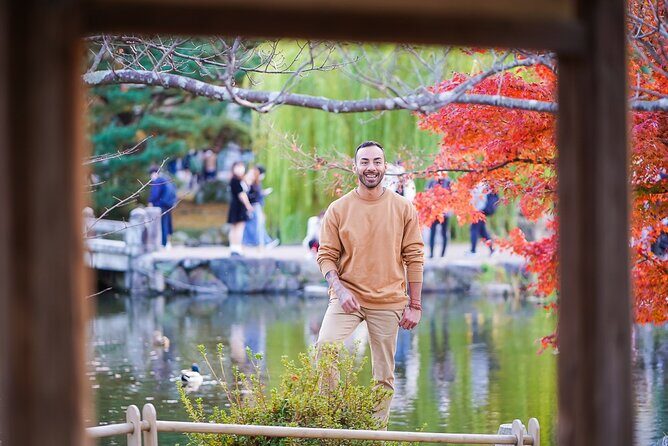
At the end, you receive 50–200 professional full-resolution photos, depending on how long you book. That range is a big deal. One hour can give you enough for a solid set of social posts and prints. A longer session can produce a fuller “story” of your day—different looks, different corners, and more variations per pose.
You’ll also get professionally edited results delivered by the next day. In the example shared for this experience, Matt reportedly sent gorgeous photos the very next day, which is a huge advantage when you want your trip memories fast.
A smart way to use the photos:
- Pick 10–20 as your favorites right away.
- Save the rest for later when you’re calmer and want to make a stronger selection.
- Share quickly while the trip is still fresh for your group.
Kimono help and transportation choices that affect your results
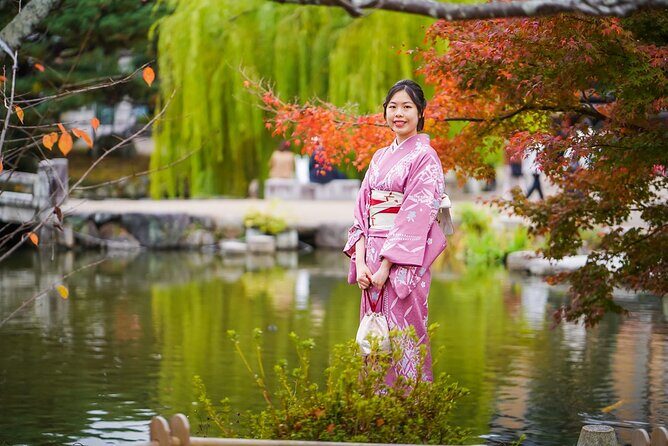
The tour includes help booking a kimono rental or transportation if you request it. Important detail: rental and transport fees are not included, but the photographer can help you plan and book, which saves you the headache of figuring it out while your shoot time is ticking.
This matters because kimonos change everything in a photo. You’ll get better drape in certain poses, you’ll walk differently, and you’ll create a stronger Kyoto identity in the final images. If you want that look, ask early so the schedule doesn’t feel rushed.
On transport: the plan uses public transport, and the ending returns to your meeting point. A private car can be arranged with an added charge. If your group includes kids or anyone who hates stairs, that added transport option is worth considering since parts of the route include big walking zones.
Who this Kyoto photo shoot is best for
This is a private activity, so you only share it with your group. That makes it a good choice for:
- Couples who want flattering direction without the stress of doing it themselves
- Families, including kids, because the photographer can adapt the pace (as shown in the Matt example)
- Friends who want a fun day with photos instead of selfies
- Anyone who feels awkward posing and wants prompts that work in real Kyoto locations
It’s also a smart move if you don’t know where to start. The experience allows you to choose timing and locations, but you can also ask your photographer for suggestions. That’s helpful if you’re overwhelmed by Kyoto’s size.
Most travelers can participate, but if you’re dealing with mobility limits, do think through the amount of walking and stairs involved—especially around shrine and temple areas.
Quick practical tips so your photos come out better
These are small things that make a big difference on shoot day.
- Wear shoes you can walk in for a while, including steps and uneven areas.
- Bring water. Longer sessions (closer to 6 hours) can be great, but you’ll feel it.
- Decide how formal you want your look: casual street style or kimono-style Kyoto.
- If you have preferences (group shots, solo portraits, couples photos), tell the photographer early.
- Aim for one or two outfits per person. Trying to change outfits mid-day can steal your best light.
Also, don’t underestimate the value of timing. Even a fantastic photographer can’t fix bad lighting or a completely mismatched schedule. If you can choose, pick the time of day that fits your vibe.
Booking and flexibility: what you need to know
Confirmation is received at booking time, and you’ll have a mobile ticket. The experience can be free-canceled if you cancel at least 24 hours before the start time, with a full refund; changes within 24 hours aren’t accepted.
If you like a low-stress plan, this is one of those tours where you can keep your options open until late. Still, since it’s often booked ahead, don’t wait too long if your schedule is fixed.
Should you book SnapKyoto’s Kyoto Private Photo Shoot?
Book it if you want Kyoto memories that look polished and intentional without learning photography basics. The combination of posing guidance, a private route, and edited full-resolution photos delivered next day is exactly what makes this feel like more than a casual photo walk.
Skip it only if you’re truly happy doing it yourself, or if your group doesn’t care about photos enough to justify a professional price. Also, if you want totally unplanned wandering with zero route structure, you might prefer a different kind of experience.
For most couples, families, and small friend groups, this hits a sweet spot: you get classic Kyoto backdrops, you look good in front of them, and you leave with images you’ll actually use.