REVIEW · GEISHA & MAIKO TOURS
Kyoto: Gion and Geisha District Walking Tour
Book on Viator →Operated by Traveling Kyoto · Bookable on Viator
Lantern-lit Gion feels like another world. This small-group walk takes you through the parts of Kyoto people talk about—Gion, plus the nearby lanes and shrines that set the mood for geisha culture.
I love how the small group (up to 10) keeps things calm enough to actually hear stories, not just dodge other groups. I also like that the guide’s English is clear and friendly, with standout guides named Sam, Shin, Amy, Tim, Maria, and Naoya.
One consideration: it is still a walking tour through popular streets, so comfy shoes matter, and you may not always be able to spot a geisha on command (even with the best tips).
In This Review
- Key highlights you’ll care about
- A Gion walk that makes the city make sense
- Small group size: the secret to hearing your guide
- Your guide’s job: tips, stories, and how to look without being weird
- Yasaka Shrine: the start that sets the tone
- Maruyama Park: pause for seasonal mood
- Nene-no-Michi: preserved lanes with samurai echoes
- Sannenzaka and Ninenzaka: old-street drama on stone steps
- Yasui-Konpiragu: the Power Stone archway stop
- Hanamikoji Street: the Gion finish that feels like a movie set
- Price and value: $22.55 buys guidance, not entry fees
- Who this tour suits best (and who should choose something else)
- Tips to get the most out of it
- Should you book this Gion and Geisha District walking tour?
- FAQ
- How long is the Kyoto Gion and Geisha District walking tour?
- How many people are in the group?
- What’s included in the price?
- Where does the tour start?
- Do I need to pay for admission at the stops?
- What is the cancellation policy?
Key highlights you’ll care about

- Up to 10 people means more Q&A and fewer times you lose the group
- English-speaking guides bring maiko and geisha training stories to life
- Power Stone fun at Yasui-Konpiragu adds laughs to the spiritual stops
- Lantern-lit Hanamikoji Street gives you a classic Gion scene to orient yourself
- Multiple free stops (shrines/parks/lanes) make the value easy to see
- Mobile ticket keeps your check-in simple
A Gion walk that makes the city make sense
Kyoto can feel like a set of postcards you’re flipping through too fast. This tour is different because it focuses on one tight area and gives you a way to read it. You’ll walk past the recognizable spots, yes, but you’ll also learn why these lanes and shrines matter to the Gion geisha world.
The big win is that you get context as you go. That turns Gion from scenery into a place with systems, rituals, and everyday human details. You’ll start to notice things like how streets funnel foot traffic, where people pause, and what kinds of buildings sit behind the polite outdoor calm.
You can also read our reviews of more walking tours in Kyoto



Small group size: the secret to hearing your guide
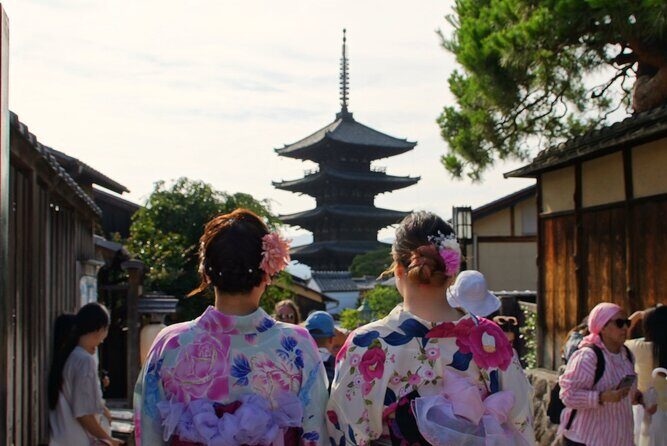
With a maximum of 10 travelers, this is the kind of tour where you don’t spend half your time scanning for your group. That matters because the best parts here are the explanations—how geiko and maiko traditions evolved, what certain shrines symbolize, and how you can approach the neighborhood respectfully.
You’ll also get better use out of your guide’s knowledge. In the reviews, the guides really show up—Sam, Shin, Amy, Tim, Maria, and Naoya all get credited for clear explanations and a welcoming pace. One person even noted the guide kept the group in shade during hot weather, which is the kind of practical care you notice fast.
And because this is a walking route tied to the sights, you’re not stuck waiting around. You’re moving, learning, and getting your bearings.
Your guide’s job: tips, stories, and how to look without being weird
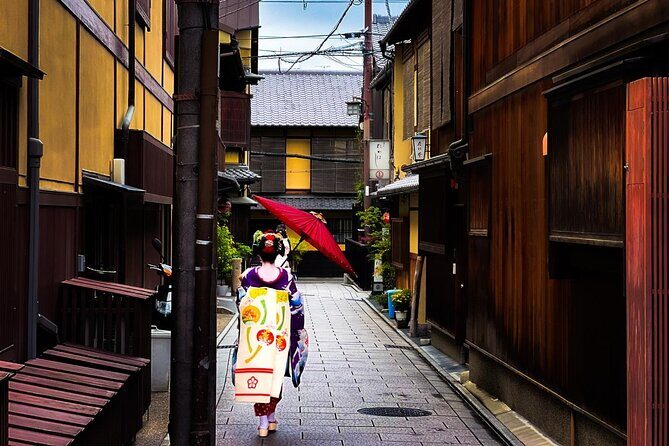
The tour is built around learning the culture of local geisha life in a way that’s useful, not just themed. You get tips on where you might spot geisha, plus the background that helps you understand what you’re seeing.
That part is important. Gion is not a museum. It’s an active neighborhood. So the best way to watch is quietly: stand where it’s appropriate, keep your distance, and don’t block doorways or sidewalks just to get a photo. Your guide’s advice is meant to help you do that—so you can enjoy the moment without turning it into a stunt.
If you like history, you’ll get stories with a human tone. The route also weaves in samurai-era references, so you can connect the past to the street scene in front of you instead of treating them like separate topics.
Yasaka Shrine: the start that sets the tone
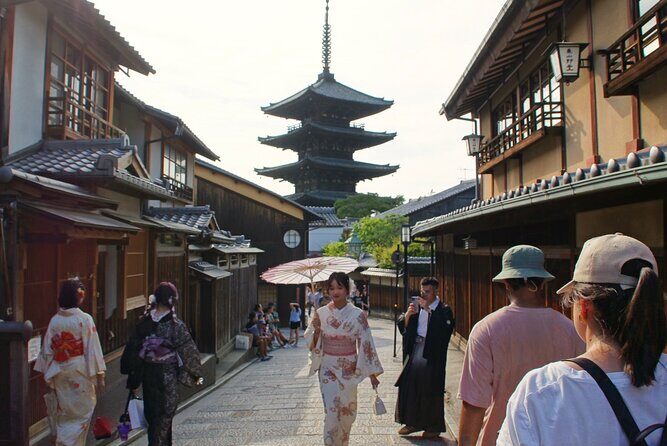
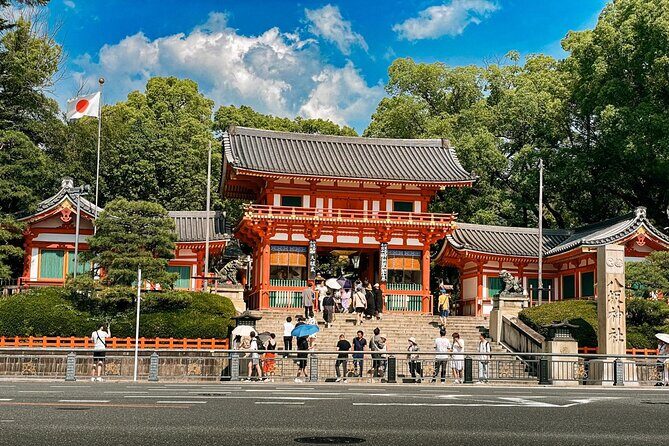
Most Kyoto tours jump straight into streets. Here, you begin at Yasaka Shrine, one of the major Shinto sanctuaries bridging Gion and Higashiyama. Even if you’ve seen photos, being there in person helps. The red torii gate and the lantern-lit feel of the approach are the kind of visual cue that instantly tells you this is a place people return to.
At this stop, you’ll learn how shrines function beyond the postcard version. It’s about rituals, community, and how visitors and locals share space with different motivations—prayer, tradition, and simple awe. The stop is about 20 minutes, and with the tour’s focus on context, it’s enough time to feel grounded before you start the narrower lanes.
Practical note: this is a popular area, so expect crowds. Go slow, be patient, and don’t force photos at angles that block other people.
Maruyama Park: pause for seasonal mood
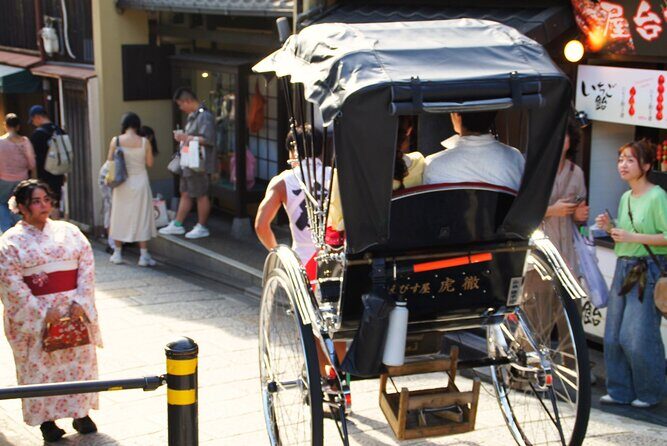
Next comes Maruyama Park, Kyoto’s oldest public park and a short breather near Yasaka Shrine. This stop is only about 10 minutes, but it works because it resets your eyes. You move from shrine atmosphere into a more open, calmer green space right before the more street-hugging parts of the walk.
Why it matters: geisha culture in Kyoto often gets treated like a single nightlife theme. But parks and seasonal events remind you this is also about rhythms—what people celebrate, how the city changes, and why certain streets feel different at different times of year.
This is the kind of stop that pairs well with listening. If your guide shares seasonal festival context here, you’ll understand Gion as part of the larger Kyoto calendar instead of a standalone district.





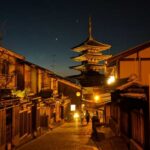
Nene-no-Michi: preserved lanes with samurai echoes
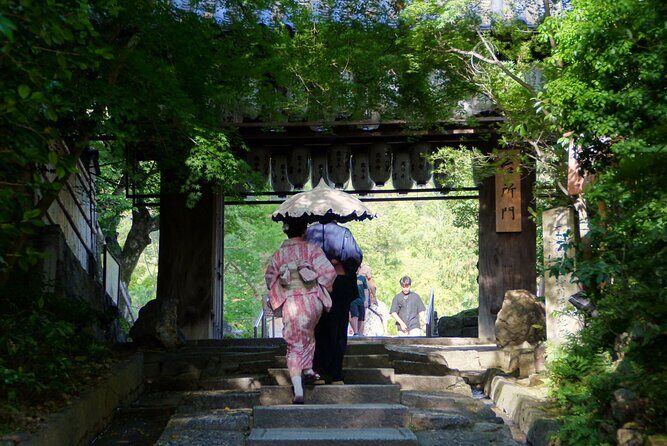
Then you walk down Nene-no-Michi, a lane named for the wife of samurai warlord Toyotomi Hideyoshi. This is where the tour starts feeling like a story you can physically follow. The street’s preserved traditional architecture and small shops help you see how Kyoto spaces keep older layouts alive.
What I like about this stop is that it doesn’t force you to guess. Your guide ties the architecture to the era, so you’re not just admiring wood and paper. You’re learning why certain buildings remain, what kinds of streets were used for, and how the city’s layers overlap.
Time here is about 10 minutes, so it’s a quick, high-impact segment. If you like walking tours that move at a steady pace, this one keeps you from overthinking or waiting.
Sannenzaka and Ninenzaka: old-street drama on stone steps
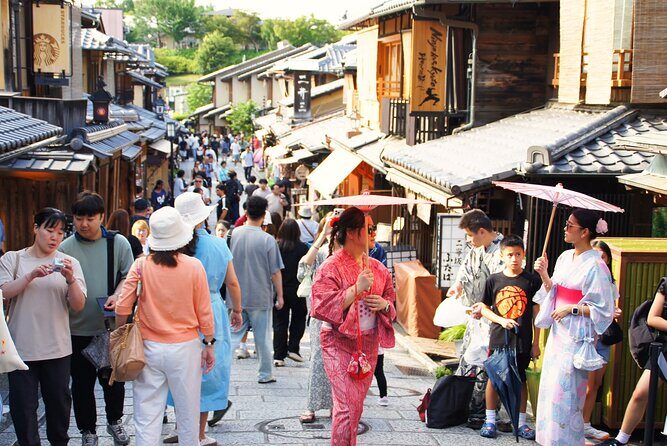
The walk then heads to the slope of Sannenzaka and Ninenzaka, famous old Kyoto lanes with stone paths and historic storefronts. The vibe here is strong: it feels like you’re moving through a reenactment of older city life, but still with real shops and real people.
The usefulness of this stop is orientation. These lanes sit close to Higashiyama, so seeing them helps you understand the geography of where Gion sits in relation to other historic areas. You’ll also pick up small details—like how the street design shapes walking patterns and sightlines—that make future wandering easier.
One consideration: slopes and stone steps can be harder on tired legs. The stop is about 15 minutes, but you’ll feel it if you arrive already worn out. If you’re doing more walking that day, plan a slower second half.
Yasui-Konpiragu: the Power Stone archway stop
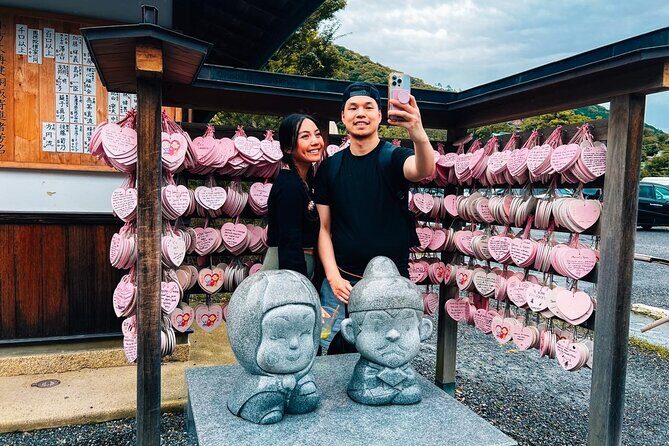
After old-street charm, you get a stop that’s memorable in a different way: Yasui-Konpiragu, known for its “Power Stone” archway. This is the kind of tradition people talk about because it’s quirky and fun—locals and visitors crawl through the archway to pray for strong relationships or to break ties with the past.
Your guide’s role matters here. If you only read signage, you might miss the bigger context. But with a good guide, the ritual turns into something you can actually understand. In the reviews, this stop gets called out as hilarious and touching, which tells me the explanations stick. The spiritual message plus the playful action makes it a standout moment.
Time is about 10 minutes, so it’s not a long detour. It’s the right length: you get the full idea, then you’re back on the streets where Gion really starts to show itself.
Hanamikoji Street: the Gion finish that feels like a movie set
The tour’s main payoff is Hanamikoji Street, the heart of Gion. This is where you’ll see preserved machiya townhouses, traditional teahouses, and lanterns that create that classic Kyoto evening vibe—especially if your timing happens to fall into lower-light hours.
This is also where the tour becomes more than sightseeing. Your guide can explain Gion’s traditional entertainment customs and how training works for performers. Reviews mention getting details about maiko training that you don’t easily find in basic guidebooks. That kind of context changes how you look at the neighborhood. Instead of staring at buildings, you start noticing the social cues: where people gather, how lanes guide movement, and why certain areas feel different from street to street.
The final stretch is about 15 minutes, and then the tour ends back at the meeting point.
Price and value: $22.55 buys guidance, not entry fees
At $22.55 per person, this tour is priced like a budget-friendly culture walk. The math is simple: many of the stops are free to visit on your own (shrines and parks), and the route is designed to show you key Gion areas without requiring expensive tickets.
So what you’re really paying for is the English-speaking guide and the structured route. A guide who can connect architecture, rituals, and geisha traditions lets you get more from the same street you might otherwise just walk through.
Is it worth it? If you want geisha culture explained in plain language while you move through Gion, yes. If you mostly want photos and don’t care about context, you could wander independently. But even then, having tips on where you might spot geisha respectfully can save you frustration.
Who this tour suits best (and who should choose something else)
This works well if you:
- Want a focused introduction to Gion and geisha culture without overcommitting time
- Like history with real-world street context (shrines, lanes, everyday neighborhoods)
- Prefer small-group pacing and clear English guidance
It might not be your best match if you:
- Need a slow, sit-down style tour (this is walking throughout)
- Are mainly shopping for guarantees like geisha sightings on demand (no guide can promise that)
If you’re the type who enjoys asking questions and spotting details in old wooden streets, this is your kind of Kyoto day.
Tips to get the most out of it
Bring comfortable shoes and dress for the weather. The route includes a few changing terrains, including sloped lanes like Sannenzaka/Ninenzaka.
Keep your expectations realistic about geisha spotting. The tour gives practical tips, but the culture and privacy rules mean you should watch quietly and respectfully.
If you love photos, take them, but don’t turn the sidewalk into a tripod line. The reviews include comments about guides being patient with photography stops, but good manners still help everyone enjoy the walk.
Should you book this Gion and Geisha District walking tour?
I’d book it if you want a clear, guided way to understand Gion—shrines, old lanes, and geisha culture—without spending a full day on transport between far-flung sights. The English-speaking guide factor is a big deal, and the small-group size keeps the experience from feeling chaotic.
Skip it only if you already know the area deeply and only need photos, or if you need a very low-walking itinerary. Otherwise, this is a good-value, well-paced intro to Kyoto’s Gion district with stories you’ll actually remember.
FAQ
How long is the Kyoto Gion and Geisha District walking tour?
It runs about 2 hours.
How many people are in the group?
The tour has a maximum of 10 travelers.
What’s included in the price?
An English-speaking guide is included, along with entry/admission to Gion and Hanamikoji Street.
Where does the tour start?
It starts at Starbucks Coffee – Kyoto Gion Hotel Japan, Kyoto, Higashiyama Ward, Gionmachi Minamigawa, 555 祇園ホテル 1F.
Do I need to pay for admission at the stops?
The tour includes entry/admission to Gion and Hanamikoji Street. The listed stops in the route are shown as free (for example Yasaka Shrine and Maruyama Park).
What is the cancellation policy?
You can cancel for a full refund up to 24 hours in advance. If you cancel less than 24 hours before the start time, the amount paid is not refunded.