REVIEW · SHOW
Kyoto: Non-Verbal Theatre Show Tickets at GEAR
Book on GetYourGuide →Operated by ART COMPLEX · Bookable on GetYourGuide
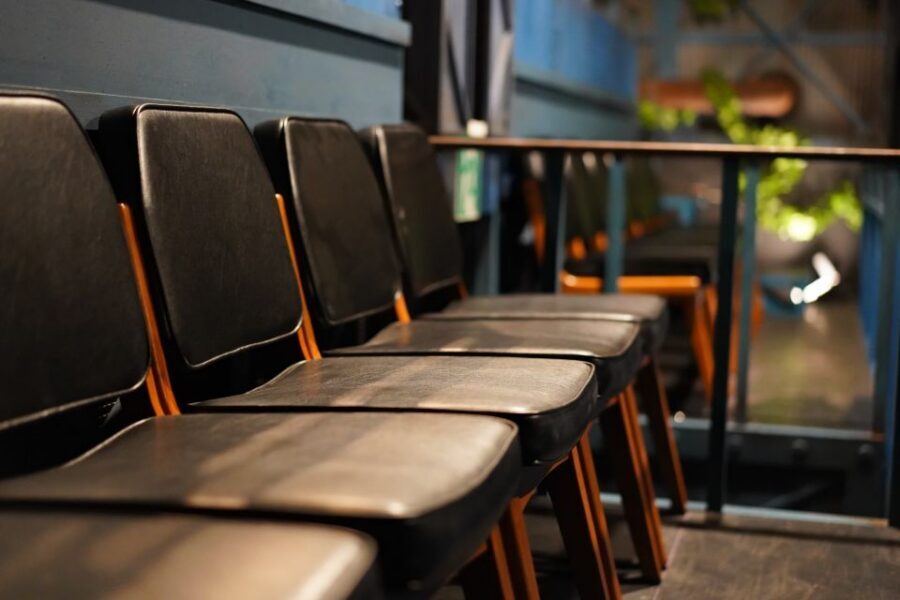
Silent theatre, loud feelings, and jaw-dropping effects. In Kyoto, stage magic and nonverbal choreography drive a story you follow without a single word, told up close in a small room where you feel part of the action. One catch: the venue is limited to just 72 seats, and the S-seat is on the small side (about 18″ x 18″), so plan for a tight squeeze.
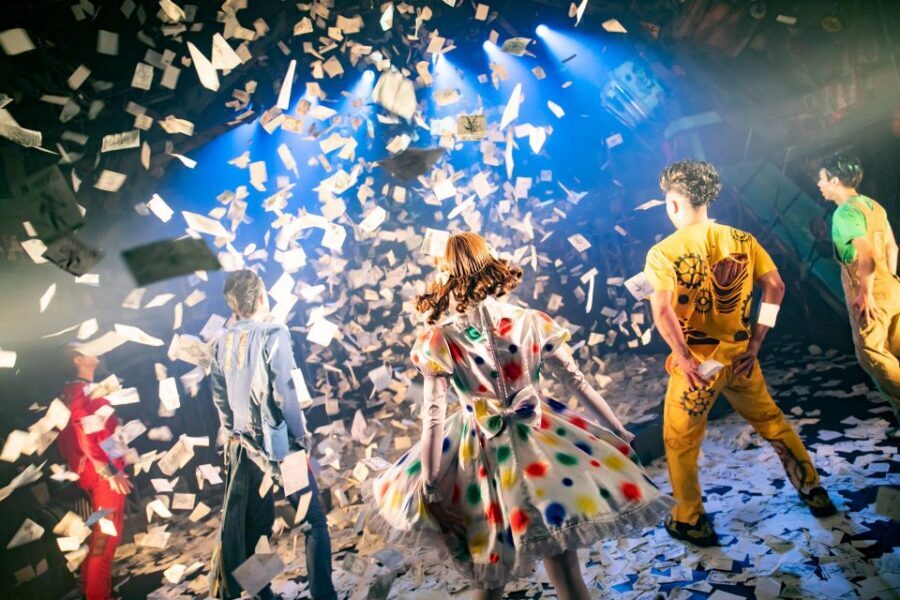
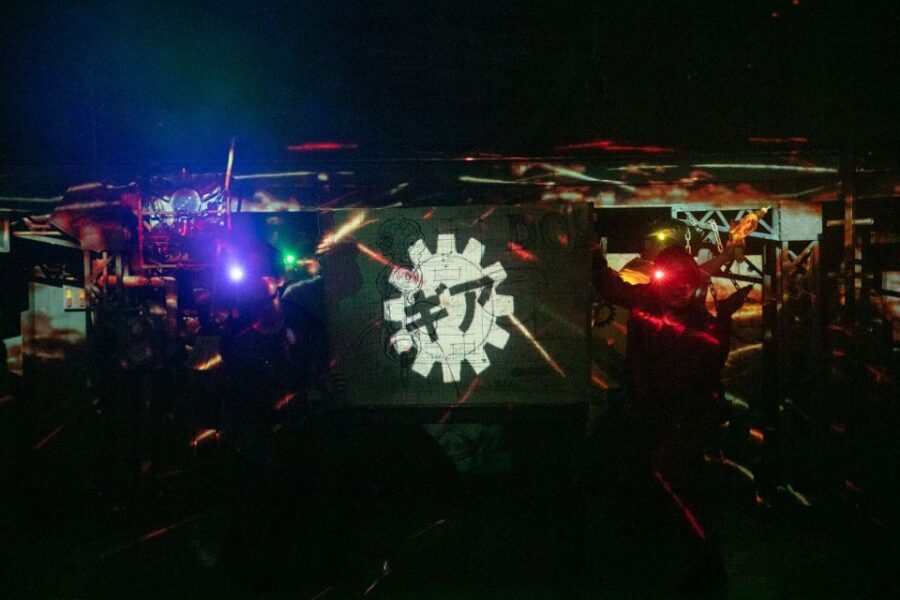
GEAR runs about 90 minutes and is set in a future broken toy factory, where robot workers meet a doll that comes to life and the whole cast works through touch, humor, and emotion. The staging blends classic Kabuki-style performance tricks with modern effects, all inside an older theatre building built in 1928.
In This Review
- Key things that make GEAR special
- GEAR in Kyoto: a silent robot-and-doll story built for your eyes
- The 1928 theatre building and what “S-seat” really means
- Timing and where to be: don’t show up late in a 72-seat room
- What happens during the 90 minutes: from toy factory chaos to emotional calm
- Expect big stage tricks and close-up performance
- A story about touch (and why you feel it more without dialogue)
- Audience involvement: keep a little openness in your evening
- The value question: is $46 worth a Kyoto theatre night?
- Who should book GEAR (and who might want a different option)
- Should you book GEAR in Kyoto?
- FAQ
- How long is the GEAR non-verbal theatre show?
- How early should I arrive?
- Is the show spoken or does it need Japanese?
- Can my child attend?
- Are meals allowed inside the theatre?
- Can I pick my seat number and how does cancellation work?
Key things that make GEAR special
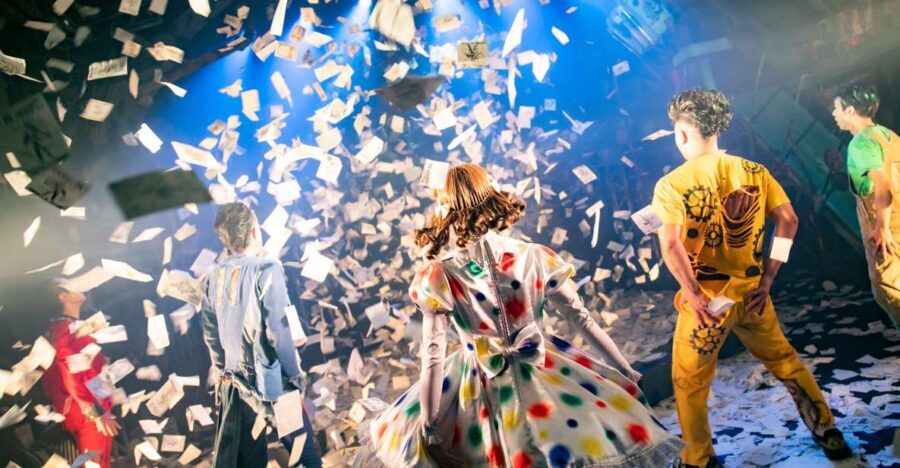
- A full story without dialogue, so it plays smoothly even if your Japanese is still loading
- Robots meet a living doll in a broken toy factory setting that feels clever and human
- Close-up action in a 72-seat room, with lots of energy and movement
- Stagecraft with Kabuki roots plus modern tech, from performance timing to showy effects
- Physical comedy and skill like mime, magic, juggling, and breakdance-style choreography
- A theme built on touch and humanity, which is exactly why the silent format hits harder
GEAR in Kyoto: a silent robot-and-doll story built for your eyes
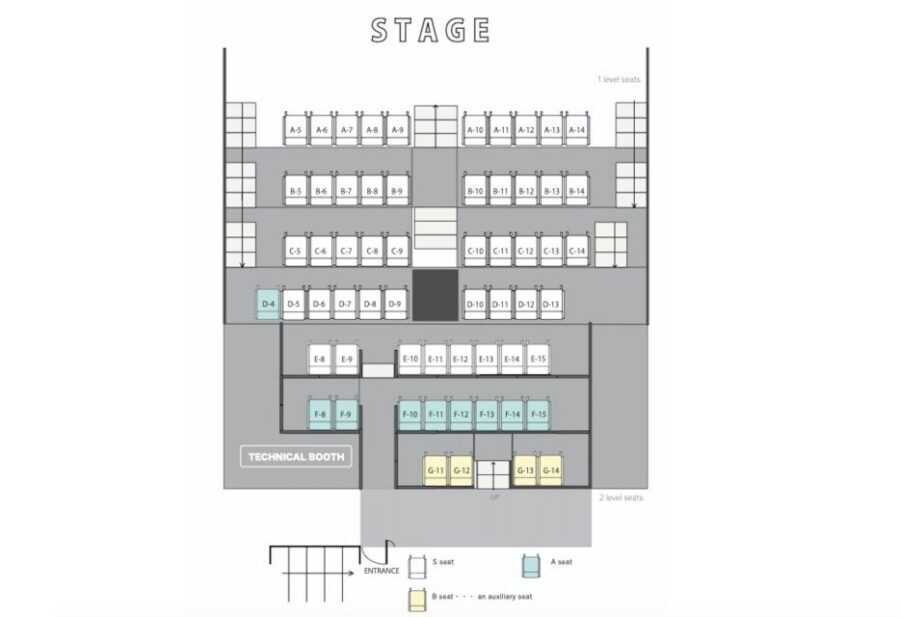
If you like theatre that uses your eyes first, GEAR is a smart pick in Kyoto. This is a contemporary non-verbal show, and the whole point is storytelling through movement, facial expressions, and stage effects rather than dialogue.
The plot idea is simple and effective: in a future broken toy factory, robot workers encounter a doll that comes to life. From there, the show turns into a journey about humanity—not in a lecture way, but through playful moments, emotional beats, and lots of physical storytelling.
Because it’s non-verbal, you don’t have to decode language while also trying to enjoy the visuals. That matters in a small theatre where action is fast and close.
You can also read our reviews of more tours and experiences in Kyoto



The 1928 theatre building and what “S-seat” really means
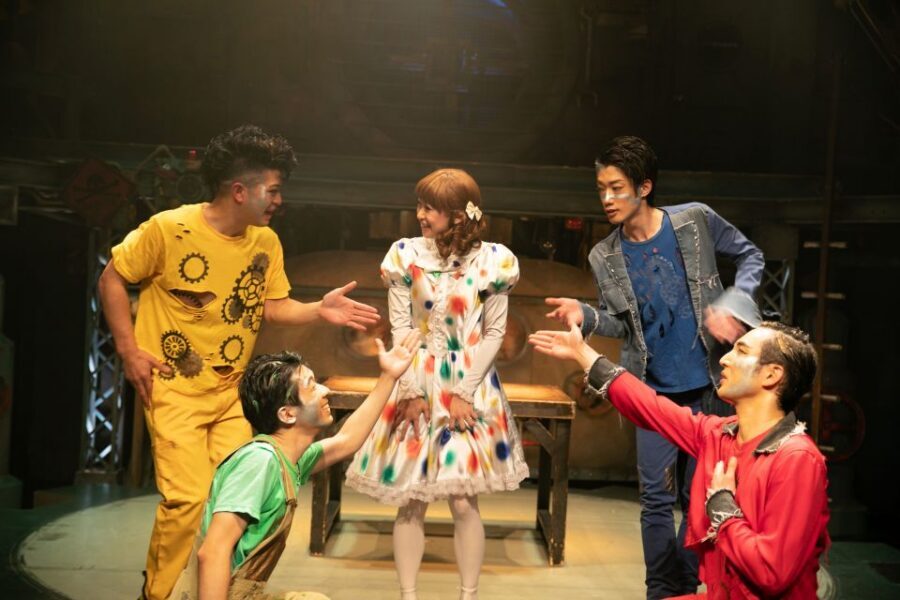
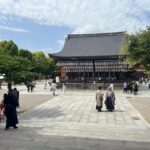
GEAR takes place in a historic building from 1928, and the room size is part of the experience. The theatre has limited capacity—72 seats—and only S (Premium) seat tickets are currently sold.
Here’s what you should plan around: the seats are described as rather small, around 18″ x 18″. I’d treat that as a real comfort factor, not a footnote, especially if you’re tall, broad-shouldered, or you just don’t love cramped seating.
Also, you can’t select seat numbers. That’s not always a problem—many people comment that there aren’t truly bad views—but it does mean you’re buying the experience first, not a specific “best seat” location.
The upside of this setup is atmosphere. In a compact room, performers can go big without losing you in distance, and you feel the rhythm of the show instead of watching it from far away.
Timing and where to be: don’t show up late in a 72-seat room
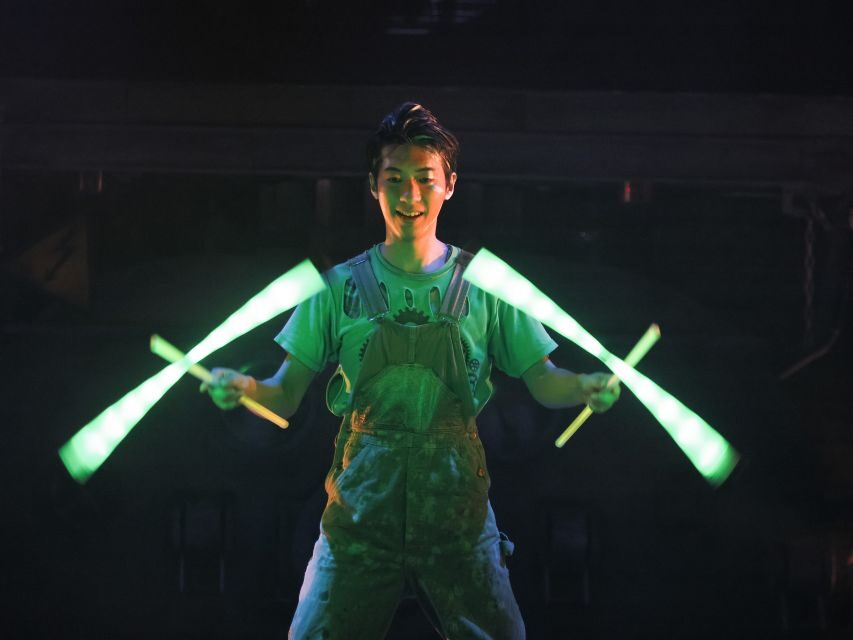
The door opens 30 minutes before showtime. With only 72 seats, arriving on time is the easiest way to keep your evening stress-free.
Your meeting point is the GEAR / Non-Verbal theatre. Once you’re there, give yourself extra time to settle in, especially if you’re also browsing the area around the theatre—there are shops nearby that are worth a quick look if you show up early.
Inside, there’s no food or drink allowed in the theatre. That’s common for performance spaces, but it’s still worth noting so you can plan a snack break outside before the show.
What happens during the 90 minutes: from toy factory chaos to emotional calm
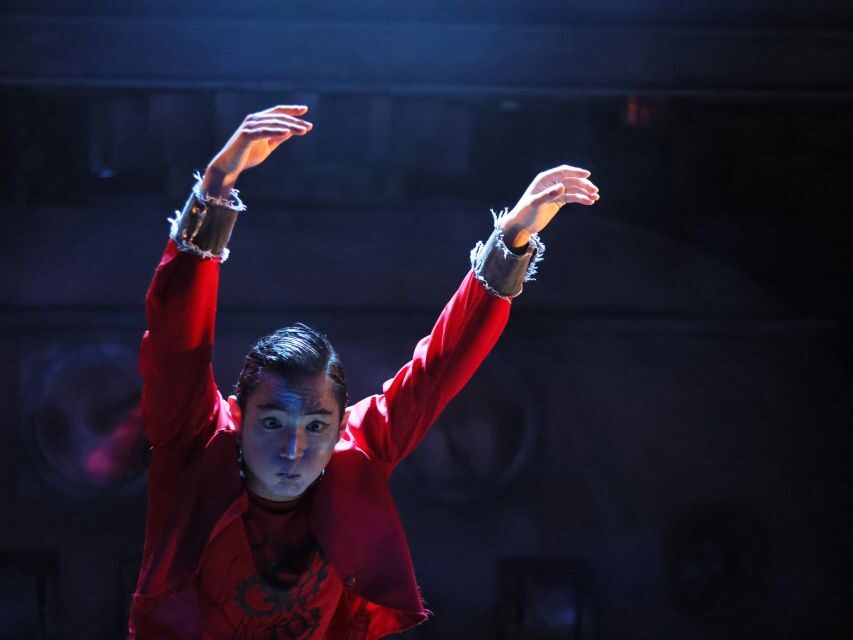
The show is 90 minutes long, so it’s paced like a real performance marathon—no slow dead air, but also enough variety to keep your attention. The production is described as mixing Kabuki techniques and acting methods with high technology, which is a big part of how it keeps your focus.
While you won’t be told the story in words, you’ll still get clear narrative direction. Performers use pantomime, dancing, and expressive acting to make cause-and-effect easy to follow—robots react, the doll changes the mood, and your understanding grows scene by scene.
Expect big stage tricks and close-up performance
The stage design is described as realistic and full of tricks. In practice, that means you should watch for visual “switches” and clever physical staging—moments where the set, lighting, and performer movement combine to create something you didn’t see coming.
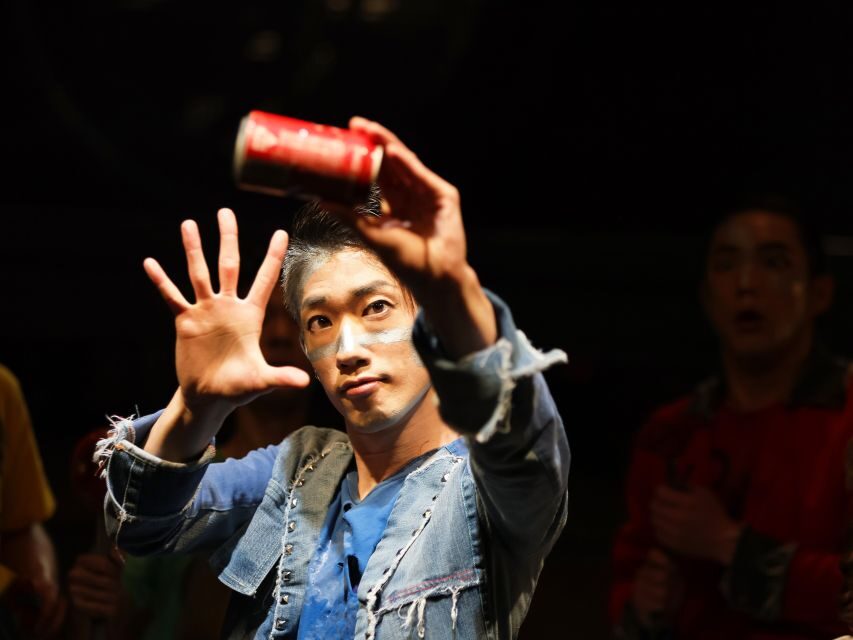
Multiple reviews highlight action that feels close and high-energy. You should also expect a mix of performance styles, including dancing, miming, breakdance-style movement, juggling, and magic touches. Even if you’re not a “magic show” person, the point here isn’t just the trick—it’s how those skills serve the story and the characters.
You can also read our reviews of more tours and experiences in Kyoto



A story about touch (and why you feel it more without dialogue)
GEAR is built around the power of touch. Since there’s no spoken narration, that theme shows up through physical interaction: how characters approach, how they hesitate, what they reach for, and what changes when they finally make contact.
That’s where the emotional impact comes from. Instead of hearing a character explain feelings, you read it in timing and body language. The show is designed so humor and emotion land together, not separately.
And because it’s non-verbal, your brain doesn’t get stuck translating. You can just react.
Audience involvement: keep a little openness in your evening
A couple of accounts mention moments where audience participation happens during a magic portion. That doesn’t mean you’ll be called up every time, but it does mean you should stay alert and ready for playful interactions.
If you’re going as a couple or group, agree ahead of time on how you’ll handle that possibility—cheering is always welcome, and a calm, good-natured attitude makes it more fun.
The value question: is $46 worth a Kyoto theatre night?
$46 for a 90-minute, non-verbal show in Kyoto can feel like a lot until you look at the package. Here’s what you’re paying for:
- A high-tech, stagecraft-heavy production with real performance precision (not a simple movie-style presentation).
- Close-up viewing in a small, 72-seat room.
- Universal accessibility because there’s no language barrier to the core story.
- A show that appeals to a wide range of ages, from very young families (with the under-4 rule in mind) to adults who want something different from temples and restaurants.
If you’re comparing options, think of this as “the one-ticket entertainment” that can make your Kyoto night feel complete. It’s also a strong rainy-day plan, since the experience is fully inside and focused on performance and effects.
The main value drawback is comfort: with small seats and no seat selection, you don’t get the luxury of choosing a spread-out spot. If seat comfort is your top priority, it’s worth mentally preparing for tight quarters.
Who should book GEAR (and who might want a different option)
You’ll love GEAR if you want a break from the usual sightseeing routine and you like shows where the visuals carry meaning. It’s also ideal if you’re traveling with mixed language levels in your group.
It’s a good fit for:
- Couples who want a shared “wow” moment without needing translations
- Families who enjoy physical comedy, dancing, and interactive-style theatre
- Adults who appreciate stagecraft, timing, and technical acting
It may be less ideal if:
- You strongly dislike cramped seating
- You need a very quiet, seated-and-stable show where nothing ever surprises you up close
- You’re traveling with kids under 4 (the venue has a security restriction)
Should you book GEAR in Kyoto?
Yes—if you’re open to a story told with body language, rhythm, and stage effects, book it. This is the kind of show that makes Kyoto nights feel different, and the non-verbal format means you won’t miss the meaning even if your schedule is hectic.
If you’re concerned about comfort, arrive early, settle in as best you can, and accept that you’re buying intimacy. For many people, that small-room closeness is exactly why the show lands so well.
In short: $46 is a fair price for a carefully staged, skill-heavy performance where the story is clear without dialogue.
FAQ
How long is the GEAR non-verbal theatre show?
The show runs for 90 minutes.
How early should I arrive?
Doors open 30 minutes before the show starts, so plan to be there at that time.
Is the show spoken or does it need Japanese?
It’s a non-verbal theatre show, meaning you don’t need Japanese to follow the story since there’s no dialogue driving the plot.
Can my child attend?
Kids under 4 years old are not allowed in the theatre for security reasons.
Are meals allowed inside the theatre?
No. Eating and drink are prohibited in the theatre.
Can I pick my seat number and how does cancellation work?
Only S-seat tickets are available, and you cannot select seat numbers. Free cancellation is available up to 24 hours in advance for a full refund.