REVIEW · TEA CEREMONY EXPERIENCES
Kyoto Matcha Green Tea Tour
Book on GetYourGuide →Operated by Arigato Travel KK · Bookable on GetYourGuide
Matcha starts with a bowl, but Uji starts with story. This 3-hour Kyoto Matcha Green Tea Tour takes you through Uji, where you’ll see tea heritage up close and learn the how-and-why behind matcha—often with guide Karim explaining the area’s past in a way that actually sticks. I especially like the hands-on matcha making (including grinding and whisking) and the fact you also get real food stops, not just tea samples.
One thing to plan for: the pacing is efficient. You’ll be walking and moving between sites and shops, and the group is small but not private. If you need a super-slow, sit-and-stay mode, this may feel a bit brisk.
In This Review
- Kyoto’s Matcha Heart: Why Uji Works Better Than a Typical Tea Stop
- Meeting at Keihan Uji Station: Simple, but Don’t Be Late
- Walking Uji’s World Heritage and Tea Streets in 3 Hours
- Food Stops That Actually Teach You Something
- Matcha Making Class: Grinding, Whisking, and Getting the Texture Right
- Tea Tasting at the End: How to Taste Like You Mean It
- Shopping Time Without the Tourist Trap Feeling
- Small Group Size and English Guides: You Get Attention
- Price and Value: Is $173 Worth 3 Hours in Uji?
- Who Should Book (and Who Might Skip It)
- Should You Book This Kyoto Matcha Green Tea Tour?
- FAQ
- Where is the meeting point?
- How long is the tour?
- How big is the group?
- What’s included in the experience?
- Are there age limits?
- Is hotel pickup included?
Kyoto’s Matcha Heart: Why Uji Works Better Than a Typical Tea Stop
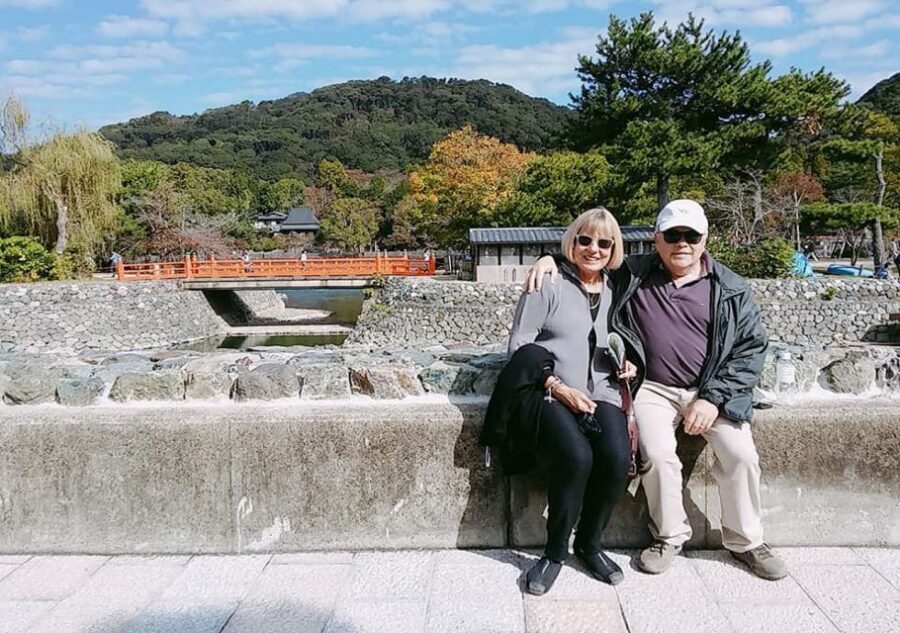
Uji is close to Kyoto, but it feels different. Instead of a quick tea gimmick in a shop, this tour gives you the setting—temples, a river, tea culture, and the everyday rhythm of a town built around tea.
What makes it click is the mix. You don’t just taste matcha; you learn how it’s made, then you eat in between, then you taste again at the end with your senses tuned. That whole loop matters. If you only drink matcha once, it can taste like… matcha. If you watch it made, then see what goes with it, suddenly you notice texture, aroma, and how sweetness in wagashi changes the way the tea lands on your palate.
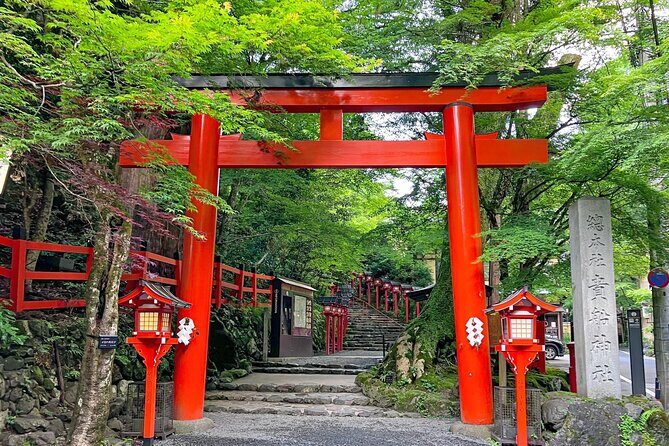
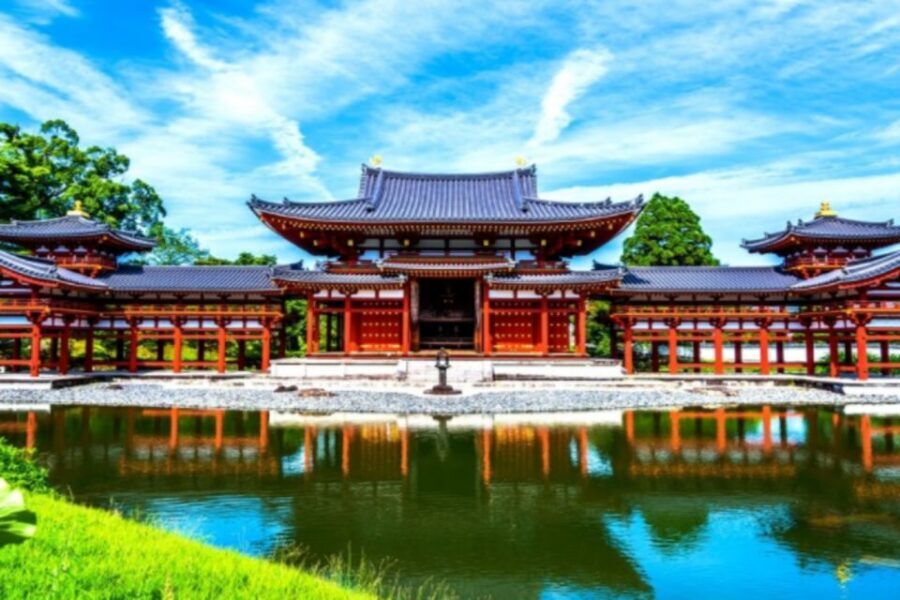
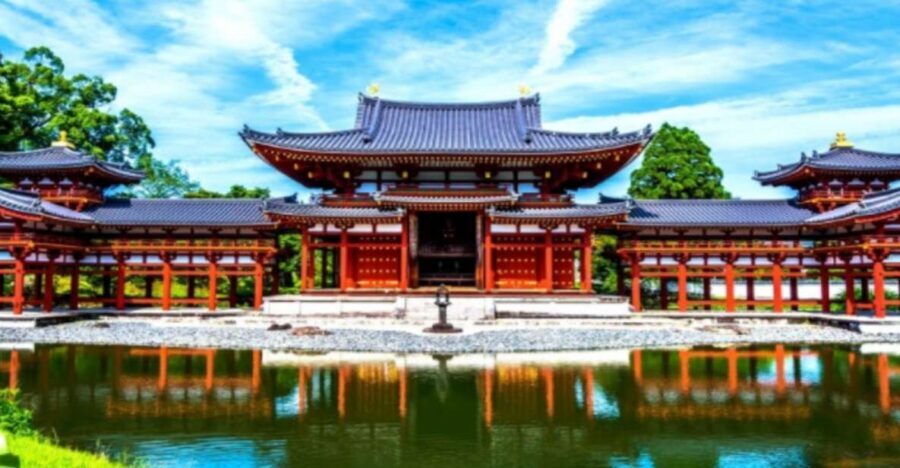
Another big plus: the tour leans on Uji’s World Heritage landmarks and classic religious architecture. Byodoin Temple is a name you’ll hear in this tour for good reason. It’s one of those places where the calm is real, not staged. And if your tour guide is one of the favorites—people mention guides like Miki, Sanae, Thomas, Raquel, and Jamelah—you’ll usually get explanations that connect the buildings, the ritual, and the food stops into one coherent picture.
Meeting at Keihan Uji Station: Simple, but Don’t Be Late
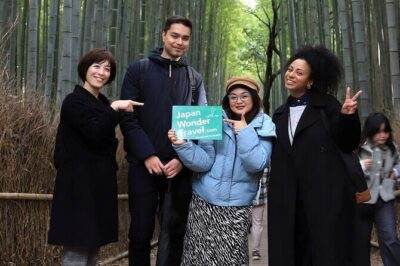
Your meeting point is specific: the entrance of Keihan Uji station (宇治駅), not JR Uji station. The tour meets at Otsukata Uji, Kyoto 611-0021. Your guide will be holding a sign.
From Kyoto City, Uji is about 40 minutes away, so timing is manageable. The one part you can’t ignore: the guide can only wait an additional five minutes after the starting time. After that, the tour departs. Also, once the tour begins, you can’t get directions or contact the guides by phone—so plan to arrive early, not right on time.
If you’re unsure which station entrance to use, do yourself a favor: when you get off Keihan Uji, stand still and find the exact entrance before you check your phone. This tour runs on a tight flow because it has multiple food stops and hands-on activities.
You can also read our reviews of more tours and experiences in Kyoto.



Walking Uji’s World Heritage and Tea Streets in 3 Hours
In just three hours, you’ll cover a lot of the Uji experience in a way that doesn’t feel like a checklist. The core idea is to see how tea culture lives in everyday streets, not just on postcards.
You can expect time around:
- Iconic World Heritage sites tied to Uji’s prominence
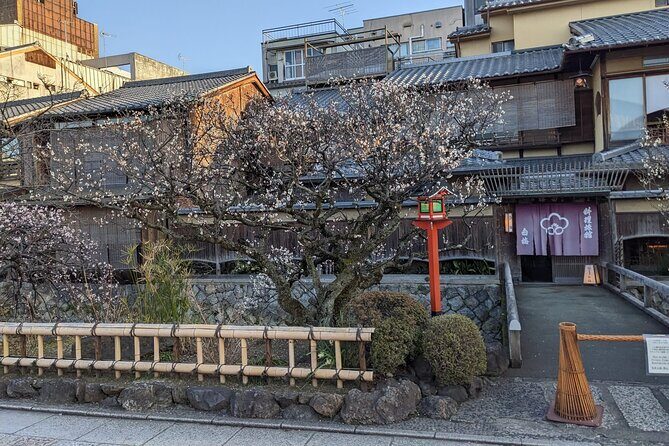
- A stroll through Uji’s quieter town streets
- Tea-area scenery (with time to notice the surroundings rather than just pose for photos)
- A peaceful break near the Uji River, where lunch fits naturally into the pace
The religious and cultural stops matter because matcha isn’t only a beverage here—it’s part of how people think, celebrate, and show respect. When guides talk about temple and shrine customs, it gives you context for what you’re seeing and how to behave. One detail that stands out in past tour experiences is the chance to collect goshuin stamps during a visit. Even if you’re not collecting stamps, it’s a good cultural signal: you’re not just touring; you’re participating in a tradition’s rhythm.
You’ll also have a chance to step into local tea shops. That’s where you can compare what you see later in your own shopping—because you’ve already learned what to look for and why.
Food Stops That Actually Teach You Something
A tea tour can go wrong fast if the “included food” is just a token bite. This one keeps it useful. You get a variety of dishes at multiple food stops, and the meals connect directly to the tea theme.
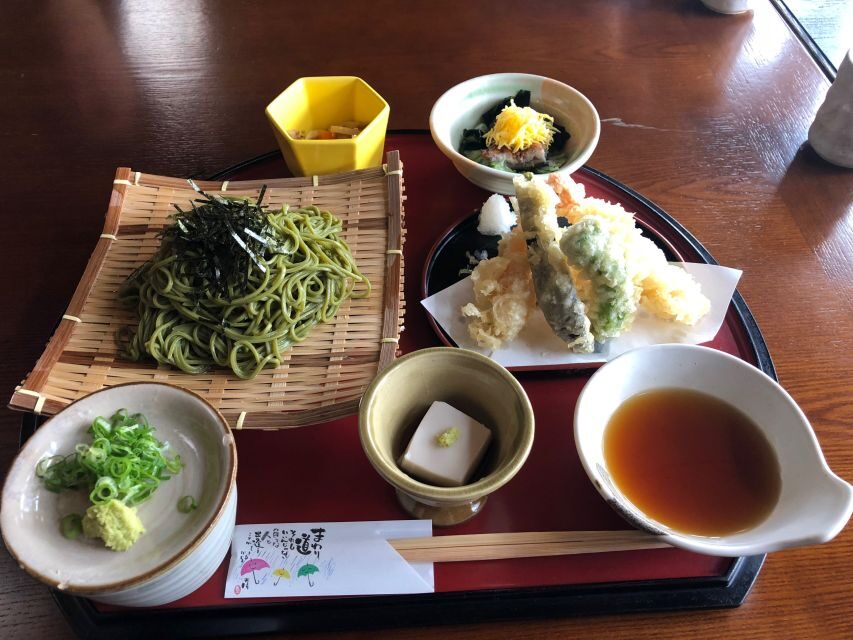
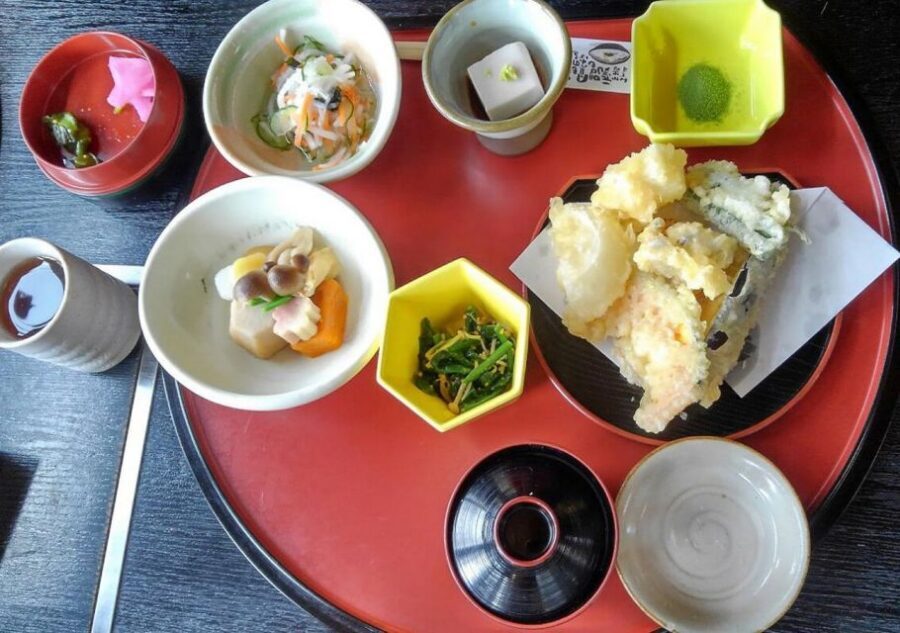
One highlight is lunch. Many groups enjoy a soba lunch—and in this tour style, you’re not just eating; you’re learning how tea flavors pair with local foods. You may also encounter matcha-forward items like matcha soba noodles during the experience, depending on the stop flow.
Then come the sweet elements:
- Wagashi sweets included as part of the matcha experience
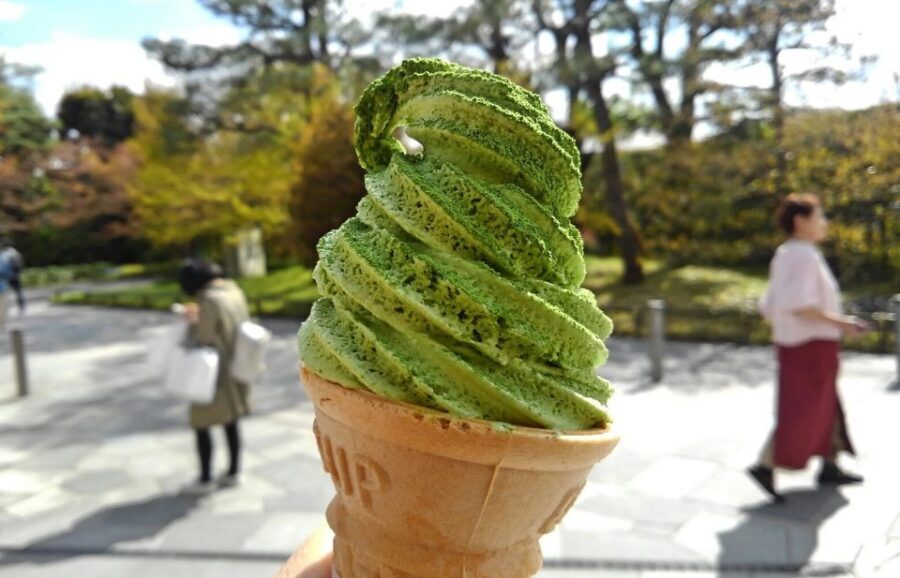
- Matcha ice cream as a fitting end-of-walk treat
Why this matters: matcha isn’t one flavor. It can taste grassy, creamy, slightly bitter, or sweet depending on preparation and pairing. When wagashi hits first, then matcha, your brain starts comparing. That’s how you learn, even without a “lesson” tone.
If you have dietary needs, you should tell the supplier when booking. The tour does ask for dietary requirements at the time of reservation, so don’t wait until you’re on-site.
Matcha Making Class: Grinding, Whisking, and Getting the Texture Right
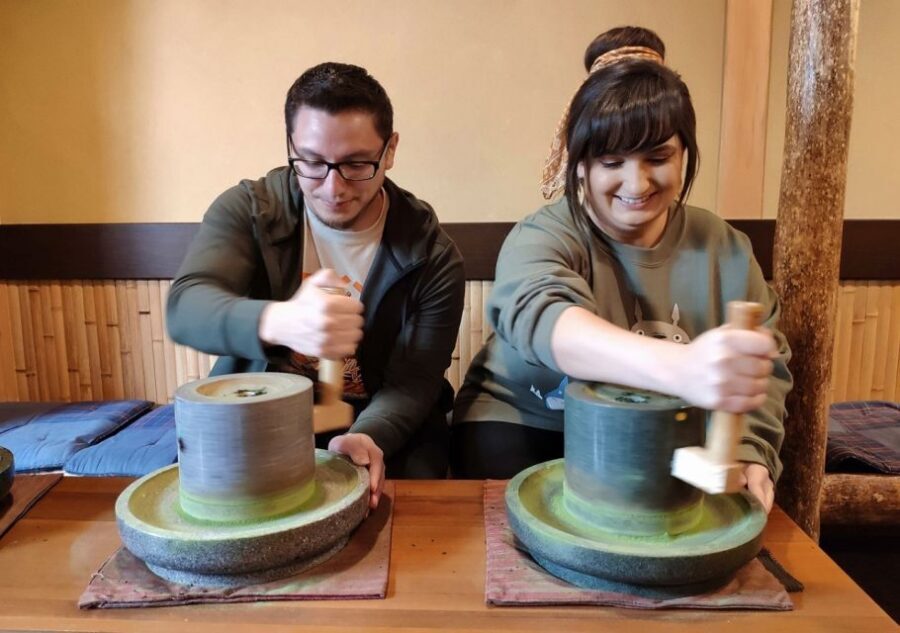
The matcha-making portion is the heart of the tour. This is not just watching someone pour powder into a cup. You’ll take part in the process, including matcha making and the elements that teach you how the texture forms.
Here’s what you can expect in a hands-on way:
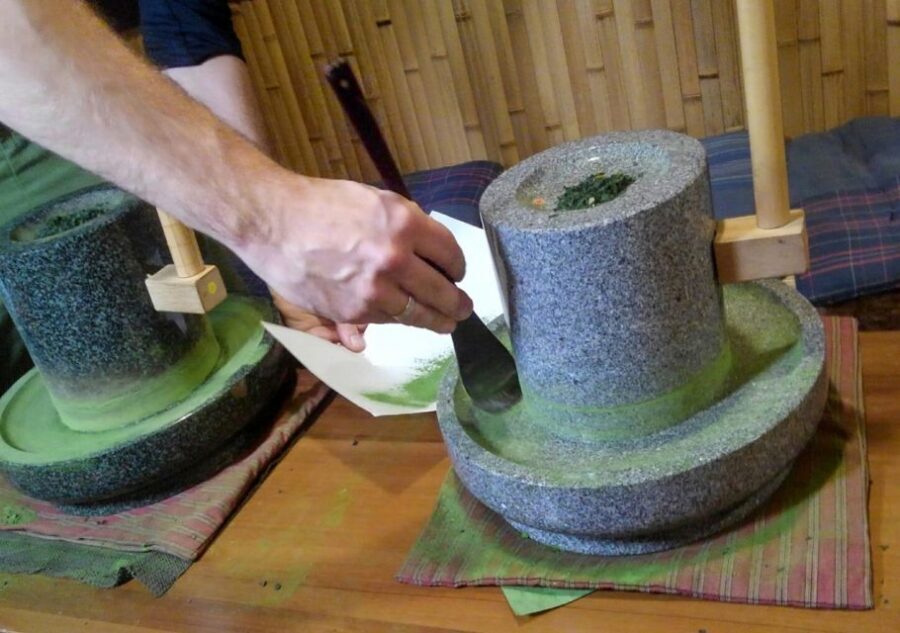
- Tea grinding (the “why” becomes obvious once you see the texture change)
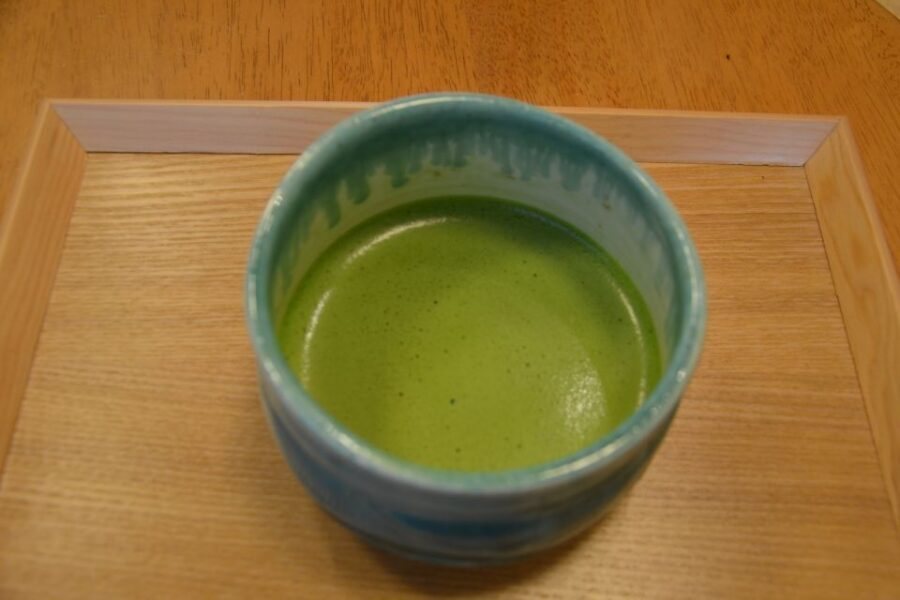
- Whisking matcha until you get that smooth, creamy feel
- A tasting built around what you just did, so you notice the difference
That hands-on approach is the biggest reason this tour earns strong marks. When you whisk it yourself, you stop seeing matcha as a drink you buy and start seeing it as something you prepare. And once you understand the effort involved, you taste the quality more clearly.
You’ll also learn practical cultural context while you’re doing it—how matcha connects to ritual and daily life, not just to modern café trends. Past experiences with guides like Karim and Miki show a pattern: the guides answer questions clearly and keep the class moving at a friendly pace.
Tea Tasting at the End: How to Taste Like You Mean It
The tour culminates in a close matcha tasting. This is where the earlier stops pay off. You’ve tasted foods with matcha influence, you’ve seen and handled the steps, and now you get a focused moment to slow down.
What you should do during the tasting:
- Smell first, before you sip
- Notice how the texture feels in your mouth (smooth is the goal)
- Compare sweetness and bitterness after you’ve eaten wagashi or had lunch earlier
Guides tend to talk about flavor differences and what you’re supposed to notice. One common theme in strong tour experiences is how the guide keeps you engaged with simple explanations, not lectures. You’ll leave with a better sense of why different matcha experiences can taste so different.




Shopping Time Without the Tourist Trap Feeling
You’ll get shopping time. That’s useful, because Uji is a place where you can buy matcha and related tea goods, and you’ll know more about what you’re buying than if you wandered in cold.
Practical tip: buy only what you can carry comfortably and what you can realistically use before it loses quality. Matcha is best when treated as a pantry ingredient, not an “I’ll make it someday” souvenir.
Also, since you’ll visit local tea shops during the walk, don’t rush to buy right away. Do a quick compare first, then decide during the free time.
Small Group Size and English Guides: You Get Attention
This tour runs as a small group limited to 8 participants, and it’s led by a live English guide. That group size matters. You can ask questions during temple/shrine moments, during matcha making, and at the tasting without the guide shouting across a crowd.
The experience tends to feel personal. In past group experiences, you’ll often hear guide names like Karim, Sanae, Thomas, Raquel, and Jamelah praised for being patient and adaptable. Even when the tour includes multiple stops, a good guide keeps the flow calm and prevents the usual chaos of a large group.
Price and Value: Is $173 Worth 3 Hours in Uji?
At $173 per person for 3 hours, you’re paying for more than walking and sightseeing. You’re paying for a licensed-style guide experience plus included food and hands-on tea activity.
What’s included:
- Variety of dishes at multiple food stops
- Matcha tasting
- Matcha making plus wagashi sweets and matcha ice cream
- Shopping time
What’s not included:
- Hotel pickup
- Transportation costs
- Gratuity
- Additional drinks or food you might want to buy
When you compare it to paying separately for temple admission, a guided walking tour, a tea lesson, and lunch snacks, the math starts to look reasonable. You’re also getting a smoother experience because someone is coordinating the timing between heritage stops and the matcha class. In other words, you’re buying convenience plus guided context—exactly what you want in a place like Uji, where the tea culture is the point.
Who Should Book (and Who Might Skip It)

This is a great fit if you want:
- A matcha-focused Kyoto experience that goes beyond sipping
- World Heritage sights plus food plus hands-on learning
- A guided day that avoids the crowded “tour bus into shops” feeling
- A small group and a straightforward 3-hour schedule
It may not be ideal if:
- You want hotel pickup or a fully arranged door-to-door day (this tour does not include that)
- You’re traveling with someone who can’t meet the rules (unaccompanied minors aren’t allowed)
- You need a very flexible pace. The tour departs after a five-minute grace window.
Also keep in mind the age guideline: there’s a minimum drinking age of 21 years. If you’re traveling with kids, they must be accompanied by an adult.
Should You Book This Kyoto Matcha Green Tea Tour?
If your goal is to understand matcha in the real Kyoto area where it matters, I’d book this. The best part isn’t the word “matcha” on a brochure—it’s the combination of heritage sites, meaningful cultural context, included meals, and the hands-on grinding and whisking. You’ll leave with a deeper flavor sense, not just a souvenir tin.
Book it especially if you like practical experiences: do the work, taste the result, then know what you bought. If you’re short on time and want something focused, three hours in Uji is a smart use of your day.
FAQ
Where is the meeting point?
Meeting is at the entrance of Keihan Uji station (宇治駅), not JR Uji station. The address given is Otsukata Uji, Kyoto 611-0021.
How long is the tour?
The tour duration is 3 hours.
How big is the group?
It’s a small group with a maximum of 8 participants.
What’s included in the experience?
It includes variety of dishes at multiple food stops, matcha tasting, matcha making (with wagashi sweets and matcha ice cream featured), and shopping time.
Are there age limits?
Unaccompanied minors are not allowed. Children must be accompanied by an adult, and the minimum drinking age is 21 years.
Is hotel pickup included?
No. Hotel pickup is not included, and transportation costs are also not included. Uji is about 40 minutes from Kyoto City.