REVIEW · COOKING CLASSES
Gyoza Cooking Class in Kyoto: Traditional Japanese Dumplings
Book on GetYourGuide →Operated by Factory Alliance · Bookable on GetYourGuide
Kyoto is where street food turns into a craft. In this 90-minute gyoza cooking class, you’ll learn to choose ingredients, wrap dumplings, and pan-cook them into crispy-bottom perfection. I like that it’s beginner-friendly without being watered down, and you also get a full recipe you can use at home. One thing to plan around: this experience isn’t suitable for wheelchair users, so check your mobility needs before booking.
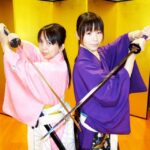
You’ll also get a fun cultural extra: a photo with a Samurai, plus stories tied to the dish. I especially appreciate the clear guidance from Hama and the team, with patient help when your folds and pleats look more like modern art than gyoza. The only real drawback is the location-based constraint: transportation isn’t included, so you’ll want to budget time and get yourself to Karasuma Oike Station on time.
If you want an evening that feels practical, hands-on, and distinctly Japanese, this is a strong Kyoto add-on. I’d bring your appetite and expect to leave with dumpling skills that actually transfer to your own kitchen.
In This Review
- Key things to know before you go
- Kyoto gyoza class in 90 minutes: what you really do
- Where to meet near Karasuma Oike Station (and why it’s convenient)
- Instructor-led success: how Hama’s team teaches the basics
- Choosing fillings: building flavor with meat and vegetables
- Wrapping technique: the thin-skin, tight-seal skill
- Pan-cooking your gyoza: crisp bottom, juicy inside
- Samurai photo and the cultural side of gyoza
- What’s included (and why the recipe matters)
- Price and value: is $127 worth it?
- Who should book this gyoza class (and who should skip)
- Quick planning FAQ (so your evening goes smoothly)
- FAQ
- How long is the gyoza cooking class?
- Where is the meeting point in Kyoto?
- What language will the instructor speak?
- What’s included in the price?
- Is there a recipe included to make gyoza at home?
- Do you offer different filling options?
- What should I do if I have allergies or dietary restrictions?
- Is transportation included?
- Should you book this gyoza class?
Key things to know before you go
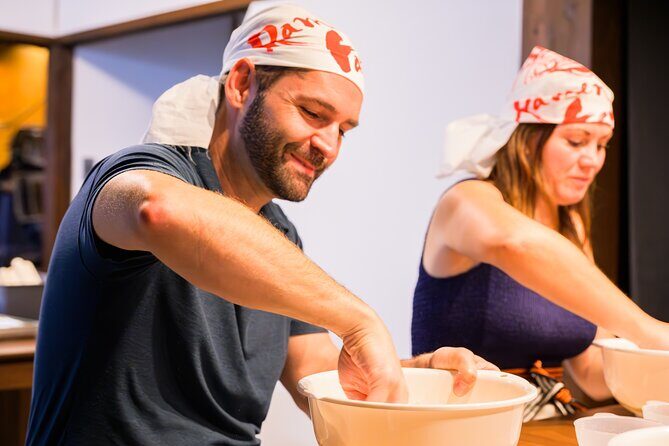
- Hands-on wrapping and pan-cooking so you’re not just watching from the sidelines
- Choose your filling from a mix of meat and vegetable options
- English-speaking instruction with Japanese support if you want extra help
- A full gyoza recipe to cook at home after you return
- Samurai photo moment for a memorable Kyoto snapshot
Kyoto gyoza class in 90 minutes: what you really do
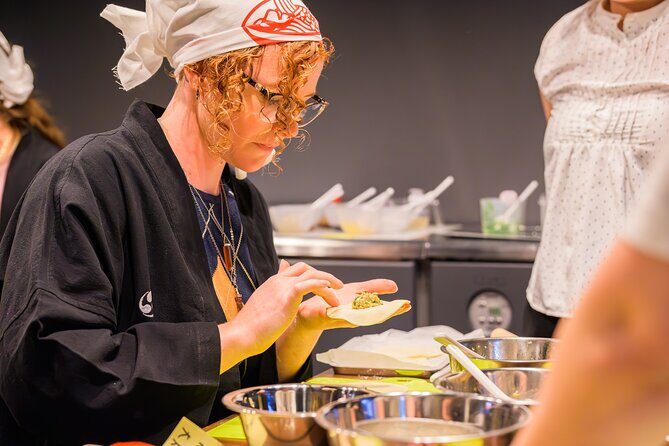
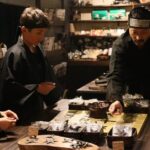
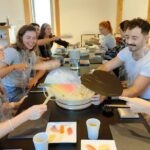
This workshop is built around a simple promise: you’ll make gyoza yourself, from ingredients to the final cook, then eat what you made. The total time is 90 minutes, which is long enough to learn technique without dragging your evening into late hours.
In a place like Kyoto, it’s easy to spend your time either grazing at stalls or sitting down at restaurants. This class mixes those two instincts in a smart way. You get the comfort-food satisfaction of eating hot dumplings fresh from the pan, plus the real skill of understanding how the filling and wrapper work together.
You also get the cultural layer that makes food classes feel more meaningful than just a snack with instructions. You’ll hear short stories behind gyoza and learn why certain choices matter, like texture balance and how sealing affects crisping.
You can also read our reviews of more cooking classes in Kyoto

Where to meet near Karasuma Oike Station (and why it’s convenient)
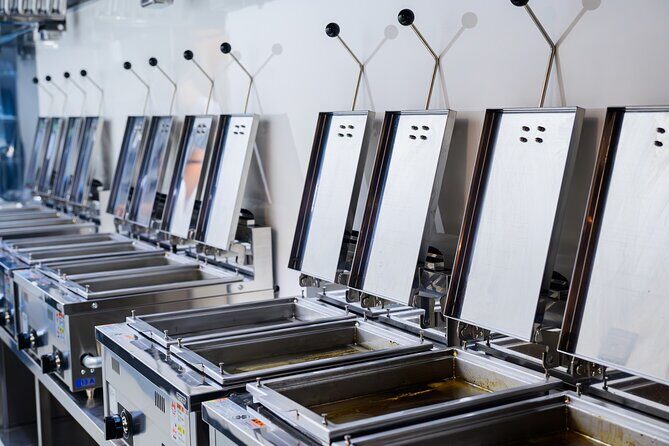
The meeting point is easy to aim for: it’s a 5-minute walk from Exit 2 of Karasuma Oike Station on Kyoto’s Karasuma Line and Tozai Line. It’s about 362 meters from the station, so you’re not trekking across town with cooking materials on your mind.
For timing, that matters. Cooking classes reward punctuality, and the best way to avoid stress in Kyoto is to keep transit simple. Since you’ll be walking just a few minutes from the subway, you can come straight from sightseeing or from your hotel without building in a huge buffer.
Practical tip: Kyoto trains can be busy around rush hours, and you’ll be mentally switching from sightseeing mode to kitchen mode. I’d plan to arrive a few minutes early so you can settle in before you pick fillings and start handling dough.
Instructor-led success: how Hama’s team teaches the basics
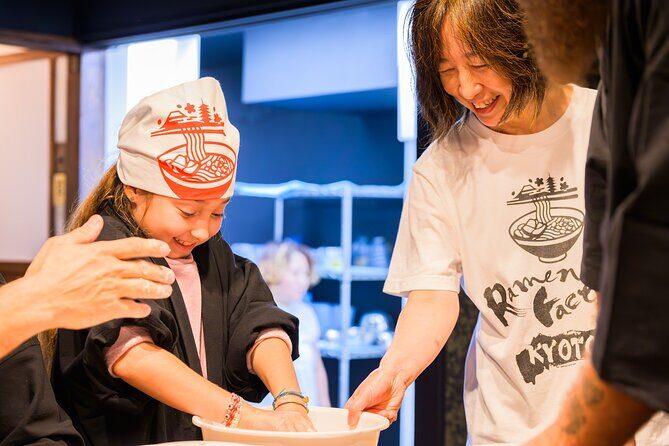
The instruction language is English and Japanese, and the workshop includes an English-speaking instructor. That combination is ideal if you’re comfortable communicating in English but still want help if you get stuck on a step.
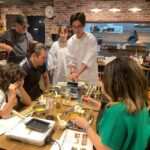
One name that comes up is Hama, and the teaching style described in feedback is the kind you want in a dumpling class: patient, clear, and focused on each step. That matters because gyoza has a few “it looks easy but isn’t” moments, especially if you’ve never wrapped dumplings before.
Here’s what you’re really paying for in the teaching: you learn the logic behind the technique, not just the motion. Good gyoza folding isn’t about being artistic. It’s about creating a seal and shaping surface area so the dumpling cooks evenly and gets that crisp edge.
If you’re traveling with kids or you’re a true beginner, this teaching approach is the difference between a fun disaster and a genuinely satisfying plate of dumplings.
Choosing fillings: building flavor with meat and vegetables
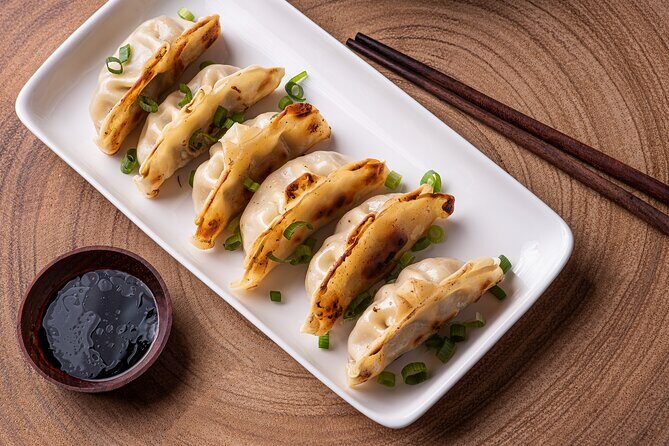
A major highlight is that you get to select ingredients and choose from different fillings, including meat and vegetable options. This is a big deal because gyoza isn’t one single flavor. The filling determines how your finished dumplings taste and even how they feel on the tongue.
You’ll learn how to pick ingredients in a way that makes sense—what goes together, how flavors balance, and how to keep the filling workable for wrapping. The goal isn’t to memorize recipes. It’s to build a flexible sense of “this works” so you’re not stuck if you later recreate it at home.
Also, since you’ll be customizing flavors during the class, you’re not locked into a preset combination. That helps a lot if you have clear preferences (like wanting a veggie-forward version, or choosing a familiar meat filling).
Wrapping technique: the thin-skin, tight-seal skill
Wrapping is where most people think they’ll struggle. The class specifically teaches you the authentic wrapping technique, with guidance so you can make dumplings that cook well rather than fall apart.
Expect to work the dough and shape the gyoza so the edges seal properly. Even if your first few aren’t perfect, you’ll keep going until the technique clicks. The payoff comes during cooking, when a good seal helps the dumpling crisp properly and keeps the filling where it belongs.
If you’re thinking this sounds too hands-on for a vacation, relax. The class is designed for mixed experience levels. You’ll still be doing real work—shaping, filling, folding—but you’ll have instruction to keep you moving forward.
Practical note: gyoza wrappers can be easy to tear if you rush, so slow down on the first few. Getting comfortable early makes the rest go quicker.
You can also read our reviews of more tours and experiences in Kyoto
Pan-cooking your gyoza: crisp bottom, juicy inside
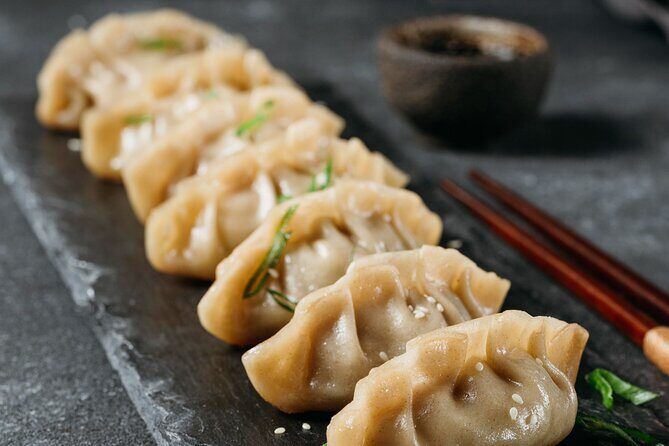
After you shape your dumplings, you cook them in the pan until they’re ready to eat. This part matters because gyoza is a pan-dumpling with a distinctive texture: crisp on the bottom, tender inside.
The class teaches the cooking process so your dumplings come out well rather than undercooked or soggy. You’ll learn how to manage heat and timing, and you’ll also see how the shape and seal affect cooking results.
This is the moment most people remember. You’ve done the wrapping, now you watch the dumplings turn from raw shapes into something you’d normally order in a restaurant—only yours.
And then you eat. Since the experience includes the gyoza that you make, you’re not eating a separate snack while someone else cooks. You get the immediate reward of your own work.
Samurai photo and the cultural side of gyoza
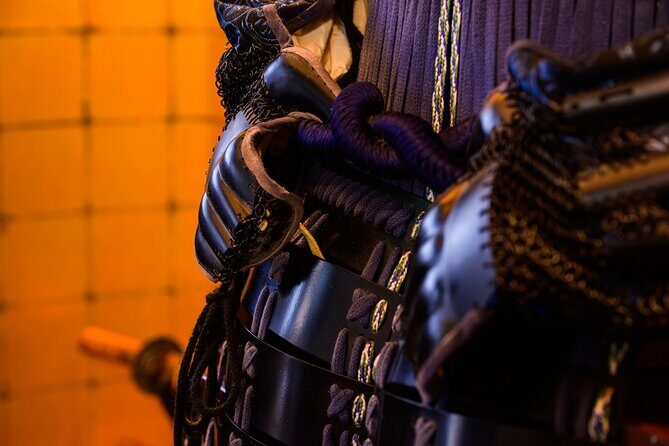
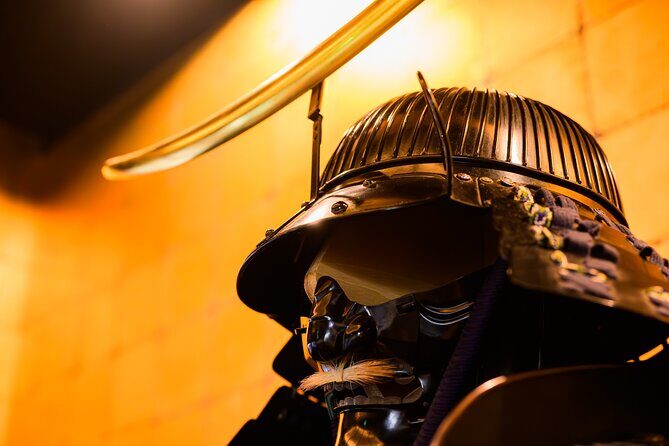
One of the highlights is taking a photo with a Samurai. It’s the kind of photo stop that adds fun without disrupting the core purpose of the class. It also gives you a Kyoto-themed memory that’s more personal than a generic souvenir shop snapshot.
Alongside the photo, you’ll learn cultural context and stories behind the dish. This isn’t just “how to cook.” It’s why gyoza became beloved, and why technique matters in Japanese home cooking.
That combination is what turns a cooking class into a travel experience, not just a class. You’ll leave understanding the food as part of daily life, not just something to consume on a plate.
What’s included (and why the recipe matters)
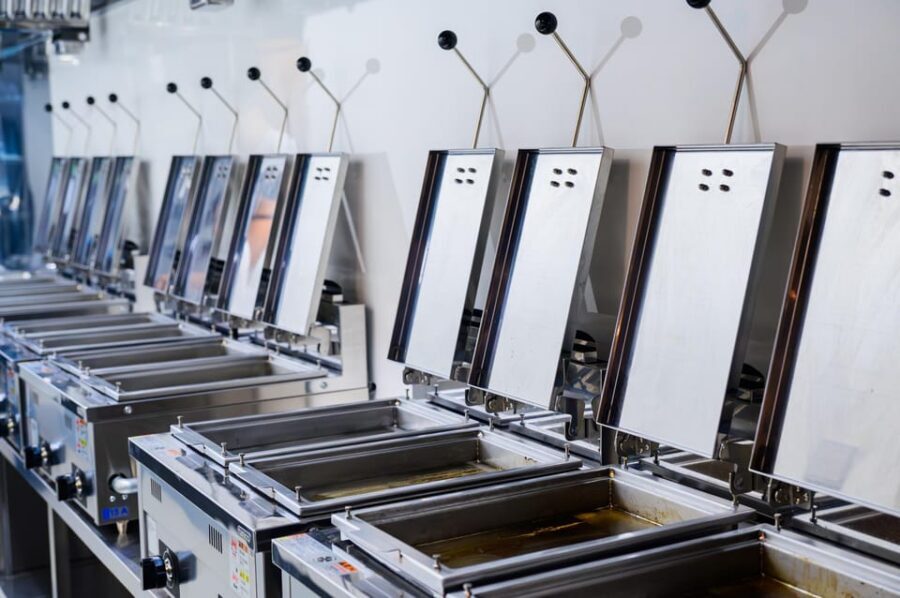
Included in the price are several things that actually reduce friction for you as a traveler:
- An English-speaking instructor
- Cooking tools provided
- One free drink
- The gyoza you make
- A key takeaway: the full recipe to cook Japanese gyoza at home
The recipe piece is worth highlighting. Many “try it once” cooking activities don’t give you enough to recreate the results. Here, you get a full recipe, so you can turn your Kyoto experience into a repeatable skill.
The free drink is a small comfort after 90 minutes of active work. You’ll also appreciate having tools provided—no hunting for equipment, no packing worries, and no uncertainty about whether you’ll have the right utensils for the dough and cooking steps.
Price and value: is $127 worth it?
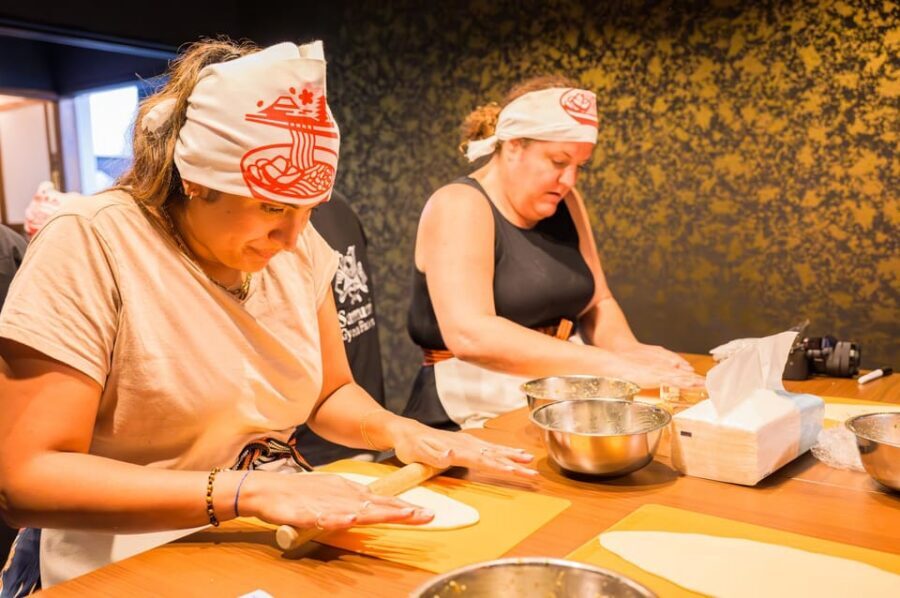
At $127 per person, this isn’t a budget activity. But it can be good value if you compare it to what you’d spend to recreate the experience at home and what you normally pay for hands-on instruction in a major city.
Here’s the value math that matters:
- You’re paying for 90 minutes of live instruction in English (plus Japanese support)
- You get ingredients handling, wrapping practice, and actual cooking time
- You leave with food you made, not just a lesson
- You receive the full recipe, which can keep paying off long after the trip
If you love cooking or you want a Kyoto activity that doesn’t just involve walking and photos, the class price starts to make sense. You’re essentially buying a guided, structured “make-it-yourself dinner,” plus a skill you can use again.
If you’re only mildly interested in cooking, you might feel the cost more. In that case, decide whether you’d pay to learn technique, or whether you’d rather spend the same budget on a great gyoza meal and a food tour.
Who should book this gyoza class (and who should skip)
This class suits you if:
- You’re a beginner or intermediate cook and want clear steps
- You like interactive travel experiences where you go home with skills
- You want a Kyoto evening plan that feels different from temples and markets
- You travel with kids who do fine with hands-on activities (the class setting described in feedback supports mixed groups)
You might skip it if:
- You need wheelchair access, since it’s not suitable for wheelchair users
- You don’t want to spend time working in a kitchen, even for a short class
- You’re only interested in tasting, not learning technique
A good rule: if you enjoy learning how food is made, this will feel rewarding. If your travel style is strictly “eat and move on,” you may prefer a restaurant night.
Quick planning FAQ (so your evening goes smoothly)
FAQ
How long is the gyoza cooking class?
The class runs for 90 minutes.
Where is the meeting point in Kyoto?
It’s a 5-minute walk from Exit 2 of Karasuma Oike Station on the Kyoto City Subway Karasuma Line and Tozai Line, about 362 meters from the station.
What language will the instructor speak?
The class offers instruction in English and Japanese.
What’s included in the price?
You get an English-speaking instructor, cooking tools, one free drink, and the gyoza you make in the class.
Is there a recipe included to make gyoza at home?
Yes. You’ll receive the full recipe to cook Japanese gyoza at home.
Do you offer different filling options?
Yes. You can choose from a variety of meat and vegetable fillings.
What should I do if I have allergies or dietary restrictions?
Please inform the organizers in advance if you have any allergies or dietary restrictions.
Is transportation included?
No, transportation expenses are not included.
Should you book this gyoza class?
I’d book it if you want a Kyoto experience that’s hands-on, skill-building, and actually leaves you better than when you arrived. The combination of wrapping practice, pan-cooking, and a full home recipe makes it more than a one-time meal. Add in the Samurai photo and the supportive teaching from Hama and the team, and it becomes a practical souvenir: dumpling technique you can use again.
Skip it if accessibility is an issue for your group, or if you’d rather spend your time just eating gyoza without learning the process. But if you’re game to work with your hands, this class is one of the most straightforward ways to turn Japanese food into real knowledge.