REVIEW · 1-DAY TOURS
Kyoto: Kifune Shrine and the Sacred Kifune Valley Day Trip
Book on GetYourGuide →Operated by DeepExperience, Inc. · Bookable on GetYourGuide
A quiet valley in Kyoto sounds like a fairy tale—until you feel the cool stream air. This day trip pairs Kifune Shrine with a peaceful mountain setting and a calm, guided stroll, plus a scenic ride out of the city. I really like how the timing keeps you away from crowds, and I also enjoy the specific spiritual stop at Nakamiya rather than a quick photo run. The main thing to watch is that it is not wheelchair friendly, and you’ll do walking on uneven ground.
You’ll start in central Kyoto, then work your way into the Kifune area by train, arriving at the shrine grounds with plenty of quiet time. I also like that the tour includes a rare ritual, the mizu-ura water fortune, which turns the day from sightseeing into something hands-on and memorable. One consideration: meals and beverages are not included, so plan a snack plan before you go hungry and cranky near the streams.
In This Review
- Key Points Worth Noting
- Kyoto’s Mountain Calm at Kifune Shrine and the Sacred Valley
- Getting There: Kyoto Station to Kifune by Train (Eizan Railway)
- Kifune Shrine Main Grounds: Nature, Timing, and a Guided Look
- Nakamiya (Middle Shrine): Why the Second Stop Feels Different
- The Mizu-ura Water Fortune Ritual: A Unique Thing You Can Actually Do
- Timing and Walking Comfort: How the Day Flows Back to Kyoto
- Price and Value: Is $81 Worth It for a Private Day Trip?
- What a Live Guide Adds (And Names You Might Get)
- Who Should Book This Kifune Day Trip—and Who Might Skip It
- Should You Book It? My Practical Decision Guide
- FAQ
- How long is the Kyoto: Kifune Shrine and the Sacred Kifune Valley Day Trip?
- Is there a live tour guide?
- Is this tour private or group-based?
- What is included in the tour price?
- Are meals and beverages included?
- What should I bring?
- Where do we start and where can we finish?
- Is the tour suitable for wheelchair users?
- Can I cancel and get a full refund?
- Can I reserve without paying right away?
Key Points Worth Noting
- Eizan Railway countryside ride: Kyoto-to-Kifune travel that feels like the start of the experience, not just transit
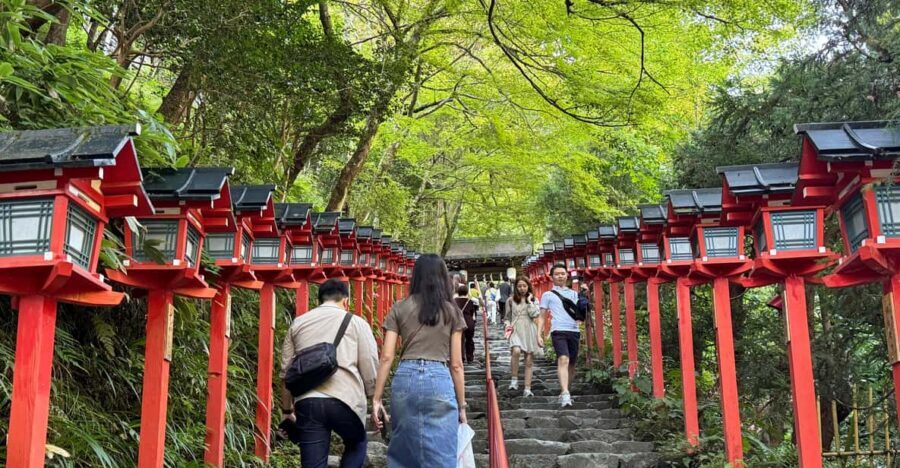
- Kifune Shrine main hall time: guided access to the sacred grounds with nature all around
- Nakamiya (middle shrine): a deeper spiritual stop beyond the first shrine area
- Mizu-ura water fortune ritual: a distinctive water divination you can try during your visit
- Private group with a live guide: Japanese and English interpretation for context as you walk
- Plan for shoes and hydration: comfort matters on a short but real walking route
Kyoto’s Mountain Calm at Kifune Shrine and the Sacred Valley
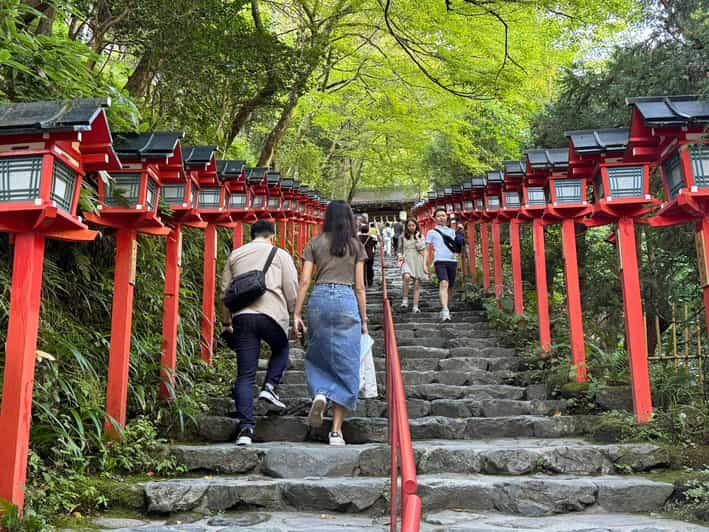
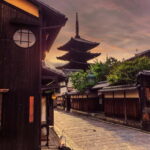
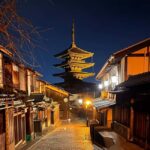
Kifune is the kind of Kyoto day trip that resets your brain. You leave the city behind, trade traffic noise for stream sounds, and end up in a mountain shrine area where the pace slows down on its own. The Kifune Valley setting is part of the point, because the shrine experience feels tied to water, woods, and quiet rather than just buildings.
What makes this tour feel practical is that it is built like a real outing. You get a scenic rail ride, a focused shrine visit, and a structured return to Kyoto by late afternoon (by 16:00). In other words, it is not a half-day that turns into a long chase.
And yes, the included ritual matters. The mizu-ura water fortune gives you something concrete to do during your shrine time, not just look and move on.
You can also read our reviews of more tours and experiences in Kyoto


Getting There: Kyoto Station to Kifune by Train (Eizan Railway)
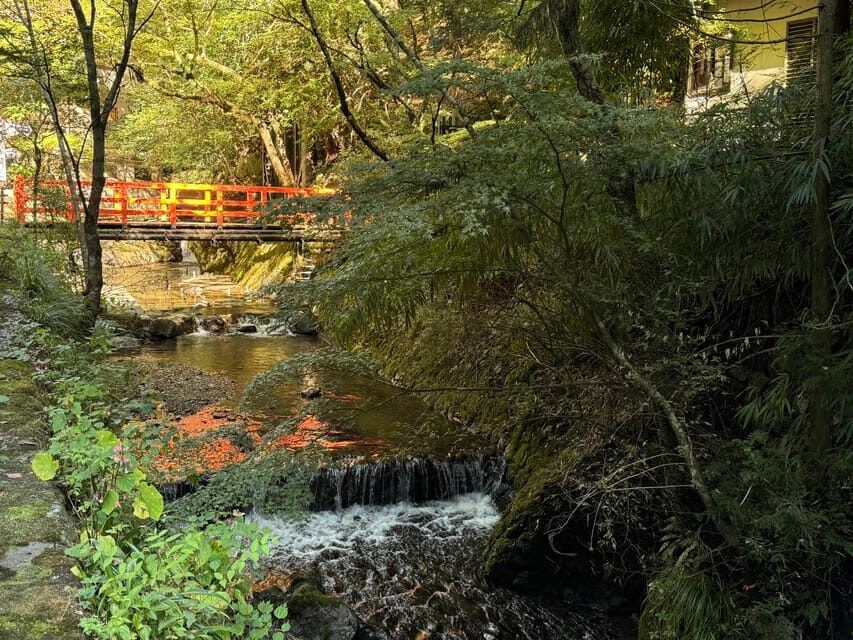
Your day starts with an easy urban-to-country transition. You begin near Kyoto Station at the JR West Exit, then head to Demachiyanagi Station. From there you board the Eizan Railway, which is the part of the trip that makes you forget you are traveling for someone else’s schedule.
The route matters because it sets expectations. You are not stuck on buses, and you’re not doing a complicated series of transfers. Instead, you travel by rail through the countryside toward the Kifune area.
You’ll arrive at Kifune-guchi Station and then continue to the main shrine site. That last step is the “walk into the woods” moment. It’s short enough to stay comfortable if your shoes are good, but it is still a real path—so don’t count on your most delicate footwear surviving.
What I like for you here: train travel naturally spaces out the day. You get scenery without needing to micromanage transport.
Kifune Shrine Main Grounds: Nature, Timing, and a Guided Look
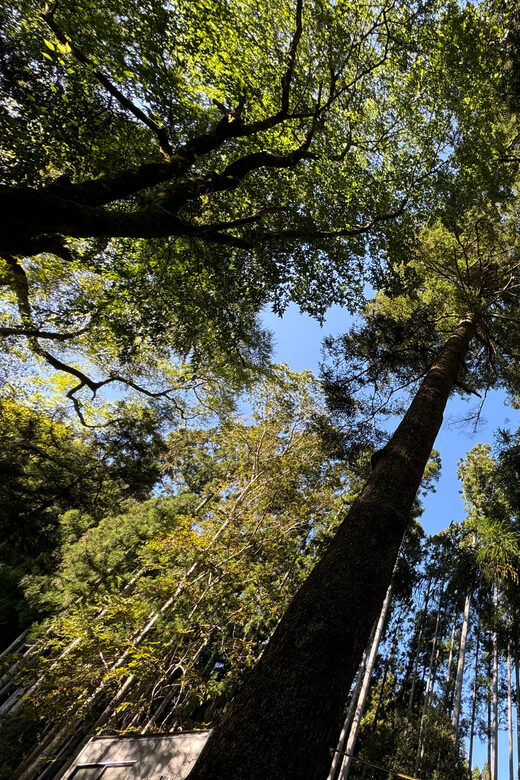
Once you reach the Kifune Shrine area, the tour focuses on what you came for: time at the sacred grounds with guidance. You’ll spend about 30 minutes exploring the main area, and this is where the atmosphere does its work. Dense forest, clear stream surroundings, and shrine space create a calm that is hard to fake with photos.
The main hall visit is designed to be more than a quick stop. A live guide helps you understand what you’re seeing and why the shrine is treated as a spiritual place rather than a tourist photo spot. This is where a good guide changes the whole feeling of a shrine visit—because they translate meaning into something you can actually notice while you walk.
The structure is also helpful: you get time to look, time to walk, and time for the included ritual afterward. That avoids the common problem where you arrive, sprint through, then leave feeling like you missed half of it.
Possible drawback to keep in mind: because the day is compact, you don’t get hours of wandering. If you love slow, independent shrine browsing for a long stretch, you might wish you had extra time for lingering.
Nakamiya (Middle Shrine): Why the Second Stop Feels Different
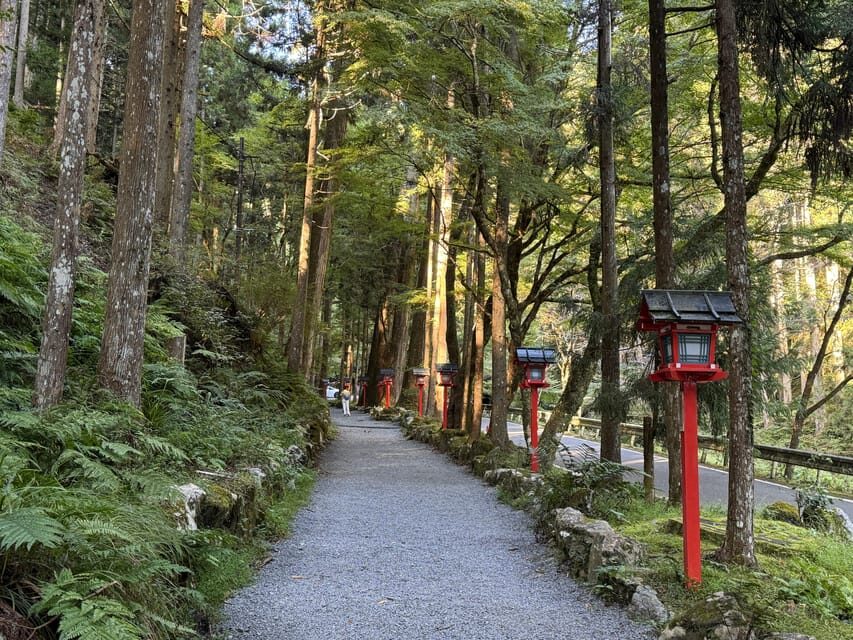
After the main shrine grounds, you move on to Nakamiya, the middle shrine. This is a smart choice for a day trip because it adds depth without extending the whole outing into a long trek. Many quick shrine visits stop at one area; Nakamiya gives you a chance to feel how the spiritual experience builds step by step.
Nakamiya is also likely to change the mood of your visit. The surroundings encourage quieter attention, and it’s a natural place to slow down and reflect. You’re still in the Kifune Valley environment, but the focus shifts from “first look” to “more meaning.”
If you’ve ever felt that shrines can blur together when you visit many in one day, this second stop helps you break that pattern. It gives you a clearer sense of progression.
Practical tip: at Nakamiya, take a moment to pause and just listen. The point is the setting—streams and forest air do a better job of setting tone than chasing the next photo angle.
The Mizu-ura Water Fortune Ritual: A Unique Thing You Can Actually Do
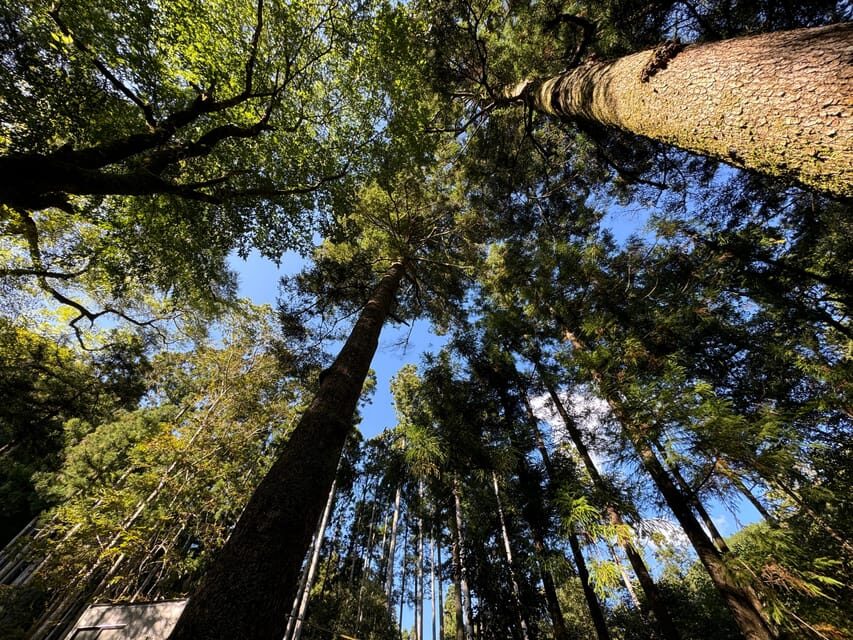
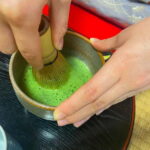
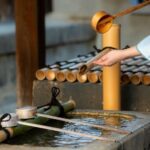
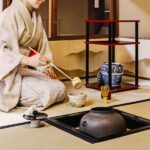
One of the best reasons to book this tour is the included mizu-ura fortune water divination ritual. It’s not just another shrine photo opportunity—it’s an experience where you interact with the idea of water as a spiritual element.
The tour frames it as a rare ritual, and that tracks with how unusual it feels compared to typical shrine visits. You’re not only observing; you’re participating. That makes the experience easier to remember later, too, because you have a personal moment tied to the site.
How should you prepare? Keep it simple. Bring your camera (as the tour suggests), but also bring the mindset that this is a ritual moment first. If you treat it like a performance, you’ll miss the value. If you treat it like part of the shrine atmosphere, you’ll likely enjoy it more.
Also bring water for yourself (the tour recommends it). Even if the valley feels cool, it is still a day out with walking and standing.

Timing and Walking Comfort: How the Day Flows Back to Kyoto
The total duration ranges from 90 minutes to 4 hours, depending on the departure time you choose. What matters is that the tour is built as a half-day that returns you to Kyoto by the afternoon, with an endpoint by 16:00.
That return time is a big deal for planning. You can still do an evening in Kyoto without feeling like you’re in a travel limbo. You won’t lose your whole day to one quiet valley outing.
Walking is part of it, but it’s not a major hiking trip based on the tour structure you’re following. Still, the tour explicitly recommends comfortable shoes, and that’s exactly what I’d tell you too. Paths near shrine and stream areas can be uneven, and you’ll want traction.
One more note: the tour is not suitable for wheelchair users. If mobility is a concern, you’ll need to look for an alternative itinerary that stays on more level routes.
Price and Value: Is $81 Worth It for a Private Day Trip?
At $81 per person, this tour sits in the “worth paying for convenience” category. You are paying for more than transport: you’re paying for a guided experience in a specific shrine valley, plus the included mizu-ura ritual, plus the private group setup with a live guide in Japanese and English.
So what makes it feel like value?
First, the guided interpretation. Shrine visits can become a blur if you don’t know what you’re looking at. The guide helps connect the setting—water, forest, shrine space—to the spiritual meaning of the place.
Second, the rhythm. You’re not spending energy figuring out transfers, the order of stops, or how long to linger. The tour holds that structure for you.
Third, the ritual inclusion. If you were to plan this day yourself, finding and understanding the right shrine experiences can take time and effort. Here, the mizu-ura fortune is included, which removes uncertainty.
Where you might feel the price less “worth it” is if you mainly want free time to roam independently with no guided help. Since meals are not included and the schedule is compact, it’s best if you want a focused outing rather than a flexible wandering day.
What a Live Guide Adds (And Names You Might Get)
This is a live tour with Japanese and English guidance, and it’s offered as a private group. That matters because a private format usually means the guide can match the pace to your questions and attention level.
In practice, some groups have been led by guides such as Yoshi and Kisho Hasegawa. The common thread from what’s shared about those guides is a clear, friendly style and an emphasis on explaining Japanese culture and what you’re seeing along the way.
Even if your guide is someone else, the key takeaway for you is simple: you’re not just buying transportation to a shrine. You’re buying context. That’s what turns a valley shrine visit into a story you can actually tell.
Who Should Book This Kifune Day Trip—and Who Might Skip It
You should consider booking if you want:
- A Kyoto day trip that trades city bustle for quiet mountain shrine time
- A guided route that includes both the main shrine area and Nakamiya
- A hands-on spiritual moment via the mizu-ura water fortune ritual
- A private group experience with English support
You might skip or rethink it if:
- You need wheelchair accessibility (this one is not suitable)
- You don’t like walking even short distances on uneven paths
- You want a long unstructured day with no set rhythm
If you’re the kind of traveler who loves Kyoto for its quieter corners—small spiritual spaces, streams, and places where you can slow down—this tour fits your style.
Should You Book It? My Practical Decision Guide
Book this trip if you want a low-stress way to reach Kifune and make the experience meaningful. The included mizu-ura water fortune and the two-part shrine focus (main grounds plus Nakamiya) are the strongest reasons to spend your time here instead of just DIY-ing a quick shrine hop.
Don’t book it if you’re mainly chasing flexible free time or you can’t handle the walking. Also be honest about meals: since food and drinks aren’t included, you’ll want a snack plan before you leave Kyoto.
If you want my straight take: this is a great choice for travelers who value guidance, pacing, and that specific Kifune Valley spiritual feel.
FAQ
How long is the Kyoto: Kifune Shrine and the Sacred Kifune Valley Day Trip?
The duration is listed as 90 minutes to 4 hours, depending on the starting time available.
Is there a live tour guide?
Yes. The tour includes a live guide who speaks Japanese and English.
Is this tour private or group-based?
It’s listed as a private group.
What is included in the tour price?
The tour includes a visit to Kifune Shrine and the rare mizu-ura fortune ritual (water divination).
Are meals and beverages included?
No. Meals and beverages are not included.
What should I bring?
Bring a camera and water. Comfortable walking shoes are also recommended.
Where do we start and where can we finish?
Meeting point and drop-off can vary by option. Starting location options include 貴船一ノ谷観光トイレ and 鞍馬山大天狗, and drop-off locations include 貴船神社 and 灯篭階段.
Is the tour suitable for wheelchair users?
No. It is not suitable for wheelchair users.
Can I cancel and get a full refund?
Yes. You can cancel up to 24 hours in advance for a full refund.
Can I reserve without paying right away?
Yes. It offers a reserve now & pay later option, where you can book without paying today.