REVIEW · BREWERIES
Kyoto: Fushimi Sake Brewery Tour – 18 Tastings in 2.5 Hours
Book on GetYourGuide →Operated by DeepExperience, Inc. · Bookable on GetYourGuide
Sake tastings in Kyoto can get addictive fast. This 150-minute Fushimi experience turns three stops into a guided crash course in how sake tastes, why it tastes that way, and how to pick bottles that make great gifts. I like that it mixes museum-style learning with hands-on tasting, so you’re not just sampling blindly.
I especially like the Gekkeikan Museum start and its hands-on feel, plus the way the tour builds toward a big finale at 伏水酒蔵小路. One drawback to plan around: you’ll be tasting a lot in a short window, so pacing matters if you’re sensitive to alcohol.
If your group includes folks who want variety, this tour delivers: 18 tastings plus two brewery museums. Many guides also bring extra context and keep the tone fun; you’ll hear it in the way people describe guides such as Mr Yoshi, Yuko, or Hanae. Still, it’s not ideal for everyone—it’s not suitable for people under 20 or for pregnant women, and there’s no food included.
In This Review
- Key takeaways before you go
- Why Fushimi is the right place for your sake education
- Gekkeikan-Okura Sake Museum: the interactive start that makes tasting make sense
- Kizakura Kappa Museum: smooth, friendly sake with folklore built in
- Fushimizu Sake Brewery Alley: the payoff with 18 tastings
- Timing and pacing: how to handle 2.5 hours of tasting
- What the tasting quantity really means for your money
- Who this tour is best for (and who should skip it)
- What I’d ask your guide on the day
- Should you book the Kyoto Fushimi sake brewery tour with 18 tastings?
- FAQ
- How long is the Kyoto Fushimi sake brewery tour?
- How many sakes are included in the tasting?
- Where does the tour start and end?
- What does the price include?
- Is food included?
- What languages are available for the live guide?
- What should I bring?
- Who is the tour not suitable for?
Key takeaways before you go
- 18 tastings in 2.5 hours means you’ll move from theory to flavor quickly.
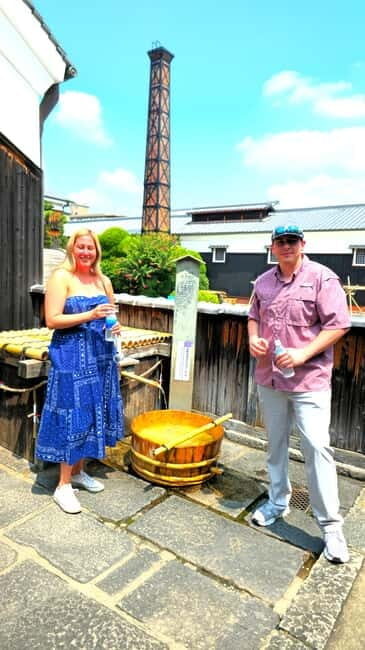
- Gekkeikan’s museum sets the baseline with tools, artifacts, and a clear look at the brewing process.
- Kizakura’s approach is approachable for first-timers who find sake terms confusing.
- Kappa Museum energy adds a fun, memorable hook to the learning.
- Fushimi’s alley setting makes it easy to keep the night going after the tour ends.
- You’ll leave with pairing ideas you can actually use when buying gifts.
Why Fushimi is the right place for your sake education
Kyoto’s Fushimi district is where sake culture stops being abstract. Instead of hearing generic explanations, you experience how the breweries think: craft, consistency, and subtle differences that show up in the glass. And because the locations are clustered, the tour can cover a lot without feeling like a long commute.
What I like for you is the balance. You get real context at museum stops, then the tour shifts to tasting where you can test what you just learned. If you’ve ever looked at labels and felt lost, this style helps you connect words like aroma, dryness, and flavor profiles to something you can taste.
You can also read our reviews of more food & drink experiences in Kyoto
Gekkeikan-Okura Sake Museum: the interactive start that makes tasting make sense
Your tour begins at 月桂冠大倉記念館, and the first stop is the Gekkeikan Ōkura Sake Museum. This part is built for learning: you get a guided look at the brewing process through interactive displays and historical artifacts. You also see traditional tools used in sake production, which helps you understand why sake can vary even when the basics stay the same.
The practical value here is huge. When you reach later tastings, you’ll have a mental model. You’ll know what to listen for from your guide: how ingredients and process choices can nudge flavors toward smoother, drier, or more aromatic results. Guides in the program have been praised for connecting production details to Japanese culture and history, like Mr Yoshi and Hanae did in the feedback you’ll find for this tour.
One more thing I’d watch: the museum includes a shop, so it’s easy to buy souvenirs right away. That can be great if you spot something you truly like, but it can also tempt impulse buying before you try more. My advice is simple—take notes during the tasting portions later, then come back to your favorite type with a clear plan.
Kizakura Kappa Museum: smooth, friendly sake with folklore built in
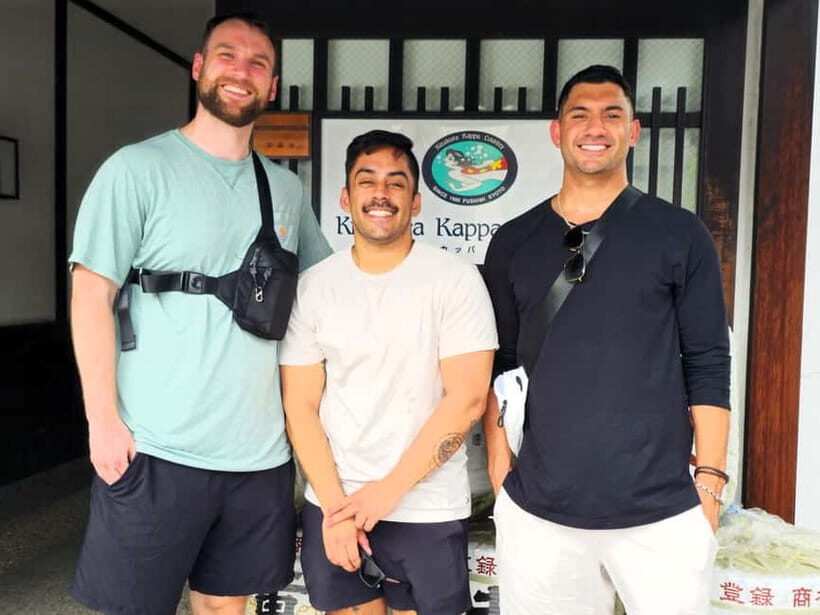
Next you head to Kizakura Kappa Museum. This stop is shorter—about 30 minutes—but it’s designed to keep your first-time sake instincts from getting overwhelmed. Kizakura is known for sake that tends to feel smooth and approachable, which is exactly what you want mid-tour. By now, your taste buds are waking up, and having a brewery that works well for a wide range of palates makes the lesson stick.
The tour also leans into something memorable: the kappa mascot. Kappa is a mythical creature from Japanese folklore, and it turns the whole brewery experience into something more than a tech lesson. It matters because you’re not only learning about flavor—you’re enjoying the setting while the guide explains what you’re tasting.
If you’re a first-timer, this is also a smart moment to ask questions. A good guide can translate sake terms into plain language—dry versus mellow, lighter versus fuller, and which style usually makes the best “starter bottle.” In the feedback for this tour, guides like Kaito and Akino were repeatedly praised for answering questions and helping people pick sakes based on preferences.
Fushimizu Sake Brewery Alley: the payoff with 18 tastings
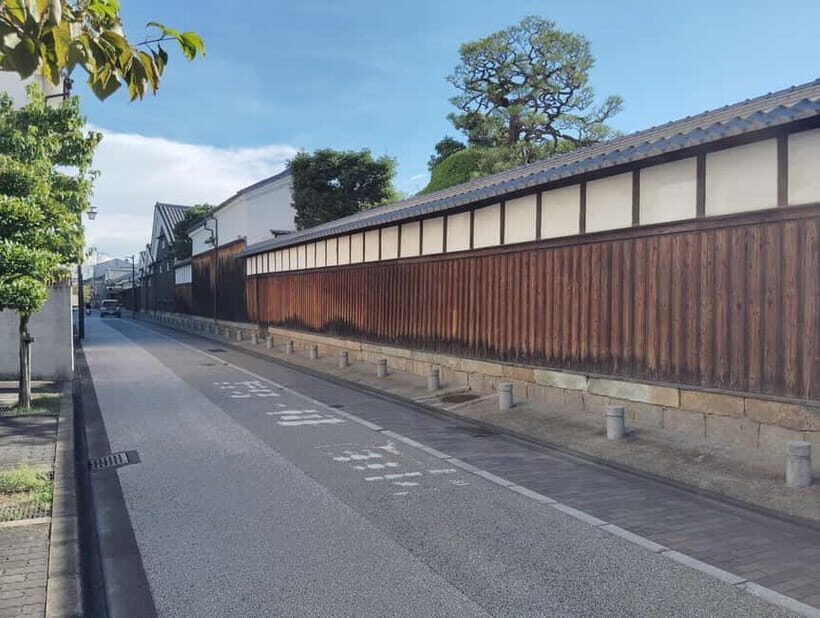
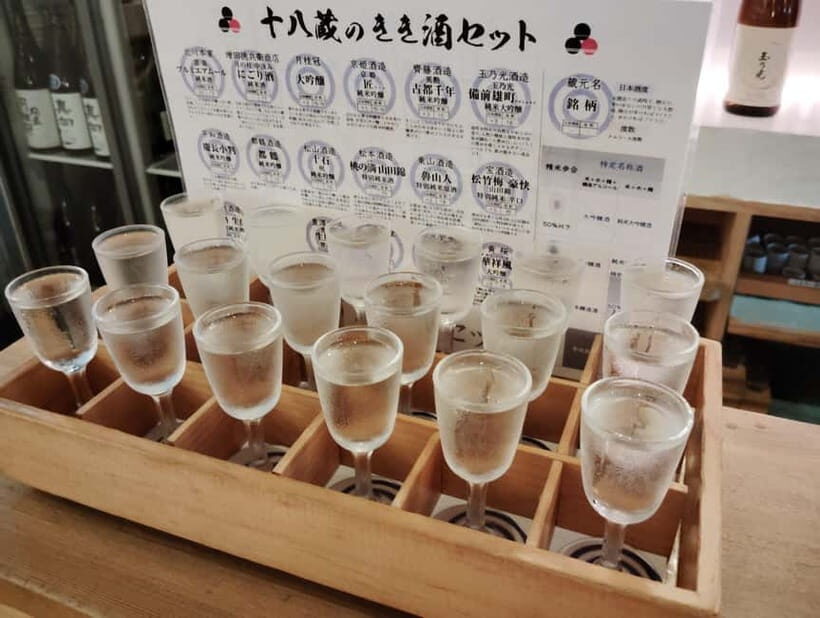
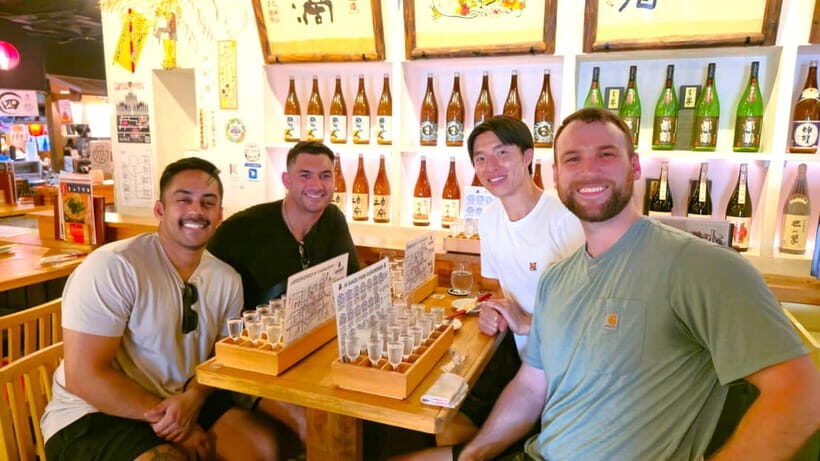
The tour culminates at 伏水酒蔵小路, the Fushimi sake brewery alley tasting area. This is where the pace ramps up in the best way. You’ll explore an extensive selection and sample 18 different sakes, which is the core reason this tour stands out as a value-for-money tasting experience.
Why this finale works: you stop thinking like a student and start tasting like a shopper. After learning how sake is made, you’re now watching how styles feel in your mouth. Some pours will read light and crisp, while others feel richer or more complex. The big number—18—also gives you a chance to discover personal favorites rather than picking one “best” bottle based on one sample.
Practical note: 18 tastings can blur together if you don’t slow down. Try to taste in a pattern: look first, smell second, then sip. If your guide offers any structure, follow it. Even a simple mental checklist—dryness, sweetness impression, aroma intensity—helps you remember what you liked and why.
Also, this alley location is ideal for continuing the evening. Even if food isn’t included in the tour price, you’ll be in a natural hub where you can grab snacks or drinks on your own afterward. Several experiences tied to this tour end with extra time in that area, which makes the whole day feel like more than just a museum visit.
Timing and pacing: how to handle 2.5 hours of tasting
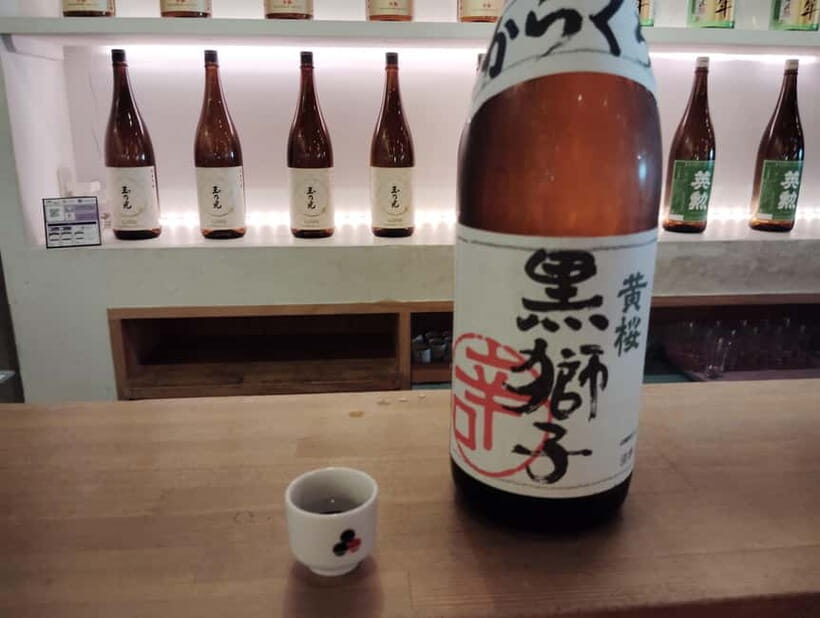
This tour runs about 150 minutes, so the day moves quickly. That timing is part of the design: you don’t just visit breweries—you cycle through learning, tasting, then tasting again at the alley finale.
To make it enjoyable (and not a rushed blur), plan your body and your brain:
- Drink water before you start and keep sipping between tastings.
- If you’re sensitive to alcohol, pace yourself during the 18 samples; small sips are still meaningful.
- Bring sunscreen and a sun hat because Fushimi can feel bright and warm during the day.
- Use your camera, but don’t let photos replace tasting moments.
Another small point: smoking isn’t allowed. It’s worth remembering because tasting tours are easier when everyone stays comfortable and the smell of smoke doesn’t mess with your sense of smell.
You can also read our reviews of more drinking tours in Kyoto




What the tasting quantity really means for your money
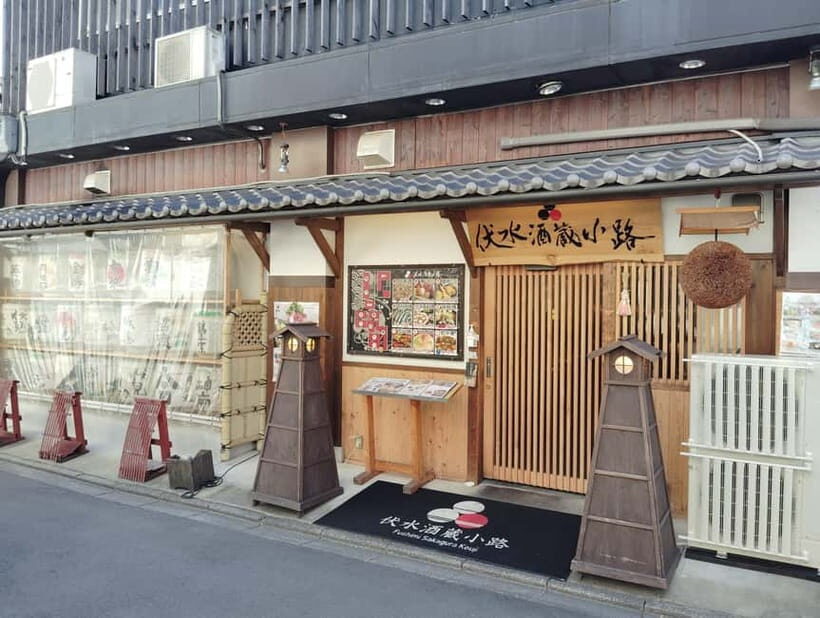
At $93 per person for 150 minutes, you’re paying for more than access—you’re paying for guided translation and tasting fees. The price includes the guide fee, admission fees, and the sake tasting fees. Since the experience centers on a high number of tastings, it’s built to be efficient. You’re not spending time traveling between widely separated locations, and you’re not paying multiple separate entry tickets to get a similar volume of tasting.
Value gets even better if you’re buying gifts. In feedback about this tour, people highlight how the guide helps them understand differences between sake types, so they can choose better bottles for friends and family. That’s not just “fun.” It saves you from the classic mistake of guessing based on label design or price alone.
One more value angle: guides often give extra recommendations for the rest of your Kyoto time. If you want local suggestions beyond the sake stops, this tour format helps because your guide understands the district and what pairs well with it later.
Who this tour is best for (and who should skip it)
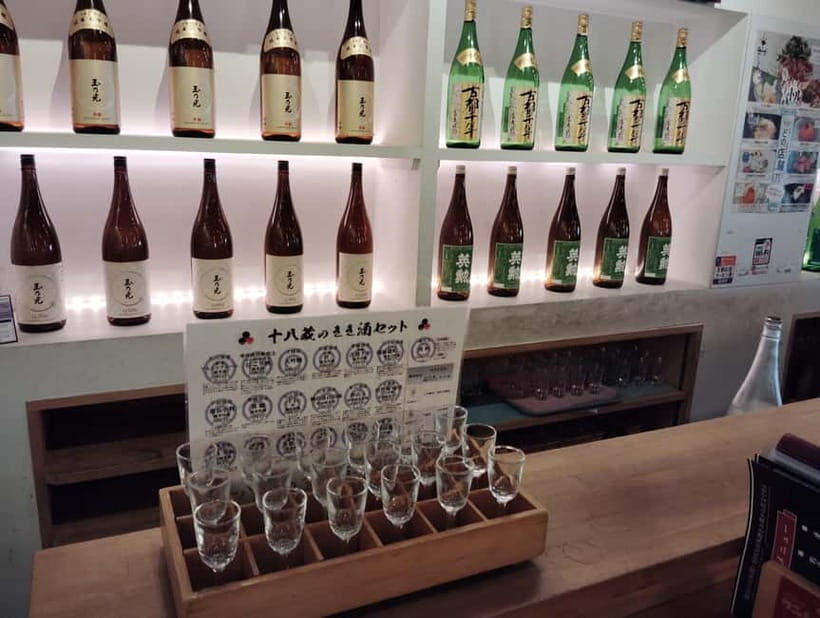
This tour is a strong fit if you want a guided sake primer without spending hours researching by yourself. It’s also ideal if you enjoy museums but get bored when museums turn into passive walking. Here, the museum sections feed directly into the tasting sections.
It’s not suitable for pregnant women or for people under 20, and smoking is not allowed. If you’re the type who hates alcohol or doesn’t want to taste at all, this likely won’t be enjoyable because the core experience is tasting—18 samples are the main event.
What I’d ask your guide on the day
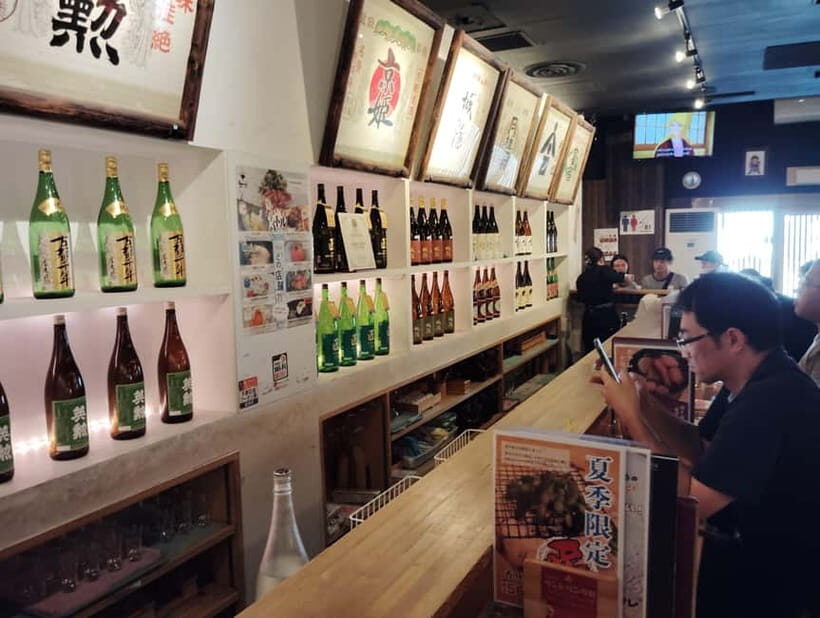
You’ll get the most out of the tour by asking smart, simple questions. Based on what guides are praised for, these topics tend to land well:
- Which sake styles are easiest for first-timers in your group?
- How would you describe sweetness and dryness in plain language?
- If I only want one bottle as a gift, what style should I choose and why?
- What should I try next if I like smooth sake versus something more complex?
- What’s a good plan after the tour in the Fushimi alley area?
If your guide is someone like Mr Yoshi, Yuko, Masa, Steve, or Hanae—names that show up in feedback—expect a lively, respectful tone and plenty of room for questions.
Should you book the Kyoto Fushimi sake brewery tour with 18 tastings?
If you want a high-energy evening plan in Kyoto that mixes learning with real tasting, I’d book it. The biggest reason is simple: 18 tastings in a tight 150-minute window, with museum grounding at Gekkeikan and a friendly bridge at Kizakura.
I’d skip it only if alcohol tasting is a hard no for you, if your group is sensitive to pacing and prefers slower experiences, or if you fall into the stated age or pregnancy restrictions. Otherwise, this is a very practical way to understand sake culture in Fushimi and leave with a short list of bottles you actually want to take home.
In Kyoto, the best souvenir is often the one that matches your taste. This tour is built to help you find that quickly.
FAQ
How long is the Kyoto Fushimi sake brewery tour?
It lasts about 150 minutes, with guided time at each stop.
How many sakes are included in the tasting?
The tour includes tastings of 18 different sakes at the Fushimi sake brewery alley finale.
Where does the tour start and end?
Meet your guide in front of the Gekkeikan-Okura Museum (月桂冠大倉記念館). The tour finishes at 伏水酒蔵小路.
What does the price include?
The price includes the guide fee, admission fees, and the sake tasting fee.
Is food included?
Food is not included.
What languages are available for the live guide?
The tour offers live guidance in English and Japanese.
What should I bring?
Bring a sun hat, camera, sunscreen, and water.
Who is the tour not suitable for?
It is not suitable for pregnant women and people under 20 years old.