REVIEW · BREWERIES
Kyoto Sake Brewery Tour with Lunch
Book on Viator →Operated by Arigato Japan KK · Bookable on Viator
Kyoto’s sake smells like a story. This 3-hour walk-and-taste tour in the Fushimi sake district mixes brewery visits with the Gekkeikan Okura Sake Museum, and I like how it’s built for first-timers. You’ll sample several sakes and eat a local lunch, but one potential drawback is that the brewing explanations may feel a bit worksheet-heavy for some people.
The pace is casual enough to enjoy the neighborhood between stops, and the group size caps at 10 travelers with a local English-speaking guide. You should also expect some walking around temples and viewpoints, with a moderate fitness level helpful.
If you’re not into guided structure, note that certain parts of the process are explain-and-sample rather than hands-on. Also, this is a 21+ tasting tour, since sake sampling is part of the experience.
In This Review
- Key highlights you’ll actually care about
- First you meet in Otesuji Shotengai, then the sake trail starts
- Fushimi Inari and the temple/park rhythm that keeps it human
- The Gekkeikan Okura Sake Museum: technique, tradition, and samples
- Small and large brewery visits: what scale really means
- Lunch with yakitori and sake: the pairing part that actually helps
- Price ($227): what you’re paying for, and why it can be fair
- What the guide brings (and how to get more out of the explanations)
- Pacing, group size, and meeting points that make or break the experience
- Who this tour suits best (and who might want a different option)
- Should you book the Kyoto Sake Brewery Tour with Lunch?
- FAQ
- How long is the Kyoto sake brewery tour with lunch?
- What time does the tour start?
- Where is the meeting point?
- Where does the tour end?
- Is lunch included?
- Does the tour include sake tastings?
- How many people are in a group?
- Is there a minimum age to drink sake?
- Can you access the active brewing areas?
- What if I have dietary restrictions?
- What happens with bad weather?
- Is free cancellation available?
Key highlights you’ll actually care about
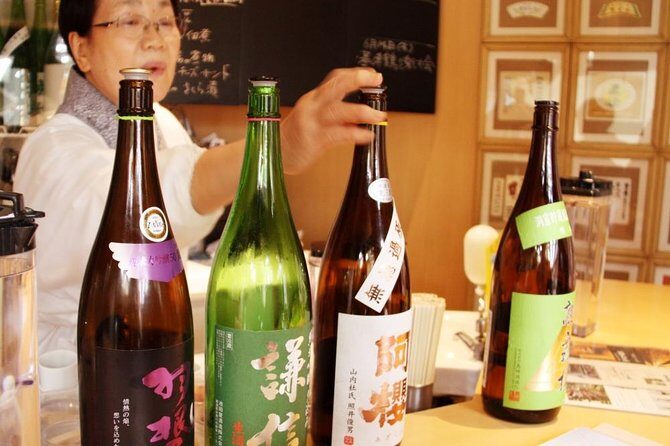
- Small vs large brewery vibe: You get contrast in scale, not just one “sake factory” experience.
- Gekkeikan Okura museum (since 1637): A focused look at tradition and techniques, plus tastings.
- Yakitori lunch paired with sake: You don’t just drink; you eat local food alongside it.
- Fushimi area walking stops: Temples, parks, and local shops to keep it from feeling like one long tasting room.
- Limited group size (max 10): Easier questions and less waiting around.
- Active brewing areas are inaccessible: You’ll see what you can from viewing areas, not tour the production floor.
First you meet in Otesuji Shotengai, then the sake trail starts
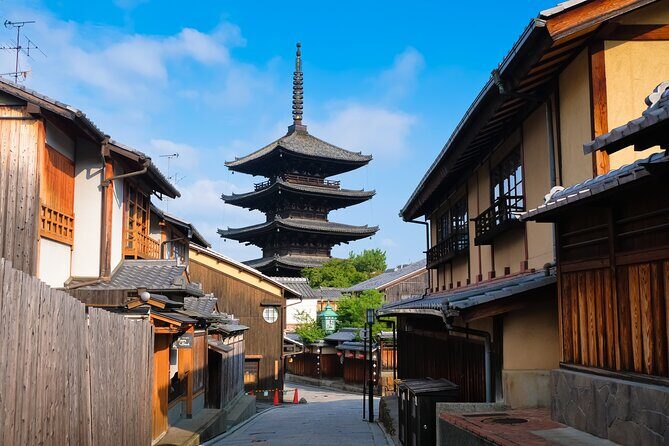
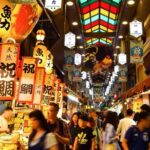
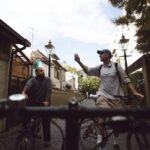
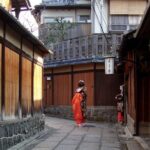
You’ll meet at Softbank Fushimimomoyama / Y!mobile Agency, right in front of Softbank in Otesuji Shotengai. The tour starts at 11:00 am, and you’ll be given a mobile ticket to use for the experience. From there, the plan is a short, guided tour of the Fushimi district, Kyoto’s classic sake neighborhood.
I like meeting in a lively shopping arcade because it instantly puts you in the right frame of mind. Instead of starting at a museum door and moving outward, you start where locals actually shop and snack. That matters here, because the day isn’t only about drinking—it’s about understanding why this area became so tied to rice wine.
Also, the timing is well set for a “do one key thing” half-day. Three hours is long enough to hit multiple stops, but short enough that you’re not stuck committing your entire day to one activity.
One small heads-up: the tour involves strolling past multiple points. It’s not described as a hardcore hike, but the guidance calls for moderate physical fitness. Wear shoes you don’t mind using on uneven sidewalks.
You can also read our reviews of more food & drink experiences in Kyoto
Fushimi Inari and the temple/park rhythm that keeps it human
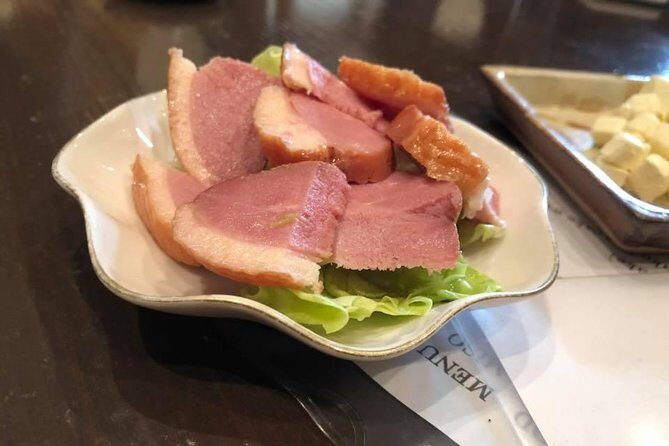
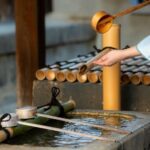
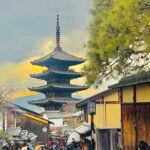
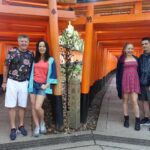
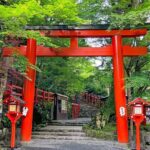
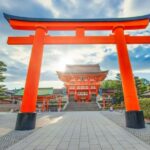
You’ll make a stop at Fushimi Inari Taisha, one of Kyoto’s most recognizable landmarks. Even if you’ve seen photos before, the best part of putting it in a guided walking tour is context—there’s room to slow down and look without feeling like you have to “tour” it at full speed.
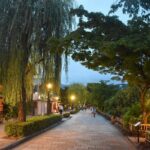
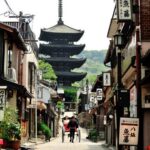
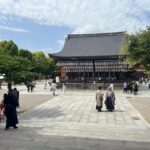
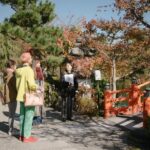
After that, you’ll move through a sequence of calmer, lower-key places like Chokenji temple, Fushimi Park, and Daigo-ji. These stops matter because they break up the tasting focus. They also help you understand how sake culture lives in the same geographic space as everyday Kyoto life—religious spaces, public areas, and the neighborhoods between them.
If you’re the type who likes structure, this itinerary is friendly. You’re not bouncing between random sites. The flow is built like a walkable storyline: iconic shrine, then smaller sacred and scenic stops, then the museum lunch and tastings portion.
The Gekkeikan Okura Sake Museum: technique, tradition, and samples
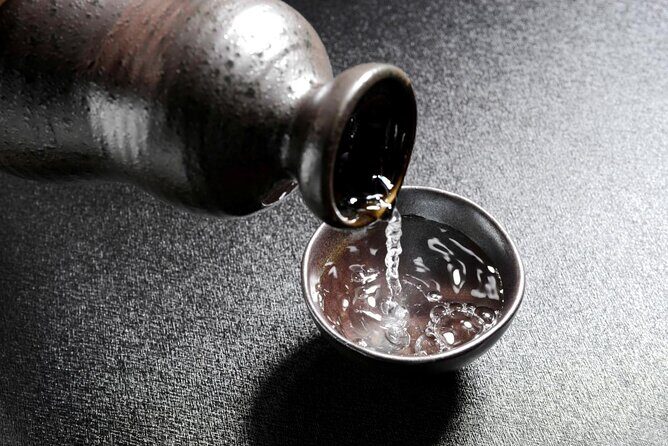
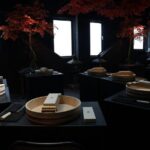
The centerpiece for most people is the Gekkeikan Okura Sake Museum. This isn’t just a branding stop—it’s a focused museum visit where you can understand the history and techniques behind Japanese sake.
The museum connection is important because Gekkeikan Okura has been making sake since 1637. That long timeline is the difference between tasting “a drink” and tasting a craft that has been refined over centuries. You’ll also get several sake tastings as part of the overall tour experience, with a museum stop designed to explain what you’re tasting.
In practical terms, this is where you build your vocabulary. Even if you don’t plan to become a sake nerd, a good tasting is half about knowing what changed between pours—dry vs. fruitier notes, aromatic differences, or how something tastes before and after a meal.
One caution, based on what’s been noted by past guests: the guide’s explanations may rely heavily on printed laminated materials. If you learn best through interactive back-and-forth, you might want to ask questions as you go, especially during the brewing/history portion. If you prefer a straightforward, slide-style explanation, you’ll probably find it comfortable.
Small and large brewery visits: what scale really means
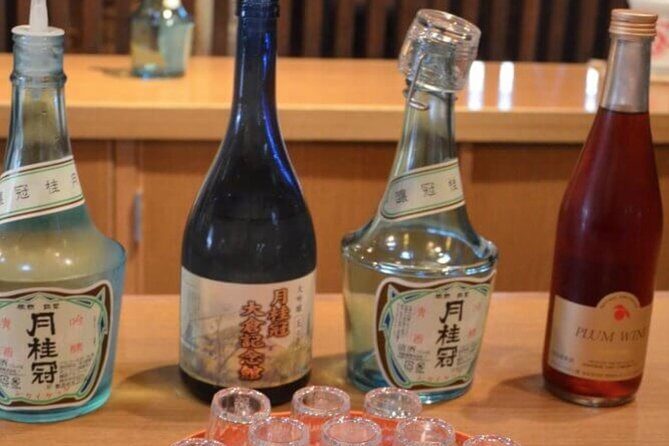
You’ll visit both a smaller and larger sake brewery to understand differences in scale and production approach. This is a smart concept for first-timers because the biggest mistake people make is assuming every brewery experience is “the same, just bigger.”
Scale affects a lot:
- how many steps are done in-house,
- how the workspace is organized,
- and how you experience the process as a visitor.
One key limitation you should know upfront: active brewing areas are inaccessible. That means you’re not walking onto the production floor or getting a hands-on view of everything happening inside. Instead, you’ll get what visitors can typically see—guided explanations, tastings, and viewing areas.
To get value out of this part, treat it as an orientation tour. Your job isn’t to catch every technical detail. It’s to leave with a clear idea of how a brewery turns rice wine inputs into the final product—and how different producers manage the workflow.
Lunch with yakitori and sake: the pairing part that actually helps
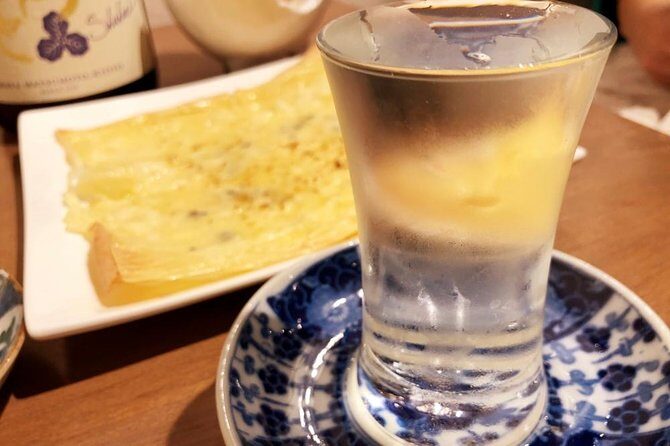
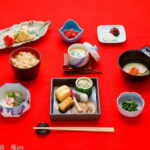
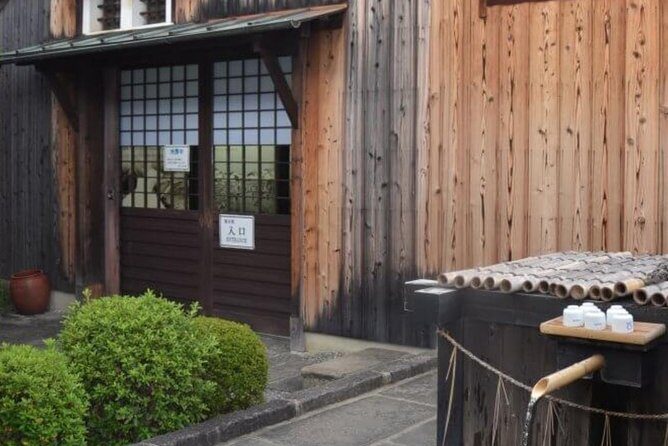
You’ll enjoy seasonal lunch in a local restaurant, and it includes yakitori paired with delicious sake. Lunch isn’t an add-on here—it’s part of the learning.
Why this works: sake tastes different before and after food. Sweetness and aroma can feel more or less intense once you have salt, smoke, and charred chicken flavors in the mix. A guide pairing can teach your palate what to notice without making it feel like homework.
This tour also lists flexibility for dietary needs: vegan, vegetarian, pescetarian, and gluten-free friendly. That doesn’t guarantee every dietary accommodation is identical, but it does signal that they plan with restrictions in mind. If you have a strong allergy (not just preference), it’s worth telling the provider in advance, since the tour depends on restaurant schedules.
If you’re worried you’ll be stuffed after tastings, don’t. The lunch is designed into the flow of the day so you’re not forced to choose between eating and learning. For me, that’s one of the better “value moves” in this price range.
Also note the tour has a minimum drinking age of 21. If you’re traveling with younger friends, they may not be able to participate in the tasting portion.
You can also read our reviews of more tours and experiences in Kyoto


Price ($227): what you’re paying for, and why it can be fair
At $227 per person, this isn’t a budget activity. But it also isn’t just a museum entry fee plus a walk.
Here’s what your money covers based on what’s included:
- Several sake tastings
- A local lunch (yakitori and a sake pairing component)
- A local English-speaking guide
- Museum time tied to a major sake producer’s long-running tradition
Add to that the fact that the tour keeps groups small (maximum of 10 travelers). Smaller groups cost more to run, and you usually feel that in the flow—less crowding around tasting pours and more chance to ask questions.
Two things can change your value equation:
- Whether tastings fit your travel style. If you hate structured food experiences, you’ll get less out of it than someone who enjoys comparing flavors.
- Whether you like museum-style explanations. The format may feel more worksheet-based than story-based, based on feedback. If you’ll actively ask questions, you’ll likely do fine.
For the kind of experience you’re getting—brewery contrast, tastings, museum context, and lunch—the price can feel more reasonable than it first appears. If you were paying separately for a museum, a guided explanation, and a meal with tastings, you’d probably end up near the same number.
What the guide brings (and how to get more out of the explanations)
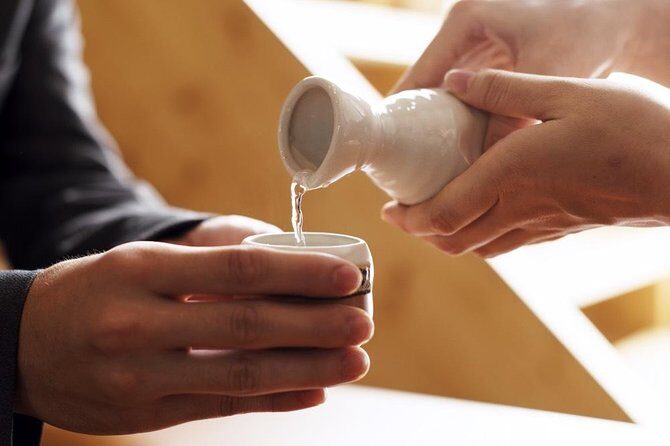
You’ll have a local English-speaking guide, which matters in Kyoto’s tourist world. Sake can feel abstract if the guide doesn’t translate the process into plain language. This tour is designed to do that with a museum/history component and brewery visits.
Based on written feedback, one weakness has been how explanations sometimes lean on laminated sheets and may not land equally well for everyone. That doesn’t mean the tour is bad—it just means you should take charge of your own learning style.
My practical advice: ask one question early. Something like:
- What are the main steps that change the flavor?
- Which part should I pay attention to during tastings?
- How does a large brewery’s workflow differ from a smaller one?
If you do that, you’re more likely to feel the tour is talking to you, not just reading at you.
Pacing, group size, and meeting points that make or break the experience
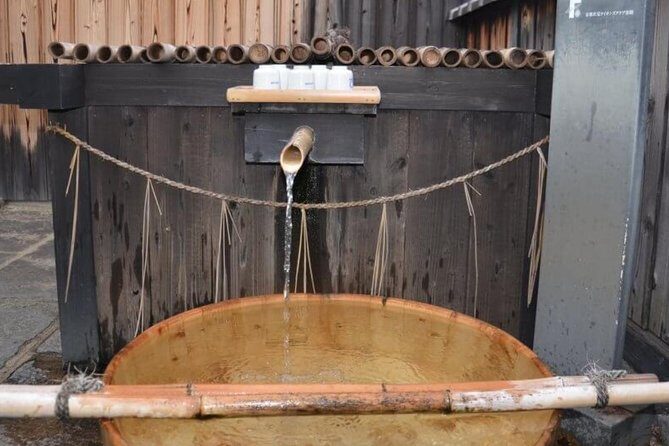
This is a 3-hour tour, starting at 11:00 am, with a meeting point at Otesuji Shotengai near Softbank. The endpoint is listed around Fushimi-Momoyama Station (with the address matching the Ryogaemachi area).
That matters because Kyoto days can get messy fast. When a tour ends near a major train station, it’s easier to keep your day fluid afterward—grab coffee, continue exploring the area, or connect to other plans without stress.
With a cap of 10 travelers, you’ll likely move as a tight group. That’s good for questions, but it also means you should be on time. If you want a relaxed day, arrive a few minutes early and get oriented in the shopping arcade.
Who this tour suits best (and who might want a different option)
This tour is a great match if:
- you’re new to sake and want a guided introduction,
- you like pairing food with what you’re learning,
- and you want a Kyoto cultural walk that includes a real meal.
It’s less ideal if:
- you want a hands-on brewery floor experience (because active brewing areas are inaccessible),
- you strongly dislike structured museum-style explanations,
- or you’re expecting a purely scenic route without tasting components.
Should you book the Kyoto Sake Brewery Tour with Lunch?
I’d book it if you want one focused afternoon that combines Fushimi neighborhood walking, a museum tied to a major producer with long-term brewing tradition, and a guided meal with yakitori and sake. The small group size and included lunch/tastings help this feel like a complete experience rather than “just another tasting.”
Skip it or consider alternatives if you’re chasing behind-the-scenes production access. Since the active brewing areas aren’t accessible, your experience is about explanation and sampling, not factory work.
Finally, if you do book: bring your curiosity and ask questions during the brewery/museum explanation portion. That small move can turn a potentially worksheet-heavy segment into the most valuable part of the day.
FAQ
How long is the Kyoto sake brewery tour with lunch?
It runs for about 3 hours.
What time does the tour start?
The start time is 11:00 am.
Where is the meeting point?
You’ll meet in front of Softbank in Otesuji Shotengai in Fushimi-Momoyama. The provided starting address is 4-chōme-291 Ryōgaemachi, Fushimi Ward, Kyoto.
Where does the tour end?
The ending point is near Fushimi-Momoyama Station in the Fushimi-Momoyama area (address provided as 4 Chome Ryogaemachi).
Is lunch included?
Yes. Lunch at a local restaurant is included, and it includes yakitori paired with sake.
Does the tour include sake tastings?
Yes. Several sake tastings are included.
How many people are in a group?
The tour has a maximum of 10 travelers.
Is there a minimum age to drink sake?
Yes. The minimum drinking age is 21 years old.
Can you access the active brewing areas?
No. The actual active brewing areas are inaccessible.
What if I have dietary restrictions?
The tour is listed as vegan, vegetarian, pescetarian, and gluten-free friendly.
What happens with bad weather?
This experience requires good weather. If it’s canceled due to poor weather, you’ll be offered a different date or a full refund.
Is free cancellation available?
Yes. You can cancel for free up to 24 hours in advance for a full refund.