REVIEW · EVENING EXPERIENCES
Kyoto Fushimi Inari Night Walking Tour
Book on Viator →Operated by GuideMe Japan · Bookable on Viator
Torii gates at night feel different. This Fushimi Inari night walking tour trades daytime crowds for a calmer 5:00 pm stroll, so you can focus on the famous torii gates and the stories behind them without the midday heat. It’s a short, practical tour format, about one hour, run by GuideMe Japan with an English-speaking guide and a mobile ticket.
What I like most is the way the guide turns a famous sight into something you actually understand. Guides named in past tours like Kanami and Mai are praised for answering questions and calling out details that make the route feel less like a blur and more like a guided experience. I also like the small group size (max 15), because you can actually ask what you’re curious about, from shrine customs to the differences between Shinto and Buddhism.
One drawback to plan around: this tour does not include hotel pickup, and it also doesn’t include food or drinks. You’ll need to get yourself to JR Inari Station and work dinner into your own schedule.
In This Review
- Key highlights to know before you go
- Why a 5:00 pm walk changes Fushimi Inari
- Price and value: what $35.93 is actually buying
- Getting to the meeting point at JR Inari Station
- The 1-hour plan: Fushimi Inari’s torii route with clear explanations
- What the guide experience feels like (and why it’s highly rated)
- How to make the evening work after the tour
- Who should book this night walk
- Should you book? My practical verdict
- FAQ
- How long is the Kyoto Fushimi Inari Night Walking Tour?
- What time does the tour start?
- Where is the meeting point?
- Where does the tour end?
- Is the shrine admission included?
- What’s included in the price?
- What is not included?
- How large is the group?
- Do I need a printed ticket?
- Can I cancel for free?
Key highlights to know before you go
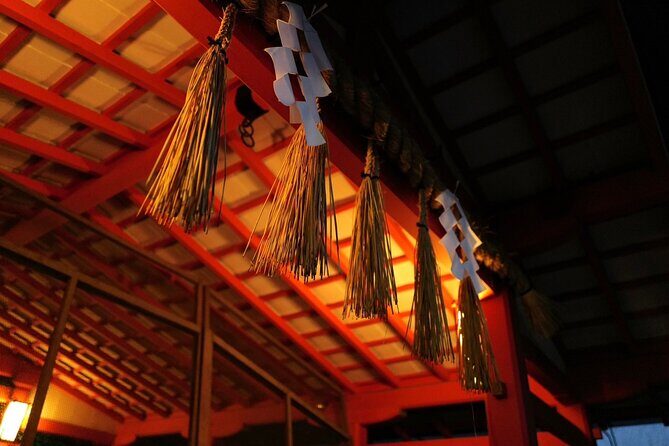
- 5:00 pm timing for a cooler, calmer visit compared to the busiest hours
- Small group (max 15) for better questions and a more personal pace
- English-speaking guide who explains what you’re seeing, not just where to walk
- Free shrine admission while the paid part is the guided experience
- Guided focus on Shinto and Buddhism so the shrine makes sense
- Mobile ticket for an easier, paper-free start
Why a 5:00 pm walk changes Fushimi Inari
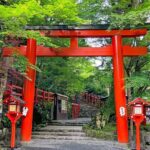
Fushimi Inari is famous for its torii gates, the ones people count as if it’s a sport. But the real magic is how the gates shape your sense of space as you walk deeper into the shrine area. Doing it at evening means you’re less likely to be shoulder-to-shoulder with everyone trying to do the same photo angle at the same time.
You also get more comfortable walking conditions. In Kyoto, the daytime can be hot and draining. A 5:00 pm start helps you enjoy the route at a pace that doesn’t feel like you’re racing the clock. Even if you’re only staying for a short while after sightseeing, the evening timing is built for people who want a meaningful activity that fits around dinner.
This is the kind of tour where timing is the whole point. You’re not paying to see the shrine from a bus window. You’re paying to walk it with context, while the atmosphere is friendlier for photos and slower looking.
You can also read our reviews of more walking tours in Kyoto



Price and value: what $35.93 is actually buying
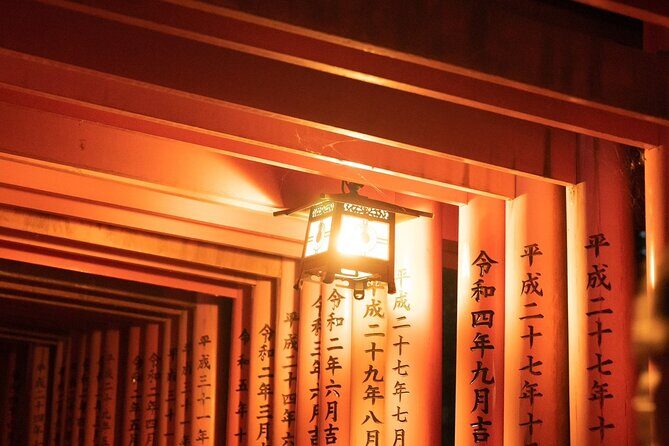
At $35.93 per person for about one hour, the price can look small at first glance. That’s because the tour includes the part you’d usually pay for yourself: an English-speaking guide who will walk you through Fushimi Inari-taisha Shrine and explain what you’re seeing.
A big value factor here is that the shrine admission is free. The cost is essentially for guided interpretation and time with the guide, not for an entrance fee. For a site like Fushimi Inari, where it’s easy to get lost in crowds or miss meaning, spending on a guide can be a smarter use of your time than trying to figure everything out alone.
Also, the group size matters for value. With a maximum of 15 people, you’re more likely to get answers to your questions instead of being rushed through a script. The tour is short enough that it’s not a half-day commitment, either, which helps if your Kyoto days are packed.
Getting to the meeting point at JR Inari Station
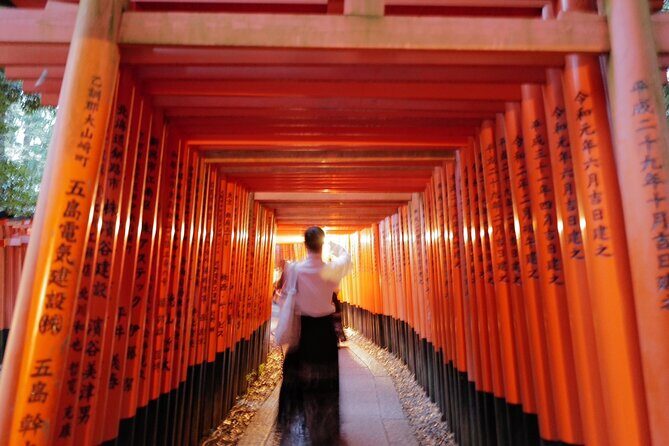
You start at JR Inari Station, and the instructions are pretty straightforward. When you exit the station, turn left. You should see a Daily Yamazaki convenience store, and the meeting point is in front of that store.
This matters because Fushimi Inari is a place where people often arrive in a hurry and then spend time figuring out the exact start spot. Here, the meeting point is anchored to an easy-to-find landmark, the convenience store. If you hate stress (I do), I’d aim to arrive a little early so you can be ready when the group gathers.
You’ll also want to think about the walk you’ll do afterward. The tour ends at Fushimi Inari Taisha, which is exactly where you’d want to be if you plan to keep exploring on your own after the guide-led hour. It’s a clean setup for an evening plan.
The 1-hour plan: Fushimi Inari’s torii route with clear explanations
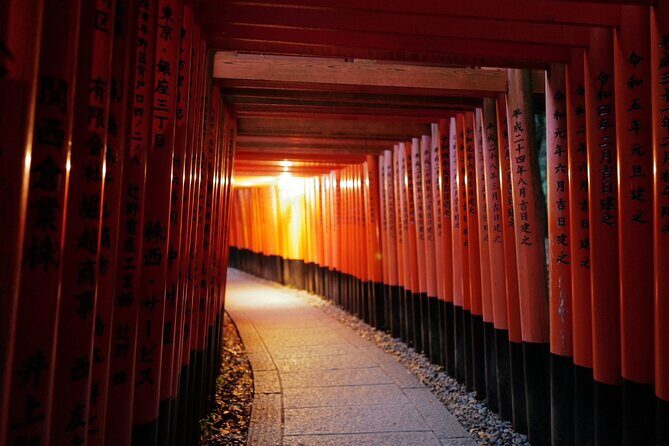
The entire itinerary is centered on one stop: Fushimi Inari-taisha Shrine. The focus is your walking route through the shrine area and a guided explanation of what you’re seeing.
You’ll learn why Fushimi Inari is known for its torii gates (often described as 10,000 gates) and how the shrine is understood in its cultural and religious context. The guide also covers differences between Shintoism and Buddhism. That’s especially useful here, because Japan’s religious landscape can feel blended when you just look at buildings. A guide helps you connect the symbols to the traditions they come from, so you’re not just admiring scenery.
A big benefit of the one-hour length is that it encourages a realistic pace. You’re not committing to hours of hiking-like walking just to say you did Fushimi Inari. Instead, you get enough time to appreciate the gate sequence and the main shrine meanings, without turning your evening into a stamina contest.
What to watch for during the walk:
- How the gates change the feel of the path as you move through the shrine space
- The names, practices, and religious framing your guide explains while you’re still close enough to see what they mean
- Photo moments the guide points out, since nighttime conditions can be good for photos if you know where to stand
One thing to keep in mind: the tour is focused and time-boxed. If you want a long, leisurely wander on your own far past the main highlights, you may still want extra time after the hour to keep going.
What the guide experience feels like (and why it’s highly rated)
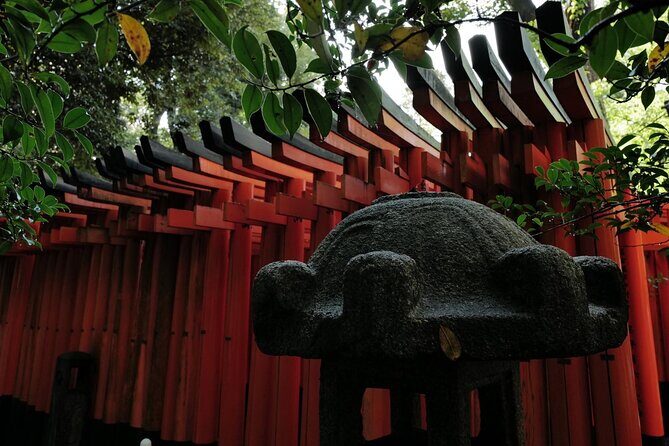
This tour is run by GuideMe Japan, and the ingredient that gets praised repeatedly is the guide itself. In past tours, guides such as Kanami, Mai, Satsuki Morikawa, Moto, and Haruki have been specifically called out for explanation, question time, and thoughtful photo support.
That’s not just fluff. At Fushimi Inari, it’s easy to walk through impressive gates and still feel like you got only half the story. When the guide clearly explains the shrine’s background and religious differences, your walk becomes more than sightseeing. You start noticing details you would normally miss.
You’ll also get practical help beyond the shrine facts. One guide was noted for offering recommendations and guidance for transport around the area. That kind of added local thinking matters if you’re trying to get dinner plans back on track or move efficiently to your next Kyoto stop.
And it’s family-friendly in a real way. A 13-year-old grandson enjoyed the experience alongside an adult participant, which tells me the guide approach works for different attention spans. If you’re traveling with kids, this is a good length and format.
You can also read our reviews of more evening experiences in Kyoto






How to make the evening work after the tour
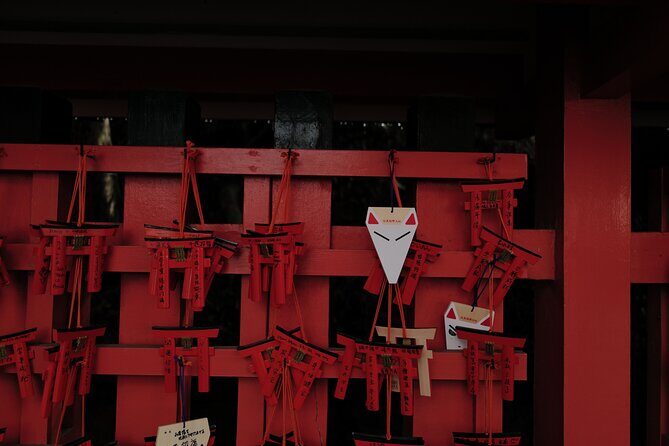
Since the tour doesn’t include food or drinks, you’ll want a simple game plan for dinner. Go in knowing you’re doing the shrine first, then handling meals yourself.
Here’s an approach I recommend if you like smooth evenings:
- Plan to eat near where you’ll end up so you don’t lose time crossing town right after a walk
- Use the hour to get your bearings and understand the shrine theme, then continue at your own pace afterward
- If you’re thinking about more Kyoto sights that night, decide on your next stop before you start the tour so you don’t end up deciding in a rush
Also, you’ll likely want to keep your walking shoes on. Even though the tour is only an hour, the shrine area is made for walking, and your legs will remember that later.
If you’re the type who likes to ask questions, bring them. The guide is there for exactly that kind of curiosity—what something means, why it’s done, and how Shinto and Buddhism show up in the same place.
Who should book this night walk
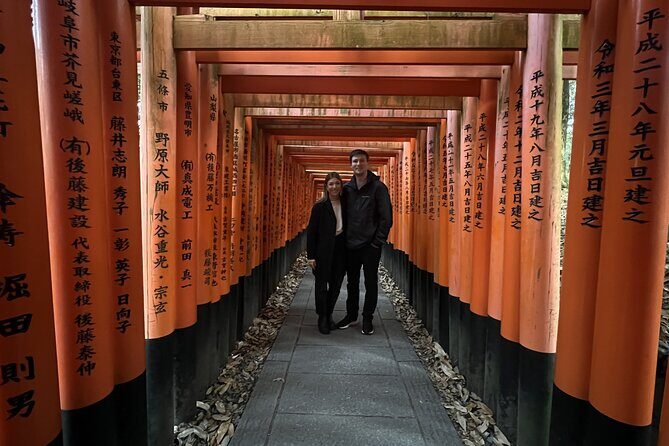
Book this tour if you want a quick, meaningful Kyoto activity that won’t swallow your whole day. It’s also ideal if:
- You want to see Fushimi Inari but prefer avoiding midday conditions
- You value English explanation so the shrine makes sense
- You like small groups where you can ask questions
- You want a short activity that fits before or after dinner plans
It’s a good pick for couples too. The price is reasonable for a guide-led evening, and the format feels relaxed enough for two people to enjoy the route without feeling like you’re stuck in a rigid script.
Most people can participate, since the tour is designed for a general travel audience. But if you have specific mobility needs, you’ll want to consider your own comfort with walking through shrine grounds and steps.
Should you book? My practical verdict
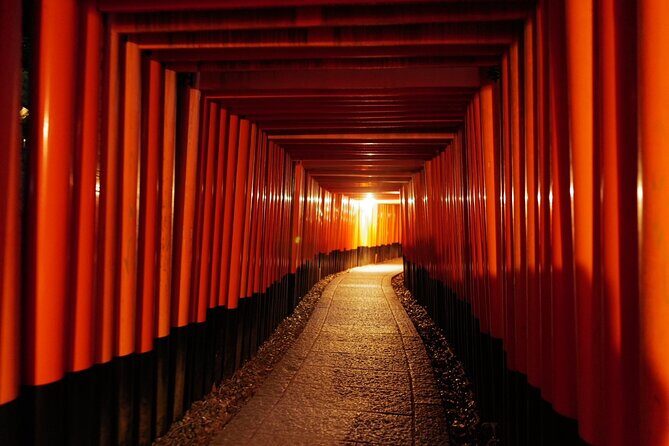
If your goal is to experience Fushimi Inari in a smarter way—at a time that’s easier to enjoy and with an English guide who explains the meaning—then this is a clear yes. The reason is simple: you’re paying for interpretation during the exact hour when you’re most likely to enjoy the shrine calmly, not rushing through it.
This tour also earns points for value. Free shrine admission plus a full hour with an English-speaking guide, in a group capped at 15, is a solid deal. And the high satisfaction signals make sense: people tend to rate tours highly when the guide gives thoughtful answers, offers helpful photo guidance, and helps you connect the place to its traditions.
One final note for decision-making: if you’re hoping for a long, self-paced trek deep into every corner of the shrine grounds, you may want extra time after the tour. But if you want a well-timed, guided introduction that you can build on, book it.
FAQ
How long is the Kyoto Fushimi Inari Night Walking Tour?
The tour is about 1 hour.
What time does the tour start?
It starts at 5:00 pm.
Where is the meeting point?
Meet at the exit of JR Inari Station. Exit, turn left, and stand in front of the Daily Yamazaki convenience store.
Where does the tour end?
It ends at Fushimi Inari Taisha, at 68 Fukakusa Yabunouchichō, Fushimi Ward, Kyoto, 612-0882, Japan.
Is the shrine admission included?
The shrine admission ticket is free for this tour.
What’s included in the price?
An English-speaking tour guide and 1 hour in-depth time at Fushimi Inari Shrine.
What is not included?
Hotel pickup, and food and drinks.
How large is the group?
The maximum group size is 15 travelers.
Do I need a printed ticket?
No. You’ll use a mobile ticket.
Can I cancel for free?
Yes. You can cancel up to 24 hours in advance for a full refund. If you cancel less than 24 hours before the start time, the amount paid will not be refunded.