REVIEW · FULL-DAY
KYOTO-NARA: Giant Buddha Deer Pagoda “Geisya” (Italian, full day)
Book on GetYourGuide →Operated by Agenzia Turisti Italiani in Giappone · Bookable on GetYourGuide
A giant Buddha and deer in one day is a smart idea. This full-day Kyoto–Nara–Kyoto loop adds an Italian guide plus a small-group feel to some of Japan’s most iconic sights. You’ll also get real practical help as you move between temples, park, and Kyoto’s classic streets.
I especially like how the itinerary ties together Nara’s sacred highlights and Kyoto’s pilgrimage lanes without wasting time. There’s also built-in flexibility on request, within reason, so you’re not locked into a rigid script. One possible drawback: it’s a long day with several transfers (train + bus + walking), so you’ll want comfortable shoes and a calm pace mindset.
In This Review
- Key moments worth planning around
- Kyoto Station to Nara: how the day stays easy to follow
- Todai-ji and Nara Park: giant Buddha, tame deer, and cookie moments
- Lunch break logic and the return to Kyoto Station
- Kiyomizu-dera pilgrimage lanes: temple viewing plus old street energy
- Gion-kobu and the world of Maiko/Geiko: culture on foot toward Pontocho
- The Italian guide experience: what makes it worth paying attention
- Timing, walking, and how to make the most of the full day
- Price value: what $176 buys you in a day
- Should you book KYOTO–NARA: Giant Buddha Deer Pagoda Geisya?
- FAQ
- FAQ
- What language is the tour guide?
- How long is the tour?
- Where do I meet the guide?
- Does the price include transportation and entrance fees?
- What are the main places you visit?
- Is the group small?
- Can I request changes to the schedule?
- Is the tour wheelchair accessible?
- What is the cancellation window?
Key moments worth planning around
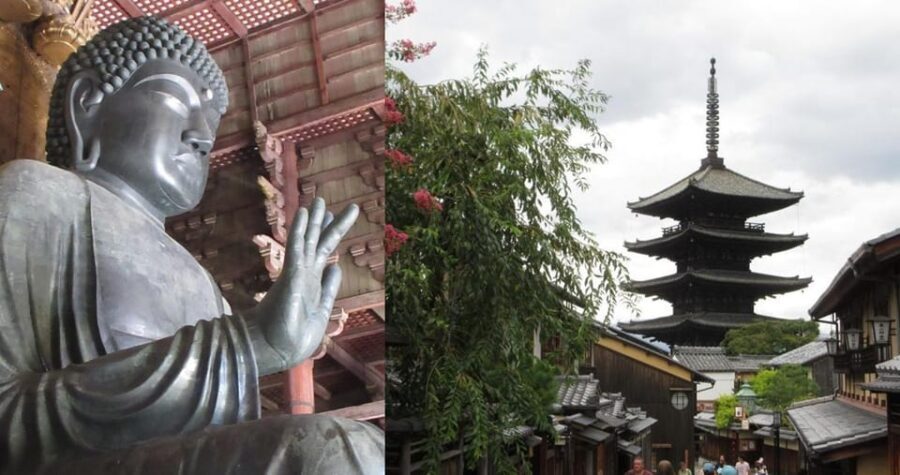
- Todai-ji’s giant Buddha experience: guided context before you start looking at the details
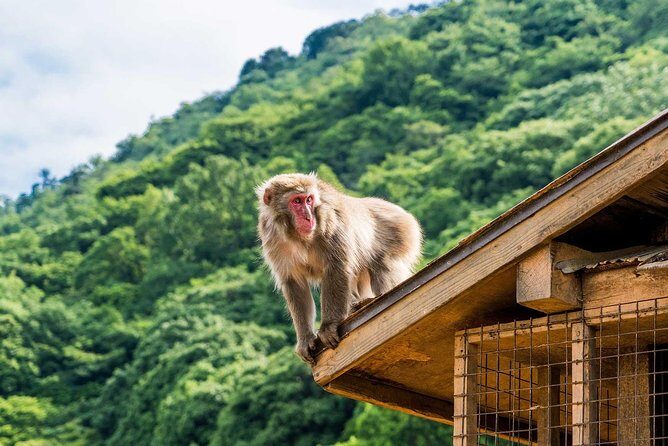
- Nara Park deer up close: tame deer in a huge open space, plus cookie feeding
- Ukimido stop-by: a short, scenic pass that fits the flow without adding pressure
- Kiyomizu-dera viewing plus guided explanations: history and devotion in a smooth timing block
- Gion-kobu area with Maiko/Geiko culture: a guided walk through the streets linked to traditional arts
- Small group cap (15 people): more chances to ask questions and get help when you need it
Kyoto Station to Nara: how the day stays easy to follow
This tour starts at Kyoto Station, in the space between the four escalators in front of the cab terminal, east just outside the north central entrance. It’s an easy landmark: you can spot Kyoto Tower above you. You’ll get detailed meeting-point instructions by email the day before, which is a big help if Kyoto Station feels like a maze.
Once you’re gathered, you head out by train for about 45 minutes, then connect by bus for roughly 15 minutes toward Nara. That mix matters. Trains keep things predictable, and the short bus segment gets you closer without turning the day into an endless transit grind. I like that the tour’s structure doesn’t feel random; the schedule is built to get you into Nara while you still have energy for the park and temple walk.
Group size stays limited to 15 people. That’s not just a comfort perk. In Japan, being in a smaller group makes it easier to hear your guide, move through pedestrian pockets, and stop without holding everyone back. You’ll also have someone available for assistance during the day, which helps if you run into small confusion about directions or timing.
You can also read our reviews of more tours and experiences in Kyoto
Todai-ji and Nara Park: giant Buddha, tame deer, and cookie moments
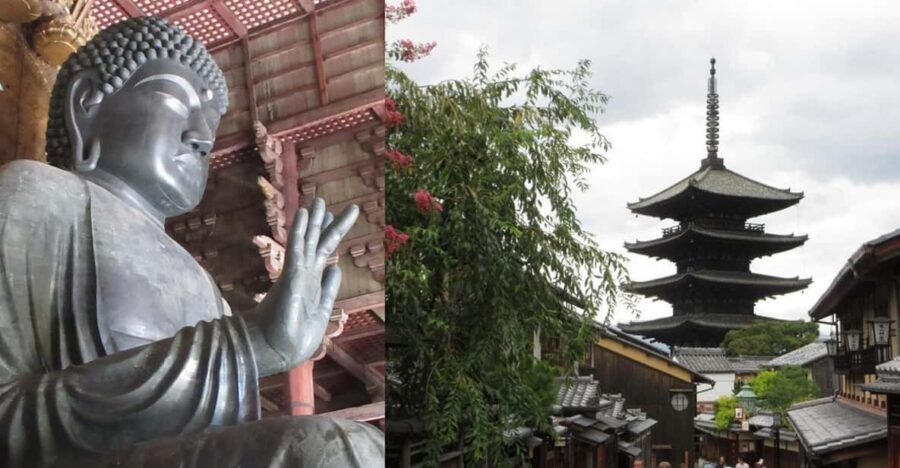
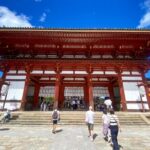
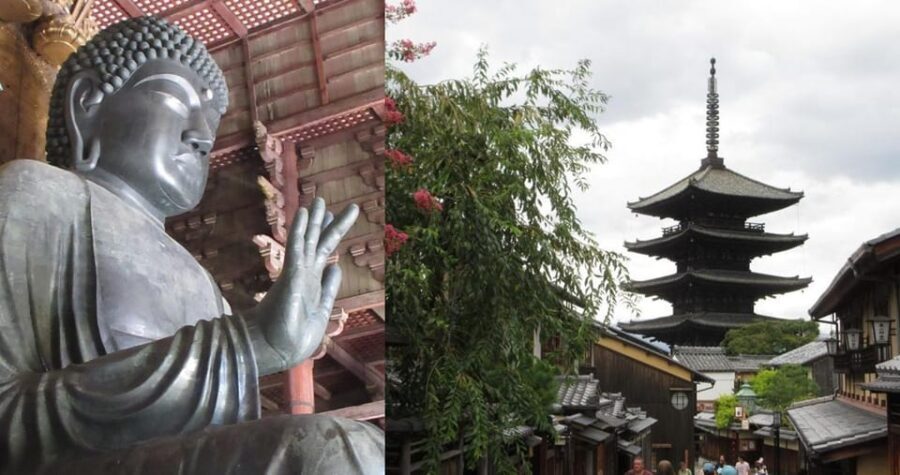
Todai-ji is the headline, and it earns the hype. You’ll visit with a guide and get about 1.5 hours there, which is enough time to understand what you’re seeing instead of rushing from photo spot to photo spot. The center of the experience is the temple’s giant Buddha statue, one of Japan’s largest. The guide’s job is to give you context—what’s important, what to look for, and what the monuments mean for Buddhist devotion.
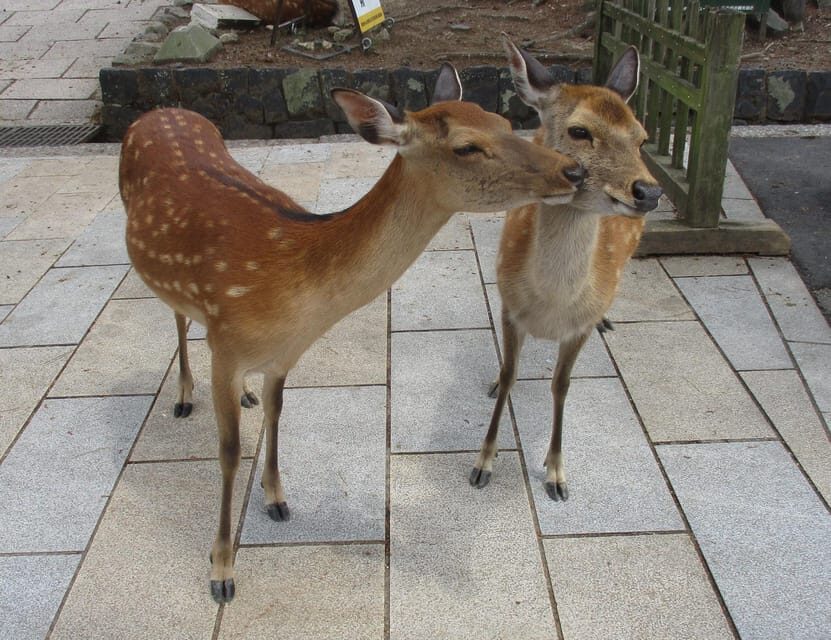
Then comes Nara Park, the wide open area around the temple where deer roam freely. This is one of the most recognizable “Japan moments” around, because you’re not looking at deer behind a fence. You’ll see them across the park, often calmly close to visitors. Cookie feeding is part of the fun: you can buy cookies at special stalls and offer them carefully in the area around the temple grounds.
Even if you’ve seen deer photos before, I think you’ll still be surprised by how present they feel when you’re actually there. They’re not just a background element; they become part of how you experience the space. You’ll want to stay aware of your footing and keep a light touch with feeding so it stays friendly for you and the animals.
There’s also a brief stop that fits the flow: Ukimido. You won’t spend a long chunk of time there, but it gives you a quick change of scenery and a chance to see another temple structure without stretching the day too tight.
A key value here is the guide’s focus on the monuments designated as national treasures of Japan, plus explanations of devotion that aren’t the usual surface-level notes. You’re getting interpretation that helps you connect symbols, objects, and temple spaces to the people and beliefs behind them.
Lunch break logic and the return to Kyoto Station
After the Nara portion, the day resets cleanly. You head back by train for about 45 minutes to Kyoto Station, then you get about a 1-hour break. This is smart scheduling. It gives you time to regroup, grab a snack or meal, and use the station bathrooms and transit connections without feeling rushed.
Since this is a full-day tour, the break is not a luxury—it’s part of how you keep the rest of the afternoon enjoyable. Temples and walks add up fast, and a real pause in the middle helps you avoid the common late-day slowdown where everything starts to feel like a blur.
You’ll then travel again by bus for around 15 minutes to your next set of walks in Kyoto’s historic areas. Keeping that second ride short helps you get to the pedestrian side of the experience quickly.
Kiyomizu-dera pilgrimage lanes: temple viewing plus old street energy
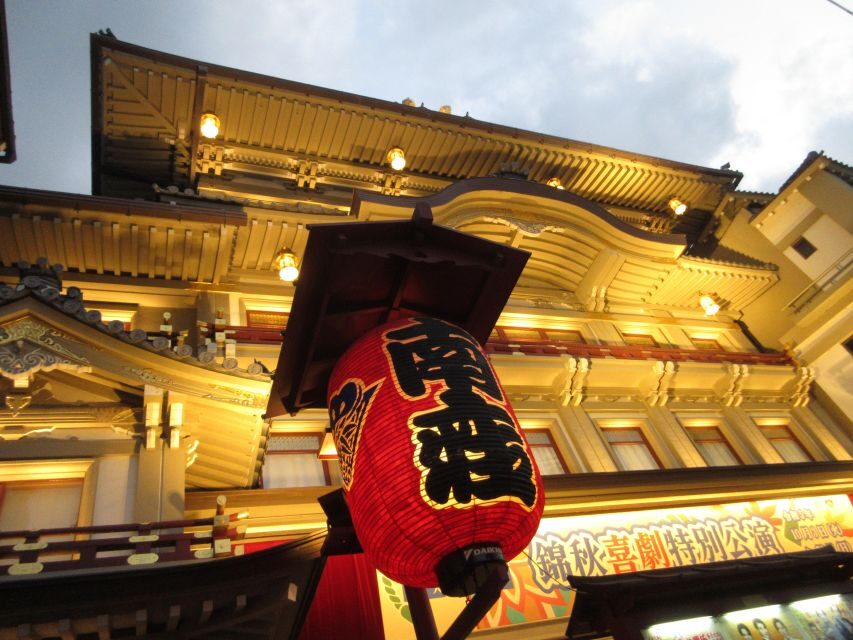
In the afternoon, you’ll visit Kiyomizu-dera with a guided focus for about 1 hour. This part of the day works best when you treat it as both a temple visit and a walk through one of Kyoto’s famous pilgrimage routes.
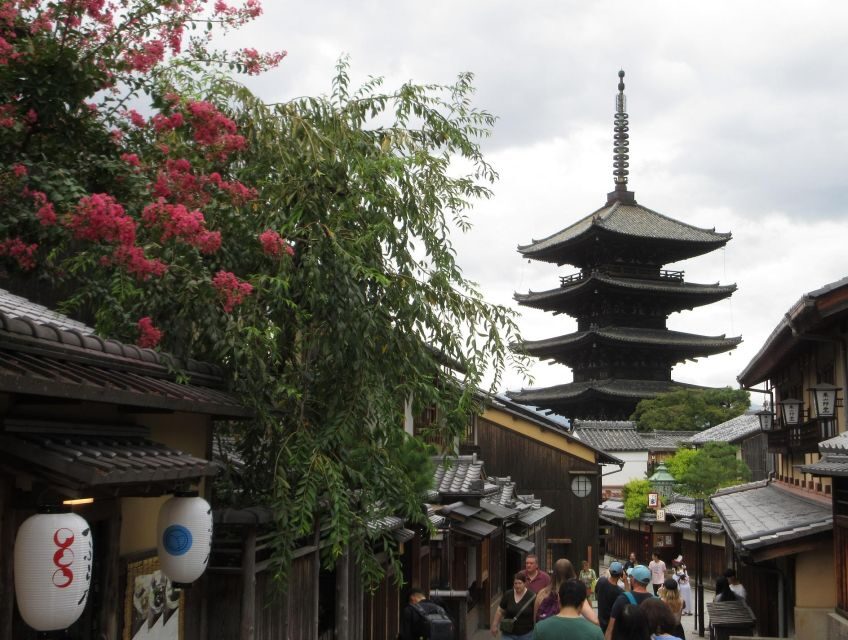
Before you reach the temple area (and as you move between segments), you pass through streets that have developed since at least the 8th century and continue evolving through today. You’ll find souvenir shops, sweet shops, and small places to stop for a drink or snack. It’s not just shopping for shopping’s sake. The streets are part of the tradition: pilgrims historically traveled through these kinds of lanes, and the modern businesses simply reflect the ongoing life around the sacred sites.
The guide adds meaning here. You’ll get explanations of historical, cultural, and religious details along the way, plus answers to questions as you go. One thing I like about guided temple days is that your eyes start working differently. Instead of treating each building as a landmark, you notice why it exists where it does, and what visitors historically came to understand.
You also get about 20 minutes on foot after Kiyomizu-dera, which gives you a chance to absorb the area without feeling like you’re only moving in a line.
Gion-kobu and the world of Maiko/Geiko: culture on foot toward Pontocho
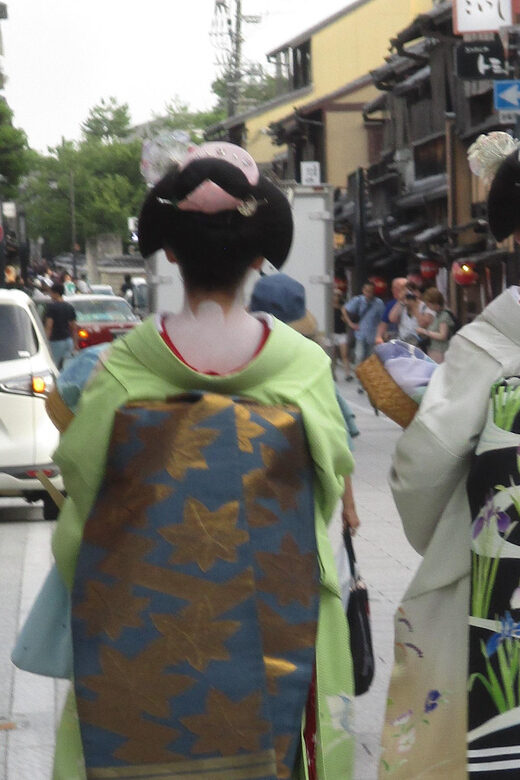
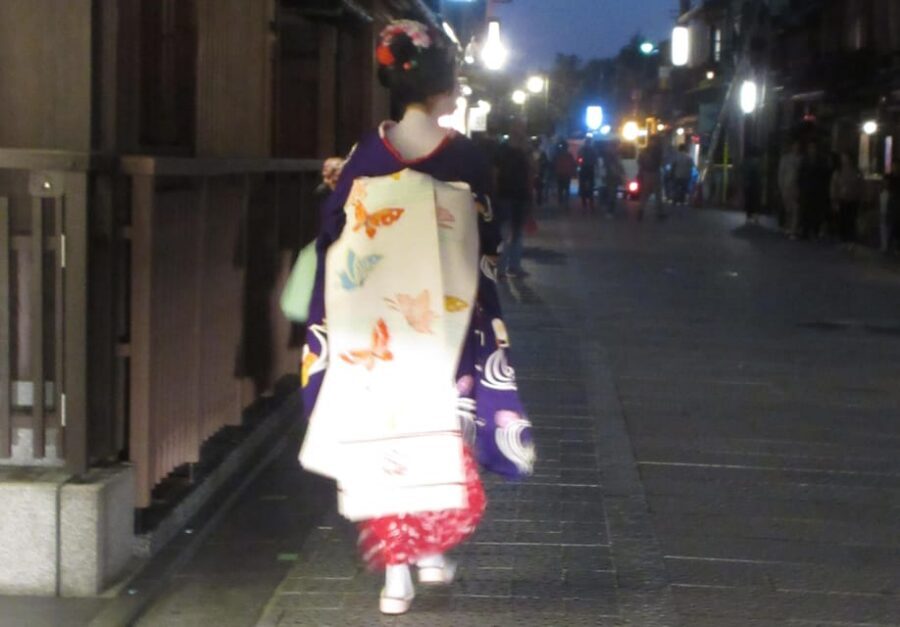
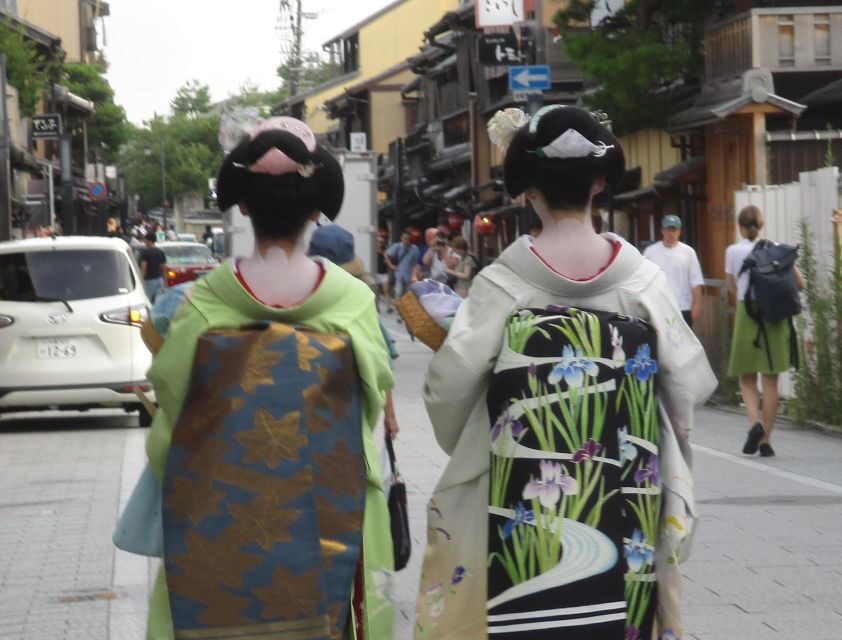
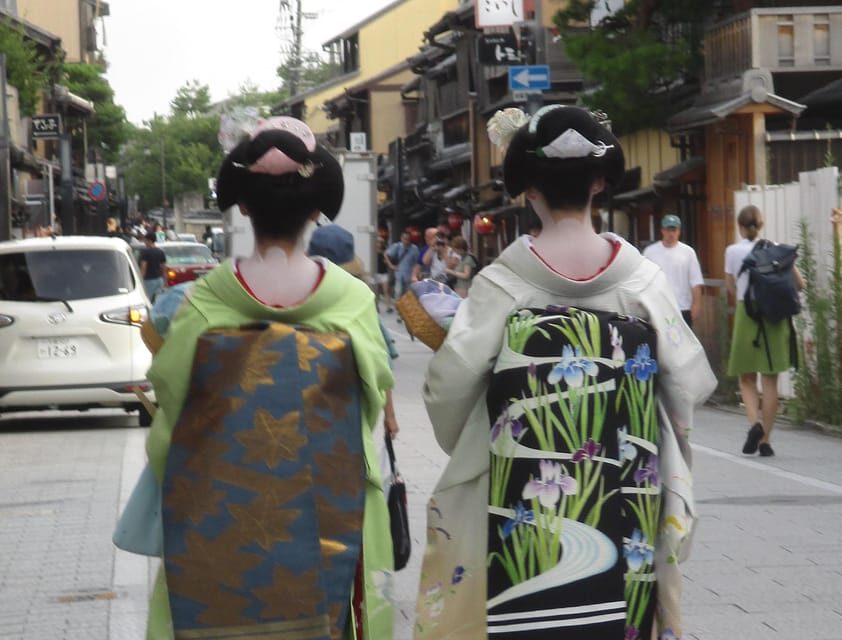
Next up is Gion-kobu, visited with a guided walk for about 20 minutes. This area is closely associated with professional Maiko and Geiko artists—often informally grouped under the umbrella term Geisya. Even if you’re not there to see a specific performance, the value is in understanding what the neighborhood represents in Kyoto’s living tradition.
You’ll walk with your guide, and you’ll likely notice how the streets feel different from the larger shopping lanes. It’s quieter in tone, and the atmosphere is more about heritage and craft than quick souvenirs. The guide can explain what matters and what to look for, so your experience stays more than just a photo walk.
After the Gion segment, you’ll finish at Pontocho. That’s a good end point because Pontocho is known for its nightlife and riverside energy, so you’re not stuck back in a maze. It also gives you an easy way to continue your evening at your own pace.






The Italian guide experience: what makes it worth paying attention
This tour’s big differentiator is the guide’s role in making the day make sense. The tour is delivered with live guidance in Italian, and the guide answers questions in English. You’ll get explanatory narration for the historical monuments visited, and you’ll also receive practical information about traveling in Japan when you ask.
In past departures, the guide experience has been highlighted for being not just knowledgeable but also friendly and funny. One name that comes up is Omae, described as having perfect Italian and a strong sense of humor, plus the ability to explain what you’re looking at in a way that feels clear rather than academic. Omae has also been noted for sharing legends and stories connected to places and objects, with answers to questions delivered confidently and in smooth Italian.
Why does that matter for you? Because temple tours can go one of two ways:
- You see a lot of stone and wood and leave with a handful of photos.
- Or you understand why those carvings, layouts, and sacred objects matter.
This tour aims for the second option. The “secrets revealed only to participants” idea isn’t meant to be mysterious for mystery’s sake. It signals that the guide is bringing stories and explanations beyond generic signage.
Also, small group size (15 max) helps. In larger groups, people lose their chance to ask follow-ups. Here, the day is structured enough that you still get time to raise questions and get practical help when needed.
Timing, walking, and how to make the most of the full day
This is a full day built around three concentrated zones: Todai-ji + Nara Park in the morning, Kiyomizu-dera plus the pilgrimage streets in the afternoon, and Gion-kobu near the end. The tempo is guided, but it’s not a sprint.
Here’s how the time blocks shape your experience:
- Morning temple time is long enough to absorb details (about 1.5 hours at Todai-ji).
- Nara Park deer watching is part of the temple-area experience, not a separate rushed activity.
- The midday break in Kyoto Station lets you reset before the next walk-heavy block.
- Kiyomizu-dera is about 1 hour, then you keep moving on foot.
- Gion-kobu ends the structured day and naturally transitions into free exploration near Pontocho.
The tour also says flexible schedules are available upon request, as far as possible and within reason. That’s useful if you have specific needs like photo time, slower pacing, or a small detour request. Just keep expectations realistic: this is still a guided route with set transit times.
My practical advice: plan to go easy on big shopping goals. This itinerary is about temples and streets, and the best souvenirs tend to be small and easy to carry. You’ll pass many sweet and souvenir stops in Kyoto’s lanes, so build in the mindset that you’ll browse, not necessarily buy everything.
Price value: what $176 buys you in a day
At $176 per person for a 1-day experience, the value comes from what’s bundled and how that affects your day.
You’re paying for:
- Transportation fares (train and bus segments included)
- Entrance fees for the monuments in the program
- A live Italian guide with explanations for the historical monuments visited
- Practical Japan travel information on request
That matters because temples in Japan often mean multiple tickets, and getting across regions like Kyoto to Nara and back can eat up time. Here, the planning burden is shifted to the tour team. You can spend your attention on being present rather than coordinating routes.
The small-group cap (15) is another value driver. It’s not luxury fluff; it’s what helps the guide keep conversations practical and answers tailored. If you like to understand what you’re seeing—especially at Todai-ji and Kiyomizu-dera—this structure makes the day feel purposeful.
Is it a budget tour? No. But it’s also not priced like a private car. You’re paying for guided interpretation and for a logistics plan that keeps the day coherent from Kyoto Station through Nara and back.
Should you book KYOTO–NARA: Giant Buddha Deer Pagoda Geisya?
Book it if you want a smooth, guided way to do two heavy-hitters—Nara’s Todai-ji and Kyoto’s Kiyomizu-dera—plus the Gion-kobu atmosphere linked to Maiko and Geiko culture. The Italian guidance, the small group size, and the mid-day Kyoto break are the big reasons to choose this over piecing together everything alone.
Skip (or look for another option) if you prefer fully independent pacing with lots of free time to wander between stops without a guide’s structure. This day is built to cover major sights, and that means you’ll follow a plan most of the time.
FAQ
FAQ
What language is the tour guide?
The live tour guide speaks Italian, and the guide answers your questions in English.
How long is the tour?
It’s a full-day experience lasting 1 day.
Where do I meet the guide?
Meet at the space between the four escalators in front of the cab terminal, east just outside the north central entrance to Kyoto Station. Detailed meeting point info is sent by email the day before.
Does the price include transportation and entrance fees?
Yes. The tour includes train and bus fares scheduled in the itinerary and the entrance fees for the monuments visited.
What are the main places you visit?
You’ll visit Todai-ji in Nara, then Kiyomizu-dera, and you’ll also walk through the Gion-kobu area. The tour finishes at Pontocho.
Is the group small?
Yes. The group is limited to 15 participants.
Can I request changes to the schedule?
You can request flexible itinerary and schedule adjustments as far as possible and within reason.
Is the tour wheelchair accessible?
Yes, the tour is wheelchair accessible.
What is the cancellation window?
You can cancel up to 24 hours in advance for a full refund.