REVIEW · KYOTO
Private Kyoto with Exceptional Guide Tailored to Your Needs
Book on Viator →Operated by OMAKASE · Bookable on Viator
Kyoto gets better when it’s on your schedule. This private tour lets you pick a half-day or full-day route, then adjust it on the fly with an English-speaking guide—complete with pickup options and practical help so you don’t waste a minute. You choose what you care about most, from shrines and Zen gardens to shopping and food.
I especially liked two things: the way your guide turns Kyoto into a guided walk instead of a checklist, and the personal touches that make it feel real. With guide Yumiko-san (often called Yumi), I can see how the day can include things like finding the right yukata and even tracking down a specific Japanese Giants hat, then rounding it out with a tea ceremony when it fits your interests.
One consideration: the tour time is limited, so you still need to choose efficiently—2 to 3 stops for 4 hours or 4 to 5 stops for 8 hours—and entrance fees and lunch are not included.
In This Review
- Key points to know before you go
- How the private Kyoto day stays flexible without getting chaotic
- Picking your stops: Inari Shrine, Golden Pavillion, and the Zen-garden circuit
- Inari Shrine and the 10,000 torii gates
- Golden Pavillion and why the temple matters beyond looks
- Zen temples and gardens (including ponds, moon viewing, and rock gardens)
- What makes each stop feel worth your time (and not just photo bait)
- Kannon-focused temples: prayers, statues, and meaning
- A place built as a bridge between worlds
- A garden you must plan for
- Arashiyama and Gion: switching from temples to neighborhoods
- Arashiyama: Togetsu-kyo bridge and bamboo trails
- Gion: Tatsumi Daimyo-jin Shrine and Tatsumi-bashi bridge
- Getting around: public transit vs. private car (and why it changes your day)
- Shopping, tea ceremony, and everyday Kyoto culture
- Lunch, entrance fees, and budgeting without stress
- Who this private Kyoto tour is best for
- Should you book this private Kyoto guide?
- FAQ
- How long is the private Kyoto tour?
- Can I choose which sights to visit?
- Do you provide an English-speaking guide?
- Is pickup available?
- Is lunch included?
- Are entrance fees included?
- Should I bring cash?
Key points to know before you go
- A truly private Kyoto route: only your group, with an English-speaking guide focused on what you want.
- Choose 2–3 stops (4 hours) or 4–5 stops (8 hours), so you can match the day to your energy.
- Inari torii, Golden Pavillion, and Zen gardens are built into the menu—plus Arashiyama and Gion if you have time.
- Optional private car can reduce walking/transfer time and keep the day smooth.
- Cash matters: many places in Japan use cash-only payments, so bring yen.
- Your guide helps with next steps after the tour, not just the sightseeing.
How the private Kyoto day stays flexible without getting chaotic
Here’s the main idea: you don’t show up to a fixed script and hope it fits. You start by steering the day—temples vs. neighborhoods, photos vs. shopping, history vs. atmosphere—and your guide builds a route around that.
In a city like Kyoto, the order of stops can make a huge difference. You’ll often want to avoid peak crush at the torii and popular garden times, and you’ll probably want to group areas so you’re not spending half the day in transit. A good private guide helps you do that thinking in real time.
Also, the “private” part is not just a marketing word. It means you can go at a pace that makes sense for you—slow stroll, faster photo run, or a mix. The tour notes a moderate physical fitness level, so plan for walking and stairs at several stops, especially if you choose a shrine with lots of steps.
You can also read our reviews of more guided tours in Kyoto


Picking your stops: Inari Shrine, Golden Pavillion, and the Zen-garden circuit
Your guide’s “Kyoto menu” includes several of the most recognizable spiritual and visual highlights, but the value is in how they’re connected into a single day.
Inari Shrine and the 10,000 torii gates
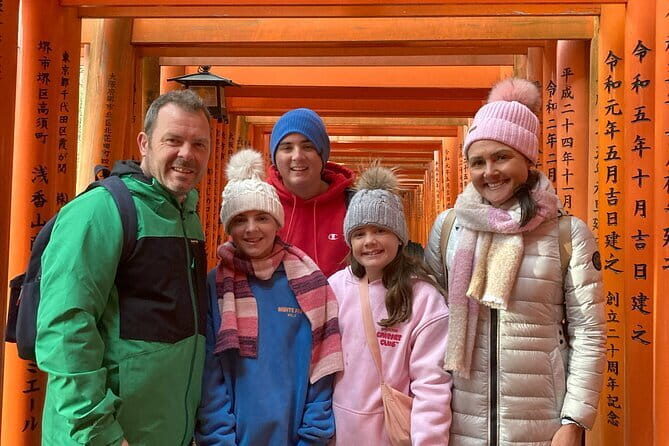
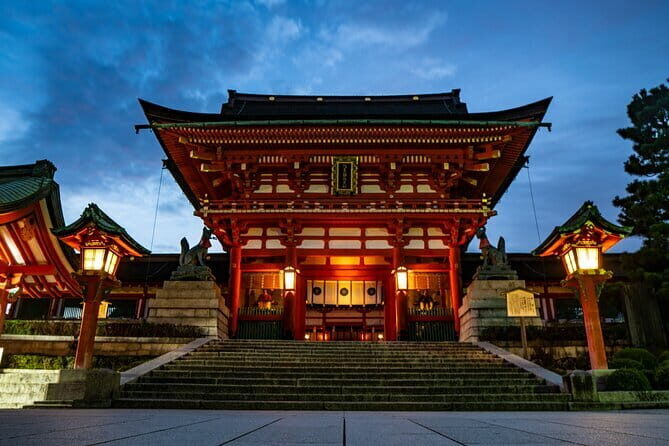
The Inari Shrine stop is built around one of Japan’s most famous sights: 10,000 red torii gates rising up Mt. Inari, part of the wider Inari Shrine tradition found across Japan. This is the kind of place where you feel Kyoto’s layers—religion, architecture, and the sheer visual repetition of the torii path.
What to expect:
- A lot of walking and stairs as the path climbs.
- Great photo opportunities, but also crowds at popular hours.
- Your guide can help you keep your rhythm so it doesn’t become a slog.
Potential drawback: if you’re not keen on hills and steps, you may want to pair Inari with fewer other stops in the same half-day.
Golden Pavillion and why the temple matters beyond looks
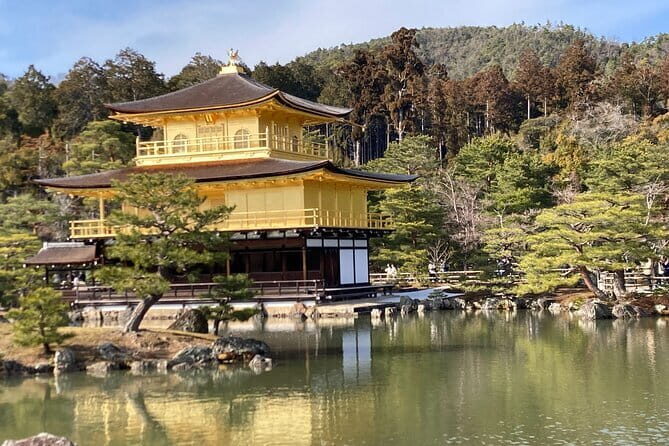
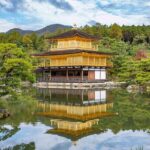
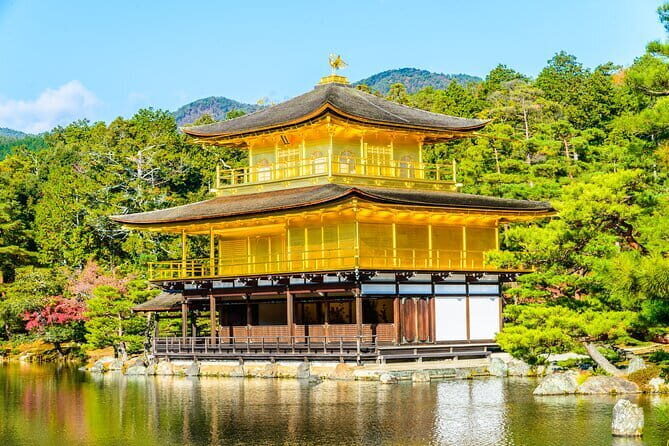
The Golden Pavillion stop focuses on a temple complex where the Golden Pavillion is the star, including the note that it contains the container of Buddha’s ashes & bones inside the complex. That detail matters because it shifts the moment from pure sightseeing to something more grounded.
What to expect:
- A “wow” visual payoff, even if you’ve seen photos before.
- A calmer flow if your guide times your arrival well.
- Room to look slowly, not just snap-and-move.
Zen temples and gardens (including ponds, moon viewing, and rock gardens)
A big chunk of the Kyoto magic here is garden design and Zen-era aesthetics. Your itinerary highlights multiple temples with different garden styles and famous features, like:
- A Japanese garden with a pond that’s been admired for 600 years, described as a place where Zen sect monks trained.
- A temple noted for being designed as a perfect moon-viewing spot on August 15th (old calendar), with the important restriction that it’s not allowed to enter at night.
- A famous 15-rock landscape-style garden experience: the stop mentions “mysterious 15 rocks” originally built in the 15th century.
If you like atmosphere and stillness, these stops can be more satisfying than just chasing landmarks. Gardens reward time, attention, and a little quiet thinking—exactly what a private guide helps you do when they aren’t rushing the group.
Possible drawback: these temples can come with rules about where you can go and when. If a stop is garden-focused and you want to see a specific area, your best move is to ask your guide to help you pick the right time window and order.
You can also read our reviews of more private tours in Kyoto



What makes each stop feel worth your time (and not just photo bait)
Kyoto isn’t only about the famous silhouettes. It’s also about what you learn when someone explains what you’re actually looking at.
Kannon-focused temples: prayers, statues, and meaning
Several of the included temple stops connect to Kannon Bodhisattva, including one where commoners supported the temple for 1,200 years and prayed for deceased love-ones. Another stop highlights the many statues of Kannon and notes their guardians originated from ancient Indian deities, plus an interesting mention of Japanese archery competitions held at the back side of the temple.
Even if you don’t go deep into doctrine, these details change the experience. You start noticing the why behind the carvings and the way people use the space.
A place built as a bridge between worlds
One stop is described as an original military complex later converted into a harmonizing place between the military government in Tokyo (Edo) and the Imperial Palace in Kyoto about 400 years ago, with decorations added for that role. That kind of context helps you understand Kyoto as political geography, not only religious sightseeing.
A garden you must plan for
Your itinerary also mentions a Japanese garden that requires advance booking, noting it’s one of the best gardens in Japan and that it’s designed to surprise visitors through the way the artificial garden reveals beauty. That’s a key advantage of using a guide: you’re less likely to show up at the wrong time and find out you can’t see what you wanted.
Arashiyama and Gion: switching from temples to neighborhoods
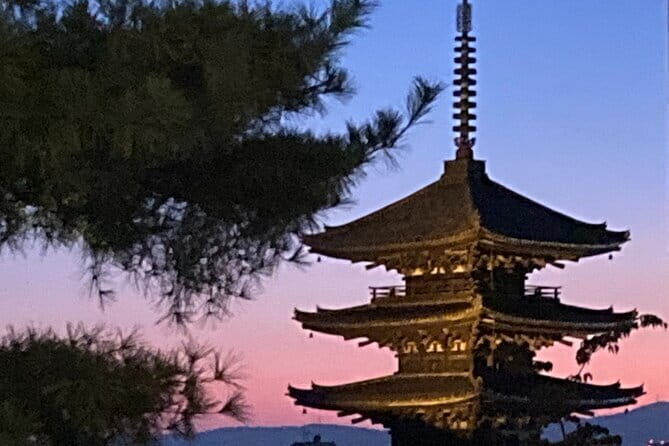
The tour can also roll into classic Kyoto scenery beyond temple gates.
Arashiyama: Togetsu-kyo bridge and bamboo trails
For Arashiyama, the highlights listed are Togetsu-kyo bridge on the River Katsura and bamboo trails. This is one of the quickest ways to feel Kyoto’s “postcard” side—especially for photos.
What makes it worth it:
- The bridge gives you a strong focal point over the river.
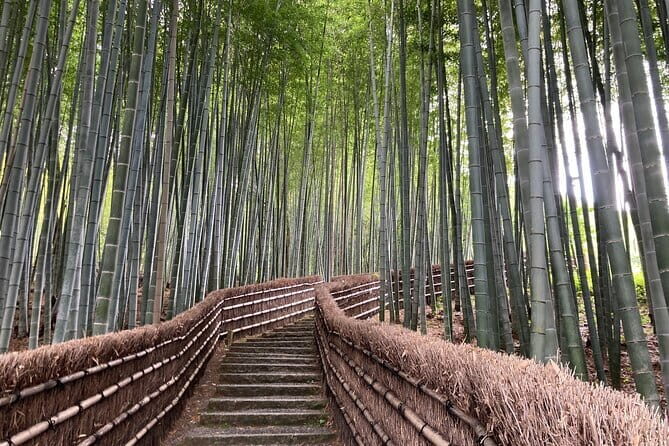
- The bamboo trails turn the walk into a visual rhythm: tall stalks, shifting light, and a sense of being in a different world.
Timing tip: bamboo places can get busy. If you’re booking a full day, your guide can often place Arashiyama where it fits your crowd tolerance.
Gion: Tatsumi Daimyo-jin Shrine and Tatsumi-bashi bridge
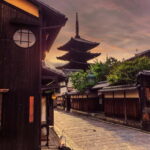
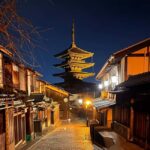
In Gion, the stops listed include Tatsumi Daimyo-jin Shrine and Tatsumi-bashi bridge on the River Shirakawa. The plan here is simple: you get the shrine moment, then you move to the bridge area for another set of iconic views.
If you like wandering, Gion can be a fun finish to the day because it feels like a neighborhood, not a single attraction. If you prefer structured stops, a guide still keeps it from turning into endless looping.
Getting around: public transit vs. private car (and why it changes your day)

The tour notes that public transportation isn’t included, but it does offer:
- Pickup (offered)
- An optional private car
- Proximity to public transport
This matters because Kyoto’s biggest problem for DIY sightseeing isn’t that the city is hard. It’s that you burn time. With a private car option, you can spend more energy on walking where it counts and less time moving between areas.
If you prefer public transit, the guide can still help you do it efficiently. The biggest payoff in either case is staying on schedule for your selected 2–3 or 4–5 stops.
Also, the tour includes bottled water, a small thing that adds up when you’re doing longer walking days.
Shopping, tea ceremony, and everyday Kyoto culture
One reason private guiding feels better than group tours is that Kyoto isn’t only monuments. It’s shops, fabrics, and small discoveries.
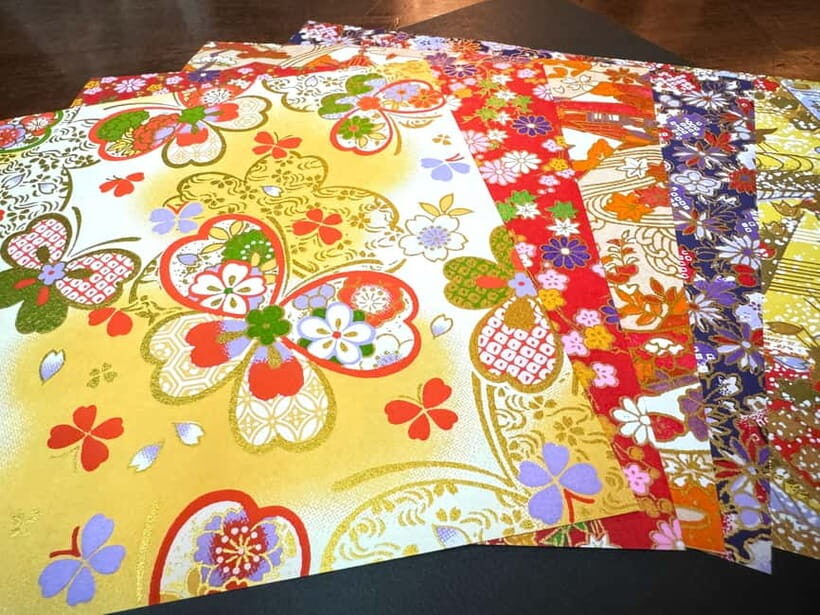
A review experience linked to this tour style includes a day where the guide helped with kimono/yukata shopping and then found a specific Japanese Giants hat the group wanted. That’s a great example of how your guide can treat your interests as part of the itinerary, not an afterthought.
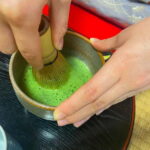
There’s also mention of a tea ceremony being very good and fitting the day well. The tour itself doesn’t guarantee you’ll do tea every time, but this is the kind of add-on your guide may be able to help plan if it matches your interests and the time window.
Practical note: many stores and restaurants in Japan only accept cash, so bring yen. Your guide can tell you where cash matters most as you go.
Lunch, entrance fees, and budgeting without stress
This is the part you should plan for up front.
Not included:
- Lunch
- Entrance fees (and if a guide accompanies you inside a facility, you may need to cover the guide’s entrance fee too)
What that means for you:
- Treat the published tour price as your guide + coordination package.
- Add a realistic lunch budget and a buffer for temple/shrine entries if you choose multiple ticketed sites.
Since the tour is flexible, you can also use your guide’s input to pick fewer paid-entry stops if you’d rather spend on food or shopping.
Who this private Kyoto tour is best for

This is a strong match if you want:
- A plan built around your interests, not someone else’s “must-sees”
- A guide who can explain what you’re looking at while still keeping the day moving
- Convenience through pickup and possibly a private car
- Time to mix famous sights (Inari, Golden Pavillion, Arashiyama, Gion) with softer moments (gardens, Kannon sites, neighborhood walking)
It may be less ideal if you:
- Prefer strict independence and don’t want to schedule anything
- Want a very fast “grab photos and run” day (most of these stops reward time, and the garden temples need patience)
For families, couples, and anyone who hates wasting time in lines, this private format can feel like a cheat code—Kyoto is too good to experience like a sprint.
Should you book this private Kyoto guide?
I’d book it if you want Kyoto to feel personal. The best value here is not just seeing famous places—it’s how a guide helps you connect them, keep your energy right, and add real-life moments like shopping and tea when it fits.
Book it especially if:
- You’re short on time and want smart routing
- You’d rather ask questions than Google everything at street level
- You like the idea of choosing 2–3 stops for a half-day or 4–5 for a full day
Think twice if you’re chasing only one or two sights and you’re comfortable DIY-ing the rest. In that case, a guide might feel like extra unless you really want the context and coordination.
If you’re ready for a Kyoto day that adapts to you, this is the kind of tour that turns “I saw Kyoto” into “I understood Kyoto.”
FAQ
How long is the private Kyoto tour?
You can choose a half-day of about 4 hours or a full-day of about 8 hours.
Can I choose which sights to visit?
Yes. For a 4-hour tour, you can choose 2–3 places. For an 8-hour tour, you can choose 4–5 places, and your guide can recommend options.
Do you provide an English-speaking guide?
Yes. An English-speaking guide is included.
Is pickup available?
Pickup is offered.
Is lunch included?
No. Lunch is not included, and you’ll pay for lunch together with your guide’s portion.
Are entrance fees included?
No. Entrance fees are not included, and if you want the guide to accompany you inside, you’ll pay the guide’s entrance fee as well.
Should I bring cash?
Yes. Many stores and restaurants in Japan only accept cash payments, so you should have some Japanese yen on hand.