REVIEW · IMPERIAL PALACE TOURS
Kyoto: Nijo Castle and Kyoto Imperial Palace Guided Tour
Book on GetYourGuide →Operated by Trip with Goku · Bookable on GetYourGuide
Kyoto history hits harder in person. This Nijo Castle and Kyoto Imperial Palace tour turns famous buildings into a clear story of power, art, and the politics of the old capital. I especially love how the guide connects the architecture to the people behind it, and I also like the seasonal garden views that make the palace feel distinctly Kyoto.
There is one consideration: the Kyoto Imperial Palace visit can be more exterior-focused on some days, so you’ll want to keep expectations flexible if you’re hoping to see every interior room.
In This Review
- Key things I’d look for on this tour
- Why Nijo Castle plus the Imperial Palace makes sense in 3 hours
- Meeting at Nakadachiuri Gate: start clean, stress less
- Nijo Castle and Ninomaru Palace: where power shows up in wood
- What to watch for during your visit
- The Art Gallery add-on: context you’ll remember later
- Kyoto Imperial Palace: grand form, and gardens that change with the season
- Seasonal note (especially if you love photos)
- The walk between sites: conversation is part of the experience
- Price and value: $63 for 3 hours with admissions included
- Guide quality is the real differentiator (names you might get)
- What to bring and what to wear (Kyoto has rules)
- Pace, group dynamics, and who this tour fits best
- Is it worth it? Should you book this Kyoto Nijo Castle + Imperial Palace tour
- FAQ
- Where is the meeting point for the tour?
- How long is the Kyoto Nijo Castle and Imperial Palace guided tour?
- What’s the group size?
- What’s included in the price?
- What languages are available?
- Is there anything you can’t wear?
- Is the tour suitable for pregnant women?
Key things I’d look for on this tour
- Small group (max 9) keeps questions from getting lost.
- Admission included for Nijo Castle, Ninomaru Palace, and the Art Gallery.
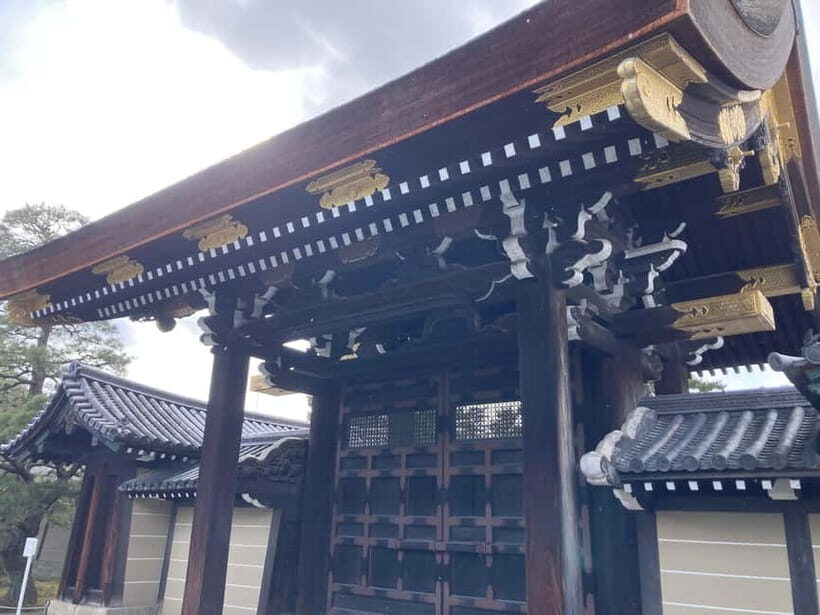
- Meeting at Nakadachiuri Gate of the Kyoto Imperial Palace makes the start easy to pin down.
- Seasonal palace gardens are part of the experience, not a quick glance.
- Multi-language guides (English, French, Spanish, Japanese, Portuguese, Russian) help you track the details.
- Camera time built in—and the route is walk-heavy enough that you’ll get more than one great angle.
Why Nijo Castle plus the Imperial Palace makes sense in 3 hours
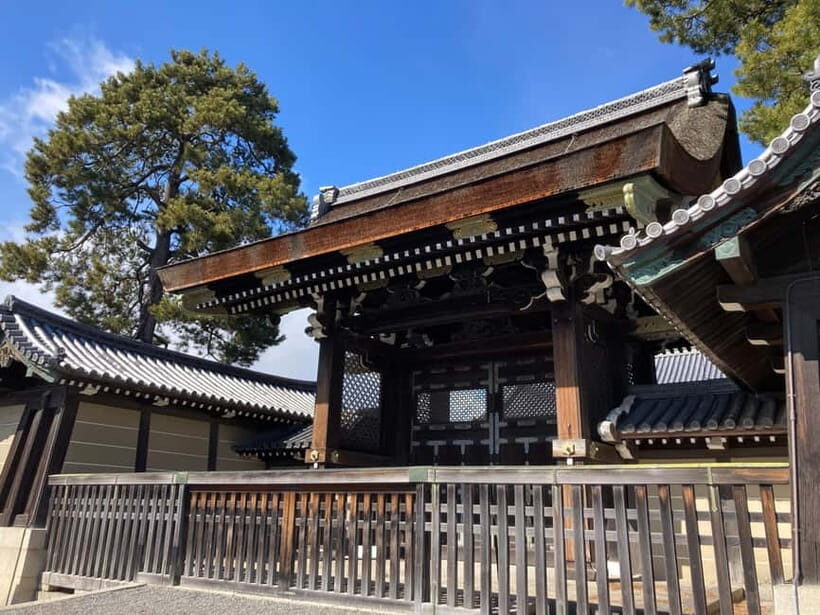
If you’re short on time in Kyoto (or you just don’t want to spend days playing museum-and-map roulette), this pairing works. Nijo Castle is all about authority—how a ruling class looked, moved, and protected its position. Then the Kyoto Imperial Palace brings you to the other side: court culture, refined aesthetics, and gardens designed to change with the seasons.
The best part is that you’re not only “seeing two places.” You’re getting a guided explanation of what those places meant politically and aesthetically in their day. That’s how the tour feels efficient rather than rushed.
The tour also keeps a human pace. You’re walking, listening, and stopping for context, instead of sprinting between photo backdrops.
You can also read our reviews of more guided tours in Kyoto

Meeting at Nakadachiuri Gate: start clean, stress less
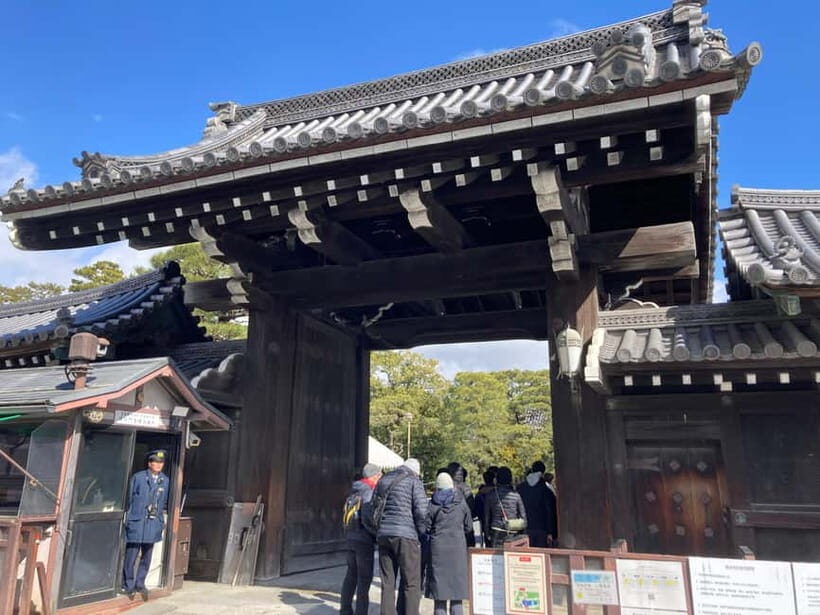
The tour begins at the Nakadachiuri Gate of the Kyoto Imperial Palace. That matters because Kyoto has lots of gates, entrances, and signage that can look similar when you’re tired. Starting at one specific gate helps you find your group quickly.
You’ll also get help identifying your guide in advance. The organizer contacts you ahead of time with what the guide will look like and what they’ll be wearing. In practice, this kind of small detail saves you from the awkward 10-minute wait where you wonder if you’re in the wrong place.
Nijo Castle and Ninomaru Palace: where power shows up in wood
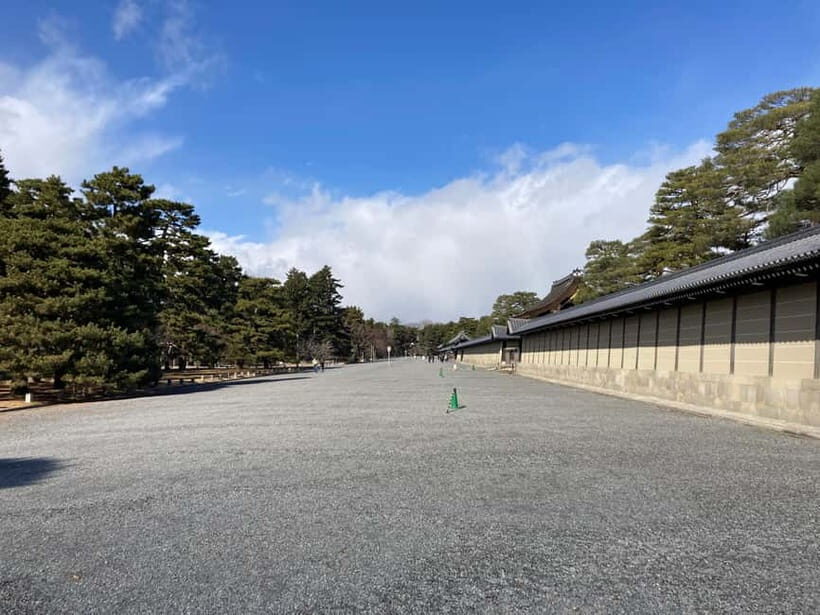
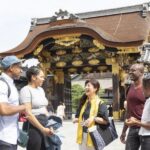
Nijo Castle is famous for its message: the shogunate’s strength was meant to feel obvious. Walking through the grounds with a guide changes the visit from pretty buildings into political theater.
You’ll see lavish interiors and intricate details that are there for a reason: to signal power and control. The tour’s approach is simple—your guide explains what you’re looking at and why it was built that way, so your brain can organize the sights. You’re not just taking in carvings; you’re learning how design and authority were linked.
One thing I like about this stop is that the guide doesn’t treat the castle as a static object. You get the political climate of the time tied directly to the spaces. That makes the walk through rooms and halls feel like it has a timeline, not just stops.
What to watch for during your visit
Nijo Castle is one of those places where small design choices matter. Keep an eye on:
- How spaces are laid out to control movement and view lines
- Decorative elements that emphasize status
- The contrast between “grand” and “strategic” features
If you care about architecture, this is the point where the tour tends to feel most satisfying.
The Art Gallery add-on: context you’ll remember later
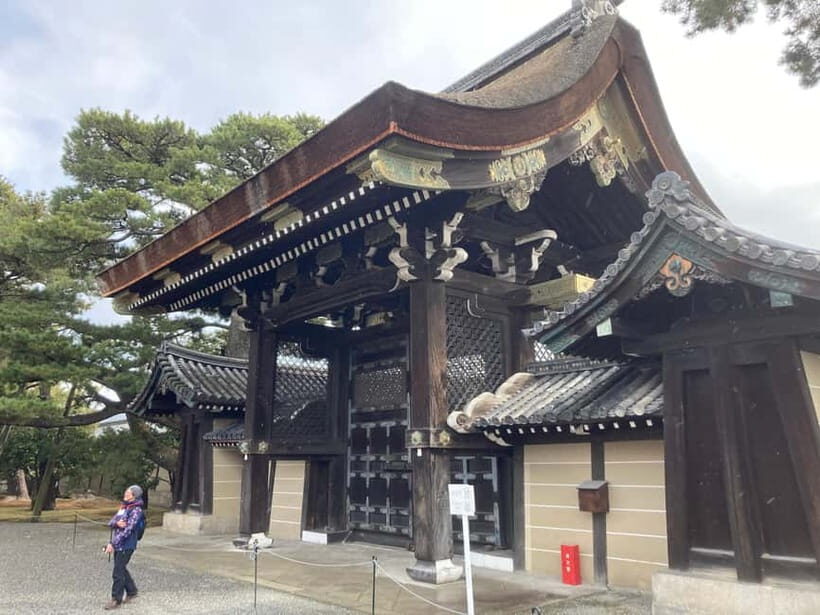
Included admissions cover not only the main castle experience but also the Art Gallery. That gallery time is valuable because it helps you interpret what you’re seeing at Nijo Castle as more than “old.” Art becomes a language—used by elites to express taste, rank, and cultural alignment.
You don’t need to be an art expert for this part to work. The guide’s job is to translate the details into plain meaning: what to notice and how it connects to the era and the court/shogunate world around it.
If you like learning through visuals, this stop gives you a breather from the heavier “power politics” tone, while still keeping the theme consistent.






Kyoto Imperial Palace: grand form, and gardens that change with the season
The Kyoto Imperial Palace visit is about the heart of Japanese cultural style—grand architecture, refined atmosphere, and gardens that are built to show seasonal beauty. Even when you’re only spending a portion of time outside and around key areas, the gardens can do the heavy lifting for mood.
A guide helps you see the gardens like a design choice rather than background scenery. The tour emphasizes how the gardens were planned to highlight the time of year—so you’re not just admiring greenery, you’re learning what the designers wanted you to feel at that moment.
Seasonal note (especially if you love photos)
One of the best reasons to time a trip to Kyoto is spring. The tour route includes time around charming streets and traditional townhouses, plus a spot known for cherry blossoms. Even if the blooms aren’t at peak for your date, the guided explanation helps you notice why people photograph these areas in the first place.
Camera-friendly scenery is basically baked into the experience, but the real win is that you’ll know what you’re photographing and why it matters.
The walk between sites: conversation is part of the experience
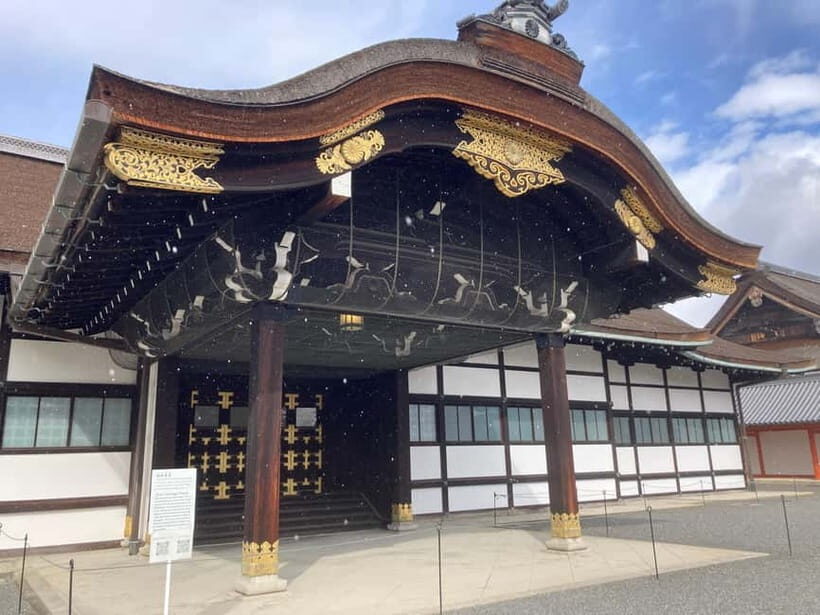
This tour isn’t only “stand and listen.” You spend time walking, and that’s where the guide energy can really shine.
In one example, the guide used the travel time (including a longer walking segment) to chat about cultural differences—linking what you’re seeing in Kyoto to how people in other places think about history and everyday life. That kind of discussion makes the tour feel personal, even if you’re in a group.
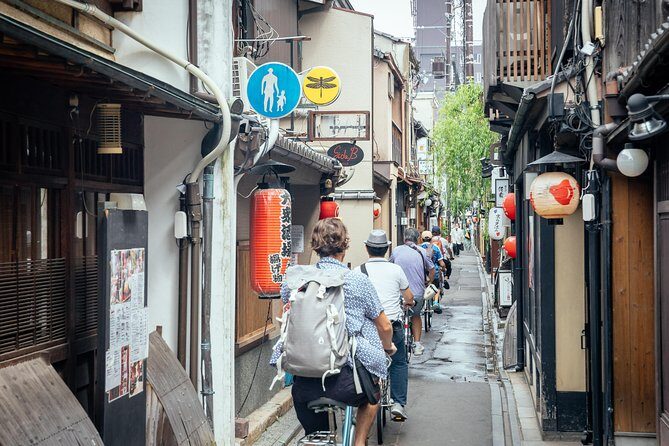
Walking also means you’ll catch the softer side of Kyoto: traditional townhouses and little street moments that are easy to miss if you’re racing between bus stops. You’ll also get a clearer sense of the city’s rhythm, which makes later self-guided exploration easier.
Price and value: $63 for 3 hours with admissions included
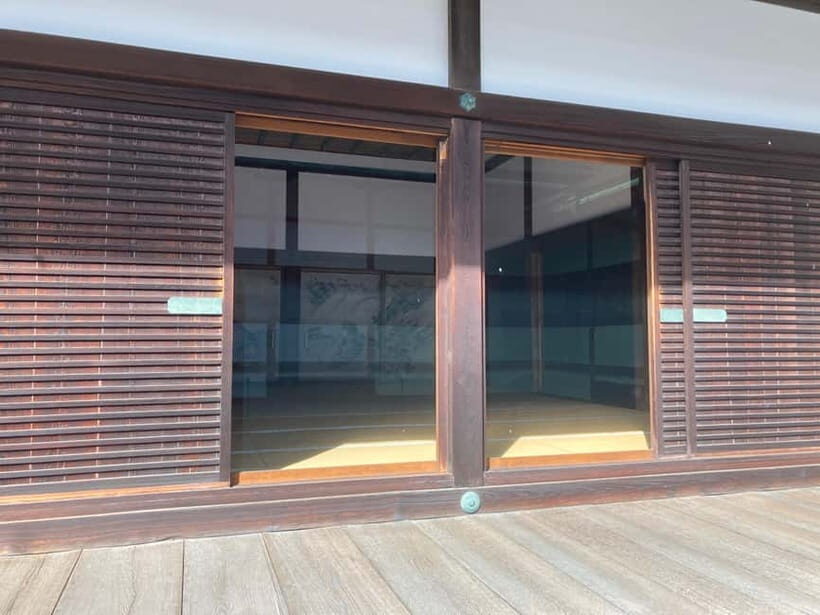
At $63 per person for about 3 hours, you’re paying for two things: a focused route through major sites and a guide to help you understand what’s behind them. What makes the price feel fair is that admissions are included—Nijo Castle, Ninomaru Palace, and the Art Gallery—so you’re not piecing together ticket costs mid-trip.
Small group size also matters here. With a limit of 9 participants, you’re more likely to get answers instead of waiting for the guide to finish a pre-planned script. And because the guide spends time explaining politics, architecture, and cultural context, the tour feels like you’re buying understanding, not just entry.
If you’re traveling solo, this structure is also helpful. One guide even helped a solo traveler with photos, which is the kind of practical kindness that turns a “ticket” into a memory.
Guide quality is the real differentiator (names you might get)
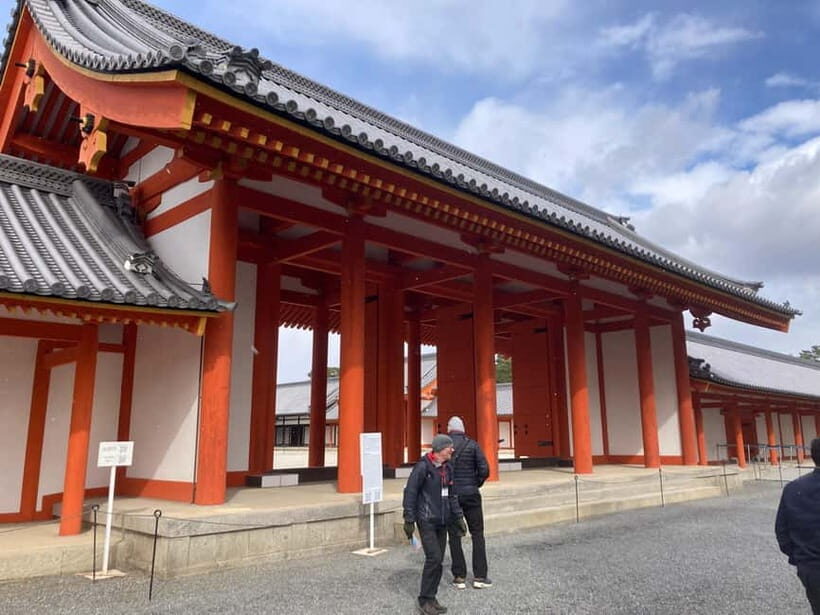
The most consistent theme across experiences is the guide. Different guides have different styles, but the common thread is energy, clarity, and willingness to answer questions.
You may meet guides like:
- Kayo, praised for being informative and funny while keeping the pace light
- Nene, praised for clear explanations and thoughtful adaptability
- Taku, praised for balancing history, architecture, and local tips
- Goku, praised for strong English, detailed answers, and helpful local suggestions after the tour
A practical tip: if you have specific interests—architecture, politics, art, photography—say it early. Several guides are described as tailoring the visit and adjusting to mixed group interests, which is exactly how you get value out of a short 3-hour window.
What to bring and what to wear (Kyoto has rules)
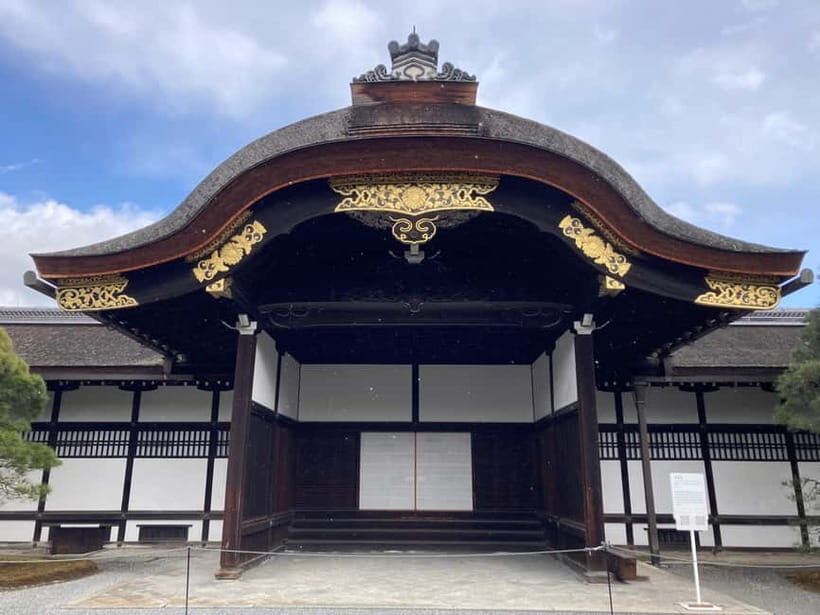
Bring:
- Camera (you’ll want it)
- Cash (the tour notes cash as useful)
Wear:
- Comfortable shoes, since it’s a walking experience
Rules to respect:
- No shorts. The tour explicitly says shorts aren’t allowed, so dress accordingly.
- The tour is not suitable for pregnant women, so plan around that if needed.
Kyoto sites can be strict about dress code and comfort. I’d rather show up a bit more covered and prepared than spend the day worrying.
Pace, group dynamics, and who this tour fits best
With a 3-hour duration and a maximum of 9 people, this tour is best when you want:
- A guided explanation at top Kyoto landmarks
- A manageable schedule that doesn’t eat your whole day
- Direct answers from a guide instead of reading alone
It also works well for mixed interests. One of the strengths described is how guides handle groups where some people want history while others want photos. The tour still delivers a serious political and architectural narrative, but you shouldn’t feel like you’re trapped only in lecture mode.
Who should book:
- First-timers who want the “big picture” fast
- History lovers who enjoy understanding the human logic behind buildings
- Travelers who like gardens and seasonal scenery
- Solo travelers who appreciate a small group and photo help
Is it worth it? Should you book this Kyoto Nijo Castle + Imperial Palace tour
If you have limited time in Kyoto and want two of the city’s most important sites explained in a way that connects politics, design, and culture, I think this booking makes sense. The admissions are included, the group stays small, and the guide role isn’t an afterthought—it’s the main reason the experience lands well.
I’d pause before booking only if your top priority is maximum interior access at the Imperial Palace. Some experiences note that the palace portion can be more exterior-focused. If you’re flexible and you’re happy learning through gardens, architecture, and guided context, you should be in the right lane.
FAQ
Where is the meeting point for the tour?
The meeting point is the Nakadachiuri Gate of the Kyoto Imperial Palace.
How long is the Kyoto Nijo Castle and Imperial Palace guided tour?
The tour duration is 3 hours.
What’s the group size?
The tour is a small group, limited to 9 participants.
What’s included in the price?
The tour includes a professional guide, admission tickets for Nijo Castle, Ninomaru Palace, and the Art Gallery, and the walking tour experience.
What languages are available?
Guided tours are available in English, French, Spanish, Japanese, Portuguese, and Russian.
Is there anything you can’t wear?
Shorts are not allowed.
Is the tour suitable for pregnant women?
No. It is not suitable for pregnant women.
If you want, tell me your travel month and whether you care more about architecture, politics, or photos—and I’ll suggest the best way to time your Kyoto day around this tour.