REVIEW · KYOTO
Kyoto Ume Liqueur Experience with CHOYA – Make Your Souvenir
Book on GetYourGuide →Operated by CHOYA shops株式会社 · Bookable on GetYourGuide
Umeshu gets personal with one hour of mixing. In Kyoto, CHOYA’s English ume concierge walks you through the tradition of ume, then helps you taste different plum and sugar options before you create your own ume syrup and/or umeshu kit. You get hands-on mixing, a guided explanation of what you’re doing, and a take-home bottle that’s packed for safe travel.
Two things I especially like: first, the structured tasting lets you build a flavor you actually want, not just copy a preset. Second, the workshop ends with a souvenir you can bring home without playing customs roulette, since it comes sealed and boxed properly. The main drawback to plan around is the age rule, since making umeshu is limited to age 20+ and sessions start promptly if you’re late.
In This Review
- Key Points Worth Noting Before You Go
- What You’re Really Making: Umeshu vs Ume Syrup
- Inside CHOYA’s Kyoto Workshop: Beautiful Space, Small Group, Clear Flow
- The Best Part: Tasting Ume Varieties and Sugar Pairings
- Mixing Step-by-Step: Hands-On Umeshu or Ume Syrup
- Your Souvenir at Home: When It’s Ready and How It Travels
- Price and Value: Is $31 Worth It in Kyoto?
- Rules, Timing, and Tiny Details That Save You Stress
- Who Should Book This Kyoto Ume Liqueur Experience
- Should You Book It?
- FAQ
- How long is the Kyoto CHOYA ume workshop?
- What can I make in the workshop?
- Does the workshop include tastings?
- Is there an English guide?
- How much does it cost?
- Is the group large?
- Who can participate if I’m traveling with kids or teens?
- Can I take photos during the workshop?
- When will my drink or syrup be ready at home?
- Will I be able to take the bottle on the plane?
Key Points Worth Noting Before You Go
- English CHOYA guidance: An on-site concierge helps you understand ume culture and your ingredients step by step.
- Tasting before mixing: You compare ume varieties and sugar pairings, then choose your own combination from about 100 options.
- One-hour format: You’ll create either ume syrup or umeshu during the session, with the rest handled by time (and your bottle).
- Photo-friendly workshop: You can take pictures anytime during the experience.
- Travel-ready packaging: Leak-proof sealing, a durable box, and customs help in product specification sheets.
What You’re Really Making: Umeshu vs Ume Syrup
This is a focused, hands-on Kyoto workshop with one job: help you make a delicious bottle of ume-based goodness. You’ll be choosing between two closely related results—umeshu (Japanese plum liqueur) and ume syrup—using an easy kit designed for visitors.
The difference matters for your planning at home. Umeshu needs more patience: you’ll have it ready in about one month. Ume syrup is quicker, with a timeline of about one week, so it’s often the better choice if you want something sooner after your trip.
What you’ll do during the session also affects your decision. The workshop lets you taste and compare ume and sugar pairings, then you make the selected bottle by hand. If your group wants both ume syrup and umeshu, you’ll need to book separately for each making option, since the process is split.
There’s also an age consideration that’s worth taking seriously. If someone is under 20, they can still participate in making ume syrup, but making umeshu is limited to age 20 or older. If you’re traveling with teens, this is one of the easiest ways to keep everyone included without bending the rules.
You can also read our reviews of more tours and experiences in Kyoto.

Inside CHOYA’s Kyoto Workshop: Beautiful Space, Small Group, Clear Flow
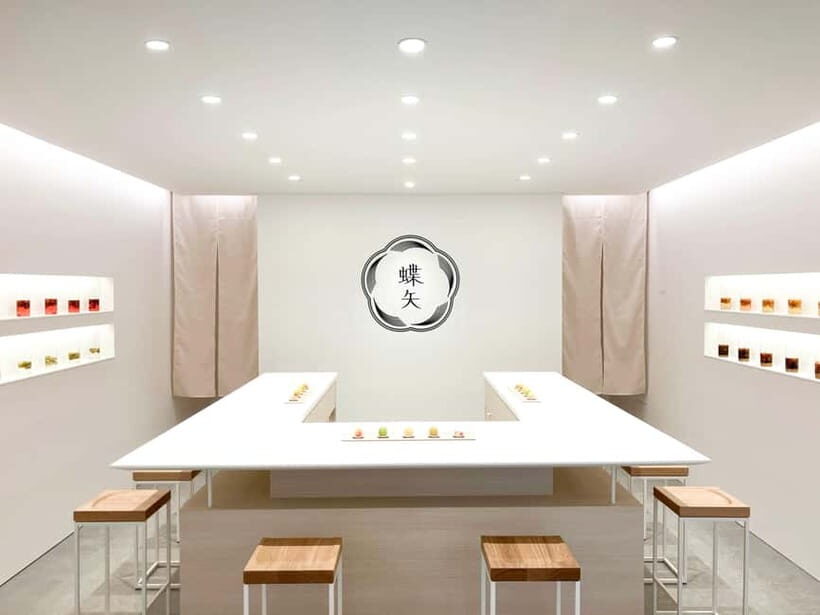
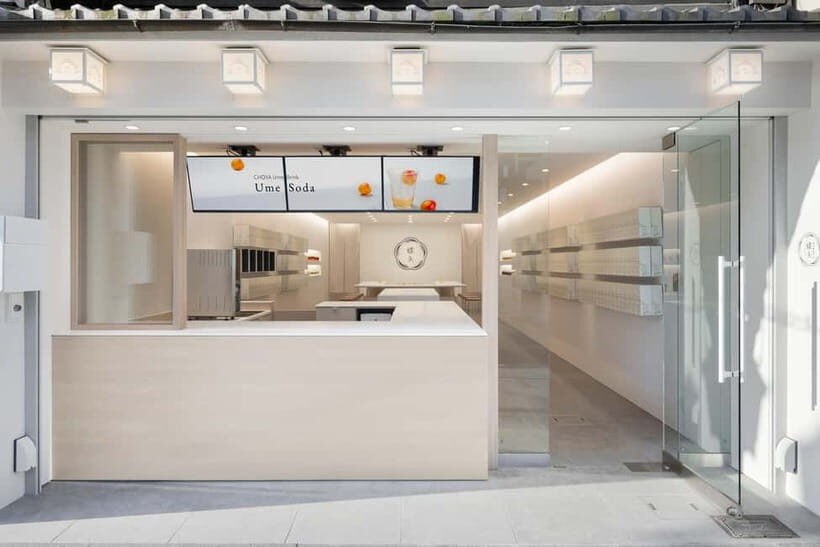
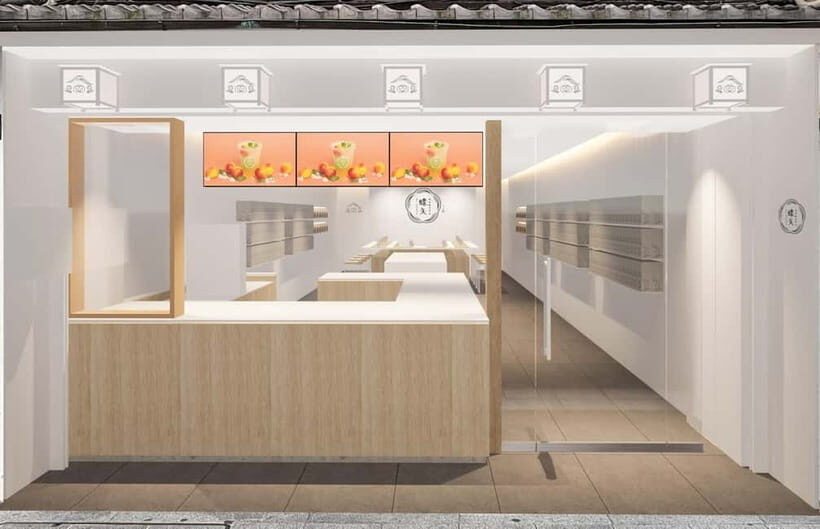
The setting feels intentionally made for a calm workshop, not a rushed tourist stop. You’re in a CHOYA shop environment where the staff guide you with an English concierge approach, and the group size is limited to 10 participants. That small-group limit shows up in how smoothly the session moves and how easy it is to ask questions when you’re tasting and mixing.
Before you start mixing, you’re not just handed a kit and told to go. You get booklets in multiple languages (English available, plus Chinese and Japanese). The whole experience is built around pairing the Japanese ume tradition with a format that works for overseas visitors—so you can leave understanding what you made, not just walking away with a bottle.
The session timing is also straightforward. It’s designed as a 1-hour workshop, so you can fit it into a Kyoto day without sacrificing half your afternoon. One caution: sessions start promptly with other guests, so you want to arrive on time and avoid the stress of catching up or missing part of the program.
The Best Part: Tasting Ume Varieties and Sugar Pairings
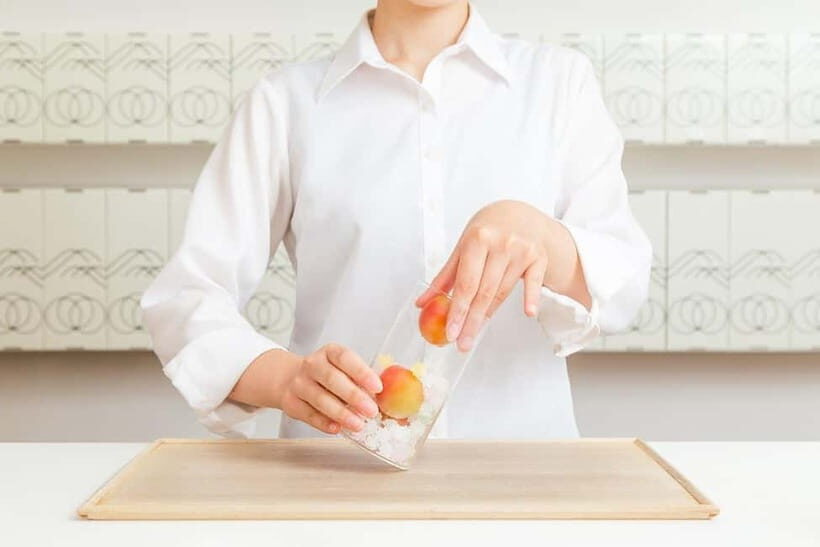
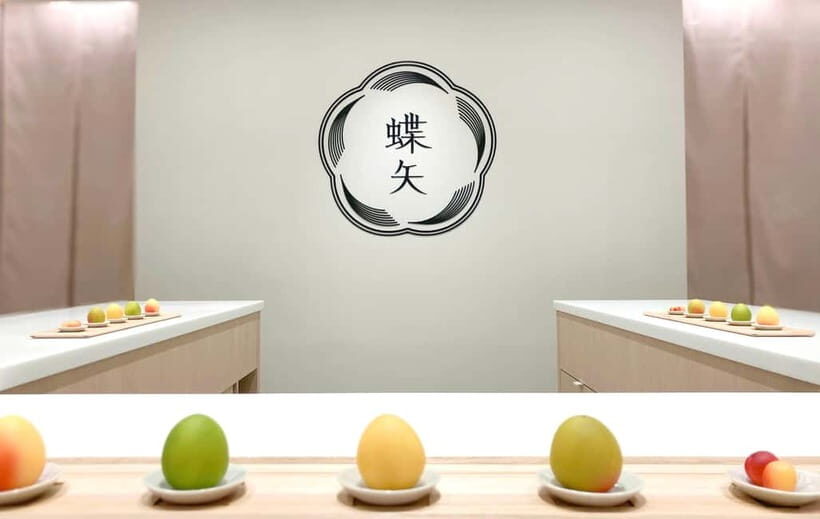
If you care about flavor, this is where the workshop shines. Instead of choosing blindly, you taste different ume options and different sugars. That matters because ume flavor isn’t one-note. Depending on the type of plum and the sugar, the balance can shift from bright and tart to softer and rounder.
You’ll use those tastings to decide your combination. The experience offers a big selection—about 100 combinations—which means you’re not just picking a generic “plum plus sugar” mix. You’re building a pairing that fits what you like.
This is also where the English instruction becomes practical. The guide explains the ume and how the sugar choice affects your finished drink or syrup. Even if you’re new to ume, you’re not left guessing. You taste, you compare, you choose.
One extra benefit: you’ll likely be surprised by how much sugar style can change the final result. In a one-hour format, this tasting phase gives you real value. It’s the difference between a souvenir you bought and a souvenir that feels personal.
Mixing Step-by-Step: Hands-On Umeshu or Ume Syrup
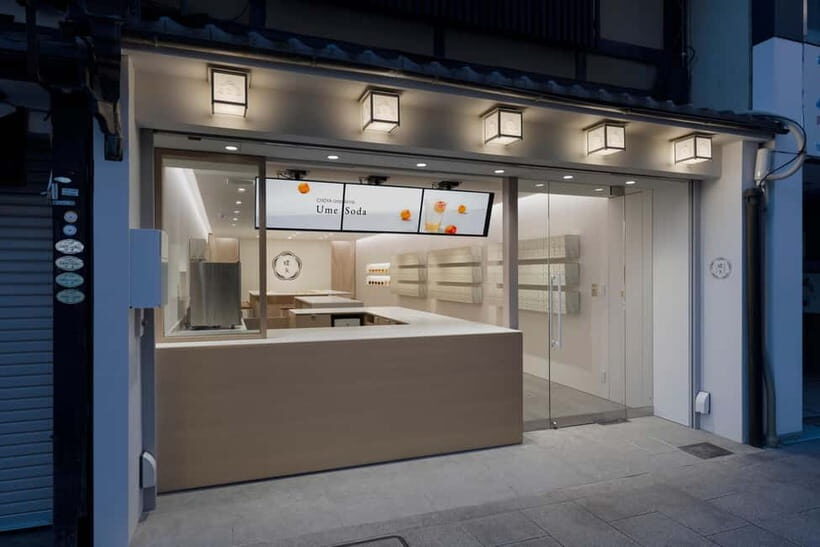
Once you’ve chosen your combination, the workshop shifts from tasting to making. You’ll place your order for your chosen mix, then use the provided kit to make your unique bottle by hand. This is not complicated, but it is hands-on in the satisfying way—like you’re assembling something rather than watching it happen.
Here’s what the flow looks like in practice:
- You confirm what you’re making (umeshu or ume syrup, depending on your session).
- You use the kit instructions and the guide’s step-by-step support to combine your ingredients.
- You get time to take photos during the process.
- You finish with sealing and packaging so the bottle is safe for transport.
The sealing step matters more than it sounds. Your bottle gets capped with a leak-proof cap and then packed in a durable box for air travel. If you’ve ever had liquids shift in luggage, you know why this is a big deal. You’re not just making something; you’re preparing it to survive the trip home.
There’s also a built-in “sensory finish.” The workshop includes a chance to enjoy your perfect glass, so you’re not ending with only the takeaway bottle. You get to experience the flavor concept in the workshop setting before you go.
One more practical point: the rules are clear about what’s allowed during the session. Food and drinks aren’t allowed, and you should plan to keep things alcohol-free in terms of behavior—no intoxication. Audio recording is also not allowed, so if you like to document every step, stick to photos.
Your Souvenir at Home: When It’s Ready and How It Travels
The workshop’s take-home value isn’t just that you get a bottle. It’s that the bottle is planned for real life after Kyoto.
First, you get the timeline:
- Umeshu: ready in about one month
- Ume syrup: ready in about one week
Second, you get travel protection:
- the bottle is sealed leak-proof
- it’s packed in a durable box intended for safe air travel
Third, you get the customs-friendly documentation. Product specification sheets for customs clearance are available on the website. If you’ve had any fear about flying with food or drink ingredients in your luggage, this is the kind of detail that makes the whole trip feel smoother.
There’s one instruction you should treat like a rule, not advice: do not remove the silicone cap. Keep it packed in the box for safe air travel. That small step protects the seal and reduces the risk of leakage.
Finally, there’s the “storage after the workshop” question. This workshop doesn’t include post-creation storage or shipping. So if you want to bring the bottles home yourself, you’re good. If your plan is to store or ship things, you’ll need to handle that separately.




Price and Value: Is $31 Worth It in Kyoto?
At about $31 per person for a 1-hour experience, you’re paying for three things that many DIY-style travel activities don’t combine well: guided education, structured tasting, and a properly prepared souvenir you can take home.
Here’s the value logic I’d use:
- If you just wanted a bottle of ume product, you could buy one. But you’d miss the tasting and the guided explanation of ume/sugar pairing.
- If you only wanted a hands-on workshop, you might pay a similar amount elsewhere and still end up with a souvenir that’s annoying to transport.
- This workshop bundles the tastings, the making, and the packaging, so you get a finished product that fits your travel reality.
The small-group format (up to 10 participants) also supports the value. It’s not a massive line of people. You get attention and English guidance during the key moments: tasting, choosing, mixing, and sealing.
If you’re a CHOYA fan, this experience also has extra appeal. It ties you to a company that’s been making ume for a long time, and the workshop is clearly designed around that expertise.
Rules, Timing, and Tiny Details That Save You Stress
A smooth workshop day in Kyoto is mostly about planning around a few clear boundaries.
Arrive on time. Sessions start promptly with other guests. If you’re running late, contact the store via email. Depending on timing, you may not be able to participate in part or all of the program.
Plan for age limits. Umeshu making is limited to those 20 and older, while guests 19 and under can make ume syrup and participate. If your group has mixed ages, decide which session type fits each person.
Know what’s not allowed. Food and drinks aren’t allowed, intoxication isn’t allowed, audio recording isn’t allowed, and bare feet aren’t allowed. Those are simple rules, but they matter in a shop environment.
Consider separate bookings. If you want both umeshu and ume syrup making in the same group, book separately for each option.
Be ready to travel with liquids. The bottle comes sealed and boxed for air travel, but you still want to treat it carefully in your luggage. Keep it in the included box and don’t remove the silicone cap.
If you follow those points, you’ll likely find the experience feels easy and orderly. That’s the goal of a well-run workshop.
Who Should Book This Kyoto Ume Liqueur Experience
This is a great match if you want a Kyoto souvenir with meaning, not just a label.
Book it if you:
- love Japanese flavors and want something unmistakably local
- enjoy learning how ingredients work (tasting and comparing is the core)
- want an English-guided hands-on activity that takes only an hour
- care about travel-friendly packaging for the bottle you’ll bring home
- are a CHOYA fan or just want a reputable, long-running brand experience
It’s also a smart choice for food-minded visitors traveling with friends. The small group format makes it easy to share the tasting experience and swap ideas about which sugar and ume pairings you liked.
Rethink it if:
- you need something that finishes in days, because umeshu takes about a month
- you’re bringing someone under 20 who specifically wants to make umeshu (they can make ume syrup, though)
- you prefer not to follow shop rules about audio recording or allowed items
Should You Book It?
I’d book this Kyoto ume workshop if you want a souvenir that tastes different because you chose it, not because it came in a bag. The combination of tasting before mixing, English guidance, and travel-ready packaging makes the $31 price feel fair for what you get in one hour.
If you’re on the fence, decide based on timing and age. Ume syrup is ready faster, umeshu takes longer, and age rules shape who can make which. When those fit your plans, this is one of those Kyoto experiences that leaves you with a bottle and a story you can actually explain.
FAQ
How long is the Kyoto CHOYA ume workshop?
It lasts 1 hour.
What can I make in the workshop?
You can make umeshu and/or ume syrup, depending on the session you choose.
Does the workshop include tastings?
Yes. You’ll taste and compare different types of ume and different sugars to find your preferred pairing.
Is there an English guide?
Yes. The workshop includes an English-speaking guide from CHOYA’s Ume Concierge.
How much does it cost?
The price is $31 per person.
Is the group large?
No. It’s a small group limited to 10 participants.
Who can participate if I’m traveling with kids or teens?
Guests aged 19 and under can participate and make ume syrup. Umeshu making is limited to those 20 years of age or older.
Can I take photos during the workshop?
Yes, you can take photos anytime.
When will my drink or syrup be ready at home?
Umeshu is ready in about 1 month, and ume syrup is ready in about 1 week.
Will I be able to take the bottle on the plane?
Yes. The workshop seals your bottle with a leak-proof cap and packs it in a durable box for safe air travel. Product specification sheets for customs clearance are also available on the website.