REVIEW · WORKSHOPS
Kyoto: Mindfulness Origami Workshop, Limited 6/8–6/10
Book on GetYourGuide →Operated by Gojo Paradiso · Bookable on GetYourGuide
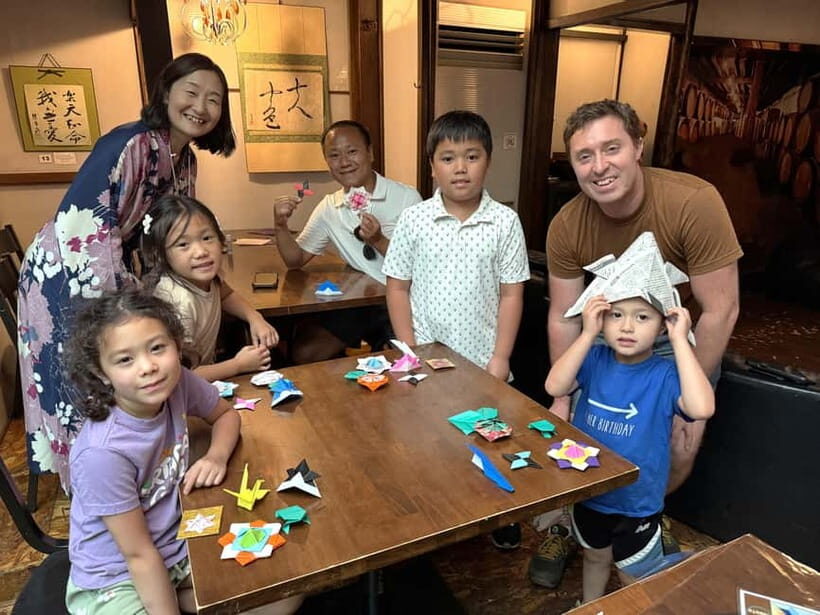
Origami in Kyoto is calming in a way you can feel fast. This Mindfulness Origami Workshop at GojoParadiso turns paper folding into a gentle focus exercise, with simple designs and plenty of encouragement from a professional instructor. You leave with a keepsake you made, plus a group photo to remember the hour.
Two things I really like about it: the small group size (up to 10) means you can actually get help if a step stumps you, and the workshop builds concentration through the rhythm of folding rather than chasing perfection. It also feels family-friendly, so you’re not stuck in a stiff, overly formal activity.
One possible drawback: if you’re hoping for a long, complex origami course, this is a 1-hour introduction, so your results will be meaningful, but not massive or highly intricate.
In This Review
- Key Things To Know Before You Fold
- Kyoto Mindfulness Origami: Why This Is More Than a Craft
- GojoParadiso on Kiyamachi Street: Getting There Without Stress
- The One-Hour Flow: What You’ll Do From Start to Finish
- Learn the Basics: Simple Techniques With Real Satisfaction
- Paper Choice: Colored Sheets or Traditional Patterns
- Mindfulness Origami Meditation: Calm You Can Actually Keep
- The Instructor and Small Group Advantage (Up to 10 People)
- What You Take Home: Keepsake and Photo Memory
- Price and Value: How $29 Makes Sense for Kyoto
- Who This Workshop Fits Best
- Practical Tips Before You Go
- Should You Book GojoParadiso’s Mindfulness Origami Workshop?
- FAQ
- Where is the workshop located?
- How far is it from public transit?
- How long is the workshop?
- What does the price include?
- What languages are offered?
- Is it a small group?
- Can I choose the type of paper?
- What will I make and take home?
- Is there a group photo?
- Is wheelchair access available?
- What is the cancellation policy?
Key Things To Know Before You Fold
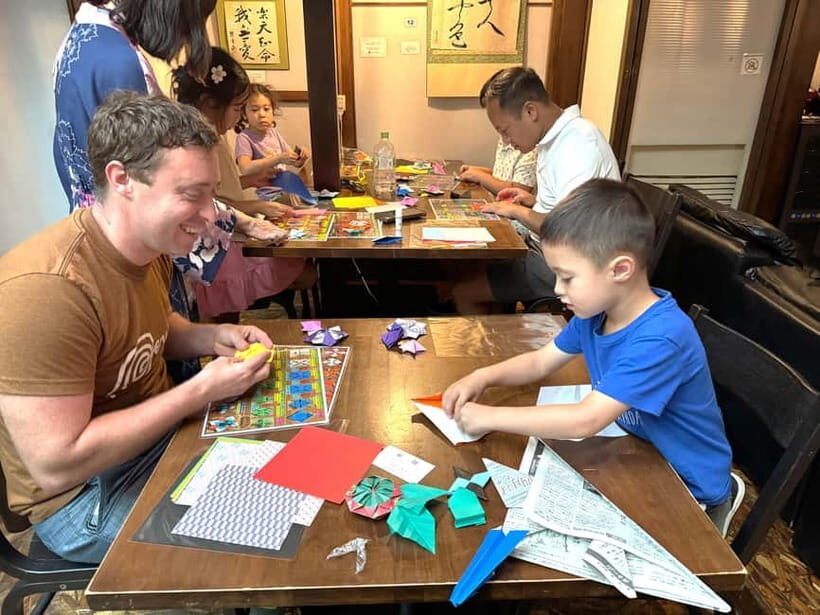
- Small group (max 10): enough attention without the chaos
- Professional instructor with English and Japanese: guidance that keeps you moving
- Mindfulness approach: focus on folding rhythm, not perfection
- Paper choice: vibrant colored paper or traditional Japanese-designed paper
- Take-home work + group photo: you leave with memories and a souvenir
Kyoto Mindfulness Origami: Why This Is More Than a Craft
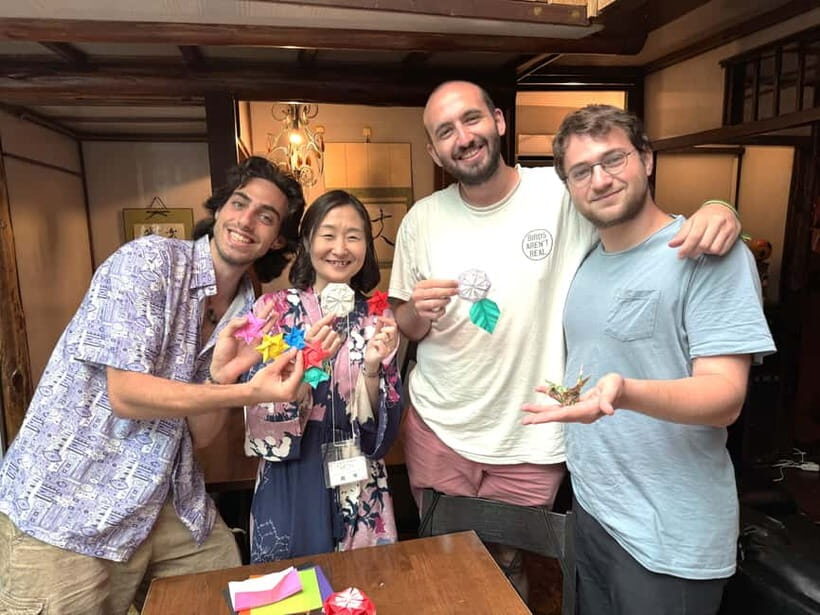
Kyoto already has a slower pace in your bones, and this workshop leans into that. You’re not just making shapes. You’re learning how to steady your attention while your hands do the work, then calming down as the model comes together.
What makes it work is the mix of structure and ease. You get basic techniques and a small set of designs to learn, but the emphasis stays on the process. That matters because origami can be frustrating when you’re rushing. Here, the goal is to stay present and keep folding through the tricky parts.
This also feels like a genuine cultural experience, not a touristy add-on. Japanese origami has a long tradition of craft, and this version adds the mindfulness angle so it connects to everyday calm, not just decoration.
You can also read our reviews of more tours and experiences in Kyoto


GojoParadiso on Kiyamachi Street: Getting There Without Stress
The workshop meets at GojoParadiso, along the Takase River on Kiyamachi Street. It’s about a 5-minute walk from Keihan Kiyomizu Gojo Station and around 10 minutes from Keihan Shichijo Station, with the venue listed as roughly 386 meters from Kiyomizu Gojo Station.
In real-life terms, that walk is short enough that you won’t feel hurried, even if you’re adjusting to Kyoto transit. The biggest tip: give yourself a few extra minutes to find the river-side location and settle in before the group starts.
If you’re planning your day, build this like you would a museum visit: arrive a touch early, use the walk as a slow warm-up, and let the workshop be a break from temple crowds and shop lines.
The One-Hour Flow: What You’ll Do From Start to Finish
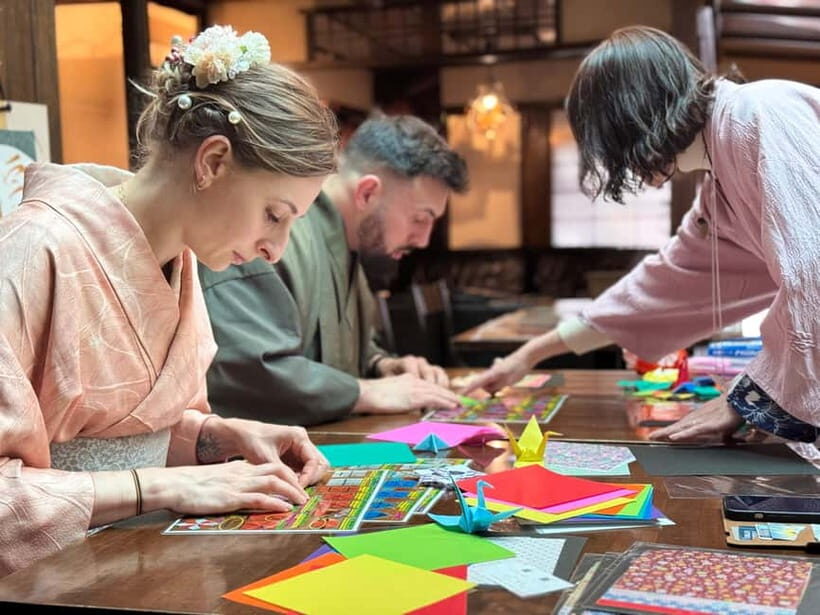
This is a 1-hour session designed for beginners and people who just want a relaxing activity. With origami, timing matters because your brain needs enough time to learn the first folds without getting overwhelmed.
Here’s the typical shape of the hour based on what the workshop teaches:
First, you get introduced to the basics. You’ll learn basic origami folding techniques and traditional designs. The workshop specifically mentions starting points like cranes, which is a good choice because it’s recognizable, practical for learning, and not too wild to tackle in a short session.
Next comes the mindfulness part. You’ll focus on folding as a rhythm—concentration through repetition. The workshop frames it like origami meditation, where the act of folding becomes a way to calm the mind rather than a test of skill.
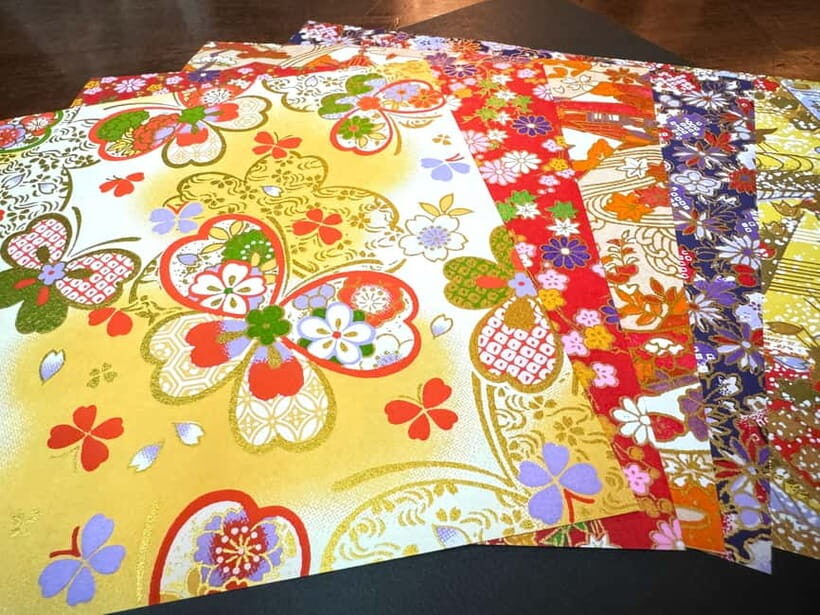
Then you choose what paper you want to work with. You can pick vibrant colored paper or traditional Japanese-designed paper, and you’ll see how changing the sheet changes the feel of the final model.
Finally, you wrap it up by showing what you made. You’ll have a commemorative group photo, and you’ll take your creations home as a souvenir. That last step is underrated: leaving with something you made turns the hour from an activity into a story you can carry.
Learn the Basics: Simple Techniques With Real Satisfaction
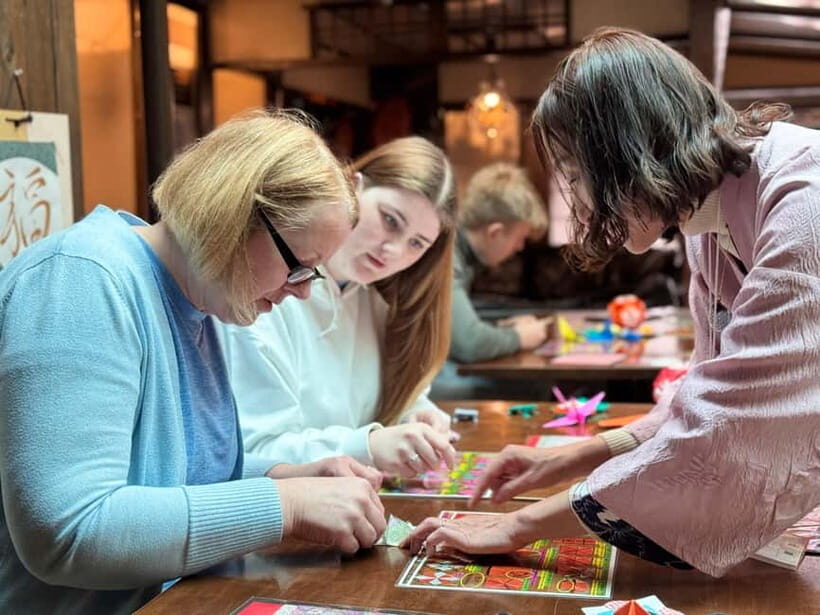
Even if you’ve never folded paper before, you won’t be thrown into an advanced lesson. The focus is on basic techniques and traditional patterns under the guidance of a professional origami instructor.
What you gain from this matters more than the specific model. The session is built to teach you how to follow folding instructions, how to manage creases, and how to keep going when a step gets confusing.
The reviews also point to the way instructors handle the moment you get stuck. People describe the teaching style as kind, clear, and patient, with help when someone stalls at a particular fold. That’s exactly what you want in a short workshop, where your confidence can make or break the experience.
Paper Choice: Colored Sheets or Traditional Patterns
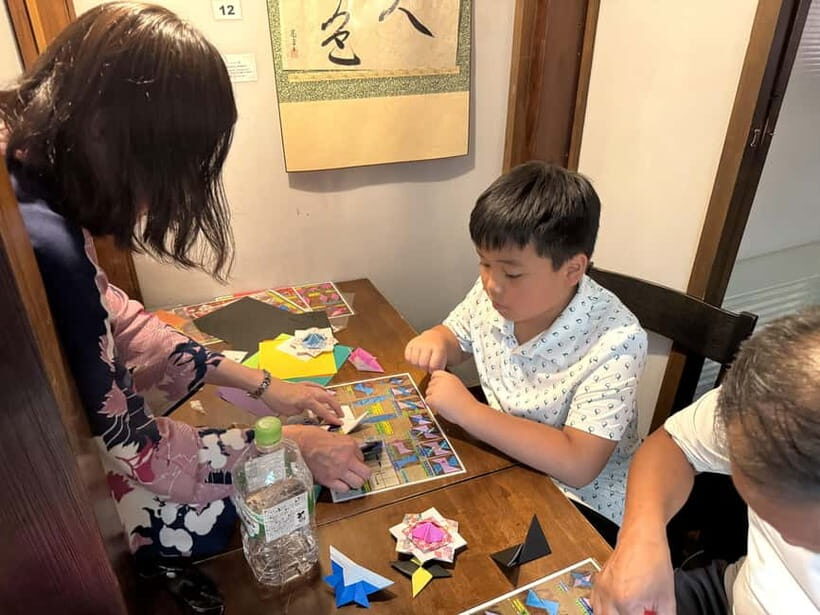
One of the most fun parts is getting to choose your paper. The workshop offers either vibrant colored paper or traditional Japanese-designed paper.
This changes the experience even if the folds are the same. Bright paper makes the model feel playful and easy to photograph. Traditional patterns add a quieter, more “Kyoto” mood to the piece, and it can make your final take-home item feel more special than a plain sheet would.
If you’re traveling with family or friends, paper choice is also a low-effort way to personalize the session. Everyone can end up with something that looks different without you needing different instructions.






Mindfulness Origami Meditation: Calm You Can Actually Keep
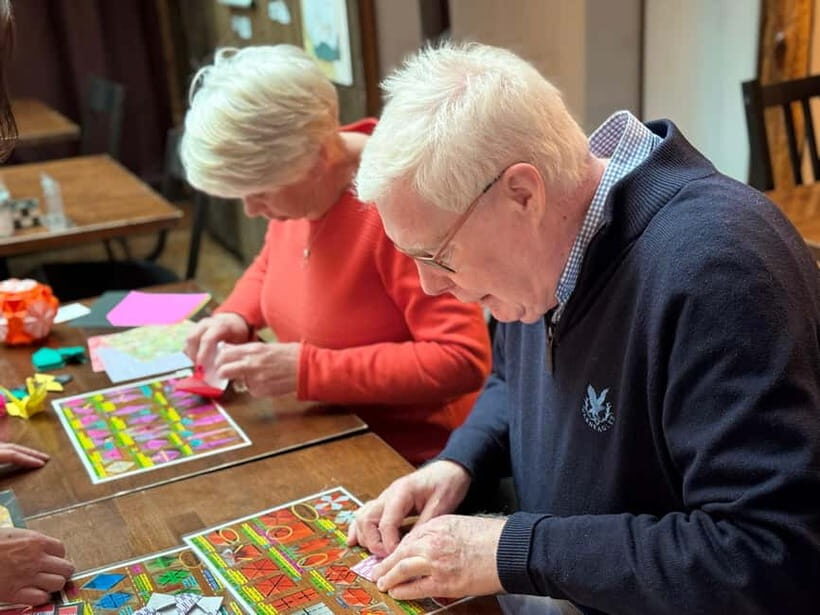
The workshop’s mindfulness angle is practical: you focus on the rhythm of folding and the present moment. No chanting is listed, no spiritual requirements are stated. It’s mindfulness through attention to a simple, repeatable task.
For many people, that’s the best kind of mindfulness. Instead of trying to clear your mind, you give your mind a job—watch the fold, feel the crease, keep moving. The result is calmer concentration, and you’re likely to finish feeling steadier than when you started.
And because the group is small, the mood tends to stay relaxed. You’re not fighting for space, and you’re not being rushed through the steps.
The Instructor and Small Group Advantage (Up to 10 People)
You’ll work with an instructor who speaks English and Japanese, and the group is limited to 10 participants. That combination is a big deal for comfort.
In small groups, the teacher can notice confusion early—like when you’ve folded the crease the wrong direction or you’re unsure which step comes next. It’s also easier to ask questions in plain language when you’re not in a crowd.
The reviews give you confidence on the human side too. Several comments highlight a kind, patient teaching style and clear explanations. People specifically mention getting guided when they got stuck, and leaving with origami they could keep.
What You Take Home: Keepsake and Photo Memory
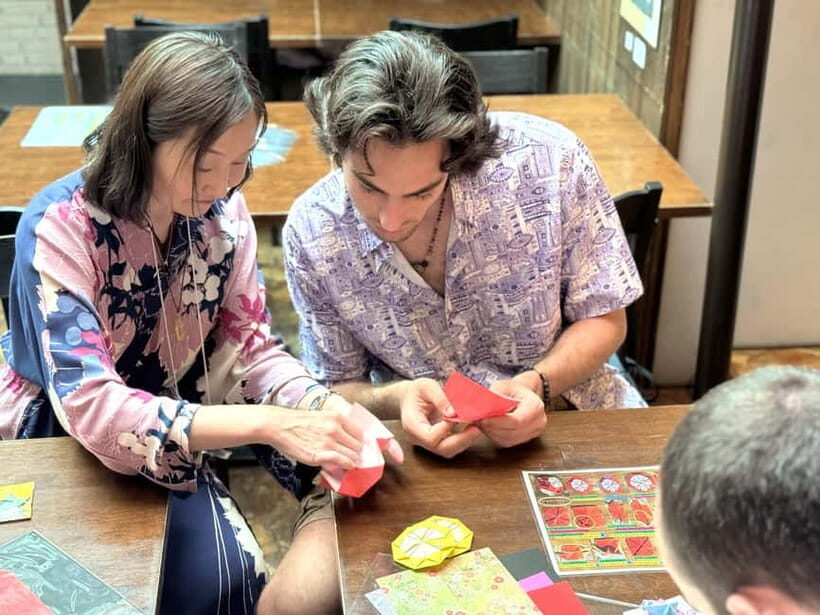
At the end, you get two “souvenirs” that actually matter.
First: you take home your origami creations. That’s your physical proof that you learned something in a place you’ll remember.
Second: there’s a group photo to commemorate your completed works. For families, couples, and solo travelers alike, photos turn a quiet activity into a shareable memory.
If you’re the type who likes practical travel keepsakes, this scores well. It’s not a generic postcard. It’s a handmade item made from paper you folded with instruction.
Price and Value: How $29 Makes Sense for Kyoto
At $29 per person for a 1-hour class, the price feels reasonable because you’re getting more than “time in a room.”
You’re paying for:
- a professional instructor guiding the folding basics and mindfulness approach
- origami supplies included for use during class
- a small group setting that supports help when you need it
- a keepsake you made plus a group photo
In other words, this is less about buying a finished souvenir and more about paying for instruction and materials in one sitting. That can be a better deal than shopping for a craft item elsewhere, especially in Kyoto where a lot of experiences charge more for less hands-on learning.
If you’re traveling with kids, this also tends to be good value because it’s interactive and structured for an hour. If you’re traveling solo, it’s also a low-risk way to do something different without committing to a half-day activity.
Who This Workshop Fits Best
This workshop is designed for everyone: it explicitly says it works for children, adults, beginners, and seasoned enthusiasts.
You’ll likely enjoy it most if you:
- want a break from temple-to-temple pacing
- like hands-on cultural activities
- enjoy calmer, focused experiences
- want something small you can finish in an hour
- want a family-friendly Kyoto moment that doesn’t require advanced skills
If you’re chasing something very technical or complex, this may feel short. But if your goal is to learn basics, feel calm, and leave with something real, it hits the mark.
Practical Tips Before You Go
Here are a few smart, low-effort tips so you get the smoothest experience:
- Wear sleeves you’re comfortable folding with. Paper work is all about creases and steady hands, so you’ll want movement that isn’t annoying.
- Plan this like a reset. If you’ve been walking all morning, think of the workshop as a short recovery that still gives you a memory.
- Bring curiosity, not perfection. The workshop itself emphasizes enjoyment of the process, which helps you relax if a step feels odd at first.
Also, if you want the most from the mindfulness angle, slow your pace when you arrive. A quick walk along the Takase River before class can help you get into the right headspace.
Should You Book GojoParadiso’s Mindfulness Origami Workshop?
If you want a short, calming, hands-on Kyoto experience with clear instruction, I’d say book it. The small group setup, bilingual teaching, included supplies, and the take-home result make it easy to justify.
I’d hold off only if you’re specifically looking for a long technical origami course or advanced models. For most people, though, this is a strong choice: you’ll learn something basic you can repeat later, feel calmer during the hour, and leave with a keepsake that doesn’t require packing a heavy bag.
FAQ
Where is the workshop located?
It takes place at GojoParadiso on Kiyamachi Street along the Takase River.
How far is it from public transit?
It’s about a 5-minute walk from Keihan Kiyomizu Gojo Station and about a 10-minute walk from Keihan Shichijo Station. It’s listed as about 386 meters from Keihan Kiyomizu Gojo Station.
How long is the workshop?
The duration is 1 hour.
What does the price include?
Origami supplies to use during the class are included.
What languages are offered?
The instructor offers English and Japanese.
Is it a small group?
Yes. It’s limited to a small group of up to 10 participants.
Can I choose the type of paper?
Yes. You can choose from vibrant colored paper or traditional Japanese-designed paper.
What will I make and take home?
You’ll learn traditional origami designs through basic techniques and leave with your completed creations as a souvenir.
Is there a group photo?
Yes. There’s a commemorative group photo included as part of the workshop.
Is wheelchair access available?
The workshop is listed as wheelchair accessible.
What is the cancellation policy?
Free cancellation is available up to 24 hours in advance for a full refund.