REVIEW · WORKSHOPS
Private Koto Lesson in Kyoto with a Professional Koto Performer
Book on Viator →Operated by Soushunan · Bookable on Viator
A koto class in Kyoto is pure calm. This private lesson at Soushunan lets you learn the instrument and play the classic song Sakura, with a professional performer guiding you through both technique and the meaning behind the music. If you want Japanese culture that you can actually take home in your hands, this is a great pick.
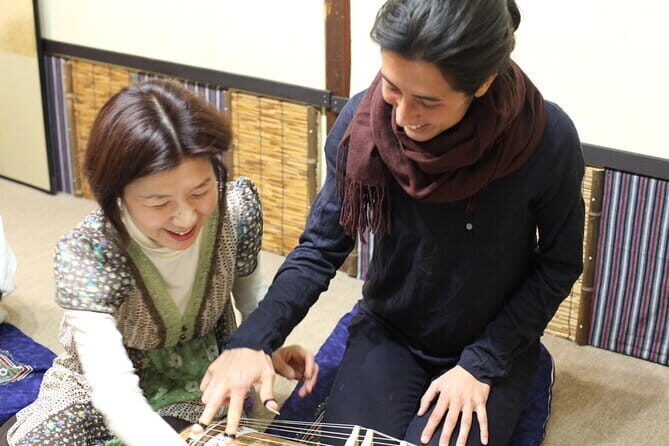
What I like most is the pace and patience. A pro performer teaches you how to make the right sounds, and the reviews back up that the instruction works for kids and adults without feeling rushed. Second, I love the built-in context: you’re not just pressing strings—you learn the tradition behind the instrument and the song. One thing to consider: this is a hands-on music lesson, so if you expect a sightseeing tour with lots of stops, you’ll want to set that expectation going in.
In This Review
- Quick Highlights You Can Expect
- Inside This Koto Lesson: What Makes It Work
- Your Lesson Plan in Plain Terms (No Guesswork)
- 1) Meet at 箏春庵 soushunan (Soushunan)
- 2) Learn how to play the koto
- 3) Learn tradition and history alongside the technique
- 4) Play the classic song Sakura
- 5) Tea break, then teacher performance
- Price and Value: Why $60 Can Feel Like a Bargain
- What’s not included
- Who This Is Best For (And Who Should Reconsider)
- What You’ll Learn That Goes Beyond the Notes
- The Real-World Details That Affect Your Day
- Private means no crowd noise
- Time control is tight but reasonable
- Mobile ticket is convenient
- Service animals are allowed
- How to Prepare (So You Get More Out of 80 Minutes)
- Should You Book This Koto Lesson at Soushunan?
- FAQ
- How long is the koto lesson?
- What song will I learn to play?
- Is this a private experience?
- What’s included in the price?
- Do I need to bring any equipment?
- Is transportation included?
- What is the cancellation policy?
- Is there a minimum age to participate?
Quick Highlights You Can Expect
- Play the song Sakura during your session, not just watch
- Professional koto performer instruction tailored to the group
- All instruments and music notation provided so you’re not scrambling
- Tea break plus the teacher’s performance after the lesson
- Private format for your group (no mixing with strangers)
Inside This Koto Lesson: What Makes It Work
Kyoto is full of temples, gardens, and old streets. But the fastest way to connect with tradition is often through a skill you can repeat. That’s what this lesson nails. You’ll spend roughly 1 hour 20 minutes learning the basics of playing the koto, guided by a professional at Soushunan in Kamigyo Ward.
The instrument itself matters. The koto is a traditional Japanese instrument tied closely to formal occasions and ceremonial culture. That’s why learning it from an expert feels different than a casual demo. You’re getting technique plus the “why” behind the sound—how the tradition frames the music you’re playing.
And the session is built for real participation. The lesson is designed so people from age 3 and up to older adults can try. That makes it unusually family-friendly for a cultural activity—especially if you’ve got mixed ages and want everyone to do something hands-on.
You can also read our reviews of more private tours in Kyoto


Your Lesson Plan in Plain Terms (No Guesswork)
Even without a long sightseeing itinerary, you still get a clear flow. Here’s how your time is likely to feel.
1) Meet at 箏春庵 soushunan (Soushunan)
You’ll start at the Soushunan address in Kamigyo Ward: 箏春庵 soushunan288-2 Higashishinmeichō, Kyoto, 602-8162. The location is listed as near public transportation, which is a relief in Kyoto, where getting across town can be slower than you think.
This matters because music lessons depend on arriving calm. If you’re stressed about finding the place, your first ten minutes are already gone. So I’d treat this like an appointment: arrive a bit early, then settle.
2) Learn how to play the koto
Your instruction focuses on playing the instrument under expert guidance. You’re not expected to already know Japanese music or instruments. What you do need is willingness to try, even if your first notes are shaky.
The best part here is that your teacher can correct your hand position and technique as you go. That’s a big deal with string instruments. Getting the first basics right makes the rest of the lesson far more satisfying.
3) Learn tradition and history alongside the technique
This lesson doesn’t just hand you a song and say good luck. You also learn the background and tradition behind what you’re playing. That means you’ll understand why the music sounds the way it does, rather than memorizing without meaning.
If you’re the type of visitor who wants more than a souvenir photo, this is where the experience turns from fun activity into cultural literacy. You’ll also see how formal Japanese culture values instruments like the koto—not as decoration, but as a language.
You can also read our reviews of more tours and experiences in Kyoto



4) Play the classic song Sakura
The lesson includes learning how to play Sakura. This is the key outcome: you leave with the feeling that you can actually perform something recognizable, not just handle the instrument briefly.
In the reviews, this is where the excitement lands. One parent described how their son, with kind and patient teaching, managed to play nice pieces by the end of the session. That’s exactly the promise you want from a music workshop: progress within the time you’re there.
5) Tea break, then teacher performance
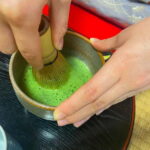
After you’ve learned and played, you’ll get a tea break. That’s more than a pause—it’s a chance to reset your focus before you watch the teacher perform.
Then you’ll enjoy your teacher’s performance. This part is valuable because it shows what the lesson is aiming toward. You’ll hear the music as it’s meant to sound, with the techniques you just practiced.
Price and Value: Why $60 Can Feel Like a Bargain
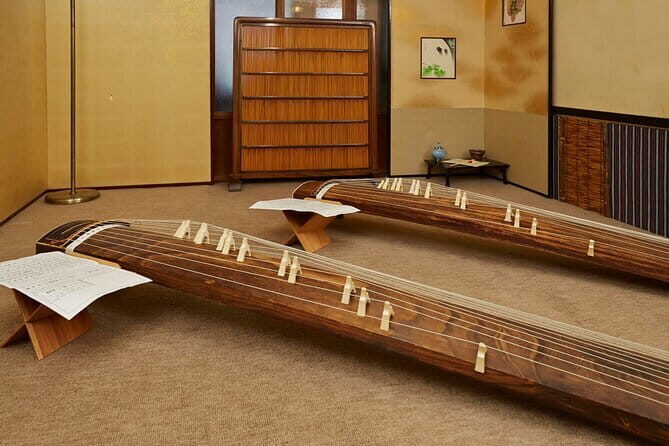
At $60 per person, this lesson isn’t priced like a concert ticket, and it isn’t priced like a private coaching session where you’re paying mainly for one-on-one time. Instead, it includes the things that usually add up:
- koto instrument usage fee
- lesson fee
- all fees and taxes
In other words, you’re paying for instruction and access to the setup you need. The tour data also notes that you don’t need extra fees during the experience because service provides what’s necessary, including instruments and music notation.
A private lesson is usually more expensive than group classes, so this pricing can feel like good value—especially in Kyoto, where paid experiences vary wildly in quality. If your goal is to leave with a real skill, not just a story, you should feel comfortable at this price point.
What’s not included
Private transportation isn’t included, so plan how you’ll get to Soushunan. The good news: the meeting spot is listed as near public transportation, so you shouldn’t need a taxi unless you’re optimizing time.
Who This Is Best For (And Who Should Reconsider)
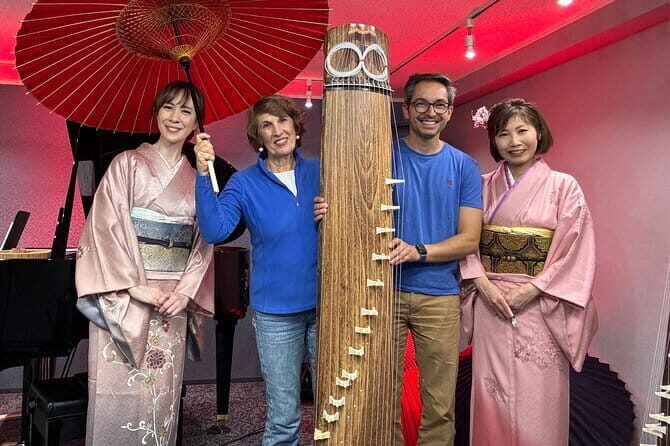
This is a great fit if you want hands-on culture. Specifically:
- Families with mixed ages (the lesson is structured so people as young as 3 can participate)
- Visitors who like learning skills, not only walking around
- Anyone who wants to play one recognizable piece, Sakura, instead of doing vague instrument exposure
- People who appreciate when tradition is explained, not treated as trivia
It might be less ideal if you’re looking for a longer day of sightseeing, multiple photo stops, or an itinerary-heavy experience. This is a lesson-first activity. The reward is what you can play and understand afterward.
What You’ll Learn That Goes Beyond the Notes
I like lessons that teach you more than a trick. This one does that in a few ways.
First, you learn that the koto isn’t just an instrument—it’s part of Japan’s formal cultural world. Knowing that upfront gives you a framework while you’re playing. You’re not thinking, now what do I do? You’re thinking, I’m practicing a real tradition.
Second, the teacher helps with the mechanics of playing. That matters because “trying” isn’t enough. The lesson is there to help your hands get into the right shapes and patterns so you can make sounds that resemble the piece.
Third, you’ll hear the teacher perform after your session. This is where understanding clicks. Even if you can’t play the entire piece exactly like the pro yet, you can tell the difference between rough attempts and more musical phrasing.
The Real-World Details That Affect Your Day
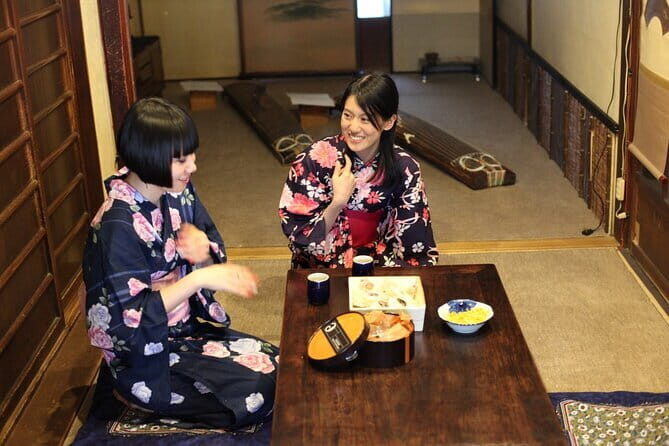
Small logistics can make or break a class.
Private means no crowd noise
This is a private tour/activity, meaning only your group participates. That usually makes the experience easier for families with kids, and it’s calmer for anyone who gets overwhelmed in busy settings.
Time control is tight but reasonable
You’re booked for about 1 hour 20 minutes. That’s long enough to learn, try, and settle into the music. It’s not so long that you’ll feel cooked afterward.
Mobile ticket is convenient
A mobile ticket is included, which helps you avoid printing and paper clutter.
Service animals are allowed
If you travel with a service animal, this activity notes that service animals are allowed.
How to Prepare (So You Get More Out of 80 Minutes)
You don’t need music experience. But a little mindset prep goes far.
- Arrive a touch early so you can settle and listen before you start
- Come ready to try even if the first notes feel awkward
- If you’re bringing kids, tell them the goal is to learn and play some of the song, not to master it instantly
- If you’re sensitive to noise, remember you’ll be in a quiet teaching environment during your lesson and then watch a performance afterward
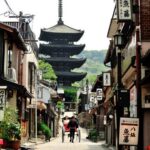
Also, consider pairing this with a relaxed Kyoto plan. A koto lesson gives you a slower, calmer rhythm that contrasts nicely with temple and street walking.
Should You Book This Koto Lesson at Soushunan?
If you want a hands-on cultural experience where you actually play a real piece, yes, you should strongly consider booking. The standout reasons are the professional performer teaching, the fact that you learn Sakura, and the friendly teaching style described in top reviews—especially the emphasis on being kind and patient enough for students who are still building their coordination.
The only “don’t book” case I’d point out is if you’re expecting a tour with many sights and long wandering time. This is a lesson. The value comes from what you learn and what you can do at the end.
If your schedule allows, I’d book sooner rather than later—this activity is often booked about 57 days in advance on average, which suggests it can fill up.
FAQ
How long is the koto lesson?
The lesson lasts about 1 hour 20 minutes.
What song will I learn to play?
You will be taught to play Sakura.
Is this a private experience?
Yes. It’s private, and only your group participates.
What’s included in the price?
The price includes all fees and taxes, plus the koto instrument usage fee and the lesson fee.
Do I need to bring any equipment?
No. The lesson provides the koto instrument and music notation you need for the session.
Is transportation included?
No. Private transportation is not included.
What is the cancellation policy?
You can cancel for a full refund up to 24 hours before the experience’s start time.
Is there a minimum age to participate?
The experience notes that people from 3 years old to elderly can participate.