REVIEW · KYOTO
All-Inclusive Kyoto Day Tour: Amanohashidate, Miyama or Ohara
Book on Viator →Operated by KyotoNusa Tours · Bookable on Viator
Heavenly bridges and quiet temples, minus the crush. Choose one of three Kyoto Prefecture routes, and I love the way an English-speaking guide turns each stop into a story you can actually use on the ground. The private car also cuts down time wasted on train transfers, so you start sightseeing without stress.
The best part is the mix of water views and small-town walks. Amanohashidate chairlift views plus the Ine funaya fishing village feel like two different Kyoto moods. Lunch isn’t included, so you’ll want a food plan before the day gets packed.
In This Review
- Key highlights at a glance
- Three routes, one 8-hour private day
- Pickup, private car, and why that matters in Kyoto
- Takao and Miyama: Jingoji, Kōzan-ji, and Kayabuki-no-sato Kitamura
- Hiyoshi Dam: the engineering stop that actually works
- Amanohashidate sandbar time: Kasamatsu Park and the chairlift
- Ine no Funaya: fishing village walks and the water-side boat experience
- Ohara and Lake Biwa: a calmer rural swap
- Price and value: what $520.25 buys you
- How this day actually feels: organized, but not robotic
- Who should book this tour
- Should you book this Kyoto all-in day?
- FAQ
- How long is the Kyoto all-inclusive day tour?
- What time does the tour start?
- Are pickup and transportation included?
- Which routes can I choose?
- What’s included in the price?
- What isn’t included?
- Is this a private tour?
- Can I cancel for a full refund?
Key highlights at a glance
- Private, English-guided pacing with a car that handles transport, parking, and highways
- Amanohashidate sandbar time with chairlift access and a long viewing stretch at Kasamatsu Park
- Ine no Funaya fun with a guided stroll through the boat-house fishing village
- Boat fees included for the water sightseeing at both Amanohashidate and Ine
- Miyama/Takao option adds thatched-roof villages, temple halls, and a quiet engineering stop at Hiyoshi Dam
Three routes, one 8-hour private day
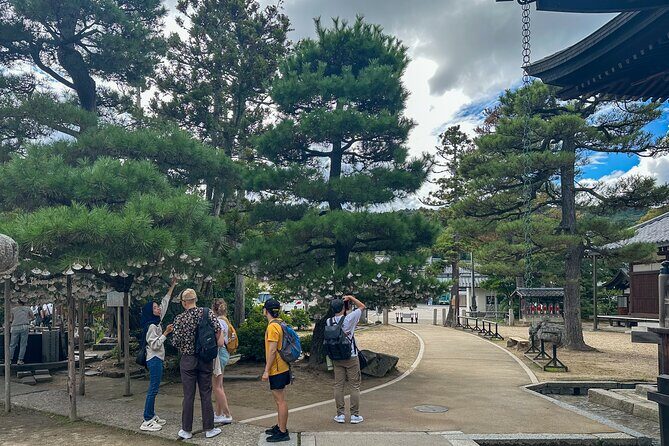
This tour is built around choice. You pick a route: Miyama & Takao, Amanohashidate & Ine, or Ohara & Biwako—then you get the same core promise: a private day, guided in English, with a comfortable car and the money-handling taken care of for the big-ticket fees.
What I like about that structure is the flexibility. Kyoto can be a “pick two neighborhoods” city, but this turns it into a proper day trip across the prefecture. You’re not just hopping from one famous point to another—you’re getting grouped experiences: temples plus mountain villages, or coastal views plus a real fishing community.
Timing matters too. The day runs about 8 hours starting at 9:00 am, which is enough time to see several distinct places without turning every stop into a sprint. It won’t feel like a “quick hit” tour—if anything, it gives you time to look around and ask questions.
You can also read our reviews of more tours and experiences in Kyoto.



Pickup, private car, and why that matters in Kyoto
The tour includes pickup offered and a private car, with gasoline, parking, and highway fees included. In Kyoto, that’s a big deal. Even when the sites are “not far,” transfers can eat your morning and turn a day into a schedule.
With a private car, you also get a quieter rhythm. You can spread out your walking. You’re less tied to train timings. And you can usually move around right when your guide suggests rather than when a timetable forces you.
One more practical touch: you get bottled water, so you’re not scrambling for drinks during transitions. That sounds small until you’re doing a chairlift, a boat ride, and a lakeside or seaside walk all in one go.
Takao and Miyama: Jingoji, Kōzan-ji, and Kayabuki-no-sato Kitamura
If you choose the Miyama & Takao route, expect a day shaped by mountain temples and thatched-roof village life. A strong place to start is Jingoji Temple, with about 1 hour 30 minutes on site. You’ll walk through cedar-filled grounds, plus historic pagodas and gardens. Even if you’re not chasing temple architecture, the setting does half the work for you.
Next comes Kōsan-ji Temple (about 1 hour), another major stop in the Takao area. This one is a UNESCO World Heritage site, and the key value here is context: your guide explains what you’re looking at and why it matters within Japan’s temple traditions. You’re not just standing in front of buildings—you’re learning the logic of the place.
Then you shift into open-air village atmosphere at Kayabuki-no-sato Kitamura (about 1 hour). This is the area known for traditional thatched-roof farmhouses. It’s a slower, more stroll-friendly part of the day. Even better, admission is listed as free, so you’re paying for guidance and time—not another entry ticket.
Watch for this consideration: mountain-route days can feel cool or damp depending on the season. Wear shoes you’re happy to walk in for an hour-long village stroll, and don’t count on a bathroom stop every five minutes.
Hiyoshi Dam: the engineering stop that actually works
Some day tours toss in one “random” stop. This one avoids that. Hiyoshi Dam is listed as about 30 minutes, and the point is clear: it’s an engineering landmark inside a natural setting, and your guide explains its role in flood control and water management.
I find stops like this underrated. When you’re traveling through Japan, it’s easy to focus on old buildings and forget the systems that keep daily life running. A dam might not sound romantic, but it adds a different kind of understanding—why the region looks the way it does, and how water shapes it.
This stop also does something useful for your day: it breaks up the intensity. After temples and village walking, a shorter, explanatory stop can feel like a breather.
Amanohashidate sandbar time: Kasamatsu Park and the chairlift
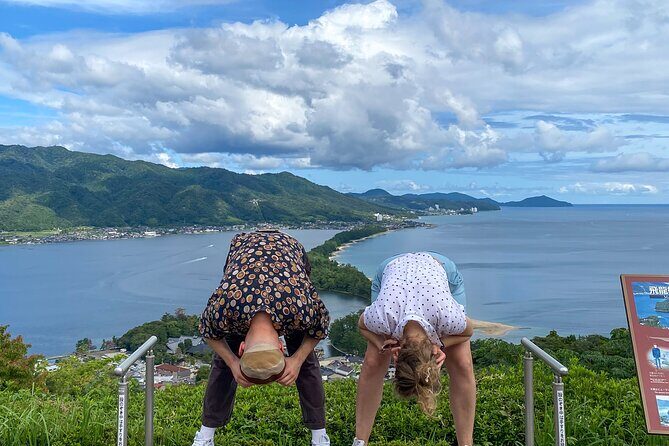
If you choose the Amanohashidate & Ine route, your day leans toward classic coastal views. The centerpiece is Amanohashidate Kasamatsu Park, with about 1 hour 30 minutes. From the observation deck area, you get panoramic views of the famous sandbar stretching across the bay.
Before you settle into that longer viewpoint time, you’ll usually stop at two more spiritually focused sites: Chion-ji Temple (about 20 minutes) and Motoise Konojinja Shrine (about 15 minutes). These are shorter stops, so you’re not getting “lost in temples.” Instead, they set a calmer tone before the open views.
A big included bonus for the sandbar experience is the chairlift at Amanohashidate Viewland. Since the chairlift fee is included, you don’t have to decide on the spot if it’s “worth it.” The chairlift also helps you get angles you’d miss if you only walked the flat viewpoints.
Practical tip: chairlifts and boats mean you’ll be dealing with small transfers. If you pack light and keep essentials easy to reach—phone, cash for snacks if needed, a light layer—you’ll enjoy the day more.



Ine no Funaya: fishing village walks and the water-side boat experience
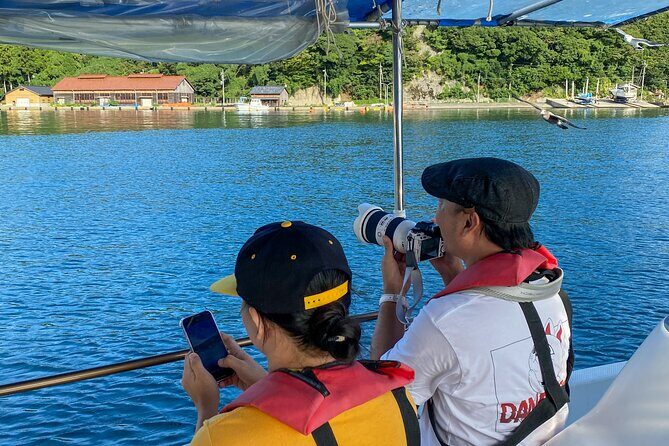
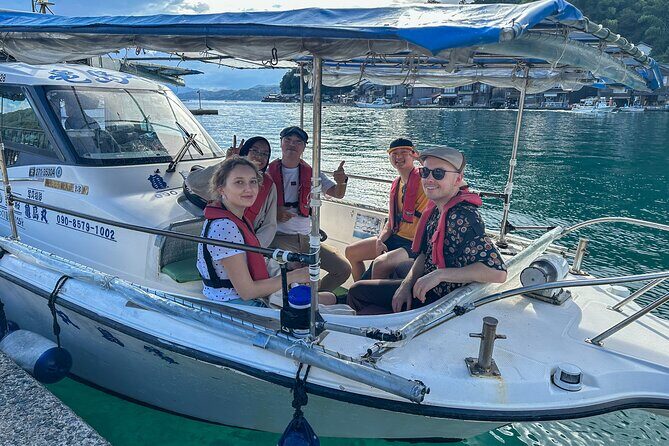
The second half of the Amanohashidate & Ine route is where the day feels most human. Ine no Funaya is a fishing village built around funaya—boat houses right along the water’s edge. You get about 1 hour 30 minutes here, and your guide walks you through the narrow village streets lined with those water-facing structures.
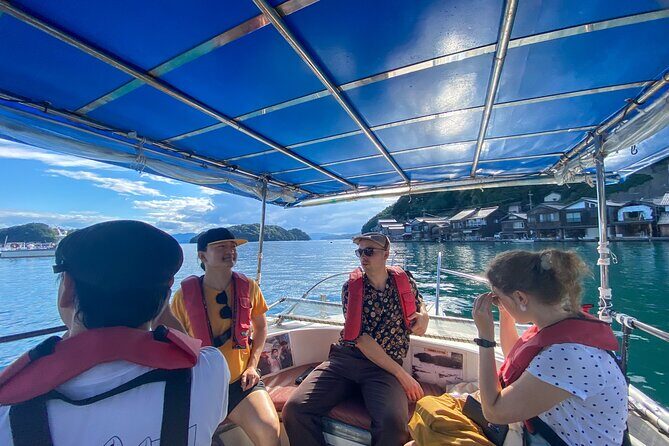
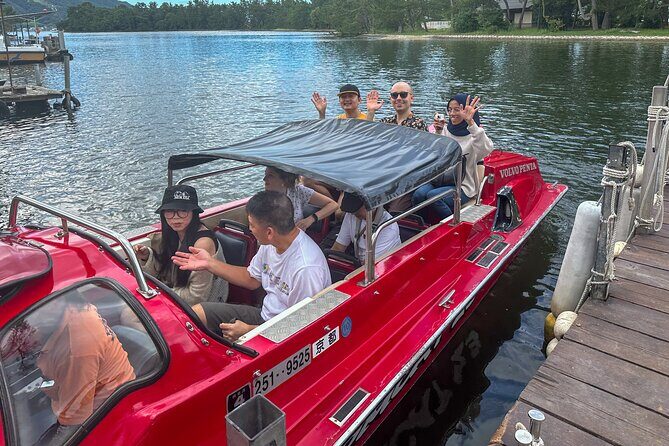
This is also where the tour includes boat fees for the water sightseeing experience in the area. One thing I’d plan for is that this part of the day can bring memorable views fast, since you’re literally moving along the coast rather than only viewing it from land.
In one of the tour comments, the boat section is described as sightseeing near the area people associate with a famous dragon, and that’s the vibe: you’re close to the coastal features rather than just looking down at them.
Ohara and Lake Biwa: a calmer rural swap
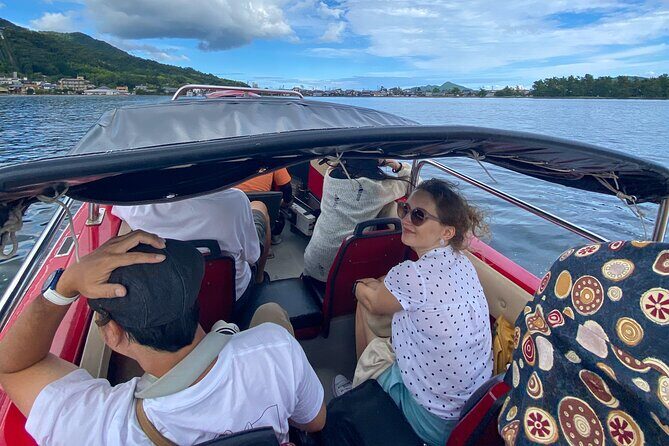
If you pick the Ohara & Biwako route, the day shifts away from the sandbar-and-boat-house focus. Instead, you’re looking at scenic rural villages and time to relax by the shores of Lake Biwa.
The data doesn’t list specific OHara temple names or village names for this option, so you should think of this route as a “region experience” rather than a checklist of named monuments. Your guide will likely structure the day around viewpoints, local atmosphere, and walking stops that fit the time you have.
This is a smart choice if you want a gentler day. Amanohashidate and Ine can feel like a classic sightseeing loop—pretty and famous. Ohara and Biwa can feel slower and more local, especially if you enjoy quiet countryside walking and lake air.
Price and value: what $520.25 buys you
At $520.25 per person, this is a premium day. I won’t pretend it’s cheap. But private, all-in Kyoto day trips are often like this: the cost is mostly about convenience, transport, and bundled fees.
Here’s what helps justify it, based on what’s included:
- A private car with gasoline, parking, and highway fees handled
- An English-speaking guide
- Bottled water
- Boat fee(s) included for the Ine and Amanohashidate water sightseeing
- Chairlift fee included at Amanohashidate Viewland
What’s not included is also clear: lunch, tips for the guide (optional), and personal expenses.
So the value equation depends on your travel style. If you hate planning and hate hunting ticket lines, this pays off. If you’re comfortable building your own route and don’t mind buying tickets and figuring out connections, you might decide it’s too much.
My rule of thumb: if you want a guided day with real pacing control, this price can feel fair. If you mainly want to see famous places fast, it may feel heavy.
How this day actually feels: organized, but not robotic
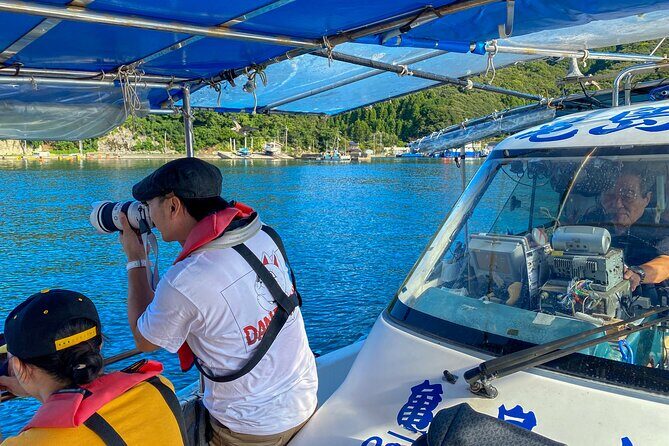
The tour’s structure is designed to prevent the usual chaos. Pickup is described as on time, and the overall flow is called packed but well organized. You should expect a day that uses multiple “modes” of seeing—walks, a boat segment, and car transfers.
One comment also highlights that the guide shared facts that connect the region history and local context, including stories tied to the Tango region and background behind the famous bridge name. That’s exactly why a private guide helps: you get a coherent narrative across scattered sites, not just isolated photo stops.
And the biggest practical win from the feedback: people describe the day as comfortable and well paced, including a mix of atmosphere and calmer moments. If you’re new to Japan, that matters. If you’ve visited Kyoto before, it still matters, because a guide can point you toward the slower corners and less-obvious viewpoints.
Who should book this tour
This works especially well if you:
- Want a private, English-guided day and don’t want to plan transport between regions
- Enjoy seeing Kyoto beyond the city center—temples, village life, and water views
- Care about included fees so your day stays simple
- Prefer a day with some structure but still guided flexibility
It might not fit as well if you:
- Want a totally free-form itinerary where you control every hour
- Are cost-sensitive and only want one or two famous sights
- Don’t like walking or handling short transitions between car, chairlift, and boat
Should you book this Kyoto all-in day?
My honest take: book it if you want Kyoto Prefecture, not just Kyoto city. The combination of temple atmosphere, Amanohashidate views, Ine funaya village life, and guided context is hard to match with an unassisted day. The included chairlift and boat fees take away the “where do I spend my time?” friction.
Don’t book it if you’re hoping to eat wherever you want with no plan and no scheduling pressure. Lunch isn’t included, and the day is active enough that you’ll feel the gap.
If you want one day that feels organized, scenic, and thoughtfully routed across the region, this is a strong pick.
FAQ
How long is the Kyoto all-inclusive day tour?
It runs for about 8 hours.
What time does the tour start?
The start time is 9:00 am.
Are pickup and transportation included?
Pickup is offered, and the tour includes a private car plus gasoline, parking, and highway fees.
Which routes can I choose?
You can choose one route: Miyama & Takao, Amanohashidate & Ine, or Ohara & Biwako.
What’s included in the price?
Included items are bottled water, an English-speaking guide, boat fees (in Ine Funaya and Amanohashidate), the chairlift fee at Amanohashidate Viewland, and the private car costs.
What isn’t included?
Lunch, tips for the guide (optional), and personal expenses are not included.
Is this a private tour?
Yes. It’s a private tour/activity, so only your group participates.
Can I cancel for a full refund?
Yes. You can cancel for free up to 24 hours before the experience’s start time for a full refund.