REVIEW · FULL-DAY
Nara Todaiji Kasuga Taisha Private Full Day Tour From Kyoto
Book on Viator →Operated by TripGuru · Bookable on Viator
Deer, lanterns, and a giant Buddha in one day. I love how this tour strings together the big Nara hits with an English-speaking guide, so Nara Park deer and Todaiji’s Great Buddha feel easy to understand. I also like that entrance fees for key sites are handled and you get snacks along the way. One thing to consider: transportation from Kyoto and your lunch aren’t included, so you’ll budget a bit extra beyond the $195 price.
You start at a clear meetup point at 7-Eleven Heart-In inside Kyoto Station, so you’re not hunting around the wrong corner. Tickets are handled with a mobile ticket, which saves time when you’re moving between temples and shrines. This is a private tour, so it’s just your group.
The full day runs about 8 hours and includes a mix of walking and sightseeing—great if you like variety, but wear comfortable shoes. Based on the high rating (4.8) and strong recommendation rate (92%), it’s the kind of day that usually lands well when you want Nara without the stress of planning.
In This Review
- Key things that make this Nara day worth it
- Why a private Nara day from Kyoto is the smart way to do it
- Meeting at Kyoto Station and getting to Nara without stress
- Gyoki Statue with a fountain: a small start that sets the tone
- Nara Park and the Sika deer: the part you’ll remember
- Todaiji Daibutsuden: seeing the Great Buddha like it’s supposed to be seen
- Kotoya lunch: budget time for the one meal not included
- Kasuga Taisha lanterns and Naramachi’s Edo-era streets
- Kōfuku-ji and the Heijō-kyo capital story as you head back
- Price and logistics: getting real value from the $195
- Who this tour suits best (and who might rethink it)
- Should you book the Nara Todaiji Kasuga Taisha private full day?
- FAQ
- Is this tour private?
- What does the tour price include?
- What isn’t included in the price?
- How long is the tour?
- Where is the meeting point in Kyoto?
- Can I cancel and get a full refund?
Key things that make this Nara day worth it
- Private tour setup: it’s just your group, with an English-speaking guide leading the rhythm of the day
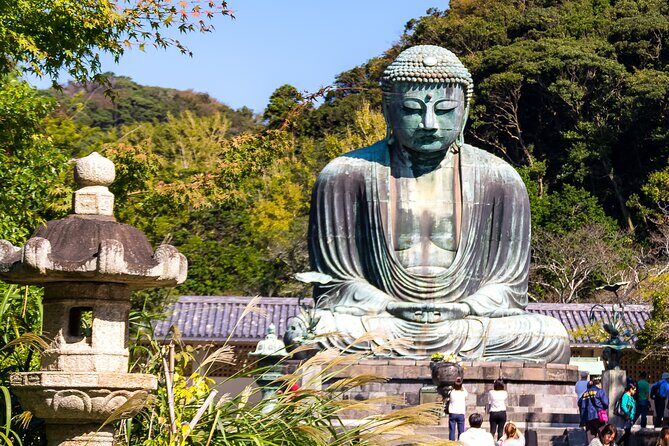
- UNESCO Todaiji access: you visit Todai-ji Daibutsuden, home to the Great Buddha
- Kasuga Taisha lantern atmosphere: thousands of hanging lanterns and a scenic shrine approach
- Nara Park deer time: Sika deer in the park, including chances to feed them during the visit
- Naramachi Edo-style lanes: well-preserved merchant-house streets plus specialty shops and retro spots
- You get a bonus Kyoto-era stop: Kōfuku-ji comes at the end of the day, tied to the Heijō-kyo capital story
Why a private Nara day from Kyoto is the smart way to do it
Nara is close enough to Kyoto that it feels simple on paper. In practice, it can turn into a half-day puzzle of train timing, ticket lines, and figuring out where to start. This tour solves that by putting one guide in charge of the route and the order of sights.
The payoff is focus. You spend your energy on the places that really define Nara: deer in the park, the Great Buddha at Todaiji, the lanterns at Kasuga Taisha, and the old merchant lanes in Naramachi. You’re not wasting time bouncing between disconnected stops.
I also like that it feels structured without being rushed. The day moves in chunks—park, UNESCO hall, shrine, old streets—so you’re not stuck in one place too long, or moving constantly without a reason.
The only catch is physical time. This isn’t a sit-down museum tour. You’ll be walking through temple grounds and old streets, and at least one guide-led day is known for having a longer walk than people expect. If you’re okay with steady walking, you’ll be fine.
You can also read our reviews of more private tours in Kyoto

Meeting at Kyoto Station and getting to Nara without stress
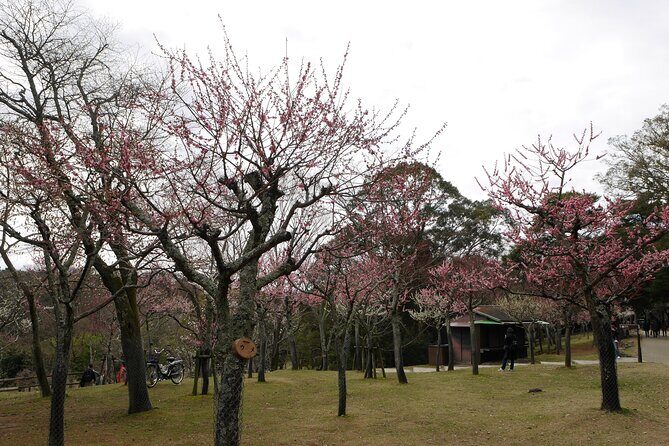
The meetup point is at 7-Eleven Heart-In in Kyoto Station, Central Entrance Store (the烏丸通塩小路下ル area). The tour departs from Kyoto, then you head to Nara by express train.
Why this matters: Kyoto Station is a practical hub. You avoid the hassle of hotel pickup (not included) and instead base everything on an easy-to-find location. It’s also close to public transportation, so if your plan has any uncertainty, you have a reliable anchor.
About the train: transportation isn’t included. If you use a JR Pass, you can use it for the route. If not, the one-way cost noted is JPY 1280, so you can plan for that separately. Either way, the tour gives you the schedule structure once you’re on the train.
This tour is about 8 hours total, which gives you enough time to see the core sites without trying to cram Nara into a tiny time window.
Gyoki Statue with a fountain: a small start that sets the tone
Before you hit the heart of Nara Park, the day includes a stop at the Gyoki Statue with a fountain. It’s a short, free admission moment, and it works like a warm-up.
Think of it as a reset before things get lively. Deer time is fun, but it’s also chaotic in the best way. A calm early stop helps you get your bearings and settle into the area’s flow before the main sights.
Nara Park and the Sika deer: the part you’ll remember
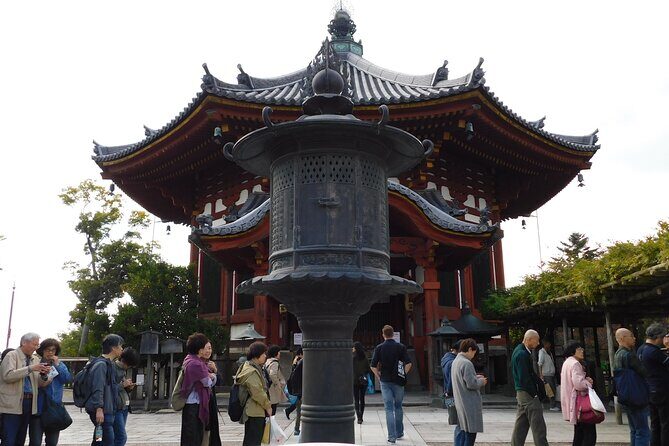
Then comes Nara Park—open space, greenery, and the famous Sika deer. They’re considered sacred messengers in Shinto, and the park is built around that idea. It’s not just a zoo-like stop. It feels like you’re stepping into a living cultural scene.
The highlights here are practical and simple:
- You’ll have time to see deer roaming freely in the park.
- You can take photos with the deer (the deer are basically the symbol of Nara).
- You can even feed them, and that’s a big part of why the park visit is so much fun.
If you like people-watching, Nara Park delivers. If you like quiet photo angles, you’ll probably find yourself searching for small pockets away from the densest clusters. A good guide helps with timing and route decisions so you’re not just wandering and guessing.
One consideration: deer encounters mean you’re outside for a while. Dress for the weather and keep an eye on comfort, especially if you’re sensitive to walking or standing around.
Todaiji Daibutsuden: seeing the Great Buddha like it’s supposed to be seen
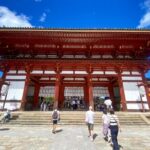
The main UNESCO moment is Todai-ji (Todaiji) and Todai-ji Daibutsuden, also called the Great Buddha Hall. This is where the tour’s big “wow” factor lives.
You’re visiting the Daibutsuden, which houses the Great Buddha (Daibutsu). The scale is the point here: it’s one of the largest bronze Buddha statues in Japan. When you’re in that hall, you’re not looking at a small object behind a rope—you’re facing something built to overwhelm your sense of perspective in a very controlled way.
What I’d focus on when you go:
- Take a second to register the hall size before you start snapping photos.
- Pay attention to how the space frames the statue. It changes your perception fast.
- Use your guide’s explanations. A short, clear narrative makes the place feel more meaningful without turning it into homework.
Entrance for Todaiji is included, so you’re not dealing with extra ticket steps on-site. Your guide also helps you keep the visit moving in the most logical direction.
You can also read our reviews of more tours and experiences in Kyoto
Kotoya lunch: budget time for the one meal not included
After Todaiji, the schedule includes lunch at Kotoya Restaurant. The catch is that the lunch isn’t included in the tour price.
The tour notes it’s around JPY 2500, so plan for that in your day budget. If you have dietary needs, this is the moment to decide how you’ll handle it. Since lunch is part of the structure, it’s better to think ahead than to wing it.
Why this matters: adding lunch to the middle of temple time helps keep your schedule coherent. You get a break before you shift from the Great Buddha hall to the shrine atmosphere at Kasuga Taisha.
Snacks are included, which is helpful if you arrive hungry from breakfast. Still, I’d treat lunch as a real cost, not an optional add-on.
Kasuga Taisha lanterns and Naramachi’s Edo-era streets
Next up is Kasugataisha Shrine, known for its picturesque look with thousands of hanging lanterns. The lanterns are the signature visual, and the shrine approach has a calm, scenic feel compared with the more open deer park energy.
After Kasuga Taisha, the day flows into Naramachi—the preserved streets with traditional merchant houses that evoke the Edo period. This is where Nara feels like it’s more than just temples.
You’ll stroll narrow lanes lined with old-style architecture, and the schedule also includes time for specialty shops and retro museums. You’re not just looking—you have room to browse.
This part of the day tends to be the best for slowing down. If your feet are tired, Naramachi gives you natural places to pause: storefront fronts, small exhibits, and quiet lanes where you can catch your breath.
One practical note: you’ll likely do more walking than you think, so split your energy. Take photos, but also use the shop time to reset your pace.
Kōfuku-ji and the Heijō-kyo capital story as you head back
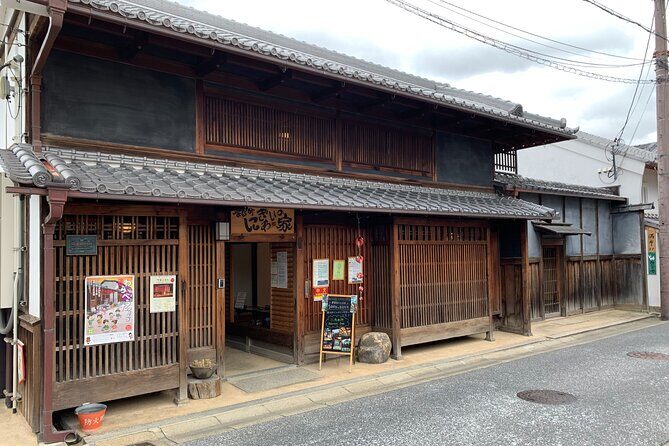
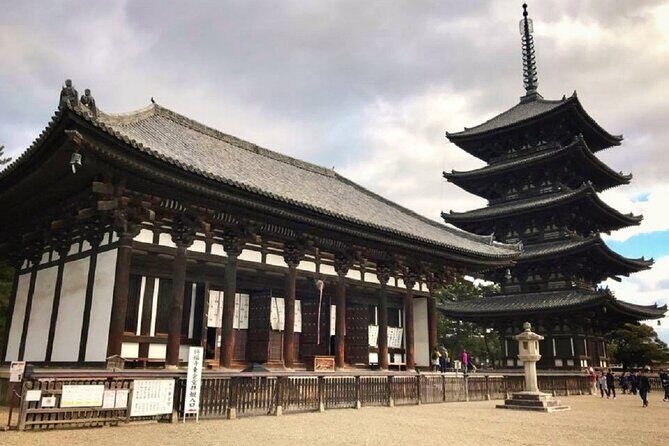
At the end of the day, you’ll visit Kōfuku-ji in Kyoto as part of the schedule. It’s tied to the history of the Heijō-kyo imperial capital, so you get a final thread that connects Nara’s religious sites to the political center of the era.
This is a nice “close the loop” stop. After spending most of the day in Nara’s park and shrine spaces, Kōfuku-ji helps ground the story in how the city functioned historically.
The tour returns you back toward Kyoto and ends back at the meeting point.
Price and logistics: getting real value from the $195
At $195 per person, this tour sits in the mid-to-higher range for a day trip. The value comes from what’s included.
Here’s where the price helps:
- English-speaking guide for the full route
- Entrance fees included for Todaiji and Kasuga Taisha
- Snacks included
- A private setup with group discounts listed, which can make the per-person cost feel more reasonable when the private tour is shared by multiple people
Here’s what you should add to your mental budget:
- Transportation between Kyoto and Nara isn’t included (JR Pass can be used; one-way JPY 1280 noted)
- Hotel pickup/drop-off isn’t included (you meet at Kyoto Station)
- Lunch at Kotoya isn’t included (around JPY 2500)
- Personal expenses are on you
So the tour isn’t “all-in,” but it is a good deal if you’d otherwise pay entrance fees plus spend time figuring out the route. It’s also a strong option when you want Nara’s key highlights in one day and you prefer not to make multiple decisions while you’re tired.
One more practical point: this tour is booked around 47 days in advance on average, which suggests it’s popular. If you’re traveling in peak seasons, booking sooner helps you avoid time slot issues.
Who this tour suits best (and who might rethink it)
This is a great fit if you want:
- The major Nara sights (deer park, Todaiji, Kasuga Taisha, Naramachi) without DIY route stress
- An English-speaking guide who can connect the dots
- A day that mixes big-ticket monuments with street-level wandering
It’s also a good match if you appreciate a guide’s local-style pacing. English command from guides has been described as very strong in past groups, and some guides you might encounter are native to Nara, which helps for small context around what you’re seeing.
You might rethink it if:
- You hate walking and long outdoor stretches. The walk can feel lengthy depending on your pace.
- You’d rather control every stop on your own. This tour is structured, even though it’s private.
Should you book the Nara Todaiji Kasuga Taisha private full day?
If your goal is to see the “Nara essentials” with minimal friction, I’d lean yes. The combination of included major entrance fees, an English-speaking guide, and time in the deer park plus lantern shrine plus Naramachi streets is a solid use of one full day.
Book it when:
- You want a guided route rather than managing train timing and ticket steps.
- You’re visiting for the first time and want the key sights in a logical order.
- You’re okay with steady walking and outdoor time.
Think twice (or plan differently) if you:
- Don’t want to add extra costs for train and lunch.
- Prefer slower, purely self-paced exploration.
FAQ
Is this tour private?
Yes. It’s listed as a private tour/activity, meaning only your group participates.
What does the tour price include?
It includes an English-speaking guide, entrance fees for Todaiji Temple and Kasuga Taisha Shrine, and snacks. Mobile ticket is used.
What isn’t included in the price?
Transportation is not included, and hotel pickup/drop-off is not included. Lunch at Kotoya is also not included (around JPY 2500), along with personal expenses.
How long is the tour?
The duration is about 8 hours.
Where is the meeting point in Kyoto?
The tour starts at 7-Eleven Heart-In at JR Kyoto Station Central Entrance Store (烏丸通塩小路下ル Higashishiokojicho, Shimogyo Ward, Kyoto 600-8216). The tour ends back at the meeting point.
Can I cancel and get a full refund?
Yes. Free cancellation is available up to 24 hours in advance for a full refund.